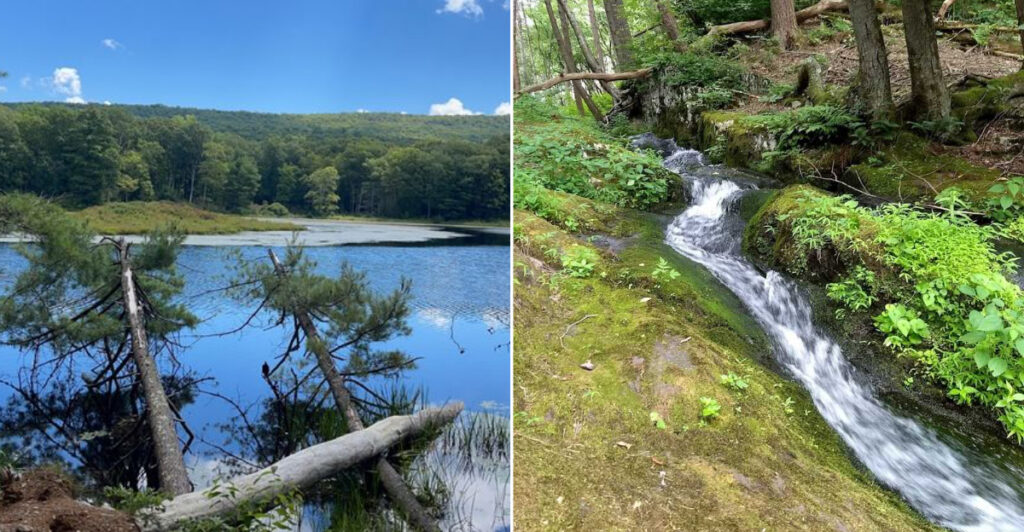
There is a trail in northwestern New Jersey that most people drive right past without knowing it exists. It winds through old-growth forest, crosses a stream on flat stepping stones, and ends at a lake so calm it looks like polished glass on a still morning.
The loop is only 2.8 miles long, which means you get all the reward without any of the suffering. Located in Sussex County, this forested corner of the state has been quietly winning over hikers, campers, and families for decades.
What makes it stand out is how much variety gets packed into such a short distance: waterfalls, lake views, wooded ridges, and natural spring water all show up before you even finish your first cup of coffee. Keep reading, because this trail and the forest surrounding it are worth every detail.
Where the Trail Begins: Location and Access
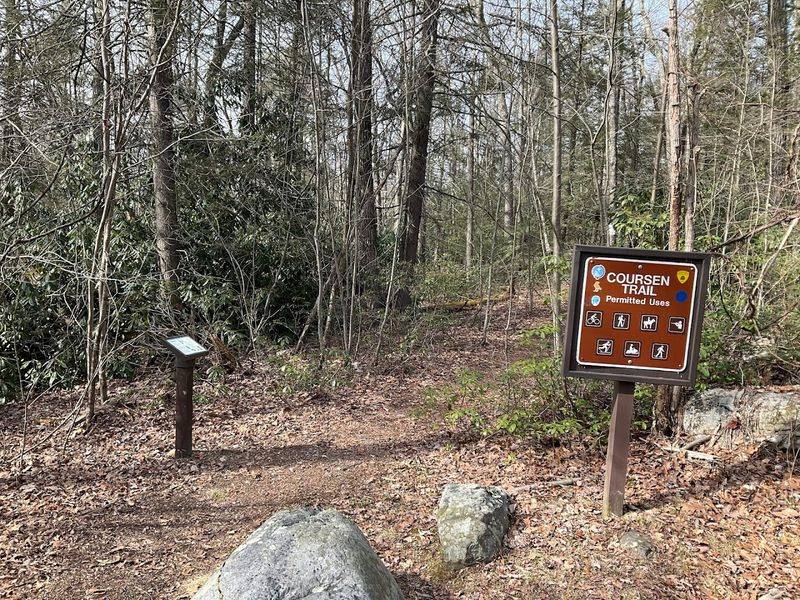
Stokes State Forest sits at Sandyston, NJ 07826, tucked into the Kittatinny Mountains of Sussex County in northern New Jersey. The forest covers more than 15,000 acres and serves as one of the largest state forests in New Jersey, making it a serious destination rather than just a weekend detour.
Getting there is straightforward. The main entrance and ranger station are well marked, and staff at the station can hand you a trail map and point you toward the trailhead for the 2.8-mile loop.
Parking areas are available near the campground and lake access points.
The forest is managed by the New Jersey Division of Parks and Forestry. No matter which direction you arrive from, the final stretch of road into the forest feels like the world is gradually turning down its volume, and by the time you park, you are already in a different headspace entirely.
The 2.8-Mile Loop Explained
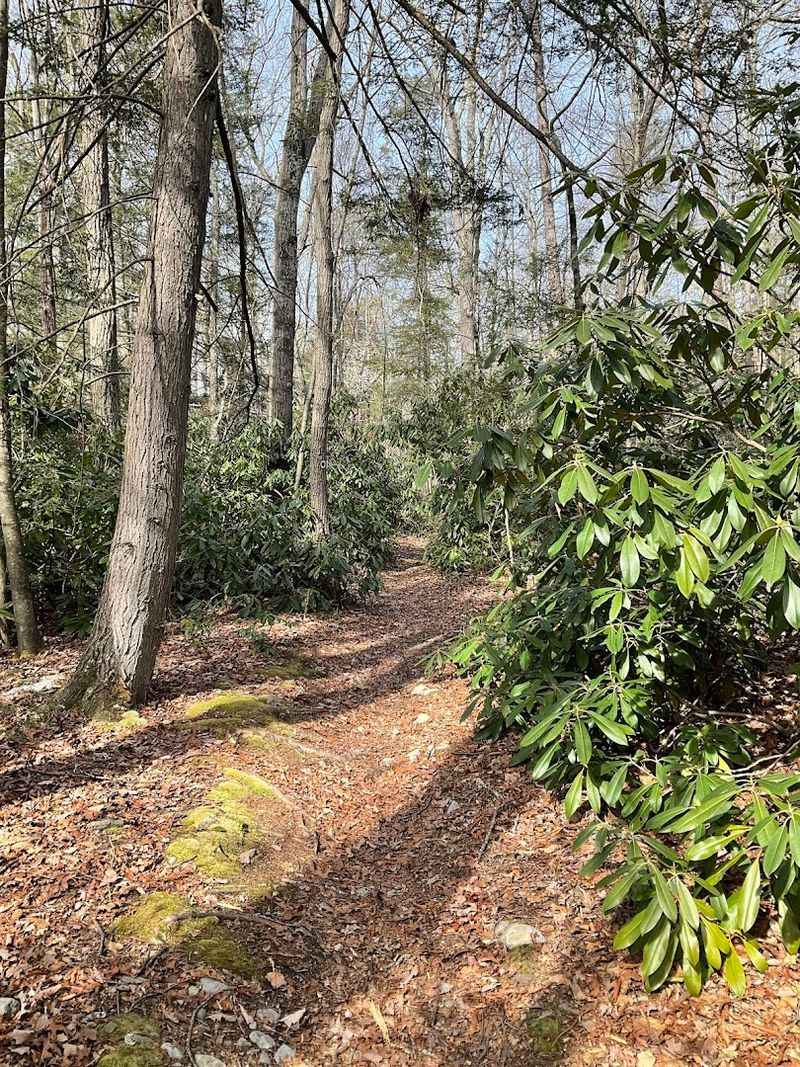
The loop trail at Stokes State Forest is one of those routes that earns its reputation honestly. At 2.8 miles, it is long enough to feel like a real hike but short enough that most people can finish it comfortably in under two hours, including time spent stopping to look around.
The trail is well-blazed and relatively easy to follow. Elevation changes are moderate, with a few short climbs that give you a reason to pause and catch your breath while also offering tree-framed views of the surrounding ridgeline.
The path passes through several distinct forest zones, shifting from dense hardwood canopy to more open streamside terrain.
Trail conditions vary by season, so waterproof footwear is a smart call in spring and after rain. The loop connects multiple natural highlights in a logical sequence, so each new feature arrives just when the previous one starts to feel familiar, keeping the whole walk genuinely interesting from start to finish.
Stepping-Stone Crossings Worth Slowing Down For
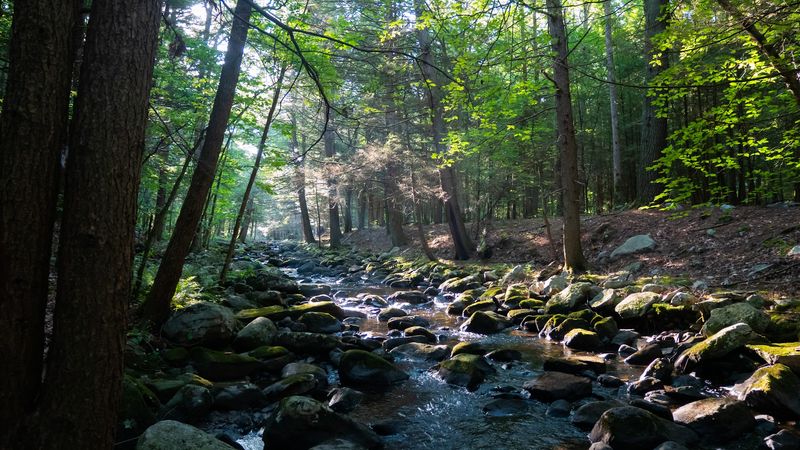
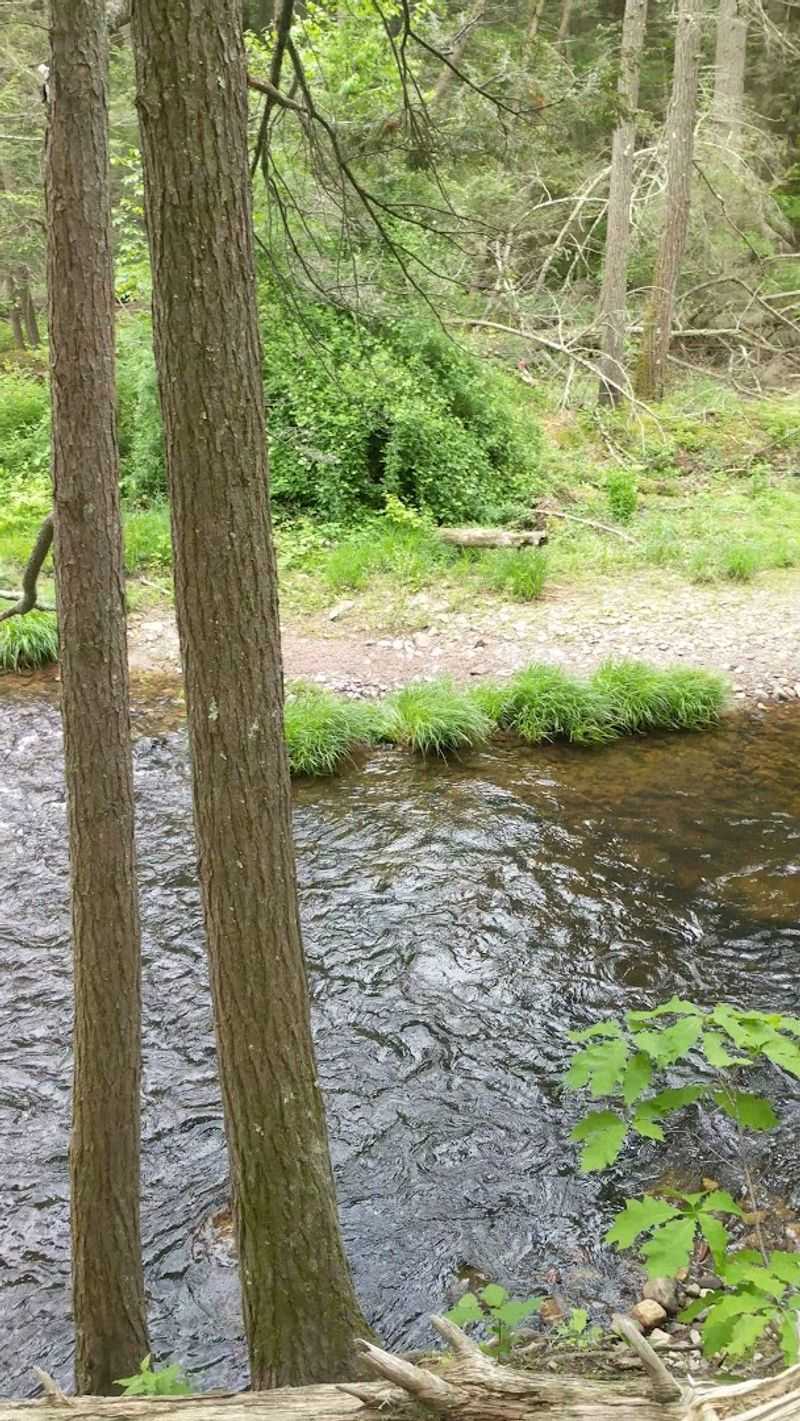
One of the most talked-about features of this loop is the stream crossing done entirely on flat stepping stones. These are not fancy engineered structures; they are wide, stable rocks placed at just the right intervals across a shallow, clear-running stream.
The crossing adds a playful element to the hike that kids absolutely love and that adults quietly enjoy just as much. Balancing from stone to stone while watching the water move underneath keeps everyone focused and present in a way that flat pavement never does.
The stream itself runs cold and clear, fed by the same underground sources that supply the forest’s famous natural spring water. Depending on the season and recent rainfall, the water level changes, but the stepping stones are generally accessible through most of the year.
Early spring brings the highest flow, which makes the crossing feel a little more exciting, while late summer offers a gentler trickle that is easy to navigate even for younger hikers.
Waterfalls Along the Route
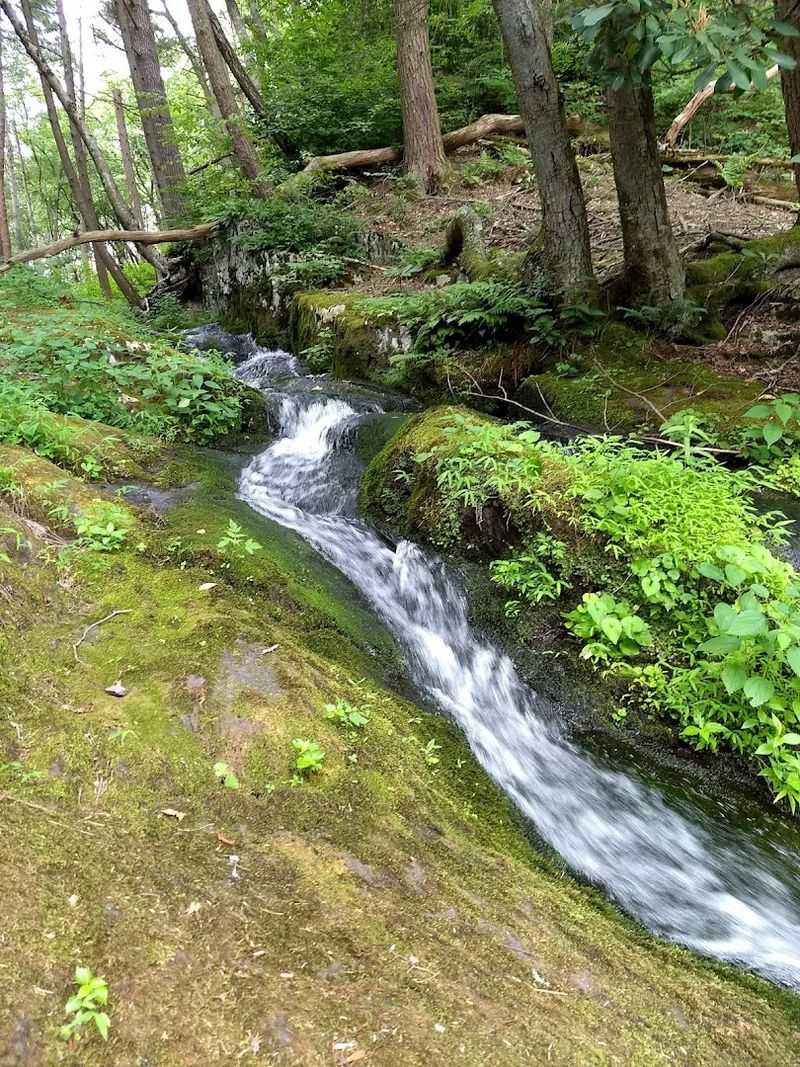
Waterfall features on this loop are not the dramatic, postcard-style drops you would find at a major tourist attraction. What the trail offers instead are smaller, more intimate cascades where water tumbles over layered rock shelves in a way that feels genuinely wild and unmanaged.
Stony Lake has its own small waterfall nearby, which adds to the overall water-themed character of this hike. The combination of moving water at multiple points along the route is one of the main reasons this particular loop stands out from other trails in the region.
The best waterfall views tend to appear after periods of steady rain, when water volume is high and the cascades are running at full strength. Even during drier stretches, the rocky stream beds and moss-covered ledges remain photogenic and worth the stop.
Bringing a camera or making sure your phone is charged before you hit the trailhead is genuinely good advice here.
Stony Lake: The Glassy Centerpiece
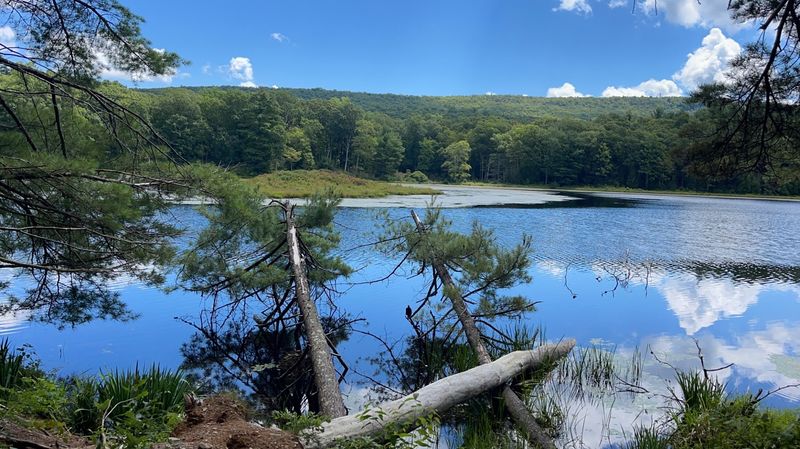
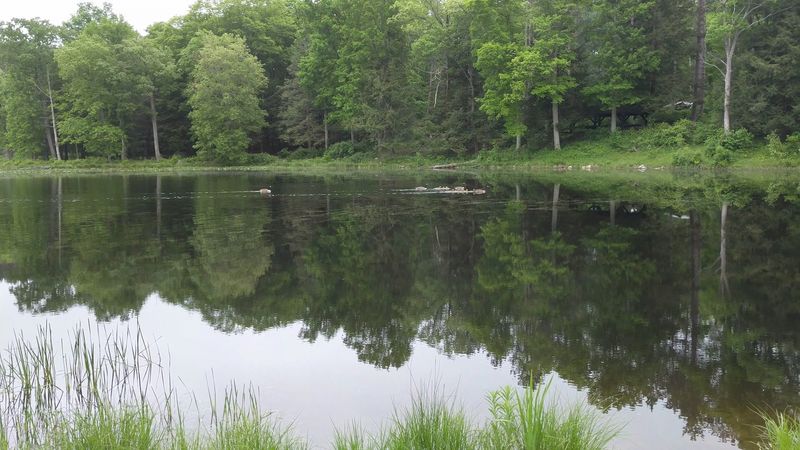
Stony Lake is the visual anchor of the entire hike. Positioned within the forest and accessible from the trail loop, the lake sits quietly behind a curtain of trees until the path opens up and delivers it to you all at once.
The water is remarkably still on calm days, reflecting the treeline in a way that doubles the forest above and below the surface. The lake is used for swimming during warmer months, and the grassy area nearby makes it a popular spot for picnics and even birthday parties for local families.
Fishing is also permitted at Stony Lake, and the surrounding forest supports a healthy ecosystem that keeps the water clean and the wildlife active. Herons, ducks, and other birds are regular visitors along the shoreline.
Whether you stop for five minutes or settle in for an hour, the lake has a way of making time feel less urgent, which might be the most useful thing a trail can offer on a busy weekend.
The Forest Itself: Old Trees and Mountain Terrain
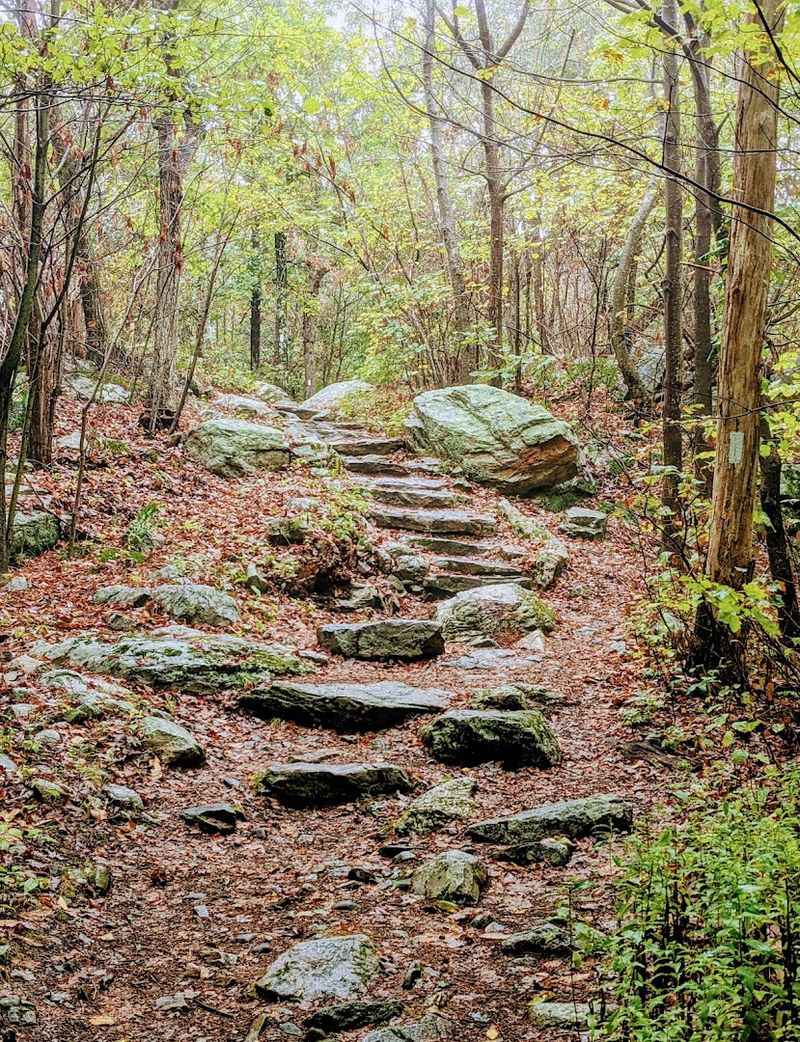
The Kittatinny Mountains form the backbone of Stokes State Forest, and the terrain reflects that geological character throughout the hike. The forest is dominated by oak, maple, and birch, with the canopy thick enough in summer to keep the trail mostly shaded even on warm days.
This is not a manicured park. The forest floor is layered with fallen leaves, exposed roots, and mossy boulders that give the whole place an older, more established character.
That raw quality is part of the appeal for hikers who want something that feels genuinely natural rather than landscaped.
Wildlife is present but not always visible. White-tailed deer, wild turkey, and various songbirds are common throughout the forest.
The Appalachian Trail also runs through the forest, giving serious hikers a connection to a much larger trail network if the 2.8-mile loop leaves them wanting more mileage. The forest rewards hikers who pay attention to the details underfoot and overhead.
Fresh Spring Water on the Trail
One detail that genuinely surprises first-time visitors is the availability of fresh, potable spring water within the forest. There is a natural water source on the way into the campground area, and it has been a reliable stop for hikers and campers for years.
Carrying water on any hike is always the right call, but knowing that a refill point exists along the route changes the planning calculus, especially on longer summer days when hydration becomes a bigger concern. The spring water has a reputation among regulars for tasting exceptionally clean and cold.
The water source near the bridge in the Steammill area is another well-known refill point that campers and through-hikers have relied on for years. For families with children or anyone doing back-to-back hiking days in the forest, knowing where these water sources sit on the map is practical information worth having before you set out on the trail.
Fall Foliage: The Most Dramatic Season
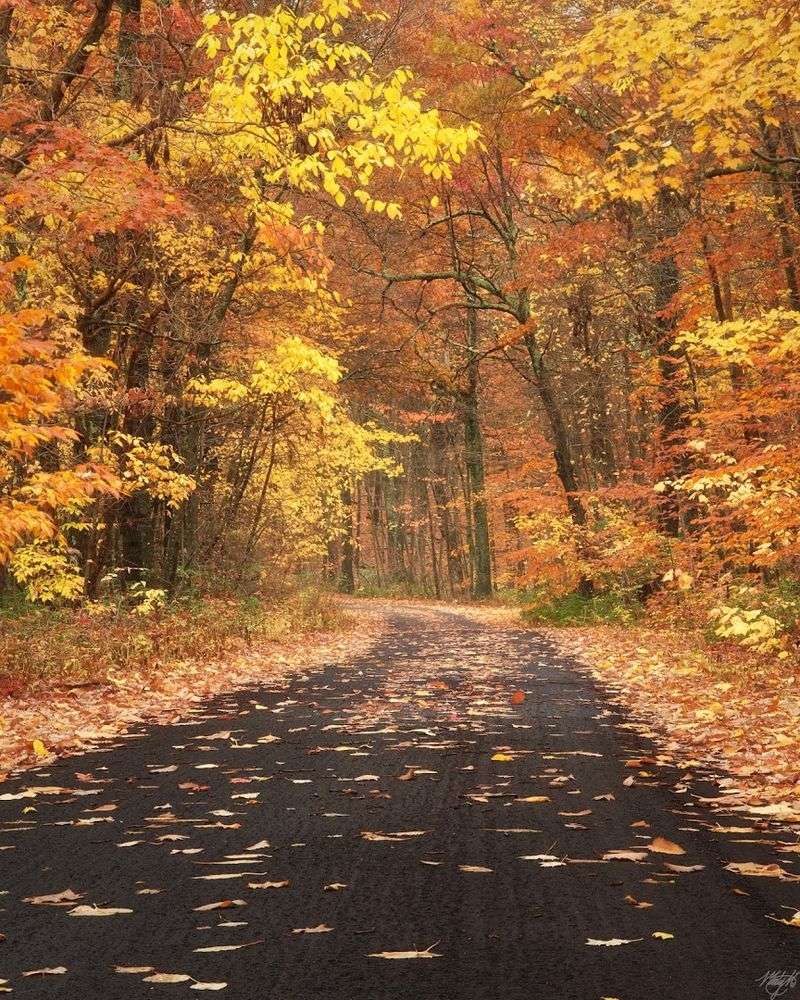
Autumn transforms Stokes State Forest into something that is hard to describe without resorting to superlatives. The second half of October tends to be the peak window for color, when oak, maple, and birch shift through their full range of orange, red, and yellow before dropping.
Sunrise Mountain Road, which runs through the forest, is one of the best drives in the region during this season. The Sunrise Mountain Scenic Overlook provides panoramic views across the forested ridgeline that are worth the short detour from the main loop trail.
The combination of the 2.8-mile loop with a quick drive up Sunrise Mountain Road makes for a full and satisfying fall day without requiring any serious athletic commitment. Nearby Lake Ashroe also offers colorful views during the same window.
Visiting on a weekday in mid-to-late October tends to mean lighter crowds and better parking, which makes the whole experience considerably more relaxed than a peak weekend visit.
Camping Options Inside the Forest
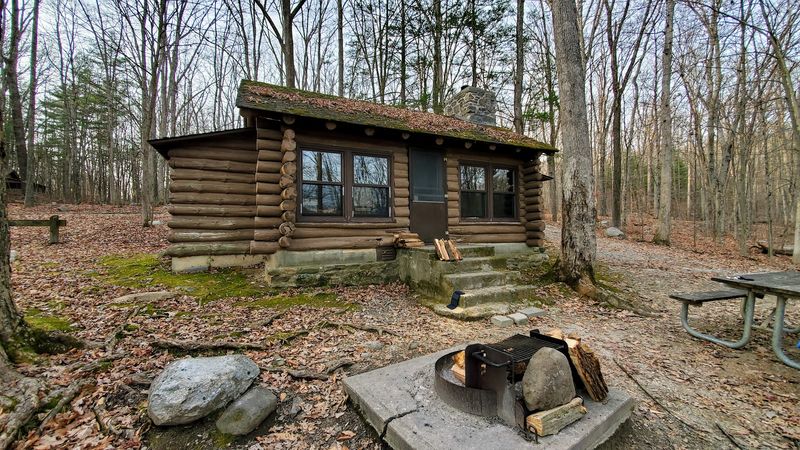
Stokes State Forest offers a genuinely varied set of camping options that go well beyond a basic tent pad in a crowded field. The Shotwell Campground is a popular choice, and the upper loop in particular offers more privacy between sites, which is a meaningful upgrade for anyone who has dealt with neighbors too close for comfort at busier parks.
Some sites include wooden platforms sized for a standard tent, which keeps your sleeping area level and dry even after rain. The Steammill area provides a more remote feel, and sites are spaced far enough apart that you can genuinely forget other campers are nearby.
Lean-to structures at the forest function more like enclosed cabins than traditional open-sided shelters, which is a pleasant surprise for anyone expecting a simple three-walled setup. Clean bathrooms and maintained facilities are available in most campground areas, and trails connect directly from the campsites into the forest, so the hiking starts the moment you leave your tent.
Cabin Rentals and the YMCA Section
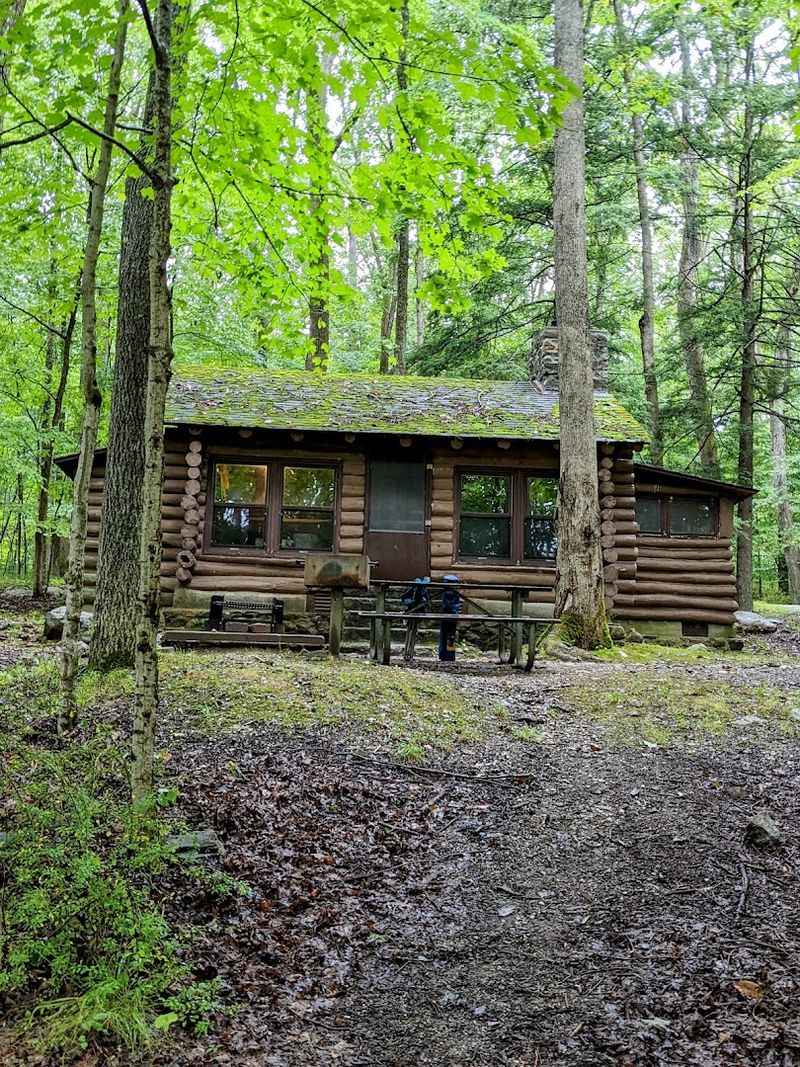
Beyond tent camping, Stokes State Forest includes cabin rentals that offer a step up in comfort without leaving the forest behind entirely. The YMCA section of the forest has cabins that are well maintained and spacious enough to accommodate larger groups or families who want a roof overhead.
The larger cabins sleep groups of ten or more comfortably, making them a practical option for family reunions or group trips where coordinating multiple tents would be a logistical headache. Cabins are semi-rustic, meaning you get walls and a bed but not necessarily a full kitchen setup, so packing accordingly matters.
One thing worth knowing before you arrive: raccoons are active in the area, and bees have been known to nest near certain structures, so keeping food stored properly and checking around the cabin before settling in is a reasonable precaution. The trade-off for that mild wildlife awareness is waking up inside a forest that most people only ever visit for a few hours.
Fishing, Biking, and Other Activities
Hiking is the headline attraction, but Stokes State Forest keeps visitors busy in several other directions as well. The Big Flatbrook, which runs near the forest, is one of the most respected trout fishing streams in New Jersey.
Fly fishing is especially popular here, and the water quality supports a healthy fish population throughout the season.
Biking is permitted on designated forest roads and certain trails, giving cyclists a quiet, car-light environment that is hard to find in the densely populated northeastern United States. The forest roads wind through varied terrain that keeps a ride interesting without requiring technical mountain bike skills.
Culver Lake is just down the road from the main forest area and adds another recreational option for visitors who want to extend their day. Soccer fields and open cleared areas within the forest provide space for casual games and group activities.
The range of options means that a group with mixed interests can each find something worth doing without anyone compromising.
Planning Your Visit: Practical Tips
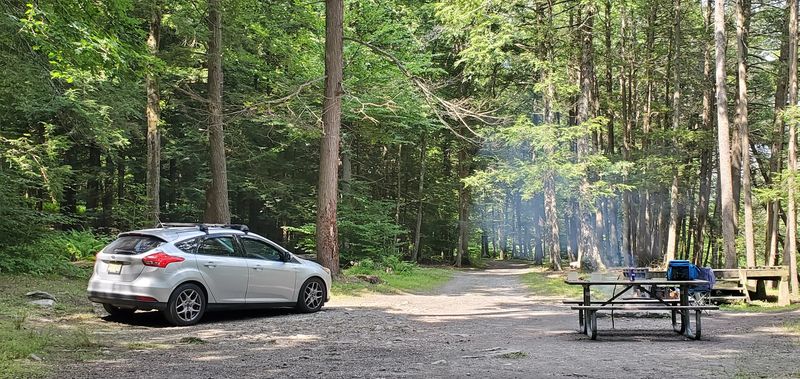
A few practical notes can make the difference between a great day and an avoidable hassle. Checking in at the ranger station before heading out is worth the five minutes it takes.
Staff can confirm current trail conditions, hand you a map, and let you know if any sections are temporarily closed after storm damage or seasonal flooding.
The reservation system for campsites has been a point of frustration for some visitors over the years, so booking well in advance, especially for summer weekends and October foliage season, is strongly recommended. Walk-in availability is not guaranteed, and the most popular sites fill up fast.
Nearby towns carry basic supplies, and there are supermarkets and farmers markets within a short drive of the forest entrance, so restocking between days is manageable without a long detour. Waterproof boots, layers for morning temperature drops, and a fully charged phone for navigation and photos cover the essentials for anyone planning to tackle the 2.8-mile loop and make the most of everything this forest delivers.
Share this story