Jupiter might be famous for its beaches and lighthouse, but tucked away on Rocky Pines Road sits something far wilder. Panthers pace through spacious habitats while bears lounge in the Florida sun, all within minutes of the coast.
This sanctuary rescues native wildlife that can’t survive in the wild, giving them a permanent home where visitors can get closer to Florida’s natural residents than they ever imagined. The roars, chirps, and calls echoing through this peaceful refuge tell stories of survival, rehabilitation, and the dedicated people who make it all possible.
A Haven for Florida’s Wild Residents
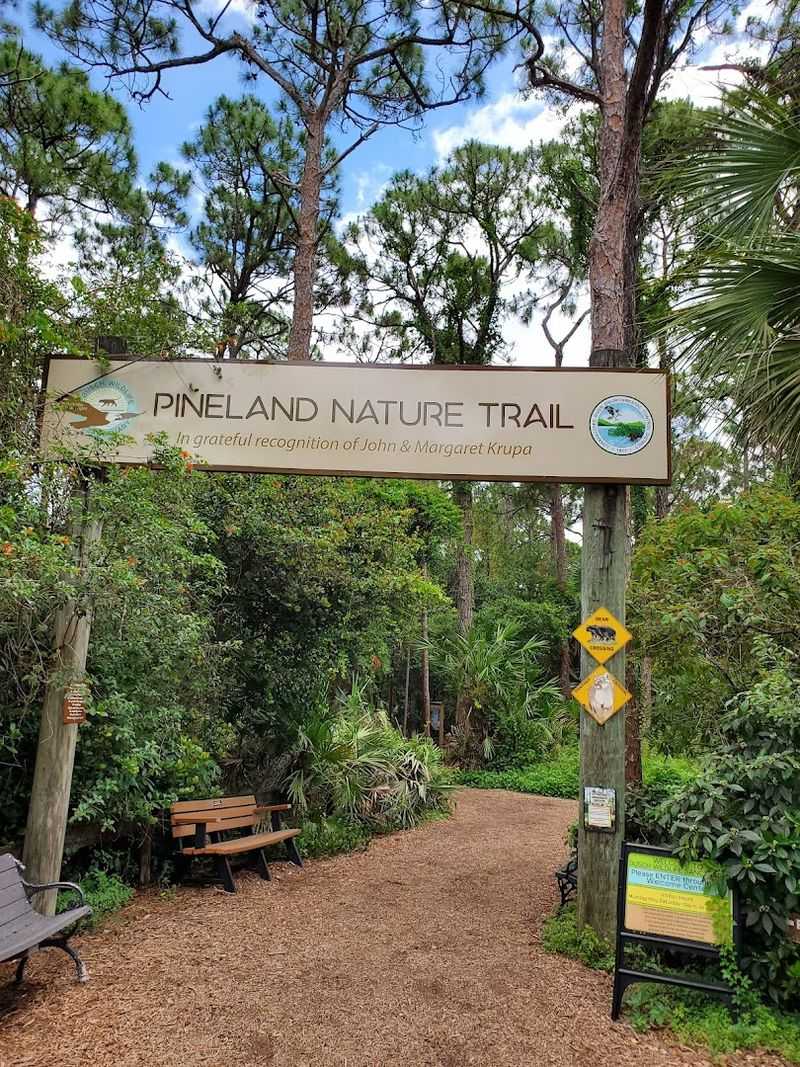
The sanctuary operates at 17855 Rocky Pines Road in Jupiter, Florida, where the mission centers on rescuing and rehabilitating native wildlife. Animals arrive here after injuries, orphaning, or situations that prevent their release back into natural habitats.
Every resident has a story. Some came as babies after storms separated them from mothers.
Others arrived with injuries from vehicle collisions or illegal captivity situations. The dedicated team evaluates each case to determine whether release is possible or if permanent sanctuary care is needed.
Open daily from 10 AM to 4:30 PM, the facility welcomes visitors through a donation-based entry system. This approach makes wildlife education accessible to everyone while funding the important work of caring for dozens of animals year-round.
Clean pathways wind through the grounds, connecting various habitat areas where Florida’s native species live in thoughtfully designed spaces that prioritize their wellbeing above all else.
Panthers Prowling in Protected Spaces
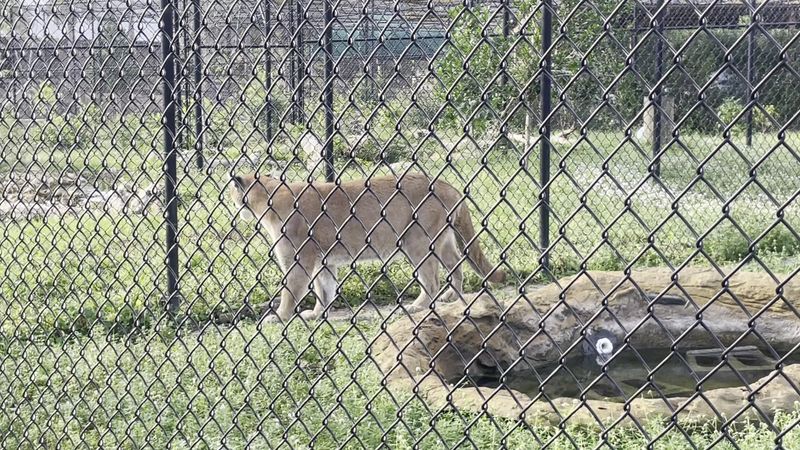
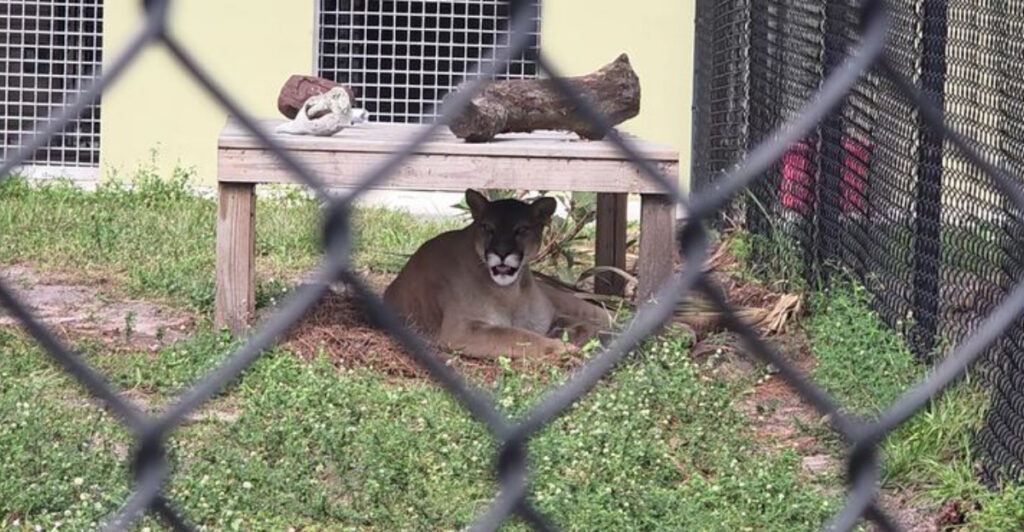
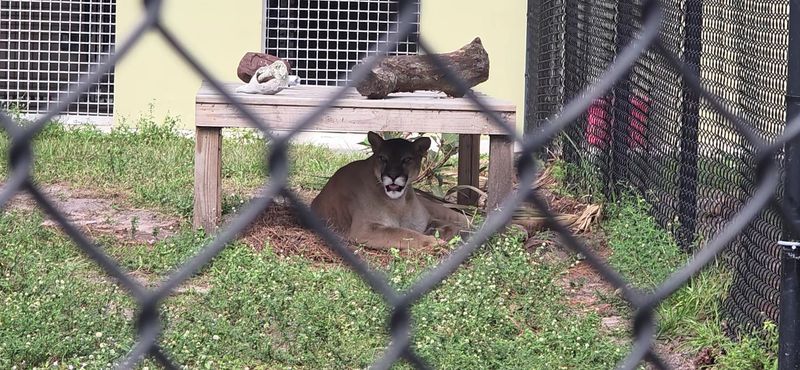
The panther enclosures showcase some of the sanctuary’s most impressive residents. These sleek predators move with purpose through their spacious habitats, muscles rippling beneath tawny coats as they patrol their territories.
Watching panthers here offers a rare glimpse into behavior most Floridians never witness. They sprint along fence lines, playfully swatting at each other through barriers that separate individual animals.
Morning and late afternoon bring the most activity, especially after rain when cooler temperatures energize these magnificent cats.
The enclosures far exceed minimum requirements, giving panthers room to run, climb, and exhibit natural behaviors. Native plants provide shade and enrichment while elevated platforms offer vantage points for surveying their domains.
Educational signage explains why each panther cannot return to the wild, highlighting the importance of wildlife corridors and habitat protection throughout Florida for their wild counterparts still roaming free.
Bears Living Their Best Lives
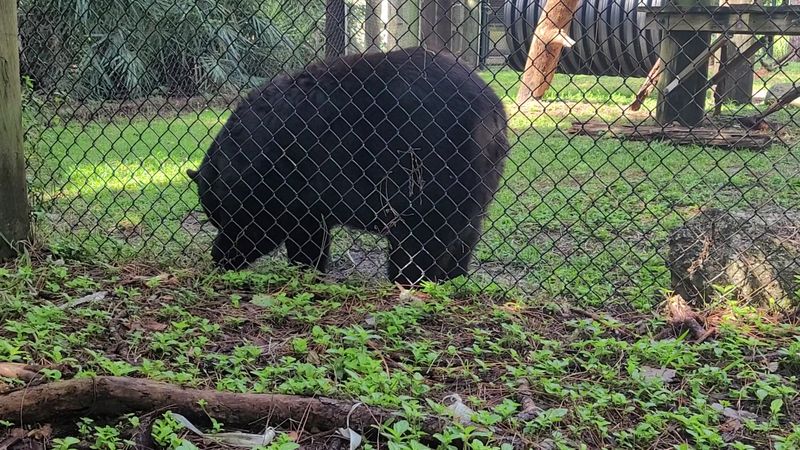
Black bears at the sanctuary enjoy retirement from whatever circumstances brought them here. One massive resident often lounges in the shade, occasionally lumbering to a pool for a cooling dip when Florida heat becomes too intense.
The bear habitat includes climbing structures, pools, and dens that mimic natural environments. Enrichment activities keep these intelligent animals mentally stimulated, from puzzle feeders to scent trails that encourage natural foraging behaviors.
Visitors watch in awe as bears demonstrate surprising agility despite their size.
These bears cannot survive in wild Florida due to habituation to humans or injuries that compromise their ability to forage and defend themselves. The sanctuary provides them dignity and comfort for their remaining years.
Educational programs using the bears as ambassadors teach visitors about coexistence, proper food storage in bear country, and the consequences of feeding wildlife that seem cute but become dangerous when they lose their natural fear.
Owls Watching Everything
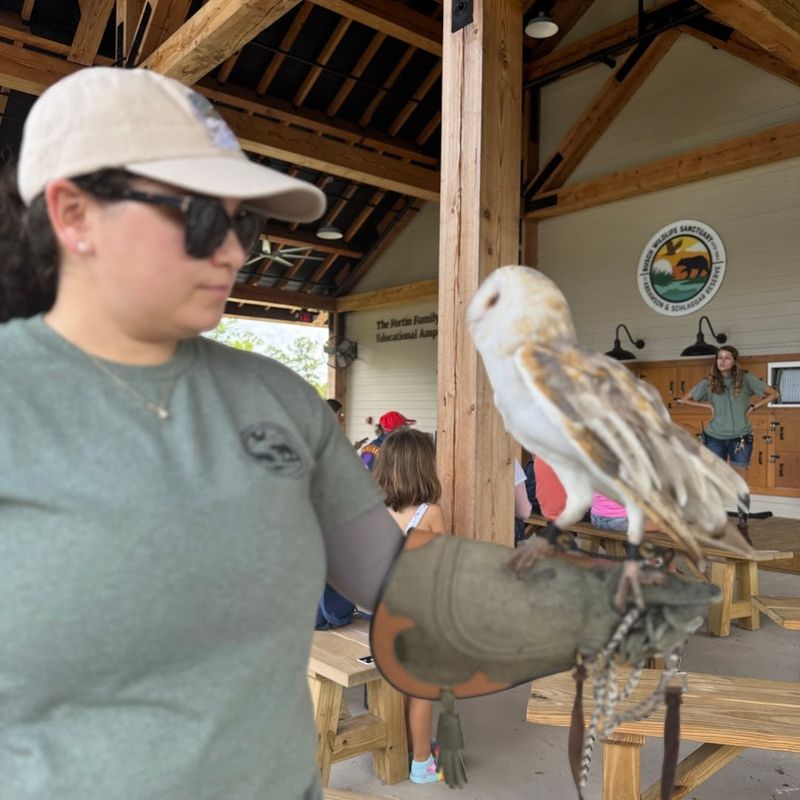
Multiple owl species call the sanctuary home, their round eyes tracking every movement as visitors pass. Great horned owls, barred owls, and barn owls represent different sizes and hunting strategies, each adapted to specific niches in Florida ecosystems.
The aviaries allow these birds of prey to stretch their wings while remaining protected from elements that would threaten their survival. Some owls arrived with wing injuries from vehicle strikes.
Others were illegally kept as pets before confiscation, leaving them too habituated to humans for release.
Evening feeding times bring the most vocal displays as owls hoot and screech in anticipation. Their silent flight adaptations, rotating heads, and asymmetrical ear placement that enables precise hunting all become topics of fascination.
Volunteers share facts about each species, explaining how rodent control by wild owls benefits agriculture and reduces disease transmission, making these nocturnal hunters valuable neighbors rather than creatures to fear in the darkness.
Foxes Displaying Clever Behavior
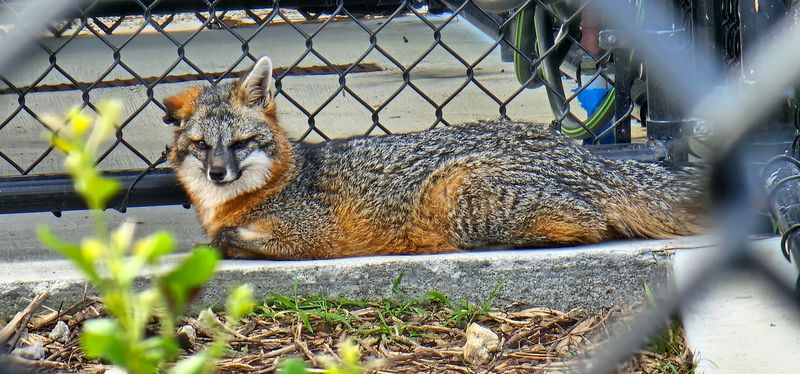
Fox residents charm visitors with playful antics and clever problem-solving abilities. Whether red foxes with russet coats or gray foxes with salt-and-pepper fur, these intelligent canids demonstrate why they feature prominently in folklore worldwide.
The fox habitats include den structures, climbing opportunities, and puzzle feeders that challenge their sharp minds. Foxes cache food, investigate every corner of their space, and often engage in behaviors that seem purely playful.
Their bushy tails and alert expressions make them photographer favorites.
Many foxes arrive as orphans after mothers were killed by vehicles or as adults injured beyond the point where wild survival remains possible. Some came from illegal pet situations where people discovered that wild animals make terrible house companions.
The sanctuary provides proper care while dispelling myths about foxes as pests. Educational materials explain their role controlling rodent populations and their adaptability to various habitats, from forests to suburban edges where they navigate human landscapes with remarkable success.
Otters Playing in Water Features
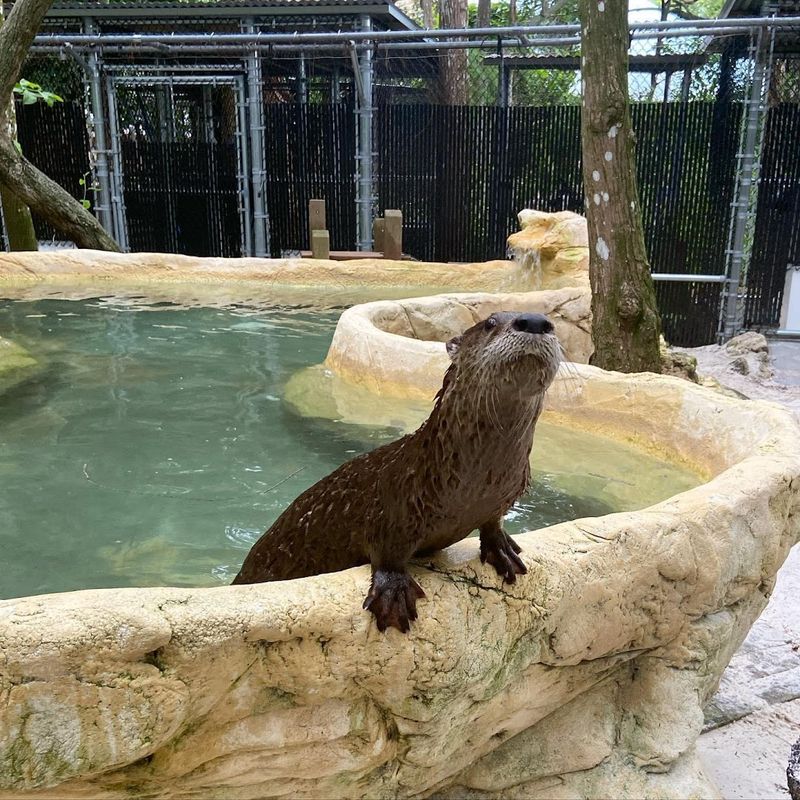
River otters bring constant entertainment as they zip through water, slide down banks, and wrestle with each other in their aquatic playground. Their boundless energy and playful nature make them visitor favorites, especially for children who watch in delight.
The otter habitat features pools, streams, and land areas that allow natural behaviors. These social animals chirp, whistle, and chatter while chasing each other or manipulating objects with their dexterous paws.
Their dense fur sheds water as they transition between swimming and sunbathing.
Otters at the sanctuary often came from situations where habitat destruction eliminated their natural homes or injuries prevented their survival in wild waterways. Some were orphaned when mothers died.
The sanctuary setting allows them to thrive in social groups while teaching visitors about river health, pollution impacts, and the interconnected nature of Florida’s aquatic ecosystems. Healthy otter populations indicate clean waterways, making them important environmental indicators beyond their undeniable cuteness and entertaining behaviors.
Birds of Prey Demonstrating Hunting Adaptations
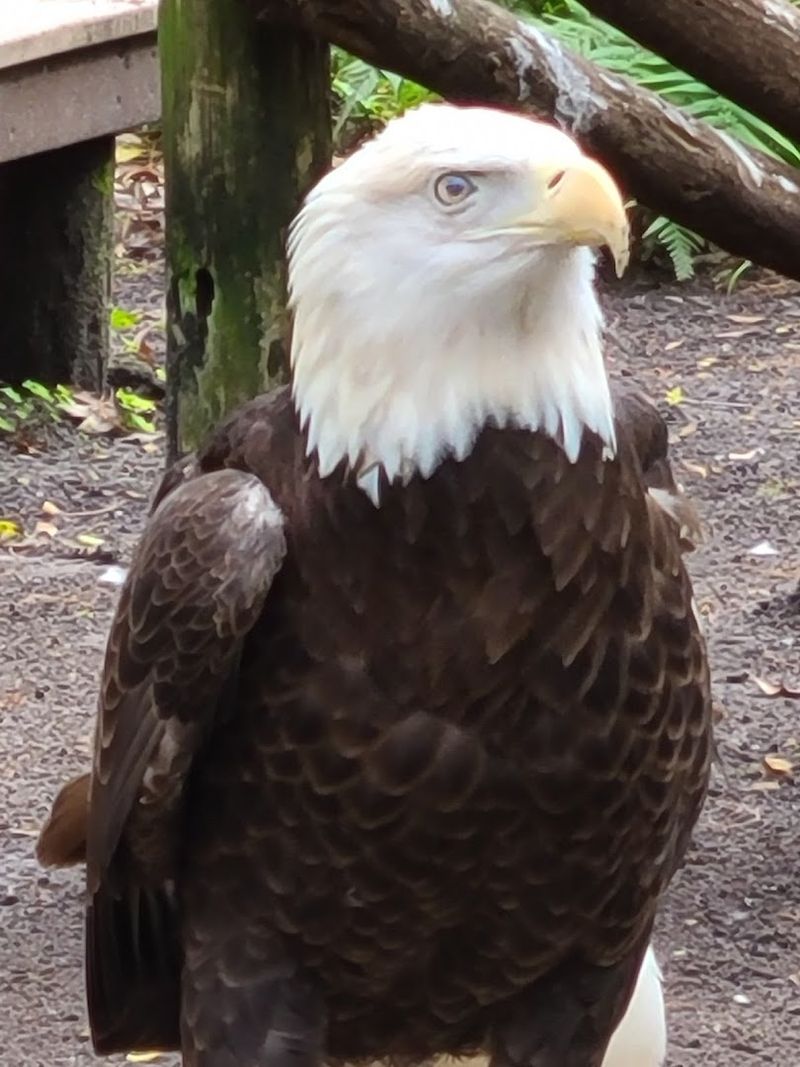
Various hawks, eagles, and other raptors occupy aviaries throughout the sanctuary grounds. Each species showcases different hunting strategies, from the hovering kestrel to the powerful red-shouldered hawk that perches motionless before striking.
The aviaries provide space for limited flight while protecting birds with injuries that prevent full wild release. Wing damage from collisions, vision problems, or imprinting on humans during illegal captivity all represent reasons these magnificent hunters remain in sanctuary care.
Visitors learn to identify species by size, coloring, and behavior patterns. Educational signage explains adaptations like keen eyesight that spots prey from incredible distances, powerful talons designed for grasping, and hooked beaks perfect for tearing.
Feeding demonstrations show natural behaviors while volunteers discuss threats facing wild raptor populations, including habitat loss, pesticide exposure, and window strikes. These birds serve as ambassadors for their wild relatives, inspiring conservation action that protects the skies they once commanded with effortless grace and deadly precision.
Reptiles Representing Florida Diversity
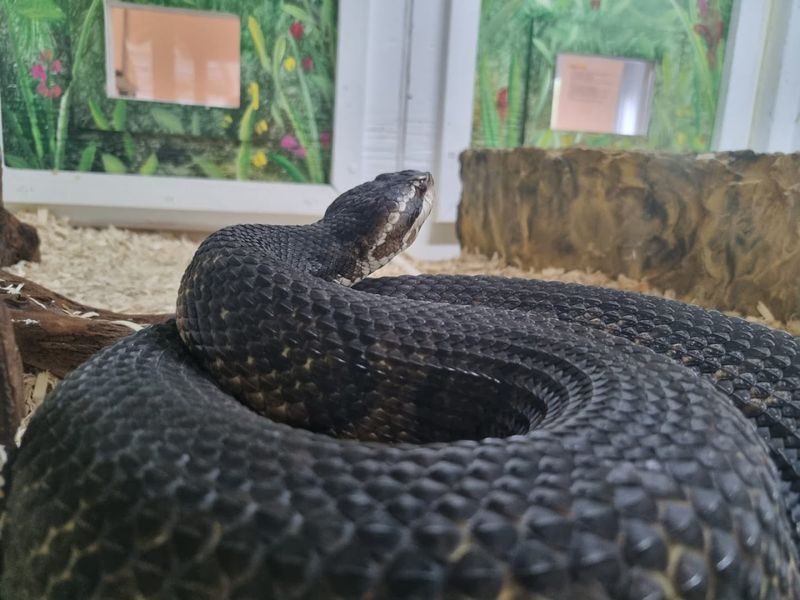
The reptile collection showcases Florida’s incredible diversity of cold-blooded residents. Alligators, various turtle species, and native snakes occupy carefully maintained habitats that replicate natural conditions while allowing close observation impossible in wild settings.
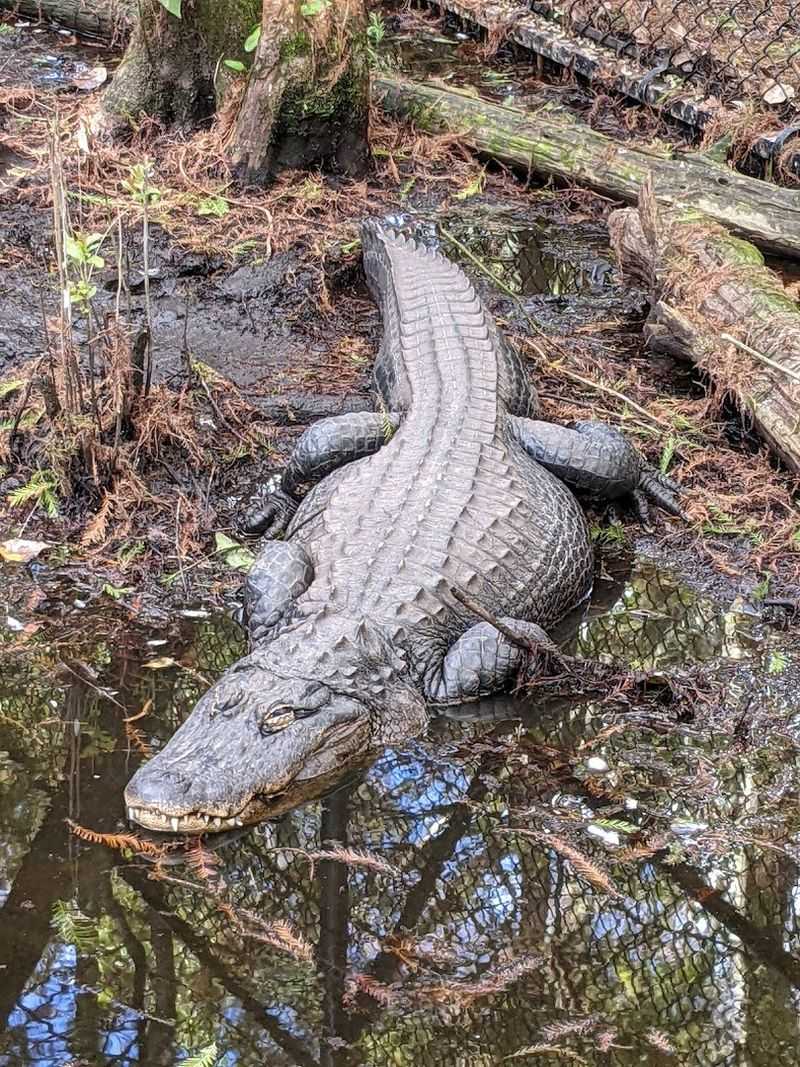
Turtles bask on logs while alligators float motionless in pools, demonstrating the patience that makes them apex predators. Snakes coil in hide boxes or drape over branches, their scales gleaming under proper lighting.
Each species has specific temperature and humidity requirements that staff monitor constantly.
Many reptiles arrived after illegal pet ownership situations or injuries from human encounters. Some turtles have shell damage from vehicle strikes.
Snakes came from homes where owners realized venomous species require expert handling. The sanctuary educates visitors about proper wildlife appreciation from safe distances, the illegal nature of keeping protected species, and the ecological importance of reptiles in controlling pest populations and maintaining balanced ecosystems throughout Florida’s diverse habitats from wetlands to uplands.
Educational Center Inspiring Conservation
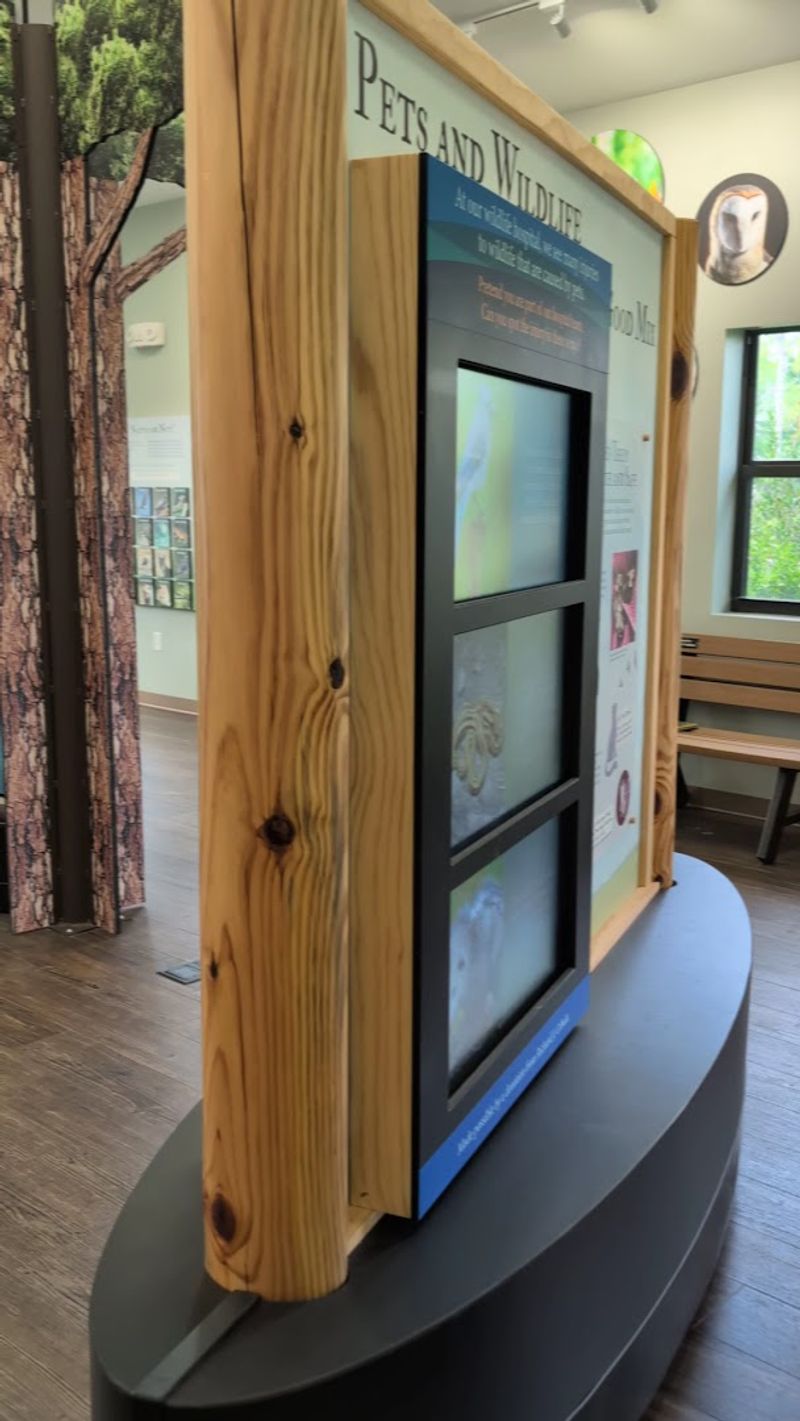
The education center provides climate-controlled comfort while delivering important conservation messages. Interactive displays, skull collections, and informational panels teach visitors about Florida ecosystems, wildlife biology, and human impacts on natural communities.
Children especially love hands-on elements that make learning memorable. Touch tables feature pelts, feathers, and other natural items.
Digital displays show range maps and population trends. Staff and volunteers answer questions, tailoring information to different age groups and interests.
The center transforms casual visitors into informed advocates who understand their role in wildlife conservation. Topics include habitat protection, responsible pet ownership, proper waste disposal that prevents wildlife entanglement, and reporting injured animals to appropriate authorities.
QR codes throughout the facility link to detailed information about each resident animal, explaining their individual stories and the circumstances that brought them to sanctuary care. This personalized approach creates emotional connections that motivate conservation action long after visits end and memories fade.
Family-Friendly Features Throughout
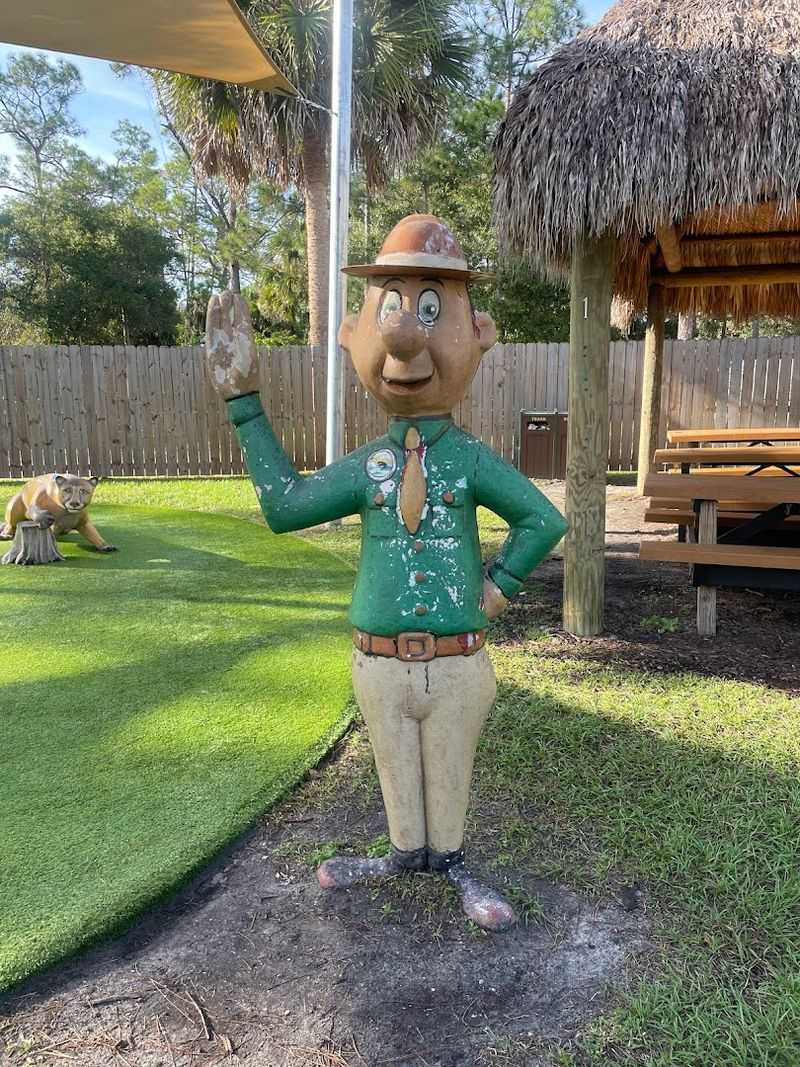
The sanctuary welcomes families with thoughtful amenities that make visits comfortable for all ages. A dedicated play area gives young children space to burn energy between animal exhibits.
Shaded picnic areas provide spots for snacks and rest.
Paved pathways accommodate strollers, wheelchairs, and walkers, ensuring accessibility for visitors with mobility considerations. Large umbrellas offer sun protection during hot months.
Clean restroom facilities throughout the grounds prevent long uncomfortable walks when nature calls.
The layout flows logically, preventing backtracking while ensuring no exhibits get missed. Benches positioned near popular habitats allow tired adults to rest while children watch animals.
The gift shop stocks educational toys, books, and souvenirs that extend learning beyond the visit. Most families spend one to two hours exploring, though some linger longer when animals are particularly active.
The donation-based entry removes financial barriers, making wildlife education accessible regardless of family budgets while teaching children about supporting causes they care about through charitable giving.
Volunteer Knowledge Enhancing Visits
Volunteers throughout the sanctuary transform good visits into exceptional experiences. These dedicated individuals share deep knowledge about resident animals, sanctuary operations, and Florida wildlife generally.
Their passion for conservation proves contagious.
Edward and other long-term volunteers become familiar faces to regular visitors. They share fascinating details about animal personalities, dietary preferences, and behavioral quirks that make each resident unique.
Their stories about rescue circumstances and rehabilitation efforts personalize the sanctuary mission.
Volunteers also handle educational programs, feeding demonstrations, and special events that occur throughout the year. They monitor animal welfare, assist with habitat maintenance, and help at the welcome desk.
Their contributions allow the sanctuary to operate effectively on limited budgets. Visitors appreciate their willingness to answer questions, pose for photos, and share contact information for reporting injured wildlife.
The volunteer program creates community connections while providing meaningful service opportunities for people wanting to contribute to wildlife conservation in tangible, hands-on ways.
Wildlife Rescue Services Saving Lives
Beyond public exhibits, the sanctuary operates critical rescue and rehabilitation services for injured wildlife throughout the region. Community members who find hurt animals receive guidance on safe transport and immediate care until sanctuary staff can respond.
The rescue team handles everything from baby squirrels fallen from nests to larger mammals hit by vehicles. They assess each case to determine treatment options and release potential.
Some animals recover fully and return to wild habitats. Others require permanent sanctuary care.
This service fills a vital gap in wildlife management. Without it, injured animals would suffer or people might attempt dangerous interventions with unpredictable wild creatures.
The sanctuary educates callers about when intervention helps versus when baby animals are better left alone for mothers to retrieve. They provide rabies information and safety protocols.
The rescue operation demonstrates the sanctuary’s commitment extending beyond resident animals to protecting all Florida wildlife through emergency response, public education, and fostering coexistence between human communities and wild neighbors sharing the landscape.
Seasonal Considerations for Visits
Timing visits strategically enhances the experience significantly. Early mornings and late afternoons bring peak animal activity, especially during summer when midday heat sends residents seeking shade.
Cooler months from November through March offer comfortable walking temperatures and active animals throughout the day.
Summer visits require preparation. Portable fans, water bottles, hats, and sunscreen become essential as limited shade exists along some pathway sections.
The sanctuary continues improving coverage, but Florida sun remains intense. Misters would help, though none currently operate along the route.
Rainy periods create unexpected opportunities. Animals often become more active after storms pass, energized by temperature drops and humidity changes.
Panthers play, otters swim with extra enthusiasm, and birds vocalize more. Checking the sanctuary website or calling ahead confirms operating status during severe weather.
Special events and feeding times also appear on their schedule, allowing visitors to plan around educational programs that provide deeper insights into animal care, conservation challenges, and the dedicated work that keeps this haven functioning year-round.
Supporting the Mission Through Donations
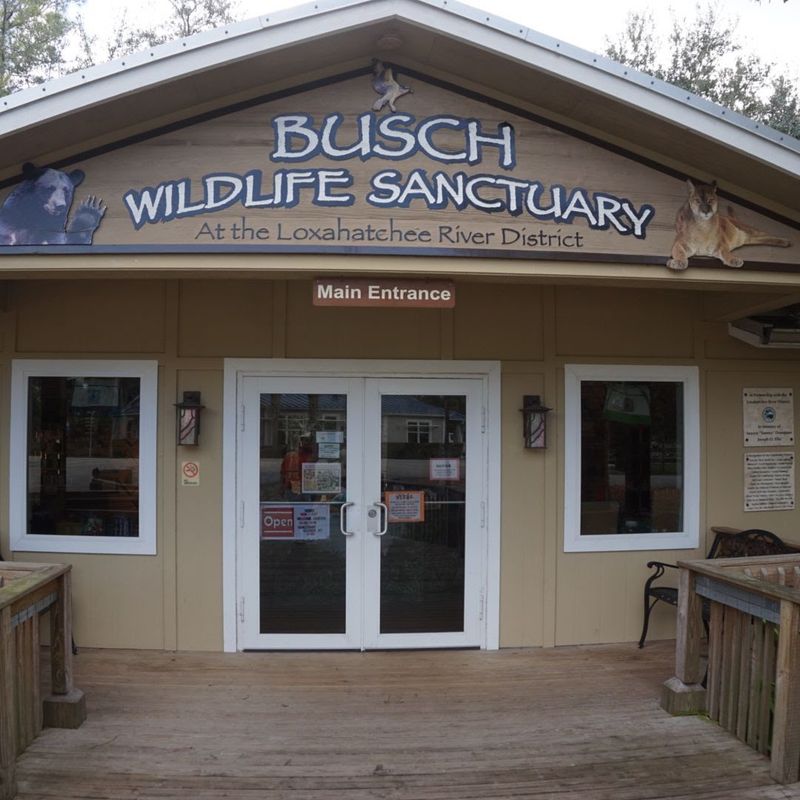
The sanctuary operates entirely on donations, making every contribution directly impact animal care and facility improvements. Entry remains free with suggested donations, though the honor system depends on visitor generosity to fund operations, veterinary care, food, and habitat maintenance.
Multiple donation options exist beyond entry contributions. The gift shop sells items with proceeds supporting the mission.
Donation boxes near animal habitats allow targeted giving. Online options enable ongoing monthly support or memorial gifts honoring loved ones through wildlife conservation.
Recent facility expansions demonstrate how donations translate into tangible improvements. New enclosures provide better animal welfare.
Enhanced pathways improve accessibility. Educational displays upgrade regularly with current information.
The sanctuary maintains transparency about fund usage, building trust with supporters who want assurance their money helps animals rather than disappearing into administrative overhead. Visiting, donating, volunteering, and spreading awareness all contribute to this community resource that protects Florida wildlife while inspiring the next generation of conservation advocates through memorable, educational, and deeply meaningful encounters.
Share this story