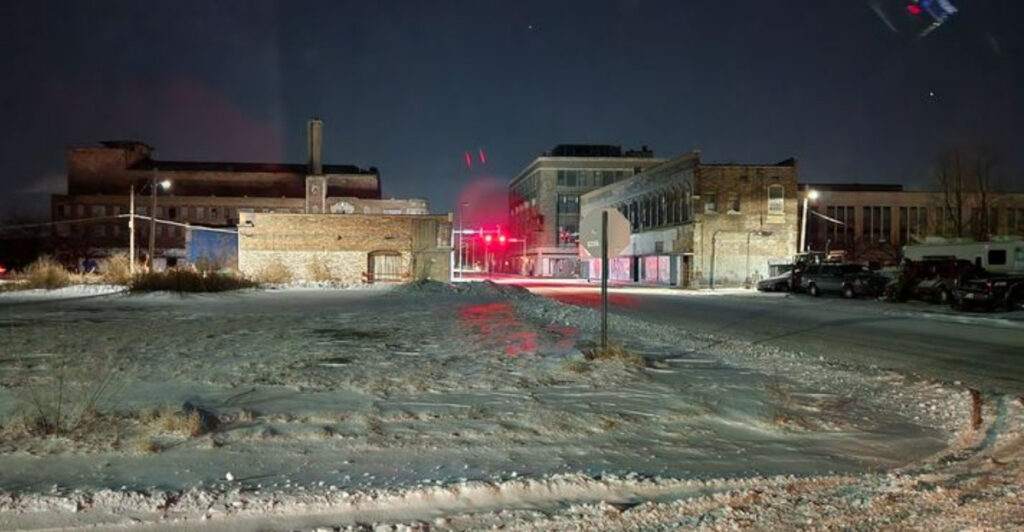
Every town has a story, but some stories get buried under layers of silence, shame, or simple discomfort. Across America, certain places carry histories so troubling that locals prefer to look the other way rather than talk about them.
From ghost towns swallowed by toxic smoke to neighborhoods erased by violence, these places remind us that history isn’t always pretty. Pull back the curtain on these 12 American towns, and you’ll find some of the most haunting chapters in U.S. history.
1. Centralia, Pennsylvania
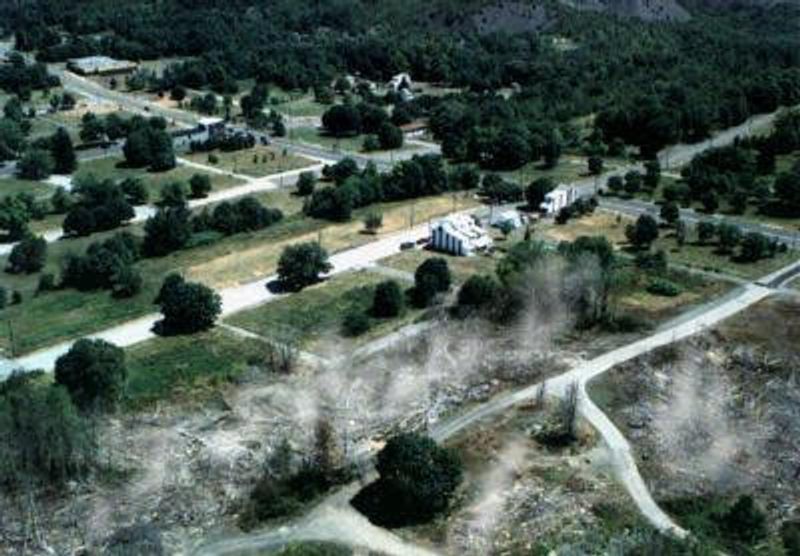
Walk down Route 61 in Centralia today and you’ll find cracked asphalt, rising smoke, and almost total silence. In 1962, an underground coal mine caught fire, and here’s the kicker: it never stopped burning.
Toxic gases seeped into basements, sinkholes opened without warning, and carbon monoxide levels turned deadly.
Residents were slowly bought out and relocated by the government throughout the 1980s. By 1992, the population had shrunk from over 1,000 to just a handful of stubborn holdouts.
The borough’s zip code was officially revoked in 2002.
Today, Centralia looks like something out of a post-apocalyptic movie set. Graffiti-covered roads lead nowhere, and steam curls up from cracks in the earth.
The fire underground is expected to burn for another 250 years. Most Pennsylvanians would rather not think too hard about a town that literally smoldered away into near-nothingness.
2. Salem, Massachusetts
Mention Salem and most people immediately picture pointed hats and cauldrons, but the real history is far more disturbing than any Halloween decoration. In 1692, mass hysteria gripped this small Puritan town, and 20 innocent people were executed based on spectral evidence and neighborhood gossip.
Hundreds more were imprisoned.
Young girls accused neighbors, community leaders, and even a former minister’s wife. The courts accepted “visions” as legal testimony.
By the time officials admitted the trials had gone too far, the damage was catastrophic and irreversible.
Salem has since leaned hard into its spooky reputation, turning witchcraft into a tourism goldmine. Witch museums, ghost tours, and novelty shops line the streets year-round.
But locals know the real story isn’t fun or quirky. It’s a sobering lesson about what fear, religious pressure, and unchecked power can do to an ordinary community.
3. Colma, California
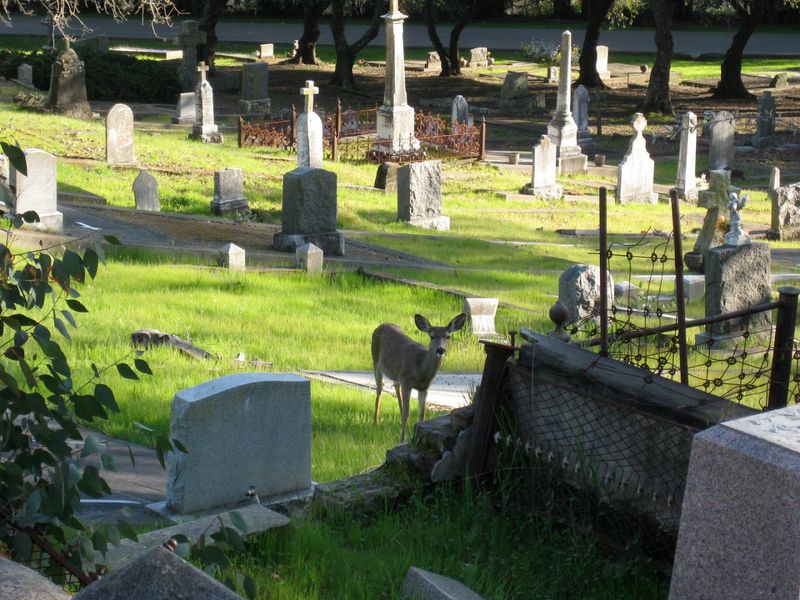
Colma’s unofficial motto is “It’s great to be alive in Colma,” which sounds cheerful until you realize the dead outnumber the living by roughly 1,000 to one. This small San Francisco suburb holds over 1.5 million graves but fewer than 2,000 residents.
That is not a typo.
Back in the early 1900s, San Francisco ran out of burial space and passed a law banning new cemeteries within city limits. Then they went further, evicting existing graves and shipping the remains south to Colma.
Seventeen cemeteries now cover about 73% of the city’s land area.
Famous residents of the underground variety include Wyatt Earp and Levi Strauss. Local businesses operate literally surrounded by burial grounds.
Most visitors find the whole setup oddly peaceful, but the backstory of a city essentially exiling its dead raises questions locals rarely bring up over dinner.
4. Centralia, Washington
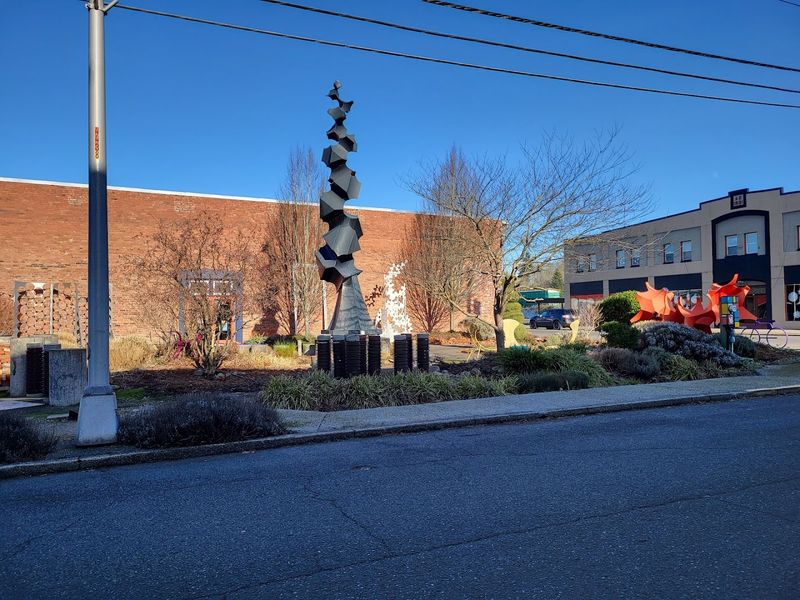
Not to be confused with its Pennsylvania namesake, Centralia, Washington carries a different kind of darkness. On Armistice Day 1919, a deadly clash erupted between American Legion members and Industrial Workers of the World union members, known as the IWW or “Wobblies.” Several men died in the streets, and the violence shocked the entire nation.
What followed was arguably worse than the battle itself. Wesley Everest, an IWW member and World War I veteran, was captured, mutilated, and lynched by a mob that same night.
Authorities looked the other way. A subsequent trial convicted several IWW members under highly questionable circumstances, with many historians calling it a gross miscarriage of justice.
The event split the town along political and class lines for generations. Local memory of the massacre has been selectively curated ever since.
Some monuments honor the Legion; the Wobblies got far less recognition for decades.
5. Tulsa, Oklahoma (Greenwood District)
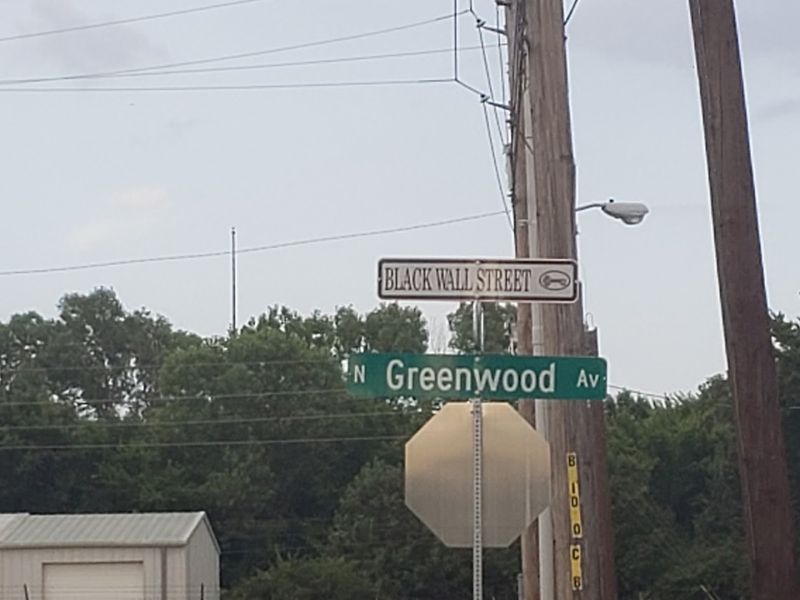
For a long time, Tulsa schoolchildren graduated without ever hearing the words “Greenwood” and “massacre” in the same sentence. That silence is itself part of the story.
In May 1921, a prosperous Black neighborhood known as “Black Wall Street” was attacked by a white mob, aided by deputized civilians and, some accounts suggest, even aircraft.
Over 35 city blocks were burned to the ground. Estimates of the death toll range from 100 to 300 people.
More than 10,000 Black residents were left homeless overnight. Insurance claims were denied.
Survivors were arrested rather than protected.
For decades, official records were lost or destroyed, and the event was scrubbed from local textbooks. It wasn’t until 2001 that a state commission formally acknowledged the massacre.
Full reparations have never been paid. The Greenwood District today is a place of resilience, but its near-erasure from history remains one of America’s most uncomfortable cover-ups.
6. Roswell, New Mexico
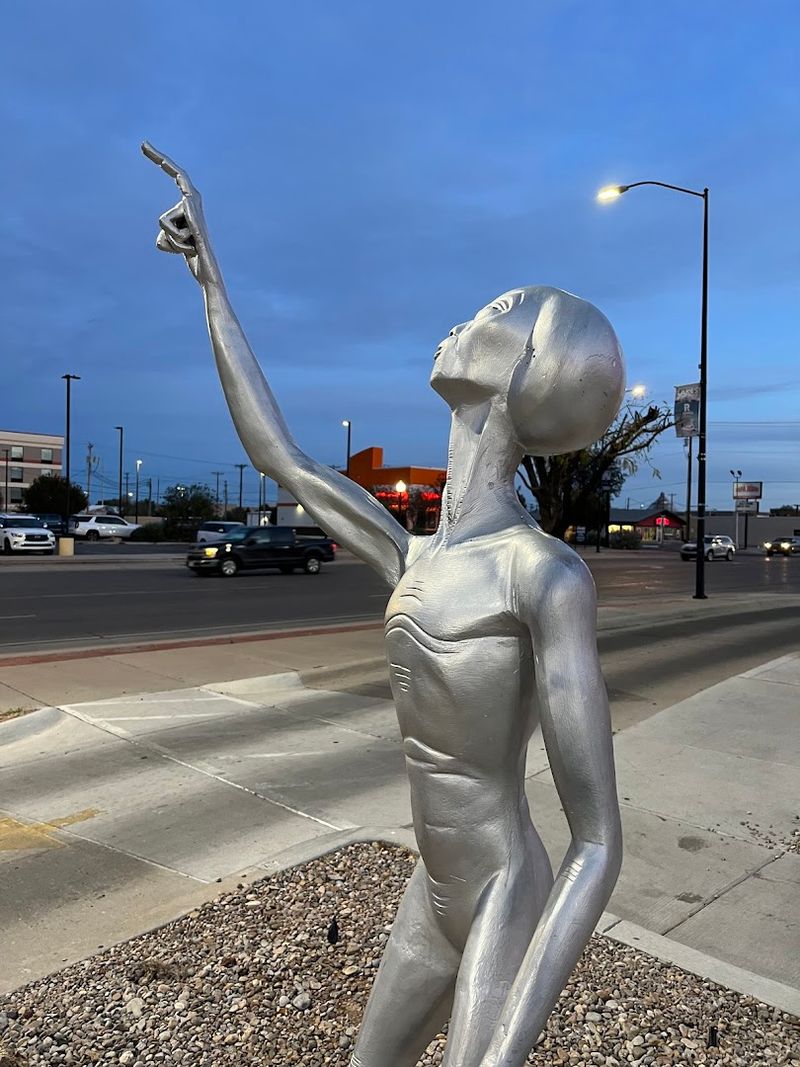
Roswell has turned alien merchandise into a full-time career, but strip away the little green men and souvenir shops, and something genuinely strange happened here in the summer of 1947. An unidentified object crashed on a ranch outside town.
The U.S. Army Air Force initially issued a press release calling it a “flying disc.” Then, within 24 hours, they walked it back entirely.
The official explanation shifted from weather balloon to top-secret surveillance project over the following decades. Each new explanation seemed to raise more questions than it answered.
Witnesses reported seeing unusual debris and, according to some, non-human bodies, though those claims remain unverified.
The government’s own inconsistency is what keeps conspiracy theories alive. Roswell locals today mostly roll their eyes at the tourist circus, but many privately acknowledge that the original military flip-flop was never satisfactorily explained.
Something happened in 1947. Exactly what remains genuinely unclear.
7. Amityville, New York
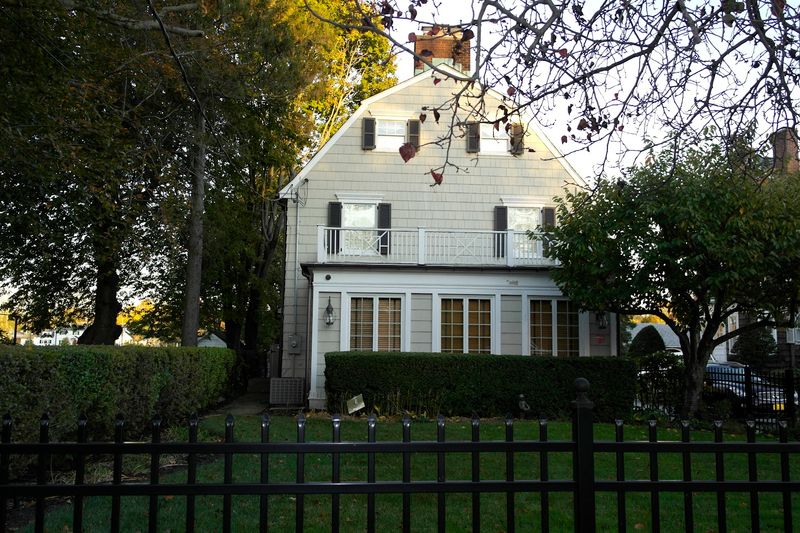
On the night of November 13, 1974, Ronald DeFeo Jr. shot and killed six members of his own family as they slept in their beds in Amityville. That part is documented, verified, and deeply disturbing on its own.
What happened next turned tragedy into something far messier.
The Lutz family moved into the house just over a year later and lasted only 28 days before fleeing, claiming terrifying paranormal experiences. Their story became a bestselling book and then a blockbuster horror film.
The problem? Many investigators and even some participants later disputed key details of the haunting claims.
The real crime gets overshadowed by the ghost story debate, which is a disservice to the actual victims. Amityville residents have long grown tired of horror tourists photographing the house.
The town has quietly renumbered the address and changed the home’s appearance, hoping to discourage the unwanted attention that never quite goes away.
8. Gary, Indiana
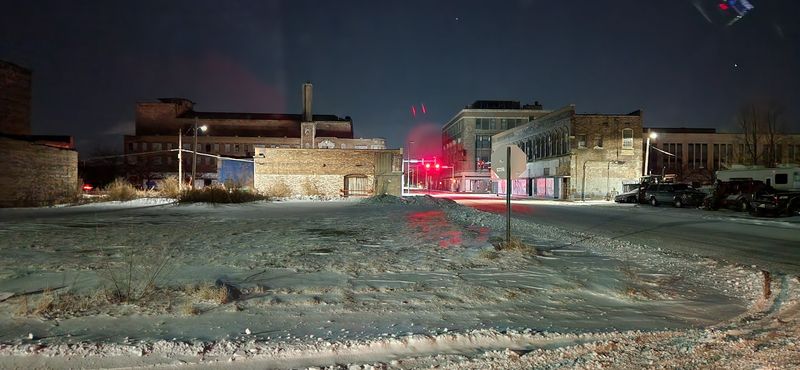
Gary, Indiana once had a skyline worth bragging about. U.S.
Steel built this entire city from scratch in 1906, naming it after company chairman Elbert Gary. At its peak in the 1960s, over 178,000 people called it home.
The steel mills roared, the money flowed, and Gary was a genuine industrial powerhouse.
Then the steel industry collapsed. Jobs evaporated almost overnight.
White flight accelerated racial segregation. Crime spiked as poverty deepened.
By 2020, the population had cratered to around 70,000, and entire city blocks sat abandoned. Gary’s once-grand City Methodist Church became a crumbling ruin.
City Hall itself fell into disrepair.
Gary is also the birthplace of Michael Jackson, a fact locals are genuinely proud of. But pride and pain coexist here in unusual proportions.
The story of Gary is really the story of what happens when an entire American city is built around one industry and that industry simply walks away.
9. Love Canal (Niagara Falls, New York)
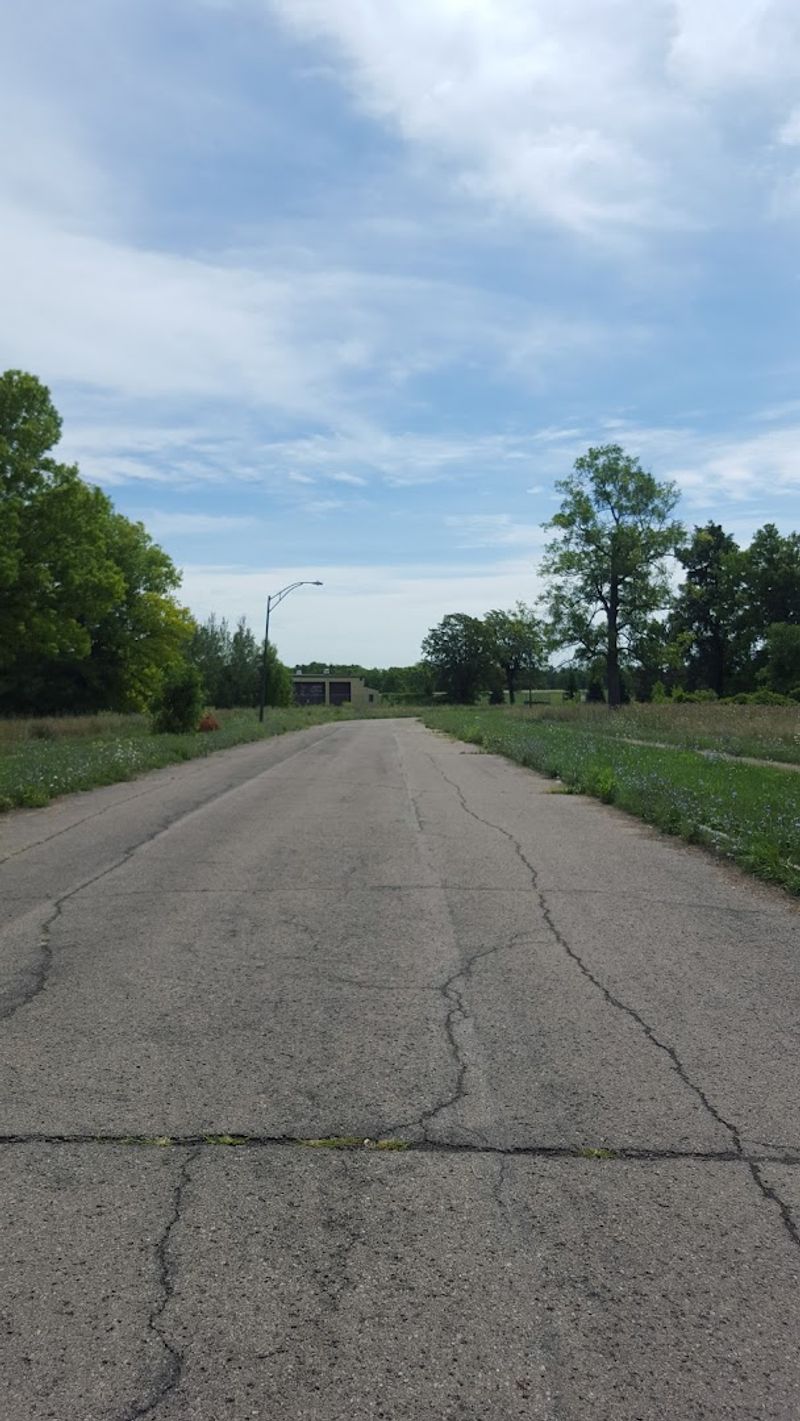
In the late 1970s, residents of Love Canal learned that their neighborhood had been built on top of 21,000 tons of buried toxic chemical waste. Families who had purchased homes and raised children there had no idea what lay beneath their yards.
A school and homes were built right on top of it. By the mid-1970s, residents noticed foul odors, chemical residue seeping into basements, and alarming rates of illness and birth defects.
Lois Gibbs, a local mother with no political experience, organized her neighbors and forced the story into national headlines.
President Carter declared a federal emergency twice. Hundreds of families were evacuated and relocated.
Love Canal directly led to the creation of the EPA’s Superfund program. It’s one of the most important environmental disasters in American history, yet many people couldn’t locate it on a map.
10. Wounded Knee, South Dakota
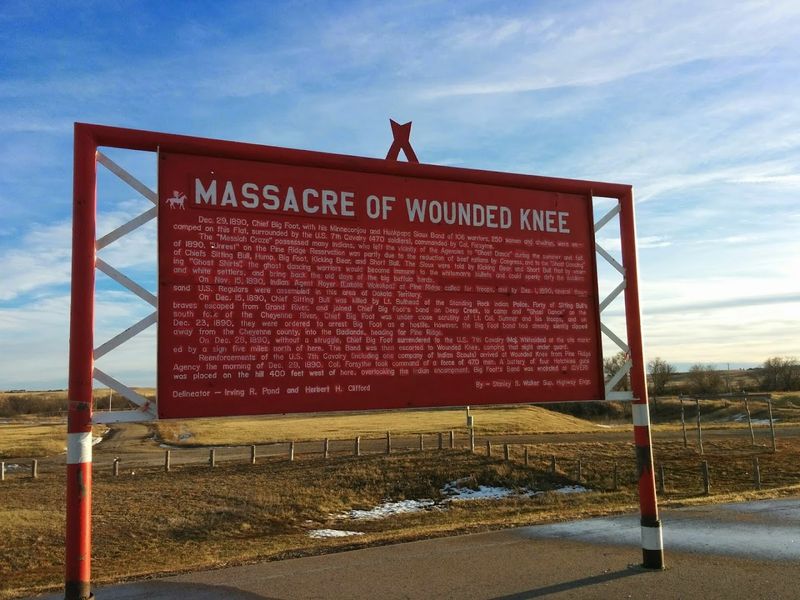
On December 29, 1890, U.S. Army soldiers opened fire on a Lakota Sioux encampment near Wounded Knee Creek.
More than 250 men, women, and children were killed. Many were shot while trying to flee.
The Army awarded 20 Medals of Honor to soldiers involved, a fact that still generates outrage among Native communities today.
The massacre effectively ended the era of armed Native American resistance on the Plains. It was buried in official history for decades, portrayed in some accounts as a military “battle” rather than what most historians now agree it was: a slaughter of civilians.
Wounded Knee returned to headlines in 1973, when members of the American Indian Movement occupied the site for 71 days to protest broken treaties and government neglect. The site today has a small cemetery and memorial, but it remains underfunded and largely overlooked by the broader American public.
The wound, as they say, has never fully healed.
11. Donner Pass (Truckee, California)
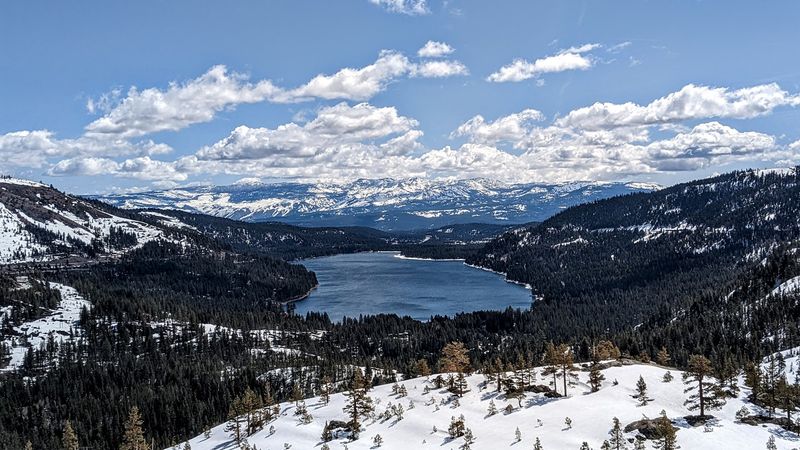
Few stories from the American West are as harrowing as what happened at Donner Pass in the brutal winter of 1846 to 1847. A group of 87 westward-bound migrants got trapped by early and unusually heavy Sierra Nevada snowfall.
Supplies ran out. Temperatures plummeted.
Rescue parties struggled to reach them.
When rescuers finally arrived, they discovered the survivors had resorted to cannibalism to stay alive. Of the 87 original members, only 48 survived.
The Donner Party has since become one of the most studied and retold tragedies in American frontier history, a cautionary tale about poor planning and brutal nature.
Truckee today is a charming mountain resort town known for skiing and outdoor recreation. The Donner Memorial State Park sits near the original campsite, and a museum tells the story with surprising frankness.
Locals have made a kind of peace with the dark history, though first-time visitors often find the whole thing more unsettling than they expected.
12. Ludlow, Colorado
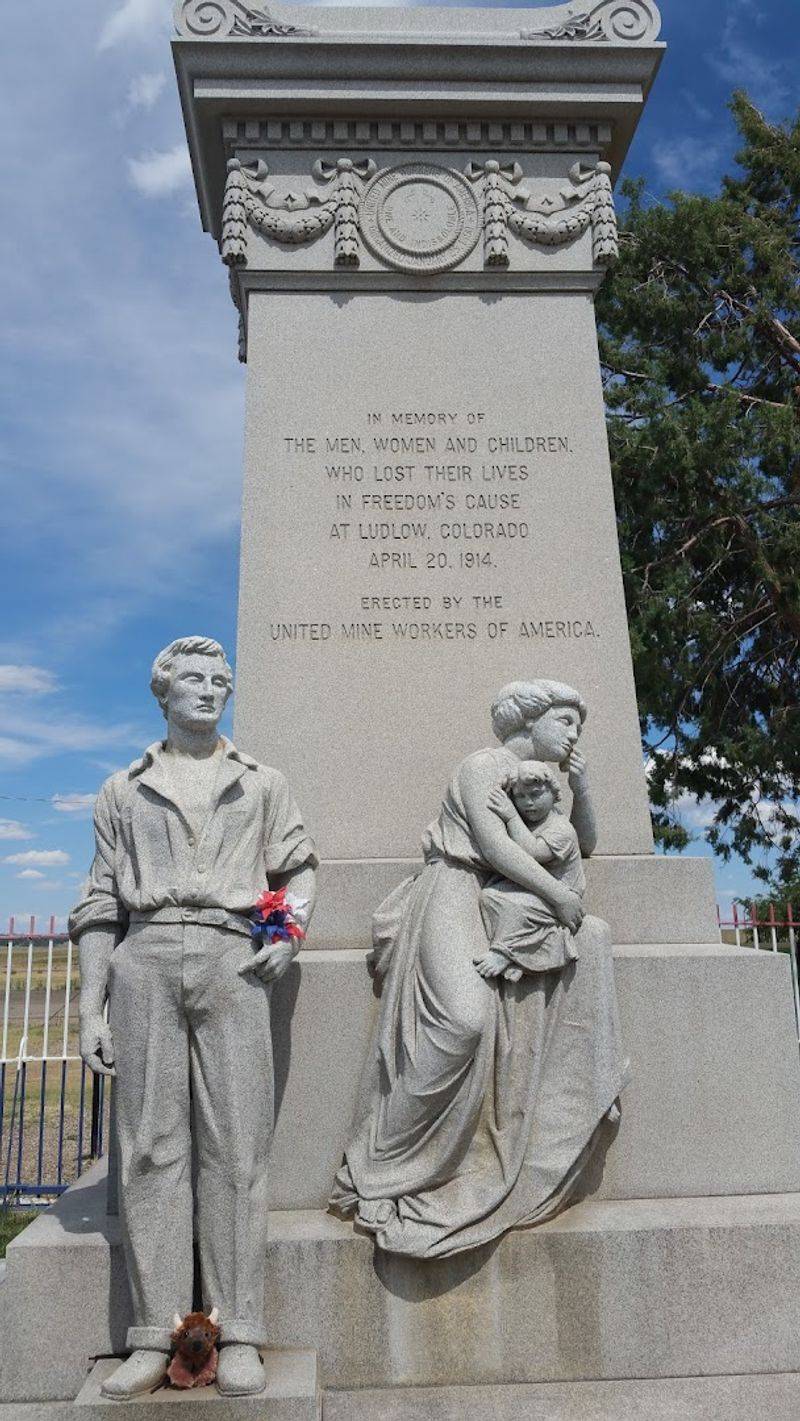
April 20, 1914, started as just another day of a bitter, months-long coal miners strike in southern Colorado. By nightfall, it had become one of the deadliest episodes in American labor history.
Colorado National Guard troops and company guards attacked a tent colony of striking miners and their families near Ludlow, setting tents ablaze.
Eleven children and two women were found suffocated in a pit beneath one of the burned tents. At least 19 people died in total that day.
The mine owners, backed by John D. Rockefeller Jr., faced virtually no legal consequences.
The event sparked a brief armed uprising by miners before federal troops restored order.
The Ludlow Massacre is a cornerstone of American labor history, yet it rarely appears in standard school curricula. A monument erected by the United Mine Workers still stands at the site.
Visiting it today, surrounded by windswept plains and silence, makes the absence of widespread public knowledge feel even more striking.
Share this story