Most music fans assume the face of a band wrote the songs that made them famous. But that is not always the case.
Some of the biggest hits in rock, pop, and classic music history were actually written by someone else entirely, whether a bandmate, an outside artist, or a behind-the-scenes songwriter. These 15 songs prove that a great performance can make a song feel personal, even when someone else put the words and music together first.
1. ‘Something’ – The Beatles (1969)
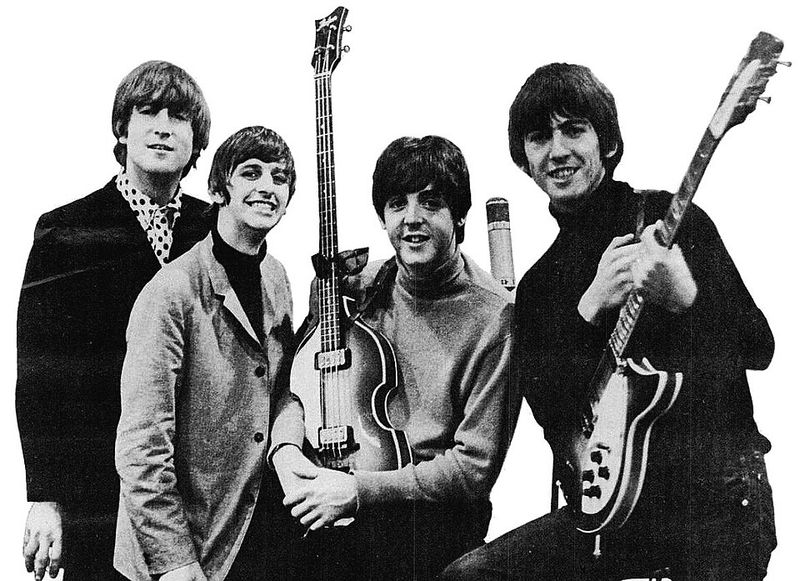
George Harrison spent years in the shadow of John Lennon and Paul McCartney, but in 1969 he stepped forward with one of the most beloved Beatles songs ever recorded. ‘Something’ reached No. 1 on the charts and became a timeless love song that fans around the world still cherish today.
What makes this story even more remarkable is that Frank Sinatra once called it the greatest love song written in 50 years. Coming from a man who recorded thousands of songs, that is quite a compliment.
Harrison drew inspiration from his feelings for his wife, Pattie Boyd, and reportedly wrote the opening melody while sitting at a piano during the recording of the White Album. It showed the world that the Beatles had more than two great songwriters.
Harrison had been quietly developing his craft all along.
2. ‘While My Guitar Gently Weeps’ – The Beatles (1968)
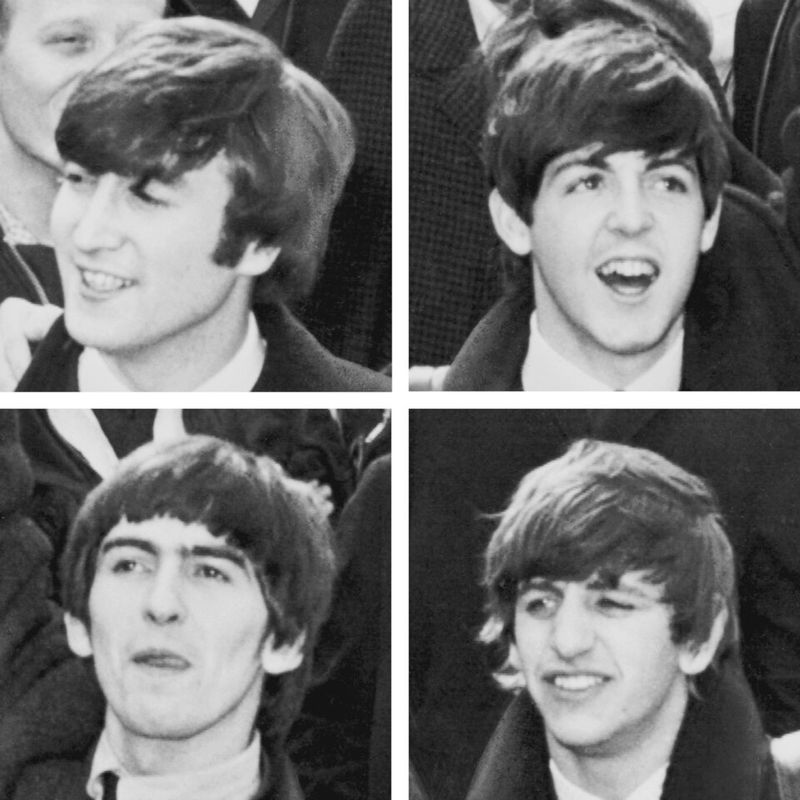
Before ‘Something’ proved Harrison’s songwriting talent, ‘While My Guitar Gently Weeps’ was already making a strong case. Released on the White Album in 1968, the song was inspired by the I Ching, a Chinese book of philosophy that Harrison had been studying at the time.
Harrison randomly opened a book and decided to write about whatever he saw on the page, believing that everything in life is meaningful if you look closely enough. The result was a haunting, emotionally layered track that many consider one of the Beatles’ finest moments.
Eric Clapton played the iconic lead guitar on the recording, which added another layer of musical legend to an already extraordinary song. Most casual listeners assume Lennon or McCartney wrote it, but this masterpiece belonged entirely to the quiet Beatle who had plenty more to say.
3. ‘Beth’ – KISS (1976)
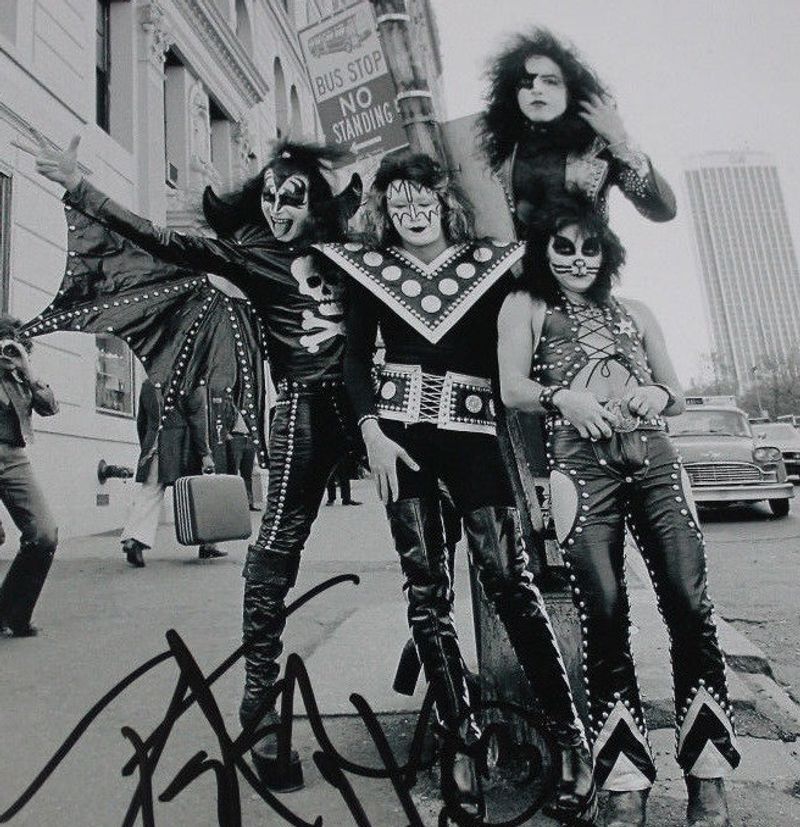
KISS built their reputation on loud, electric rock anthems driven by Paul Stanley and Gene Simmons. So when a quiet, piano-driven ballad became one of their biggest hits, fans were genuinely surprised. ‘Beth’ was co-written by drummer Peter Criss alongside Stan Penridge and producer Bob Ezrin.
The song almost did not make the album at all. It was originally the B-side of a single, but radio stations started flipping it over and playing ‘Beth’ instead.
Listeners fell in love with the soft, emotional melody, and the song climbed to No. 7 on the Billboard Hot 100.
Criss reportedly wrote the song about the frustrations of a musician’s wife waiting at home while the band rehearsed late into the night. It was deeply personal, and that authenticity came through clearly in the recording.
Sometimes the quietest voice in the room has the most powerful story to tell.
4. ‘Money’ – Pink Floyd (1973)
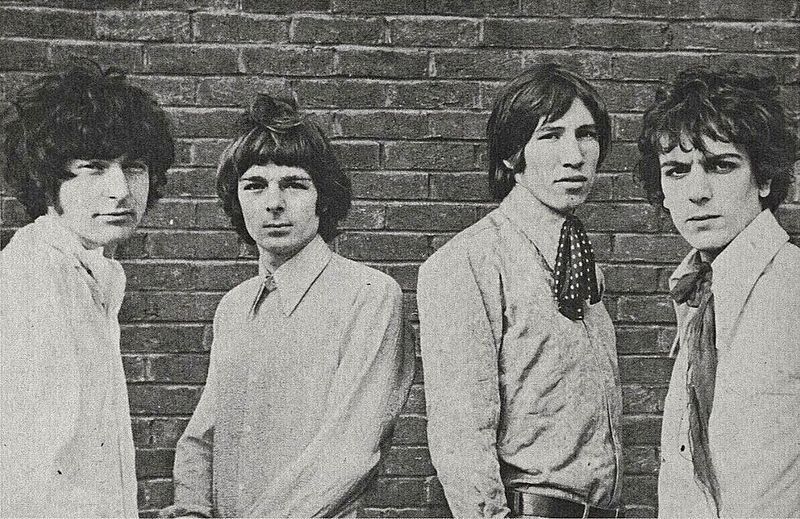
Pink Floyd’s earliest identity was shaped by Syd Barrett, whose psychedelic songwriting gave the band its original voice. But after Barrett’s departure due to mental health struggles, Roger Waters stepped up and transformed the group into something entirely different and arguably even more influential.
‘Money,’ released on the landmark album ‘The Dark Side of the Moon,’ was written entirely by Waters. Its opening cash register sound effects and seven-beat time signature made it instantly recognizable on radio stations worldwide.
It reached the top 15 in the United States and became one of classic rock’s most iconic tracks.
Waters had a gift for turning everyday frustrations into musical statements. The song’s sharp commentary on greed and materialism felt both personal and universal.
While Barrett’s spirit lingered in the band’s early years, ‘Money’ proved Waters was more than capable of carrying the creative torch forward on his own.
5. ‘Comfortably Numb’ – Pink Floyd (1979)
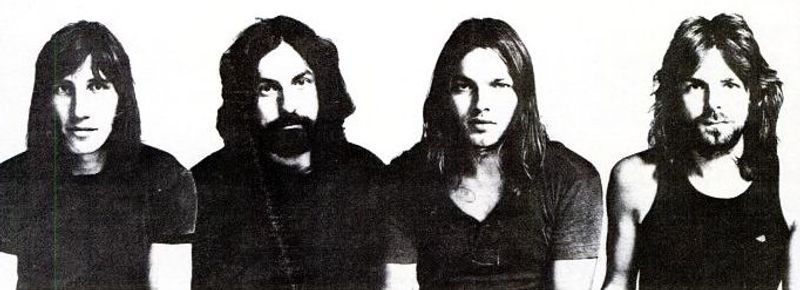
By the time Pink Floyd recorded ‘The Wall’ in 1979, Roger Waters had become the band’s dominant creative force. He wrote most of the album’s lyrics and concept.
But ‘Comfortably Numb,’ the record’s most celebrated track, owes its unforgettable music largely to guitarist David Gilmour.
Gilmour had originally written the underlying chord progression for a solo project. When Waters heard it, he recognized its potential and added lyrics drawn from a real experience of being injected with medication before a concert.
The combination of their contributions created something neither could have made alone.
Gilmour’s guitar solo on the song is consistently ranked among the greatest in rock history. The tension between Waters and Gilmour during this period was well documented, but their creative friction clearly produced extraordinary results. ‘Comfortably Numb’ stands as proof that collaboration, even a complicated one, can yield something truly timeless.
6. ‘Black Dog’ – Led Zeppelin (1971)
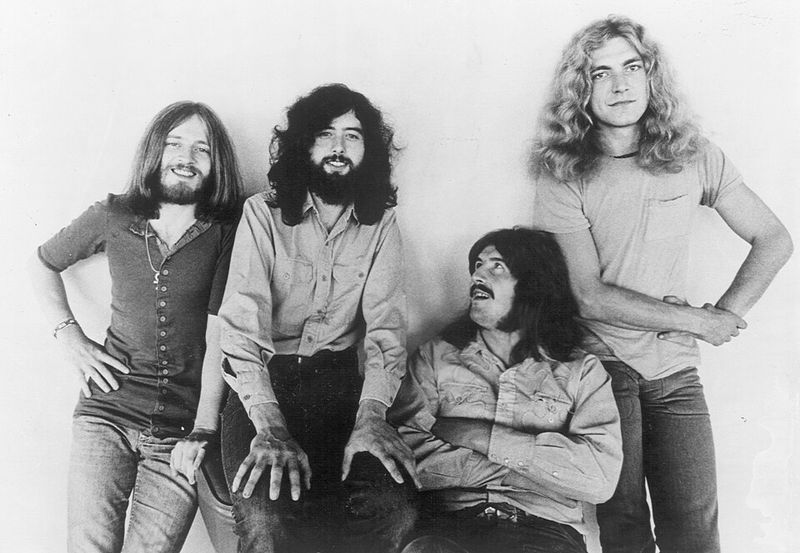
Jimmy Page was the musical architect behind Led Zeppelin, writing many of their most celebrated guitar-driven compositions. But ‘Black Dog,’ the hard-charging opener of the ‘Led Zeppelin IV’ album, was built around a riff created by bassist John Paul Jones.
It is one of rock’s most recognizable opening moments.
Jones came up with the main riff intentionally trying to make something that would be difficult to dance to, with its shifting time signatures and unpredictable rhythmic changes. Robert Plant added the lyrics and vocal melody, while Page contributed additional guitar work.
The result was a collaborative triumph that felt both raw and sophisticated.
The song’s title came from a stray black Labrador that wandered around the recording studio during sessions at Headley Grange. Jones rarely received the same spotlight as Page or Plant, but ‘Black Dog’ is a lasting reminder that the quiet ones in the band sometimes create the loudest moments.
7. ‘Dream On’ – Aerosmith (1973)
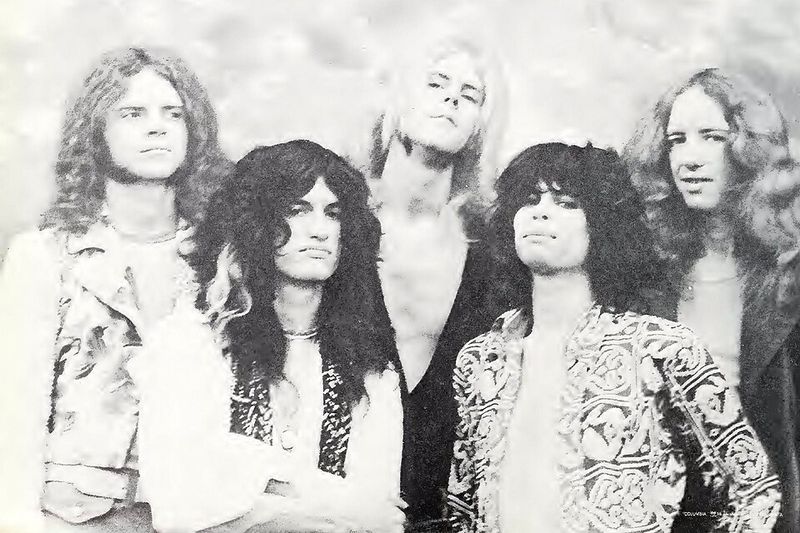
Joe Perry’s searing guitar work became so central to Aerosmith’s identity that he earned the nickname the Toxic Twin alongside Steven Tyler. Most fans assume Perry was the driving creative force behind the band’s early sound.
But their breakthrough song, ‘Dream On,’ was written entirely by Tyler, and he wrote it before Aerosmith even existed as a band.
Tyler reportedly began working on the song as a teenager, sitting at a piano and piecing together what would become one of rock’s most dramatic ballads. He was thinking about the passage of time, growing up, and the pursuit of dreams, themes that connected deeply with listeners of all ages.
The song did not immediately become a massive hit. It charted modestly in 1973, then was re-released in 1976 and climbed to No. 6.
Tyler’s vocal range on the track remains breathtaking. It showed that the frontman had far more depth as a songwriter than many people realized.
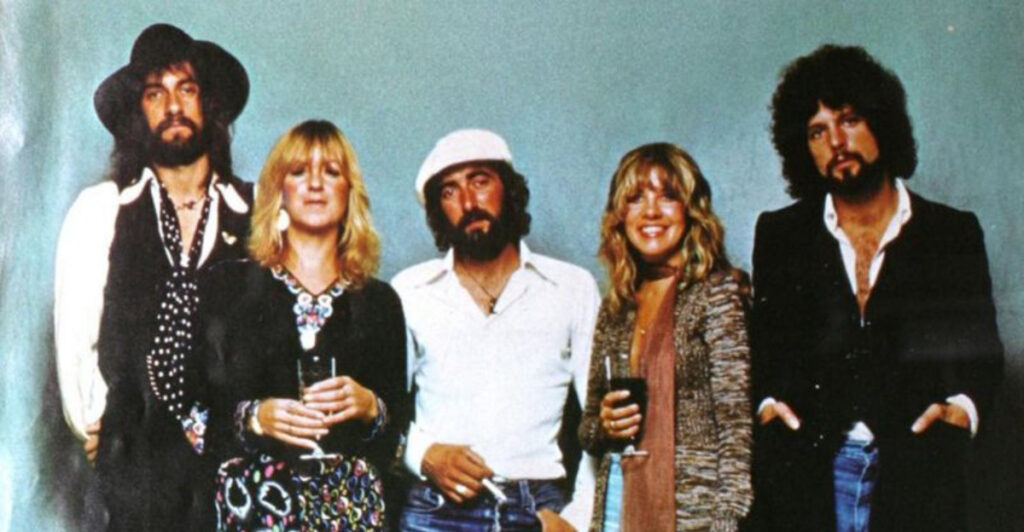
8. ‘Go Your Own Way’ – Fleetwood Mac (1977)
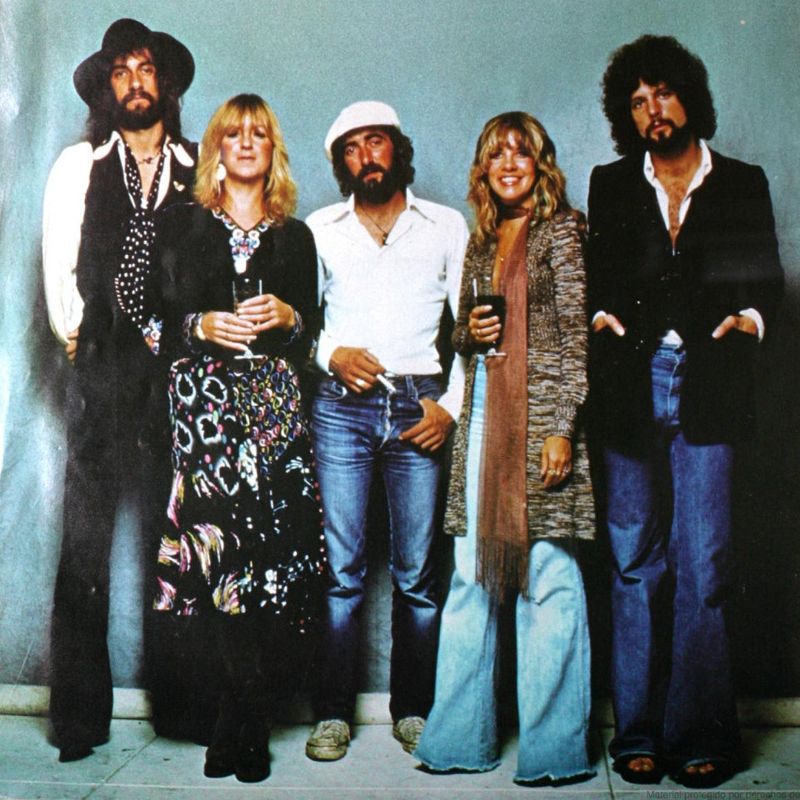
Stevie Nicks gave the world ‘Rhiannon,’ ‘Gold Dust Woman,’ and ‘The Chain,’ cementing her reputation as Fleetwood Mac’s poetic songwriting voice. So it might come as a surprise that the album ‘Rumours’ biggest rock anthem, ‘Go Your Own Way,’ was written entirely by guitarist Lindsey Buckingham.
Buckingham wrote the song as a direct response to his painful breakup with Nicks, which was happening in real time while the band was recording. The raw emotion in the lyrics reflects genuine heartbreak, which is part of why the song resonates so powerfully even decades later.
Nicks has spoken publicly about her discomfort with some of the song’s lyrics, feeling they misrepresented her character. Despite that tension, she continued performing it night after night on tour. ‘Go Your Own Way’ peaked at No. 10 on the Billboard Hot 100 and became one of rock’s most enduring breakup anthems.
9. ‘Don’t Stop’ – Fleetwood Mac (1977)
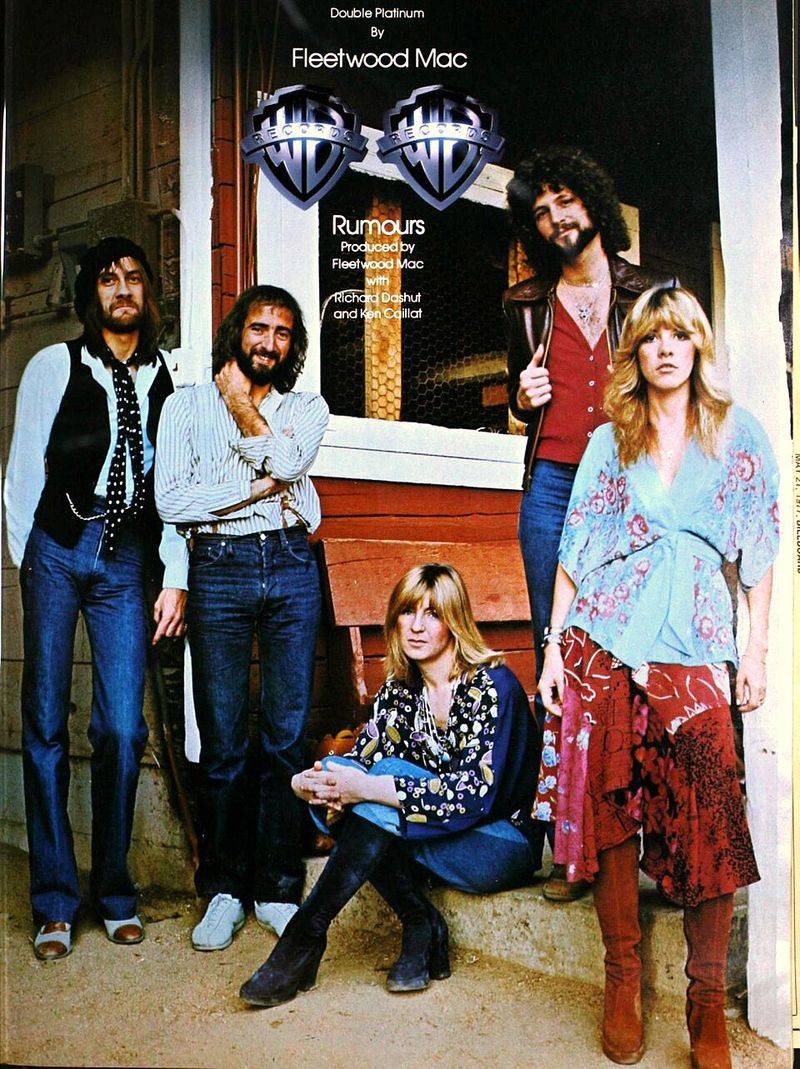
While Stevie Nicks and Lindsey Buckingham dominated the headlines during the ‘Rumours’ era, Christine McVie was quietly writing some of the album’s most memorable material. ‘Don’t Stop,’ with its upbeat message of moving forward and looking to the future, was written entirely by McVie and became one of the record’s standout tracks.
The song took on a life far beyond the album when Bill Clinton used it as his presidential campaign theme in 1992. Fleetwood Mac even reunited to perform it live at his inauguration.
That kind of cultural staying power speaks to how universally appealing McVie’s songwriting really was.
McVie wrote the song after her own divorce from bandmate John McVie, channeling personal pain into an optimistic melody. The contrast between the upbeat sound and the emotional backstory is what gives it such warmth.
Sometimes the most hopeful songs come from the most difficult personal moments.
10. ‘Under Pressure’ – Queen and David Bowie (1981)
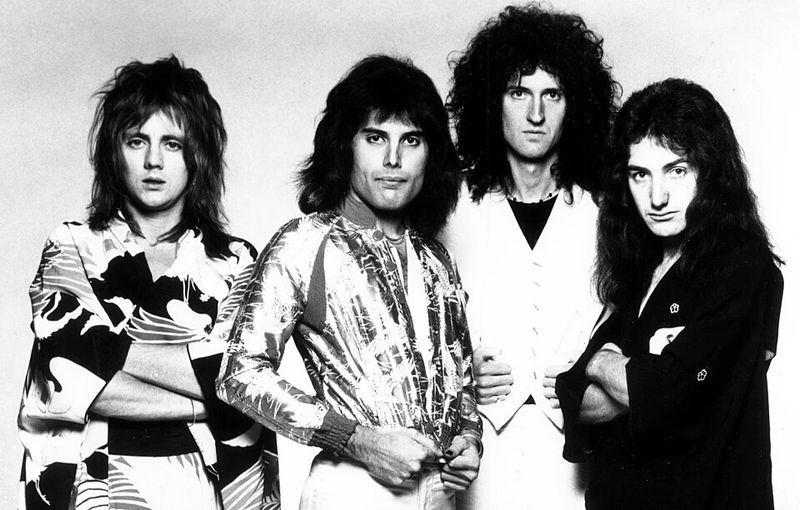
Freddie Mercury’s songwriting catalog includes ‘Bohemian Rhapsody,’ ‘Somebody to Love,’ and ‘Don’t Stop Me Now,’ making him one of rock’s most celebrated composers. But ‘Under Pressure,’ one of Queen’s most iconic tracks, was not his alone.
It emerged from a spontaneous late-night jam session between Queen and David Bowie.
The story goes that Bowie stopped by the studio in Montreux, Switzerland, and the two acts began improvising together. What started as an unplanned evening turned into one of the most recognizable bass lines in music history, later sampled by Vanilla Ice in ‘Ice Ice Baby.’
All five artists, the four members of Queen plus Bowie, share songwriting credit on the track. The collaboration was reportedly chaotic and thrilling at the same time.
It reached No. 1 in the United Kingdom and proved that even the most legendary solo voices can create something greater together than apart.
11. ‘You Really Got Me’ – Van Halen (1978)
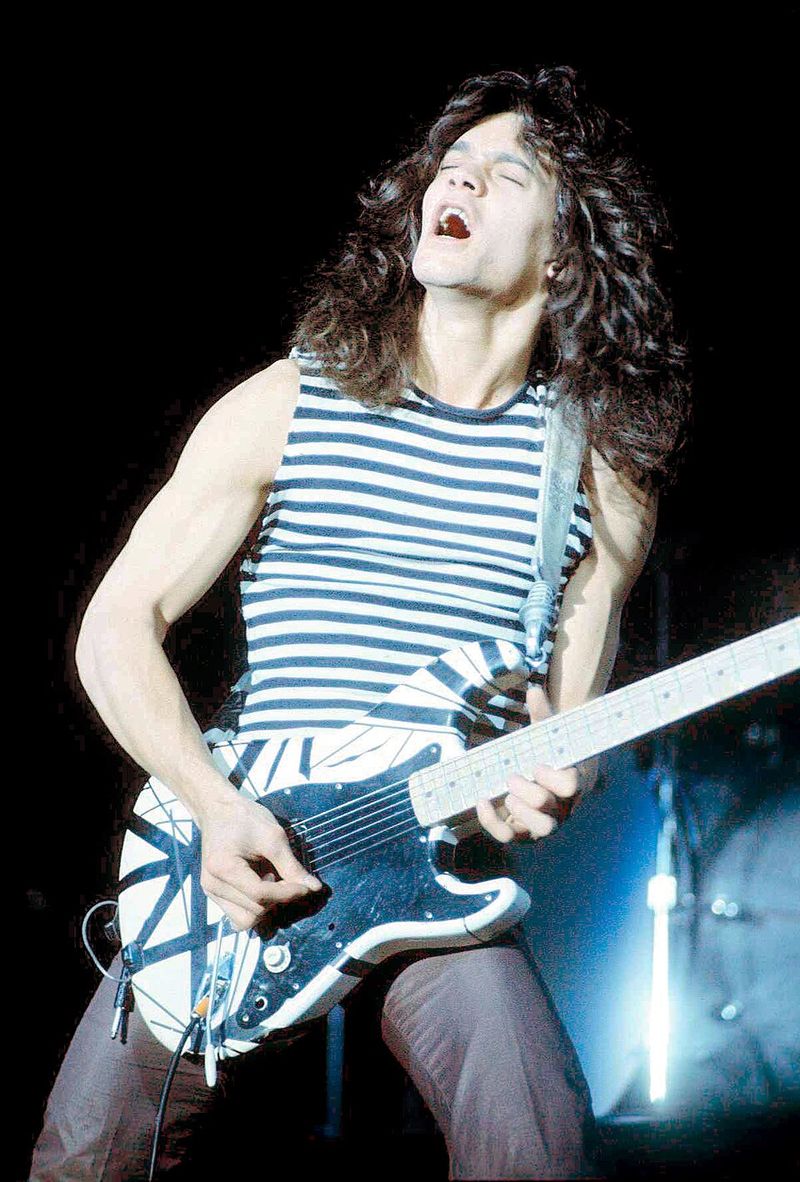
Eddie Van Halen redefined what electric guitar could sound like, and his technical brilliance shaped nearly every song the band ever recorded. When Van Halen released their debut album in 1978, the opening track grabbed listeners immediately.
But ‘You Really Got Me’ was not an Eddie Van Halen original. It was written by Ray Davies of The Kinks back in 1964.
The original Kinks version was a raw, garage-rock classic. Van Halen took that same skeleton and rebuilt it with explosive guitar work and David Lee Roth’s charismatic vocal delivery, turning it into something that felt entirely new while still honoring the source.
The cover became the band’s first charting single, introducing them to a massive audience. It is a fascinating case of a band making someone else’s song sound so much like their own that most listeners had no idea it was a cover.
Ray Davies deserves a lot more credit than he typically receives for writing it.
12. ‘I Love Rock ‘n’ Roll’ – Joan Jett and the Blackhearts (1982)

Joan Jett’s leather-clad attitude and raw guitar style made ‘I Love Rock ‘n’ Roll’ feel like the most personal statement she ever made. It sat at No. 1 for seven weeks in 1982 and became her signature song.
Many fans still assume she wrote it. She did not.
The song was originally written by Alan Merrill and Jake Hooker and recorded by the British band The Arrows in 1975. Jett saw them perform it on a British television show and fell in love with the track immediately.
She recorded a version with the Runaways, which went unreleased, before finally cutting the definitive version with the Blackhearts.
Jett’s recording added a harder edge and a more defiant energy that the original lacked. Her version transformed a decent rock track into a cultural anthem.
Credit goes to Merrill and Hooker for writing it, but Jett’s instinct for knowing a great song is what brought it to the world.
13. ‘Manic Monday’ – The Bangles (1986)
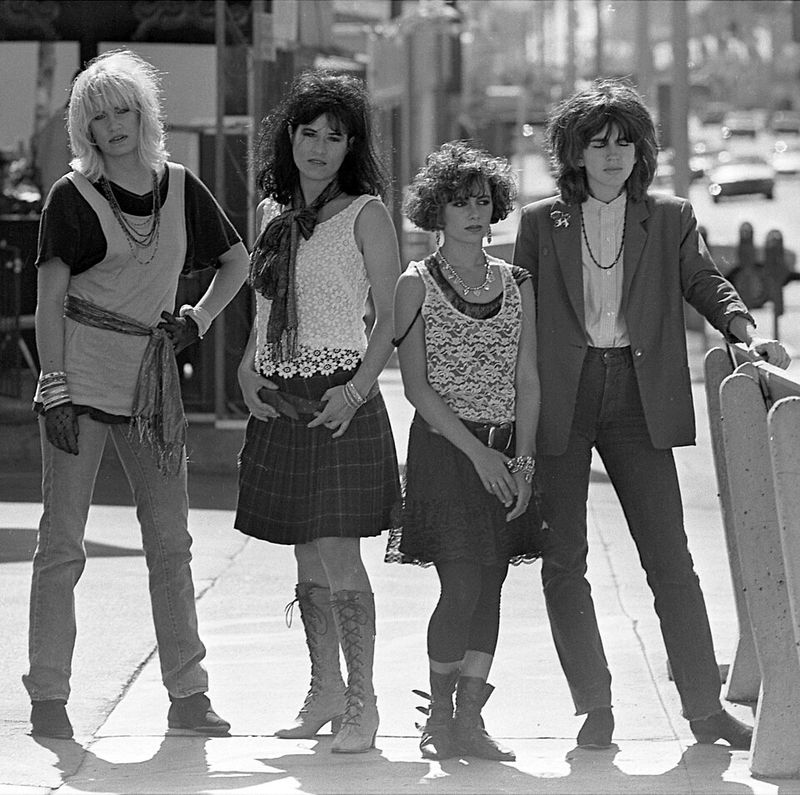
Few pop songs capture the universal misery of Monday mornings better than ‘Manic Monday.’ The Bangles performed it with such effortless charm that it felt completely their own. But the song was written by Prince, who submitted it under the pseudonym Christopher to keep his involvement quiet at first.
Prince had originally written the song for Apollonia 6, a group he was producing at the time. When that project did not move forward with the track, he offered it to the Bangles after reportedly developing a romantic interest in lead singer Susanna Hoffs.
The song reached No. 2 on the Billboard Hot 100 in 1986.
The Bangles’ harmonies and Hoffs’ vocal delivery gave the song a breezy, sun-soaked quality that suited it perfectly. Prince’s fingerprints are all over the melody and chord structure once you know to listen for them.
It remains one of the most successful gifts one artist ever gave to another.
14. ‘Girls Just Want to Have Fun’ – Cyndi Lauper (1983)
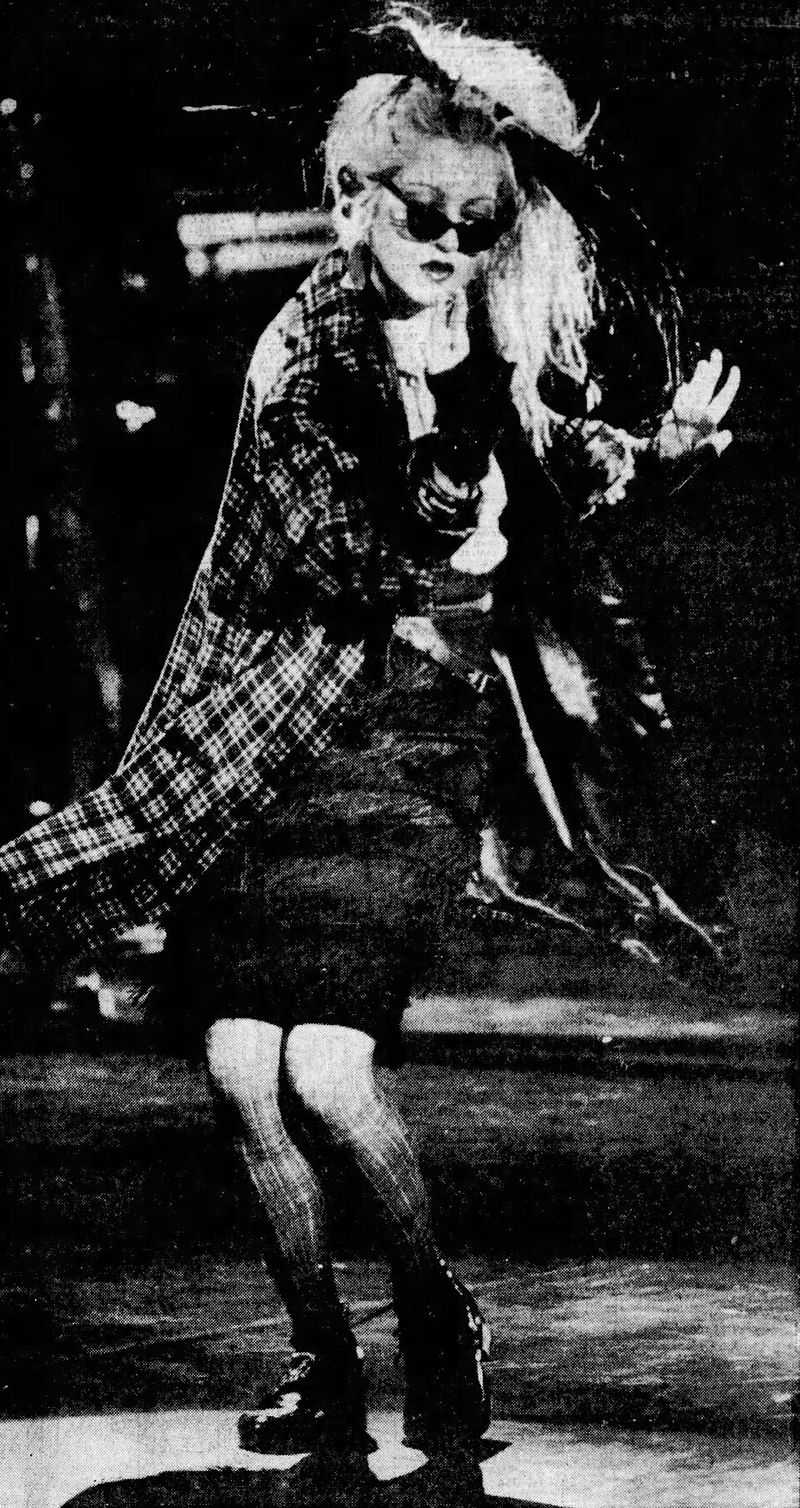
Cyndi Lauper burst onto the pop scene in 1983 with a look, a sound, and an attitude that felt completely her own. ‘Girls Just Want to Have Fun’ became an anthem for a generation and remains one of the most recognizable pop songs ever recorded. Almost nobody questions whether she wrote it.
She did not.
The song was written by Robert Hazard, a Philadelphia-based musician, in 1979. His original version had a very different tone, written from a male perspective about women as entertainment.
Lauper rewrote portions and flipped the perspective entirely, turning it into a celebration of female independence and joy.
Her creative reimagining of Hazard’s material was so complete that the song became something new in her hands. Lauper’s playful delivery and genuine personality made every lyric feel lived in.
It is a perfect example of how an artist’s interpretation can transform a song’s meaning and give it a much longer life.
15. ‘Without You’ – Harry Nilsson (1971)
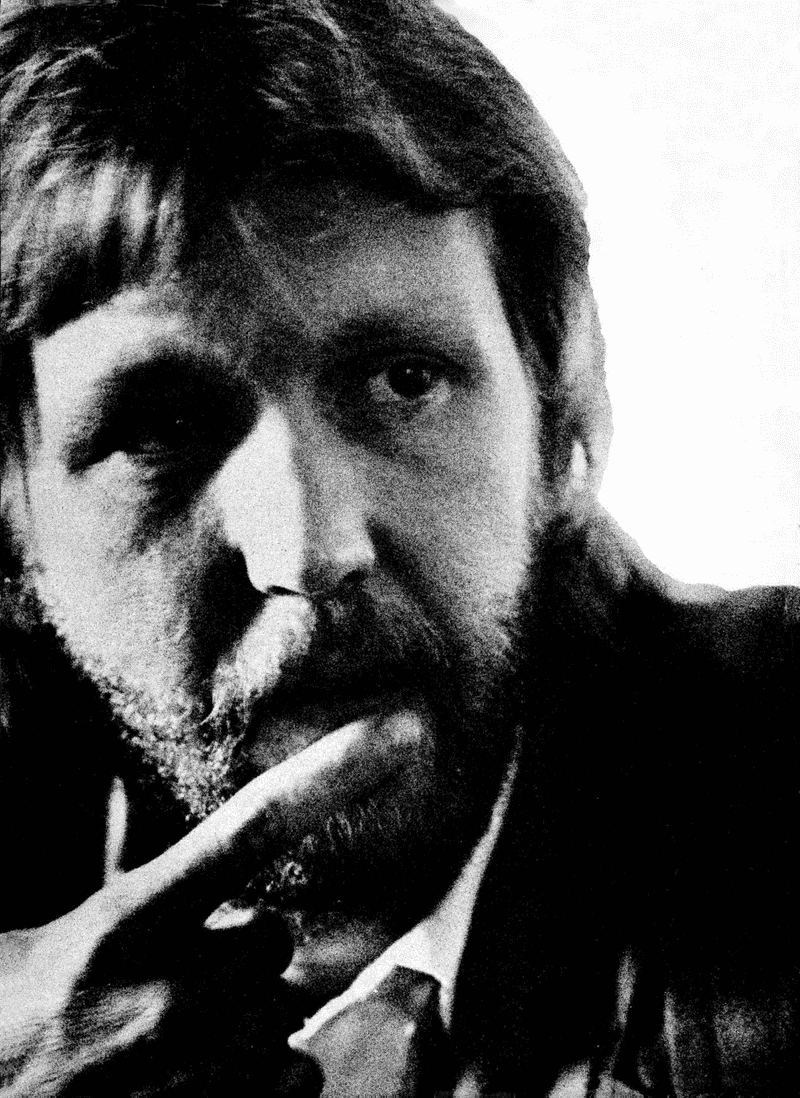
Harry Nilsson’s version of ‘Without You’ is so emotionally powerful that most people never stop to wonder whether he wrote it. His voice cracks with genuine feeling across every note, and the song went to No. 1 in both the United States and the United Kingdom in 1972.
But the song was written by two members of the British band Badfinger.
Pete Ham and Tom Evans wrote ‘Without You’ and recorded it for Badfinger’s 1970 album ‘No Dice.’ Their version was raw and heartfelt, but it was Nilsson’s recording, produced by Richard Perry, that transformed it into a sweeping, orchestral emotional experience.
Mariah Carey later covered it in 1994 with similar commercial success, proving the song’s staying power across decades. Tragically, both Ham and Evans died by suicide years apart, leaving behind a legacy that never fully received the recognition it deserved.
Their songwriting gift lives on in every version recorded since.
Share this story