There is a building in Barcelona that has been under construction since 1882 and still draws millions of visitors every single year. That building is the Sagrada Familia, Antoni Gaudi’s extraordinary basilica that blends nature, faith, and architecture into something the world has never quite seen before.
From its towering spires to its kaleidoscopic stained glass windows, every corner of this place tells a story. Before you book your tickets and head to Carrer de Mallorca, 401 in the Eixample district, here are the most important things you should know to make your visit truly unforgettable.
Book Your Tickets Well in Advance
One of the biggest mistakes visitors make at the Sagrada Familia is showing up without a ticket and hoping for the best. This basilica attracts millions of tourists each year, and timed entry slots fill up weeks, sometimes even months, ahead of time.
The official website at sagradafamilia.org is the safest and most reliable place to purchase your tickets. You can choose from several options, including a basic entry ticket, an audio guide add-on, or tower access, which costs a little extra but offers remarkable views over the city.
Buying tickets directly through the official app is also a smart move, since it stores everything in one place and even includes the audio tour in multiple languages. Arriving with a pre-booked ticket means you skip the long queues at the door and walk straight in at your chosen time.
Plan your visit at least two to three weeks ahead, especially during summer and holiday seasons, to avoid disappointment.
The Best Time of Day to Visit for Light and Fewer Crowds
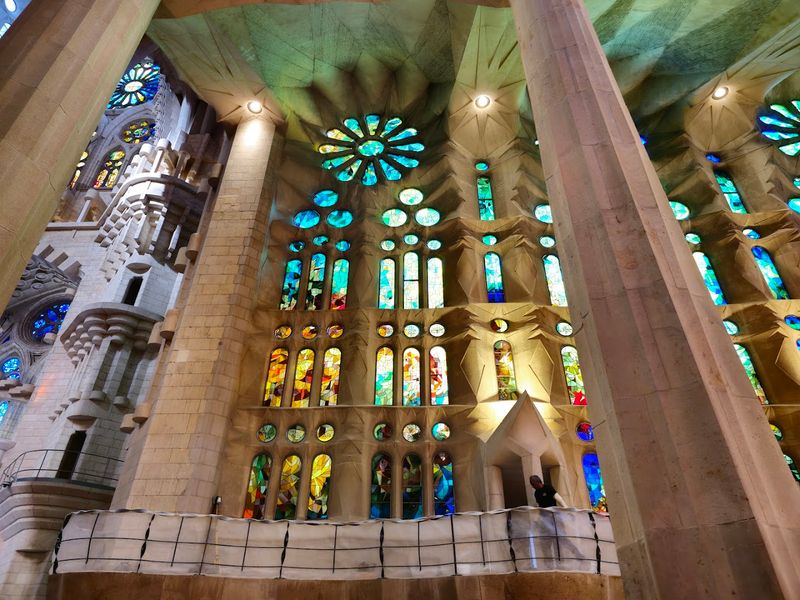
Timing your visit to the Sagrada Familia can completely change the experience you walk away with. The interior of the basilica is famous for its stained glass windows, and the direction of the light shifts dramatically depending on the time of day.
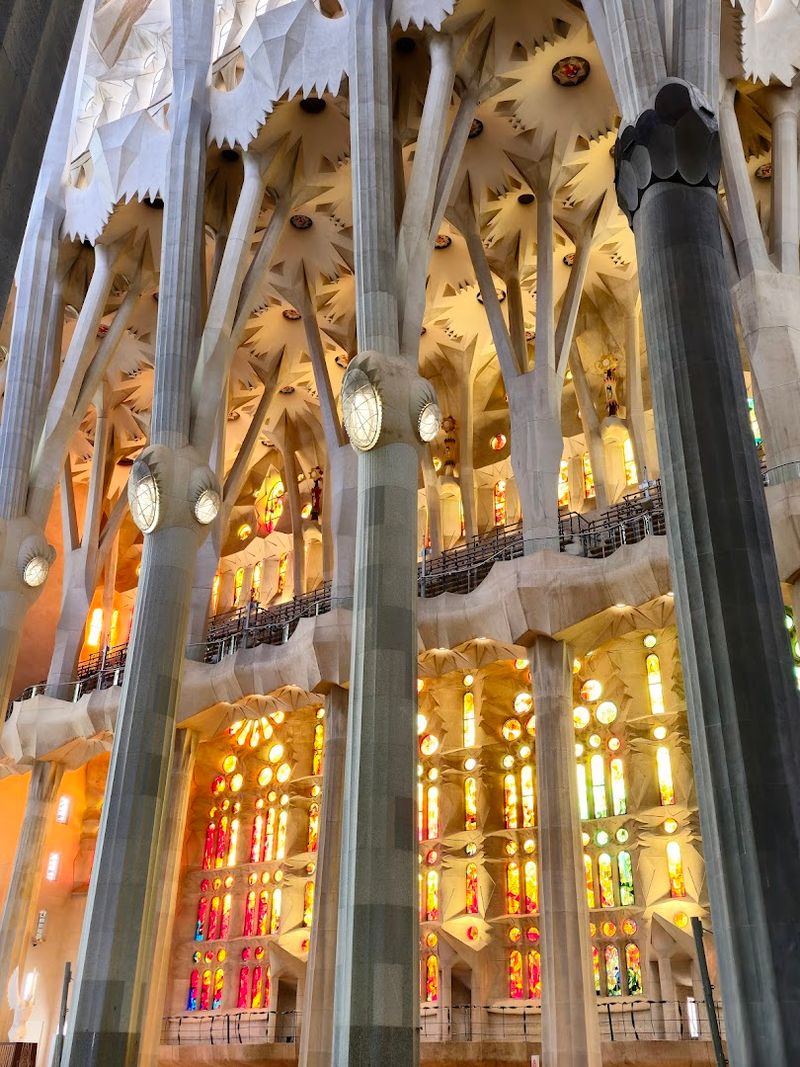
The western windows, which glow in warm reds, oranges, and ambers, are most striking in the late afternoon. The eastern windows, filled with cool blues and greens, catch the morning sun beautifully.
Many visitors who have been more than once strongly recommend a late afternoon slot specifically to catch that golden-hour light show washing across the stone columns.
Arriving shortly after opening on weekday mornings tends to mean fewer people, which makes exploring the space feel more personal and peaceful. Weekends bring noticeably larger crowds throughout the day.
If photography matters to you, early morning on a weekday gives you the best chance of capturing the interior without other visitors constantly in frame. The basilica closes at 6 PM daily, so plan your arrival with enough buffer time to absorb everything without rushing.
Understanding the Two Facades and What They Represent
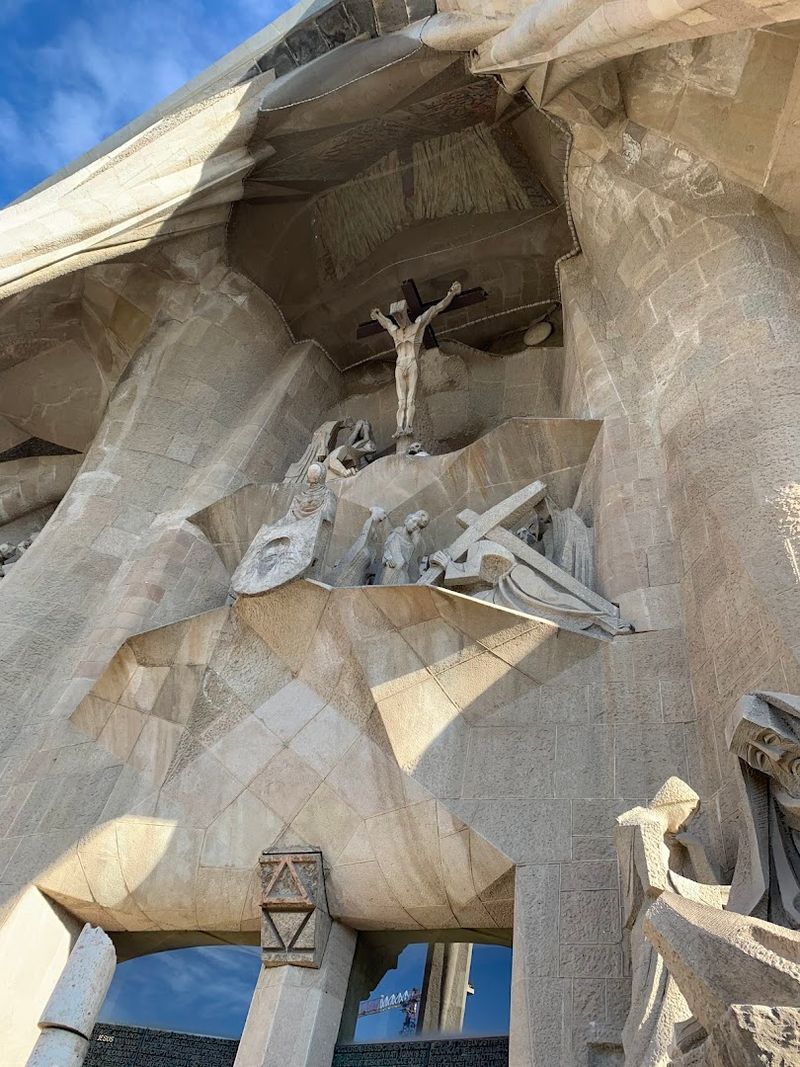
Most people walk up to the Sagrada Familia and immediately focus on whichever side they happen to face first, but taking the time to walk the full perimeter of the building reveals two very different architectural personalities.
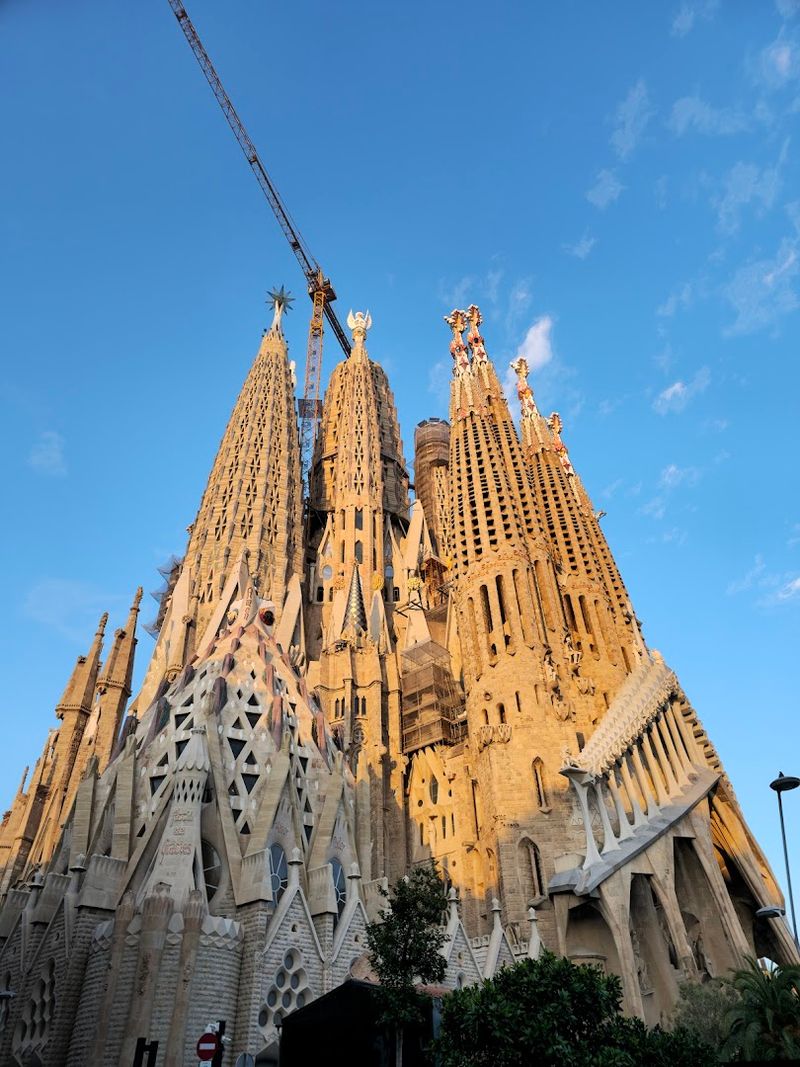
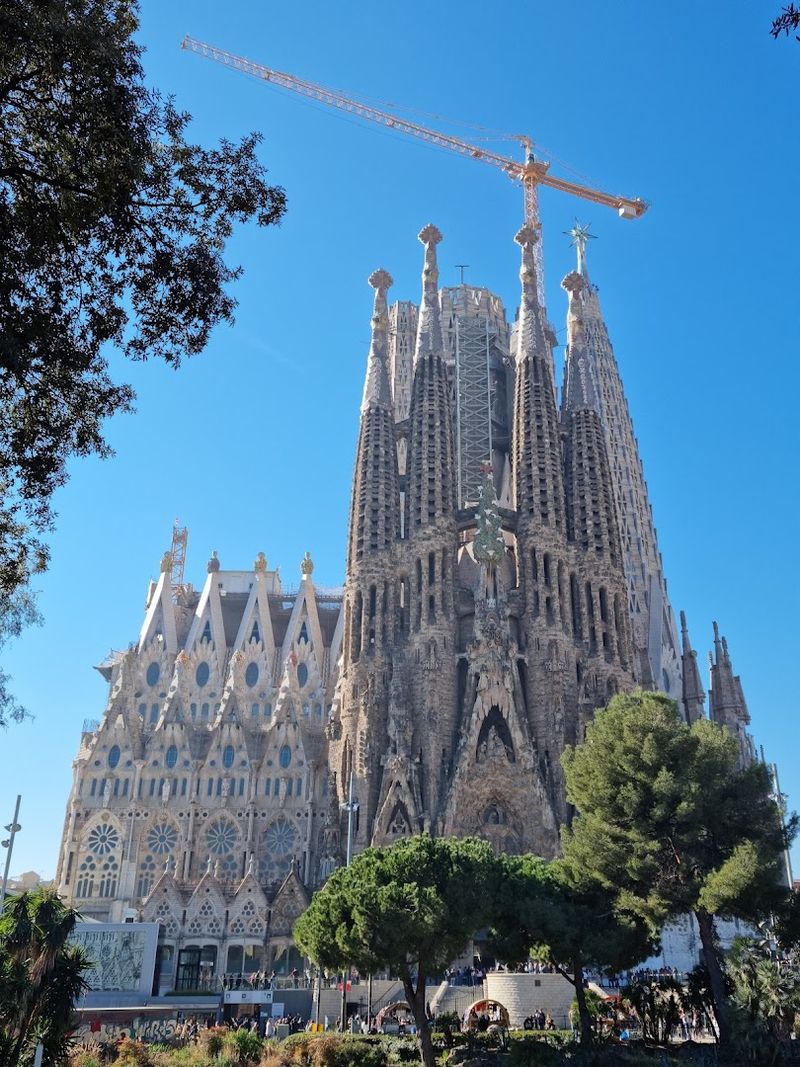
The Nativity facade, on the eastern side, is the one Gaudi worked on most directly during his lifetime. It is dense with organic detail, covered in plant forms, animals, and figures celebrating the birth of Christ.
The stonework looks almost alive, as if it grew naturally from the ground up rather than being carved by human hands.
The Passion facade, on the western side, was completed later and designed by sculptor Josep Maria Subirachs. Its style is deliberately stark and angular, representing the suffering and crucifixion of Christ.
The contrast between the two sides is intentional and deeply symbolic. A third facade, the Glory facade on the southern side, is still under construction and will eventually become the main entrance.
Walking around all three sides, even the unfinished one, gives you a much fuller sense of what Gaudi envisioned for this extraordinary structure.
What to Expect Inside the Basilica
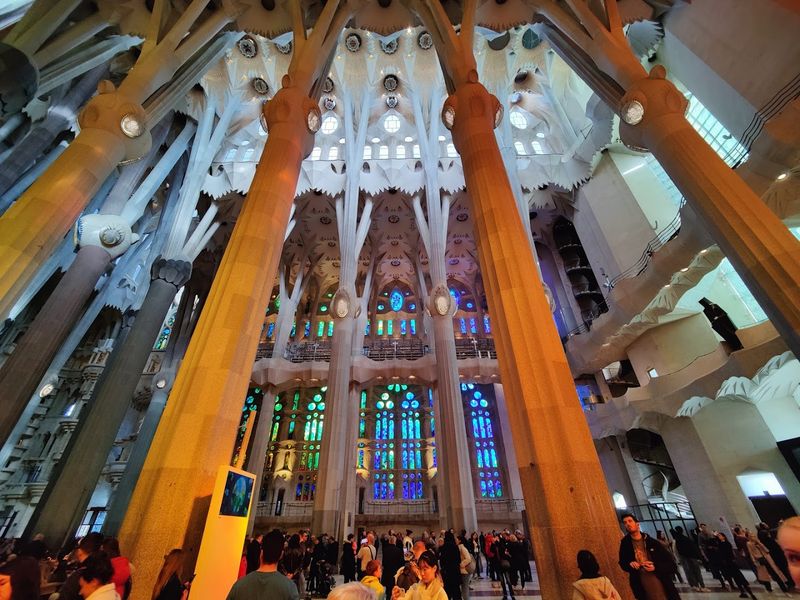
Nothing quite prepares you for that first moment inside the Sagrada Familia. The scale of the interior is genuinely surprising, because from the outside the building reads as massive, but once you step through the doors, the space feels both vast and oddly intimate at the same time.
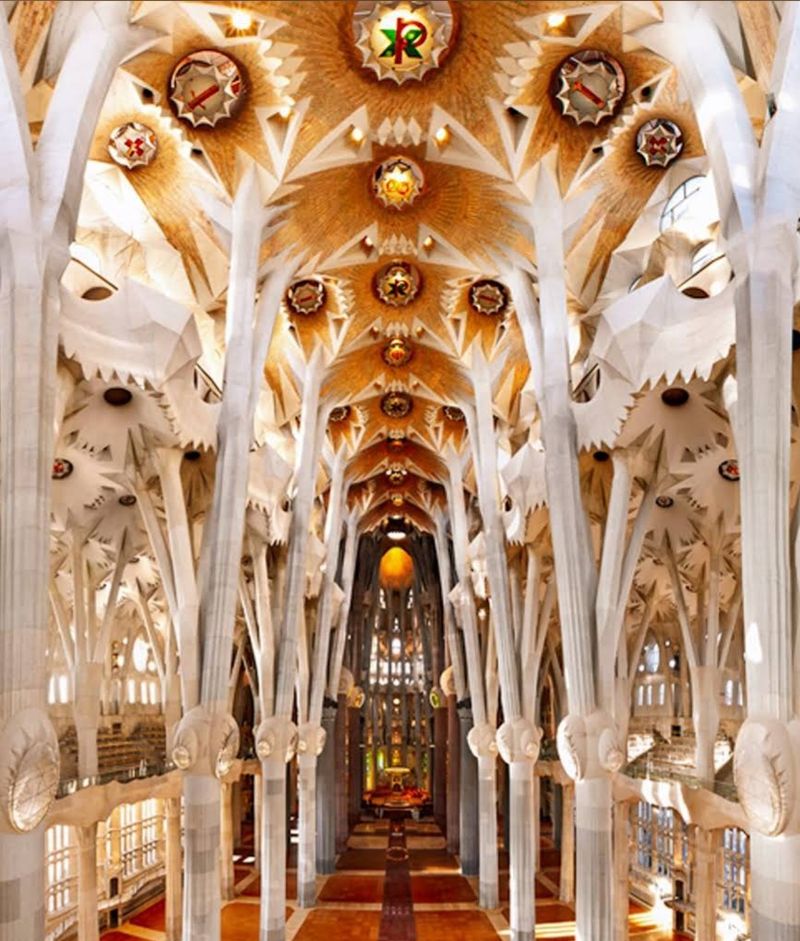
The columns are the first thing most people notice. They branch upward like an enormous stone forest, splitting and spreading as they reach the ceiling in a way that mirrors the structure of trees.
Gaudi drew heavily from nature throughout his design, and nowhere is that more obvious than in this central nave.
The stained glass windows transform the light inside the basilica throughout the day, shifting from cool morning hues to warm, saturated afternoon colors that paint the stone floors and columns in constantly changing tones. The overall atmosphere is quietly spiritual, even for visitors who are not religious.
The museum located at the rear of the building, accessible through the same ticket, offers detailed explanations of how the structure was conceived and built, and it is absolutely worth spending time there before or after your main visit.
Tower Access and the Views Worth Climbing For
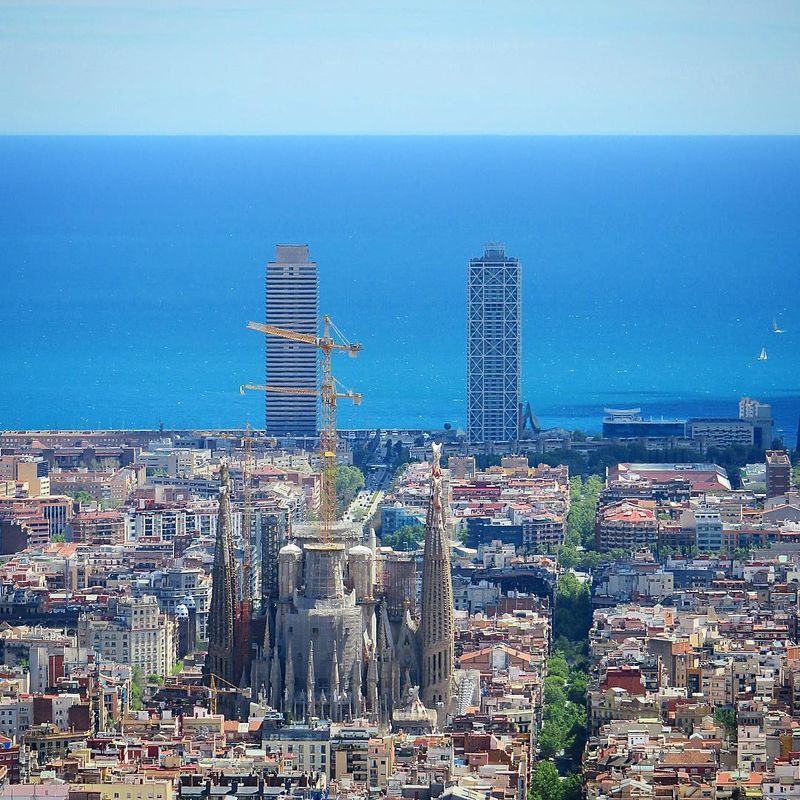
Tower access at the Sagrada Familia costs extra beyond the standard entry ticket, but for many visitors it ends up being the highlight of the entire trip. There are two tower groups available: the Nativity towers on the eastern side and the Passion towers on the western side.
Each set of towers offers a different perspective over Barcelona, and on a clear day the views stretch all the way to the Mediterranean Sea. The towers are not accessible by stairs alone; lifts carry visitors up, though you do need to walk down via a narrow spiral staircase, so anyone with mobility concerns should check the official website for accessibility details before booking.
Being up among the spires gives you a completely different understanding of the building’s scale and complexity. You can see the cranes and ongoing construction from above, which actually adds to the experience rather than taking away from it.
The Sagrada Familia is still being built, and watching that process from the towers makes the whole story of this never-finished landmark feel very real and very much alive.
The Story Behind Antoni Gaudi and His Lifelong Vision
Antoni Gaudi took over the Sagrada Familia project in 1883, just one year after construction began, and he spent the rest of his life dedicated almost entirely to it. By the time he passed away in 1926, only a small portion of the building was complete, but his detailed plans and scale models left enough of a blueprint for future architects to continue his work.
Gaudi was a deeply religious man, and the Sagrada Familia was never just an architectural project for him. He saw it as his greatest act of devotion, a building that would teach the stories of the Bible through its very form and structure.
He reportedly said that his client, meaning God, was in no hurry, which explains why he never rushed the work.
His approach to architecture rejected straight lines almost entirely in favor of curves, organic forms, and natural geometry. The columns, the facades, and even the roof structures all reflect his belief that nature was the ultimate architect.
Gaudi is buried in the crypt beneath the basilica, making the Sagrada Familia not only his greatest creation but also his final resting place.
Using the Audio Guide to Get the Most Out of Your Visit
The Sagrada Familia is one of those places where having the right information genuinely changes what you see. Without context, you might admire the beauty and move on fairly quickly.
With an audio guide, the same space suddenly reveals layers of symbolism, history, and intention that are easy to miss on your own.
The official Sagrada Familia app includes an audio tour available in multiple languages, and it can be downloaded before you arrive, which saves time and data once you are inside. One practical tip worth remembering: bring your own earbuds or headphones, since the app requires them and not all ticket options include a physical audio device.
The guide draws your attention to specific details you would likely walk right past otherwise, from the mathematical precision of the columns to the symbolic meaning of individual sculptures on the facades. Visitors who use the audio guide consistently report spending longer inside and leaving with a much richer appreciation for what they experienced.
Even on a second or third visit, the guide tends to surface new details that were overlooked before, which says a lot about how much is packed into every corner of this building.
Practical Tips for Getting There, Staying Longer, and Leaving Happy
The Sagrada Familia sits at Carrer de Mallorca, 401 in the Eixample district of Barcelona, and getting there is straightforward by metro. The closest stop is Sagrada Familia on Line 2 or Line 5, and the walk from the station to the entrance takes about two minutes.
The surrounding park and garden area around the basilica is free to enjoy and genuinely worth your time. Several benches face the building from different angles, and spending time outside before or after your ticketed entry gives you a chance to appreciate the exterior in a slower, more relaxed way.
The Nativity facade in particular rewards long, unhurried observation.
Plan to spend at least two to two and a half hours on site if you want to cover the interior, the museum, and a full walk around the exterior. There are toilets available near both the entrance and exit, and the staff inside are helpful and knowledgeable.
The basilica is open Monday through Saturday from 9 AM to 6 PM, and on Sundays from 10:30 AM to 6 PM, so factor that into your schedule before you go.
Share this story