Spain is one of those countries that somehow manages to have it all: ancient cities, sun-soaked beaches, world-class food, and enough history to keep your jaw dropping for weeks. Whether you are chasing stunning architecture, epic art museums, or just a really good plate of paella, Spain delivers on every front.
I still remember landing in Madrid for the first time and feeling completely overwhelmed in the best possible way. These 13 places are the ones that will make your first trip to Spain truly unforgettable.
Barcelona: Where Gaudí Meets the Sea
No other city on Earth looks quite like Barcelona, and that is entirely Gaudí’s fault. The man designed buildings that look like they melted and reformed into something magical.
Sagrada Família alone is worth the flight.
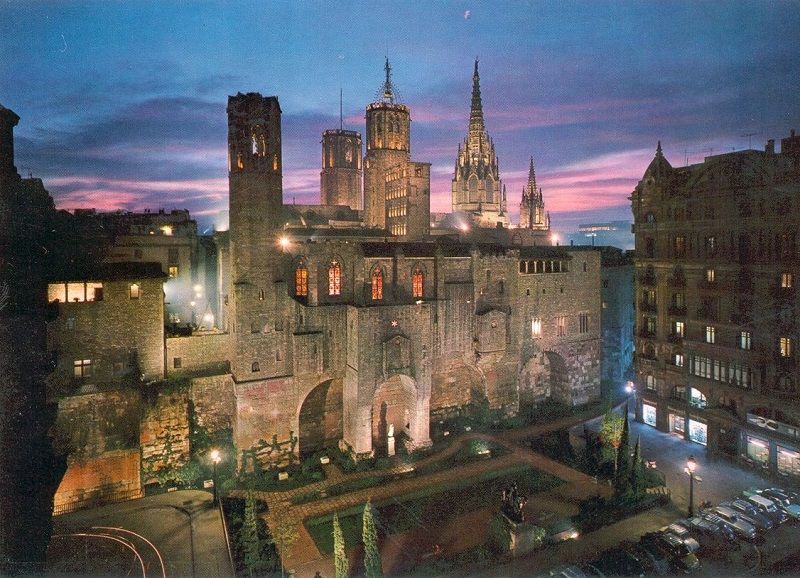
Beyond the architecture, Barcelona’s Gothic Quarter is a maze of narrow streets packed with tapas bars and hidden squares. I spent an entire afternoon just wandering and stumbling upon cafés I never would have found on a map.
That is honestly the best way to do it.
The beach is a short walk from the city center, which is a genuinely unfair advantage. You can do a morning museum visit, lunch in El Born, and an afternoon on Barceloneta Beach without breaking a sweat.
Book Sagrada Família tickets well in advance online. Lines without tickets are brutal, and nobody wants to spend their Barcelona afternoon standing on a sidewalk.
Madrid: The Capital That Never Sleeps
Madrid runs on a schedule that would confuse most of the world. Lunch at 3pm, dinner at 10pm, and somehow everyone is still energetic at midnight.
The city has a pulse unlike anywhere else in Spain.
First-timers should start with the Puerta del Sol, then wander toward Plaza Mayor for a coffee and some serious people-watching. The Malasaña and Chueca neighborhoods offer a grittier, cooler side of the city that the tourist brochures rarely highlight.
Both are absolutely worth your afternoon.
Madrid is also one of Europe’s most walkable capitals. The big museums, the royal palace, and the best churros spots are all within reasonable walking distance of each other.
Pro tip: grab churros con chocolate at Chocolatería San Ginés after midnight. It is a Madrid institution, it is open almost all night, and it will completely ruin all other churros for you forever.
The Prado: Spain’s Greatest Art Room
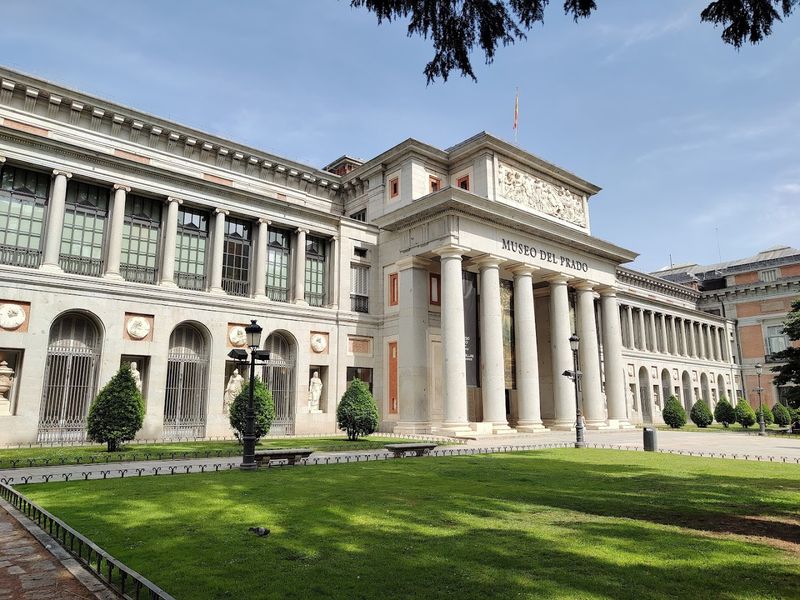
The Prado is not just a museum. It is essentially a greatest-hits album of European art, and Velázquez, Goya, and El Greco are the headliners.
Las Meninas alone stops people cold in the middle of the gallery.
The collection is enormous, so go in with a loose plan. Pick two or three rooms you really want to see rather than trying to cover everything.
Attempting to see the whole Prado in one visit is a rookie mistake that leaves you exhausted and unable to remember anything.
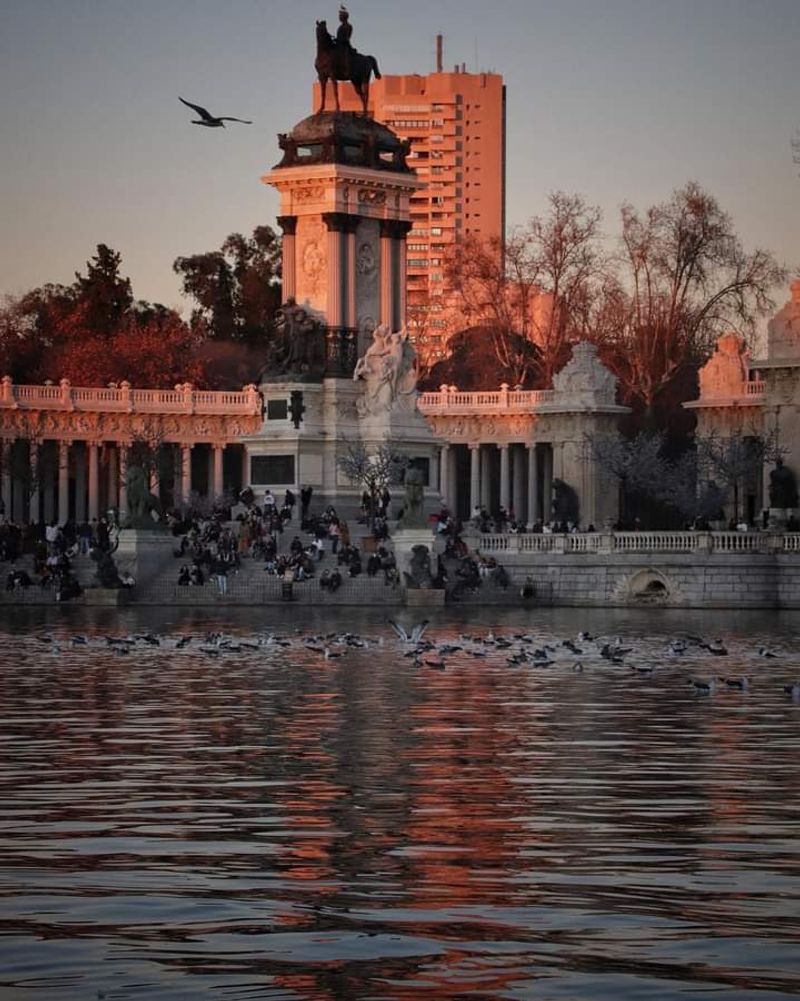
After the museum, Retiro Park is right there and it is the perfect place to decompress. Rent a rowboat on the pond, grab a snack from a kiosk, and let the art settle in your brain.
Check the official Prado website for current hours, ticket prices, and any temporary closures before your visit. Free entry slots exist on certain evenings and they fill up fast.
Seville: Flamenco, Palaces, and Pure Drama

Seville is the kind of city that makes you want to buy a fan and learn flamenco immediately. The energy here is theatrical, warm, and completely addictive.
Andalusia’s capital wears its personality proudly.
The Cathedral is the largest Gothic cathedral in the world, and climbing the Giralda tower gives you views that will make your camera work overtime. Right next door, the Real Alcázar is a stunning royal palace still used by the Spanish royal family today.
Yes, it is still an actual working palace. That detail never gets old.
The Archivo de Indias, also part of the UNESCO-listed complex, houses documents from Spain’s colonial history and is free to enter. Seville’s old Santa Cruz neighborhood deserves at least half a day of aimless wandering.
Evening is the best time to catch live flamenco at a tablao. Book ahead because good shows fill up fast and street flamenco, while charming, is a different experience entirely.
Granada: The Alhambra Is Worth Every Penny
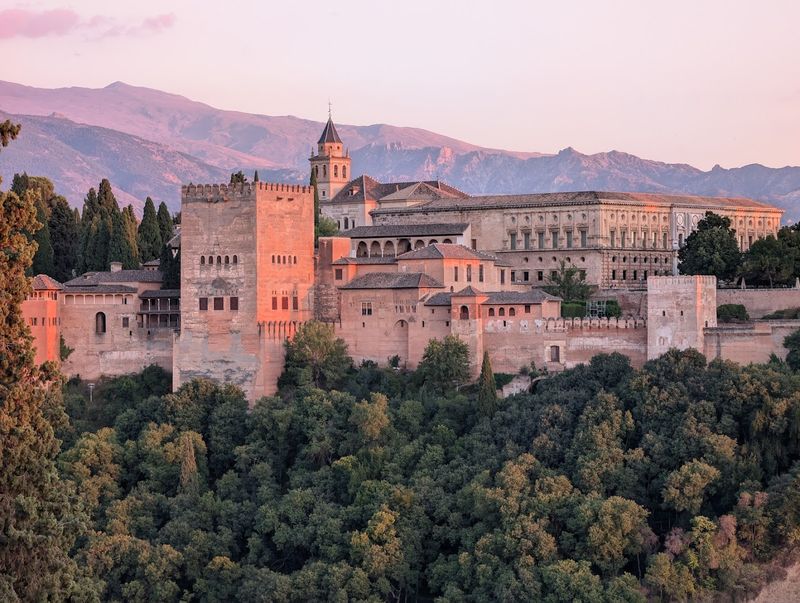
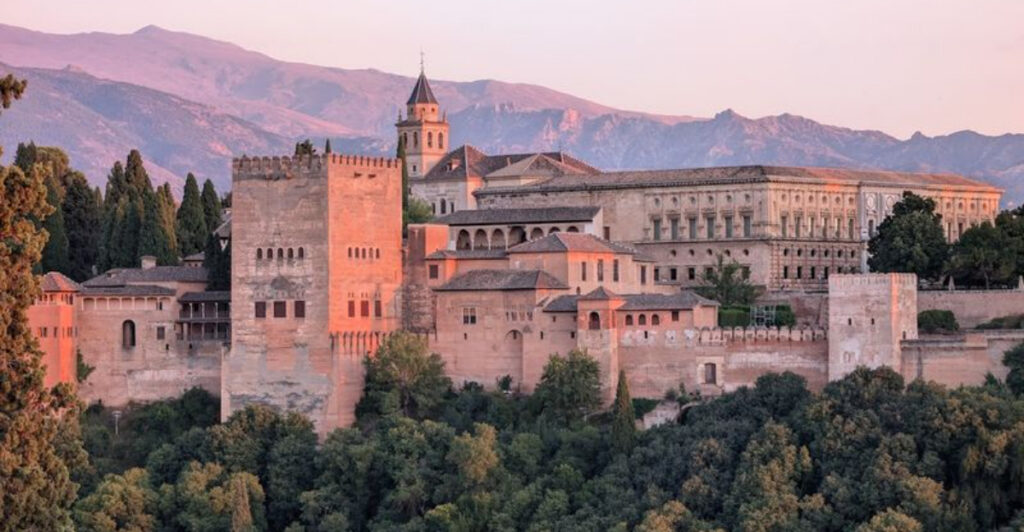
Tickets to the Alhambra sell out weeks in advance, and there is a very good reason for that. This 14th-century Moorish palace complex is one of the most breathtaking things human hands have ever built.
No travel photo does it justice.
Book your Alhambra tickets the moment your travel dates are confirmed. Seriously, stop reading and go do it right now.
The official booking site is the only safe place to purchase them. Third-party sellers charge more and sometimes sell invalid tickets.
After the Alhambra, head to the Albaicín neighborhood across the valley. The views of the palace from the Mirador de San Nicolás at sunset are spectacular and completely free.
Granada also has a wonderful tradition of free tapas with every drink order, which feels like the city is personally thanking you for visiting. The combination of Moorish history, mountain scenery, and generous food culture makes Granada a first-trip essential.
Córdoba: History Stacked on History
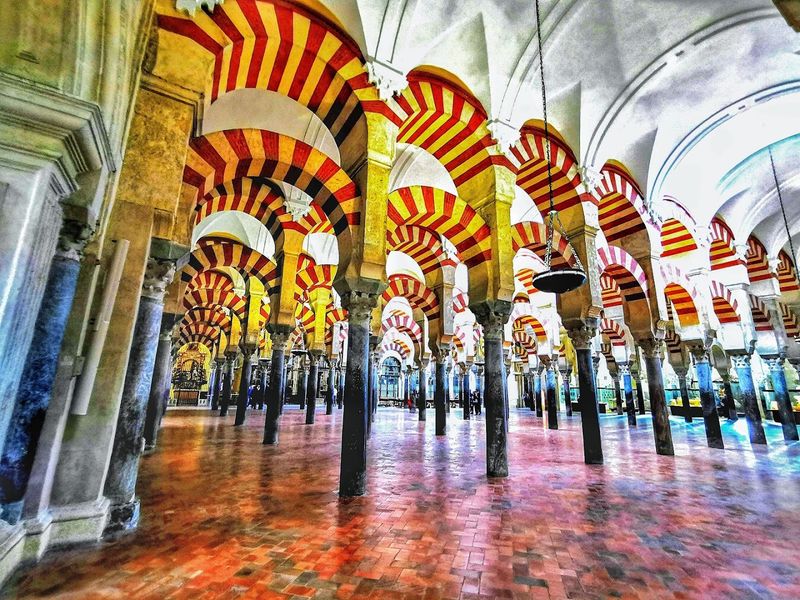
Córdoba pulls off something genuinely remarkable: a mosque, a cathedral, and a Roman bridge all within a short walk of each other. The city’s historic center is a UNESCO World Heritage Site that packs centuries of civilizations into one compact area.
The Mezquita-Catedral is the star attraction, and it is architecturally unlike anything else in Europe. A Catholic cathedral was literally built inside a Moorish mosque in the 16th century.
The result is either a fascinating historical collision or an architectural debate, depending on who you ask.
May is one of the best times to visit because of the Festival de los Patios, when residents open their flower-filled private courtyards to the public. It is a free, colorful, and deeply local experience.
Córdoba is also very manageable in size, making it ideal as either a standalone destination or a day trip from Seville, which is less than an hour away by high-speed train.
Valencia: Futuristic City, Ancient Roots
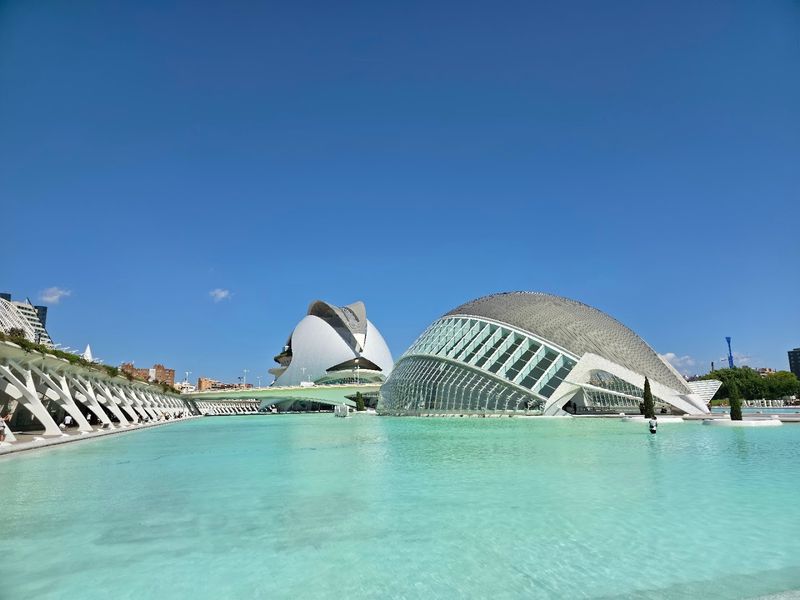
Valencia invented paella. That fact alone earns it a permanent spot on this list.
But the city has far more going for it than its most famous culinary export.
The City of Arts and Sciences is a jaw-dropping complex of futuristic buildings designed by Santiago Calatrava. It houses an opera house, a science museum, an IMAX cinema, and one of Europe’s largest aquariums.
Check the official website for current ticket options because the complex has multiple venues with separate entry fees.
Valencia’s Central Market is one of the most beautiful food markets in Europe, housed in a stunning modernist building from the early 20th century. Go in the morning when it is busiest and grab fresh produce, local cheeses, and jamón to snack on.
The city also has excellent beaches that are far less crowded than Barcelona’s, which is either a well-kept secret or something Valencia locals would rather not have me publish. Sorry, Valencia.
Bilbao: The City That Reinvented Itself
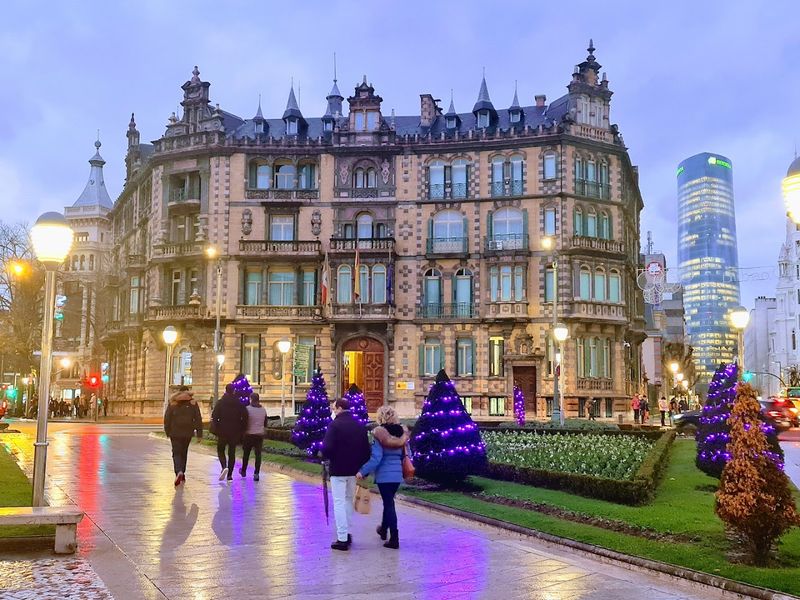
Thirty years ago, Bilbao was a struggling industrial port city. Then the Guggenheim arrived in 1997 and everything changed.
Urban planners around the world now study what happened here as the “Bilbao Effect.”
The Guggenheim Museum Bilbao is a masterpiece of contemporary architecture designed by Frank Gehry. The titanium exterior curves and ripples in the light in a way that makes you want to walk around it multiple times just to see it change.
Check the official museum website for current exhibitions, hours, and ticket prices before visiting.
Beyond the Guggenheim, Bilbao’s Casco Viejo (Old Quarter) is a lively, compact neighborhood full of pintxos bars. Pintxos are the Basque version of tapas, and they are arguably even better.
The Nervión River runs through the city and the riverside walk is genuinely lovely. Bilbao offers a completely different flavor of Spain from the south, and that contrast is exactly what makes it worth adding to your itinerary.
San Sebastián: Where Eating Is a Sport
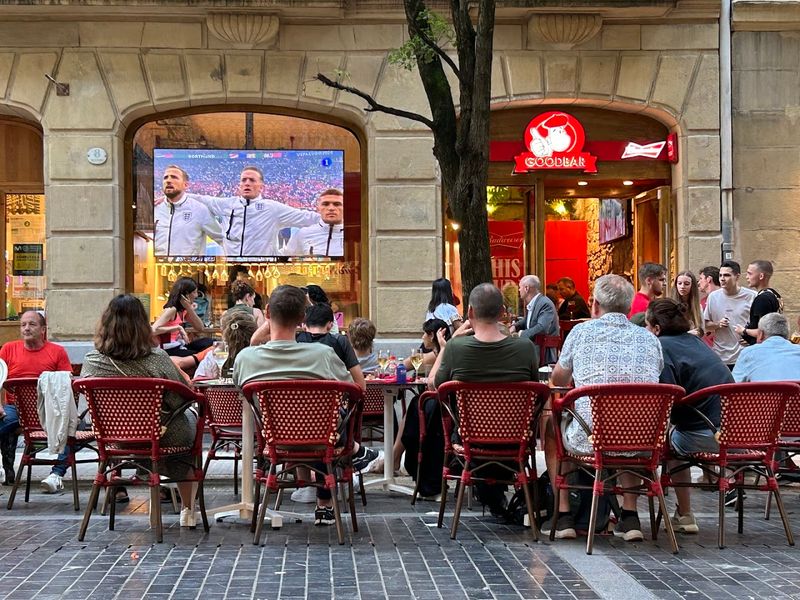
San Sebastián has more Michelin stars per capita than almost anywhere else on the planet. For a city of around 180,000 people, that is a statistic that should make every food lover book a flight immediately.
La Concha beach curves around the bay in a perfect crescent shape and is regularly listed among Europe’s best urban beaches. The old town, known as Parte Vieja, is where the pintxos action happens.
Bar-hopping here is a full evening activity where you order a drink, grab a couple of pintxos from the counter, eat standing up, and move on to the next bar.
Monte Igueldo offers panoramic views over the bay and is reachable by a charming old funicular railway. San Sebastián sits in the Basque Country, close to the French border, which gives it a unique cultural mix.
Spain’s official tourism website has a solid destination guide for planning your visit. This city rewards slow travelers who linger over every meal.
Toledo: Madrid’s Ancient Neighbor
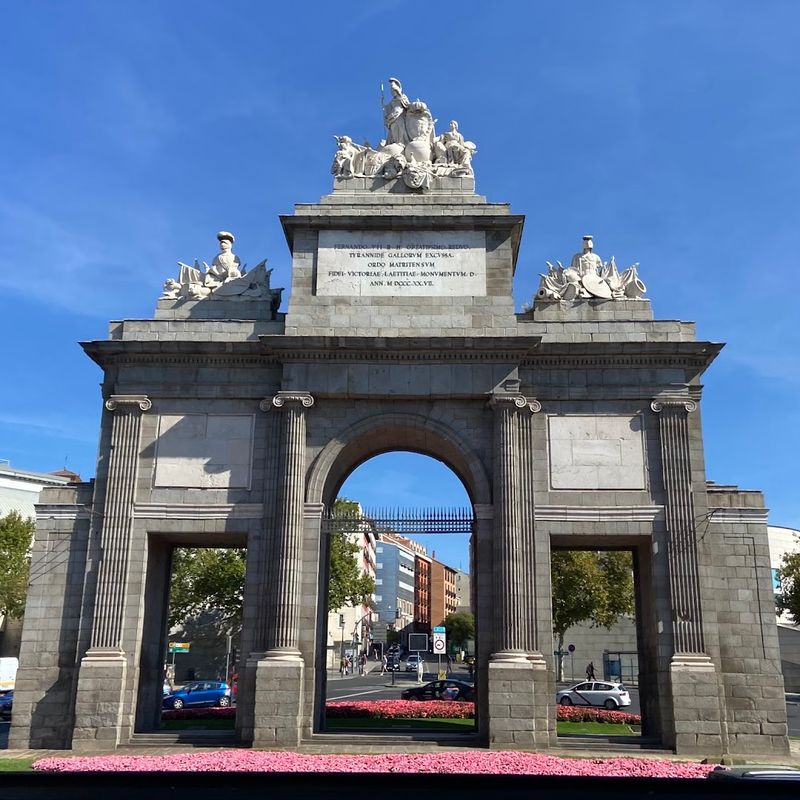
Toledo sits on a rocky hill above the Tagus River, and the view from across the valley looks like a painting that someone forgot to tell was real life. It is one of Spain’s most dramatic cityscapes.
The city was once home to Christian, Muslim, and Jewish communities living side by side, and that layered history is still visible in the architecture. The Cathedral, the Synagogue of El Tránsito, and the Mosque of Cristo de la Luz are all within walking distance of each other.
Toledo is essentially a living history lesson compressed into a small hilltop.
From Madrid, Toledo is about 30 minutes by high-speed train, making it the easiest and most rewarding day trip from the capital. Go on a weekday if possible because weekends bring large tour groups.
The city gets very hot in summer, so start your visit early in the morning. Comfortable shoes are non-negotiable on those cobblestone streets.
Santiago de Compostela: The Journey’s End
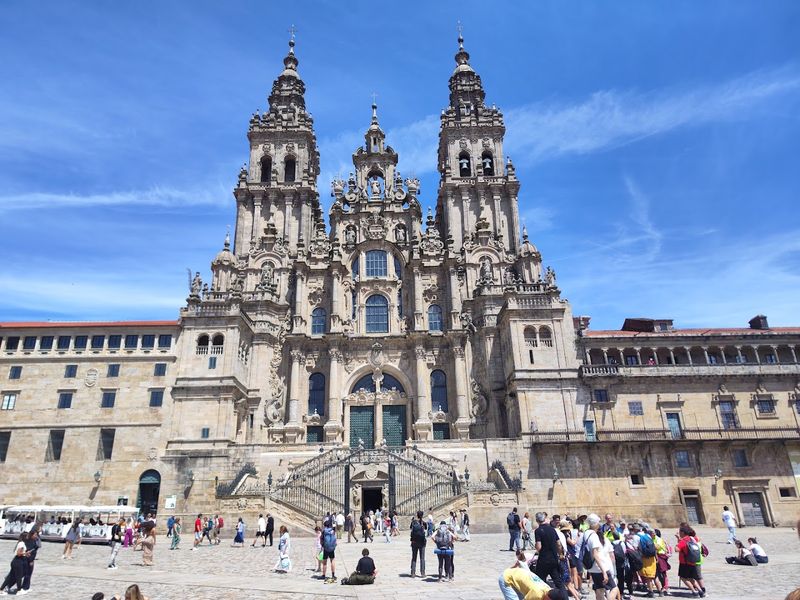
Every year, hundreds of thousands of pilgrims walk the Camino de Santiago from across Europe to reach this city. You can fly in and skip the blisters, but arriving here still carries a certain undeniable weight.
The Cathedral of Santiago de Compostela dominates the Praza do Obradoiro in a way that is hard to put into words. The Baroque facade is enormous and ornate, and the square in front of it fills with pilgrims, tourists, and street musicians at all hours.
The atmosphere is genuinely unlike anything else in Spain.
Santiago’s Old Town is UNESCO-listed and wonderfully compact. The covered arcaded streets, called rúas, keep you dry during Galicia’s frequent rain showers, which the locals call orballos.
Galician food is outstanding and seafood-heavy. Pulpo a feira (octopus with paprika and olive oil) is the regional specialty and absolutely should be your first meal in the city.
The food alone justifies the trip.
Mallorca: Island Life Done Right
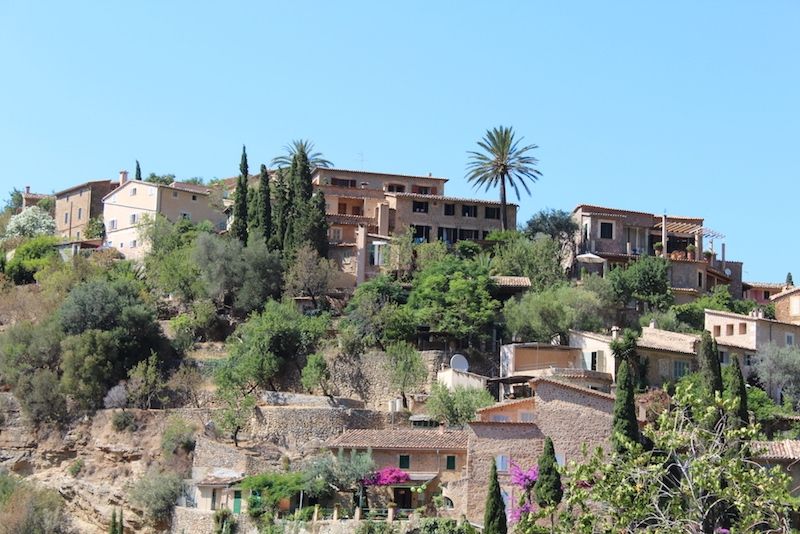
Mallorca has a reputation as a party island, which is fair for some corners of it. But the Serra de Tramuntana mountain range on the northwest coast is a completely different world and a UNESCO Cultural Landscape to boot.
The mountain villages of Valldemossa, Deià, and Sóller are charming, quiet, and photogenic in the best possible way. Sóller has a vintage wooden train that connects it to Palma, and riding it is one of those small travel joys that sticks with you long after the trip ends.
It is slow, scenic, and perfectly unhurried.
Mallorca’s coves, called calas, are some of the clearest water swimming spots in the Mediterranean. Cala Mondragó and Cala Pi are worth seeking out.
Rent a car to explore properly because public transport does not reach the best spots. Palma itself is an underrated city with a stunning Gothic cathedral right on the waterfront.
Mallorca genuinely works for every type of traveler.
Tenerife’s Teide: Spain’s Volcanic Surprise
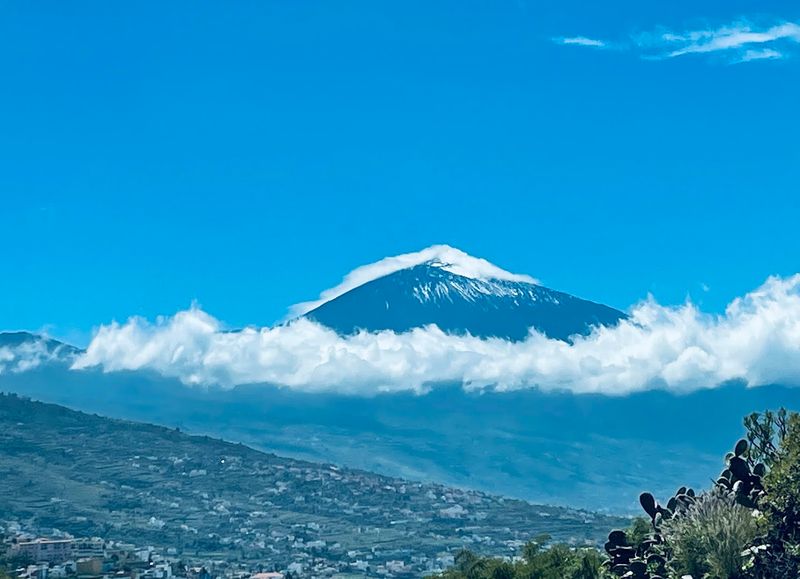
Spain’s highest point is not in the Pyrenees. It is a volcano sitting in the middle of the Atlantic Ocean, and it tops out at 3,715 meters.
Mount Teide on Tenerife is the kind of geographic fact that genuinely surprises people.
Teide National Park surrounds the volcano with a landscape that looks more like Mars than Europe. The rock formations, lava fields, and color-shifting terrain make for some of the most otherworldly hiking in the country.
A cable car takes you close to the summit, but reaching the very top requires a free permit booked in advance through the official national park website.
Tenerife works brilliantly as an add-on to a mainland Spain trip, especially in winter when the island stays warm and sunny. Stargazing in the park is exceptional because the altitude and low light pollution create near-perfect conditions.
The Canary Islands are technically part of Spain but feel like a completely separate adventure, which is exactly the point.
Share this story