The 1970s were a laboratory of public shock, when television, tabloids, and congressional hearings turned mistakes into national debates. Power brokers, pop idols, and unlikely figures all met a decade that asked hard questions about accountability.
You will recognize a few headlines but many stories slipped from view, leaving surprisingly modern lessons about media, loyalty, surveillance, and celebrity. Keep reading for a brisk tour through controversies that shaped policy, rewired culture, and still echo in how we judge public behavior today.
1. Chappaquiddick Incident (1969 spillover)
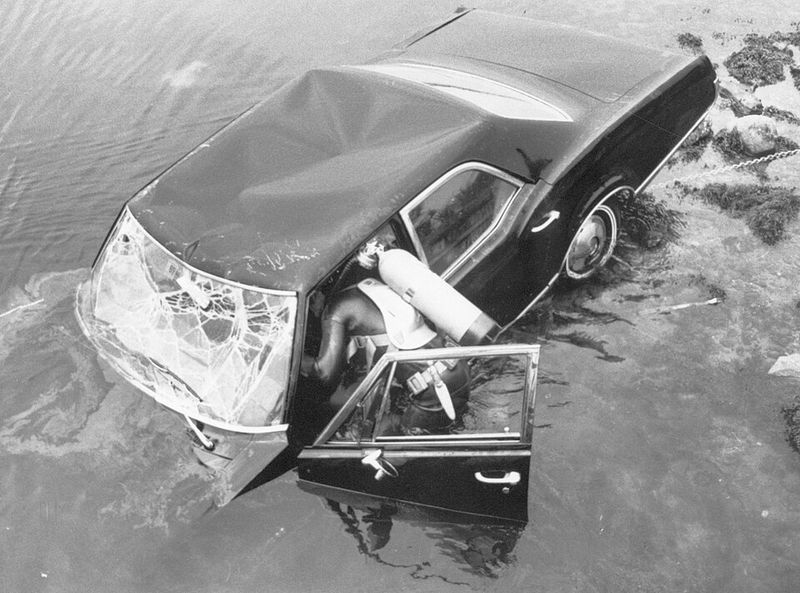
Political legacies can hinge on a late turn across a narrow bridge. In 1969, Senator Ted Kennedy drove off a bridge on Chappaquiddick Island, resulting in the death of Mary Jo Kopechne.
Legal proceedings and public statements followed, and the episode shadowed Kennedy’s national ambitions into the 1970s.
Inquests examined timelines, notifications, and inconsistencies. The case became a test of privilege, accountability, and crisis management.
Press interest rose with every potential presidential cycle.
Policy work continued, but the incident supplied a permanent caveat in biographies. Massachusetts voters weighed record against responsibility.
Rivals did not need fresh scandals while this one endured.
For political communication, the lesson is procedural clarity under stress. Delayed reporting invites decades of doubt.
The bridge became a metaphor in headlines and a hurdle in campaigns.
2. Clint Eastwood Affairs (1970s)

Action roles could not dodge lifestyle headlines forever. Throughout the 1970s, stories about Clint Eastwood’s extramarital relationships surfaced alongside box office triumphs.
Studios tried to separate screen persona from personal life, but tabloids found a steady market.
Interviews alternated between denial, partial acknowledgment, and tight-lipped pivots. Publicists managed premieres with seating charts and off-limits topics.
The coverage mirrored a broader shift in celebrity journalism toward relentless private scrutiny.
There were no indictments or hearings, yet the narrative influenced star branding. Viewers developed parallel storylines, one cinematic and one domestic.
Contracts and endorsements quietly considered reputational risk.
For pop culture historians, the episode marks a point when gossip matured into a permanent business model. The boundary between public image and personal decisions thinned.
Modern celebrity news still runs on that blueprint.
3. Jane Fonda’s Vietnam Trip (1972)
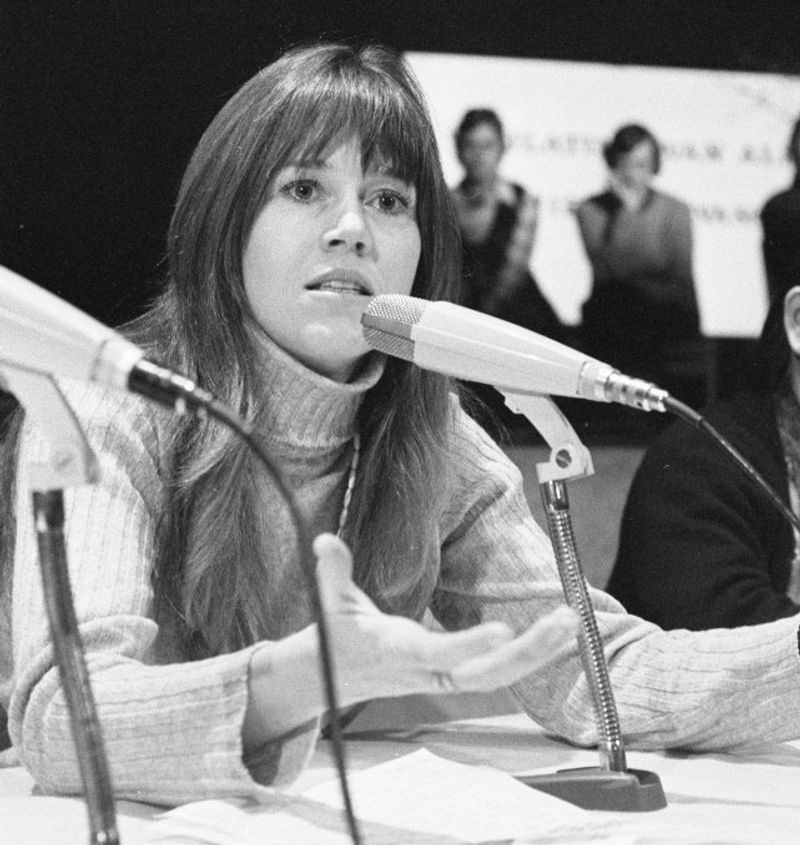
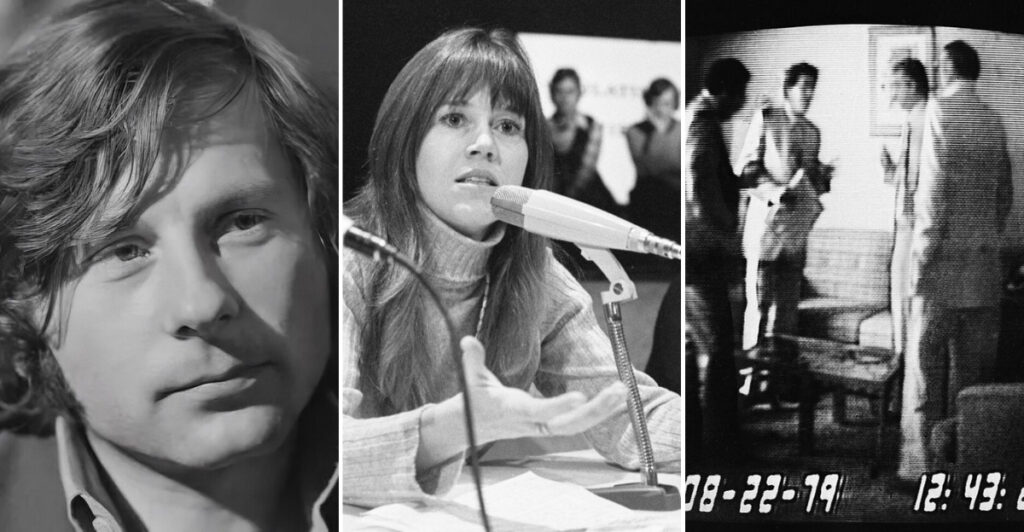
One photo flashed across newspapers and drew a line that never faded. In 1972, Jane Fonda traveled to North Vietnam during the war and was photographed seated on an anti-aircraft gun.
The image ignited accusations of treason in the United States and cast her activism as a direct affront to troops.
Fonda said she opposed the war, not the soldiers, yet the optics overpowered the nuance. The visit included broadcasts on Radio Hanoi criticizing U.S. bombing and praising North Vietnamese resilience.
Veterans groups organized boycotts and some theaters refused to screen her films for years.
The fallout shaped debates over celebrity activism and the risks of symbolic gestures. Congress did not charge her, but the cultural verdict was harsher than legal judgment.
Decades later, Fonda apologized for the photo while defending her antiwar stance.
The episode previewed modern battles over images, intent, and backlash. It also showed how a single pose can compress geopolitics into a headline.
You can still see the template in today’s social media firestorms.
4. Roman Polanski Case (1977)
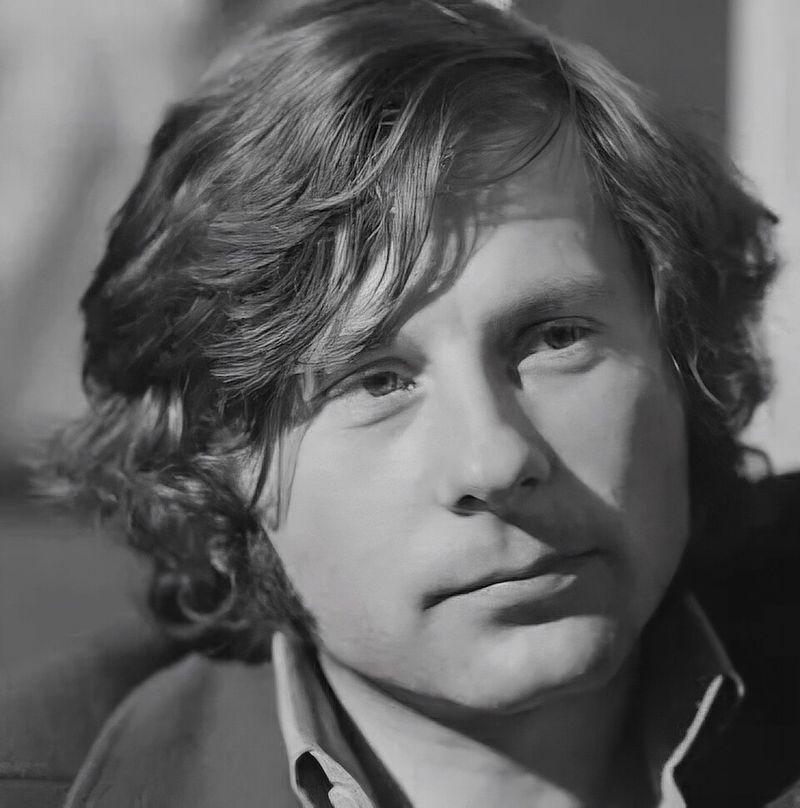
Hollywood’s globe-trotting mystique hit a brick wall at a county courthouse. In 1977, director Roman Polanski pled guilty to unlawful sex with a minor after a grand jury considered more serious allegations.
Before sentencing, he fled the United States and settled into decades of extradition drama.
The case pressed on the friction between fame, accountability, and international law. U.S. extradition requests met legal snags in Europe, while film festivals faced pressure to disinvite or condemn him.
Awards season conversations repeatedly collided with the unresolved legal status.
Court filings, plea negotiations, and judicial memos became perennial reading for reporters. The victim publicly advocated for closure, and periodic arrests in Europe reignited arguments about justice delayed.
The statute of limitations and treaty details kept the story procedural rather than cinematic.
For culture, the lesson was blunt. Prestige does not nullify consequences, and unresolved cases never truly fade.
The controversy continues to influence festival policies, professional honors, and conversations about power and consent.
5. Studio 54 Tax Evasion (1978)
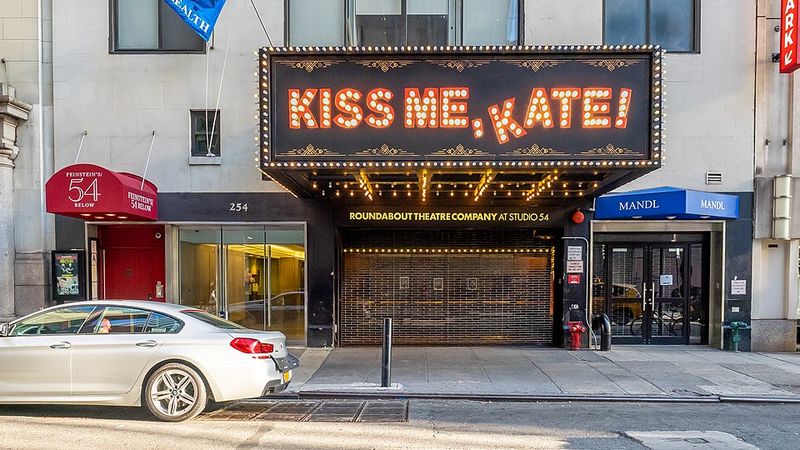
The disco ball could not outshine an audit. In 1978, Studio 54’s cofounders Steve Rubell and Ian Schrager were charged with skimming cash and evading taxes, ending an era of velvet-rope mythology with court dates and prison time.
Rumors about cash in garbage bags suddenly read like bookkeeping notes.
Federal agents raided the club and tallied unreported income with the patience of actuaries. Headlines focused on celebrity guests, but prosecutors spoke in spreadsheets and seizure lists.
The plea deals resulted in sentences and set a cautionary tale for nightlife empires.
New York’s cultural scene kept dancing, just with sharper pencils. The case linked glamour to compliance in a way accountants still appreciate.
When the club closed, it became a historical synonym for excess meeting paperwork.
The legacy is both sparkly and sober. Promotions can turn a room into a phenomenon, yet tax law never leaves the party.
The 54 saga proved that the most powerful spotlight in entertainment may be an IRS desk lamp.
6. Patty Hearst Kidnapping (1974)
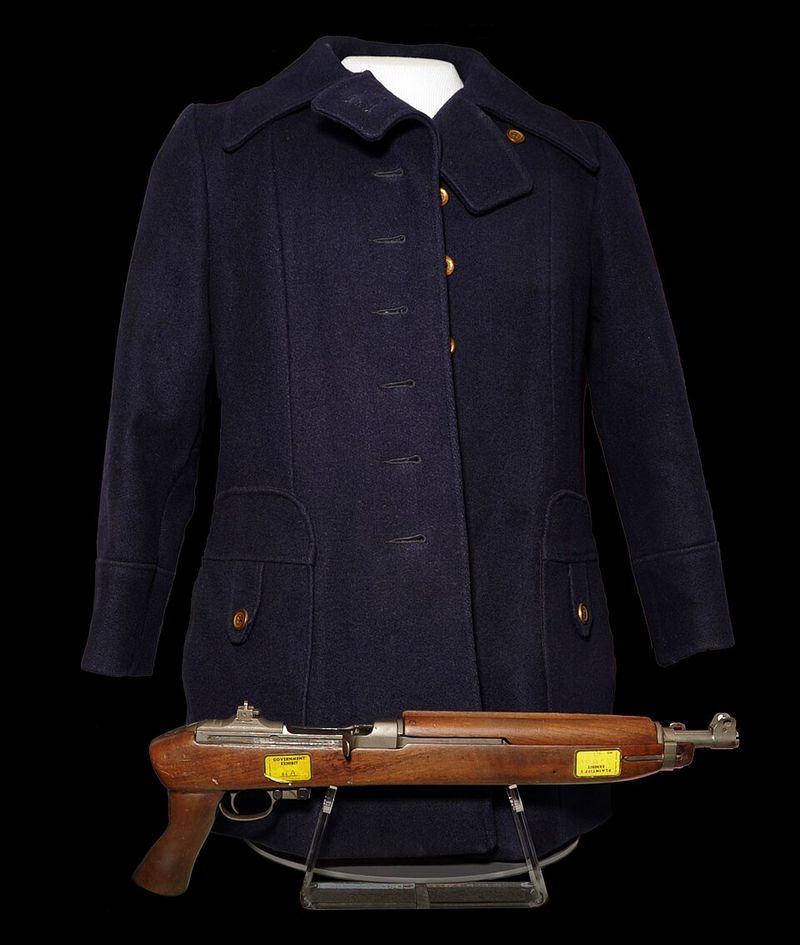
A missing person poster morphed into a fugitive file. In 1974, Patty Hearst was abducted by the Symbionese Liberation Army, then announced her allegiance as Tania and appeared in bank robbery footage.
The transformation fueled debates over coercion, brainwashing, and culpability under duress.
Authorities captured her in 1975, and the 1976 trial weighed ideology against captivity. Jurors heard testimony about confinement, threats, and political theater.
The sentence drew fierce criticism and support in equal measure.
President Jimmy Carter commuted her term in 1979, and a later pardon closed the legal chapter. Media studies still analyze the case as a study in radicalization narratives.
Families, campuses, and newsrooms learned how swiftly identity can be reframed.
Documents from the period track negotiations, tapes, and food distribution demands tied to the SLA. The case did not end a movement, but it complicated every conversation about consent in extremist contexts.
It remains a benchmark in American criminal and media history.
7. Abscam Sting (1978-80)
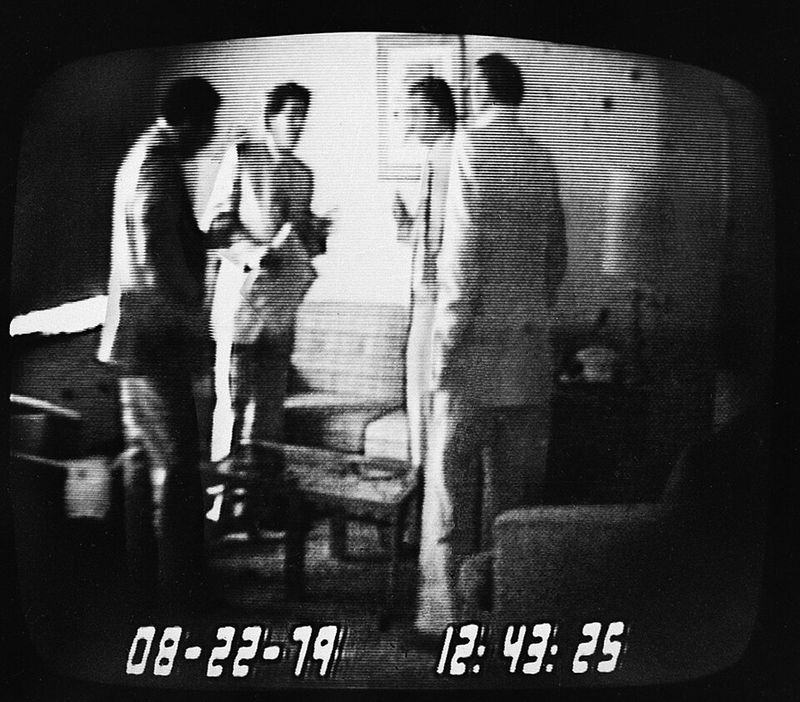
The promise of easy money met a wired room. Between 1978 and 1980, the FBI staged Abscam, using agents posing as wealthy Arab investors to test whether public officials would accept bribes.
Hidden cameras recorded conversations that later played on nightly news.
Multiple congressmen and a senator were convicted, and the footage trained voters to expect receipts, not rumors. Ethics committees revised rules while defense attorneys argued entrapment.
The sting standardized a look for corruption stories that persists today.
Abscam also reframed investigative tactics. Undercover operations gained broad recognition, but civil liberties groups scrutinized methods.
The balance between deterrence and overreach became a core debate.
For Washington, the scandal’s endurance lies in its imagery. Briefcases, code names, and hotel suites now signal red flags in political culture.
The operation made transparency a television genre.
8. Juan Carlos Affair Rumors (Late 1970s)
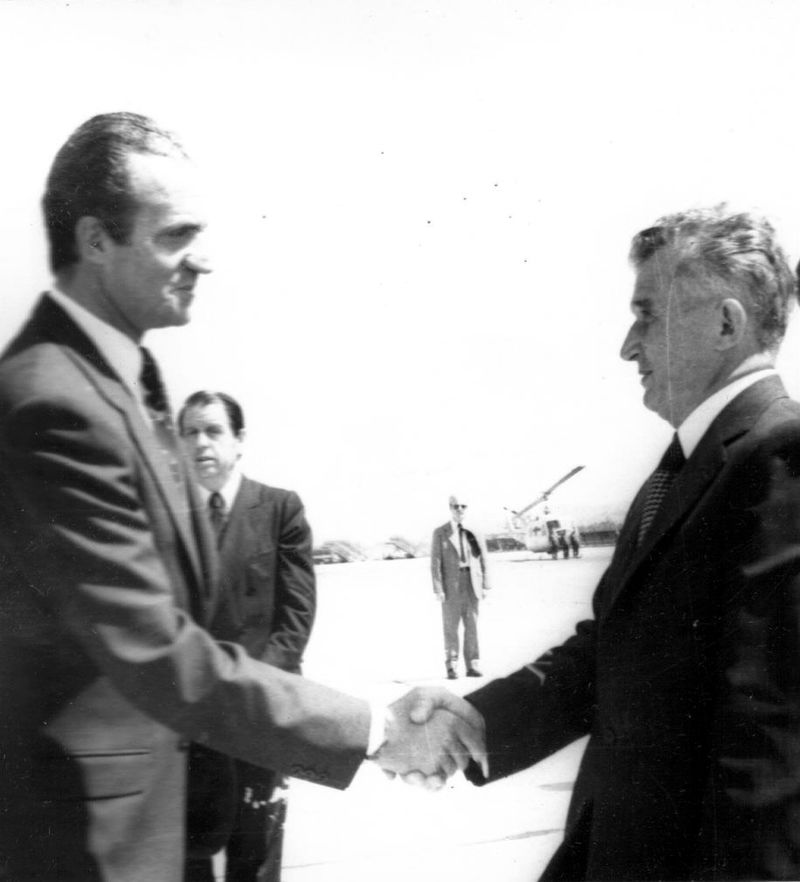
Royal whispers can travel faster than official communiques. In the late 1970s, rumors swirled that Spain’s King Juan Carlos maintained a relationship with an actress, paired with allegations of hush arrangements.
The palace offered minimal comment as tabloids stress-tested the young democracy’s press freedom.
Spain was navigating post-Franco reforms, and the monarchy played a stabilizing role. That context made any hint of impropriety politically sensitive.
Journalists weighed constitutional symbolism against marketable intrigue.
No definitive legal case emerged, but reputation management became a permanent chore. Biographies and later interviews revisited the period with varying levels of sourcing.
The scandal illustrated how royalty negotiates modern media ecosystems.
For Spain’s institutions, the episode underscored credibility as a civic asset. Even unproven stories demand strategic communication.
The crown learned that silence can read like confirmation when headlines multiply.
9. Tim Allen Cocaine Arrest (1970s)
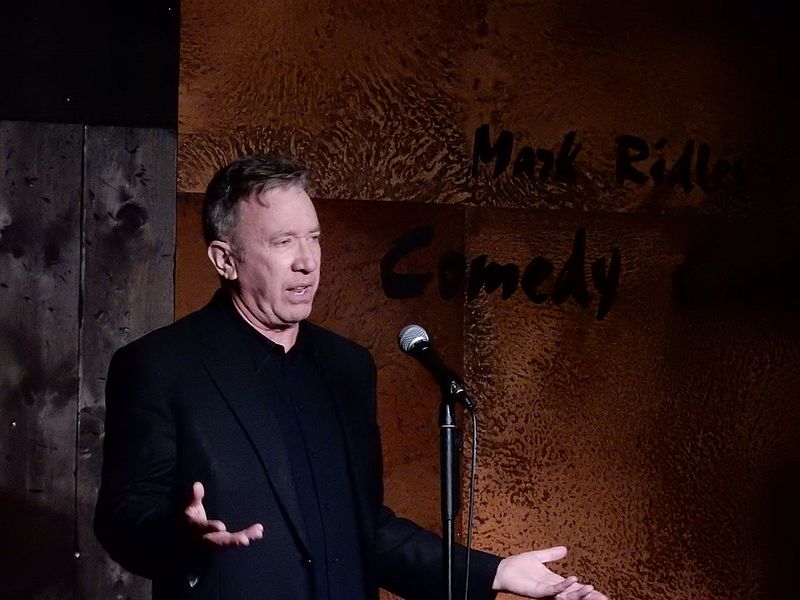
A future sitcom star first learned timing from a judge. In 1978, Tim Allen was arrested at a Michigan airport with more than a pound of cocaine and faced severe sentencing.
He cooperated with authorities, received a reduced term, and served in federal prison.
The arrest predates his entertainment fame, but it resurfaced whenever success invited profile pieces. Court records and mug shots provided ready-made visuals.
His later career framed the case as a pivot toward discipline and work.
In legal terms, the episode tracked with late 1970s drug enforcement priorities. Mandatory minimums and cooperation agreements shaped outcomes.
The file became a case study in consequence and rehabilitation.
For audiences, the surprise lay in the contrast between comedic roles and past charges. The industry, however, often knows long arcs better than fans do.
The arrest sits as a reminder that public images have prequels.
10. Pueblo Incident Cover-Up (1968-70s fallout)

A captured ship kept producing paperwork for years. In 1968, North Korea seized the U.S.S.
Pueblo, and the crew endured captivity before release. Throughout the 1970s, debates raged over intelligence failures, preparedness, and what officials withheld.
Declassified reports exposed equipment vulnerabilities and conflicting orders. Some accused agencies of protecting reputations more than facts.
Congressional inquiries cataloged lessons in signals security and chain-of-command clarity.
The ship itself became a museum exhibit in North Korea, a propaganda trophy that annoyed U.S. diplomats. Training manuals quietly updated procedures.
Veterans pushed for recognition and accuracy in official accounts.
The episode demonstrates how a single incident can influence doctrine long after headlines fade. Transparency arrived in increments, not revelations.
The file remains a case study in maritime intelligence risk.
11. Billy Carter Libya Ties (1979)
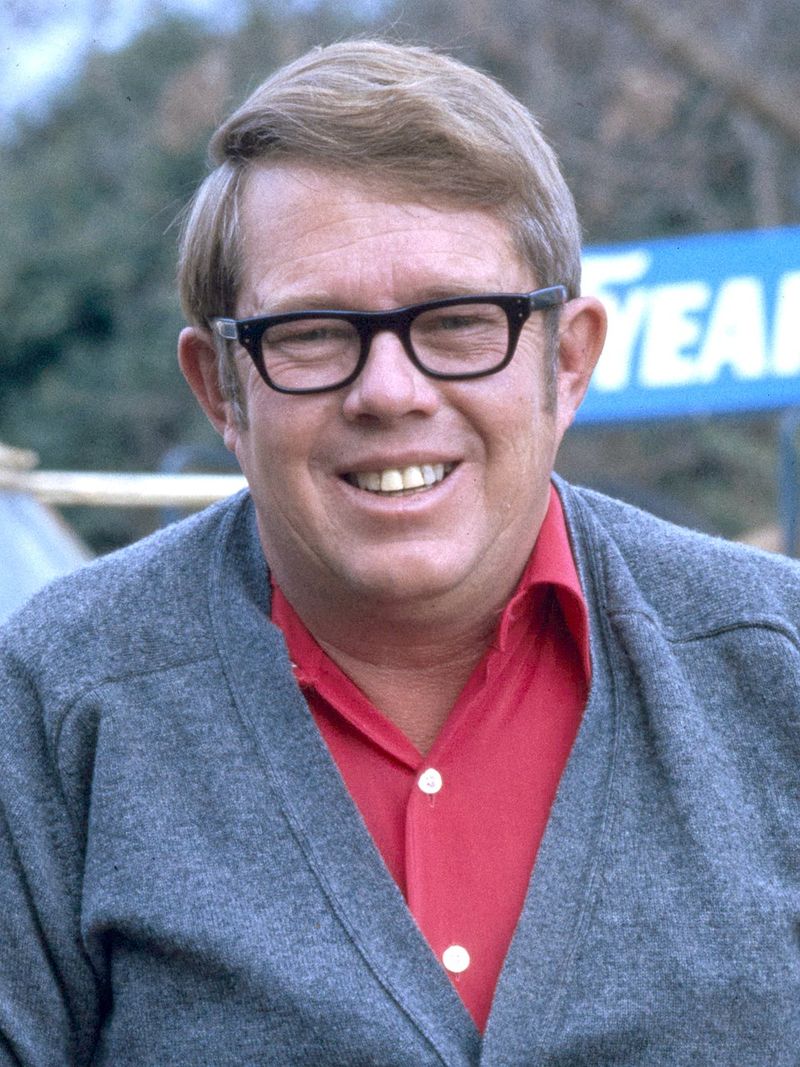
Sometimes the family brand writes its own opposition research. In 1979, President Jimmy Carter’s brother, Billy Carter, registered as a foreign agent after cultivating ties with Libya.
Loans and visits raised conflict-of-interest questions that the White House could not easily swat away.
Senate hearings probed whether access had been traded, even inadvertently. The Justice Department’s paperwork became front-page art.
The administration adopted distance as a strategy while critics enjoyed the optics.
The saga introduced a durable term, Billygate, that fit into a growing catalog of gate suffixes. It underscored the scrutiny that follows relatives near executive power.
Ethics rules, disclosures, and vetting broadened to include extended families.
As a political story, it was less about charges and more about distraction costs. Policy bandwidth shrank under the weight of spectacle.
The episode remains a tutorial in managing proximity risk.
12. Watergate Scandal (1972–1974)
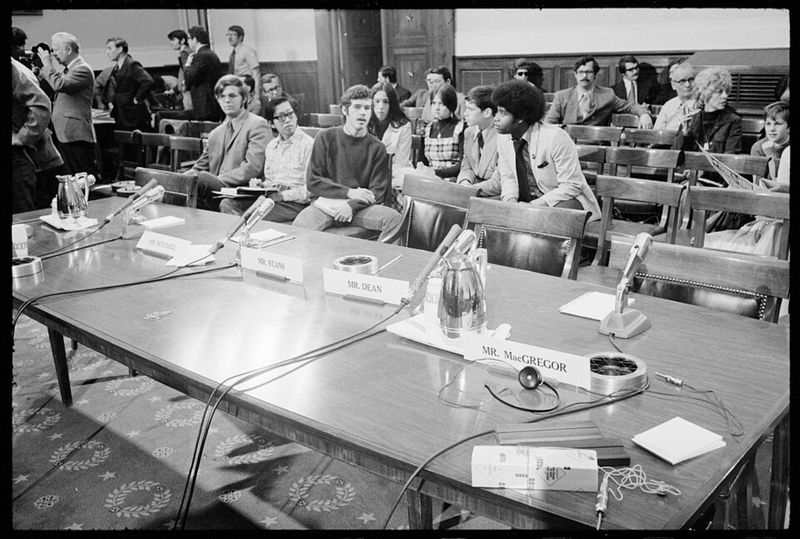
A break-in unlocked a presidency’s exit. Beginning in 1972, the Watergate investigation traced a path from the DNC burglary to a White House coverup documented on secret tapes.
Court rulings forced disclosure, and in 1974 President Richard Nixon resigned.
Televised hearings taught viewers to parse subpoenas and privilege claims. The special prosecutor’s office, Saturday Night events, and Supreme Court decisions reset expectations for executive accountability.
Campaign practices and slush funds faced unprecedented scrutiny.
Reforms followed with the Federal Election Campaign Act amendments and ethics standards. Journalism schools canonized investigative methods pioneered by persistent reporters.
The suffix gate became cultural shorthand.
For citizens, the lesson was elementary but hard won. Institutions can correct themselves when proof is organized and public.
Watergate remains the era’s reference point for political scandal.
13. Ford Pinto Controversy (1977)
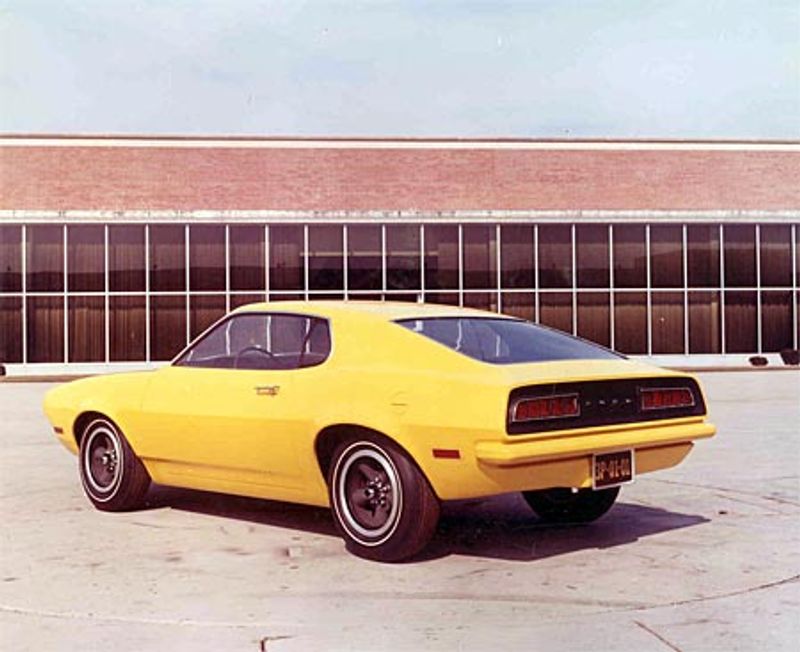
A subcompact car wrote a chapter in risk management. By 1977, reports alleged the Ford Pinto’s fuel system could rupture in rear impacts and that cost-benefit calculations delayed fixes.
The phrase Pinto memo entered public vocabulary as shorthand for cold arithmetic.
Regulators reviewed crash data, while lawsuits assembled internal documents. Juries weighed engineering tradeoffs against consumer expectations.
The company introduced modifications and fought narratives of indifference.
For safety policy, the case accelerated standards and testing protocols. It also pushed corporate communications toward greater transparency on design decisions.
Engineers became as central to reputations as marketers.
Business schools study the controversy as ethics homework that never expires. Numbers matter, but context defines them.
The Pinto remains a cautionary badge on the showroom of history.
14. Se* Pistols ‘God Save the Queen’ Controversy (1977)
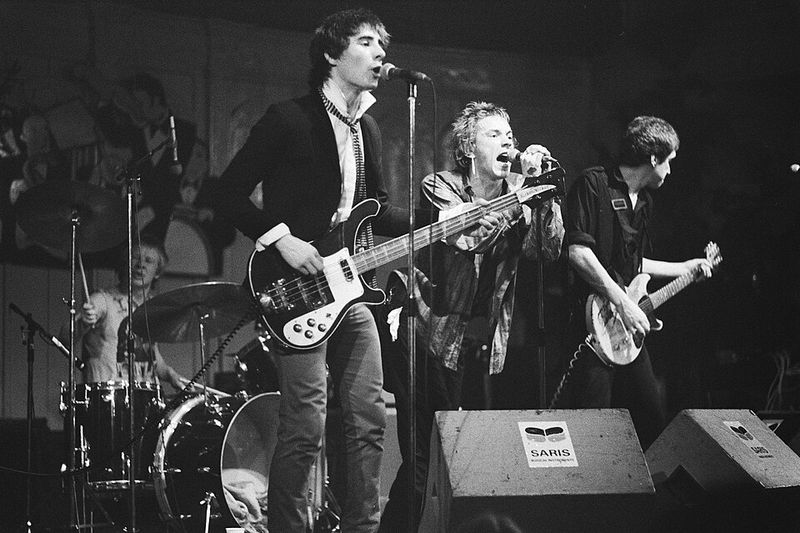
A three-minute single started a constitutional argument. In 1977, the Se* Pistols released God Save the Queen during the Silver Jubilee, and broadcasters restricted airplay.
Charts showed suspicious gaps while record shops faced pressure to pull stock.
The lyrics questioned deference to monarchy and economic stagnation. BBC policies and tabloid fury turned the track into required listening for a generation.
Punk gained a durable symbol of provocation with a business plan.
Record labels discovered that censorship can sell. Policymakers learned that youth culture carries its own distribution channels.
The song’s artwork and boat stunt cemented the mythos.
Today, the controversy reads as a pivot when pop stopped asking permission. Cultural institutions grew thicker skin, and bands gained a template for dissent.
The chorus still doubles as a footnote in political history.
15. Pentagon Papers Leak (1971)
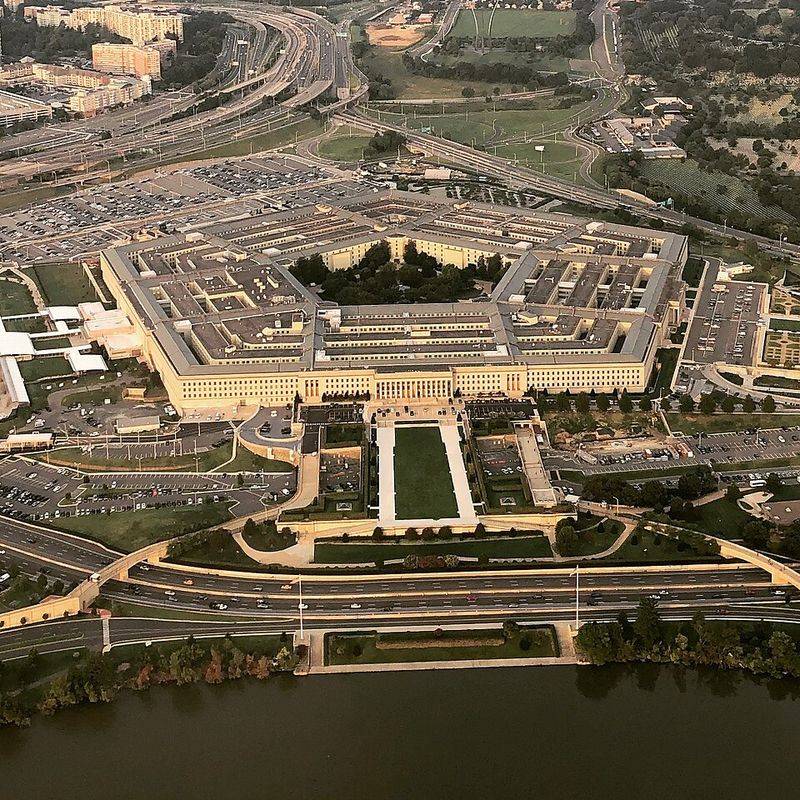
Classified history met a printing press and lost. In 1971, Daniel Ellsberg leaked the Pentagon Papers, revealing years of internal doubts about Vietnam War strategy.
The Supreme Court affirmed newspapers’ right to publish, reshaping press freedom doctrine.
The documents mapped decision-making across administrations, not a single villain. Readers confronted a pattern of optimistic briefings versus pessimistic memos.
Trust in official statements absorbed a measurable dent.
Newsrooms adopted legal contingency plans as standard practice. Government agencies reviewed classification habits, if not always their candor.
The case still anchors debates about whistleblowing and national security.
For citizens, it proved that skepticism is not cynicism when backed by documents. For journalists, it rewarded persistence and precision.
The Papers remain a syllabus staple in media law.
Share this story