There is a museum in Detroit that has quietly earned a reputation most institutions only dream about. With a 4.8-star rating from more than 13,500 visitors on Google alone, and a first-place ranking from USA Today’s 10Best Readers’ Choice Awards in 2023, it is hard to argue with the numbers. The collection inside spans over 65,000 works, covering ancient civilizations, European masterpieces, African art, and contemporary installations, all under one roof. I went in expecting a pleasant afternoon and came out three hours later realizing I had barely scratched the surface.
This place is the real deal, and I am about to tell you exactly why it deserves every single one of those five-star reviews.
A Grand Address in Midtown Detroit
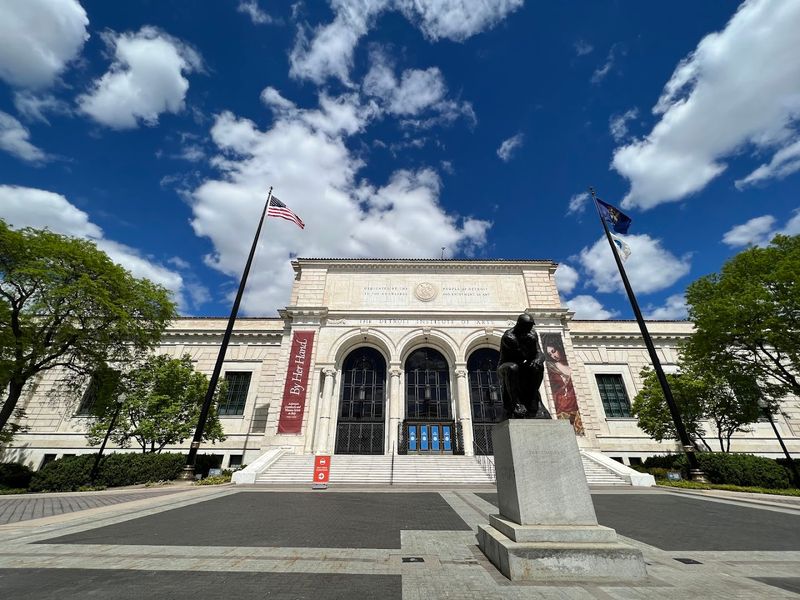
The Detroit Institute of Arts sits at 5200 Woodward Ave, Detroit, MI 48202, right in the heart of Midtown Detroit. The building itself makes a statement before you even set foot inside. Its classical Beaux-Arts architecture features wide stone steps, tall columns, and a facade that looks like it was built to last forever, because it basically was.
The museum opened in 1885, making it one of the oldest art institutions in the country. The surrounding Midtown neighborhood adds to the experience, with universities, cafes, and cultural organizations nearby that give the whole area a creative, energetic feel.
Street parking is available, and nearby parking structures charge a very reasonable fee, often around eight dollars for the entire day. The museum is open Tuesday through Sunday, with Friday hours extending until 9 PM, making it one of the more flexible major museums in Michigan for evening visits.
The Story Behind One of America’s Greatest Collections
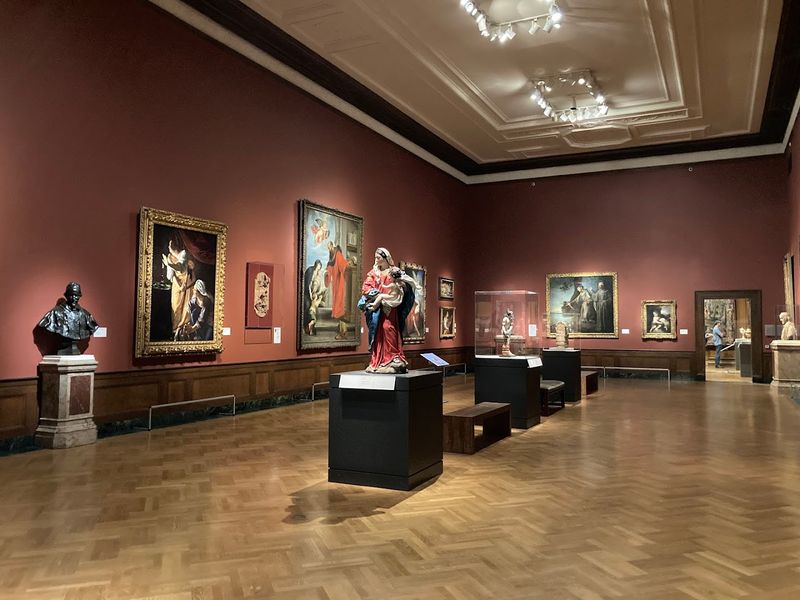
Founded in 1885, the Detroit Institute of Arts has had well over a century to build something remarkable. What started as a modest civic collection grew steadily into one of the largest encyclopedic art museums in the entire United States, now housing more than 65,000 works.
The museum moved to its current Woodward Avenue building in 1927, a space that was designed specifically to give art the room and grandeur it deserves. Over the decades, generous donors, sharp curators, and a city with deep cultural pride all played a role in shaping what the DIA has become today.
The museum faced serious financial challenges during Detroit’s difficult economic years, but a landmark millage agreement with three surrounding counties helped secure its future and keep admission free for residents of Oakland, Wayne, and Macomb counties. That community investment turned out to be one of the smartest cultural decisions the region ever made.
The Diego Rivera Murals That Stop Everyone Cold
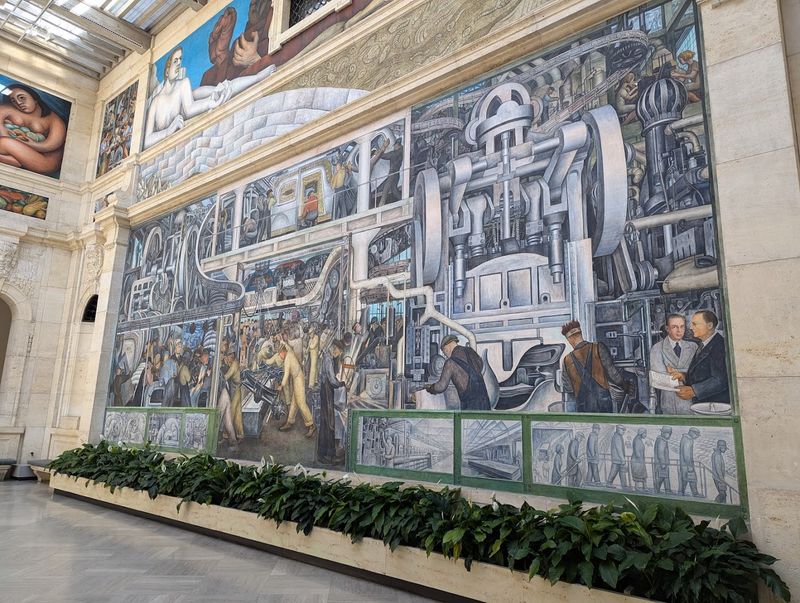
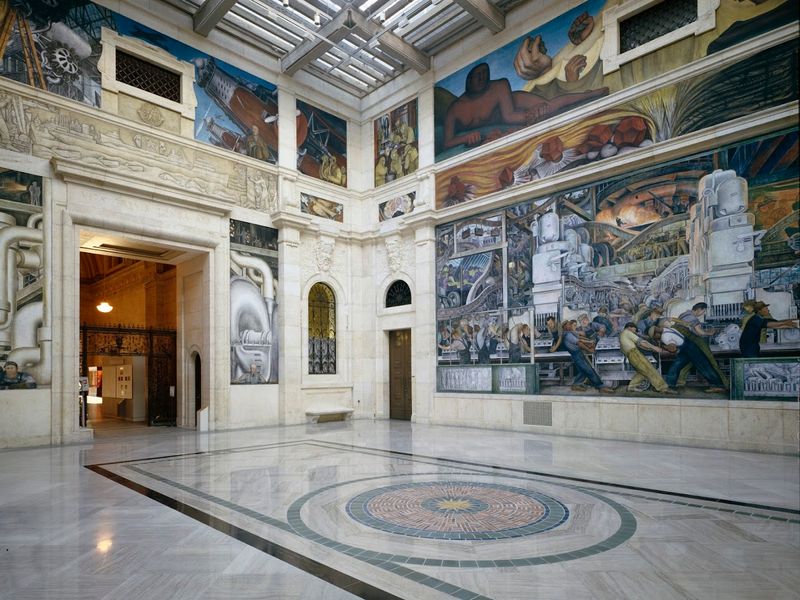
No single feature of the DIA draws more awe than the Detroit Industry Murals painted by Diego Rivera in 1932 and 1933. Rivera Court is the grand central hall where these massive frescoes cover all four walls, floor to ceiling, depicting Detroit’s industrial workforce with extraordinary detail and raw power.
The scale alone is breathtaking. Workers, machines, conveyor belts, and raw materials are rendered with a level of precision and humanity that makes you feel like you are standing inside a living factory frozen in time. Rivera spent months studying the Ford River Rouge plant before putting a single brushstroke on the walls.
These murals are nationally recognized as a masterpiece of public art and a defining cultural artifact of the 20th century. Many visitors say they planned to spend five minutes in Rivera Court and ended up staying for thirty. That kind of magnetic pull is exactly what great art is supposed to have.
Van Gogh, Rembrandt, Picasso, and More Under One Roof
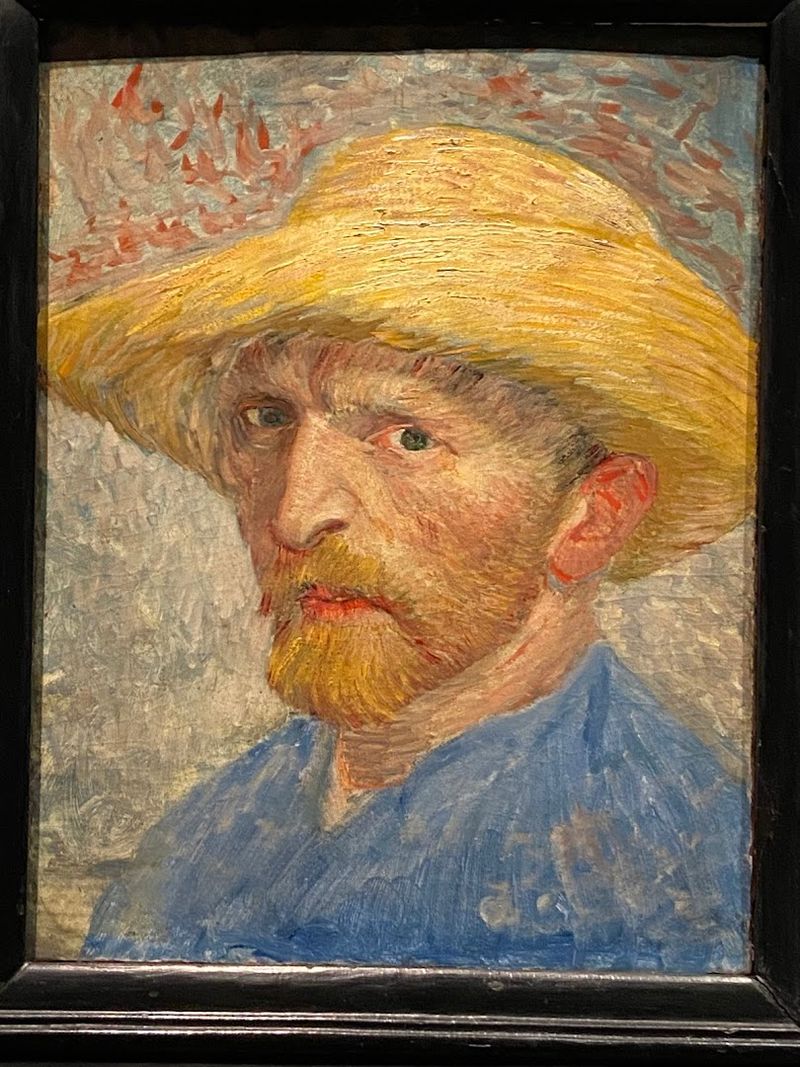
The DIA holds the distinction of owning the first Van Gogh painting to enter a public museum collection in the United States. That alone would be enough to put it on the map, but the European galleries go far beyond one famous name. Rembrandt, Picasso, Monet, and Bruegel all have a presence here that feels serious and substantial.
Van Gogh’s self-portrait is a quiet but powerful piece that draws a steady stream of visitors throughout the day. Seeing it in person, with the visible brushwork and intensity of color right in front of you, is a completely different experience from seeing it reproduced in a book or on a screen.
The European collection spans centuries and styles, from Renaissance religious paintings to Impressionist landscapes to early modern works. Each gallery is thoughtfully arranged so the transitions between periods feel logical rather than jarring, making it easy to follow the thread of art history even if you are not an expert.
Three Floors of Global Art and Ancient Civilizations
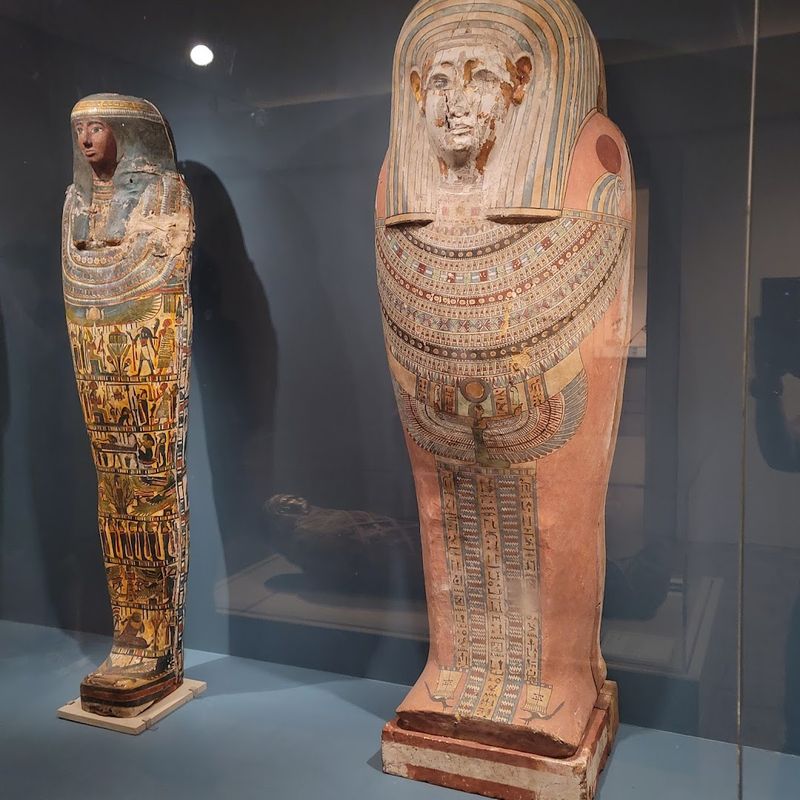
The DIA is a genuinely global museum, and that becomes clear the moment you start moving through its more than 100 galleries. The collection covers American, European, African, Asian, Islamic, and ancient art, meaning you can walk from a Greek sculpture to a Japanese woodblock print to a Native American beaded garment in the span of twenty minutes.
The first floor holds the most exhibits and tends to keep visitors busy the longest. The second floor features gorgeous ceiling designs that are worth admiring on their own, along with some of the most compelling international galleries. The third floor is smaller but still contains pieces that reward careful attention.
Ancient civilizations get strong representation here. The Egyptian collection includes mummy cases and artifacts that spark genuine curiosity, especially for younger visitors. The Babylonian, Sumerian, and Assyrian pieces offer a rare chance to see objects from some of the world’s earliest cultures displayed with care and context.
The Indigenous Art That Keeps Getting Better
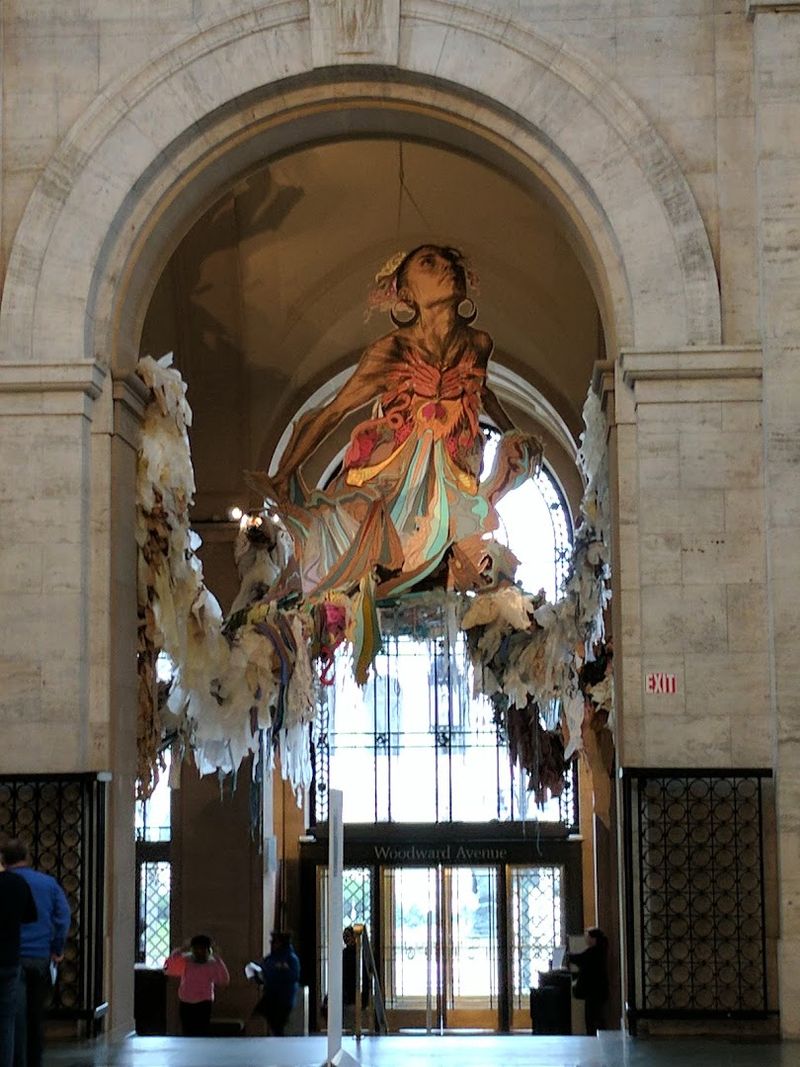
One of the most meaningful recent developments at the DIA has been its growing commitment to indigenous art. The museum has long featured a Native American wing, but a visitor who pointed out the absence of local tribal representation back in 2023 helped spark a real conversation about inclusion and representation.
By 2025, the DIA responded with a contemporary exhibit featuring an Ojibwe artist, a move that drew praise from the community and demonstrated that the museum actually listens. The Anishinaabe art on display includes beadwork, paintings, and textile pieces that are genuinely stunning in their craftsmanship and cultural depth.
Michigan is home to several significant tribal nations, and seeing their artistic traditions represented in a world-class institution feels overdue but deeply welcome. The Contemporary Anishinaabe Art exhibit has become one of the most talked-about reasons to visit in recent months, drawing people who might not have considered the DIA a destination before.
Friday Nights at the DIA Are a Different Experience Entirely
Most museums close by late afternoon, but the DIA stays open until 9 PM on Fridays, and the atmosphere that comes with those extended hours is worth planning a trip around. Friday evenings bring a different energy to the building, with live music, special programming, and a more social crowd moving through the galleries.
Kids’ classes sometimes run on Friday nights as well, making it a surprisingly practical option for families who cannot visit during the week. The combination of art, music, and a relaxed evening vibe turns a museum visit into something closer to a cultural night out.
The extra hours also mean less crowding in the galleries themselves, which is ideal for anyone who wants to stand quietly in front of a painting without feeling rushed. If your schedule allows only one visit and you want the fullest possible experience, Friday evening is the slot to choose without much debate.
Kresge Court and the Cafe Worth the Detour

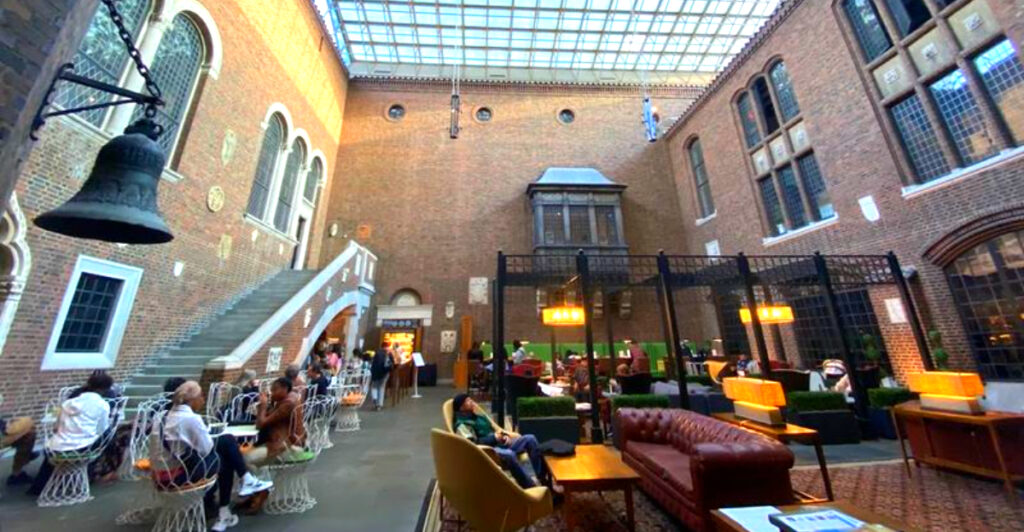
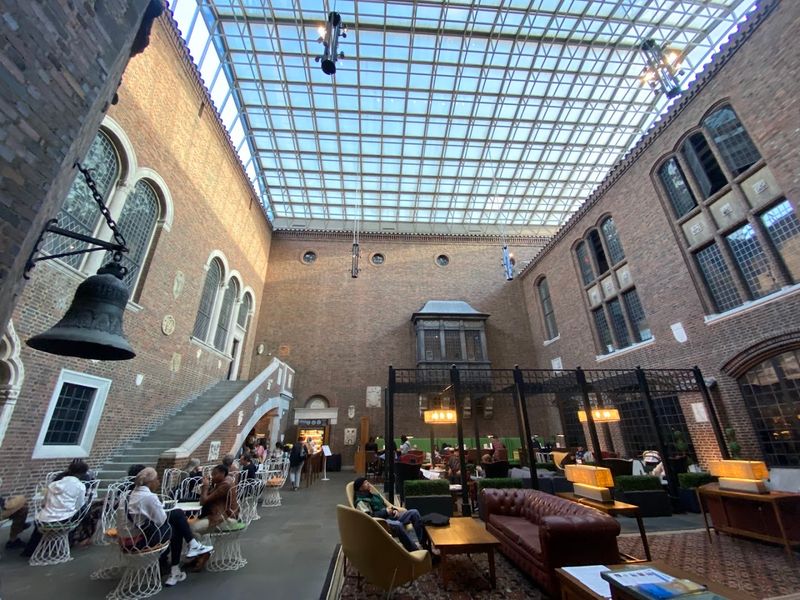
About halfway through any serious tour of the DIA, your feet will start sending you a message. Kresge Court is the perfect place to answer it. This elegant indoor courtyard features arched ceilings, soft lighting, and a cafe atmosphere that feels like a reward for all the gallery walking you have done.
Coffee, tea, and light bites are available, and the seating is comfortable enough to actually decompress rather than just pause briefly. Many visitors describe Kresge Court as one of their favorite spots in the entire building, which is saying something given the competition from the Rivera murals and the Van Gogh.
There is also a larger cafe on the first floor that gets busy during peak afternoon hours, so arriving early or timing your break strategically helps. The museum does not allow food outside the designated cafe areas, which keeps the galleries clean and peaceful. A mid-visit break here genuinely improves the second half of your tour.
Family-Friendly Features That Actually Work

Bringing kids to an art museum can feel like a gamble, but the DIA has put real thought into making the experience work for families. Free scavenger hunts are available through the GooseChase app, turning the galleries into an interactive adventure rather than a passive viewing exercise.
The Paul McPharlin Puppetry Collection is a genuine crowd-pleaser for younger visitors, featuring theatrical puppets that spark imagination in ways that traditional paintings sometimes cannot. The armor collection in the Great Hall and the Egyptian mummy exhibit are two more spots where children tend to light up with genuine curiosity.
Storytelling sessions and drop-in art workshops are offered on a rotating schedule, giving families a reason to check the DIA’s calendar before visiting rather than just showing up and wandering. For residents of Oakland, Wayne, and Macomb counties, the fact that admission is free removes one of the biggest barriers to making this a regular family outing.
The Gift Shop That Functions as Its Own Gallery
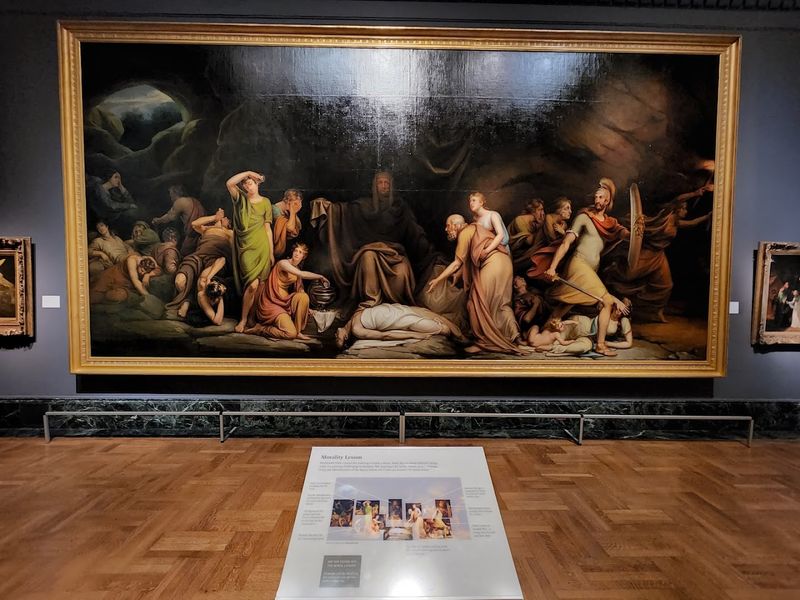
Not every museum gift shop earns a mention in visitor reviews, but the DIA’s store comes up repeatedly as a highlight worth building time into your visit. The selection leans toward quality over quantity, with art books, prints, jewelry, and design objects that reflect the museum’s collection rather than generic souvenirs.
Museum catalogues are available at prices that feel surprisingly reasonable compared to similar institutions in New York or Paris, which makes sense given that the DIA is genuinely competing at that level in terms of collection depth. Picking up a catalogue of the Rivera murals or the European paintings gives the visit a lasting reference point.
The shop is well-organized and easy to browse without feeling overwhelmed, and the staff are knowledgeable about the products without being pushy. Many visitors spend more time here than they expected, which is usually the sign of a gift shop that has figured out how to match its audience correctly.
Practical Tips for Getting the Most Out of Your Visit

A few practical details can make a meaningful difference in how much you enjoy the DIA. Plan for at least three to four hours, and five hours if you want to move through every gallery without rushing. Most visitors who try to do it all in two hours leave feeling like they missed something significant.
Admission is $20 for adults, $10 for seniors and college students, and $8 for youth aged 6 to 17. Children five and under get in free, and residents of Oakland, Wayne, and Macomb counties pay nothing, which is a remarkable community benefit. The museum is open Tuesday through Sunday, closed on Mondays.
The coat check is a thoughtful touch that not all museums offer, allowing you to store carry-on luggage and bags so you can move through the galleries unencumbered. Arriving early on weekdays means lighter crowds and more room to stand quietly in front of the pieces that matter most to you.
Why the DIA Keeps Earning Five-Star Reviews Year After Year
A 4.8-star rating from more than 13,500 reviewers is not an accident. It reflects a museum that consistently delivers on its promise across a huge range of visitors, from art scholars to toddlers on a Sunday afternoon outing. The DIA earns those stars through a combination of collection depth, thoughtful curation, and staff who genuinely seem to care about the visitor experience.
The architecture is welcoming rather than intimidating, the galleries are well-lit and spacious, and the layout makes navigation intuitive even on a first visit. Special exhibits rotate regularly, which gives repeat visitors a reason to come back rather than feeling like they have seen everything the museum has to offer.
Detroit is a city with a complicated and compelling story, and the DIA reflects that story honestly and beautifully. Visiting feels less like checking a box on a tourist list and more like spending a few hours in conversation with one of the most culturally rich cities in America.
Share this story