Every music legend has a story of triumph, but some also have a chapter they wish they could rewrite. A few iconic artists released albums so far off the mark that critics, fans, and even record labels turned their backs.
These records didn’t just underperform, they shook careers to their very foundations. From public breakdowns to identity crises, these are the albums that brought some of the biggest names in music to their knees.
1. Mariah Carey – Glitter (2001)

Few career stumbles have been as public or as painful as Mariah Carey’s 2001 album and film, Glitter. Released during one of the most turbulent periods of her personal life, the project landed with a thud that echoed across the entire music industry.
Critics tore it apart, and audiences stayed away from theaters in droves.
The album debuted at a humbling No. 83 on the Billboard 200, a shocking fall for someone who had dominated pop charts throughout the 1990s. Carey suffered a very public breakdown shortly after, which only added more heartbreak to an already difficult moment.
Her label, Virgin Records, eventually paid her to walk away from her contract.
Remarkably, Carey staged one of pop music’s most celebrated comebacks with The Emancipation of Mimi in 2005, proving that even the most devastating stumbles can lead to something extraordinary.
2. Robin Thicke – Paula (2014)

Robin Thicke had the world at his feet after Blurred Lines became one of the best-selling singles of 2013. Then came Paula, a deeply personal album named after his estranged wife, Paula Patton, which many described as a public apology set to music.
The concept alone made audiences deeply uncomfortable.
The album sold fewer than 530 copies in the United Kingdom during its first week, a number so low it became a punchline across entertainment media. In the United States, sales were equally grim, and radio stations showed little interest in supporting the project.
Critics called it desperate and self-indulgent, and the public largely agreed.
Thicke’s A-list status evaporated almost overnight. He has released music since, but he has never recaptured the mainstream momentum he once had.
Paula remains one of the most cautionary tales in modern pop history.
3. The Clash – Cut the Crap (1985)
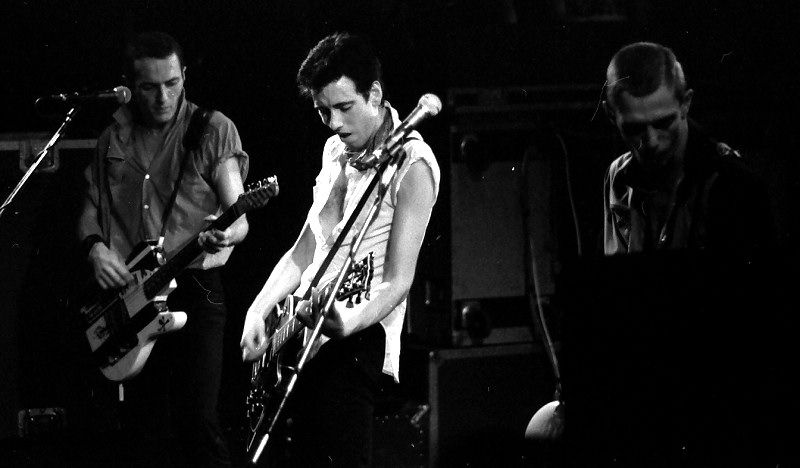
Cut the Crap was not just a bad album; it was the sound of a legendary band falling apart in real time. By 1985, the original Clash lineup had already fractured.
Mick Jones had been fired, and Topper Headon was long gone. What remained was a shell of one of punk rock’s most important groups.
The album was largely controlled by manager Bernie Rhodes, and many fans felt his heavy-handed production buried whatever creative spark was left. Critics dismissed it almost universally, and it failed to connect with the audience that had made London Calling and Sandinista! such celebrated records.
Joe Strummer later expressed deep regret about the album, and the band officially disbanded shortly after its release. Cut the Crap is now widely regarded as an unfortunate footnote in an otherwise remarkable legacy, a reminder of what happens when commerce overrules artistry.
4. Van Halen – Van Halen III (1998)
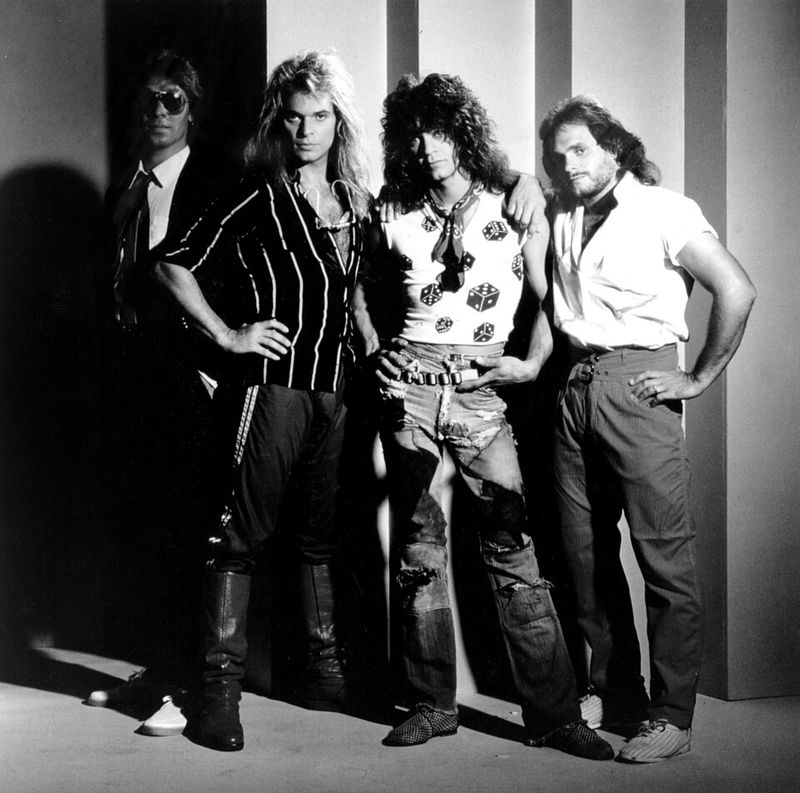
Van Halen III had the unenviable task of following up years of internal drama, two legendary lead singers, and one of rock’s most devoted fan bases. Gary Cherone, formerly of Extreme, stepped into the vocalist role, and the result left almost everyone disappointed.
Long-time fans felt the album lacked the energy and personality that had defined the band.
Sales were a fraction of what the label expected, and critical reception ranged from lukewarm to outright hostile. The band embarked on a supporting tour, but attendance numbers told a discouraging story.
Cherone departed shortly after, and the lineup dissolved without ceremony.
The album created a rift between the band and its audience that took years to repair. Eddie Van Halen reportedly expressed regret about the project in later interviews.
When David Lee Roth eventually returned, fans celebrated, treating Van Halen III as a chapter best forgotten.
5. Kiss – Music from The Elder (1981)
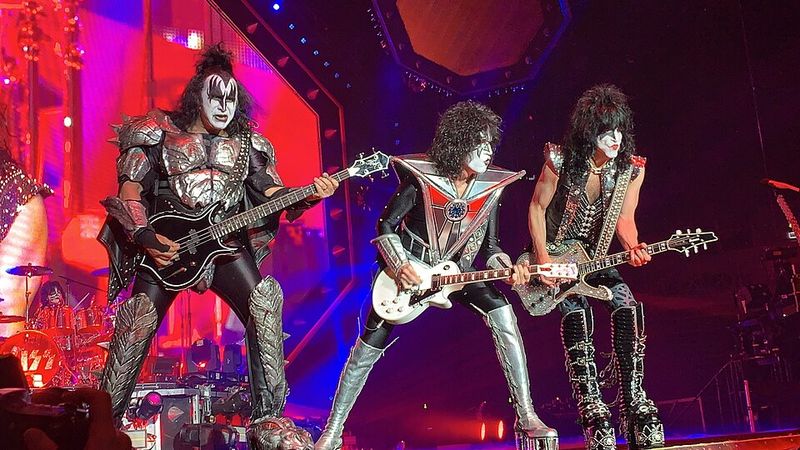
Kiss built their empire on hard rock anthems, pyrotechnics, and larger-than-life showmanship. So when they released a progressive rock concept album inspired by mythology and philosophy, their fanbase was genuinely baffled.
Music from The Elder was ambitious, but ambition alone could not save it from commercial disaster.
The album sold poorly compared to earlier Kiss records, and the band’s label was not pleased with the direction. Internal tensions between band members intensified during and after the project.
Ace Frehley, one of the group’s most beloved members, barely participated in the recording and departed shortly after.
The promotional campaign was scaled back significantly, and no major tour followed the release. Kiss eventually returned to their signature sound, but the damage had been done.
The Elder accelerated a period of instability that took the band years to fully recover from, and it remains one of rock’s most fascinating creative misfires.
6. Garth Brooks as Chris Gaines (1999)
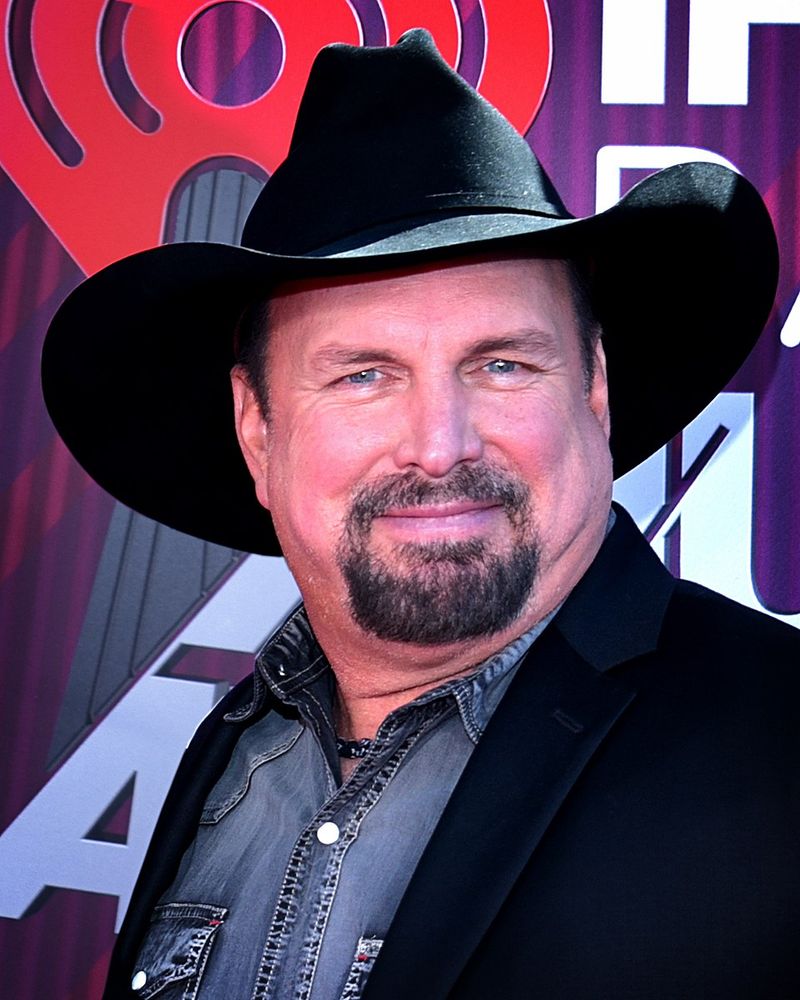
Garth Brooks was the best-selling solo artist in American music history by the late 1990s, so the stakes could not have been higher when he introduced the world to Chris Gaines. The character was a fictional Australian rock star created as a prequel to a film that never actually got made.
Fans had no idea what to make of it.
Brooks appeared on Saturday Night Live as Gaines, wore a dark wig and soul patch, and leaned fully into the persona. The album sold reasonably for most artists but was considered a significant underperformance for someone of Brooks’s commercial stature.
The confusion it created among his country fanbase was hard to overstate.
The planned film never materialized, and Brooks quietly shelved the project. He later acknowledged that the experiment did not go as hoped.
His momentum in country music slowed noticeably, and it took time before he fully regained his footing.
7. Metallica – St. Anger (2003)

St. Anger arrived during one of the most turbulent stretches in Metallica’s history. The band had just lost bassist Jason Newsted, frontman James Hetfield had entered rehab, and the entire recording process was documented in the raw, uncomfortable film Some Kind of Monster.
Fans watched their heroes struggle in real time.
When the album finally dropped, the reaction was deeply mixed. The snare drum sound, often described as a trash can being beaten, became an immediate point of ridicule.
Many long-time fans felt the songs lacked the precision and ferocity that had defined the band’s best work.
Still, the album debuted at No. 1 in multiple countries and sold millions of copies worldwide. Metallica’s career was never truly in danger, but their credibility took a measurable hit.
St. Anger forced the band to prove themselves all over again, which they did with Death Magnetic in 2008.
8. Madonna – American Life (2003)
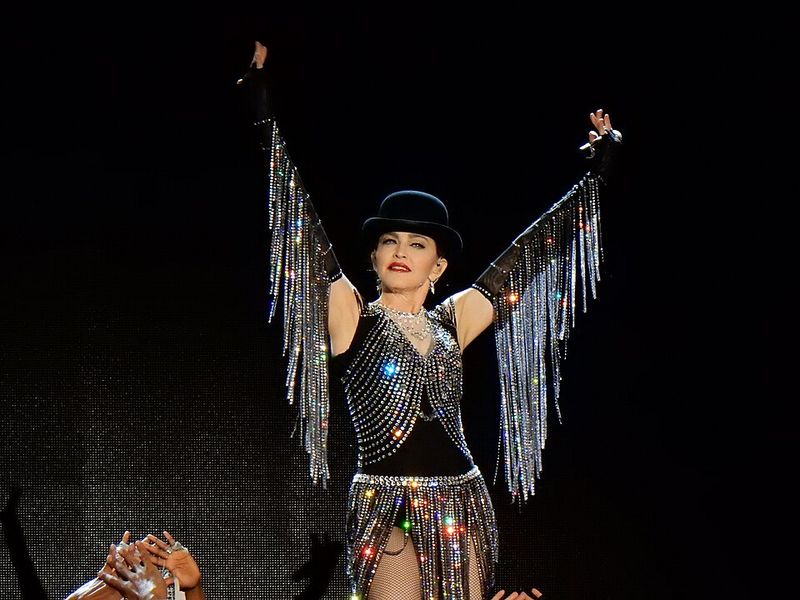
American Life arrived at a complicated moment in American history, just weeks after the United States invaded Iraq. Madonna pulled the provocative music video for the title track after public backlash, a rare retreat for an artist known for pushing boundaries without apology.
The timing made everything feel off-balance.
U.S. sales dropped sharply compared to her previous albums, and critics were divided on whether the political messaging felt genuine or forced. Some praised her willingness to take a stand; others found the album preachy and disconnected from her strengths as a pop artist.
Globally, Madonna remained a dominant touring force, and her business empire continued to grow. The album represented a real commercial dip in her home country, but calling it career-threatening would overstate the damage.
She rebounded strongly with Confessions on a Dance Floor in 2005, silencing doubters with one of her most acclaimed records.
9. Michael Jackson – Invincible (2001)
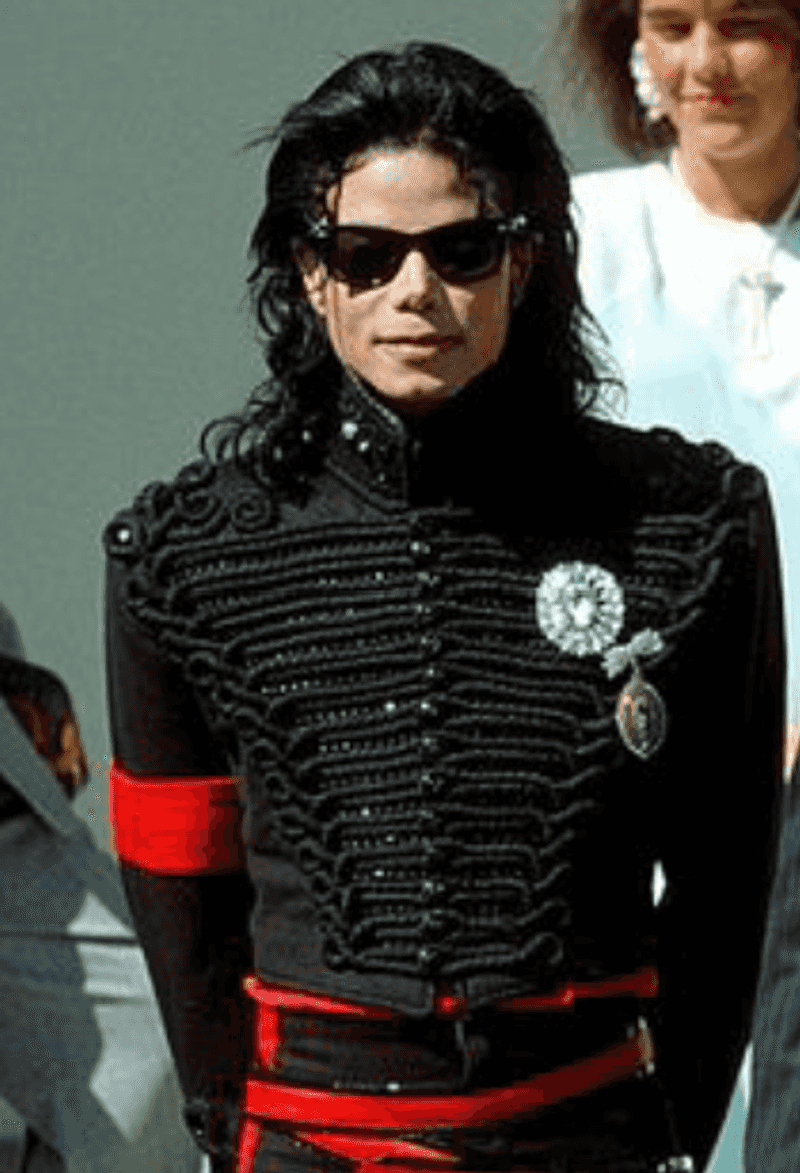
Invincible arrived with the weight of impossible expectations. Michael Jackson had not released a studio album since HIStory in 1995, and the music world was watching closely.
The album had a reported production budget of around 30 million dollars, one of the most expensive in history at the time.
Sales were solid by any normal standard, but for Jackson they were considered underwhelming. He publicly clashed with Sony Music chief Tommy Mottola, accusing him of sabotaging the album’s promotion.
The conflict became ugly and public, damaging relationships across the industry.
Jackson never released another studio album of original material during his lifetime. The legal controversies that followed in subsequent years created far greater damage to his public image than Invincible ever could.
The album itself holds up better in retrospect, but at the time it signaled a painful shift in how the world viewed its biggest pop star.
10. Bob Dylan – Self Portrait (1970)
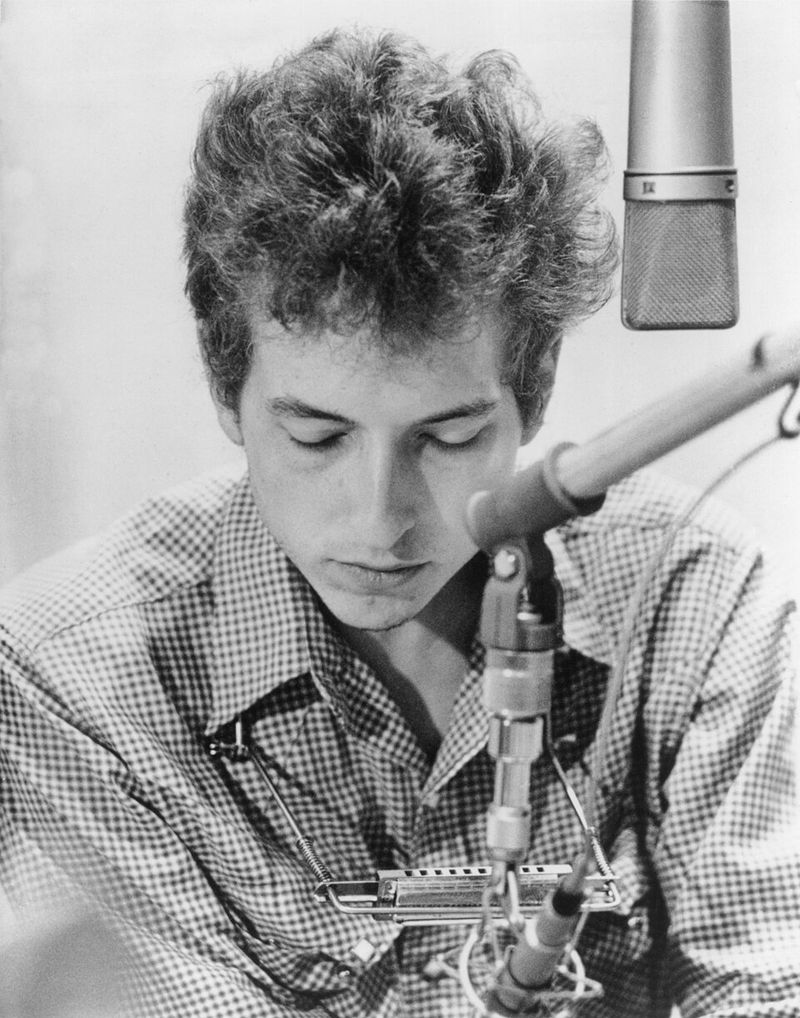
Greil Marcus opened his Rolling Stone review of Self Portrait with four blunt words: “What is this shit?” That reaction set the tone for how the album was received by critics who had spent years treating Dylan as a generational voice. The double album was full of covers, live recordings, and oddly meandering originals that left listeners puzzled.
Dylan had intentionally distanced himself from the messianic image his fans had built around him, and Self Portrait felt like a deliberate provocation. Some argued he was simply bored with being a symbol.
Others thought he had genuinely lost his creative direction after his 1966 motorcycle accident.
His career was never truly at risk, given the depth of his catalog and his towering reputation. He followed Self Portrait with New Morning just months later, quickly reassuring fans.
Looking back, many critics have since reconsidered Self Portrait as a more interesting experiment than they first admitted.
11. Neil Young – Trans (1982)
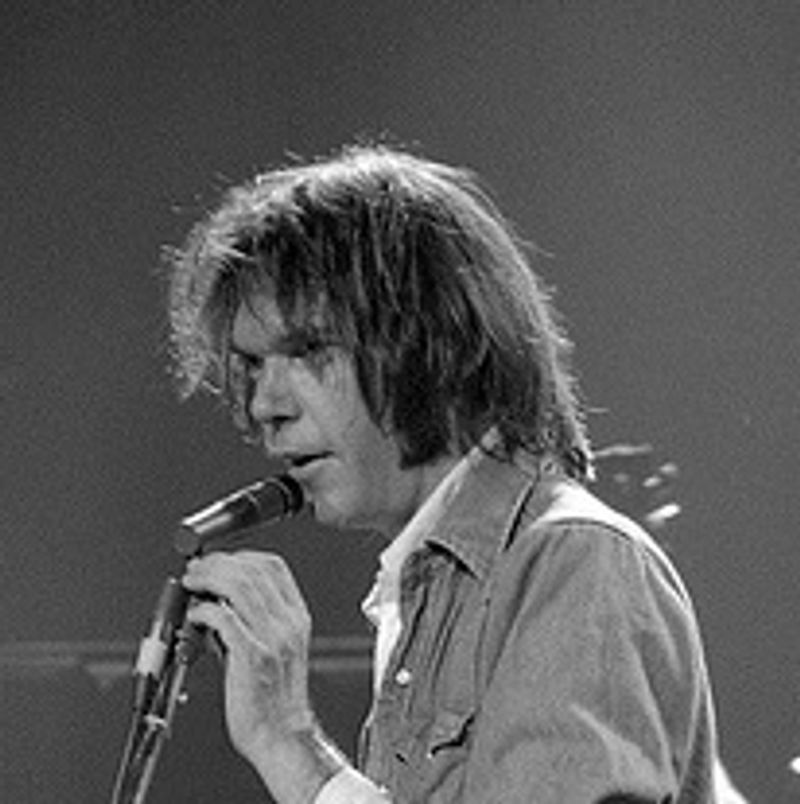
Neil Young had built his reputation on raw, guitar-driven folk and rock. So when he released Trans, an album soaked in synthesizers and vocoder-processed vocals, the reaction from fans and his record label was somewhere between confusion and outright anger.
Geffen Records was so displeased they actually sued him for making music that was not commercially viable.
Young later revealed that the album was partly inspired by his attempts to communicate with his son Ben, who has cerebral palsy. The vocoder, which strips the human voice down to robotic tones, carried deeply personal meaning that audiences at the time simply did not understand.
Young’s career resilience proved stronger than any single misstep. He continued releasing music prolifically throughout the 1980s and beyond, and Trans has since been reassessed as a brave, emotionally layered experiment.
The lawsuit with Geffen, however, remains one of the stranger chapters in rock history.
12. Prince – Lovesexy (1988)
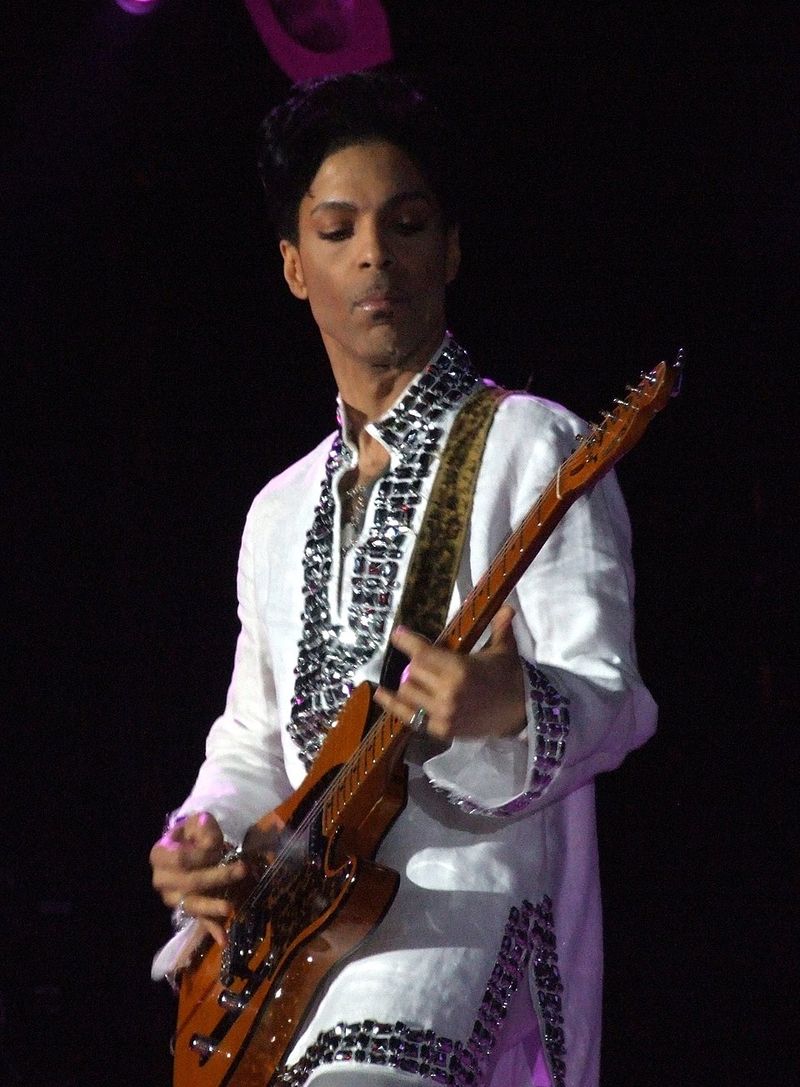
Lovesexy followed one of Prince’s most controversial decisions: shelving the completed album The Black Album just days before its release. He reportedly felt the record carried a dark, negative energy and replaced it with Lovesexy, a spiritually themed project that celebrated light over darkness.
Fans who had heard bootlegs of The Black Album were understandably confused.
The album sold modestly but underperformed compared to Purple Rain and Sign O the Times. Some fans struggled to connect with its dense, side-long continuous track format on CD.
Critics were more generous, praising its ambition and Prince’s willingness to take risks with structure and theme.
Calling Lovesexy career-threatening would be a stretch. Prince remained one of the most creatively restless and commercially viable artists of his era.
The album represents a temporary commercial dip rather than a true crisis, and his output in the years that followed showed no signs of slowing down.
13. Billy Joel – The Bridge (1986)
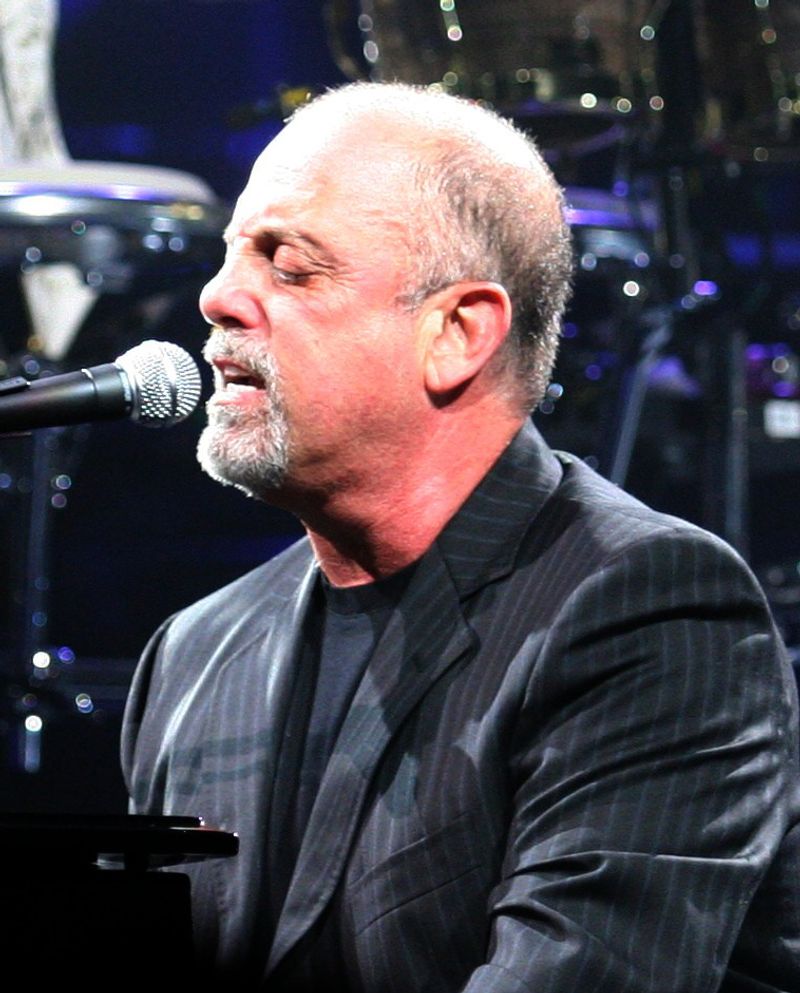
By the mid-1980s, Billy Joel had earned his place among rock’s most commercially reliable artists. The Stranger, Glass Houses, and An Innocent Man had all been massive successes.
The Bridge arrived as a more uneven effort, and while it produced some charting singles, critics noted that it lacked the consistency of his earlier work.
Joel himself has spoken candidly about burning out during this period of his career. The pressures of fame, a complicated personal life, and the relentless demand for new material were clearly taking a toll.
The Bridge felt like the work of someone going through the motions more than someone with something urgent to say.
The album was not a disaster by any conventional measure, but it signaled a creative fatigue that would deepen before Joel found his footing again with Storm Front in 1989. It stands as a personal crossroads more than a career catastrophe, honest in its imperfection.
Share this story