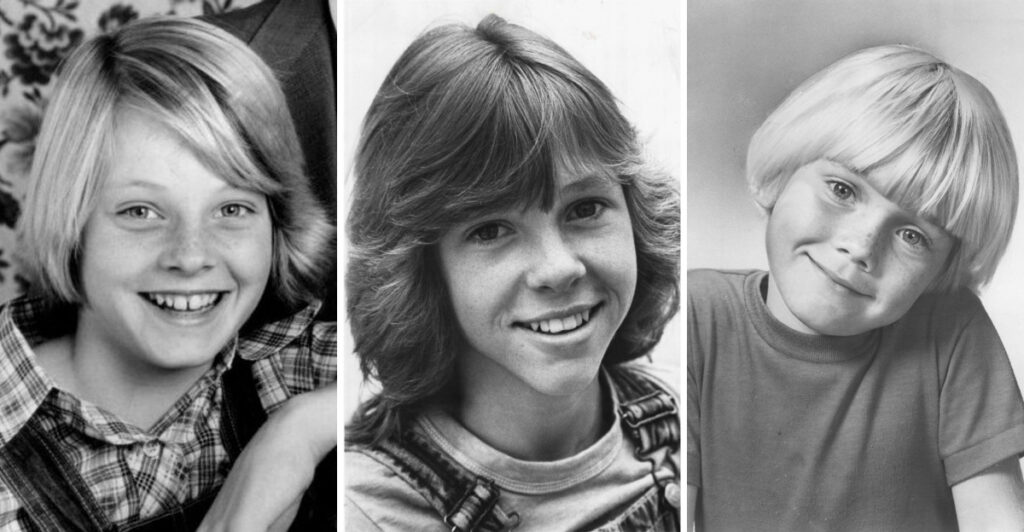
Before social media and reality TV, a handful of extraordinarily talented kids captured the hearts of millions through movies and television. The 1970s and 1980s were a golden era for young performers, producing child stars whose names became household words almost overnight.
Some went on to legendary adult careers, while others faced the very real challenges that come with growing up in the spotlight. Here is a look at 14 of the most memorable child stars from those two remarkable decades.
1. Jodie Foster
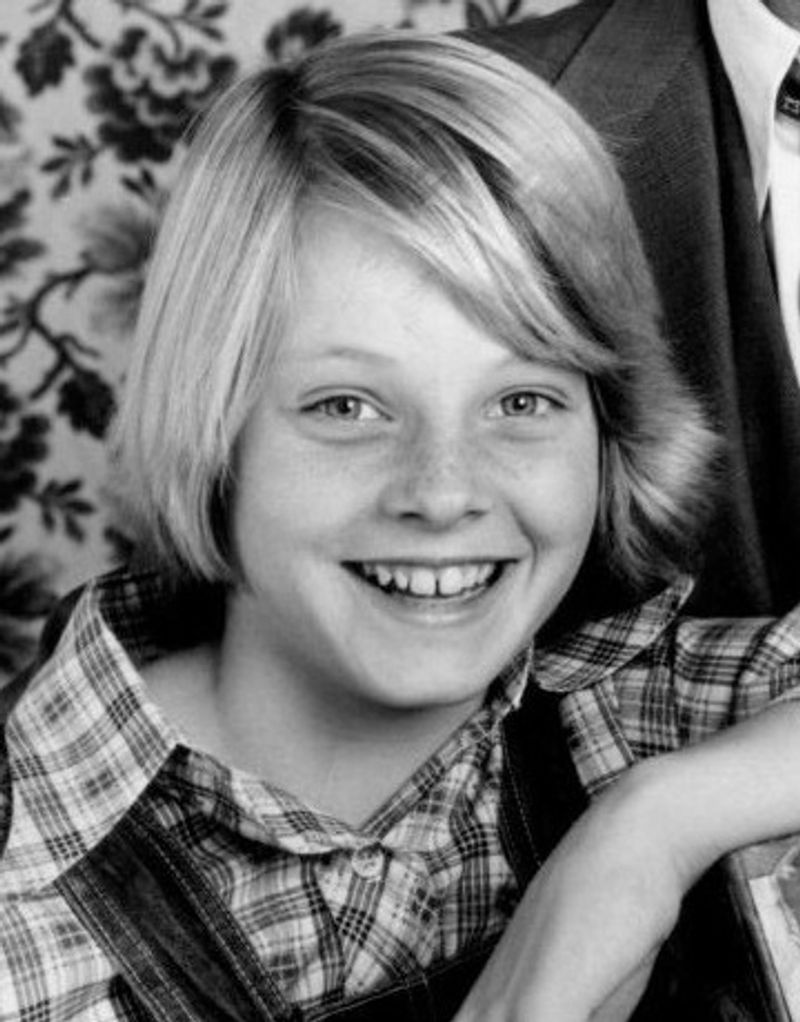
Few child actors have ever matched the raw intensity that Jodie Foster brought to the screen. Born in 1962, she was already a seasoned performer by the time she shocked audiences in Martin Scorsese’s Taxi Driver in 1976, playing a 12-year-old street kid with heartbreaking conviction.
That role earned her an Academy Award nomination and made critics take notice in a way few child performances ever had.
Before that, she had charmed Disney fans in a string of lighter films, including Freaky Friday alongside Barbara Harris. Foster managed to balance commercial appeal with serious dramatic work, a rare skill at any age.
She never really stopped working, and her transition into adult stardom felt natural and inevitable. Two Best Actress Oscars later, Foster stands as one of the greatest success stories in Hollywood history, child star or otherwise.
2. Brooke Shields
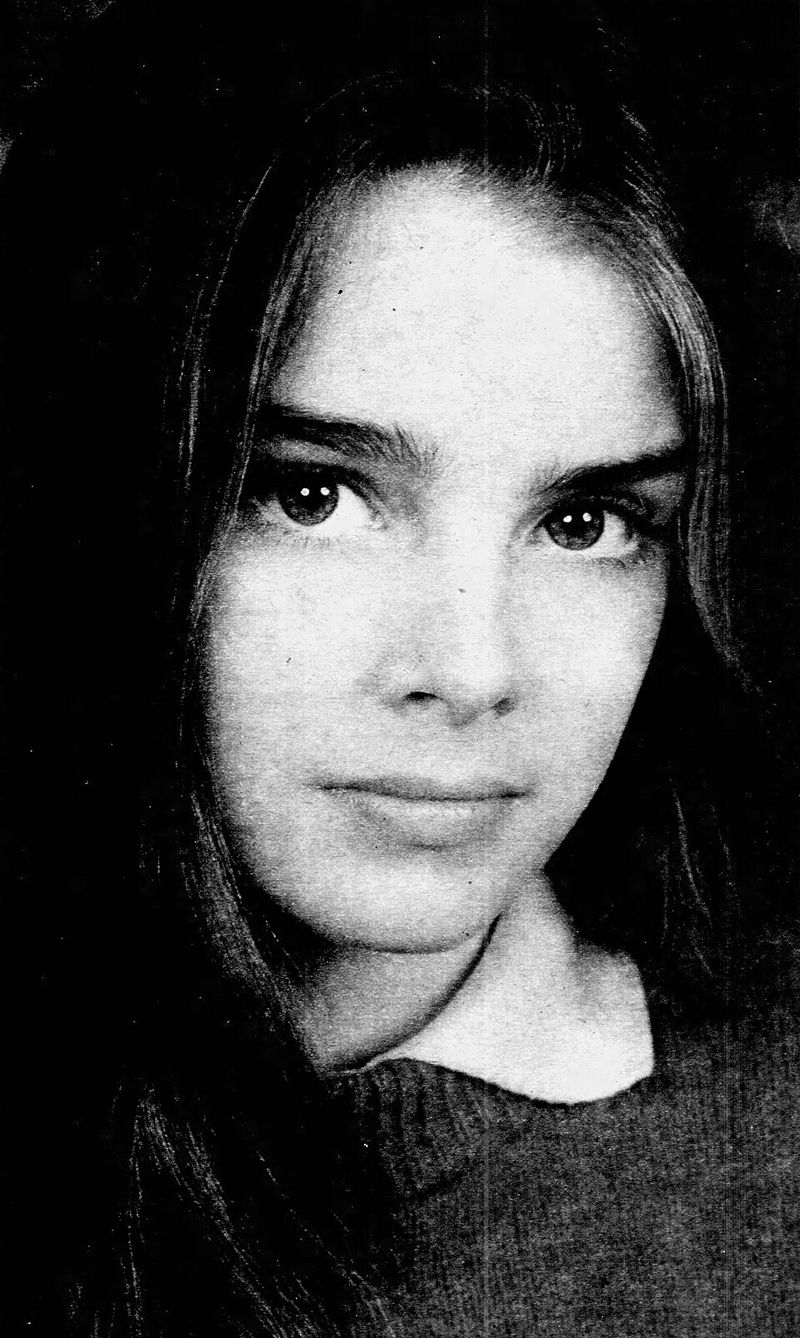
By the time Brooke Shields was a teenager, her face was everywhere. Born in 1965, she began modeling as an infant and made her film debut in Pretty Baby in 1978, a role that sparked enormous public debate about the limits of what young performers should be asked to do on screen.
Two years later, The Blue Lagoon turned her into a global phenomenon, and her Calvin Klein jeans commercials became some of the most talked-about advertisements of the entire decade. She was arguably the most photographed young woman of the late 1970s and early 1980s.
Shields also pursued academics seriously, graduating from Princeton University in 1987, which helped reshape her public image as she moved into adulthood. Her career proved that beauty and brains could absolutely coexist, even under the relentless pressure of early fame.
3. Tatum O’Neal
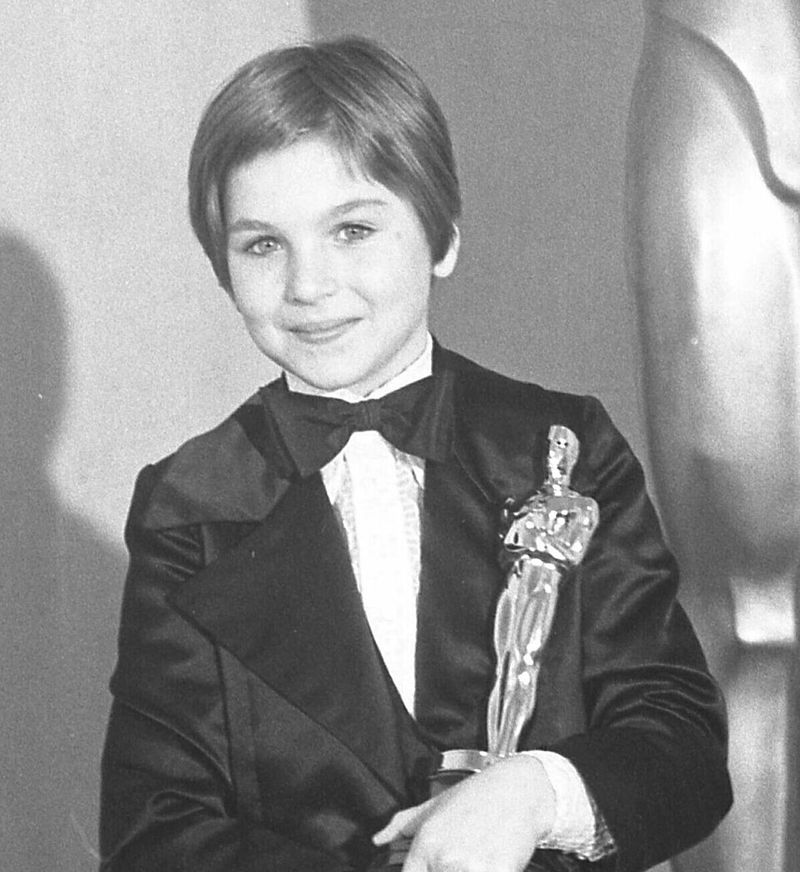
At just 10 years old, Tatum O’Neal made history. Her performance alongside her real-life father Ryan O’Neal in Paper Moon (1973) earned her the Academy Award for Best Supporting Actress, making her the youngest competitive Oscar winner ever.
That record still stands today, more than five decades later.
Her portrayal of the scrappy, fast-talking Addie Loggins was so assured and so fully realized that critics struggled to believe they were watching a child act. She had a natural instinct for the camera that most seasoned professionals spend years trying to develop.
O’Neal continued working through the late 1970s, appearing in films like The Bad News Bears and International Velvet. Her life after childhood fame was complicated and often difficult, but her place in cinema history was cemented long before she ever turned 11.
4. Gary Coleman
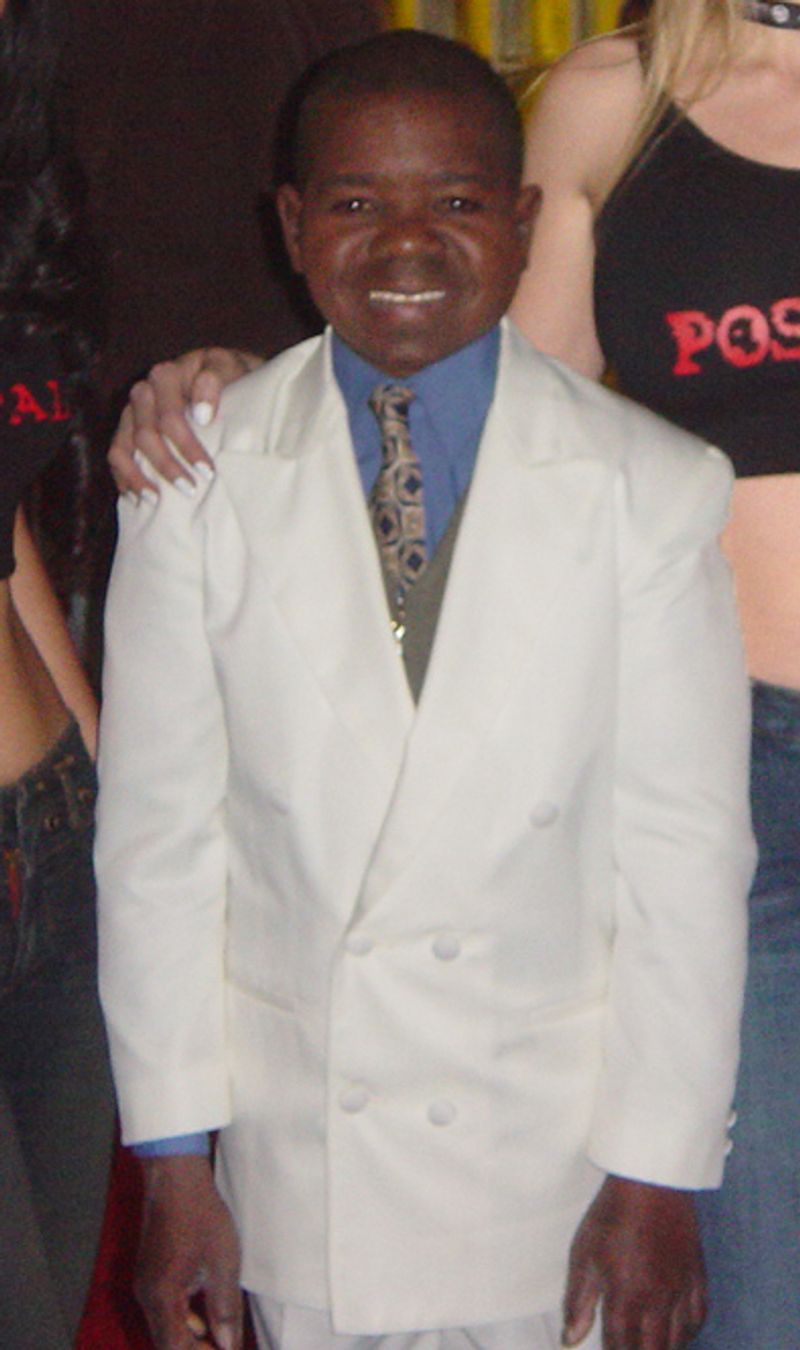
“Whatchu talkin’ about, Willis?” became one of the most repeated phrases in American pop culture, and it belonged entirely to Gary Coleman. When Diff’rent Strokes premiered on NBC in 1978, Coleman’s portrayal of Arnold Jackson was an instant sensation, blending sharp comic timing with a warmth that made audiences genuinely root for him every single week.
At the height of the show’s popularity, Coleman was one of the highest-paid child actors on television, earning a reported $100,000 per episode. His face appeared on lunchboxes, posters, and magazine covers across the country.
He was, without question, a full-blown celebrity before he was old enough to drive.
The show ran until 1986, and Coleman remained its undeniable center of gravity throughout. His later years were marked by personal and financial struggles, but his cultural impact during those eight television seasons was genuinely enormous.
5. Macaulay Culkin
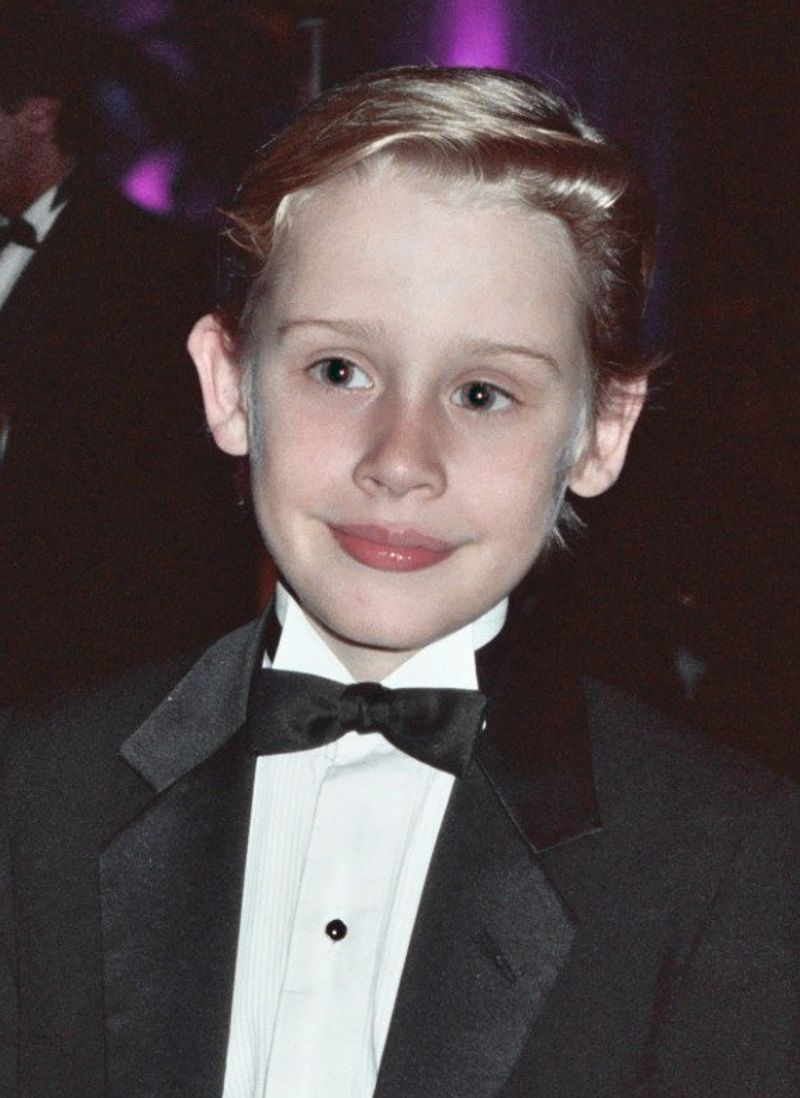
Even before Home Alone made him the biggest child star on the planet, Macaulay Culkin was already turning heads. His work in Uncle Buck in 1989 opposite John Candy showed a kid with genuinely sharp instincts for comedy and an effortless screen presence that directors loved working with.
Born in 1980, Culkin had been performing since early childhood, guided by his father into auditions around New York City. When Home Alone was released in November 1990, it became a cultural earthquake, grossing nearly $477 million worldwide and making Culkin’s face the most recognizable in the world for several years running.
His career during the late 1980s and very early 1990s redefined what a child actor could achieve commercially. He stepped back from the spotlight as a teenager, but his legacy as one of the all-time greats of kid stardom remains completely secure.
6. Drew Barrymore
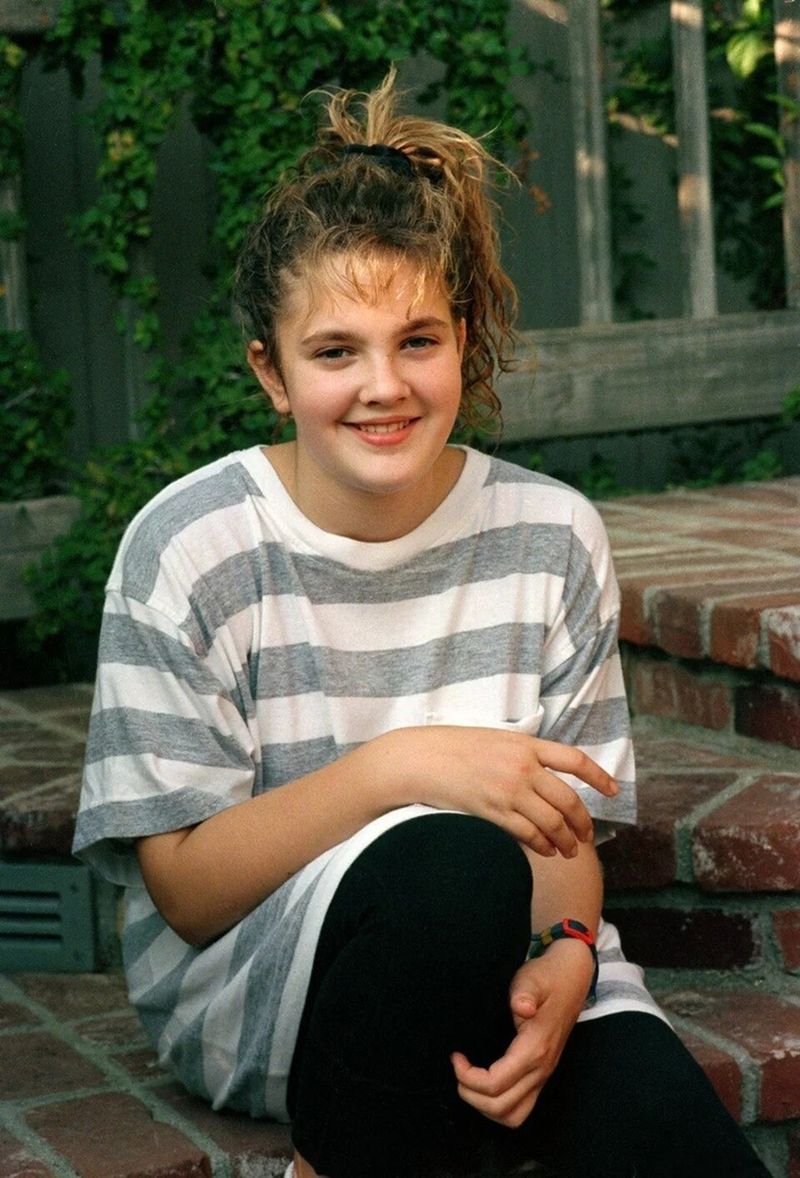
There is something almost magical about the way Drew Barrymore lit up the screen in E.T. the Extra-Terrestrial. She was just six years old during filming, and yet her scenes with the alien creature felt completely real and emotionally true.
Steven Spielberg reportedly used improvisation with her to capture genuine reactions, and it worked beautifully.
Born into Hollywood royalty as a member of the legendary Barrymore acting family, Drew had her first commercial at 11 months old. By the time E.T. arrived in 1982, she was already a known face in the industry, but that film made her a star that the whole world recognized.
Her teenage years were turbulent and very public, but she rebuilt her career with remarkable determination. Few people in entertainment history have navigated the pitfalls of early fame and emerged as successfully on the other side as Drew Barrymore did.
7. Ricky Schroder
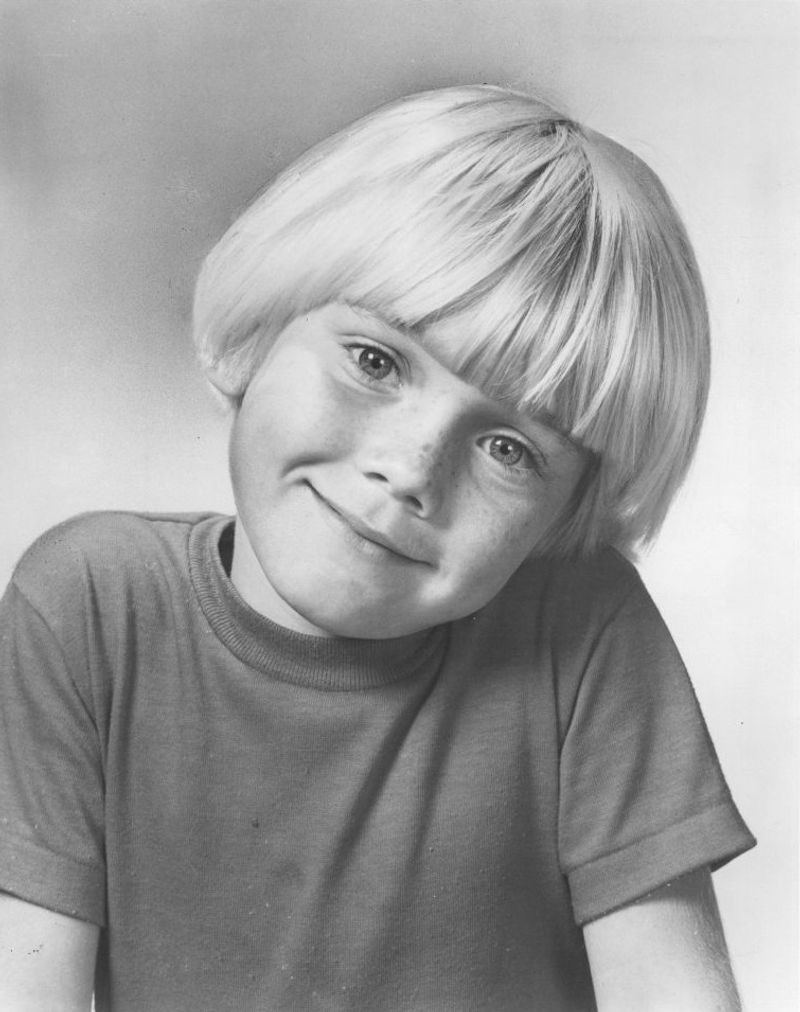
Ricky Schroder arrived in Hollywood like a thunderclap. His debut film performance in The Champ (1979) opposite Jon Voight is still remembered for one of the most emotionally devastating scenes in family film history.
Schroder was only nine years old, and he delivered a level of grief on screen that left audiences completely undone.
That performance earned him a Golden Globe Award for New Male Star of the Year, and Hollywood immediately took notice of the blond, blue-eyed kid from Staten Island, New York. Offers poured in almost immediately after the film’s release.
He channeled that momentum into Silver Spoons, the NBC sitcom that ran from 1982 to 1987, where he played Ricky Stratton with easy charm and natural likability. The show made him a full-fledged teen idol and kept him in living rooms across America for five successful seasons.
8. Kristy McNichol
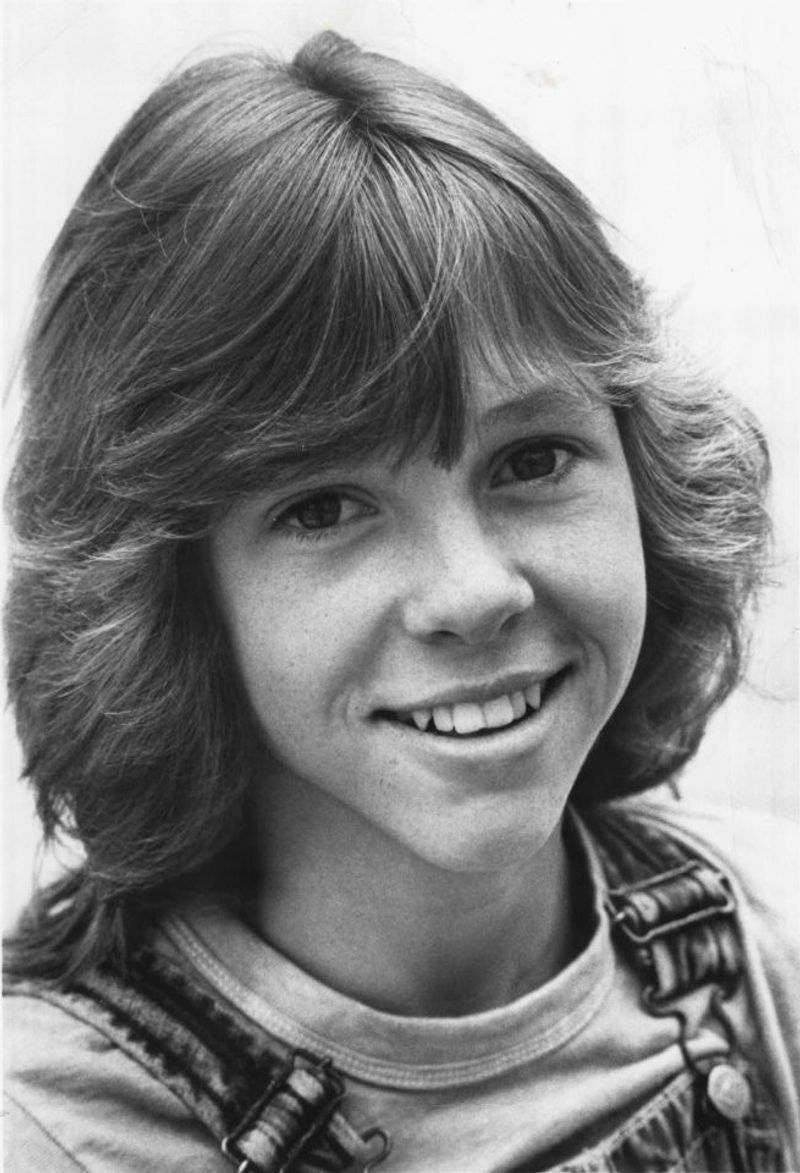
Kristy McNichol was the kind of young actress who made everything look completely effortless. Her work on the ABC drama Family in the late 1970s earned her two Emmy Awards before she was even old enough to vote, a remarkable achievement that placed her in a very small category of truly exceptional young performers.
Born in 1962 in Los Angeles, McNichol had a natural, unforced quality that translated beautifully to both television and film. Audiences connected with her because she never seemed to be performing.
She simply seemed to be living inside her characters in a way that felt genuine and unguarded.
Her 1980 film Little Darlings, co-starring Tatum O’Neal, was a coming-of-age story that resonated strongly with teenage audiences. McNichol stepped away from the spotlight relatively early, but her influence on 1970s and 1980s television drama remains well worth remembering.
9. Scott Baio
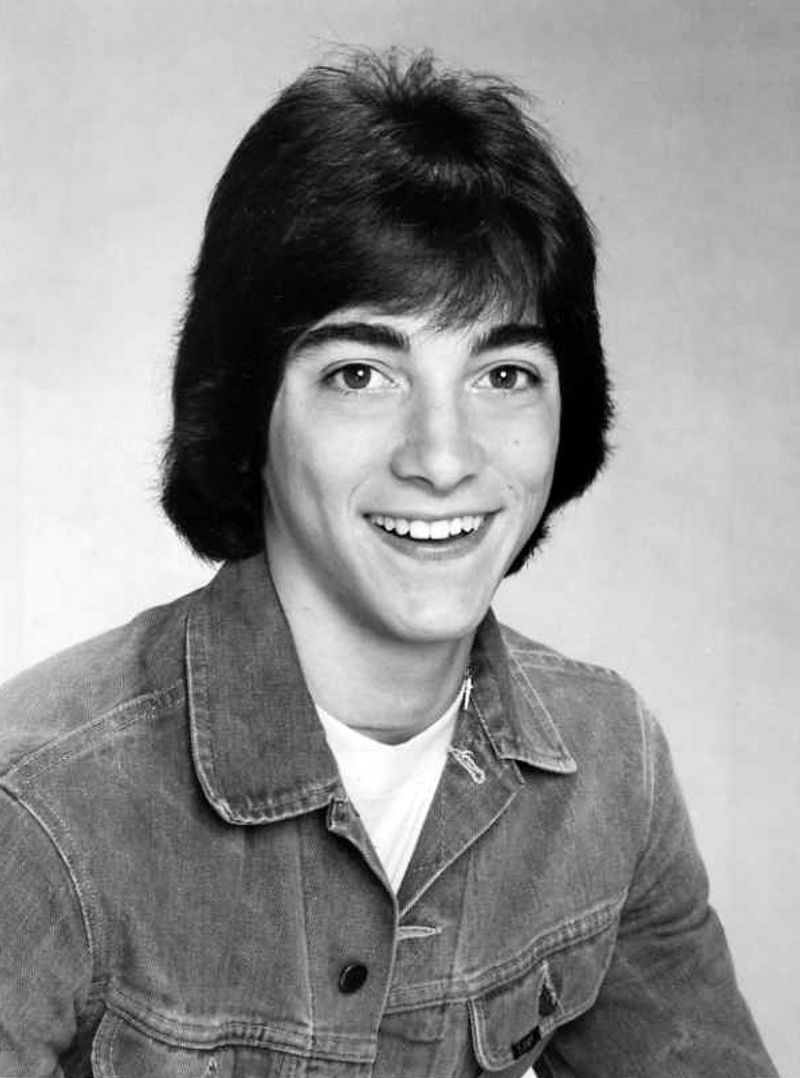
Scott Baio had the kind of dark-eyed, easy charm that made teenage girls across America paste his face on their bedroom walls. His film debut came in Alan Parker’s Bugsy Malone in 1976, a quirky musical crime film with an all-child cast that became a cult favorite and introduced Baio to audiences worldwide.
From there, he landed the role of Chachi Arcola on Happy Days, the massively popular ABC sitcom, where his chemistry with Erin Moran made him a breakout star. A spinoff series, Joanie Loves Chachi, followed, cementing his status as one of the defining teen idols of the late 1970s and early 1980s.
He kept working steadily through the decade, most notably starring in Charles in Charge from 1984 onward. Baio’s staying power during this era reflected a genuine likeability that went beyond just his good looks.
10. Melissa Gilbert
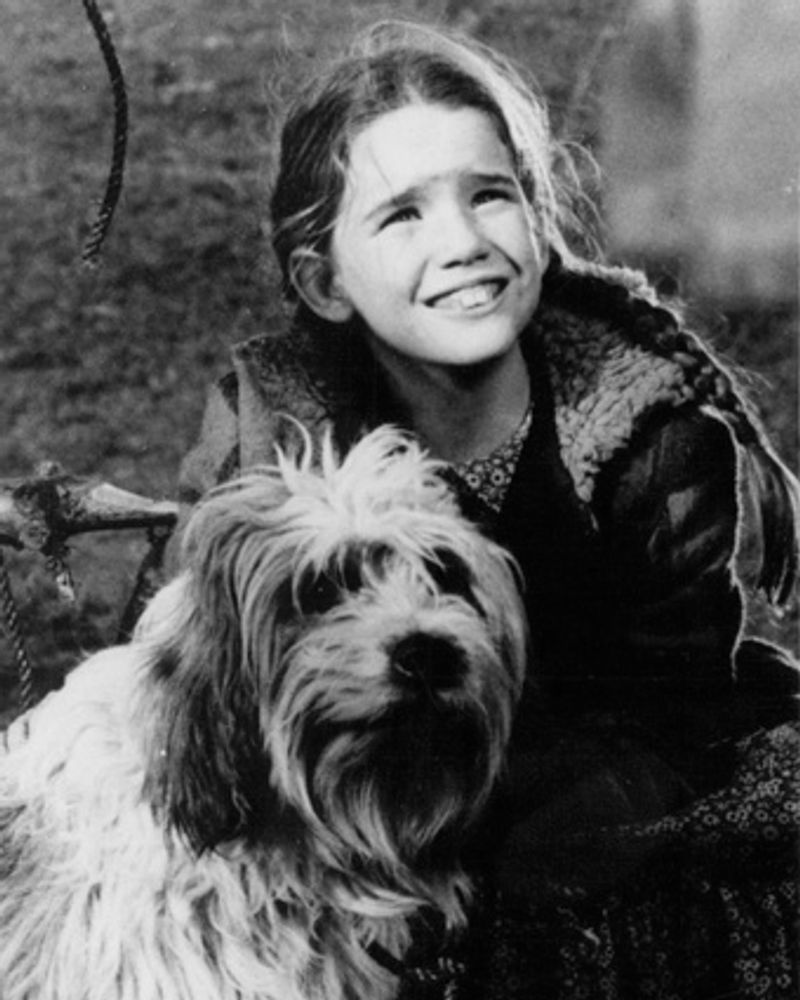
Growing up on the American prairie alongside the Ingalls family made Melissa Gilbert one of the most familiar young faces on television throughout the entire 1970s. She was cast as Laura Ingalls in Little House on the Prairie in 1974 at just nine years old, and she held that role with quiet strength and genuine emotional depth for nearly a decade.
The show, based on Laura Ingalls Wilder’s beloved book series, ran on NBC until 1983 and drew enormous audiences week after week. Gilbert’s portrayal of Laura grew alongside the character, moving from spunky frontier child to a young woman navigating love, loss, and responsibility.
She was later elected president of the Screen Actors Guild, a position that reflected the deep respect her peers had for her work and her professionalism. Gilbert’s childhood career was defined by consistency, warmth, and a deeply human quality that audiences never tired of.
11. Emmanuel Lewis
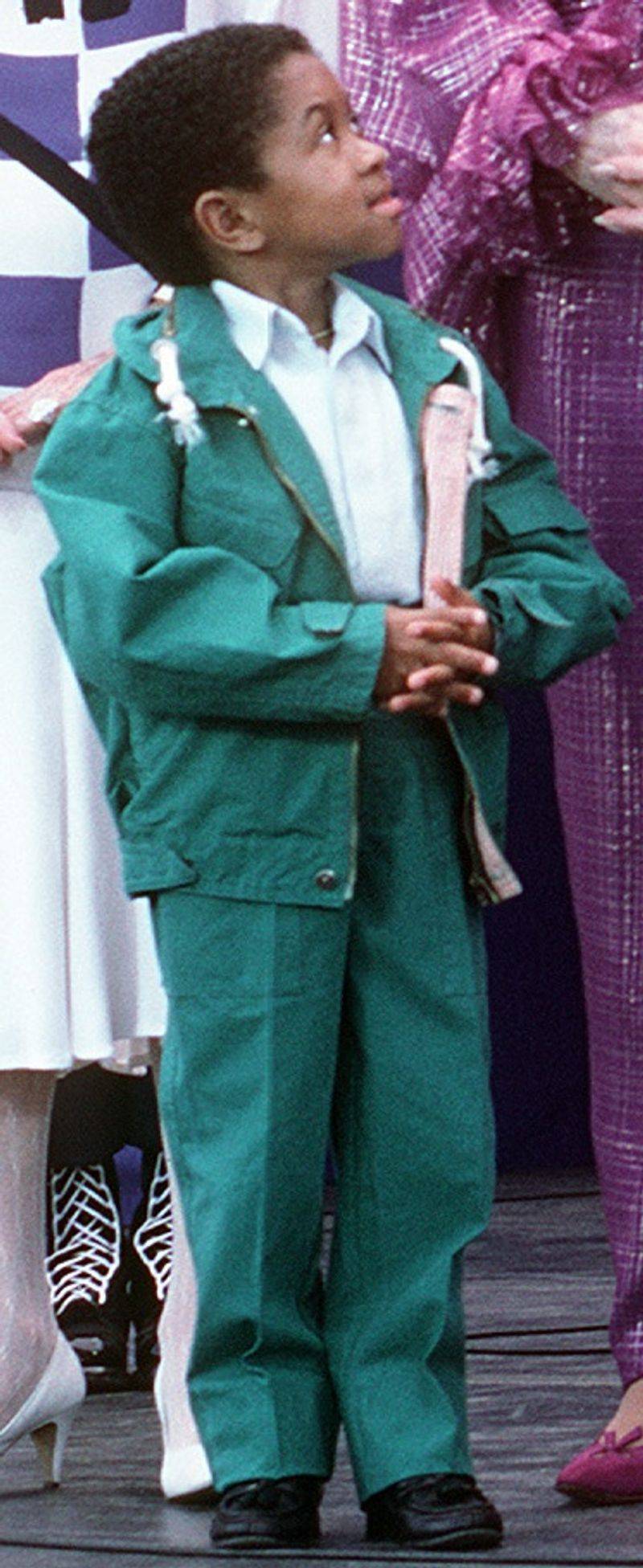
Standing at just over three feet tall when Webster premiered in 1983, Emmanuel Lewis brought an outsized personality to one of ABC’s most warmly received sitcoms of the decade. He played Webster Long, a small orphaned boy adopted by a former football player, and his chemistry with co-star Alex Karras made the show a genuine crowd-pleaser from its very first episode.
Lewis was frequently compared to Gary Coleman, partly because both actors played lovable young characters on major network sitcoms at roughly the same time. But Lewis had his own distinct appeal, a bubbling, infectious energy that felt completely his own and drew viewers back week after week.
At the height of his fame, he was a close friend of Michael Jackson, and his celebrity profile extended well beyond the television screen. Webster ran until 1989, giving Lewis six solid years as one of America’s most recognized young stars.
12. River Phoenix
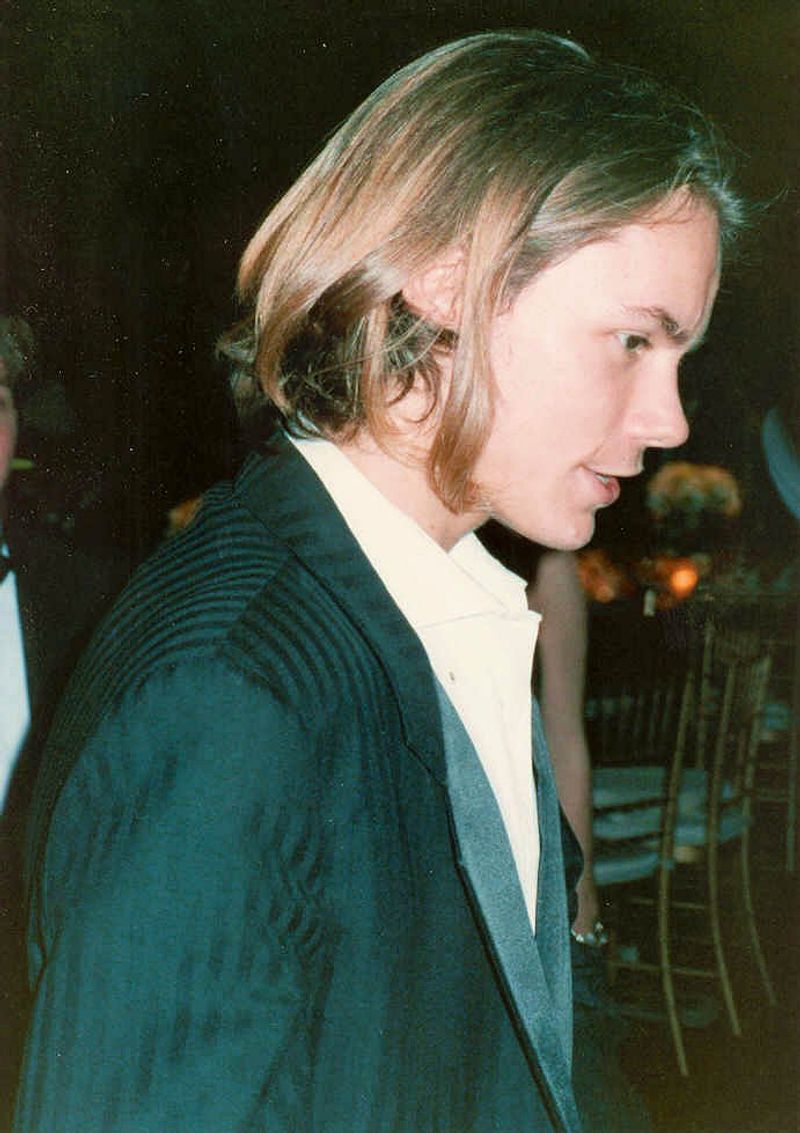
There was an unusual depth to River Phoenix that set him apart from nearly every other young actor of his generation. Born in 1970 and raised in a family that prioritized creativity and unconventional living, Phoenix brought a soulful authenticity to every role he took on, as if he understood the weight of human experience far beyond his years.
His breakthrough came with Rob Reiner’s Stand by Me in 1986, where he played Chris Chambers, a troubled but loyal boy standing at the edge of adolescence. The performance was quietly heartbreaking and earned him enormous critical praise almost immediately upon the film’s release.
By 1988, he received an Academy Award nomination for Best Supporting Actor for Running on Empty, at just 18 years old. Phoenix was widely considered a future all-time great before his tragic death in 1993, a loss that Hollywood still feels deeply.
13. Corey Haim
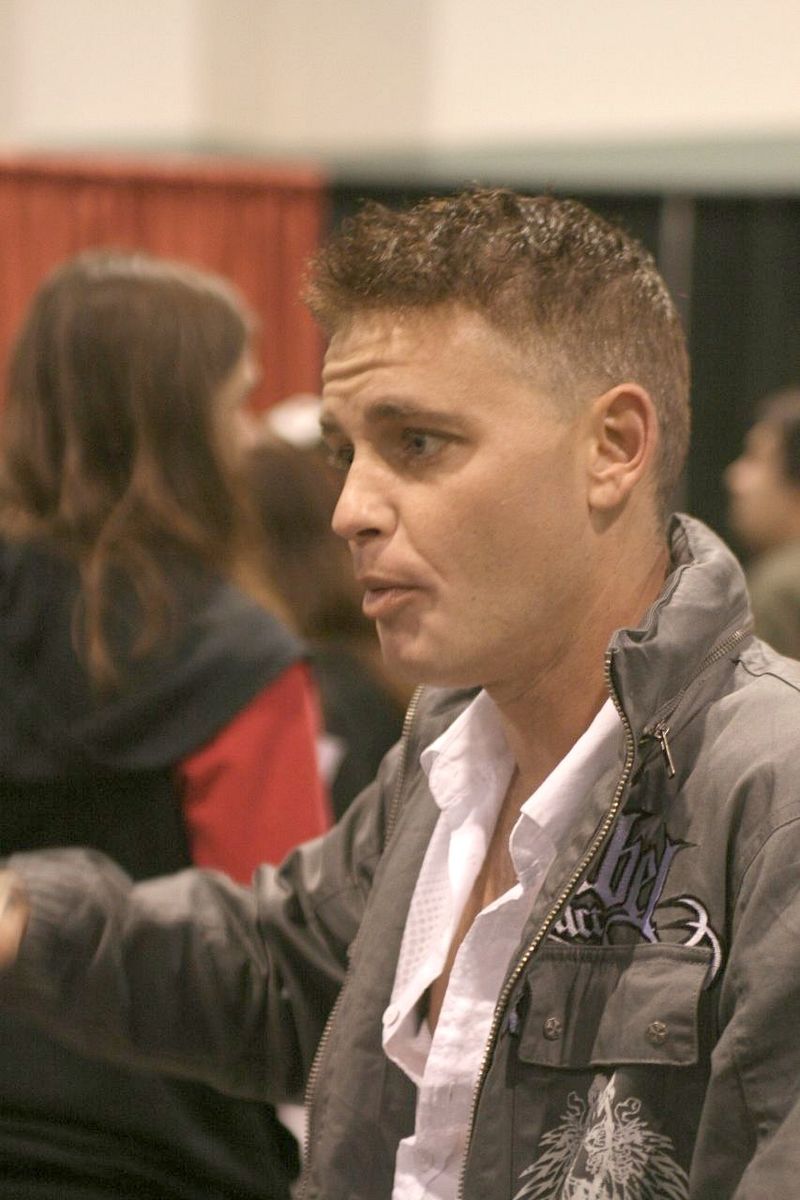
With a smile that could fill a movie theater and a natural ease in front of the camera, Corey Haim was one of the brightest teen stars of the late 1980s. Born in Toronto in 1971, he made his Hollywood breakthrough with Lucas in 1986, a sensitive coming-of-age film in which he played an awkward but deeply sympathetic high school student navigating first love and social exclusion.
The role showcased a vulnerability that distinguished him from the more wisecracking teen heroes of the era. Critics responded warmly, and Lucas remains one of the more underrated teen films of the decade.
That same year, he appeared alongside Charlie Sheen in The Wraith, further raising his profile.
His pairing with Corey Feldman in The Lost Boys in 1987 was a cultural moment, creating a duo that dominated teen pop culture. Haim’s charisma during those years was undeniable and completely genuine.
14. Todd Bridges
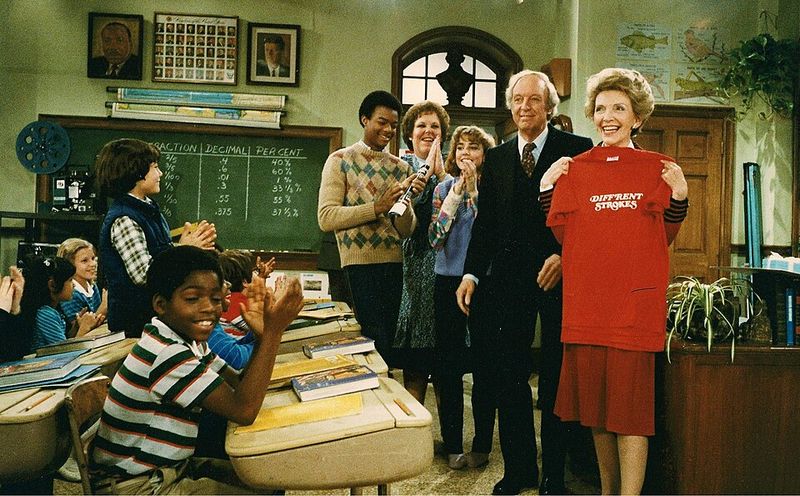
Todd Bridges was already a familiar face on American television before Diff’rent Strokes ever aired its first episode. Born in 1965 in San Francisco, he had been working steadily in commercials and guest roles through the mid-1970s, building the kind of reliable, natural screen presence that casting directors remember.
When Diff’rent Strokes launched on NBC in 1978, Bridges took on the role of Willis Jackson, the older brother to Gary Coleman’s Arnold. The brotherly dynamic between the two characters gave the show much of its emotional foundation, and Bridges played it with a grounded warmth that balanced Coleman’s comic energy effectively.
The show made him one of the most visible young Black actors on American network television during the late 1970s and early 1980s, a period when such representation still carried real cultural significance. His years on that show left a lasting mark on television history.
Share this story