Black sand beaches are among the planet’s most captivating coastal landscapes, created when volcanic lava cools and fragments into fine, dark grains along the shoreline. These dramatic shores combine rugged geology with turquoise waters and lush surroundings, offering paradise for photographers, adventurers, and curious travelers alike.
Below are 15 of the most exotic black sand beaches in the world, each with its own unique allure and unforgettable beauty.
Punaluʻu Beach (Hawaii, USA)
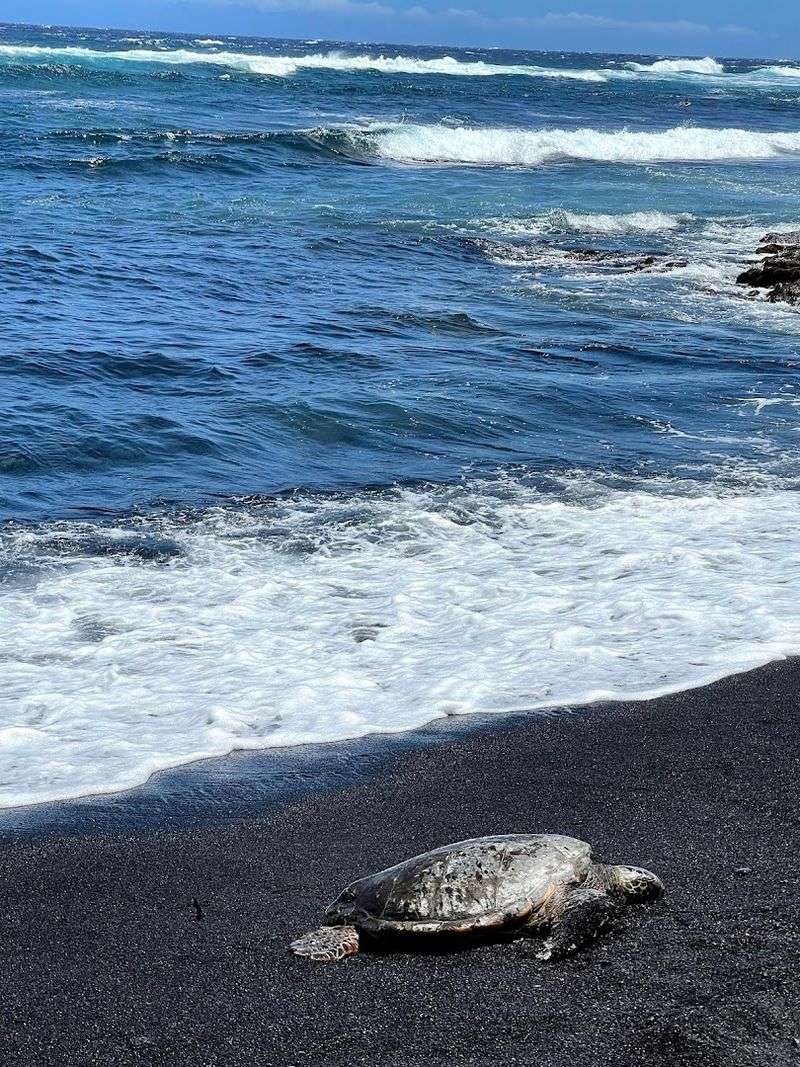
Sea turtles sunbathing on jet-black sand sounds like a scene from a nature documentary, but at Punaluʻu Beach on Hawaii’s Big Island, it’s just a regular Tuesday. This legendary stretch of volcanic shoreline is one of the most photographed beaches in the Pacific, and honestly, it earns every single click.
The dark sand here was created by ancient lava flows that cooled rapidly upon hitting the ocean, crumbling into fine, glistening black grains over thousands of years. Endangered Hawaiian green and hawksbill sea turtles, called honu locally, regularly haul themselves onto shore to warm up in the sun.
Getting too close to them is illegal, but watching from a respectful distance is an experience you won’t forget anytime soon.
Swimming can be tricky due to rocky conditions and strong currents, so most visitors stick to exploring the shoreline and snapping photos. The surrounding landscape of swaying palms, volcanic cliffs, and vivid blue water creates an almost surreal color contrast.
Pack a picnic, bring your camera, and arrive early in the morning for the calmest, most magical atmosphere this iconic beach has to offer.
Reynisfjara Beach (Iceland)
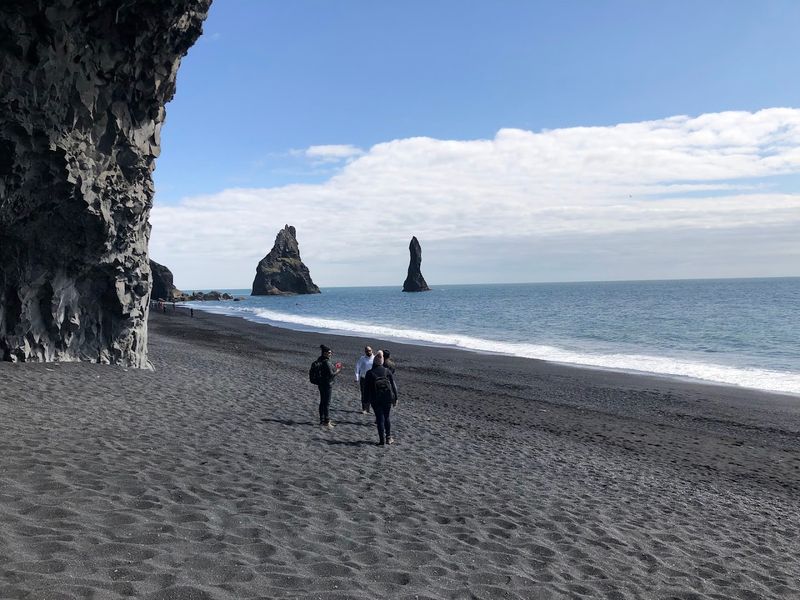
Standing at Reynisfjara Beach feels like stepping onto the set of an epic fantasy film, and that’s not a coincidence — several actually were filmed here. Located near the tiny village of Vík í Mýrdal in southern Iceland, this beach delivers a jaw-dropping mix of black sand, towering basalt columns, and ferocious Atlantic waves that crash with almost theatrical drama.
The iconic Reynisdrangar sea stacks, jagged volcanic spires rising from the sea, are said in Icelandic folklore to be trolls caught by daylight and turned to stone. Whether or not you believe the legend, they make for extraordinary photography at any hour.
Iceland’s long summer days mean you can shoot golden-hour light well past midnight during peak season.
One thing every visitor absolutely must respect: the sneaker waves at Reynisfjara are genuinely dangerous. These unpredictable surges have swept people off the shore with little warning, so staying well back from the water’s edge is non-negotiable.
Stick to the safe viewing areas, read the posted warning signs, and never turn your back on the ocean here. The beach is breathtaking, but your safety always comes first when visiting this magnificent and wild Icelandic shoreline.
Perissa Beach (Santorini, Greece)
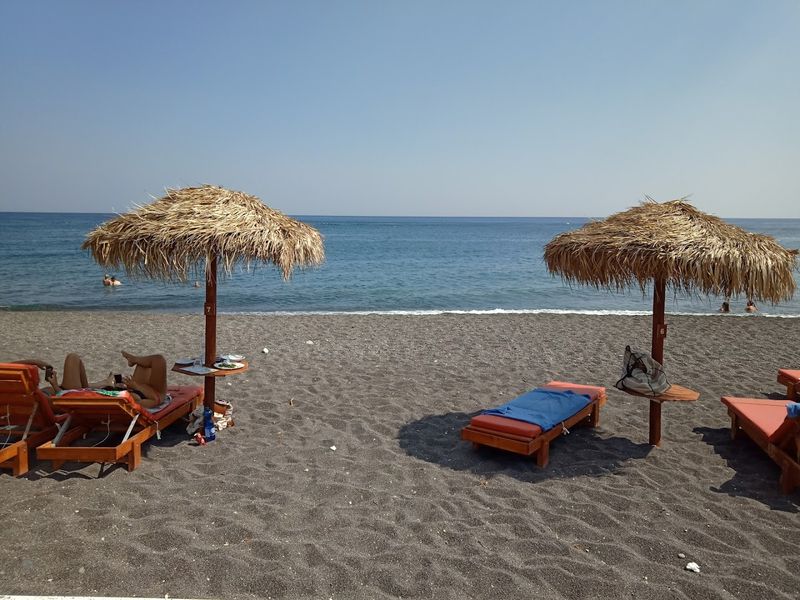
Most people picture Santorini as a place of white-washed walls and blue-domed churches, so the island’s black sand beaches tend to catch first-time visitors completely off guard. Perissa Beach, hugging the southeastern coast of this iconic Greek island, flips the script on what a Mediterranean beach day looks like.
The sand here is a rich, dark volcanic mix formed from ancient eruptions that shaped Santorini’s dramatic geography millions of years ago. Unlike many wild black beaches around the world, Perissa is fully equipped for a comfortable stay.
Beach bars, seafood tavernas, sun loungers, and watersport rentals line the shore, making it easy to spend an entire day without ever needing to leave the sand.
Looming overhead is Mesa Vouno, a massive volcanic cliff that provides dramatic shade in the afternoon and a striking photographic backdrop at any time of day. The water here is calm, clear, and wonderfully refreshing during hot Greek summers.
Snorkeling near the rocky edges of the cliff reveals colorful sea life hiding in the volcanic formations below the surface. Perissa is proof that a beach does not need to be white to be absolutely world-class, and visitors who skip it are genuinely missing one of Santorini’s best-kept secrets.
Playa Negra (Vieques, Puerto Rico)
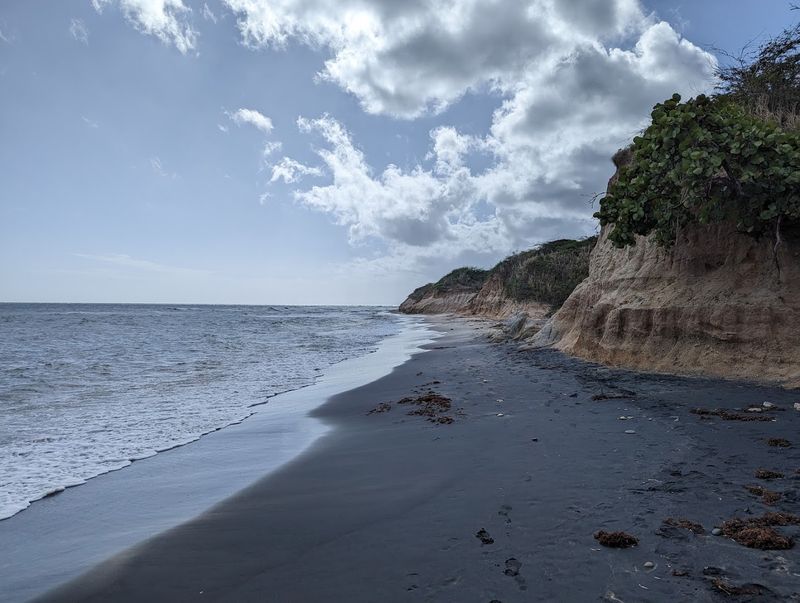
Forget the crowded resort strips — Vieques has something far more intriguing tucked along its rugged coastline. Playa Negra is one of those rare Caribbean beaches where the sand breaks every expectation, trading the typical white powder for a striking volcanic darkness that stops visitors mid-step the moment they arrive.
The beach sits on the eastern side of Vieques, an island off Puerto Rico’s eastern coast that was once a U.S. Navy base and is now part of a federally protected wildlife refuge.
That history has kept much of the island beautifully undeveloped, giving Playa Negra a raw, untouched quality that feels genuinely rare in the Caribbean. The contrast between the dark sand and the vivid turquoise water overhead is visually stunning and endlessly photogenic.
Rocky formations along the shoreline create interesting tide pools worth exploring at low tide, and the surrounding vegetation buzzes with birdlife year-round. There are no food vendors or facilities nearby, so bring everything you need before making the trek.
A four-wheel-drive vehicle is recommended for accessing the more remote sections of the beach. For travelers willing to put in a little effort, Playa Negra rewards with solitude, wild beauty, and a Caribbean experience that feels refreshingly off the beaten path.
Playa Cavones (Costa Rica)
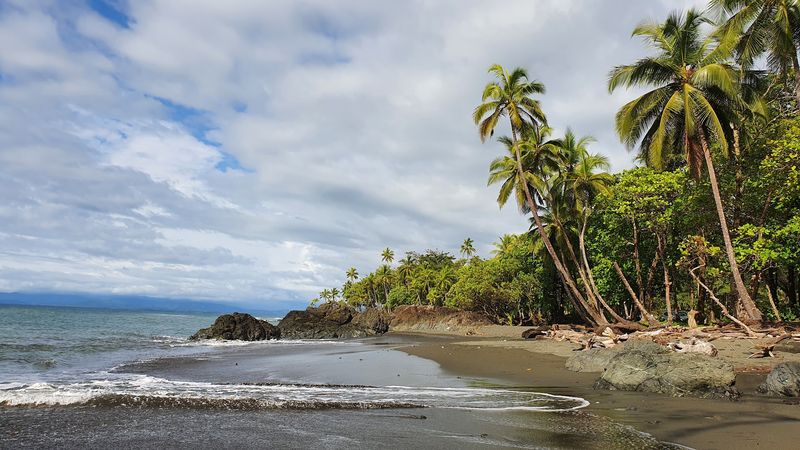
Surfers talk about Playa Cavones in hushed, reverent tones, the way sports fans discuss legendary stadiums. Tucked along Costa Rica’s remote Pacific coast near the boundary of Corcovado National Park, this wild black sand beach is not for the faint of heart — and that is precisely what makes it so thrilling.
The volcanic sand here is genuinely dark and coarse, shaped by centuries of Pacific wave action and lava geology unique to this stretch of coastline. The waves at Playa Cavones are powerful and consistent, drawing experienced surfers who make the long journey into the Osa Peninsula specifically for this break.
Beginners should admire the surf from shore, as the ocean here demands skill and respect in equal measure.
Beyond the beach itself, the surrounding jungle is teeming with wildlife. Scarlet macaws, tapirs, howler monkeys, and even jaguars have been spotted in the forests flanking the shoreline.
Guided hikes through nearby Corcovado can be arranged from the town of Puerto Jimenez, just a short drive away. Facilities are minimal out here, so packing food, water, and sun protection is essential.
Playa Cavones is the kind of place that reminds you how breathtakingly wild and untamed the natural world can still be when left alone.
Monterrico Beach (Guatemala)
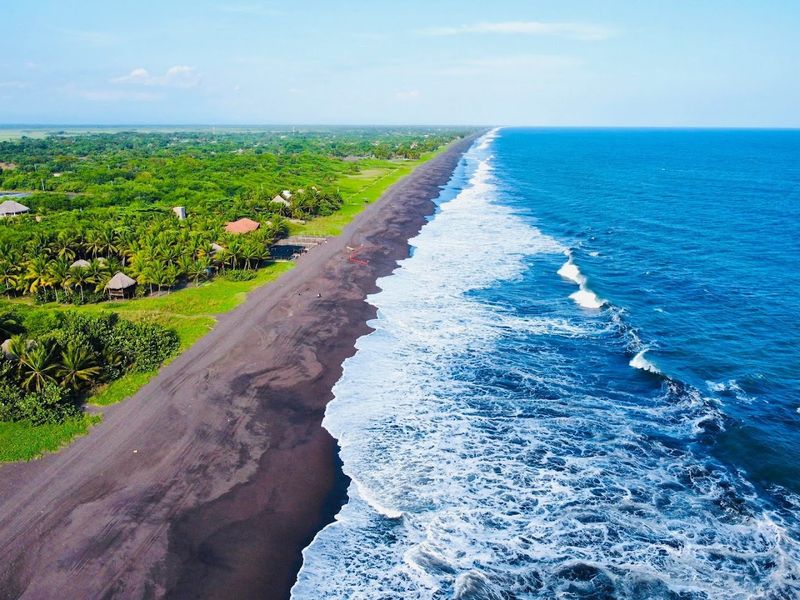
Every year, something extraordinary happens on the black sands of Monterrico: hundreds of tiny sea turtles emerge from their nests and scramble toward the ocean in one of nature’s most emotional spectacles. This Pacific coast beach in Guatemala is best known for its role as a critical nesting ground for leatherback, olive ridley, and hawksbill sea turtles.
The long volcanic shoreline stretches for miles, backed by swaying coconut palms and bordered by a network of mangrove lagoons that form the Monterrico-Hawaii nature reserve. The contrast of the deep black sand against a fiery Pacific sunset is the kind of image that stays with you long after the trip ends.
Local conservation groups run turtle hatcheries right on the beach, and during nesting season — typically July through February — visitors can participate in supervised hatchling releases.
Beyond turtles, Monterrico has a laid-back fishing village charm that feels a world away from Guatemala City’s hustle. Fresh seafood is abundant and affordable, with beachfront restaurants serving grilled fish and ceviche steps from the water.
The waves here are strong and not ideal for casual swimming, but the atmosphere more than compensates. Monterrico is one of those deeply satisfying destinations where wildlife, culture, and natural beauty come together in a way that feels completely authentic.
Karekare Beach (New Zealand)
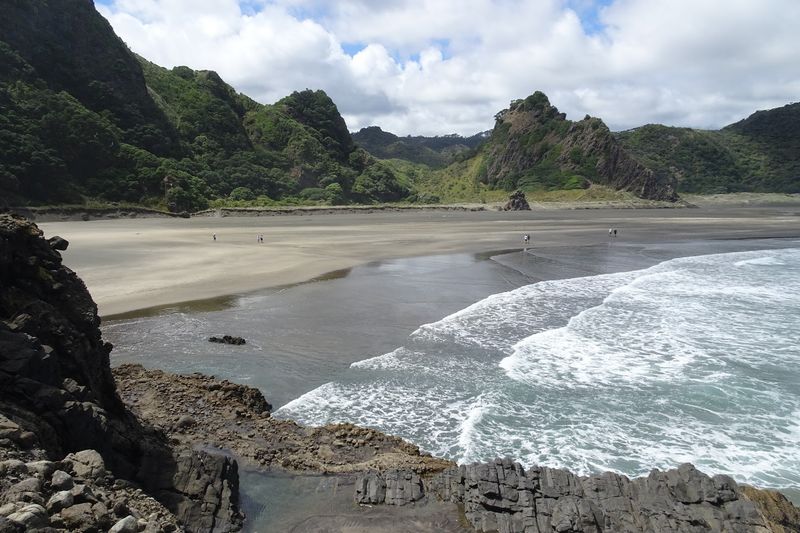
Karekare Beach earned global fame when it appeared in Jane Campion’s Oscar-winning film The Piano, and one look at this brooding, magnificent stretch of New Zealand coastline makes it obvious why filmmakers fell in love with it. Located about 45 minutes west of Auckland on the Waitakere Ranges coast, Karekare is the kind of beach that makes you feel genuinely small in the best possible way.
The black sand here is framed by towering forested cliffs and wild surf that rolls in from the Tasman Sea with impressive force. Swimming is only recommended in patrolled areas during summer months, as rip currents can be deceptively strong.
Surf lifesavers patrol the beach on weekends during peak season, so timing your visit accordingly is smart planning.
A short walk from the main beach leads to the stunning Karekare Falls, a lush waterfall that tumbles down into a natural pool surrounded by native New Zealand bush. The combination of black sand, dramatic cliffs, crashing surf, and accessible waterfall makes this one of the most scenically diverse beach experiences in the Southern Hemisphere.
Parking is limited and the road in is narrow and winding, so arriving early on weekends is strongly advised. Karekare rewards the effort spectacularly.
Piha Beach (New Zealand)
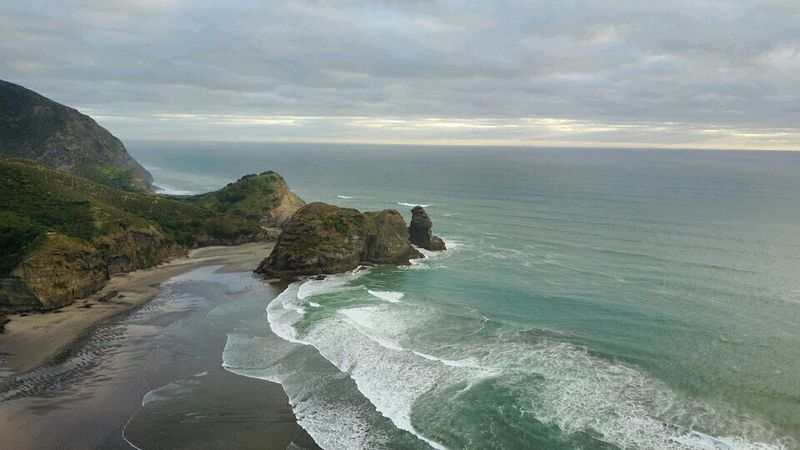
Lion Rock doesn’t just stand at Piha Beach — it commands it. This massive volcanic outcrop rises dramatically from the dark sand at the center of the beach, splitting the shoreline into two distinct sections and creating one of the most iconic natural landmarks on New Zealand’s entire coastline.
Piha sits about 40 kilometers west of Auckland in the Waitakere Ranges Regional Park, and it is hands down the most popular surf beach in the North Island. The waves here are powerful and exhilarating, regularly attracting experienced surfers who come for the consistent swell rolling in off the Tasman Sea.
For those who prefer dry land, hiking trails wind up through the surrounding bush, offering sweeping panoramic views of the black sand shore below.
The beach has a strong local surf culture, with the Piha Surf Lifesaving Club being one of the oldest and most respected in the country. Swimming outside the flagged patrol zones is genuinely risky due to rip currents, so always follow lifeguard instructions.
Piha village has a handful of cafes and a relaxed coastal atmosphere that makes it a perfect day trip from Auckland. Watching the sun drop behind Lion Rock at golden hour while the dark waves crash below is a memory worth every kilometer of the drive out.
Santo Domingo Beach (Philippines)
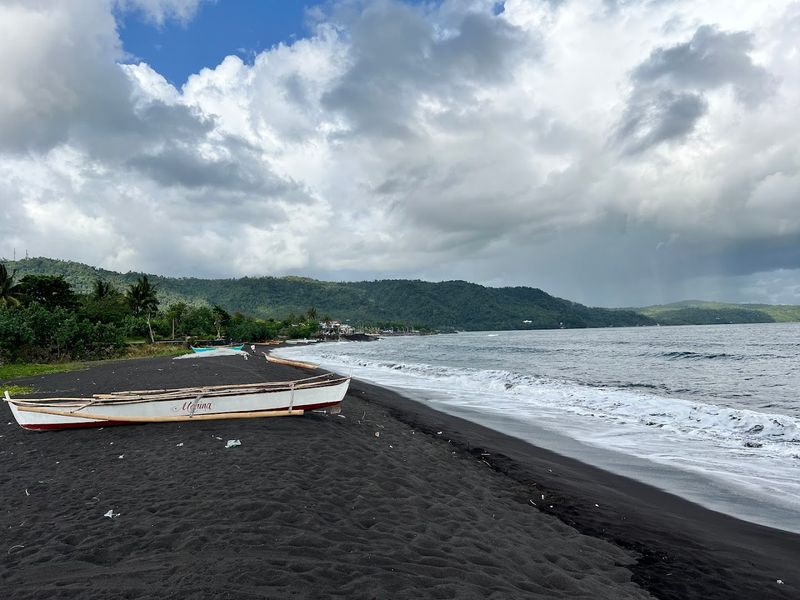
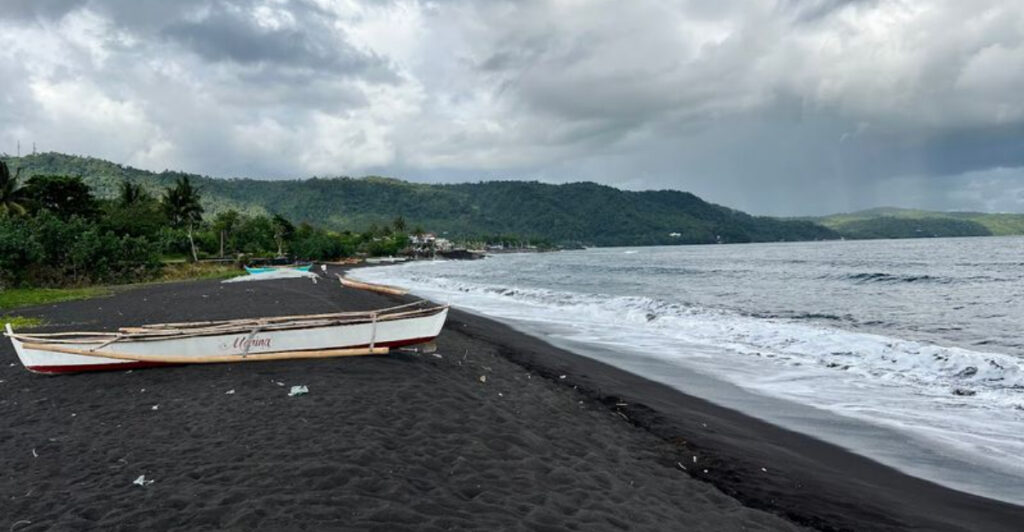
The Philippines gets most of its beach fame from powdery white atolls and crystal lagoons, so stumbling upon Santo Domingo Beach on Luzon Island feels like discovering a hidden chapter in a travel guide that most people skipped. The volcanic black sand here creates a visual contrast so bold it almost looks digitally enhanced in photographs.
Located in Albay province in the Bicol region, Santo Domingo sits within sight of the perfectly cone-shaped Mayon Volcano, one of the most active and picturesque volcanoes in the world. On clear days, the mountain’s symmetrical peak looms over the dark shoreline in a combination that is almost impossibly photogenic.
The beach itself is long, wide, and refreshingly uncrowded compared to the Philippines’ more famous coastal destinations.
The water here is warm and inviting, and local fishermen can often be seen launching their colorful bangka boats into the surf early each morning. The town of Santo Domingo has basic amenities including small guesthouses and local eateries serving fresh regional seafood.
Visiting during the dry season between November and April gives you the best chance of clear skies and a full view of Mayon’s iconic silhouette behind the black sand. This beach is a genuine hidden treasure waiting for more travelers to find it.
Lovina Beach (Bali, Indonesia)
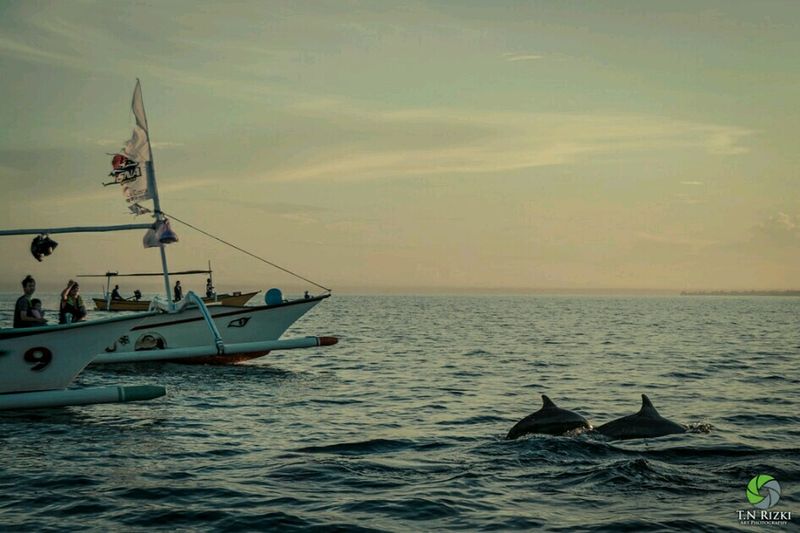
Alarm clocks at 5 a.m. are rarely welcome, but at Lovina Beach, that early wake-up call leads to something genuinely magical. Just offshore, spinner and bottlenose dolphins leap and play in the calm waters of the Bali Sea at sunrise, and local fishermen offer small boat tours to get you close enough to watch the show in real time.
Lovina sits on Bali’s quieter northern coast, far removed from the busy resort scene of Seminyak and Kuta in the south. The black volcanic sand here is fine and dark, stretching for several kilometers in a gentle arc backed by coconut palms and low-rise guesthouses.
The overall vibe is relaxed and unhurried, attracting travelers who want a more authentic Balinese experience without the crowds.
The calm, reef-protected waters make Lovina one of Bali’s better spots for snorkeling and swimming, a pleasant contrast to the rough surf found at the island’s southern beaches. The area around Lovina also has excellent day trip options, including hot springs at Banjar, Buddhist temples, and scenic rice terraces tucked into the hills above town.
Seafood dinners at beachside warungs, where grilled fish and cold Bintang beer are served as the sun sets over the dark sand, are an experience that defines what Lovina is all about.
Playa Jardín (Tenerife, Canary Islands, Spain)
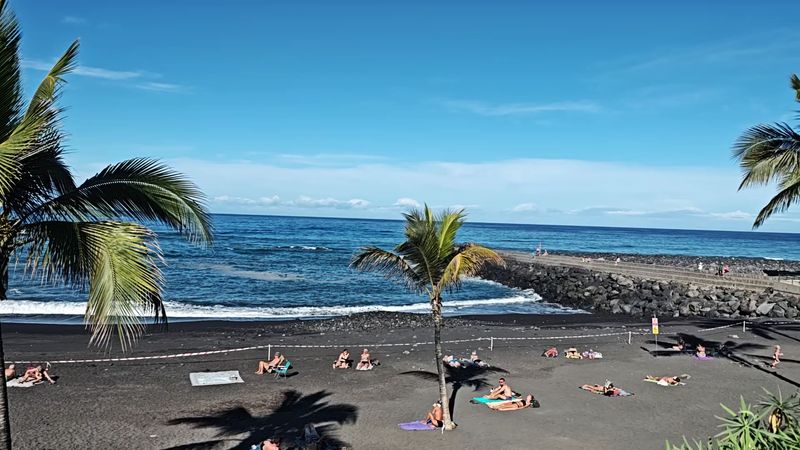
What happens when a world-famous artist designs a beach? You get Playa Jardín, quite possibly the most beautifully landscaped black sand beach on the planet.
Created by Canarian artist and environmental visionary César Manrique, this remarkable stretch of shoreline on Tenerife’s northern coast is part beach, part open-air art installation, and entirely unforgettable.
Manrique integrated lush tropical gardens, volcanic rock sculptures, and flowing walkways directly into the beach environment, creating a seamless blend of nature and design that feels organic rather than imposed. The black volcanic sand provides a dramatic foundation for the vivid greens, reds, and yellows of the flowering plants surrounding the beach.
In the background, the snow-capped peak of Mount Teide — Spain’s highest point — occasionally peeks through the clouds, adding yet another extraordinary layer to the view.
The beach has calm, swimmable waters and is well-equipped with showers, sun lounger rentals, and nearby restaurants. Puerto de la Cruz, the charming town adjacent to the beach, offers excellent local cuisine, boutique shopping, and vibrant nightlife just minutes from the sand.
Playa Jardín is particularly popular with European visitors during winter months, when Tenerife’s mild climate makes beach days possible even in December and January. It’s a beach that genuinely earns the word spectacular without any exaggeration whatsoever.
El Golfo (Lanzarote, Canary Islands, Spain)
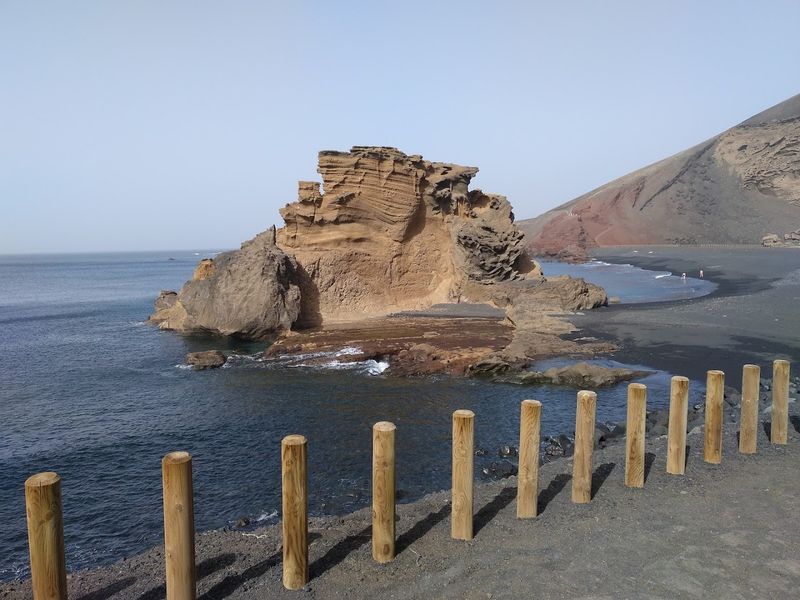
Nature pulled out all the stops at El Golfo, and then apparently decided to keep going just to see what would happen. This extraordinary spot on Lanzarote’s western coast pairs jet-black volcanic sand with a crater lagoon of such an intense, vivid emerald green that first-time visitors frequently stop and stare in disbelief.
The green color of the lagoon comes from a rare algae called Dunaliella salina, which thrives in the high-salinity water trapped inside a partially submerged volcanic crater. The contrast between the black sand, the green lagoon, and the deep blue Atlantic just beyond creates a color palette so unusual it looks almost artificially enhanced.
Lanzarote as a whole has a raw, otherworldly volcanic landscape, and El Golfo sits at the dramatic heart of that experience.
The area is relatively quiet and low-key compared to Lanzarote’s more touristy southern resorts, which adds to its appeal for travelers seeking something genuinely different. A small cluster of excellent seafood restaurants sits just above the beach, serving freshly caught fish with front-row views of the volcanic scenery.
Swimming is not recommended here due to strong currents, but a long walk along the black shoreline with the lagoon sparkling beside you is a deeply satisfying alternative. El Golfo is proof that Lanzarote rewards those who venture beyond the hotel pool.
Papenoo Beach (Tahiti, French Polynesia)
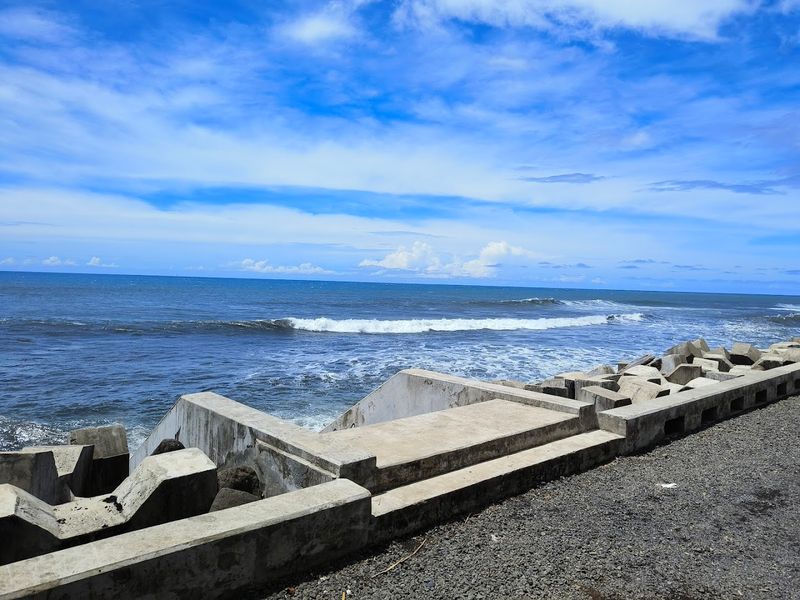
Tahiti tends to get overshadowed by its famous neighbor Bora Bora, but the main island has a raw, powerful beauty all its own — and Papenoo Beach is one of its finest expressions. Stretching along Tahiti’s northern coast at the mouth of the island’s largest river valley, this wide, dark shoreline commands attention the moment it comes into view.
The black sand at Papenoo is coarse and dramatic, deposited over millennia by the Papenoo River as it carries volcanic material down from the island’s rugged interior mountains. The waves here are large and consistent, making the beach a popular spot among experienced surfers seeking uncrowded breaks away from more developed coastal areas.
The backdrop of steep, jungle-covered mountains rising sharply behind the beach creates a sense of being enclosed in a lush, tropical amphitheater.
Papenoo village nearby is a genuine local community rather than a tourist hub, offering an authentic glimpse into everyday Tahitian life. The surrounding Papenoo Valley is one of the most scenic in all of French Polynesia, with hiking trails, waterfalls, and archaeological sites accessible by four-wheel-drive vehicle.
Visiting in the late afternoon, when the mountains cast long shadows across the dark sand and the surf glows golden in the fading light, is an experience that captures the wild, unhurried soul of Tahiti at its very best.
Playa Negra (Costa Rica, Guanacaste)
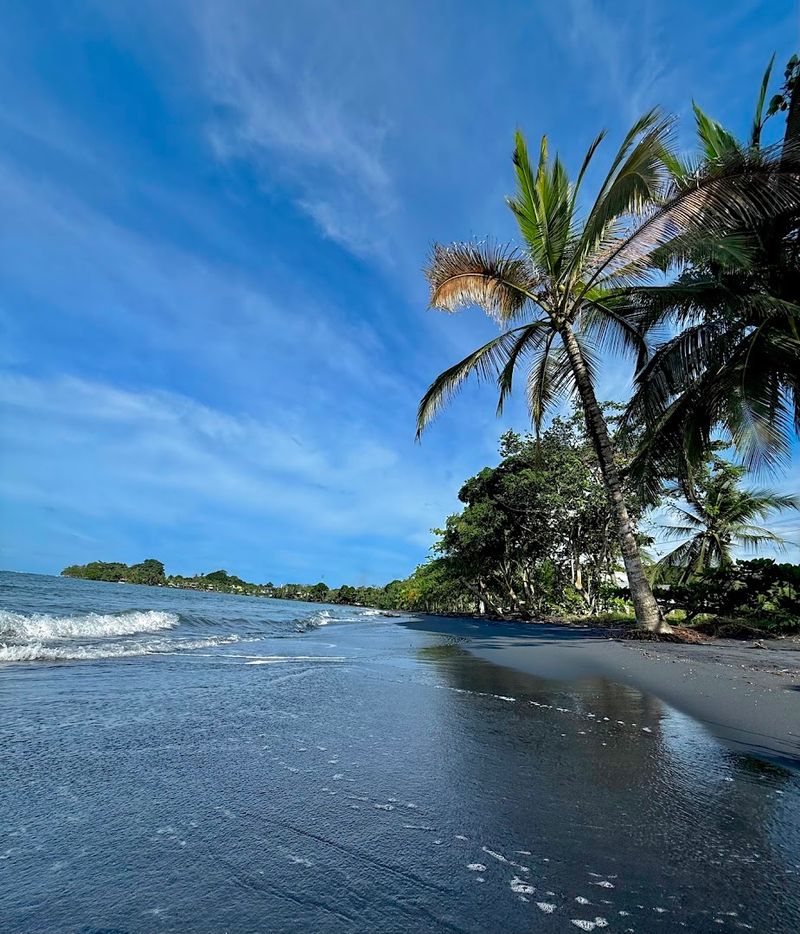
Ask any experienced surfer about Playa Negra in Costa Rica’s Guanacaste province and watch their eyes light up immediately. This legendary black sand beach near the village of Puerto Viejo de Guanacaste — not to be confused with its Caribbean namesake — is home to one of the most celebrated reef breaks in all of Central America.
The volcanic sand here is a deep, rich black, and the beach has a wild, untamed energy that feels refreshingly free of commercialization. Consistent swells roll in from the Pacific year-round, with the best surfing conditions typically occurring between May and November during the rainy season.
Even non-surfers find the spectacle of watching skilled riders carve through powerful waves against a backdrop of dark sand and tropical forest deeply entertaining.
The surrounding Guanacaste region is one of Costa Rica’s most biodiverse areas, with dry tropical forests, wildlife refuges, and active volcanoes all within easy driving distance. Howler monkeys are commonly heard in the trees above the beach at dawn, and iguanas frequently bask on the volcanic rocks at the shoreline.
Nearby Tamarindo and Nosara offer more developed amenities if needed, but Playa Negra itself retains a beautifully raw character. This beach is a genuine surfer’s paradise wrapped in striking volcanic scenery that elevates every visit beyond a simple day at the shore.
Stokksnes Beach (Iceland)
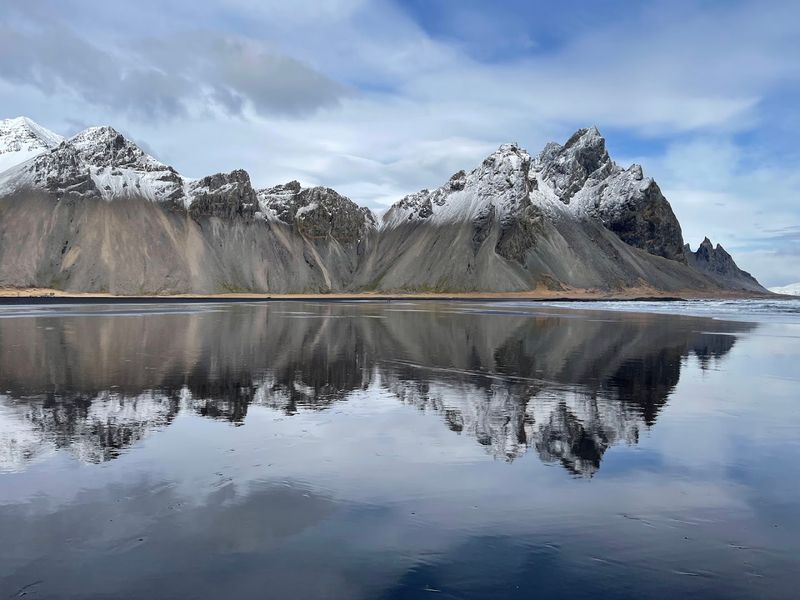
If a landscape could have a cinematic score playing in the background, Stokksnes Beach would have a full orchestra. Located on Iceland’s remote southeastern coast near the town of Hofn, this extraordinary stretch of black sand sits directly beneath the jagged, snow-dusted peaks of Vestrahorn Mountain, creating what many landscape photographers consider the single most dramatic beach composition on Earth.
At low tide, the wet black sand becomes a near-perfect mirror, reflecting the mountain and sky in a way that blurs the line between earth and atmosphere. The beach is part of a private Viking village tourist attraction, which charges a small access fee, but every single króna is worth it the moment Vestrahorn comes into full view.
Golden hour here, especially in summer when the sun dips low but never fully sets, produces images of breathtaking, almost supernatural beauty.
The area around Stokksnes is also part of the broader Vatnajokull National Park region, home to glaciers, ice caves, and puffin colonies that make the surrounding landscape just as rewarding as the beach itself. Temperatures are cold year-round, so layering up is essential regardless of the season.
Swimming is out of the question given the frigid North Atlantic waters, but standing at the edge of that black sand with Vestrahorn towering above is a lifetime memory that no photograph, however perfect, can fully capture.
Share this story