Some countries just have a way of making you feel like you belong the moment you arrive. Whether it’s a stranger offering directions before you even ask, a local inviting you to share a meal, or a community celebration that suddenly includes everyone nearby, friendliness can define an entire travel experience.
Global rankings that measure hospitality look at expat surveys, traveler reviews, and cultural attitudes toward outsiders to find the places where warmth isn’t just polite — it’s a way of life. Here are 15 of the friendliest nations on Earth, each with its own unique brand of welcome.
Indonesia — Welcoming With Community Spirit
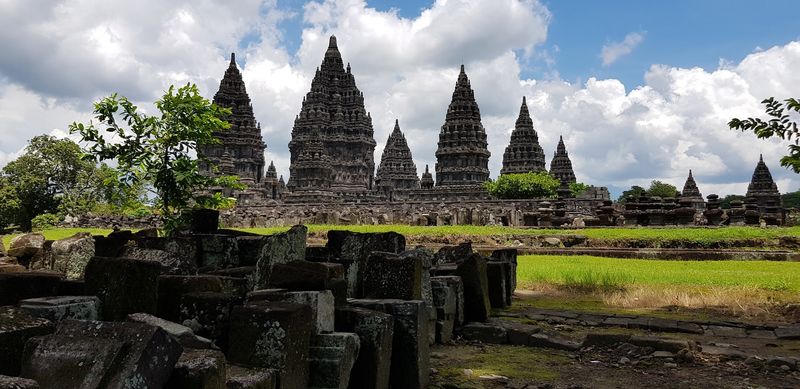
Ask anyone who has visited Indonesia, and the word that comes up most is gotong royong — a deeply rooted cultural value of mutual cooperation that shapes how locals treat everyone, including strangers. This isn’t just a philosophical idea; it plays out in real life every single day.
Neighbors help neighbors, and visitors are folded into that circle almost instantly.
Across the archipelago’s 17,000-plus islands, the hospitality takes on different flavors. In Bali, locals may invite you to witness a temple ceremony.
In Yogyakarta, a street vendor might spend twenty minutes helping you find a landmark — and refuse any tip afterward. The phrase selamat datang, meaning “welcome,” feels genuinely meant every time you hear it.
Indonesia’s diversity makes its friendliness even more impressive. With over 300 ethnic groups and hundreds of regional languages, warmth remains the common thread.
Whether you’re in a bustling Jakarta neighborhood or a quiet Sulawesi fishing village, the welcome is consistent. Travelers regularly rank Indonesia among the top friendliest countries in Asia, and it’s easy to see why once you experience it firsthand.
Colombia — Warm Smiles and Open Hearts
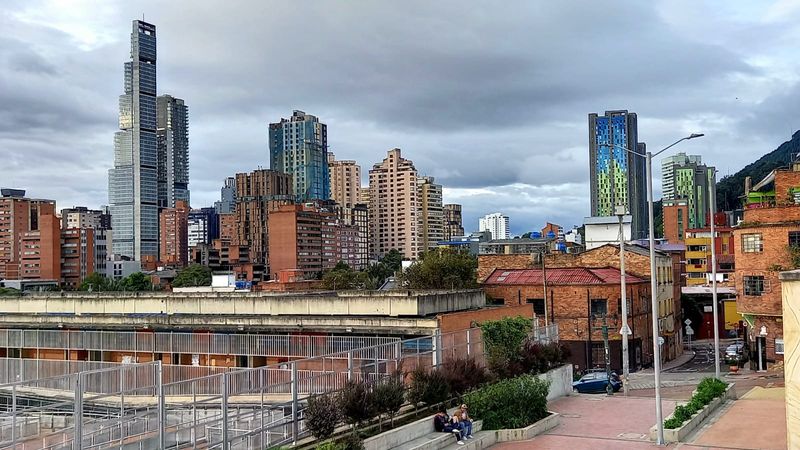
Colombia has one of the most remarkable image transformations in modern travel history. Once known primarily for headlines that travelers feared, it has become one of the most enthusiastically recommended destinations in Latin America — largely because of its people.
Colombians carry an optimism that is genuinely contagious.
Strike up a conversation in Medellín’s El Poblado neighborhood, and you might end up with a full itinerary of local recommendations within minutes. In Cartagena’s walled old city, street musicians, vendors, and families all seem happy to include curious visitors in their daily rhythm.
Locals here take cultural pride seriously, and sharing it with outsiders brings them genuine joy.
Colombians also celebrate enthusiastically, and if you happen to be around during a local festival, don’t be surprised if you’re pulled into the dancing. The country’s vibrant food scene, coffee culture, and neighborhood block parties all become entry points for connection.
Surveys consistently place Colombia near the top for friendliness in the region, and expats who settle there often describe feeling welcomed well beyond the usual tourist experience. The warmth here isn’t performative — it’s simply who Colombians are.
Mexico — Hospitality and Cultural Pride
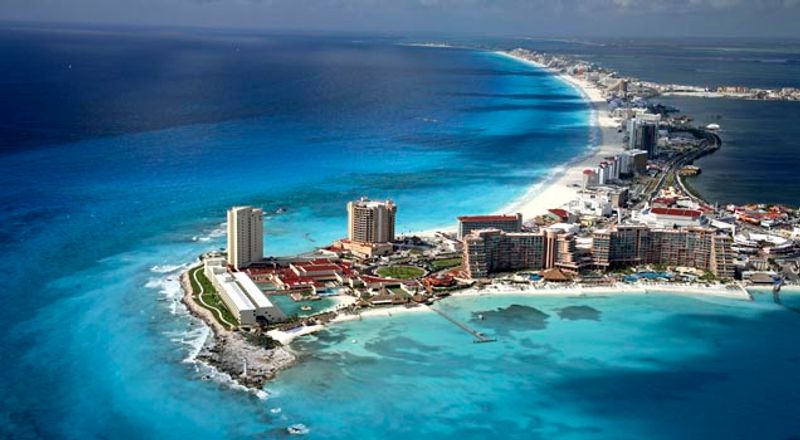
There’s a Spanish word that captures Mexico’s social culture perfectly: simpatía. It refers to a deep cultural emphasis on empathy, harmony, and warmth in everyday interactions — and Mexicans live it fully.
From the moment you step into a family-run taqueria or wander through a local mercado, you’ll notice how naturally welcoming the atmosphere feels.
Market vendors will explain ingredients with enthusiasm. Hotel staff in small towns will go far beyond their job description to help.
Strangers on the street will give directions with hand gestures, detailed landmarks, and a smile. This kind of effortless hospitality makes Mexico one of the most beloved destinations in the world, year after year.
Cultural pride plays a huge role in Mexican friendliness. Locals love sharing their history, food, music, and traditions — and visitors who show genuine curiosity are met with even greater warmth.
Whether you’re standing at the foot of ancient pyramids in Teotihuacan or sipping mezcal in a Oaxacan courtyard, you’ll feel that connection. Mexico draws over 40 million international tourists annually, and many return not just for the scenery but for the people who made them feel so completely at home.
Philippines — English-Friendly and Joyful
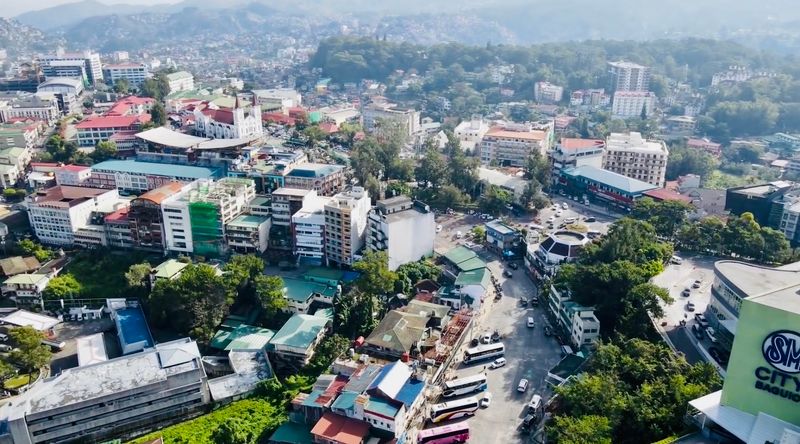
Joy seems to be the Philippines’ default setting. Across more than 7,600 islands, you’ll find a population that approaches life — and visitors — with an open-hearted enthusiasm that’s hard to match anywhere else in Southeast Asia.
The country’s high English proficiency makes connection easy, removing one of the biggest barriers that travelers face in other destinations.
Filipino hospitality has a name: malasakit, which roughly translates to genuine care and concern for others. It shows up everywhere — in the driver who memorizes your destination, the guesthouse owner who cooks breakfast before you even asked, and the teenager who offers to walk you to the right bus stop.
None of it feels transactional. It feels human.
Festivals are another window into Filipino warmth. Events like the Sinulog Festival in Cebu or Panagbenga in Baguio draw locals and travelers together in colorful, communal celebration.
Visitors often say they arrived expecting beautiful beaches and left talking about the people. The Philippines ranks consistently high in expat-friendliness surveys, and the reason is simple: Filipinos genuinely enjoy meeting new people and making sure every guest leaves with a good story to tell.
Brazil — Vibrant People and Warm Welcome
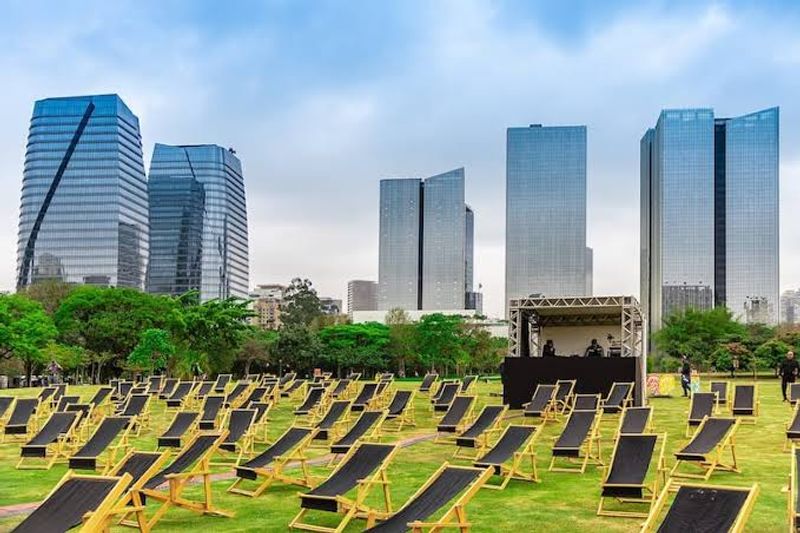
Brazil operates at a social frequency all its own. The country’s culture is built around connection — shared meals, music-filled evenings, beach conversations that stretch for hours, and a general openness to including whoever shows up.
Brazilians don’t really do small talk; they go straight to the kind of conversation that makes you feel like you’ve known someone for years.
Coastal cities like Rio de Janeiro and Salvador are especially known for this energy. On Ipanema Beach, strangers share sunscreen and football games without a second thought.
In Salvador’s historic Pelourinho district, locals will stop mid-walk to explain the history of a building or recommend a place for acarajé that only neighborhood people know about.
Brazil’s famous festivity culture — Carnival being the most iconic example — reflects something real about its social spirit. Celebrations here aren’t exclusive; they expand to include whoever is nearby.
Language can occasionally be a barrier since Portuguese dominates, but Brazilians are remarkably patient and creative with communication. Gestures, laughter, and enthusiasm fill the gap.
Travelers who visit Brazil often report that despite any logistical challenges, the people made every moment worth it — and then some.
Panama — Central American Open Arms
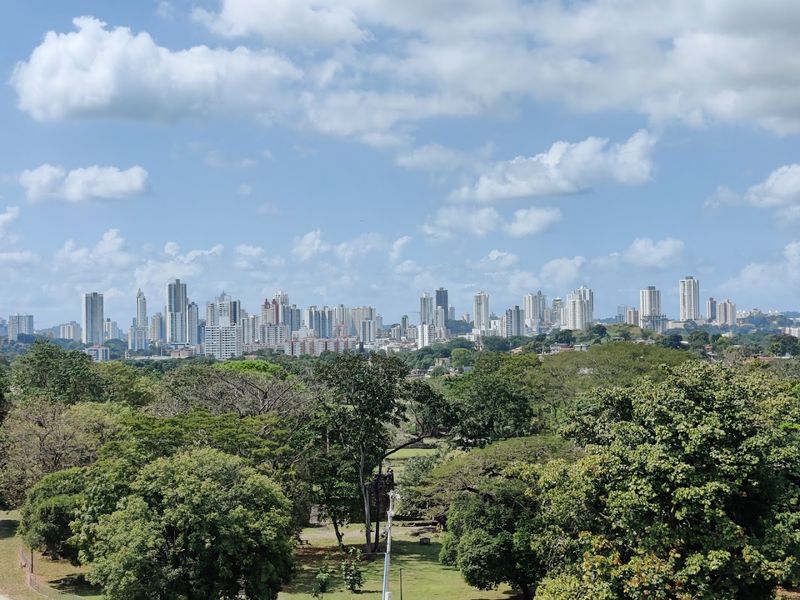
Panama punches well above its weight when it comes to friendliness. This small Central American nation consistently ranks near the top of expat happiness surveys, with newcomers frequently citing how easy it is to feel genuinely welcomed — not just tolerated.
The country’s long history as a crossroads of global trade has shaped a population that’s naturally comfortable with outsiders.
Panama City blends old and new in a way that reflects its open character. In the cobblestone streets of Casco Viejo, locals are happy to share neighborhood history or point you toward a hidden rooftop bar.
In the highland town of Boquete, expat communities and Panamanian families mix comfortably at weekend farmers’ markets. That ease of integration is rare and deeply appealing.
Outside the capital, rural communities offer a different but equally warm kind of welcome. Indigenous groups like the Emberá invite visitors into their villages with cultural pride and genuine curiosity about where guests come from.
Panama’s bilingual population in many tourist areas makes communication smooth, and locals tend to appreciate travelers who make even a small effort to learn Spanish phrases. Friendliness here feels structural — built into the culture from the ground up.
Thailand — The “Land of Smiles”
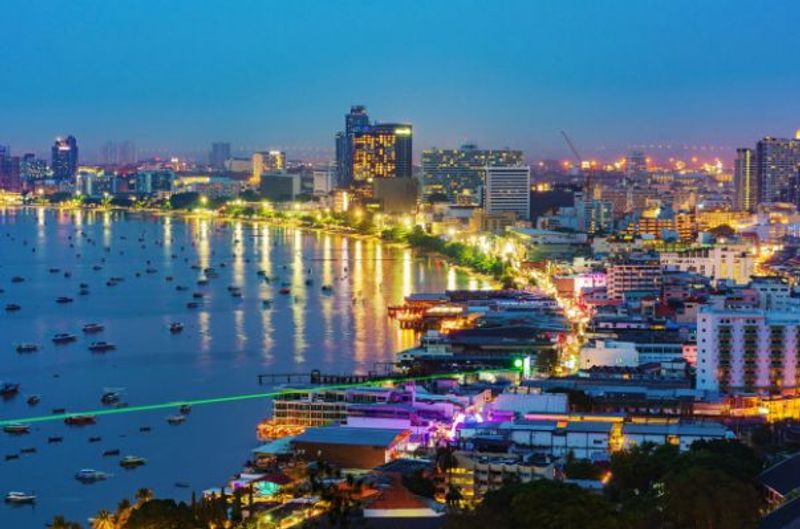
Thailand didn’t earn the nickname “Land of Smiles” through marketing — it earned it through millions of genuine interactions between locals and visitors over decades of tourism. The Thai smile is culturally significant, used to express welcome, ease tension, show appreciation, and communicate kindness all at once.
It’s one of the most universally recognized symbols of hospitality in the world.
Buddhist values of compassion and non-confrontation run deep in Thai culture, and they shape how locals engage with strangers. In Bangkok’s chaotic street markets, vendors are patient and cheerful.
In Chiang Mai’s temple districts, monks will pause to chat with curious tourists. Even in remote northern hill tribe villages, the welcome is unmistakable — warm, calm, and sincere.
Thailand also makes practical friendliness easy. English signage is widespread, transportation apps work well, and locals in tourist areas have developed a genuine knack for anticipating what visitors need.
That said, the friendliness isn’t reserved for tourist zones. Step into a local neighborhood market or a family-run noodle shop, and the same warmth applies.
Travelers often describe Thailand as the place where they felt most at ease in a foreign country — and that comfort comes entirely from the people.
Kenya — Africa’s Hospitable Heart
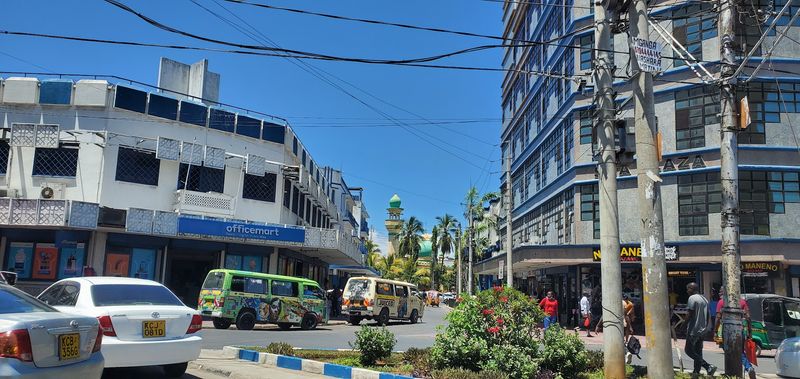
Kenya topped a major TripAdvisor travelers’ choice ranking as the single friendliest country in the world — and anyone who has visited will tell you that result makes complete sense. From the moment you land in Nairobi, there’s an energy of pride and openness that sets the tone for everything that follows.
Kenyans genuinely enjoy sharing their country with the world.
Safari experiences in the Maasai Mara go far beyond wildlife spotting. Guides bring deep personal knowledge, storytelling, and humor to every game drive.
Maasai community visits offer an intimate window into cultural traditions, and the welcome extended to guests is both formal and heartfelt. In coastal Mombasa, Swahili hospitality adds another layer — the phrase karibu, meaning “welcome,” is used constantly and always sounds like it means it.
Urban Nairobi has its own brand of friendliness — fast-paced but inclusive. Coffee shops, co-working spaces, and creative hubs buzz with conversations that easily include newcomers.
Kenyans are proud of their country’s natural beauty, diverse cultures, and rapid development, and they love talking about all of it. Whether you’re on a budget backpacker trip or a luxury safari, the human connection you find in Kenya tends to be the highlight that travelers talk about longest.
Costa Rica — Pura Vida Warmth
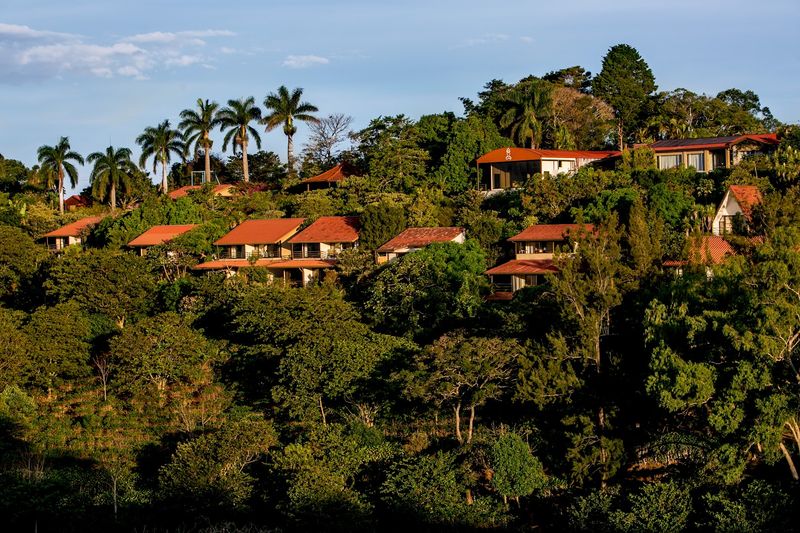
Two words define Costa Rica’s entire cultural attitude: pura vida. Translated literally as “pure life,” the phrase is used as a greeting, a farewell, an expression of gratitude, and a general philosophy of living well without unnecessary stress.
It’s not a tourism slogan — it’s how people actually talk and think here, every single day.
Costa Ricans, known affectionately as Ticos, bring that relaxed warmth into every interaction. Ask for directions and you’ll get a conversation.
Visit a small-town soda (local diner) and the owner might sit down to recommend what to order. Expats who have settled in Costa Rica consistently report that integration into local communities happens faster and more naturally than in almost any other country they considered.
The country’s commitment to environmental conservation also reflects a kind of collective generosity — Ticos take pride in protecting the natural world they’re sharing with visitors. Over 25% of Costa Rica’s land is protected national park territory, and locals will enthusiastically help you experience it responsibly.
From cloud forests to Pacific beaches, the friendliness of the people matches the beauty of the landscape. Costa Rica doesn’t just welcome you — it makes you want to stay.
Portugal — Western Europe’s Warm Embrace
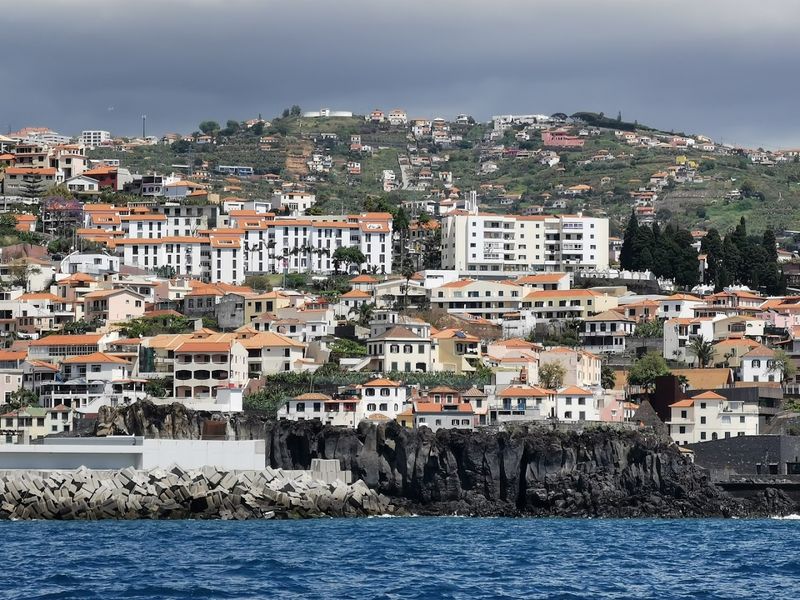
Portugal has quietly become one of Europe’s most beloved destinations — not just for its dramatic coastlines and golden-hour plazas, but for the people who fill them. The Portuguese have a word, saudade, that describes a bittersweet longing for connection and beauty.
That emotional depth shows up in how they treat guests: thoughtfully, warmly, and without rush.
Lisbon’s neighborhoods each have their own personality, but the hospitality is consistent across all of them. In Alfama, elderly residents will lean out of windows and greet passersby.
In the Bairro Alto, bar owners remember your name by the second visit. In smaller cities like Évora or Braga, the pace slows further and the welcome deepens — locals have more time and seem genuinely happy to share it.
Portugal also scores high on practical friendliness. English proficiency is strong, especially among younger generations, so language barriers rarely become real obstacles.
Locals tend to be patient with tourists who are figuring things out and genuinely happy when visitors show interest in Portuguese food, history, or music. Fado performances, wine tastings, and pastel de nata conversations all become natural entry points for connection.
Portugal doesn’t need to try hard to be welcoming — it just is.
Ireland — Pub Culture & Genuine Kindness
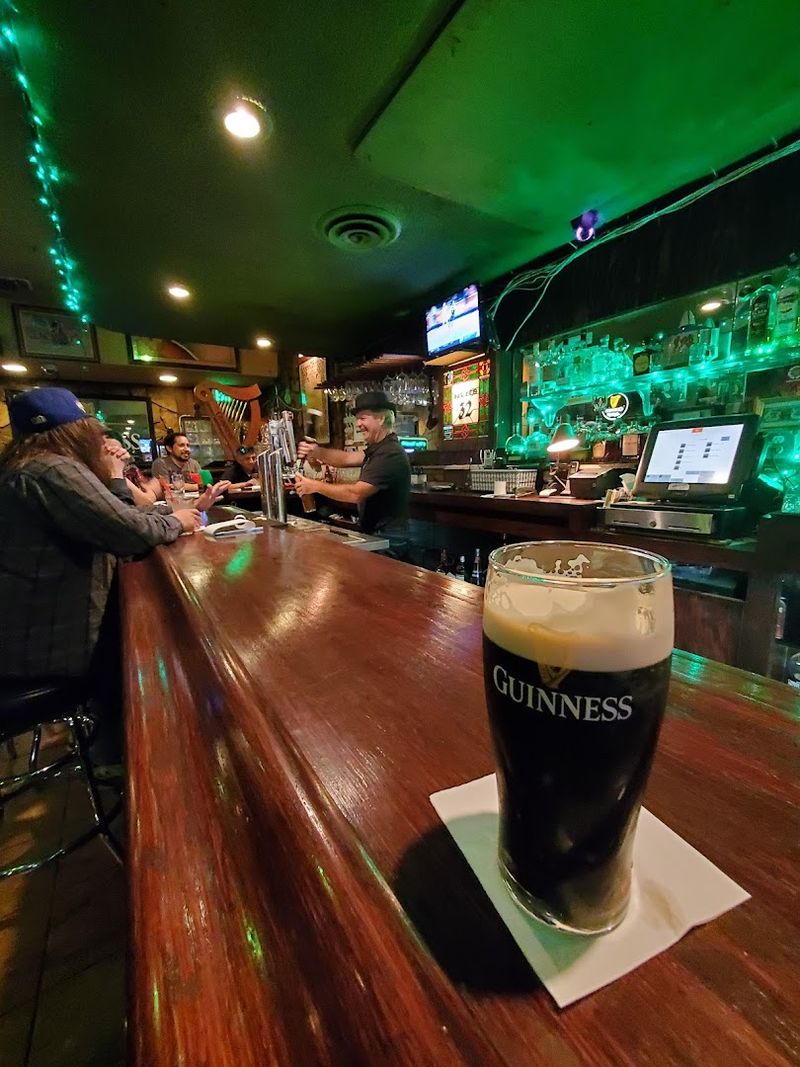
Walk into almost any pub in Ireland and within ten minutes, a local will have asked where you’re from, offered an opinion on the weather, made a joke at their own expense, and recommended a dish you absolutely must try before you leave. Irish friendliness is famous worldwide, and unlike many famous things, it fully lives up to the reputation.
The pub culture is genuinely central to this. Irish pubs aren’t just places to drink — they’re community living rooms where people of all ages gather to talk, argue, laugh, and listen to live music.
Travelers who walk in alone rarely stay alone for long. The conversational culture here is warm, witty, and surprisingly deep.
Irish people love a good story and are equally happy to hear yours.
Beyond the pubs, rural Ireland adds another dimension of kindness. Small towns in counties like Clare, Kerry, and Galway maintain a community spirit where strangers are noticed and welcomed rather than ignored.
Locals will stop their cars to help if you look lost. Shopkeepers ask about your trip.
Bed-and-breakfast owners send you off with a full breakfast and packed lunch advice. Ireland’s friendliness isn’t a tourist feature — it’s a cultural identity that has persisted for generations and shows no signs of fading.
Canada — Polite and Helpful Everywhere
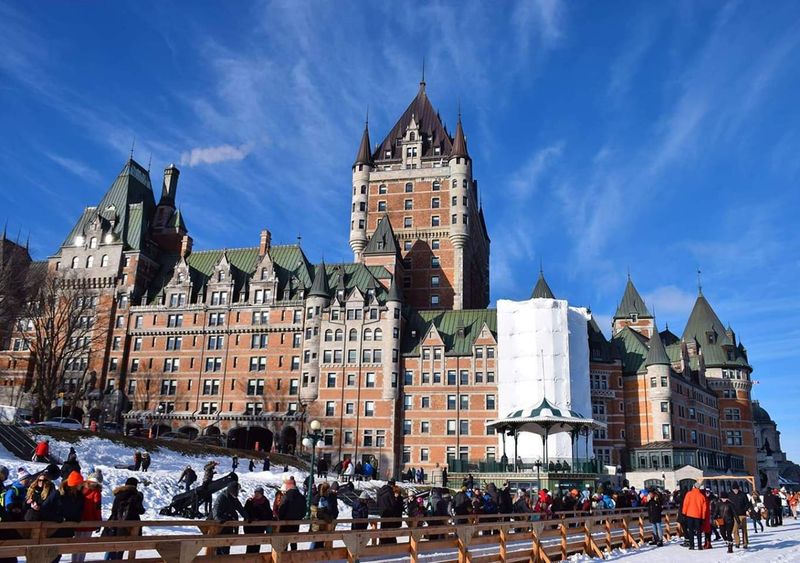
The stereotype of the apologetic, endlessly polite Canadian exists for a reason — and that reason is that it’s largely true. Canada has built a national identity around inclusion, multiculturalism, and community support, and those values filter down into how ordinary people treat strangers every single day.
Visitors often remark that Canadian politeness feels less like a social performance and more like a genuine default setting.
Toronto, Vancouver, and Montreal are among the most culturally diverse cities in the world, and that diversity has created social environments where different backgrounds are not just tolerated but actively celebrated. Newcomers rarely feel like outsiders for long.
Community events, neighborhood festivals, and public spaces are designed to bring people together, and locals lean into that design enthusiastically.
Outside the major cities, small-town Canada offers its own brand of warmth. Drive through the Maritimes or the prairies and you’ll encounter a hospitality that’s quieter but equally sincere — neighbors who wave, diners where the server knows your order before you sit down, and communities that rally around anyone who needs help.
Canada also ranks consistently high in global safety and quality-of-life indexes, which creates an atmosphere where people feel secure enough to be generous. That security and generosity together make Canada one of the world’s most reliably welcoming places.
Vietnam — Humble Hospitality in Asia

Vietnam’s friendliness has a particular quality that travelers consistently describe as humble — not performative, not transactional, just genuinely human. The country has seen extraordinary change over the past few decades, rapidly modernizing while somehow holding onto a social warmth that faster-moving nations often lose along the way.
That balance is remarkable.
Street food culture is one of Vietnam’s most natural entry points for connection. Sit down at a plastic stool in Hanoi’s Old Quarter and the vendor will communicate everything you need to know through gestures, laughter, and the occasional phone translation app.
In Hoi An’s lantern-lit lanes, shopkeepers chat about their families as easily as they discuss their products. In Ho Chi Minh City, the energy is faster but the openness remains — locals are curious about visitors and unafraid to show it.
Vietnamese hospitality is also deeply rooted in respect for guests, a value embedded in the country’s Confucian cultural heritage. Elders will insist you eat more.
Hosts will refuse payment for small kindnesses. Young people practicing English will approach travelers specifically to connect, turning a brief exchange into a memorable conversation.
Vietnam’s tourism industry has grown rapidly, but the country’s core friendliness hasn’t been commercialized away. The genuine warmth you find here is one of Southeast Asia’s most enduring travel rewards.
Share this story