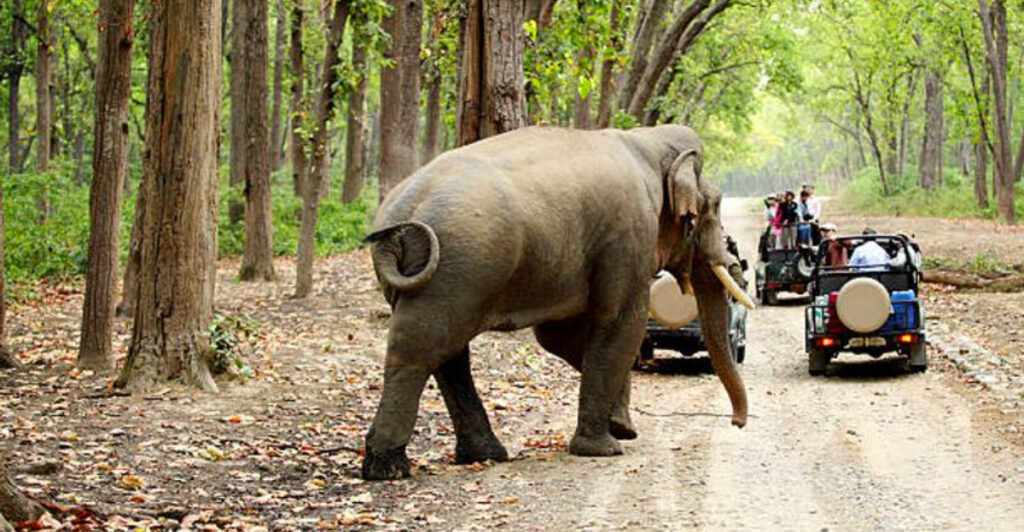
Some countries have one or two famous national parks, but a handful of nations have built entire networks of protected wild spaces that stretch across continents, islands, and ocean floors. These parks are more than just pretty scenery — they protect endangered animals, store carbon, filter water, and give millions of people a place to reconnect with nature.
From Australia’s red deserts to Finland’s glowing midnight skies, the countries on this list have made protecting the wild a national priority. Get ready to explore the most park-rich nations on Earth and discover what makes each one truly remarkable.
Australia — A Landscape of Diversity and Wilderness
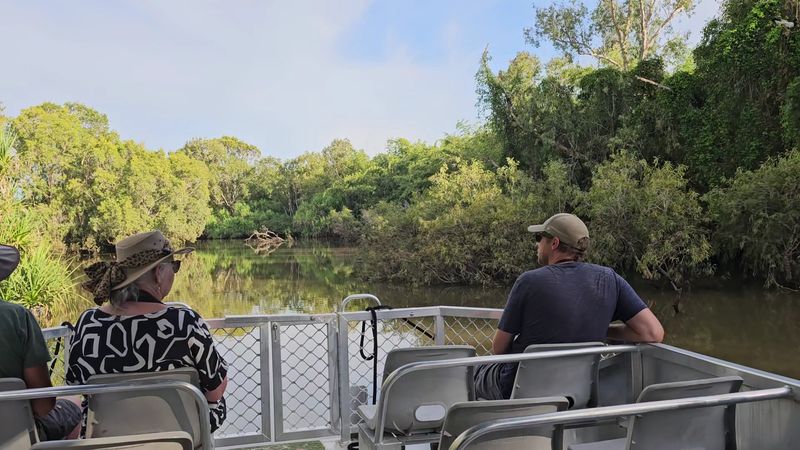
No country on Earth comes close to Australia when it comes to sheer national park numbers — with around 685 parks, it absolutely dominates the global list. That staggering count reflects just how seriously Australians take protecting their wild spaces, from sun-scorched outback deserts to lush tropical rainforests dripping with moisture.
Famous parks like Kakadu, Daintree, and Uluru-Kata Tjuta each tell a different story about the continent’s ancient landscapes and rich Indigenous heritage. Kakadu alone covers nearly 20,000 square kilometers and shelters saltwater crocodiles, jabiru storks, and rock art dating back tens of thousands of years.
Australia’s unique wildlife — kangaroos, koalas, wombats, and the bizarre platypus — owes much of its survival to these protected spaces. Both federal and state governments manage the parks, creating a layered system that balances tourism with serious ecological care.
Whether you are exploring coral reefs in the Great Barrier Reef Marine Park or hiking alpine trails in Kosciuszko, Australia’s parks offer wild adventures unlike anywhere else on the planet.
Thailand — Southeast Asia’s Ecological Champion
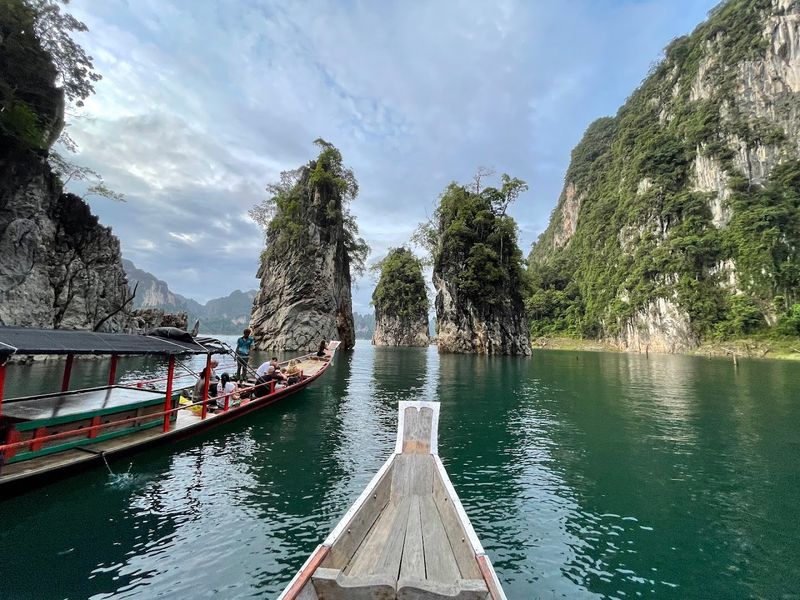
Imagine floating through emerald-green water surrounded by towering limestone cliffs draped in jungle — that is just a Tuesday inside one of Thailand’s 150-plus national parks. Thailand has quietly built one of Southeast Asia’s most impressive protected area networks, covering tropical forests, island archipelagos, and coral reef systems that burst with color.
Khao Sok National Park hides ancient rainforest that predates even the Amazon, while Mu Ko Similan offers some of the clearest dive sites in all of Asia. These parks are not just tourist magnets — they are critical refuges for Asian elephants, clouded leopards, hornbills, and gibbons that would otherwise have nowhere left to go.
Thailand’s marine parks deserve special recognition for protecting reef ecosystems under constant pressure from climate change and fishing. The government has periodically closed popular beaches and dive sites to allow ecosystems to recover, showing real commitment beyond just putting up a sign.
For backpackers, wildlife lovers, and underwater explorers alike, Thailand’s park network offers an extraordinary mix of adventure and genuine conservation purpose that few countries in the region can match.
India — Guardians of Iconic Wildlife
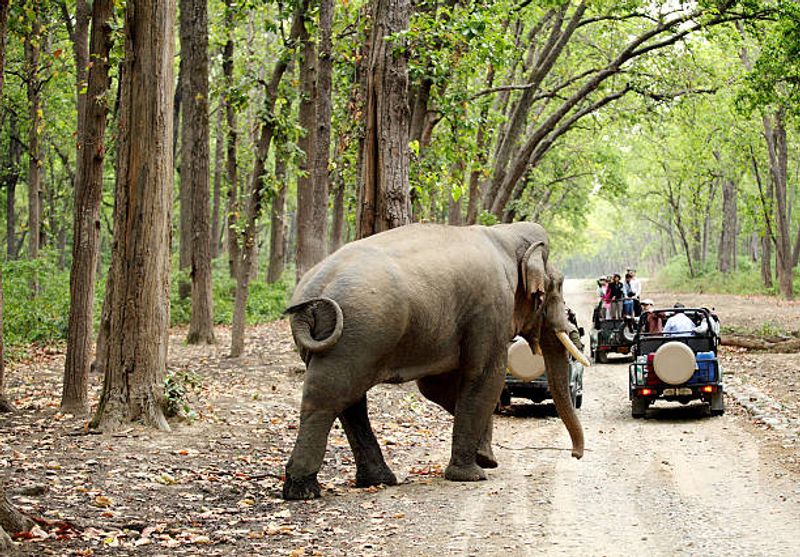
India is home to some of the most thrilling wildlife encounters on the planet, and its 100-plus national parks are the reason many of those animals still exist. Bengal tigers, one-horned rhinoceroses, Asian elephants, and snow leopards all find refuge within India’s sprawling network of protected lands that span wildly different ecosystems.
Jim Corbett, established in 1936, holds the title of India’s oldest national park and was the birthplace of Project Tiger — a bold conservation push that pulled Bengal tigers back from the edge of extinction. Kaziranga in Assam shelters the world’s largest population of Indian one-horned rhinos, packed into a relatively small floodplain that floods dramatically every monsoon season.
Ranthambore in Rajasthan is perhaps India’s most photogenic park, where tigers roam among ancient ruins and dry forests that look straight out of a storybook. India’s parks face real challenges — human-wildlife conflict, poaching pressure, and habitat loss — but the country’s commitment to expanding its protected areas continues to grow.
For wildlife enthusiasts, India’s parks offer some of the most raw and unforgettable animal sightings anywhere on Earth.
Brazil — Amazon’s Protector
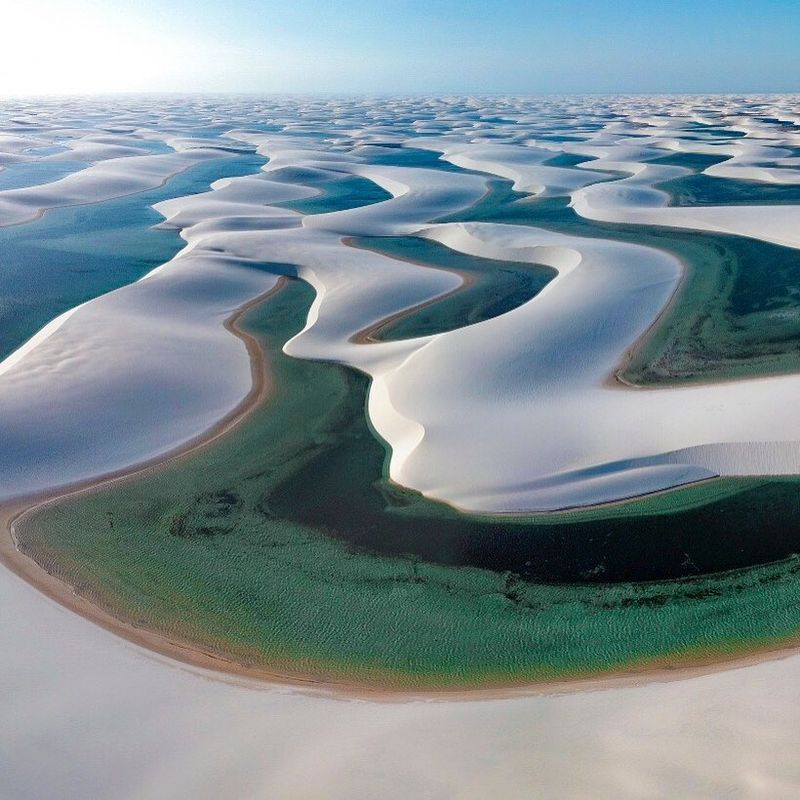
Brazil holds something the rest of the world desperately needs — enormous stretches of living, breathing rainforest, and about 75 national parks doing their best to keep it that way. The Amazon rainforest alone produces roughly 20 percent of the world’s oxygen, and Brazil’s protected areas act as a shield against the deforestation that constantly threatens its edges.
Parks like Amazonia National Park cover jaw-dropping expanses of jungle teeming with jaguars, pink river dolphins, poison dart frogs, and more bird species than most countries have in their entire territory. But Brazil’s park system is not just about the Amazon — the Pantanal, the world’s largest tropical wetland, gets protection too, along with coastal treasures like Iguacu National Park and its thundering waterfall system.
Lencois Maranhenses is perhaps Brazil’s most surreal park, where vast white sand dunes fill with crystal-clear lagoons during the rainy season, creating a landscape that looks completely impossible. Brazil’s parks face ongoing political pressure and budget cuts, making international conservation support more important than ever.
Despite the challenges, these protected areas remain some of the most biodiverse and ecologically critical places left on the planet.
Mexico — Biodiversity in Every Climate
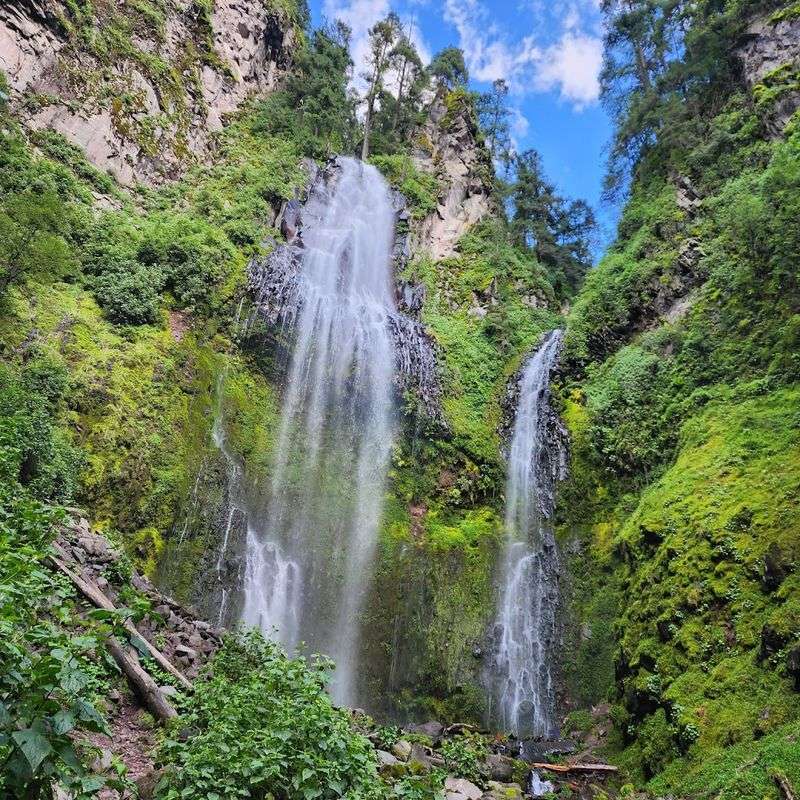
Mexico might be famous for tacos and ancient pyramids, but its roughly 67 national parks reveal a country of staggering natural variety that most travelers never fully explore. Sitting at the crossroads of North and Central America, Mexico blends deserts, tropical jungles, alpine forests, and marine environments into one wildly diverse nation.
Cabo Pulmo National Marine Park off the Baja Peninsula is considered one of the most successful marine conservation stories in the world. Once overfished and nearly dead, the reef has recovered so dramatically since gaining protection in 1995 that fish biomass increased by 460 percent — a genuine conservation miracle worth celebrating loudly.
Inland, parks like El Tepozteco protect ancient ruins nestled among forested mountains, while Copper Canyon — though technically a protected zone rather than a traditional park — offers scenery that rivals the Grand Canyon in scale and drama. Mexico’s parks also shelter monarch butterfly migration corridors, sea turtle nesting beaches, and cloud forests thick with orchids and rare birds.
The country’s park system reflects a rich blend of natural heritage and ecological ambition that deserves far more global recognition than it typically receives.
Russia — Vast Frontiers of Nature

Russia is so enormous that its national parks could swallow entire countries whole without breaking a sweat. Stretching across 11 time zones, Russia protects Arctic tundras, vast boreal forests, volcanic landscapes in Kamchatka, and remote mountain ranges through a network of over 60 national parks and additional strict nature reserves called zapovedniks.
The Russian Far East is where things get truly wild — Sikhote-Alin Biosphere Reserve shelters the critically endangered Amur leopard, of which fewer than 100 exist in the wild. Kamchatka’s Valley of Geysers looks like something from another planet, with steaming vents, bubbling mud pools, and brown bears fishing for salmon in crystal rivers.
It is genuinely one of the most dramatic landscapes on Earth.
Lake Baikal, the world’s deepest and oldest freshwater lake, sits at the heart of a protected zone that safeguards a unique ecosystem found absolutely nowhere else. Russia’s sheer geographic scale means its parks protect a remarkable range of biomes that collectively store massive amounts of carbon and support species that have vanished from most of the rest of the world.
Visiting these parks is not easy, but for those who manage it, the rewards are extraordinary.
United States — The Birthplace of the Modern National Park Movement
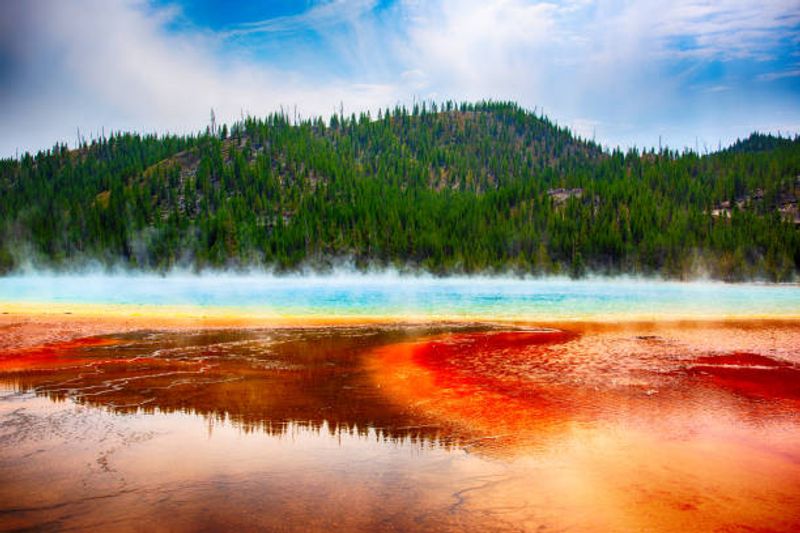
Here is a fun piece of history — in 1872, the United States did something no country had ever done before: it set aside Yellowstone as the world’s first national park, essentially inventing the concept that wild places deserve permanent protection. That single bold decision sparked a global movement that now protects millions of square miles across every continent.
Today the U.S. manages 63 designated national parks under the National Park Service, and each one feels like its own world. Yellowstone has geysers and bison herds.
The Grand Canyon drops over a mile deep into layered ancient rock. Yosemite’s granite walls have inspired artists and climbers for generations.
Great Smoky Mountains welcomes more visitors annually than any other park on the list.
Beyond the famous names, lesser-known gems like Isle Royale, Congaree, and Great Basin offer solitude and raw beauty without the crowds. The U.S. park system faces real funding challenges and growing visitor pressure, but public support for protecting these lands remains strong.
For many Americans, visiting a national park is practically a rite of passage — and for international travelers, the parks consistently rank among the top reasons to visit the country at all.
Colombia — Andean Peaks to Caribbean Shores
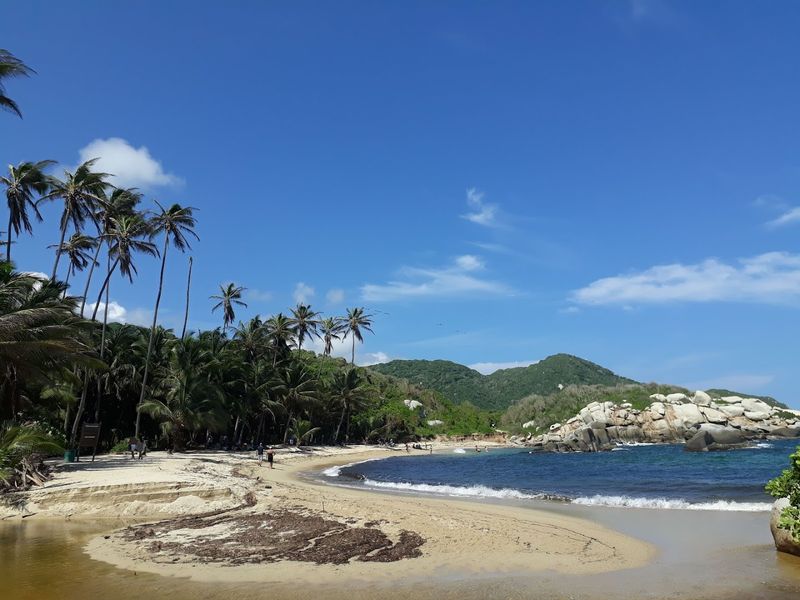
Colombia used to be better known for conflict than conservation, but its roughly 60 national parks tell a completely different story — one of extraordinary biodiversity and genuine environmental ambition. Sitting where the Andes meet the Amazon and the Caribbean coast, Colombia packs more ecosystems into its borders than almost any country its size.
Tayrona National Park on the Caribbean coast is the kind of place that makes you question why you ever bothered with crowded beach resorts. Jungle-backed coves, ancient Tayrona ruins, and coral reefs all exist within the same park boundary, creating a mix of natural and cultural wonder that is hard to beat.
Meanwhile, El Cocuy National Park in the Andes offers glacier-capped peaks and high-altitude hiking that rivals anything in Patagonia.
Colombia is also the world’s most bird-rich country, and its parks protect a huge chunk of those roughly 1,900 species. Jaguars, spectacled bears, tapirs, and pink river dolphins all find refuge within the park network.
The country has invested heavily in ecotourism as a path toward sustainable development, turning its parks into economic assets that local communities genuinely want to protect. Colombia’s conservation story is one of the most exciting on this entire list.
Indonesia — Tropical Islands of Wonder
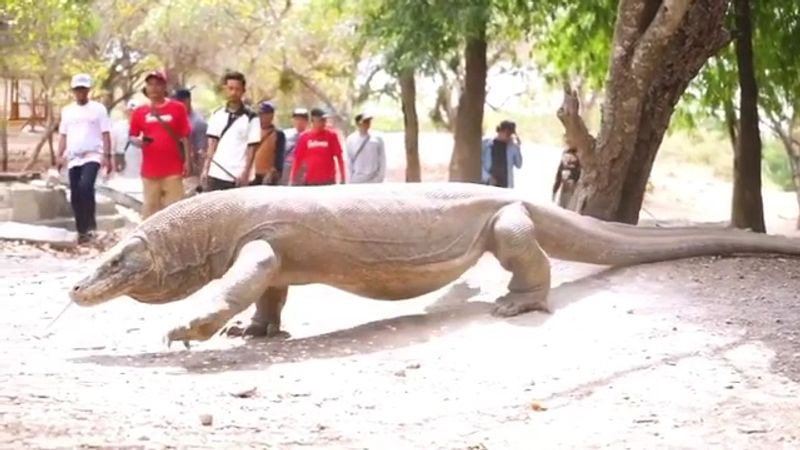
Picture roughly 17,000 islands scattered across the equator, many of them draped in dense rainforest, ringed by coral reefs, and home to creatures found nowhere else on Earth — that is Indonesia, and its 55-plus national parks barely scratch the surface of what this archipelago nation contains. Indonesia sits at the heart of the Coral Triangle, the most biodiverse marine region on the planet.
Komodo National Park is the showstopper, home to the Komodo dragon — the world’s largest living lizard, which can grow over three meters long and has a venomous bite to match its terrifying reputation. But Indonesia’s parks go well beyond prehistoric reptiles.
Gunung Leuser in Sumatra shelters critically endangered Sumatran orangutans, tigers, elephants, and rhinos all sharing the same forest — a concentration of threatened species that is almost unbelievable.
Lorentz National Park in Papua is one of the largest protected areas in Asia-Pacific and contains the only tropical glacier in the Asia-Pacific region, sitting high in the Jayawijaya Mountains. Indonesia’s parks face enormous pressure from palm oil expansion and illegal logging, making their protection increasingly urgent.
Each park that survives represents a genuine victory for global biodiversity in one of the most ecologically important nations on Earth.
Canada — Pristine Wilderness Across the North
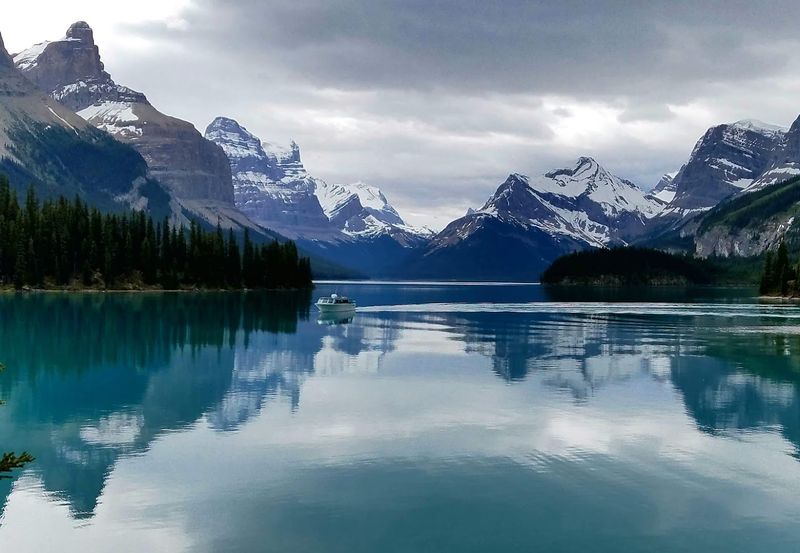
Canada has a reputation for being politely excellent at most things, and its more than 40 national parks are no exception — they are genuinely world-class. Covering forests, mountains, Arctic islands, and coastlines, Canada’s park system protects some of the last truly untouched wilderness remaining in the Northern Hemisphere.
Banff National Park, established in 1885, was Canada’s first and remains its most visited, drawing millions each year to turquoise lakes, glacier-carved valleys, and elk wandering casually through mountain towns. Jasper, just north of Banff, offers a wilder, less crowded version of the same dramatic Rocky Mountain scenery.
Wood Buffalo National Park — larger than Switzerland — protects the world’s largest free-roaming bison herd and a critical whooping crane nesting habitat.
Canada’s northern parks are among the most remote places on Earth. Auyuittuq on Baffin Island and Aulavik on Banks Island see fewer than a few hundred visitors per year, offering a rare kind of true wilderness that has almost vanished elsewhere.
Canada’s Indigenous communities play an increasingly important role in co-managing these lands, blending traditional knowledge with modern conservation science. The result is a park system that feels both ancient and forward-thinking at the same time.
Turkey — Eurasian Natural Heritage
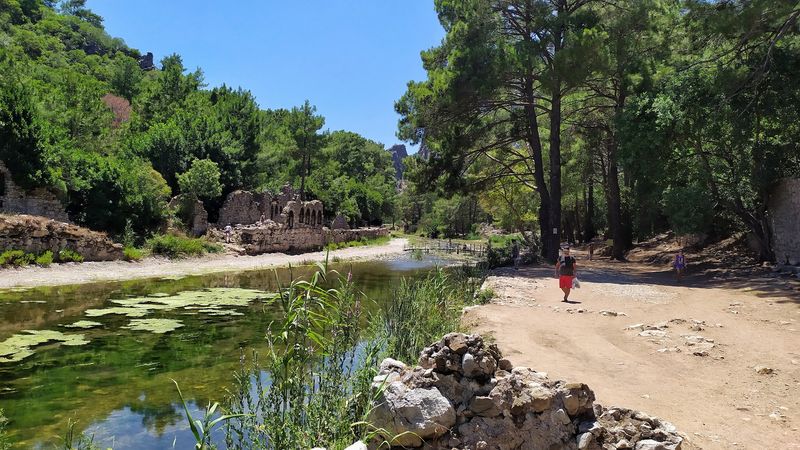
Straddling two continents and sitting at the crossroads of European and Asian ecosystems, Turkey’s approximately 50 national parks protect a surprisingly rich range of landscapes that most international travelers completely overlook. From Mediterranean pine forests to volcanic plateaus and rugged Black Sea mountains, Turkey’s natural diversity is genuinely impressive.
Koprulu Canyon National Park in southern Turkey is the kind of place that turns casual hikers into lifelong adventure seekers. Crystal-clear rivers rush through ancient canyon walls, offering some of the best white-water rafting in the Mediterranean region alongside Roman-era aqueducts hiding in the forest.
It is wild history and wild nature packaged together in one spectacular place.
Kackar Mountains National Park in the northeast protects alpine meadows, glacial lakes, and rare endemic plant species found nowhere else on the planet. Turkey also shelters important wetland parks along its coast that serve as critical stopover points for millions of migratory birds traveling between Africa and Europe each year.
The country’s park system is not just about scenery — it actively preserves cultural landscapes and archaeological sites alongside natural ones, creating a conservation model that acknowledges humans have always been part of the environment. Turkey’s parks deserve far wider recognition on the global conservation stage.
Argentina — Patagonian Heights and Subtropical Forests
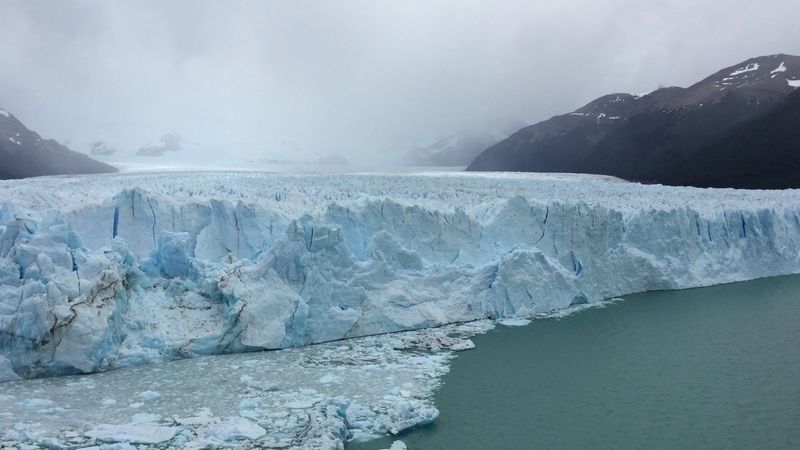
Few countries on Earth can claim scenery as jaw-dropping as Argentina’s, and its 30-plus national parks preserve everything from crackling blue glaciers to subtropical waterfalls and windswept Patagonian plains. Argentina stretches from the steamy northeast all the way to the frigid tip of South America, and its parks mirror that extraordinary geographic range.
Los Glaciares National Park in Patagonia is the crown jewel, home to the Perito Moreno Glacier — one of the few glaciers in the world that is not retreating. Watching a massive chunk of blue ice crash into Lago Argentino with a sound like a cannon shot is one of those travel experiences that sticks with you permanently.
It earned UNESCO World Heritage status for very good reason.
Iguazu National Park on the Brazilian border protects the famous Iguazu Falls, a thundering curtain of water spread across nearly three kilometers of cliff that makes Niagara look modest by comparison. In the north, Calilegua National Park shelters cloud forests rich with toucans, tapirs, and jaguars.
Argentina’s park system is a genuine conservation achievement, protecting landscapes that range from ice to jungle within a single country’s borders. For outdoor lovers, Argentina is essentially a greatest-hits album of natural wonders.
Finland — Nordic Wilderness & Midnight Sun
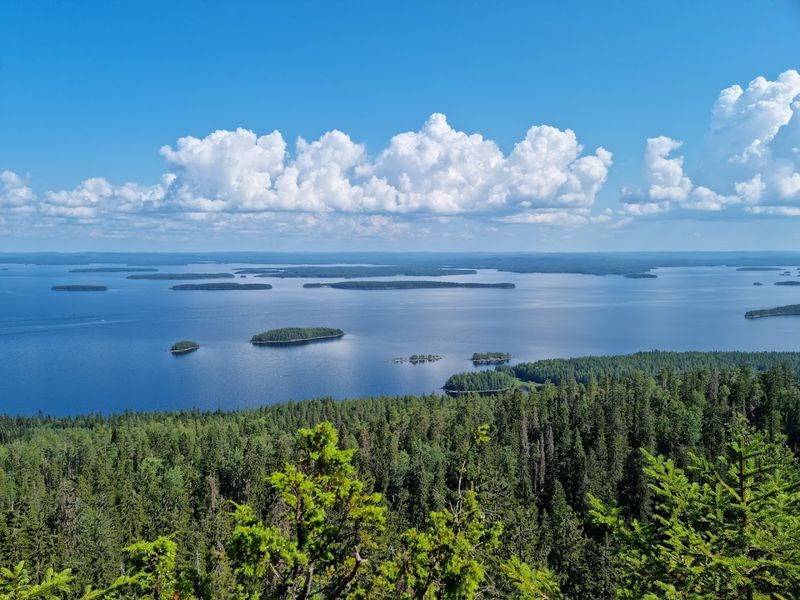
There is something quietly magical about Finland’s national parks — they do not shout for attention the way dramatic mountain ranges or tropical jungles do, but spend a single evening watching the midnight sun glow over a mirror-calm lake, and you will understand immediately why Finns are deeply devoted to their wild spaces. Finland’s 40-plus national parks protect boreal forests, ancient peatlands, and pristine lake systems that define Nordic life.
Nuuksio National Park sits just 35 kilometers from central Helsinki, making it one of the most accessible wilderness escapes attached to a European capital city. Families hike its mossy trails, swim in clear forest lakes, and spot flying squirrels without ever needing to travel far from home.
That accessibility is a deliberate feature of Finland’s conservation philosophy — nature should be reachable for everyone, not just the adventurous elite.
Head north to Urho Kekkonen National Park in Lapland and the experience shifts entirely. Reindeer cross open fells, wolverines leave tracks in the snow, and the northern lights occasionally paint the sky in shades of green and violet.
Finland’s everyman’s right law also allows people to roam freely through most natural areas, embedding a deep cultural respect for the outdoors into everyday life. These parks feel less like tourist attractions and more like a national way of being.
South Africa — Safari-Rich Conservation Areas
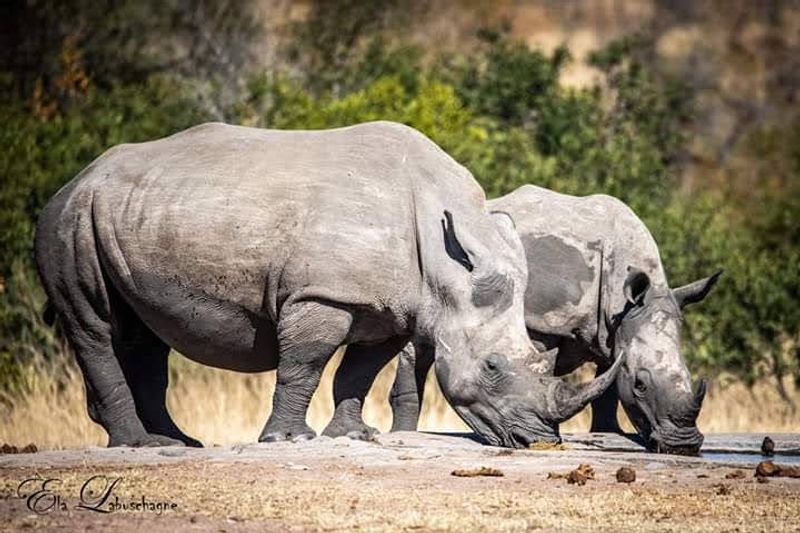
South Africa practically invented the modern safari experience, and its nearly 20 major national parks are the reason wildlife tourism on the African continent looks the way it does today. Kruger National Park, established in 1898, is the flagship — a park roughly the size of Wales that shelters all of the Big Five: lions, elephants, leopards, rhinos, and buffalo.
But South Africa’s park system goes well beyond savanna. Table Mountain National Park wraps around one of the most biodiverse floral regions on Earth — the Cape Floristic Region — which packs more plant species per square kilometer than the Amazon rainforest.
Addo Elephant National Park in the Eastern Cape has expanded dramatically in recent decades and now includes a marine reserve protecting great white sharks and southern right whales alongside its famous elephant herds.
The Karoo National Park protects a stark, semi-arid landscape of ancient fossils and wide open skies that feels completely different from the lush savannas most people associate with South Africa. The country also leads Africa in rhino conservation efforts, with parks serving as the front line against poaching.
South Africa’s park network is not just a tourism engine — it is a serious conservation infrastructure that has helped pull multiple species back from the brink of disappearance.
New Zealand — Islands of Dramatic Natural Beauty
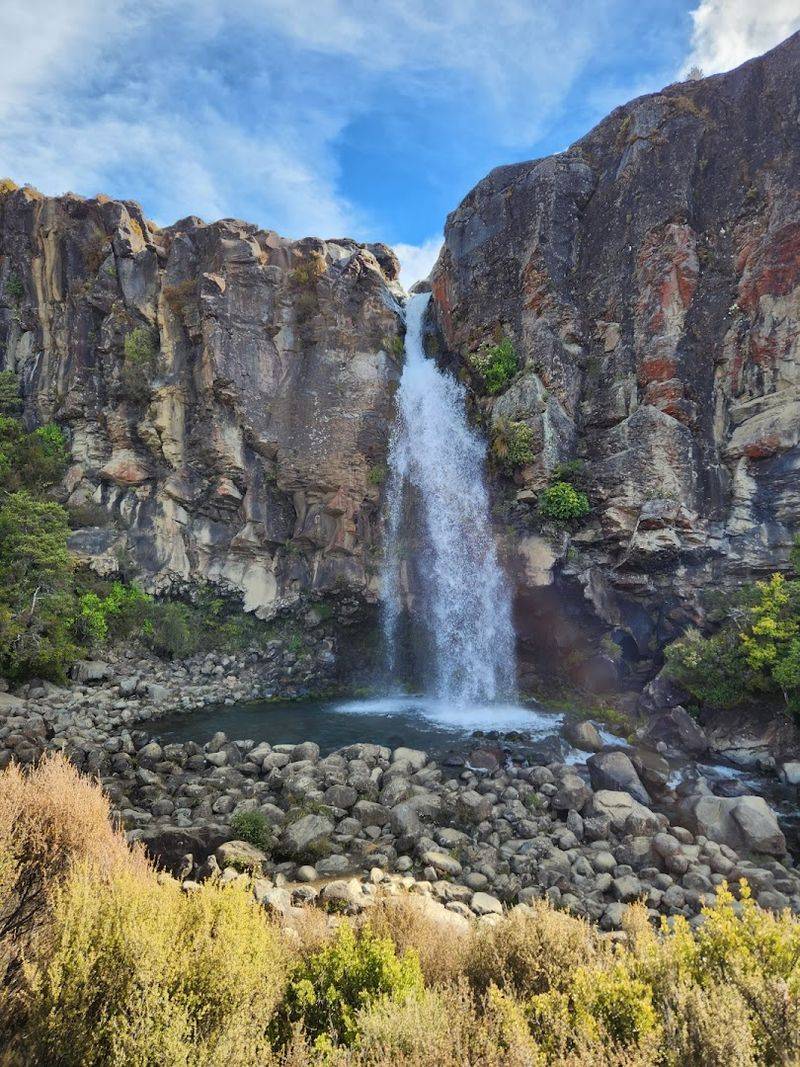
New Zealand packs an almost unfair amount of natural drama into a country smaller than California. Its 13 national parks protect fjords carved by ancient glaciers, active volcanoes, beech forests older than memory, and coastlines so rugged they look like they were designed specifically to make photographers cry with joy.
Fiordland National Park in the South Island is widely considered one of the most stunning places on the planet. Milford Sound — technically a fjord — receives over seven meters of rainfall per year, feeding dozens of temporary waterfalls that cascade down sheer cliff walls into dark, mirror-still water.
Dolphins, fur seals, and rare Fiordland crested penguins all call this dramatic landscape home.
Tongariro National Park on the North Island is New Zealand’s oldest and a UNESCO dual World Heritage site — recognized for both natural and cultural significance to the Maori people who consider its volcanic peaks sacred. The Tongariro Alpine Crossing is one of the most celebrated day hikes in the world, crossing volcanic craters, emerald lakes, and lava fields in a single extraordinary walk.
New Zealand’s parks are central to the national identity, woven into the culture through Maori tradition, adventure tourism, and a deep collective pride in keeping these islands wild and extraordinary for future generations.
Share this story