There is a small town in south-central Oklahoma that most people drive right past without a second glance, and honestly, that is their loss. It sits quietly between two better-known cities, minding its own business, collecting loyal fans who keep coming back for its wide streets, friendly faces, and surprisingly rich history.
The kind of place where locals know your name at the diner before you even sit down, and the sunsets over the rolling plains look like someone turned the color saturation all the way up. Stick around, because this town deserves a much closer look than it usually gets.
Welcome to Marlow: A Small City With a Big Personality
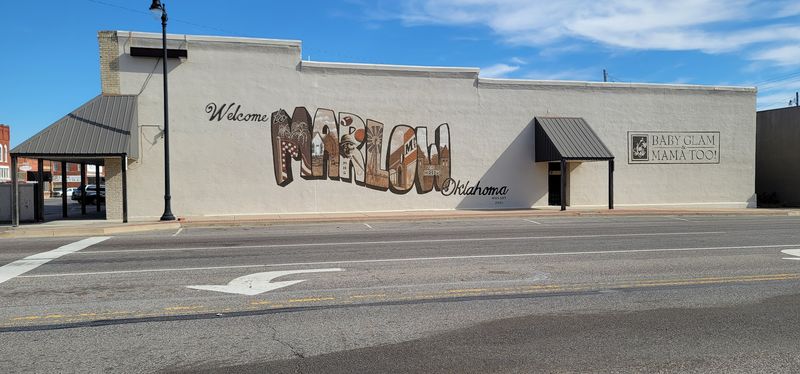
Marlow, Oklahoma sits at a comfortable crossroads in Stephens County, tucked about 10 miles north of Duncan and roughly 30 miles east of Lawton. The official address puts it at Oklahoma 73055, and the coordinates land you right in the heart of a community that has been quietly thriving for well over a century.
With a population of around 4,385 people as of the 2020 Census, Marlow is the kind of place that feels bigger than its numbers suggest. The downtown area has real bones to it, with brick storefronts and wide sidewalks that hint at a prosperous past.
First-time visitors often do a double take because the town is cleaner, more organized, and more lively than they expected from a place this size. The people here take genuine pride in where they live, and it shows in everything from the well-kept parks to the freshly painted murals on the sides of buildings.
Marlow is not trying to be anything other than itself, and that confidence is exactly what makes it so appealing right from the start.
The History That Built This Town
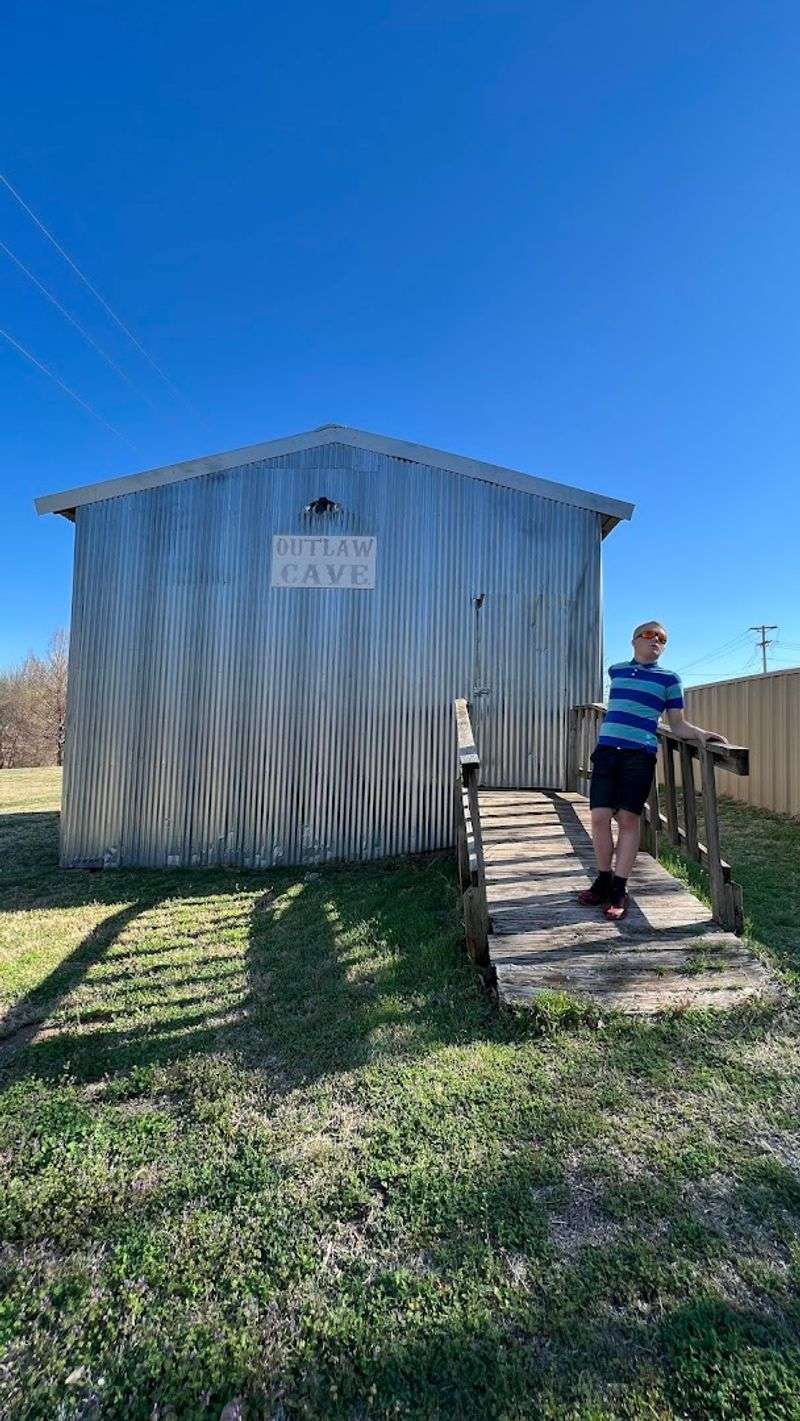
Marlow was named after the Marlow Brothers, a group of five brothers whose dramatic story of frontier justice in the 1880s put this corner of Oklahoma on the map long before statehood. Their tale of being wrongly accused, escaping a corrupt legal system, and fighting for their freedom became the stuff of legend, and it still echoes through the town today.
The city itself was officially incorporated in 1892, just a few years after the land runs that opened up Indian Territory to settlers. Growth came quickly as the area became known for agriculture and later for oil and gas production, both of which shaped the local economy for generations.
Knowing this backstory changes the way you walk around town. Every old building and every weathered street corner carries a little of that gritty, determined spirit the Marlow Brothers represented.
A visit to the local museum puts the pieces together in a way that feels personal rather than textbook. History here is not something behind glass; it is woven into the daily life of the community in a way that feels both lived-in and genuinely proud.
The Marlow Brothers Museum and Local Heritage
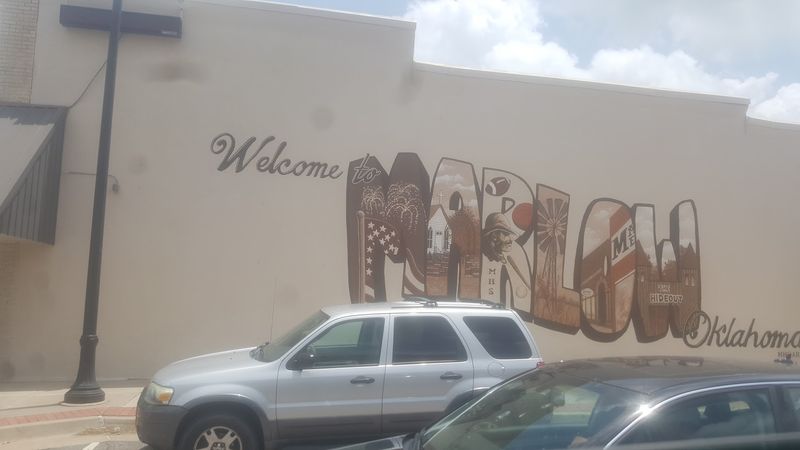
The Marlow Area Museum is the kind of stop that sneaks up on you. You think you will spend twenty minutes and end up staying for over an hour, flipping through old photographs and reading hand-written accounts that feel surprisingly immediate for events that happened more than a century ago.
The collection focuses heavily on the Marlow Brothers saga but also covers the broader history of Stephens County, including early settler life, the oil boom years, and the agricultural traditions that kept families going through hard decades. Artifacts range from pioneer tools and vintage clothing to newspaper clippings and family portraits that fill in the human side of the story.
Volunteers who staff the museum often have personal connections to the families and events on display, which adds a layer of warmth that no professional exhibit designer could replicate. Asking questions here gets you real answers, sometimes including stories that never made it into the official records.
The museum is a reminder that small-town history is rarely small at all, and Marlow has enough of it to keep any curious visitor genuinely entertained from the first display case to the last.
Downtown Charm Worth Exploring on Foot
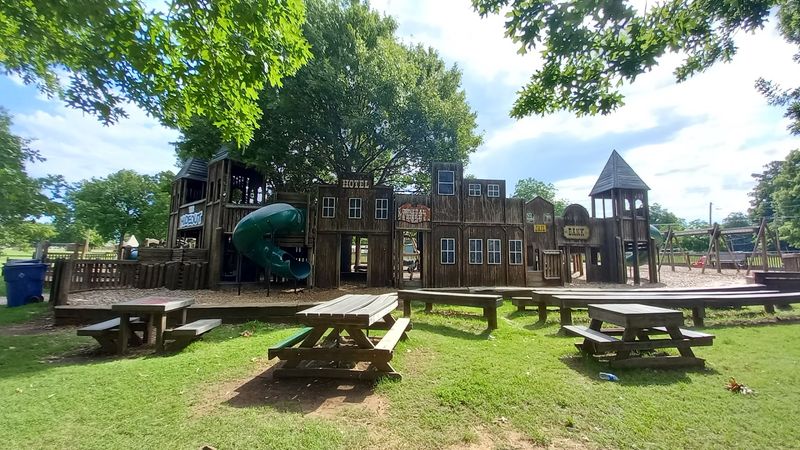
Downtown Marlow has the kind of streetscape that makes you slow your pace without even realizing it. The main commercial strip is lined with original brick buildings from the early twentieth century, many of them still in use as local shops, offices, and eateries rather than sitting empty the way so many small-town downtowns do across the country.
The scale of it is refreshing. Nothing towers over you, nothing feels rushed, and the whole area is walkable in a way that actually encourages you to look around rather than just move from point A to point B.
Local business owners tend to be out front, willing to chat, and genuinely curious about where you came from and what brought you to their town.
Murals painted on several building walls add color and visual interest, celebrating local history and Oklahoma culture in ways that feel authentic rather than touristy. The architecture itself tells a story of a community that once had real commercial ambition and still maintains it in a quieter, steadier way.
A slow walk through downtown on a weekday morning, when the light hits the old brick just right, is one of the simple pleasures Marlow does particularly well.
Outdoor Life and Wide Open Spaces
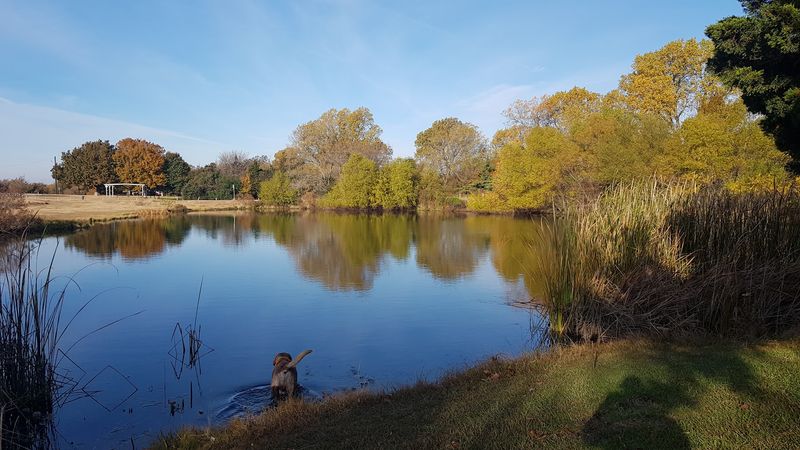
The landscape around Marlow is classic southern Oklahoma, and that means big skies, flat-to-gently-rolling terrain, and a sense of open space that city dwellers find either thrilling or slightly overwhelming, depending on their disposition. Either way, it is hard not to appreciate the sheer visual scale of it.
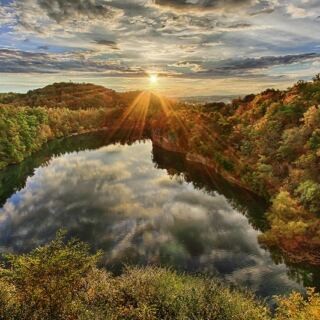
Nearby Twin Lakes Park offers a local outdoor escape with fishing, picnic areas, and walking paths that attract families and solo visitors alike. The park is modest in size but well-maintained, and on a warm afternoon the water catches the light in a way that makes it feel more scenic than its humble description might suggest.
Hunting and fishing are serious pursuits for many Marlow residents, and the surrounding countryside supports both with plenty of accessible land and waterways within a short drive. Early mornings here carry a particular kind of quiet that is hard to find in busier places.
The air smells different, the birds are louder, and the horizon seems to stretch further than physics should really allow. Getting outside in this part of Oklahoma is not just a recreational option; for many visitors, it becomes the whole reason to come back.
Local Food and the Comfort of a Good Home-Cooked Meal
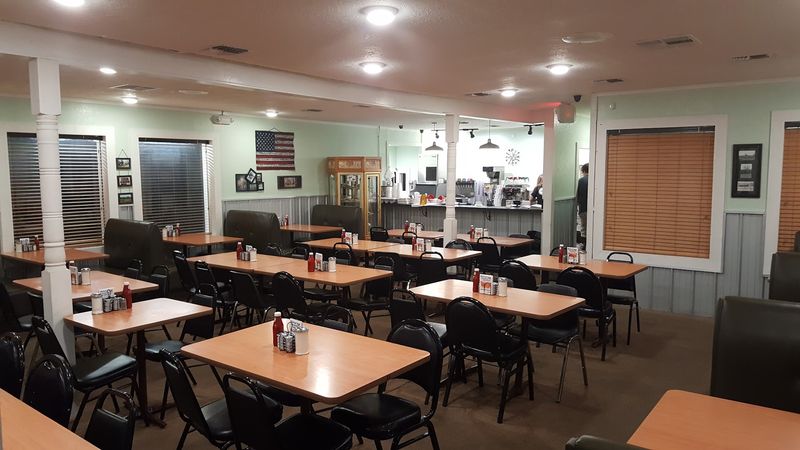
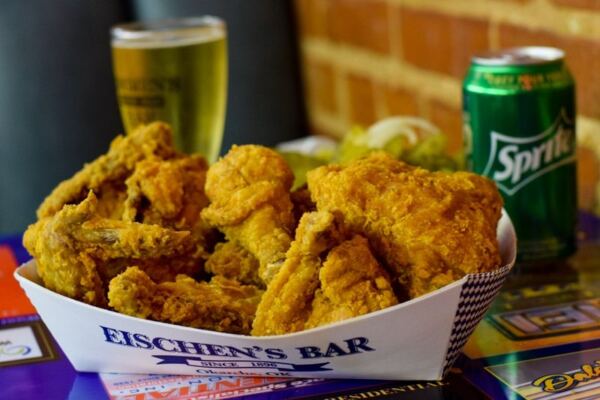
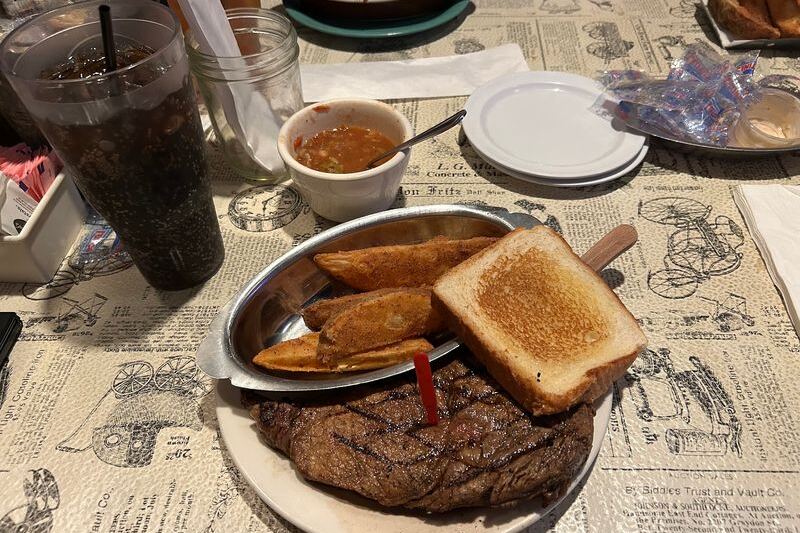
Food in Marlow follows the honest, no-nonsense tradition of southern Oklahoma cooking, which means portions are generous, flavors are straightforward, and nobody is going to charge you fifteen dollars for a tiny plate of something unrecognizable. Chicken fried steak is practically a local institution, and the versions served at the town’s diners hold up against anything you will find in a bigger city.
The local breakfast spots fill up early with a regular crowd of farmers, retirees, and anyone else who knows that the best conversations in a small town happen over coffee before eight in the morning. Sitting down at one of these places as an outsider, you tend to get drawn into the ambient warmth of the place almost immediately.
Lunch counters and family-owned cafes round out the dining options with daily specials that rotate based on what is fresh and what the cook felt like making that morning. There is a casualness to it that feels earned rather than affected.
Marlow is not a town that needs a trendy food scene to feed its people well, and the straightforward quality of what lands on your plate proves that point with every single bite.
Community Events That Bring the Town Together
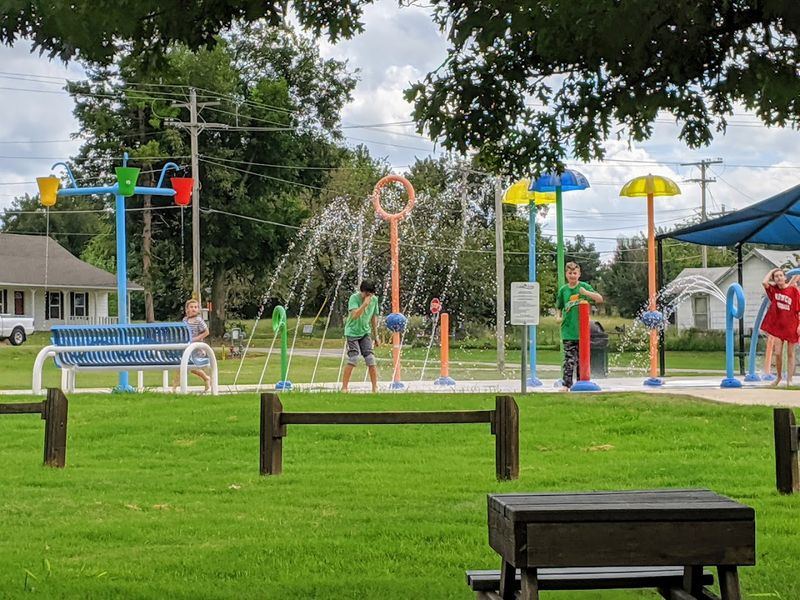
Marlow takes its community events seriously, and the annual celebrations that roll through the town calendar give residents and visitors alike a reason to show up, connect, and remember why small-town life has its own particular kind of richness. The Rattlesnake Derby, held each spring, is probably the most talked-about event on the schedule and draws curious visitors from across the state.
The derby is exactly what it sounds like, a celebration centered around rattlesnakes that includes contests, displays, and a general atmosphere of good-natured chaos that you simply cannot manufacture in a city setting. It is one of those only-in-Oklahoma experiences that sticks with you long after the drive home.
Beyond the derby, the town hosts seasonal festivals, holiday parades, and community gatherings that fill the downtown area with noise, food, and the kind of casual socializing that feels increasingly rare. Locals turn out in force for these events, and newcomers are welcomed into the mix without any of the awkwardness you might expect.
Marlow’s community calendar is proof that a town of four thousand people can generate more genuine energy than many places ten times its size.
The Oil Legacy and Its Lasting Imprint
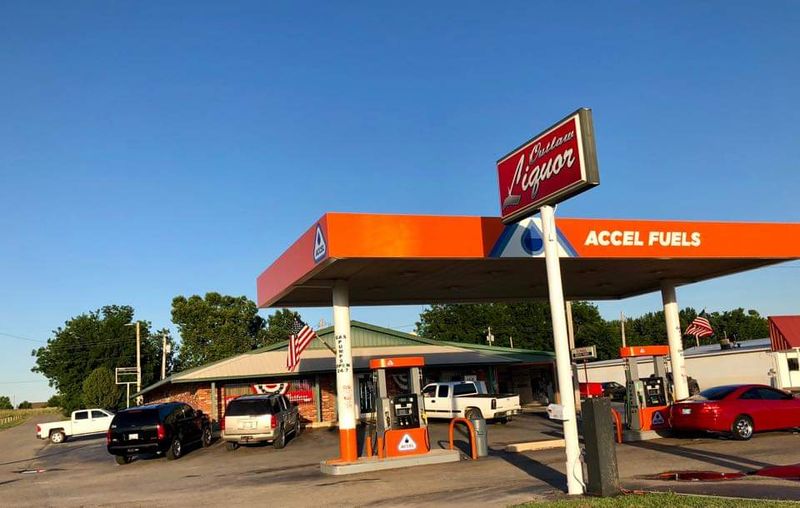
The oil industry shaped Stephens County, and Marlow was no exception to that influence. During the mid-twentieth century, oil and gas production brought new money, new people, and new infrastructure to the region, leaving behind a legacy that is still visible in the architecture, the local economy, and the collective memory of longtime residents.
Drive the roads around Marlow and you will still spot pump jacks nodding steadily in the fields, a reminder that beneath the quiet surface of the Oklahoma plains, there is a whole other economy operating on its own schedule. The oil history here is not just industrial background noise; it genuinely changed the trajectory of the town and its surrounding communities.
Several of the more substantial buildings in downtown Marlow owe their existence directly to oil-era prosperity, built during decades when the money was flowing and civic ambition was running high. That history adds a layer of complexity to the town’s story that goes beyond frontier romance.
Marlow earned its stability through hard work, natural resources, and the willingness of its people to build something durable out of whatever the land and the times offered them.
Schools, Faith, and the Fabric of Daily Life
The Marlow Public School system is a genuine point of pride for the community, and high school sports, especially football, function as a kind of civic religion here, the way they do across much of rural Oklahoma. Friday nights in the fall draw crowds that seem improbably large for a town this size, and the energy in the stands is completely real.
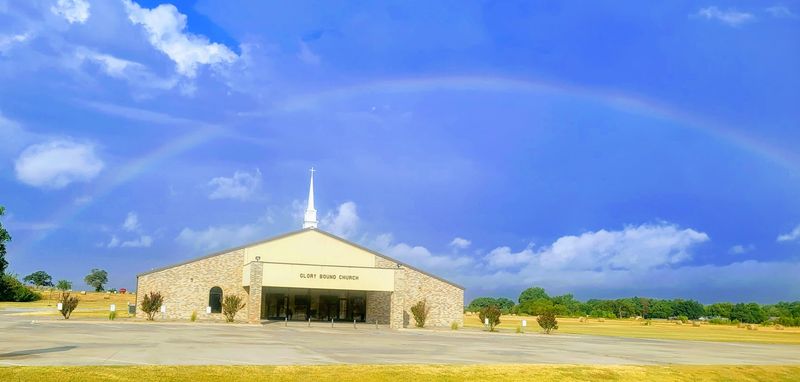
Faith communities also play a central role in Marlow’s social structure. Churches of various denominations are active and well-attended, hosting not just services but also community meals, youth programs, and volunteer efforts that knit the town together in practical ways throughout the year.
The combination of strong schools, active churches, and a sports culture that gives young people something to rally around creates a community fabric that feels genuinely stable. Families put down roots here and tend to stay, which is why you meet so many Marlow residents who can trace their family’s connection to the town back two or three generations.
That kind of continuity is increasingly rare, and it gives the town a settled, grounded quality that visitors tend to notice almost immediately upon arrival.
Why Marlow Deserves a Spot on Your Oklahoma Road Trip
A lot of Oklahoma road trips stick to the obvious routes, the Turner Turnpike, Route 66, the drive down to the Arbuckle Mountains. Marlow sits close enough to several of those corridors that adding it to an itinerary requires almost no extra effort, yet most travelers skip it entirely without knowing what they are passing up.
The town makes for an ideal half-day stop or even an overnight stay if you want to slow down and actually absorb the atmosphere rather than just check a location off a list. A morning walk through downtown, a stop at the museum, lunch at a local diner, and a drive out to Twin Lakes covers the highlights without feeling rushed or overprogrammed.
What Marlow offers is not spectacle. It does not have a landmark that makes the national travel magazines or a restaurant that goes viral on social media.
What it has is something rarer and, in the long run, more satisfying: a real town living a real life, with enough history, character, and genuine warmth to remind you why small-town Oklahoma has always had its own quiet kind of magic. That is a road trip reward worth planning for.
Share this story