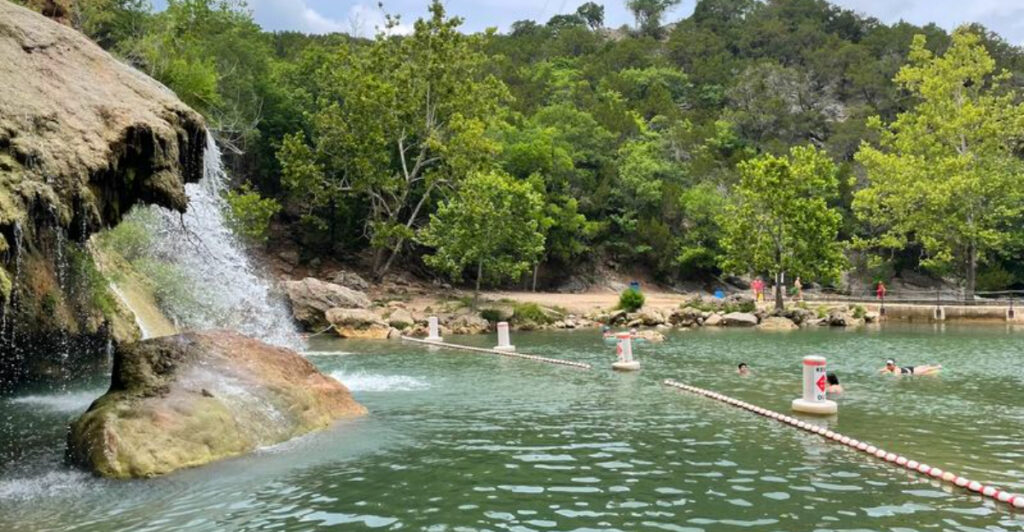
There is a spot tucked away in southern Oklahoma where a 77-foot waterfall crashes into a crystal-clear natural pool, wildflowers push through the rocky hillsides, and deer wander through the trees like they own the place. Spring turns this already stunning park into something that feels almost too good to be real.
The trails come alive with color, the water runs full and strong from seasonal rains, and the crowds have not yet hit their summer peak. If you have been looking for a reason to pack a bag and hit the road, this is it.
Where Turner Falls Actually Is
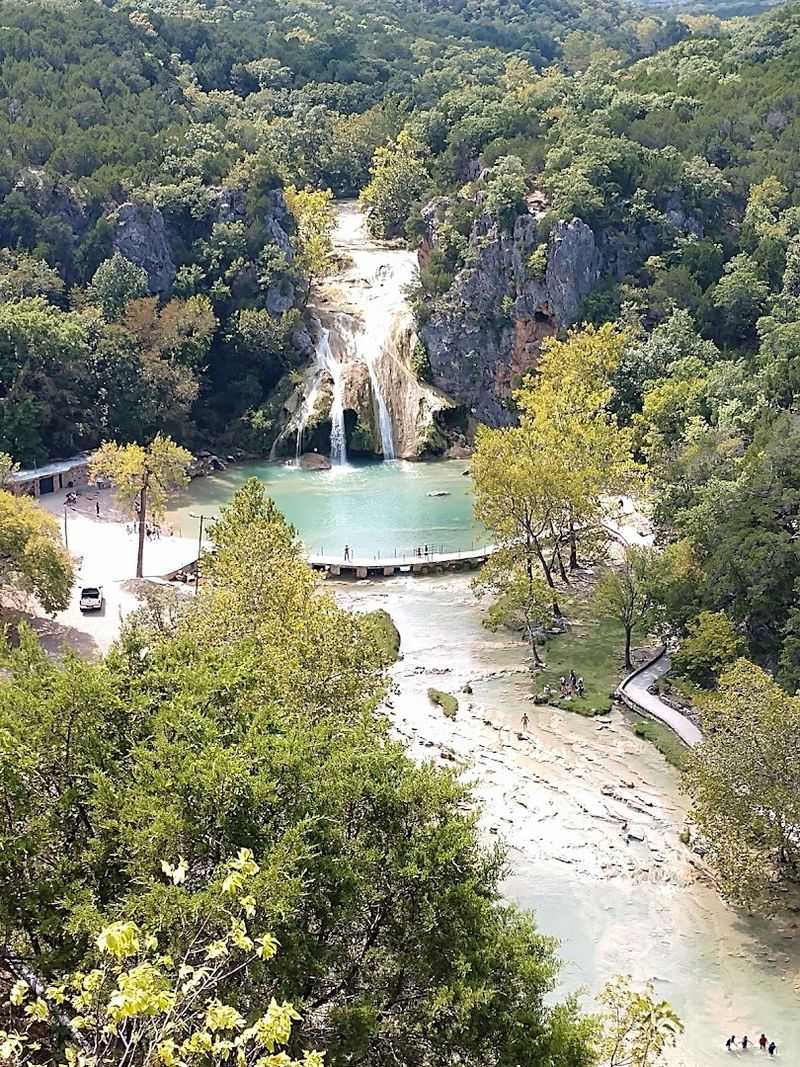
The address is simple enough: Turner Falls Park, Davis, OK 73030, right in the heart of the Arbuckle Mountains in south-central Oklahoma. But nothing about the experience feels simple once you pull through that entrance gate and realize just how much is packed into this one park.
Davis is a small town, and the surrounding landscape shifts quickly from flat plains to rolling, wooded hills the closer you get. The drive itself is part of the fun, with limestone bluffs and cedar trees lining the road as you approach.
From Oklahoma City, the trip runs about 90 minutes south on I-35, making it a very realistic same-day adventure. From Dallas, it is roughly two and a half hours north.
The park sits at coordinates 34.4253665, -97.1486293 for those who like to plan their GPS route ahead of time.
Spring is when the Arbuckle landscape earns every compliment it gets, with green so vivid it almost looks painted on the hillsides.
The 77-Foot Waterfall Up Close
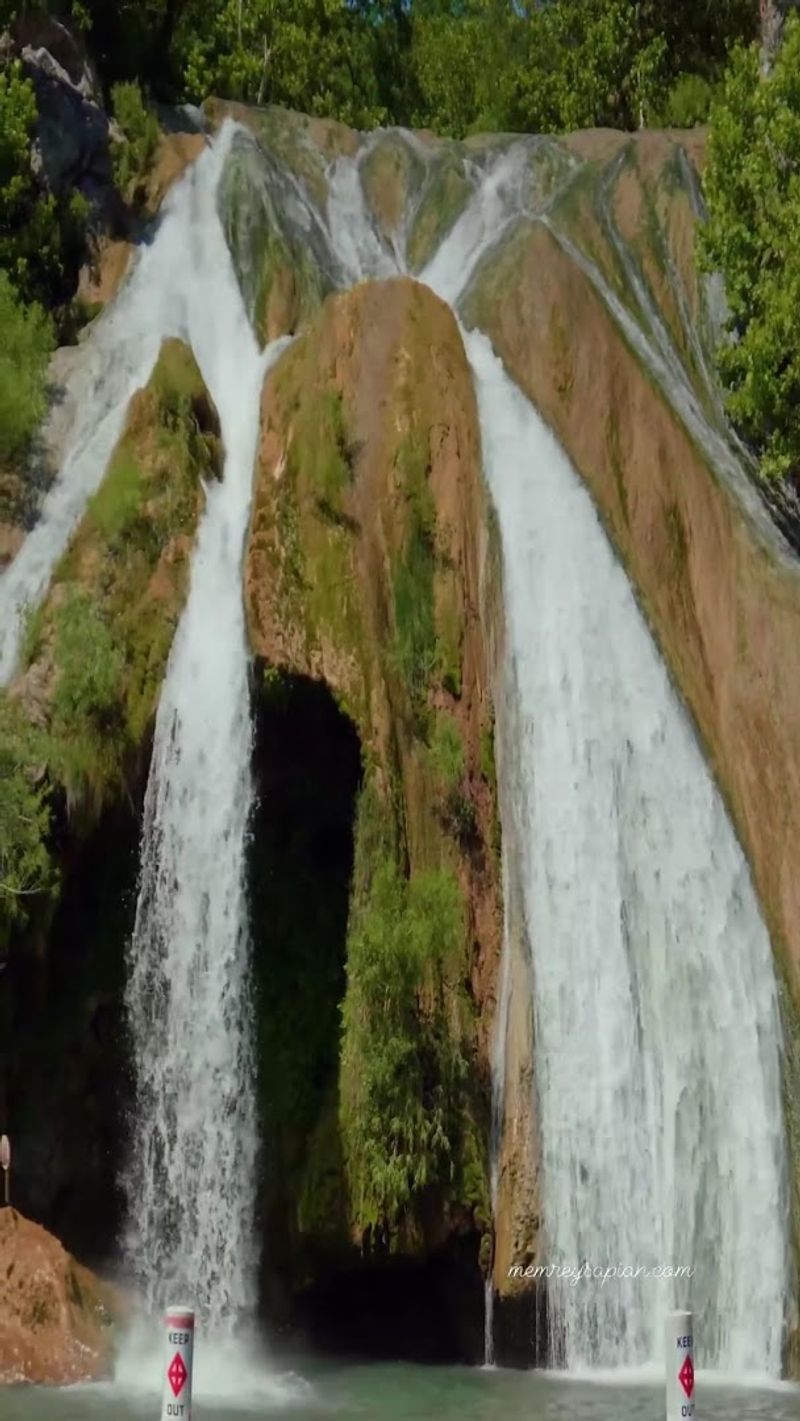
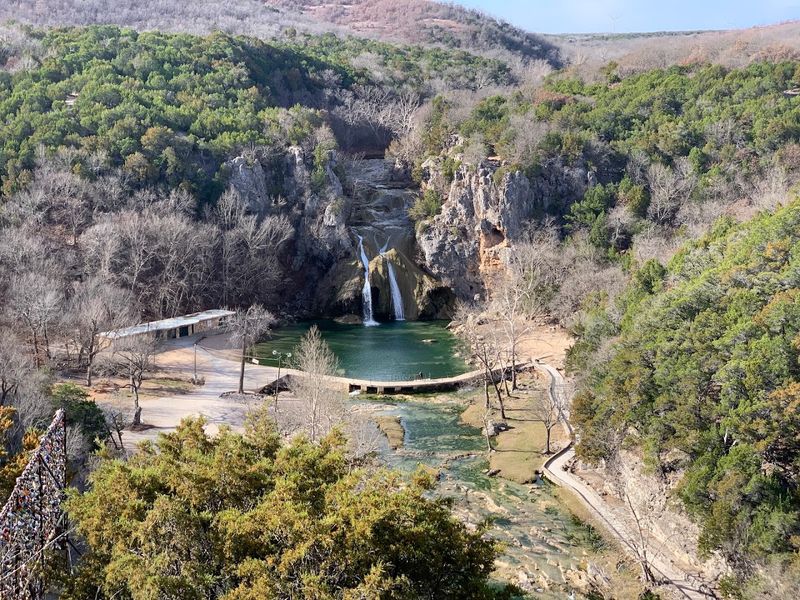
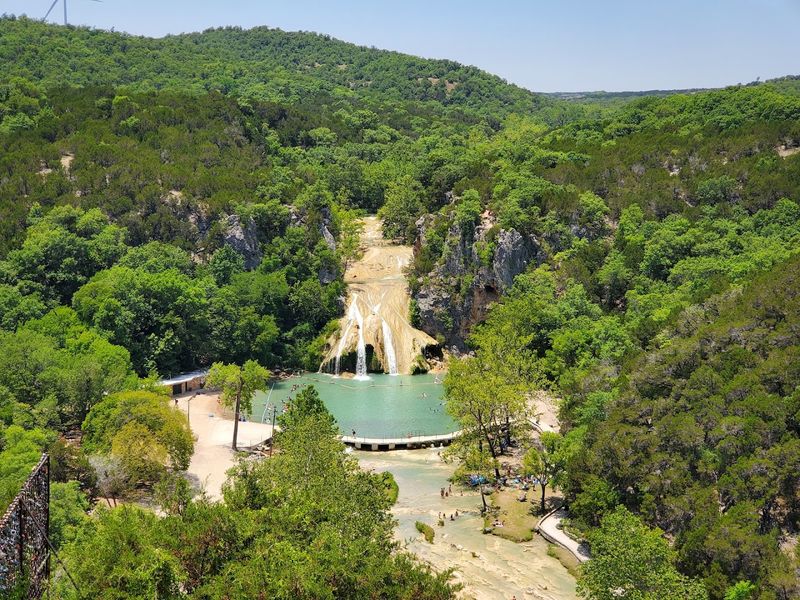
Oklahoma is not usually the first state people think of when waterfalls come up in conversation, but Turner Falls holds the title of the tallest waterfall in the state at 77 feet, and it earns that title every single time you see it in person.
The water pours over a wide limestone ledge and drops into a natural pool below, sending up a fine mist that you can feel from several feet away. In spring, the flow is at its strongest thanks to the season’s rainfall, which means the roar of the falls is louder and the visual impact is even more dramatic than during drier summer months.
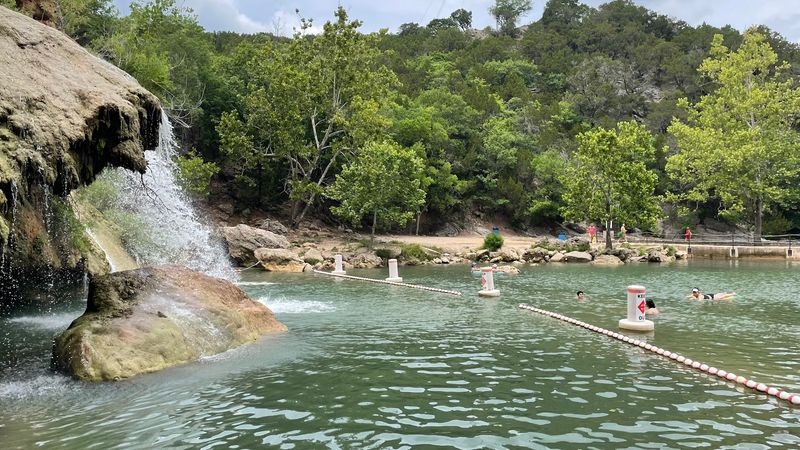
The pool at the base is a natural formation, not something man-made, which gives the whole scene a genuinely wild feel. Standing next to it, you get a real sense of how long this water has been carving its path through the rock.
The rocks near the falls are notoriously slippery, so good footwear is not optional here. Water shoes or sturdy sneakers will keep your visit fun rather than frustrating.
Spring Wildflowers Along the Trails
The trails at Turner Falls are not long or technically demanding, but in spring they become something worth slowing down for. The hillsides fill in with wildflowers, and the cedar and oak trees overhead create a canopy that filters the morning light into something genuinely lovely.
Redbud trees, which are practically the mascot of an Oklahoma spring, bloom in soft purple-pink clusters throughout the park during March and April. Wild phlox and other low-growing flowers dot the ground along the rocky paths, adding bursts of color between the limestone outcroppings.
The hikes range from easy creek-side walks to moderate climbs up the hillsides, where the views over the falls and surrounding valley open up in a way that makes the effort feel completely worthwhile. Most trails are well-worn and easy to follow, though a trail map from the entrance area is always a smart grab.
Spring mornings, before the day heats up and before the weekend crowds arrive, are the absolute best window to get out on the trails and take your time.
The Castle Ruins That Nobody Expects
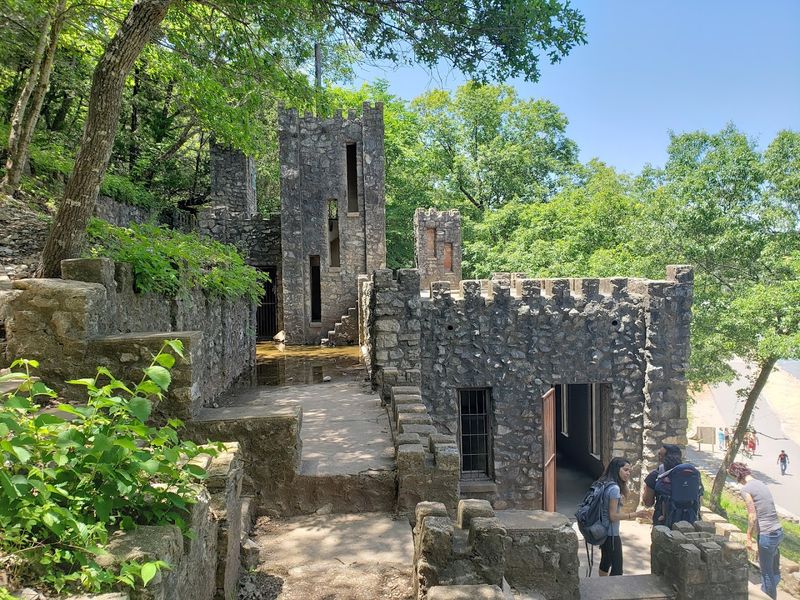
Most people come to Turner Falls for the waterfall, and then they discover the castle and completely forget what they came for. Tucked up into the hillside above the main falls area, there are stone castle structures that were built decades ago and have since taken on a wonderfully weathered, ruins-like character.
The structures were originally built as private residences and gathering spaces by a man named Mazeppa Thomas Reed, who owned the land in the early 20th century. Over the years, they became part of the park’s identity and are now one of the most photographed spots on the property.
Climbing up to the castle level gives you a completely different view of the falls and the valley below. The stonework blends naturally into the limestone bluffs, and in spring, vines and new green growth creep along the walls in a way that makes the whole scene feel ancient.
Kids especially love exploring the rooms and staircases, though adults tend to linger just as long once they realize the photo opportunities are genuinely outstanding up there.
Swimming Season and What to Know Before You Go
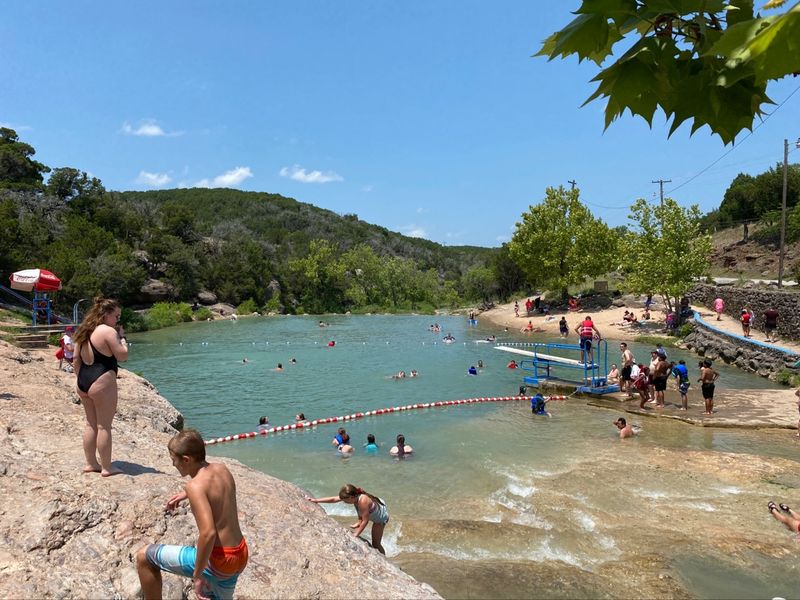
Official swim season at Turner Falls typically kicks off in May or June, which is when lifeguards come on duty and the park fully opens its swimming areas. Spring visits in March and April mean the waterfall is at peak flow, but swimming may not yet be permitted, so checking the park’s current schedule before you go is genuinely worth the two minutes it takes.
When swimming is open, the natural pool at the base of the falls is the main draw, though the rocks underfoot are sharp and uneven. Water shoes are highly recommended, and children near the falls area are required to wear life jackets, which are available for loan or rental at the park shop.
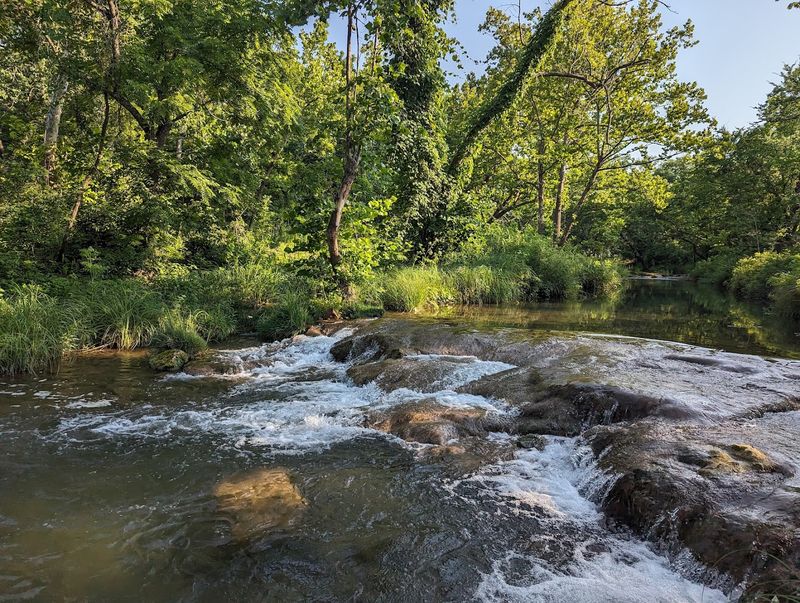
Further upstream, the creek widens into calmer, shallower sections that are popular with families who want a gentler experience. The Blue Hole, a deeper and clearer section of the waterway, is a favorite for those who want to actually swim laps rather than wade around rocks.
Arriving early, around 9 or 10 in the morning, makes a real difference in terms of crowd levels and parking availability.
Wildlife You Might Actually See
One of the quieter pleasures of a spring visit to Turner Falls is the wildlife. White-tailed deer are genuinely common throughout the park and seem remarkably unbothered by the presence of visitors.
Several recent guests have mentioned spotting deer right along the main pathways, sometimes in small groups.
Spring brings out more activity in general, with birds singing from the cedar and oak trees overhead and various small animals moving through the underbrush along the creek banks. The Arbuckle Mountains region supports a healthy mix of native species, and the park’s mix of wooded hillsides, open meadows, and flowing water creates ideal habitat for many of them.
Early morning visits dramatically increase your chances of wildlife sightings before the human traffic picks up. The hour just after the park opens, when the light is still low and the air is cool, tends to be the most rewarding time for anyone who wants to observe rather than just swim and hike.
Pets are not permitted in the park, which is worth knowing before you load the car, and it also helps explain why the wildlife stays so calm and present throughout the grounds.
Camping Options for an Overnight Stay
Day trips to Turner Falls are great, but staying overnight changes the experience entirely. The park offers a solid range of camping options, from traditional tent sites to teepee rentals and fully equipped cabins, which means there is something for every level of camping comfort.
Tent sites are scattered throughout the park grounds, many of them near the creek, where you can fall asleep to the sound of running water. The cabin options are popular with families who want the outdoor setting without sleeping on the ground, and they book up quickly for spring weekends, so reserving well in advance is the smart move.
Camping here in spring means cooler overnight temperatures, which makes sleeping outdoors genuinely pleasant rather than a sweaty endurance test. The mornings are fresh and quiet, and you get the park almost entirely to yourself before the day visitors start arriving.
Bringing your own food is strongly recommended, as the on-site concession options are limited and may not all be open during the early part of spring. Cash or Cash App is the only payment method accepted at the Level 1 concession stand, so plan accordingly.
Caves to Explore on the Hillside
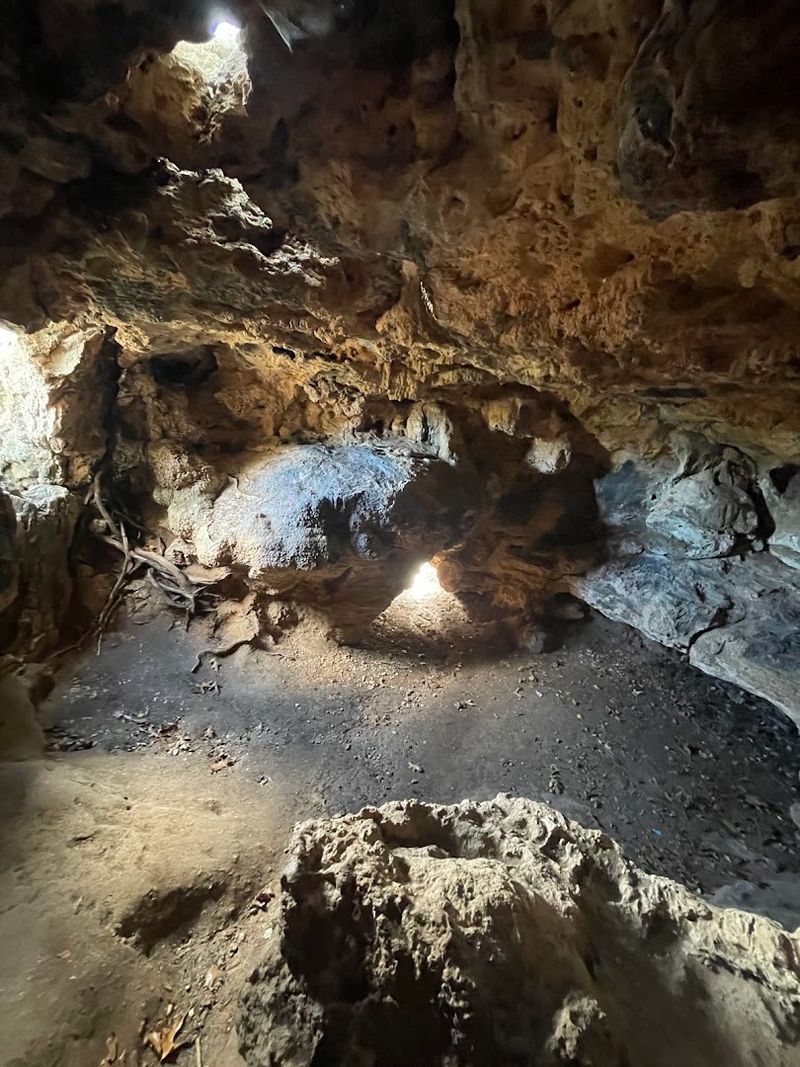
The waterfall gets top billing, but the caves scattered across the hillsides at Turner Falls deserve their own spotlight. These natural limestone formations are accessible on foot from the main trail network, and they add a genuinely adventurous element to what could otherwise be a straightforward nature walk.
One of the most talked-about features is a rock formation with a narrow gap at the base that you can squeeze through to emerge above the waterfall on the other side. It is the kind of thing that sounds mildly ridiculous until you actually do it, and then it becomes the story you tell for the next six months.
Spring is a particularly good time to explore the cave areas because the surrounding vegetation is lush and green, making the contrast between the dark cave openings and the bright hillside especially striking. The moisture from spring rains also brings out interesting textures and colors in the limestone walls.
A flashlight or a phone with a reliable torch app is useful for anyone who wants to get deeper into the cave areas, and closed-toe shoes are a must for navigating the uneven rocky surfaces safely.
Practical Tips for a Spring Visit
A few practical details can make the difference between a smooth visit and a frustrating one. Entry fees at Turner Falls have varied in recent reports, ranging from around $9 to $25 per adult depending on the season and day of the week, so checking the official park website for current pricing before you go is the best way to avoid surprises at the gate.
Parking is a notable consideration. Paid parking closer to the falls is available and saves a significant walk, while free parking is located higher up the hill and requires waiting for a shuttle bus.
On busy spring weekends, the shuttle line can take a while, so arriving early or budgeting extra time is a practical move.
The park operates on multiple levels, and the Level 2 area is consistently praised as less crowded and more peaceful than Level 1, which tends to fill up around the main waterfall. Restrooms are available on Level 1, with portable facilities on Level 2.
Packing your own food and plenty of water, along with water shoes, sunscreen, and a light jacket for cool spring mornings, will set you up for a genuinely enjoyable day at one of Oklahoma’s most rewarding outdoor destinations.
Why Spring Is the Best Season to Visit
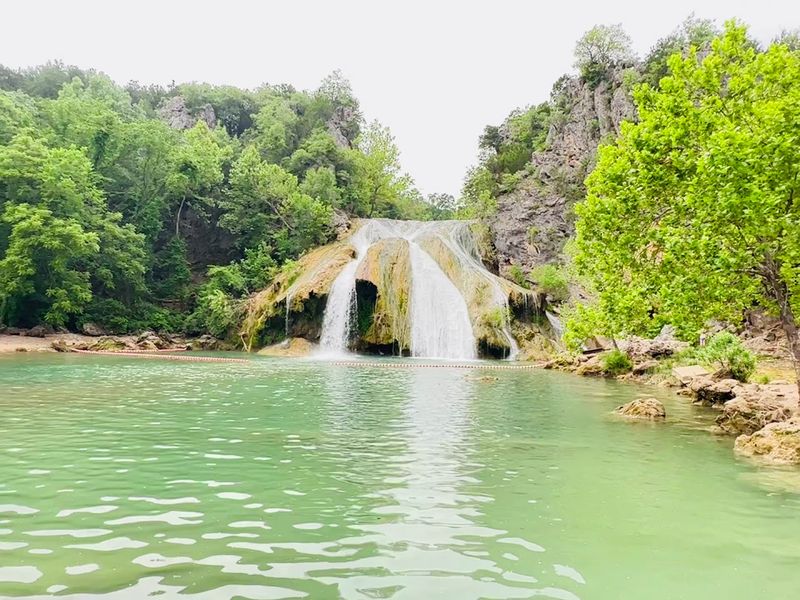
Every season has something to offer at Turner Falls, but spring stacks the deck in a way that no other time of year quite matches. The winter rains and snowmelt feed directly into Honey Creek, which powers the falls, meaning the water volume in March and April is typically at its highest and most dramatic of the year.
The hillsides are fully green, the wildflowers are out, the wildlife is active, and the temperatures sit in that sweet range where hiking feels refreshing rather than punishing. Summer brings the swimming crowds in full force, which is fun in its own way, but spring offers a version of Turner Falls that feels more spacious and more connected to the natural landscape.
Fall colors are beautiful here too, but the water tends to run lower after a dry summer. Winter visits are quiet but cold, and many facilities are limited.
Spring genuinely threads the needle between natural beauty and practical comfort in a way that makes it the standout choice.
Oklahoma has a lot of outdoor destinations worth exploring, but few of them offer the combination of a full-flowing waterfall, blooming scenery, and manageable crowds that Turner Falls delivers every spring.
Share this story