Every generation holds onto a few things that made perfect sense at the time but are now hilariously outdated. Boomers, bless them, have a special talent for keeping household items that belong in a museum rather than a kitchen drawer.
From rotary phones to fondue sets, these relics of the past are still hanging around in homes across America. Get ready for a fun trip through the hall of household fame, where nostalgia meets the blunt truth.
Rotary Dial Phones
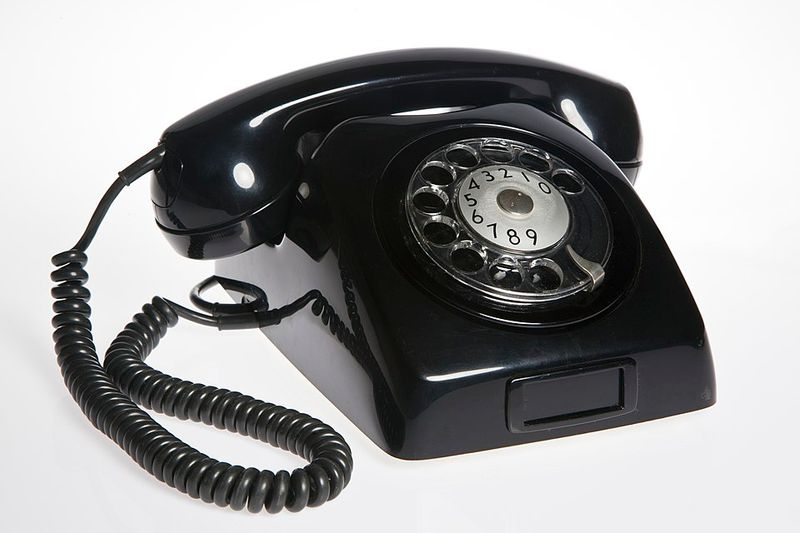
Rotary phones are undeniably charming to look at. That satisfying click as the dial spins back?
Adorable. Actually trying to call someone during an emergency?
Not so much.
Each number requires its own dramatic spin, which means dialing a ten-digit number feels like running a small marathon. No caller ID, no speed dial, no shortcuts.
Just you, your finger, and your patience slowly dissolving.
I once tried using my grandmother’s rotary phone as a joke. It took me a full minute to dial a seven-digit number, and I genuinely broke a sweat.
The phone won. Rotary phones belong on a shelf where people can admire them, not in any situation where time actually matters.
Modern smartphones handle calls, texts, maps, and your grocery list all at once. A rotary phone handles one thing poorly.
The math is not complicated here.
Manual Can Openers (The Dull Ones)
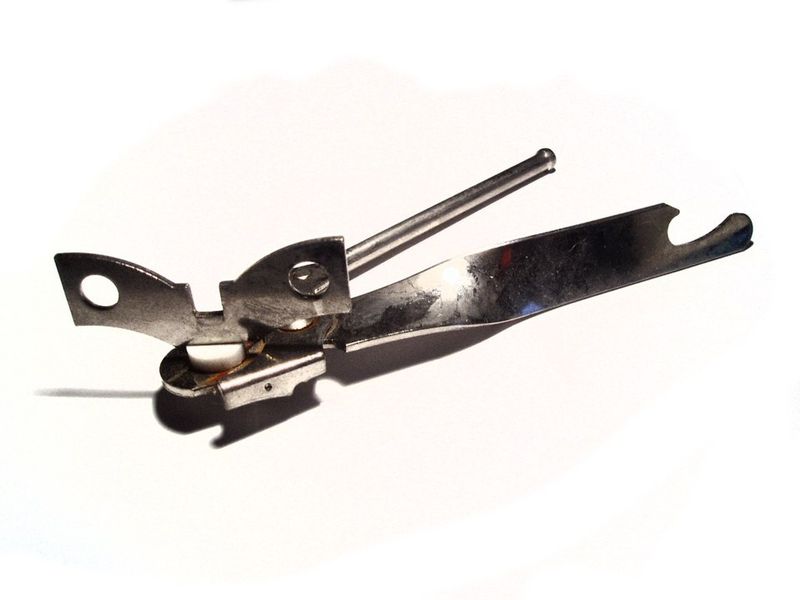
There is nothing quite like the thrill of wrestling a can of soup for ten minutes, only to end up with a lid sharp enough to qualify as a weapon. Dull manual can openers are the kitchen equivalent of a flat tire.
The jagged edges they leave behind are genuinely dangerous. One wrong move and you are heading for a bandage, not dinner.
Even when they technically work, the experience is frustrating enough to ruin your appetite.
Electric can openers exist. They cost around fifteen dollars and open a can in about four seconds.
That is not a luxury; that is just common sense wrapped in a small appliance.
Keeping a dull manual opener around is a choice, but it is a puzzling one. Upgrade the tool, protect your fingers, and spend those ten saved minutes doing literally anything else.
Your future self will thank you enthusiastically.
Egg Slicers
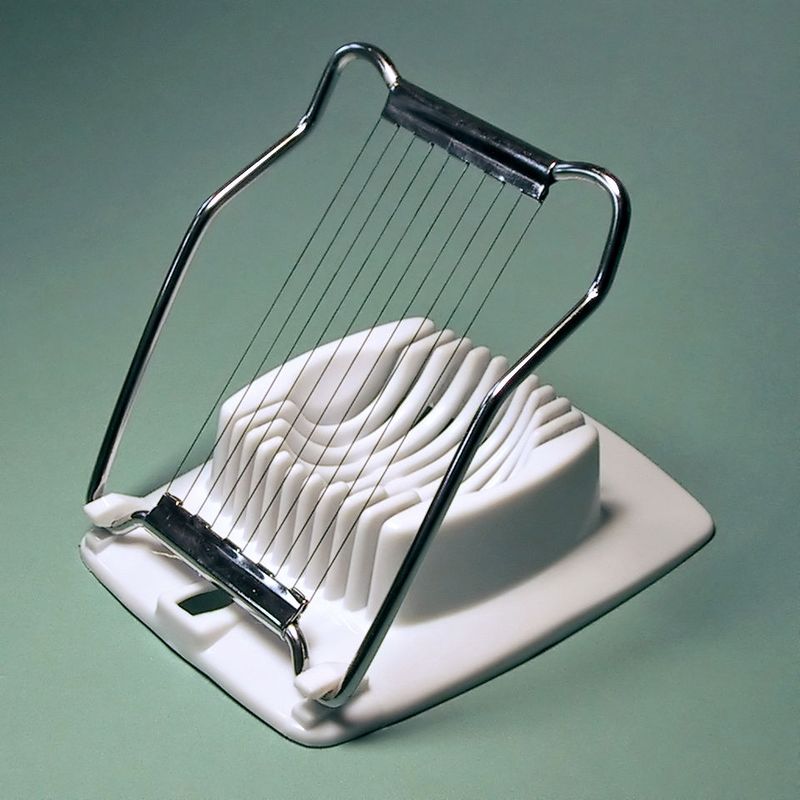
Egg slicers were sold as the ultimate kitchen shortcut, but let’s be honest about what they actually are: a single-purpose gadget taking up prime drawer real estate. They do one job, for one food, in one specific way.
A regular kitchen knife slices eggs just as cleanly and takes up zero extra space. The egg slicer, meanwhile, sits in the drawer next to the melon baller and the avocado tool, forming a support group for the rarely used.
The wire on older egg slicers also has a habit of bending or snapping after a few uses, which means the device stops working right around the time you have convinced yourself it was worth keeping. Classic.
Kitchens work best when every tool earns its spot. An egg slicer barely earns a polite nod.
Grab a sharp knife, slice your egg in two seconds, and reclaim that drawer space for something actually useful.
TV Guide Magazines
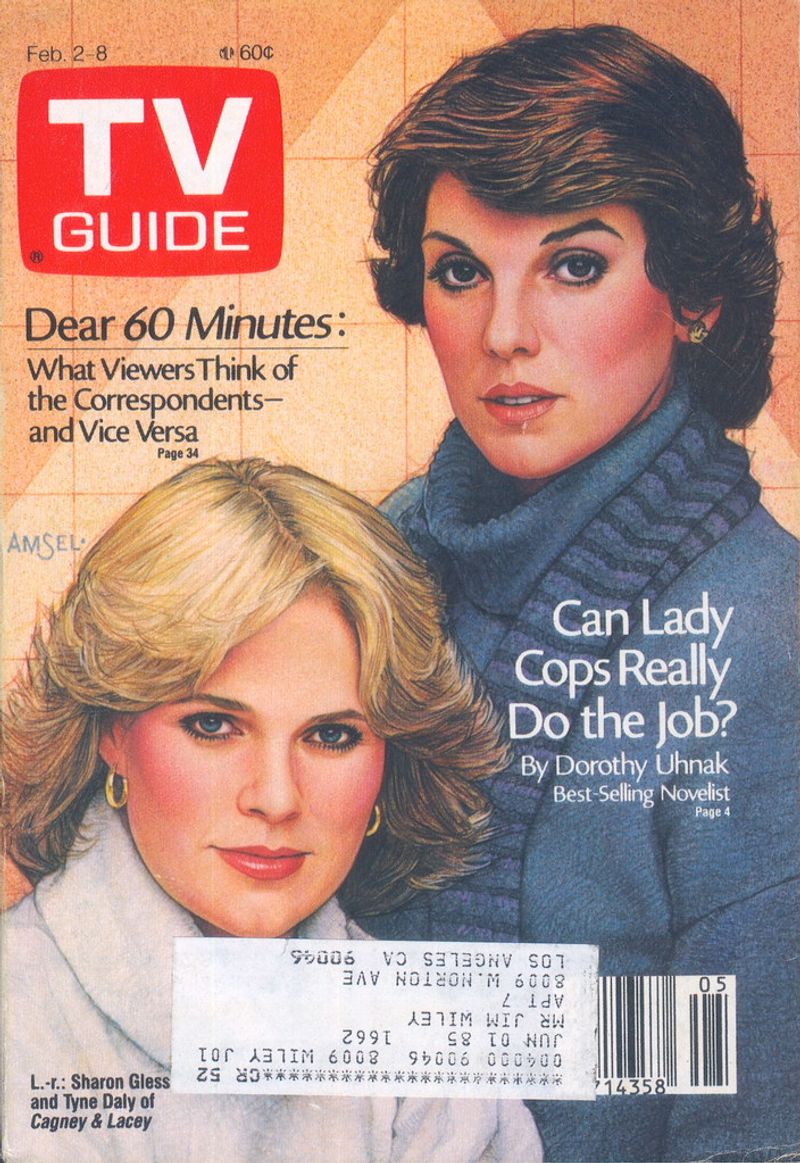
TV Guide magazines were once a weekly ritual in millions of households. You circled your favorite shows with a pen, planned your week around prime time, and felt genuinely organized.
That was a different era entirely.
Streaming services now carry thousands of shows available on demand, at any hour, on any device. The idea of needing a printed weekly schedule for that feels roughly as modern as a horse-drawn carriage on the freeway.
Digital program guides built into every TV, cable box, and streaming app make the physical magazine completely redundant. You can search by title, actor, genre, or mood in about three seconds.
No page-flipping required.
Some boomers still have stacks of old TV Guides stored away, which is honestly kind of sweet. As collectibles, they have charm.
As functional tools for navigating today’s entertainment landscape, they are as useful as a sundial at midnight. Time to let this one go.
VHS Rewinders
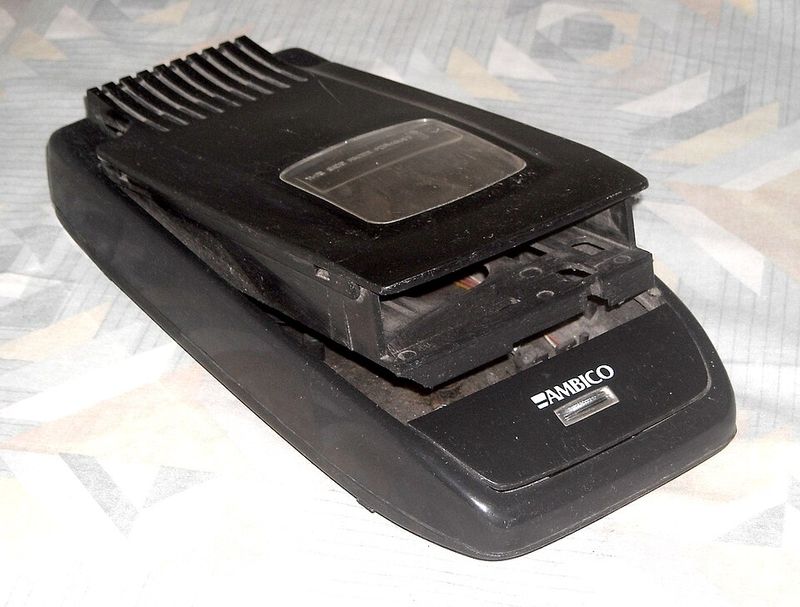
VHS rewinders were a product born from a very specific problem: rewinding tapes wore out your VCR faster. The solution was a dedicated device that rewound tapes so your player did not have to.
Practical, back then.
The issue is that VHS tapes are now a relic enjoyed mainly by vintage collectors and people who refuse to throw anything away. The number of households actively watching VHS tapes in 2024 is remarkably small.
Some rewinders were shaped like race cars or sports cars, which was peak 1990s energy. They are genuinely fun to look at, and certain models fetch decent prices as novelty items online.
That is their best use now.
If you still own a VHS rewinder and an active VCR setup, that is an impressive commitment to a format. For everyone else, it is a dust-collecting curiosity that solved a problem your life no longer has.
Nostalgia points, zero practicality points.
Hand-Cranked Egg Beaters
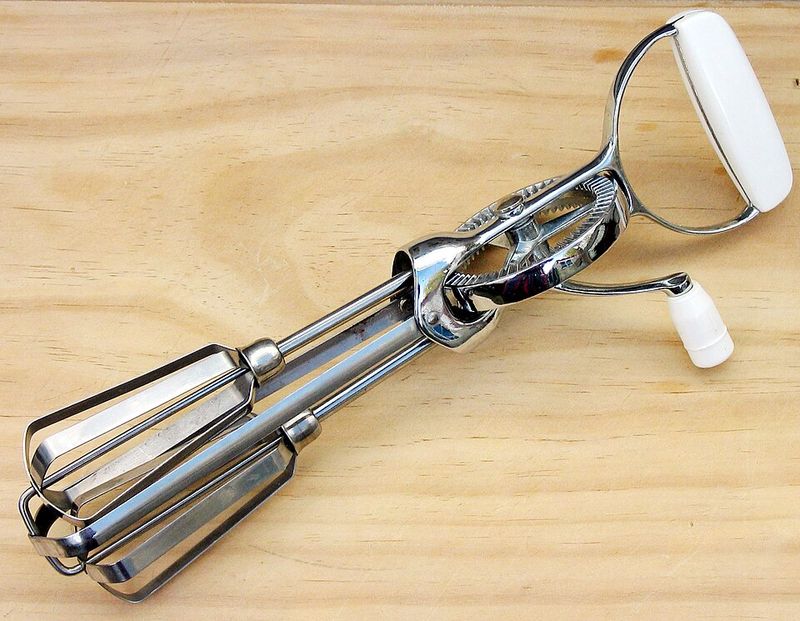
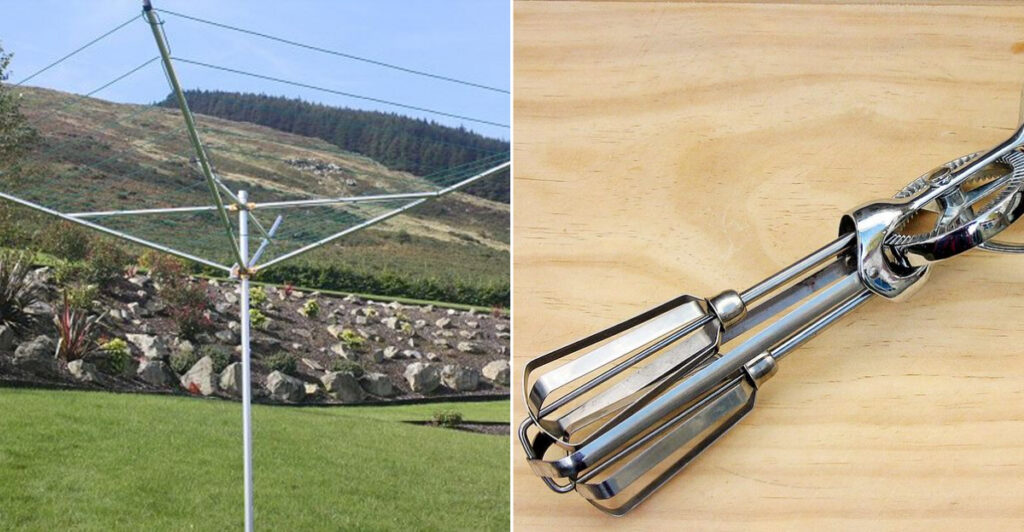
Hand-cranked egg beaters deserve credit for being clever engineering for their time. Two interlocked beaters spinning via a hand-turned gear?
Genuinely smart design. Also genuinely exhausting after about thirty seconds of actual use.
Whipping cream or beating egg whites by hand takes serious effort and time. Your arm gets tired, the bowl slides around, and the results are inconsistent compared to what a basic electric hand mixer delivers in under a minute.
Electric hand mixers are inexpensive, lightweight, and widely available. They do in sixty seconds what a hand-cranked beater does in ten minutes with considerably more sweat and muttering involved.
I tried using one at a baking class once, purely for the retro experience. By the time the eggs were half-beaten, my forearm was staging a protest.
The instructor switched me to an electric mixer without a word. Hand-cranked beaters are charming kitchen decor.
Actual baking tools, they are not.
Plastic Bread Bags (Saved for Reuse)
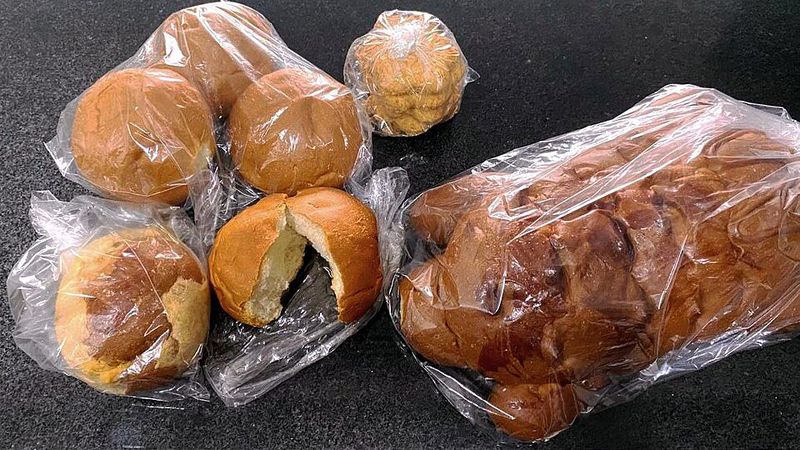
Saving plastic bread bags for reuse is the boomer version of a subscription storage service, except the subscription is free, the storage is your kitchen drawers, and the inventory never stops growing.
The intention is genuinely good. Reusing bags reduces waste, saves money, and makes practical sense.
The execution, however, tends to produce a drawer so stuffed with crinkled plastic that finding anything else in there becomes a small adventure.
Bread bags also have a limited second-life range. They are fine for storing small items but too flimsy for much else.
Modern reusable silicone bags and proper food storage containers do the job far better without multiplying out of control.
At some point, the collection crosses from thrifty to chaotic. If your bread bag stash has its own ecosystem and organizational structure, that might be the sign to finally say goodbye to most of them.
Keep a few. Liberate the rest.
Rolodexes
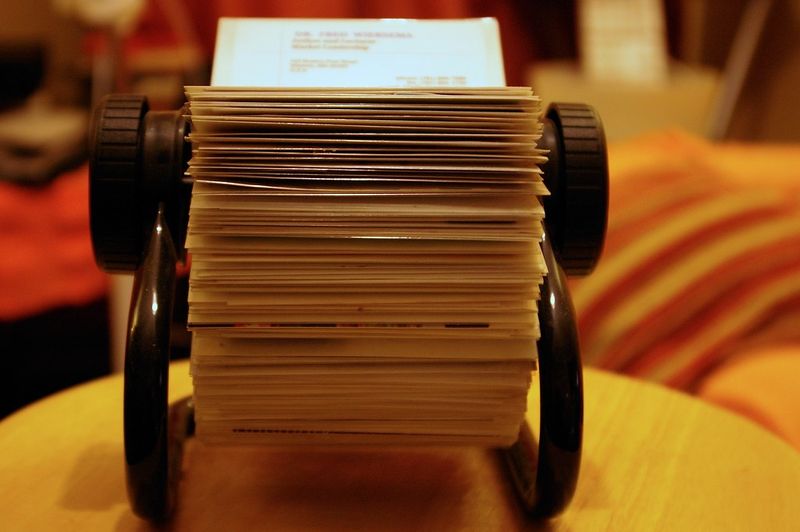
The Rolodex was once the ultimate power symbol in any office. Flipping through hundreds of contacts with authority meant you were connected, organized, and serious about business.
It was genuinely impressive at the time.
Smartphones now store thousands of contacts, sync across every device, and search by name in under a second. Cloud backup means you never lose a contact, even if your phone takes a swim.
No physical card required.
Updating a Rolodex meant writing out a new card by hand every time someone changed their number or address. Updating a phone contact takes about four taps.
The efficiency gap between these two options is not subtle.
Some Rolodexes still sit on desks as a kind of retro status symbol, which is fair enough. They look great in a vintage-style office setup.
As a functional contact management tool in the modern world, though, they are about as current as a fax machine. Beautiful relics, both of them.
Standalone Potato Peelers
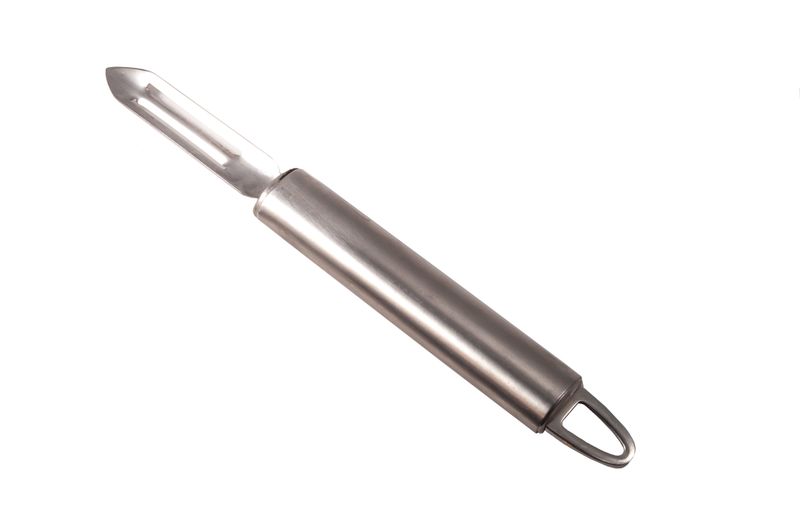
Potato peelers are not exactly controversial kitchen tools, but they do raise a fair question: why have a dedicated single-use gadget when a paring knife handles the same job with more control and zero extra storage required?
A sharp paring knife peels potatoes cleanly, handles carrots, apples, and zucchini with equal ease, and does not add another item to the already overcrowded utensil drawer. Versatility beats specialization in a small kitchen every time.
Older peelers, especially the Y-shaped or straight metal ones that have been around for decades, tend to dull quickly and can drag rather than glide across the skin of a potato. That makes peeling slower and more effort than it needs to be.
If you love your peeler and it works perfectly, keep it. No judgment here.
But if it is sitting unused in a drawer next to the egg slicer and the apple corer, maybe it is time for a honest kitchen audit.
Encyclopedias

Encyclopedia sets were once the crown jewel of any family’s bookshelf. Owning a full set of Encyclopedia Britannica meant you were educated, prepared, and serious about knowledge.
They also cost a small fortune, which made them even more prestigious.
The problem with printed encyclopedias is that they are outdated the moment they are printed. Science updates, countries change borders, records get broken, and that expensive set on your shelf quietly falls behind the times with every passing month.
Wikipedia, for all its imperfections, is updated in real time by millions of contributors worldwide. Google provides sourced, current information in seconds.
The research gap between a 1987 encyclopedia and a modern search engine is roughly the size of the Grand Canyon.
Many boomer households still display their encyclopedia sets as living room decor, which is honestly a solid use for them. They look distinguished on a shelf.
As research tools, though, they retired long before most of their owners did.
Rotary Clotheslines
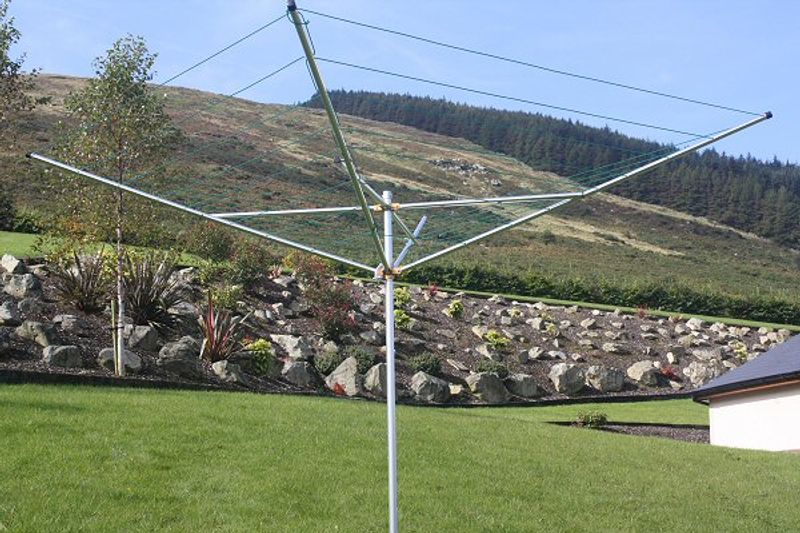
Rotary clotheslines have a certain wholesome appeal. Fresh air, sunshine, and laundry flapping in the breeze sounds genuinely pleasant, right up until you factor in the setup, the weather, the bugs, and the stiff towels that come out feeling like cardboard.
Setting up and dismantling a rotary clothesline takes effort. Wet laundry is heavy, the arms can be awkward to load evenly, and one unexpected rain shower turns your freshly washed sheets into a soggy disaster requiring a second wash.
Modern tumble dryers handle laundry efficiently regardless of weather, time of day, or season. Indoor drying racks offer a middle ground for those who prefer air drying without the outdoor commitment.
Both options are simply more convenient for most households.
Energy-efficient dryers have also closed the environmental gap that once made outdoor drying the obvious green choice. Rotary clotheslines are not useless everywhere, but for households with easier options already installed, they are mostly a backyard obstacle course waiting to happen.
Aluminum Ice Cream Scoops
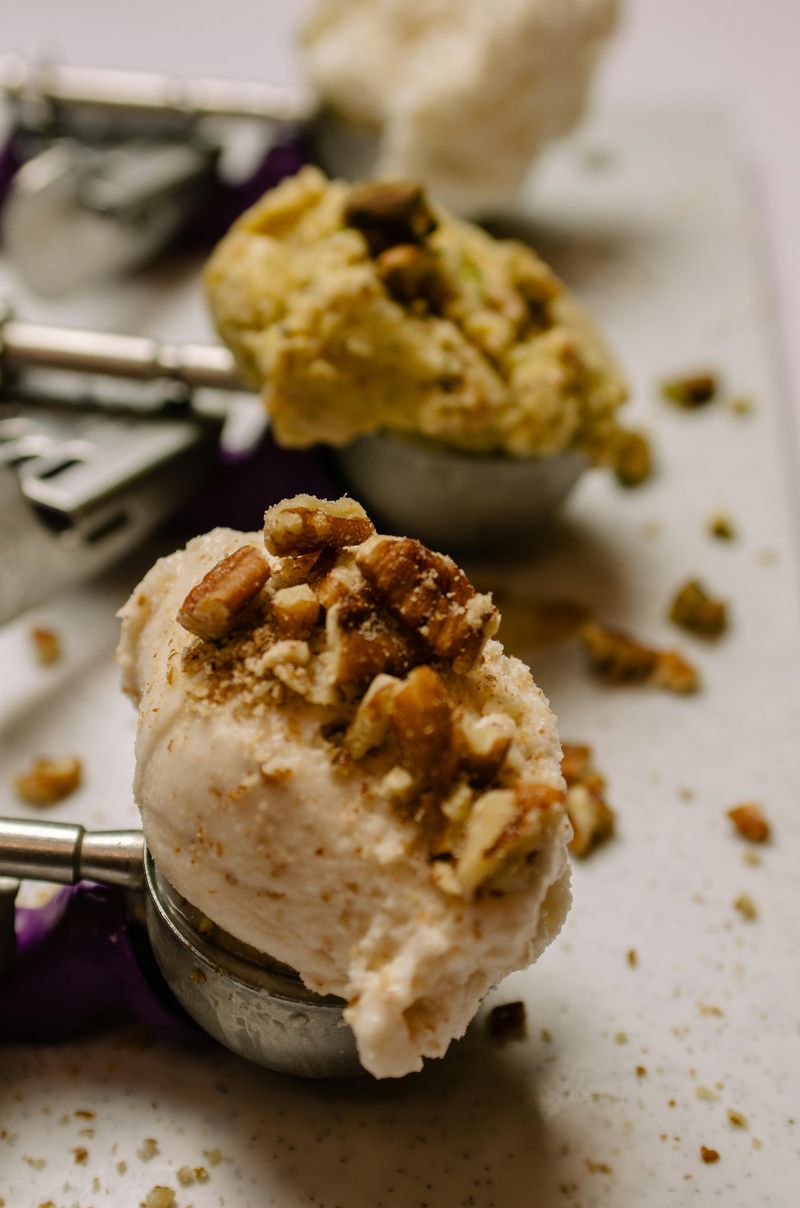
Aluminum ice cream scoops were designed for a simpler era when ice cream was softer and expectations were lower. Against a fresh pint of premium ice cream straight from the freezer, they are essentially decorative spoons with delusions of grandeur.
The thin aluminum construction means these scoops bend under pressure. Hard ice cream wins that battle every single time.
You end up with a warped scoop, a dented carton, and a bowl of ice cream that looks like it lost a fight.
Modern ice cream scoops are built from stainless steel with ergonomic handles and sometimes even antifreeze fluid inside the bowl to warm the metal slightly. They glide through hard ice cream like they were made for exactly that purpose, because they were.
Aluminum scoops do have a retro charm that makes them fun to display in a vintage kitchen setup. Actually scooping ice cream with one, though, is a test of willpower that most dessert fans should not have to pass.
Plastic Furniture Covers

Plastic furniture covers are the ultimate expression of a very specific philosophy: the furniture must be preserved at all costs, even if that means sitting on what feels like a giant ziplock bag for the rest of your life.
The noise alone is enough to drive anyone out of the room. Every time you shift position, the plastic crinkles loudly enough to interrupt a conversation, a movie, or a perfectly good nap.
Comfort is not part of this equation.
In summer, plastic covers turn any couch into a personal sauna. Your legs stick, you slide, and getting up requires a small physical commitment.
The furniture underneath may be pristine, but nobody wants to sit on it anyway.
The irony is that furniture protected by plastic covers is often never truly enjoyed. It is preserved for a future that never quite arrives.
A good fabric protector spray does the job without turning your living room into a storage facility for things too nice to actually use.
Share this story