Europe is a continent that takes its coffee very seriously. From centuries-old Viennese cafés to cutting-edge Nordic roasteries, every city has its own way of doing things.
Whether you drink espresso standing at a bar or spend hours nursing a filter brew at a marble table, there is a European city perfectly matched to your style. Here are 15 cities that every coffee lover needs to know about.
Vienna, Austria
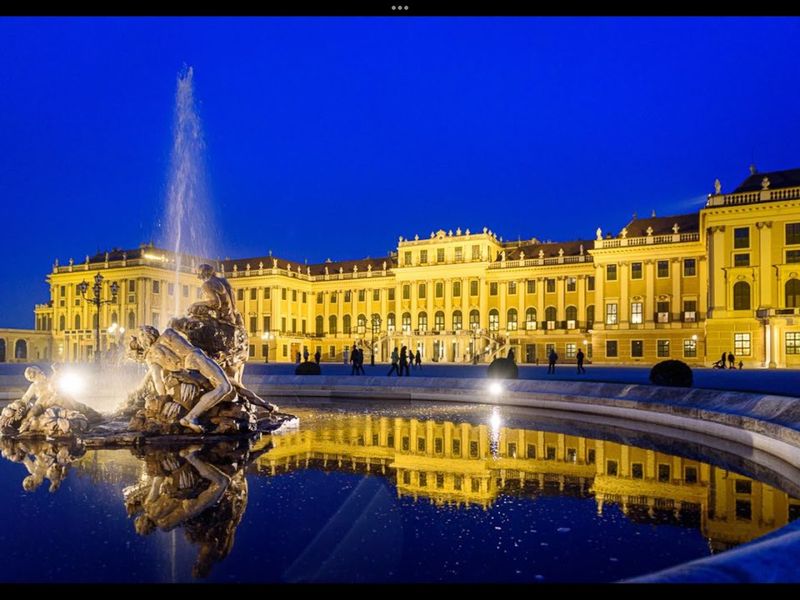
UNESCO made it official: Viennese coffee house culture is intangible cultural heritage. That is a fancy way of saying that sitting in a café for three hours with one coffee and a newspaper is not laziness.
It is tradition.
Vienna’s grand cafés, like Café Central and Café Hawelka, were built for lingering. Marble tables, velvet seats, and zero pressure to leave.
I once sat at a corner table for two full hours and nobody gave me a single look. Bliss.
The coffee menu itself is an art form. A Melange is similar to a cappuccino.
A Verlängerter is a lengthened espresso. A Einspänner comes topped with whipped cream in a glass.
Each one has its own ritual, its own glassware, and its own loyal fan base. Vienna does not just serve coffee.
It performs it.
Copenhagen, Denmark
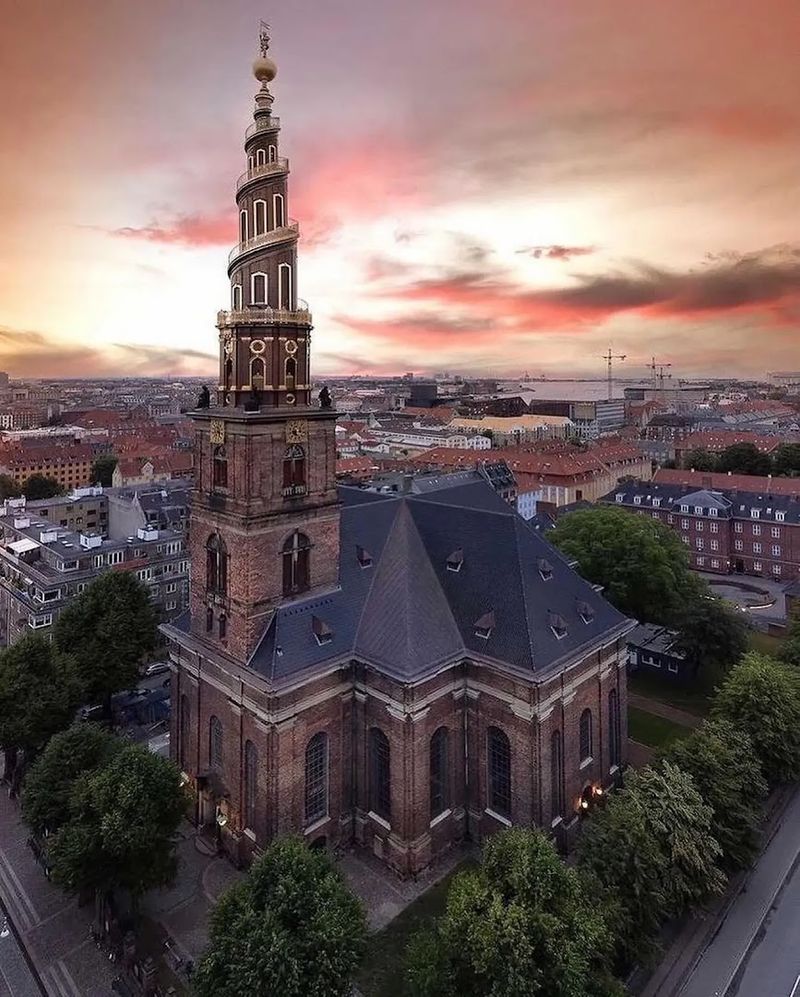
Copenhagen basically rewrote the rulebook on how coffee should taste. The Nordic specialty style, which favors lighter roasts and crystal-clear flavors, started gaining global attention partly because of this city.
Coffee Collective, founded here in 2007, helped put Copenhagen on the world coffee map.
Walking into a Copenhagen café feels like stepping into a very calm, very well-lit design magazine. The baristas talk about their beans like sommeliers talk about wine.
Origin, altitude, processing method. It is a lot, but in the best possible way.
What makes Copenhagen special is how seriously everyone takes quality without making it feel intimidating. You can ask a basic question and get a genuinely enthusiastic answer.
The city has built a coffee culture that is technically impressive but still deeply welcoming. Light roasts, careful brewing, and a whole lot of pride go into every single cup here.
Oslo, Norway
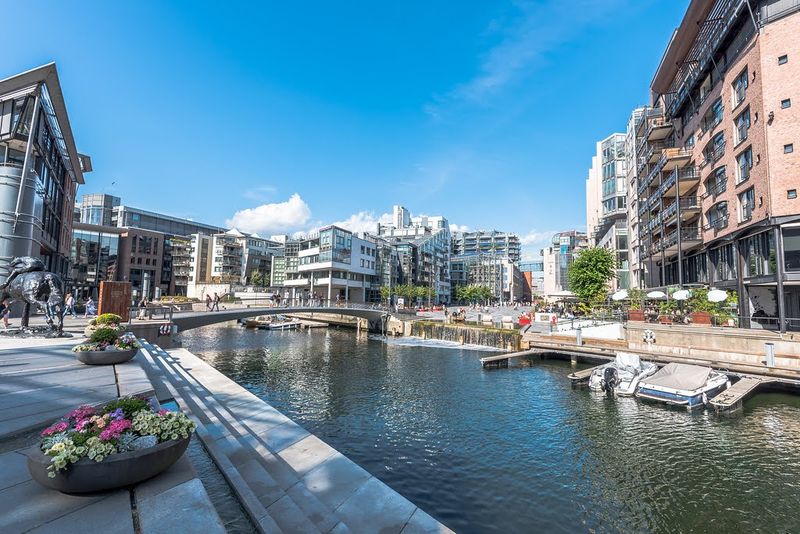
Tim Wendelboe is a name that serious coffee people say with quiet reverence. His Oslo espresso bar and roastery is one of the most respected coffee spots on earth, and it fits inside a room barely bigger than a large living room.
Small space, enormous reputation.
Oslo’s specialty scene is compact but globally influential. The city helped shape the light-roast movement that now defines how quality coffee is discussed worldwide.
Baristas here talk about sweetness, clarity, and balance the way chefs talk about seasoning.
What I love about Oslo is that the coffee culture feels genuinely local. There are no massive chains trying to copy the aesthetic.
The cafés are small, personal, and deeply committed to their craft. If you want to understand why Scandinavian coffee became a global benchmark, spending a morning in Oslo with a well-made espresso in hand will answer that question faster than any book could.
Stockholm, Sweden
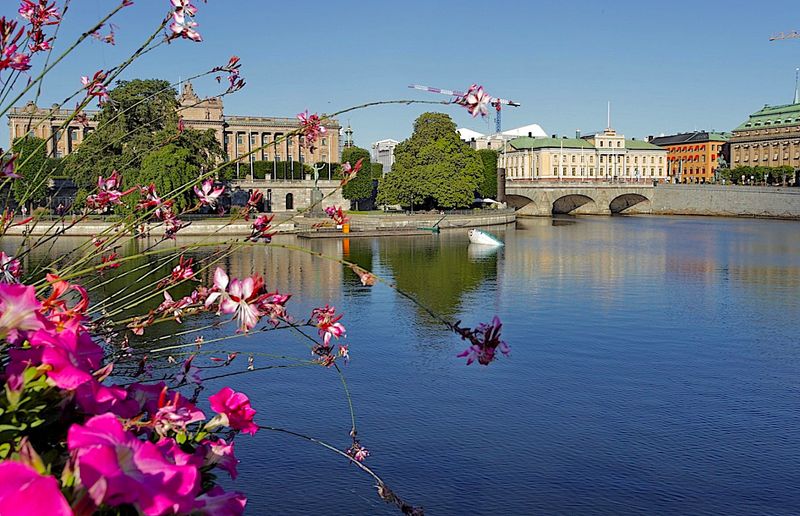
Sweden has a concept called fika, which is basically a mandatory coffee-and-pastry break built into the social fabric of everyday life. Stockholm takes fika seriously.
Like, nationally-seriously. Missing fika is not an option.
Beyond the cultural ritual, Stockholm is a genuine powerhouse for specialty coffee. Drop Coffee, founded in 2009, is one of the city’s best-known roasters and helped establish Stockholm as a destination for coffee travelers who know what they are looking for.
Clean, sweet, lightly roasted profiles are the city’s signature.
The café scene here manages to feel both polished and relaxed at the same time. Beautiful interiors, thoughtful menus, and baristas who clearly love what they do.
Stockholm also has a strong community of independent roasters pushing quality forward constantly. For anyone who appreciates coffee that tastes like the fruit and sweetness of the bean, Stockholm is an essential stop.
Helsinki, Finland
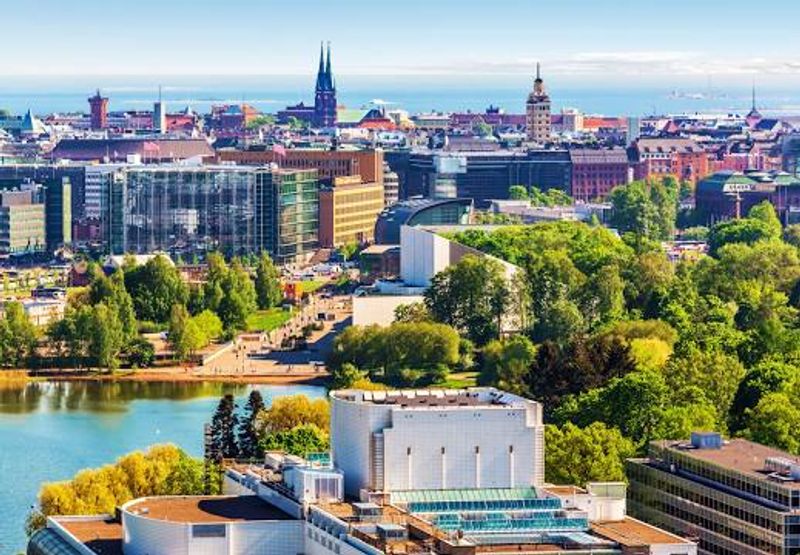
Finland drinks more coffee per person than almost any other country on the planet. That is not a rumor.
It is a documented, statistically verified fact. Helsinki, as the capital, carries that caffeinated reputation with full confidence.
Kaffa Roastery is one of the city’s standout specialty operations, roasting quality beans and running a café that attracts locals and coffee tourists alike. Helsinki’s scene blends traditional Finnish coffee habits with a modern specialty approach that keeps things interesting.
Finnish coffee culture is less about theatrical café experiences and more about genuine, everyday quality. A good cup of coffee here is considered a basic right, not a luxury.
That attitude has pushed the entire city toward higher standards. You will find excellent coffee in small neighborhood spots, roasteries, and artisan cafés scattered across Helsinki.
It is a city where the bar is high because the people drinking the coffee actually know what good tastes like.
London, UK
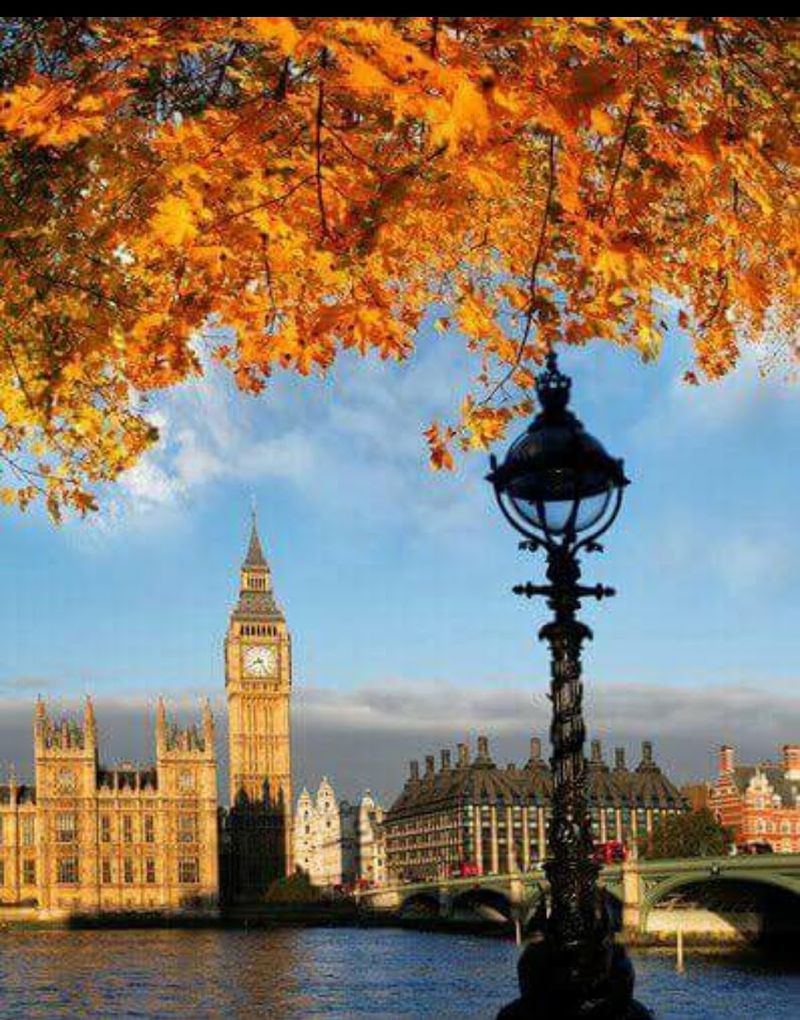
London does not have one coffee identity. It has about forty, all running simultaneously and somehow working.
Espresso bars, filter-only spots, experimental menus, and every global coffee influence you can think of all share the same city. That range is exactly what makes London so exciting for coffee lovers.
Square Mile Coffee Roasters, founded in 2008, is one of the city’s most respected names in specialty coffee. Their beans have ended up in cups across Europe, and their influence on the London scene has been significant.
The city has been a launching pad for some of the world’s best coffee talent.
What London gets right is accessibility. You can find a technically brilliant espresso in a tiny Soho side street or a beautifully brewed filter in a converted East End warehouse.
The city’s sheer size means the coffee scene keeps evolving. There is always something new opening, and the quality keeps climbing.
Paris, France
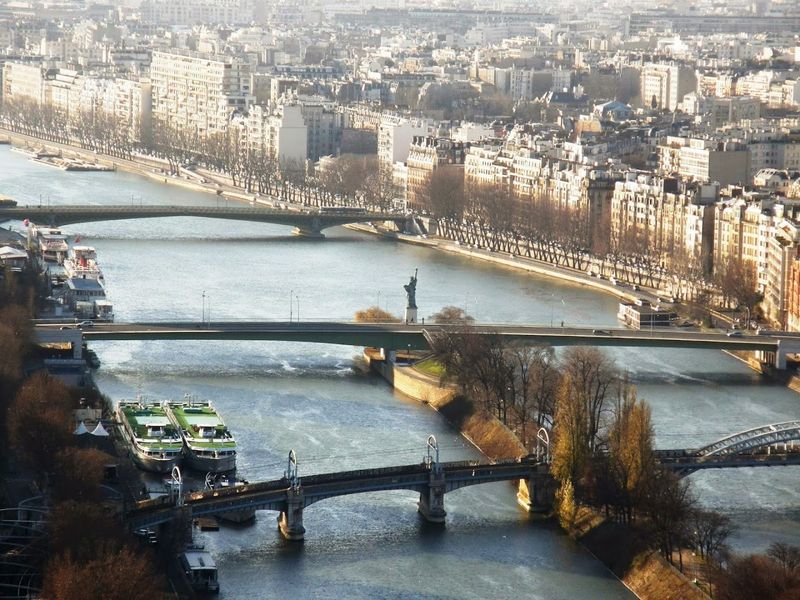
Paris has always had café culture. Sitting at a zinc bar with a tiny espresso, watching the street, being effortlessly stylish.
That part is well established. What has changed recently is the arrival of serious specialty coffee alongside all that classic charm.
Coutume, founded in 2011, became one of the early success stories of Paris’s neo-café movement. Suddenly, a city famous for dark, bitter espresso was talking about origin, roast profiles, and brewing methods.
The transformation has been genuinely exciting to watch.
Paris now has a proper specialty ecosystem. Roasters, filter bars, and well-trained baristas are no longer hard to find.
The best part is how the new wave sits comfortably beside the old traditions. You can have a classic crème at a traditional café in the morning and a perfectly brewed single-origin pour-over at a specialty shop in the afternoon.
Paris lets you have it both ways, and that is very Parisian of it.
Amsterdam, Netherlands
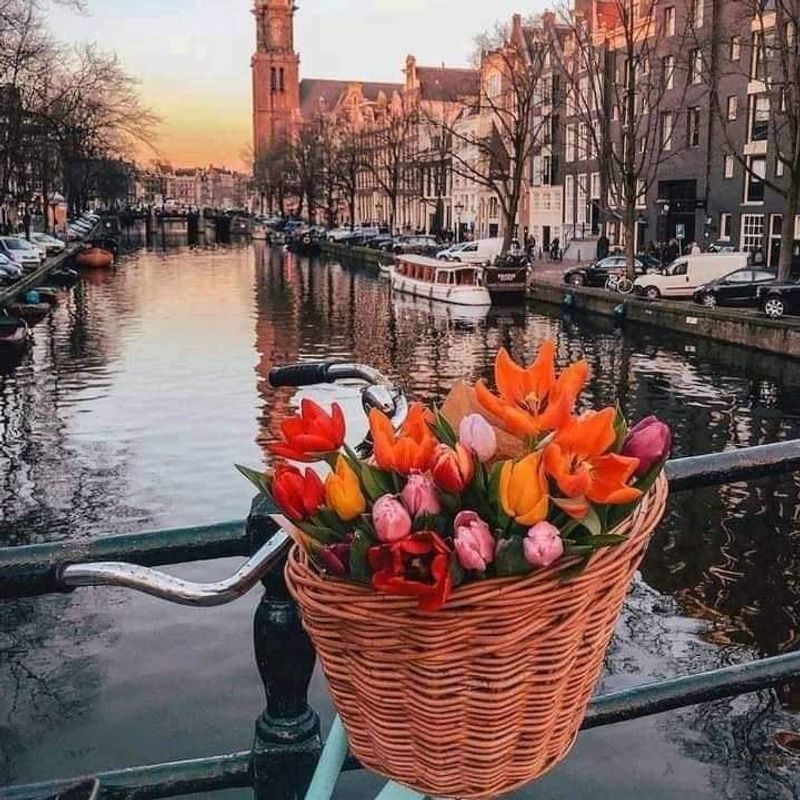
Amsterdam consistently gets mentioned alongside Copenhagen and London when coffee experts list Europe’s top destinations. For a relatively small city, that is a serious achievement.
The Dutch have quietly built one of the continent’s most respected specialty coffee scenes.
Back to Black opened its first specialty coffee bar in Amsterdam in 2014 and started roasting in 2015. It became a reference point for the city’s growing reputation.
The café sits in a beautifully converted space and draws a genuinely enthusiastic crowd of coffee fans.
Amsterdam’s coffee culture benefits from the city’s international, open-minded character. New ideas land here quickly.
Roasters experiment freely, and customers are curious and engaged. The canal-side setting does not hurt either.
There is something particularly satisfying about wrapping your hands around a well-made coffee while watching a boat drift past a centuries-old bridge. Amsterdam packages great coffee inside one of Europe’s most visually appealing cities.
Berlin, Germany
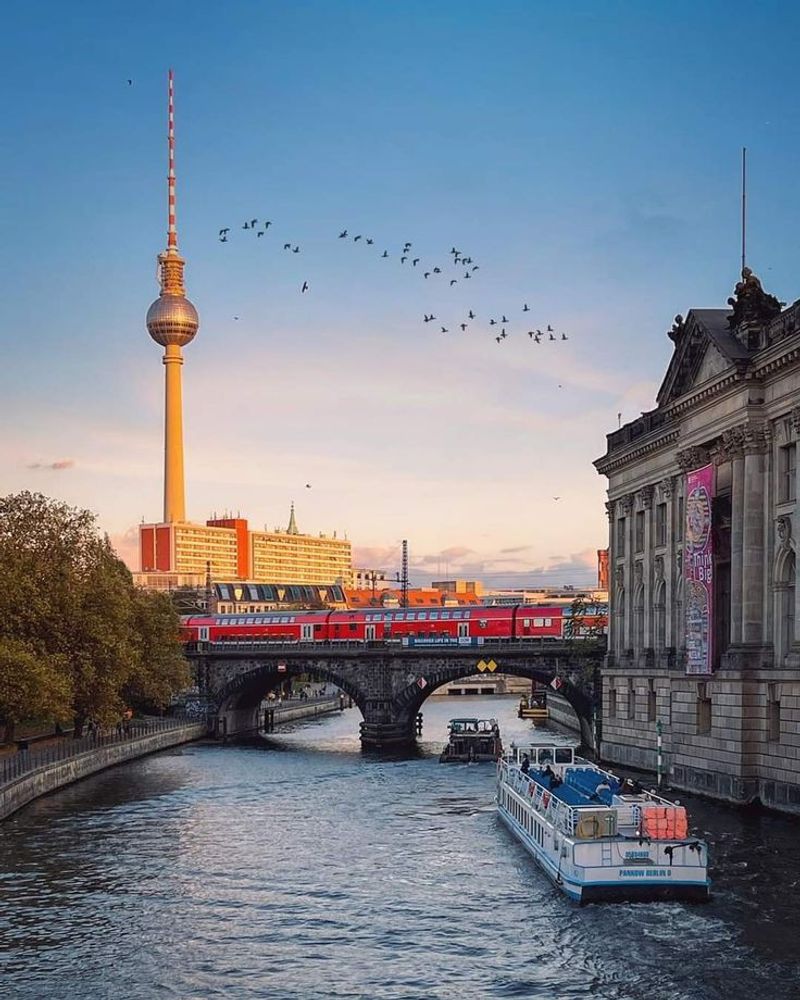
Berlin has a reputation for doing things its own way, loudly and without apology. Its coffee scene fits that personality perfectly.
Big, eclectic, relentlessly quality-focused, and slightly cooler than it needs to be. THE BARN has been representing the specialty movement here since 2010 and remains one of the city’s most recognized roasters.
The city’s café culture is spread across neighborhoods with wildly different characters. Mitte, Prenzlauer Berg, Kreuzberg.
Each area has its own vibe, and the coffee shops reflect that. You will find everything from minimalist Scandinavian-style filter bars to sprawling, industrial roasteries with communal tables.
Berlin attracts baristas and roasters from across Europe who want to be part of a scene that genuinely rewards ambition. The competition is real, which means the quality stays high.
A city that once ran on cheap filter coffee from corner kiosks has transformed into a legitimate coffee destination. That glow-up deserves respect.
Milan, Italy
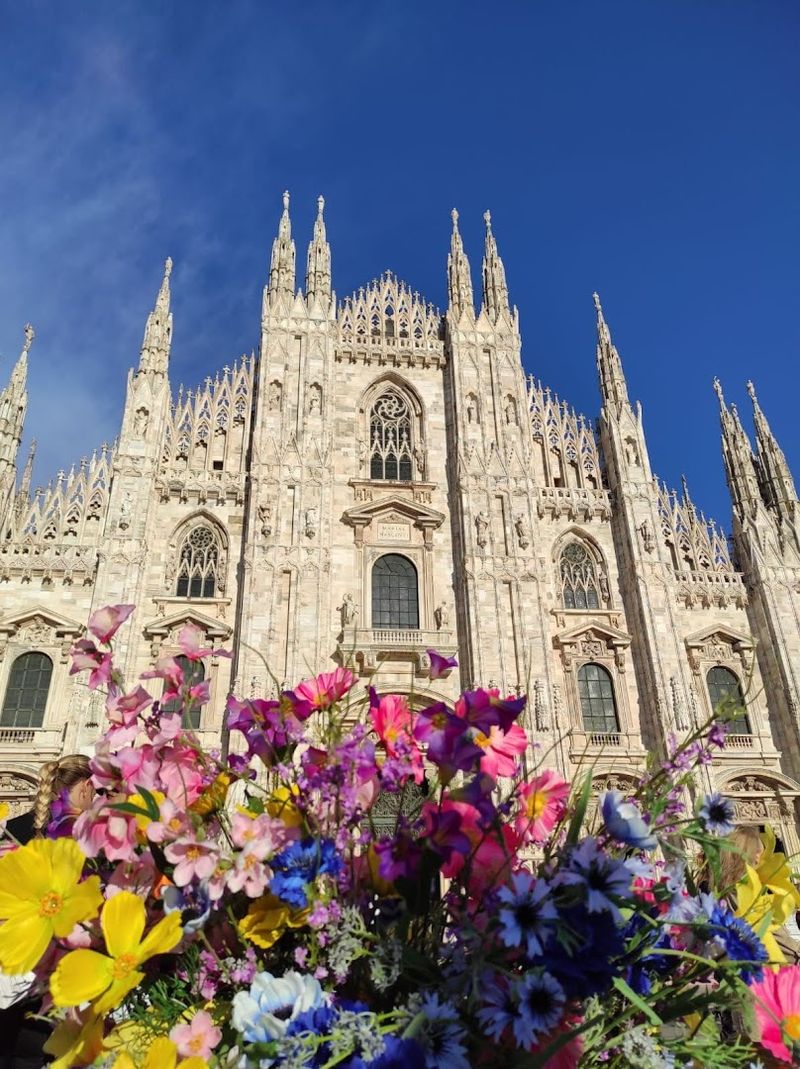
Milan is the kind of city where a perfectly pulled espresso at a standing bar counter is considered a non-negotiable daily ritual. No foam art.
No oat milk options. Just a tiny, intense, beautiful cup of espresso consumed in approximately 45 seconds.
Efficiency has never tasted so good.
Beyond tradition, Milan is also where specialty coffee has found real space in Italy. That is notable because Italy can be resistant to change when it comes to coffee.
Starbucks chose Milan for its first Italian location: the Reserve Roastery opened on September 7, 2018. Even that felt like a statement about the city’s coffee status.
Milan operates on two tracks simultaneously. The classic espresso bar culture that has defined Italian coffee for generations, and a newer wave of specialty shops pushing different ideas.
Both tracks are worth exploring. The city rewards coffee lovers who are curious enough to try both sides of the cup.
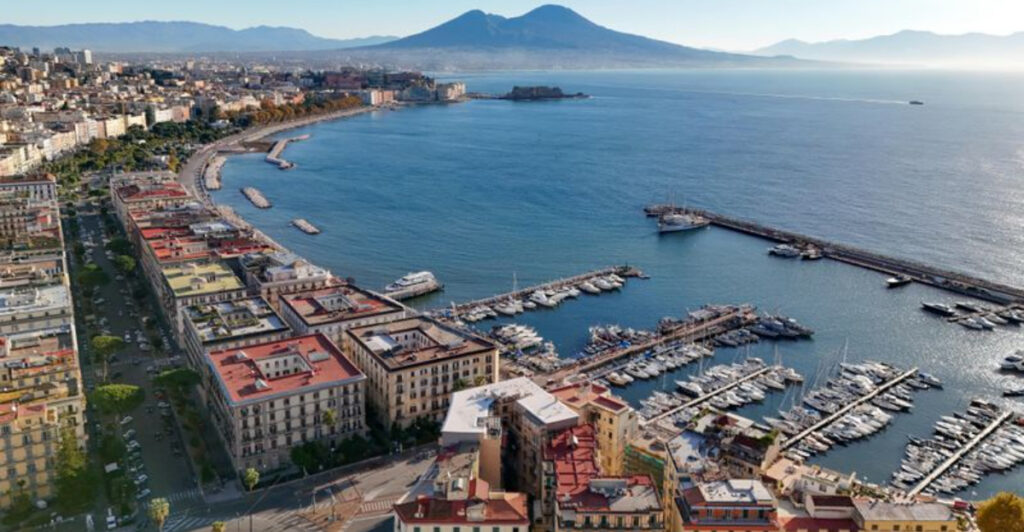
Naples, Italy
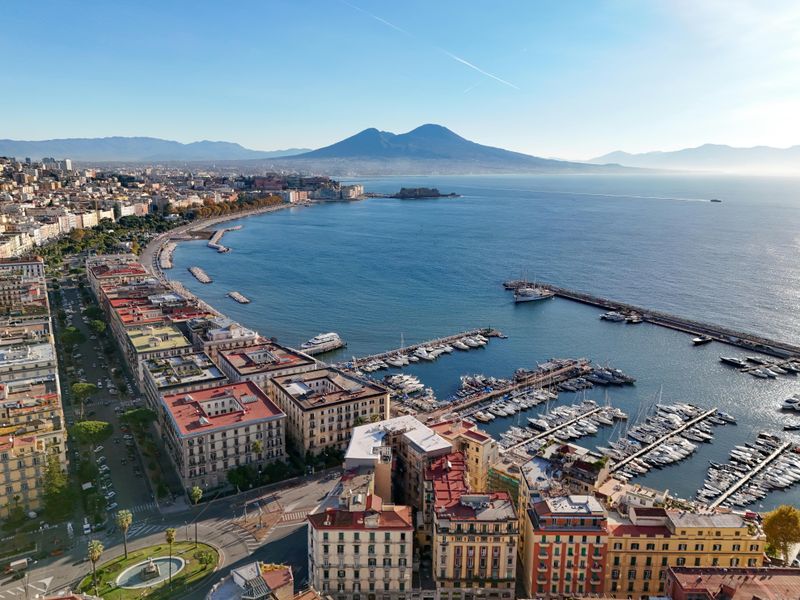
Naples does not just have a coffee culture. Naples has a coffee religion.
The espresso here is darker, more intense, and served at a slightly cooler temperature than elsewhere in Italy so you can drink it fast without burning your mouth. Practical and delicious.
One of the most charming traditions to come out of Naples is caffè sospeso, which translates to suspended coffee. You pay for your coffee and leave an extra one paid for in advance, for a stranger who cannot afford it.
It is an act of generosity built directly into the café experience. That is community-minded coffee culture at its finest.
Neapolitan baristas take their craft personally. There is genuine pride in every cup, and locals will tell you without hesitation that their espresso is simply the best in the world.
Having tried it myself, I am not in a position to argue. Naples earns every bit of its legendary reputation.
Turin, Italy
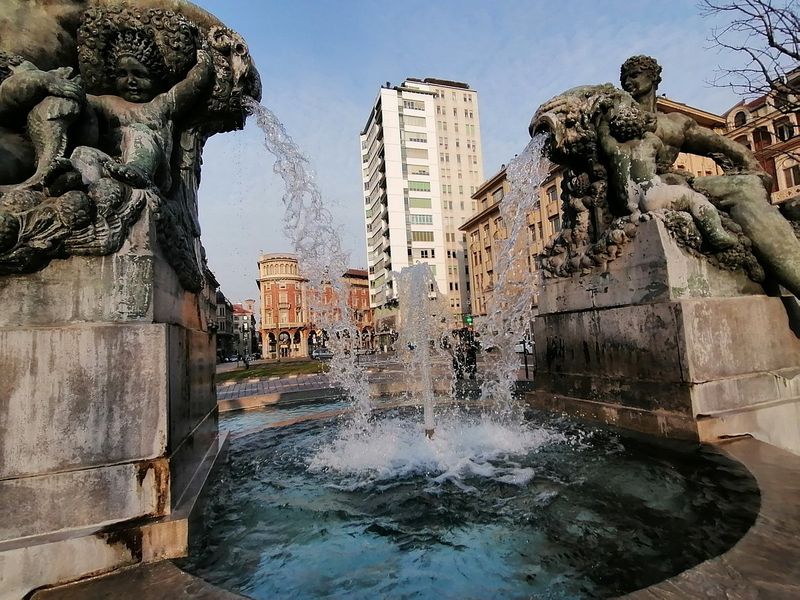
Coffee history runs deep in Turin’s streets. Luigi Lavazza opened his first store here in 1895, and the brand that grew from that single shop became one of the most recognized coffee names on earth.
Walking through Turin with that knowledge makes the city feel like a living museum of coffee heritage.
Lavazza’s roots are still felt throughout the city. The brand’s headquarters remain in Turin, and the Lavazza Museum opened in 2018 to celebrate that history.
It is genuinely worth a visit if you want to understand how Italian espresso culture developed and spread globally.
Beyond the brand legacy, Turin’s everyday café life is excellent. The city has a distinct café culture that blends historical elegance with relaxed northern Italian charm.
Bicerin, a local drink made with espresso, chocolate, and cream, was invented here and is still served in the café that created it. Turin is where coffee history and daily pleasure overlap perfectly.
Trieste, Italy
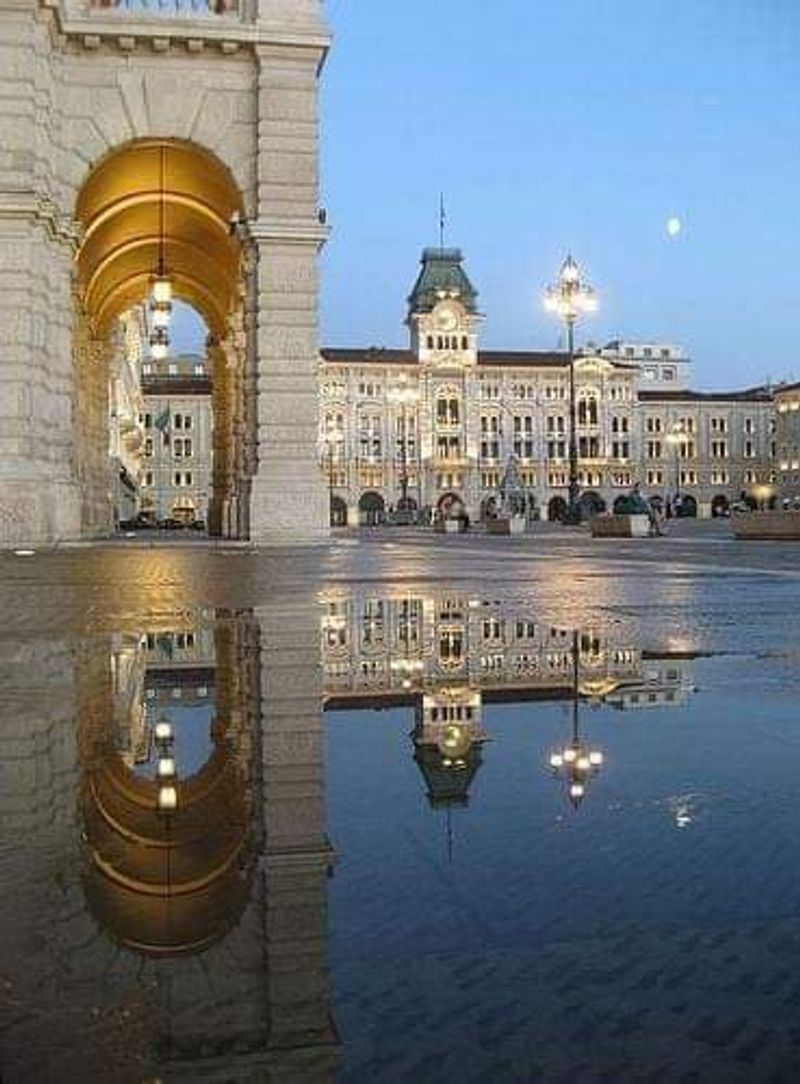
Trieste is Italy’s quiet coffee capital, and most people outside the coffee world have no idea. This port city on the Adriatic has a coffee identity so specific and so deep that it even has its own café vocabulary different from the rest of Italy.
Order a caffè here and you get an espresso. Order a nero and you get what the rest of Italy calls an espresso.
Yes, really.
illycaffè was founded in Trieste in 1933, and the company has been shaping global coffee standards ever since. The city is strongly associated with coffee research, training, and innovation.
The Università del Caffè, illy’s education center, is based here and trains professionals from around the world.
Trieste’s café culture carries a distinct Austro-Hungarian influence from its history as part of the Habsburg Empire. The grand old cafés feel more Viennese than Italian in some ways.
That cultural mix gives the city a coffee identity unlike anywhere else in Europe.
Lisbon, Portugal
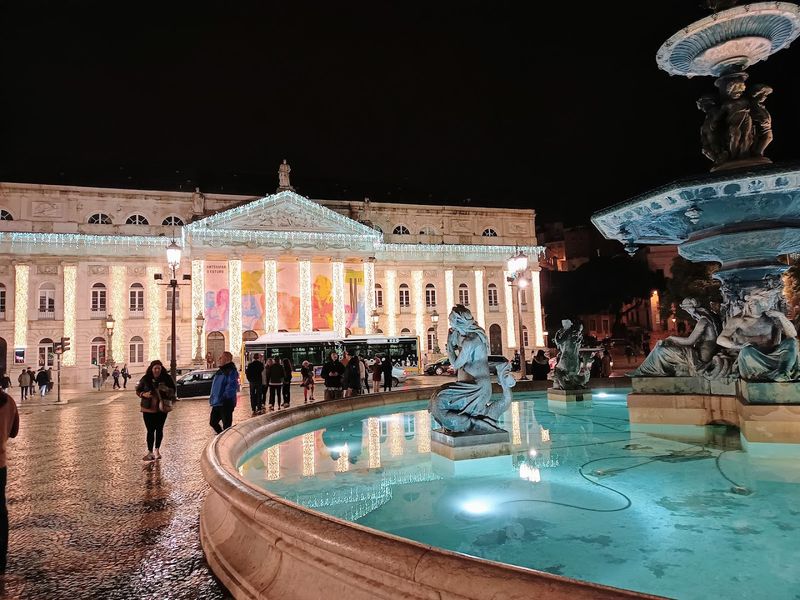
Portugal has been growing and trading coffee for centuries through its historical ties to Brazil and Africa. Lisbon, as the country’s capital, sits at the center of that long relationship with the bean.
The city’s coffee culture is both deeply traditional and surprisingly forward-looking at the same time.
Fábrica Coffee Roasters has been roasting in Lisbon since 2015 and helped establish the city’s modern specialty scene. Since then, a whole ecosystem of quality-focused cafés and roasters has grown up around it.
Lisbon now appears regularly on lists of Europe’s best coffee destinations, and for good reason.
The traditional Portuguese café scene runs on bica, a short, intense espresso served with a little sugar on the side. It is cheap, strong, and consumed at high speed at a counter.
Alongside that tradition, specialty shops are offering filter coffee, single-origin espresso, and thoughtful brewing. Lisbon gives you both worlds within a few blocks of each other.
Barcelona, Spain
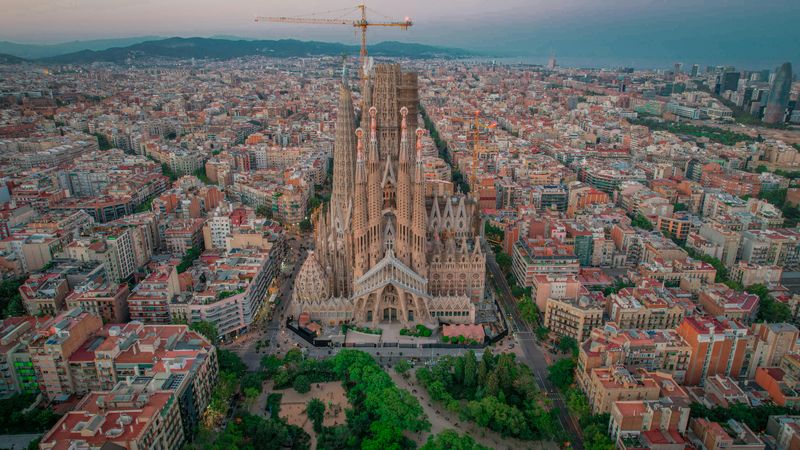
Barcelona has a way of making everything look cooler than it probably should, and its coffee scene is no exception. The city’s specialty coffee world is well established and draws dedicated coffee travelers who plan their trips around café visits.
That level of devotion tells you everything.
Nomad Coffee traces its beginnings to 2011 and became one of the most prominent specialty names in Barcelona. The roastery has helped define what serious coffee looks like in a Spanish context, which historically leaned toward dark, milk-heavy drinks.
Nomad pushed the conversation toward quality sourcing and lighter roasts.
Barcelona’s coffee culture benefits from the city’s creative, internationally connected energy. New cafés open regularly, the quality bar keeps rising, and the community of coffee professionals here is genuinely passionate.
You can enjoy a traditional cortado at a corner bar or a meticulously brewed filter at a specialty shop. Barcelona does not ask you to choose a side.
It just keeps the coffee excellent across the board.
Share this story