Turkey is one of those rare countries that gives you ancient ruins, turquoise coastlines, volcanic landscapes, and world-class food all without draining your wallet. From fairy-chimney valleys to hilltop stone cities, the variety here is genuinely hard to beat.
I have been lucky enough to travel through several of these spots, and the best part? Most of the magic was completely free.
Whether you are a history nerd, a beach lover, or just someone chasing good food and better views, Turkey has a spot with your name on it.
Göreme, Cappadocia
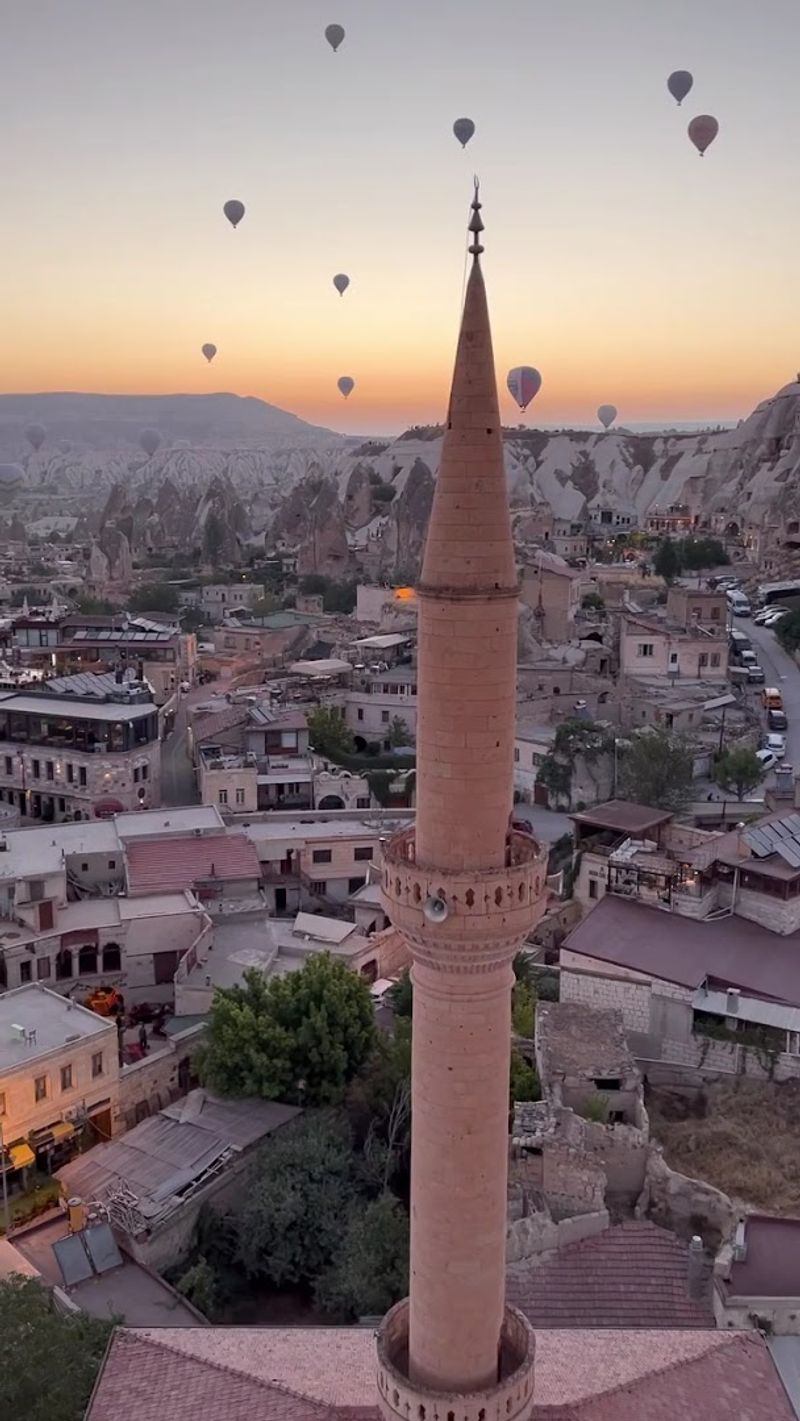
Cappadocia looks like someone accidentally left a sci-fi movie set in the middle of Turkey and forgot to take it down. The valleys around Göreme are carved by millions of years of volcanic erosion into shapes that genuinely make you stop and stare.
Early Christians actually lived inside these rocks, turning them into hidden churches decorated with frescoes.
Hot air balloons get all the Instagram glory here, but honestly, hiking the Rose or Love Valley at sunrise costs you nothing and delivers just as much wonder. I skipped the balloon ride on my first trip and had zero regrets.
The Göreme Open Air Museum charges a small entry fee and is absolutely worth it.
Budget travelers will find plenty of cave-style hostels and guesthouses at reasonable prices. Pack your walking shoes, grab a free map from your hotel, and let the valleys do the rest.
Pamukkale & Hierapolis
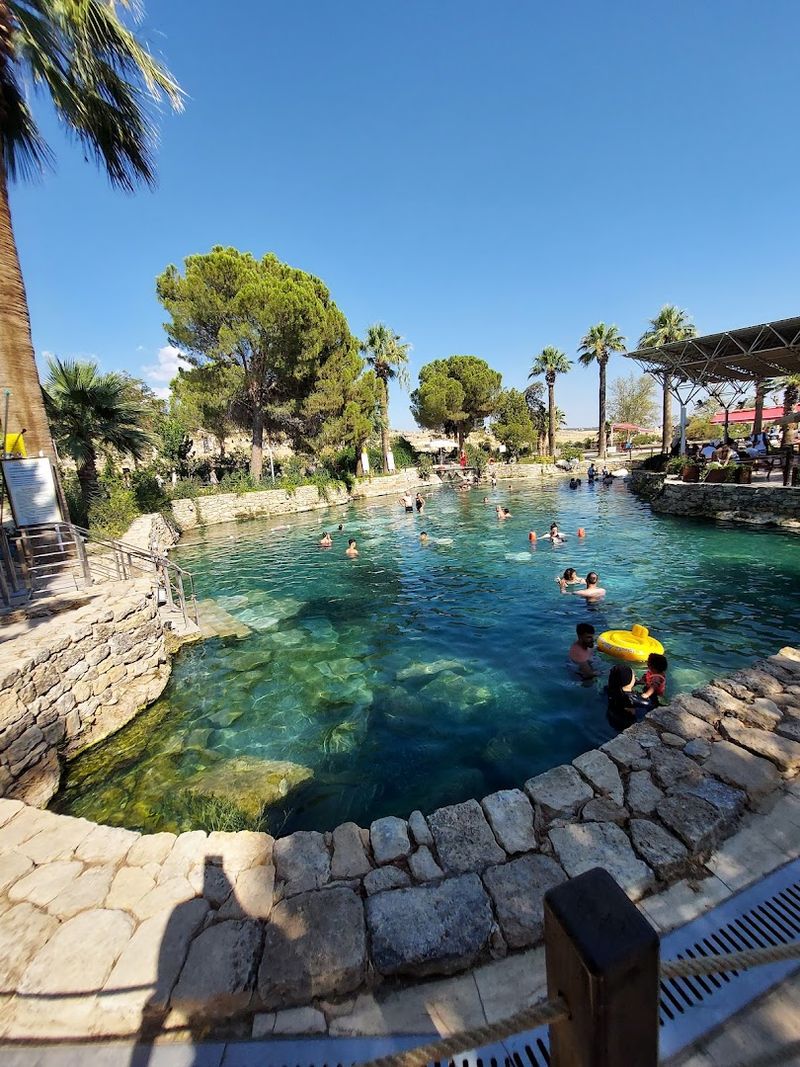
Pamukkale translates to “cotton castle” in Turkish, and one look at those brilliant white terraces explains everything. The calcium-rich thermal water has been spilling down this hillside for thousands of years, creating a staircase of natural pools that look almost too perfect to be real.
Right at the top sits Hierapolis, a remarkably preserved Greco-Roman city complete with a theatre, necropolis, and ancient spa complex. The combo of natural wonder and ancient history in one ticket is genuinely unbeatable value.
Going early in the morning or late afternoon gives you softer light and far fewer selfie sticks in your face.
Stay in nearby Denizli rather than the hotels perched right at the site, and you will cut your accommodation costs significantly. The walk up through the terraces is barefoot only, which sounds odd but actually feels great on tired travel feet.
Selçuk
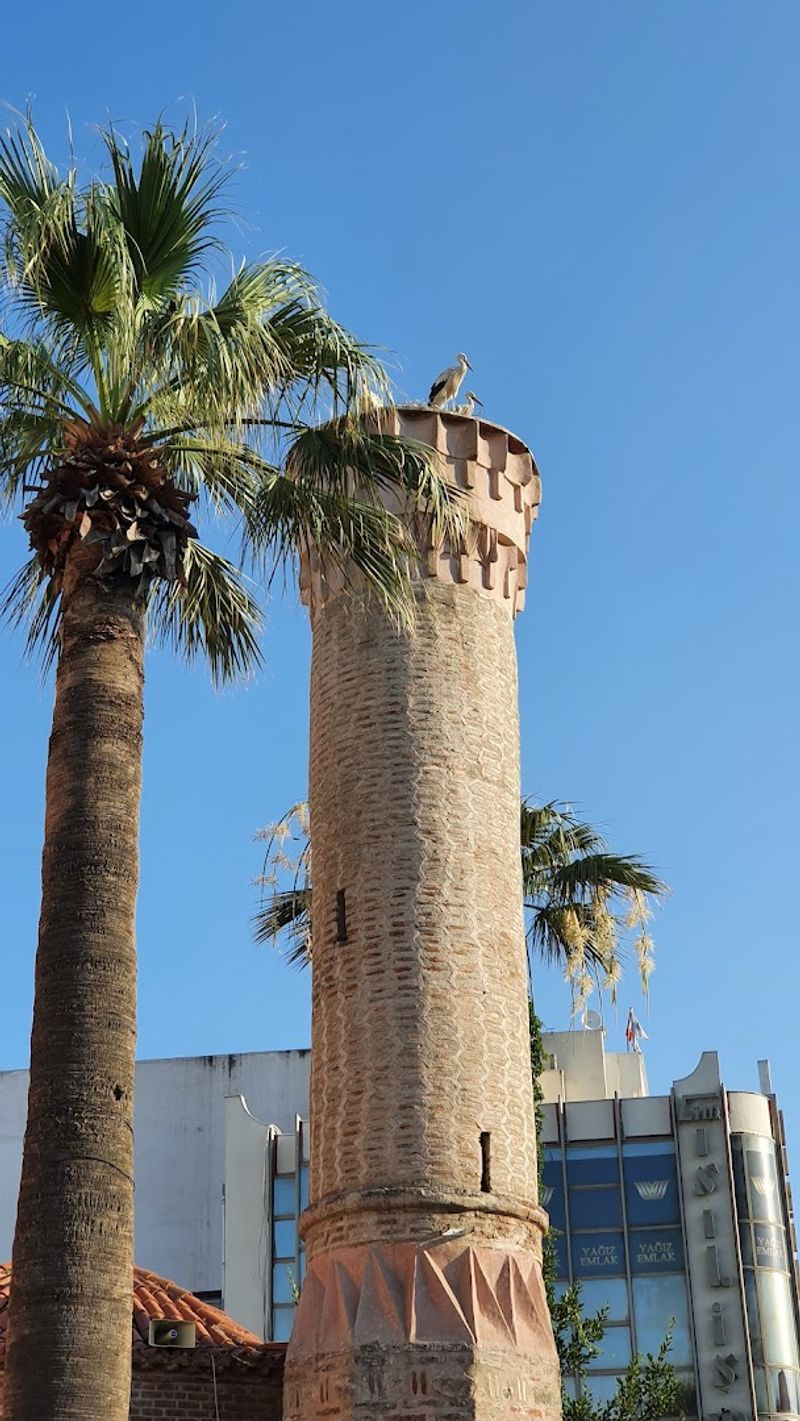
Most travelers rush straight past Selçuk on their way to Ephesus, which is honestly their loss. This small, friendly town has its own charm going well beyond being a convenient base.
Storks nest on top of ancient Roman aqueduct columns right in the town center, which is one of the stranger and more delightful things you will ever see on a morning walk.
Staying here instead of commuting from Kusadasi or Izmir saves a surprising amount of money. Guesthouses are affordable, the local market is great for cheap fresh produce, and the atmosphere is genuinely relaxed.
I stayed three nights and barely wanted to leave.
The Ephesus Museum in town is small but packed with impressive finds from the archaeological site, including a stunning statue of Artemis. Entry is cheap and skippable for hardcore budget travelers, but worth it if ancient statues are your thing.
Ephesus
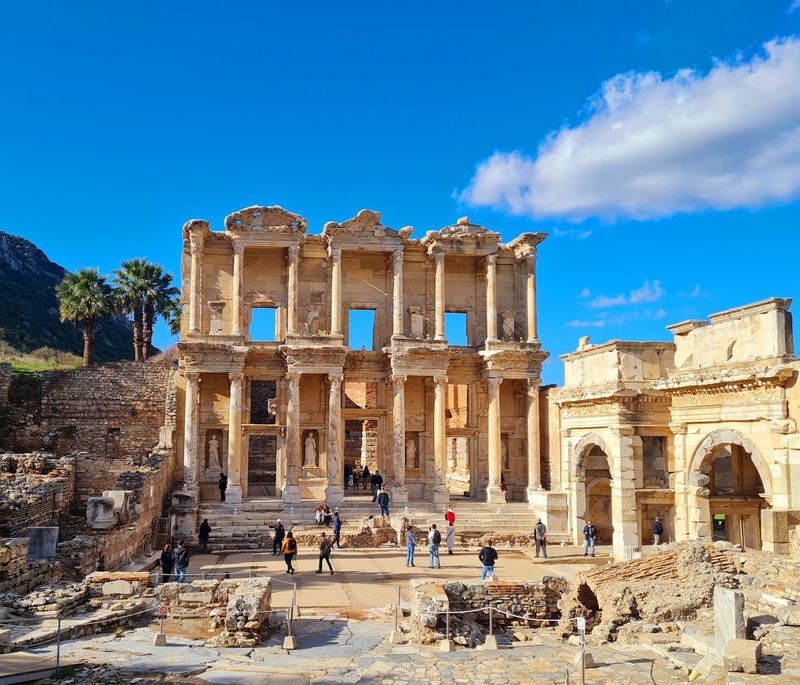
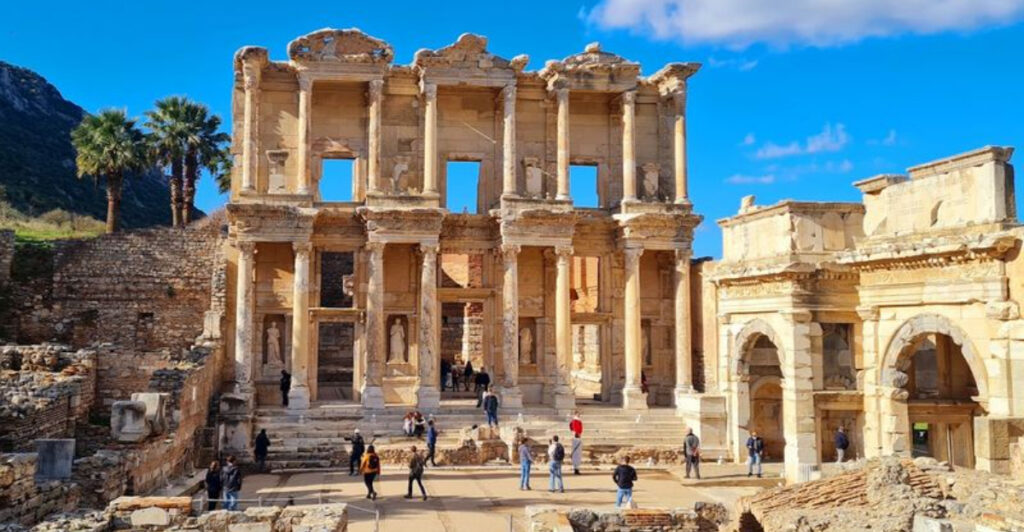
Few ancient cities in the world hit you with the same force as Ephesus. Walking down the marble-paved main street toward the Library of Celsus, it is hard not to feel like you have genuinely stepped back two thousand years.
The scale of the place is almost absurd.
The Great Theatre once held 25,000 people and still hosts concerts today, which is a flex most modern venues cannot match. Admission is not free, but it is far from the most expensive archaeological site in the Mediterranean.
Arriving right at opening time is the single best move you can make here.
Tour groups tend to arrive mid-morning, and the summer heat becomes brutal by noon. Getting in early means cooler temperatures, better photos, and the rare pleasure of standing in front of the Library without forty people blocking your view.
That alone is worth setting an early alarm.
Şirince
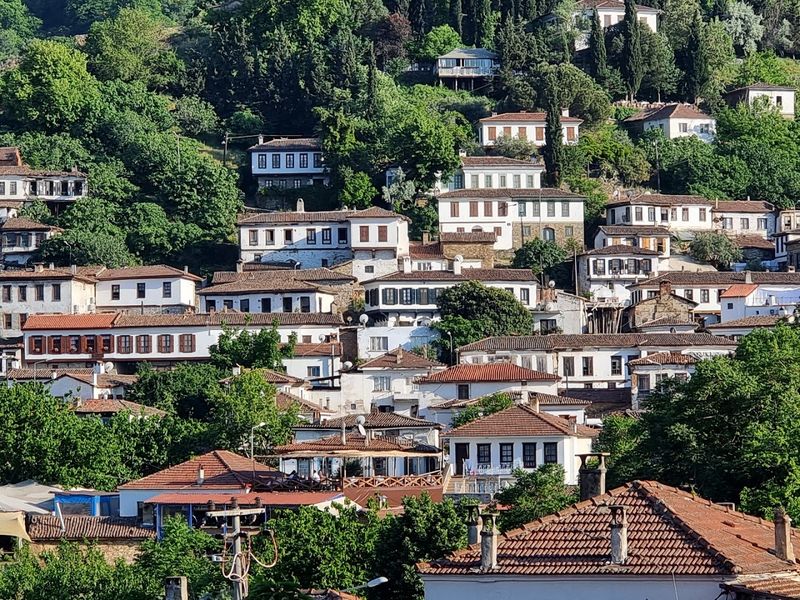
Perched on a hill above olive groves, Şirince is the kind of village that makes you want to slow down and actually enjoy your holiday. The old Greek-style stone houses are beautifully preserved, the streets are narrow and shaded, and the whole place has a quiet, unhurried energy that is rare on the Turkish tourist trail.
The village is famous for its fruit wines, which you will find in tiny shops lining every lane. Peach, pomegranate, blackberry, you name it.
They are inexpensive, poured generously by cheerful vendors, and best enjoyed sitting on a terrace with a decent view.
The smartest way to visit Şirince is as a half-day trip from Selçuk, which is only about eight kilometers away. Minibuses run regularly and cost next to nothing.
There is no strong reason to stay overnight here unless you specifically want the village to yourself after the day-trippers leave.
Kaş
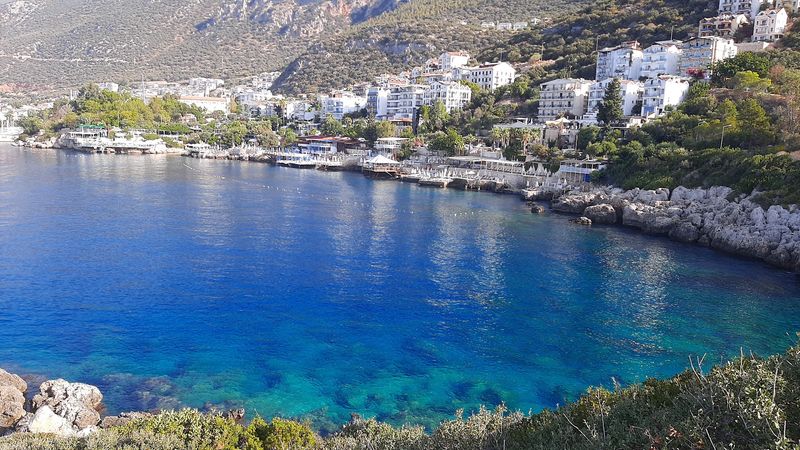
Kaş is the Mediterranean town that gets everything right without trying too hard. It is small enough to walk everywhere but interesting enough to keep you busy for days.
The harbor is pretty, the streets are lined with bougainvillea, and the ruins of a Lycian rock tomb sit casually above the town like a very old neighbor.
Boat trips to nearby bays and islands are popular here, and while some organized tours get pricey, local operators often offer better deals if you ask around. Eating where actual locals eat rather than at the waterfront tourist restaurants cuts your food bill in half and usually tastes better anyway.
Small family-run pensions offer some of the best value on the Turquoise Coast. I found a rooftop room with a sea view for a price that would barely cover a coffee in some European cities.
Kaş rewards the traveler who keeps plans simple and expectations flexible.
Fethiye & Ölüdeniz
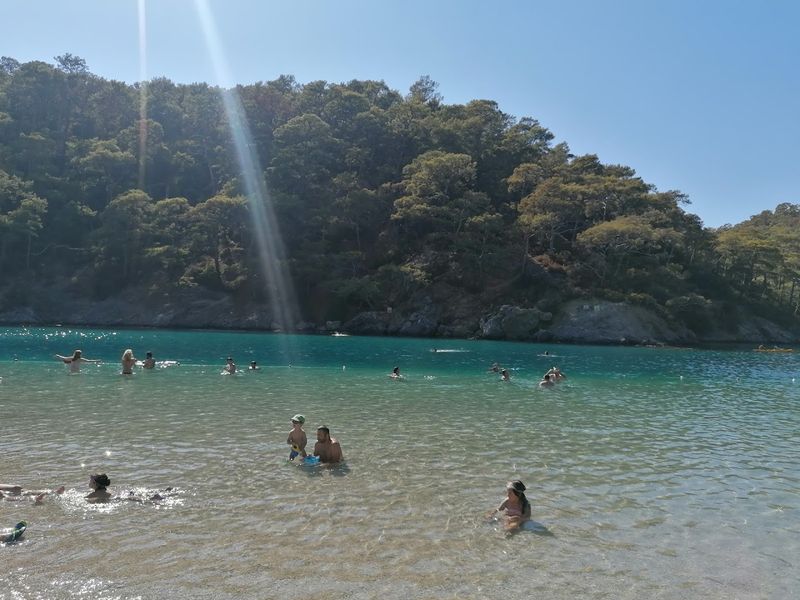
The Blue Lagoon at Ölüdeniz is one of those places that shows up on every Turkey travel poster, and for once, the reality actually matches the photo. The water is a ridiculously vivid shade of turquoise-blue, the surrounding mountains are green, and the beach is clean and well-organized.
Fethiye, just a short drive away, is the practical hub of this area and often significantly cheaper to base yourself in. Local dolmus minibuses run between the two towns regularly for a very small fare, which makes staying in Fethiye a no-brainer for budget travelers.
Fethiye also has a lively market, excellent fish restaurants around the harbor, and access to the famous Lycian Way hiking trail. The ghost village of Kayakoy, a short trip away, is one of the more haunting and memorable free sites in the region.
Fethiye punches well above its weight as a travel base.
Akyaka
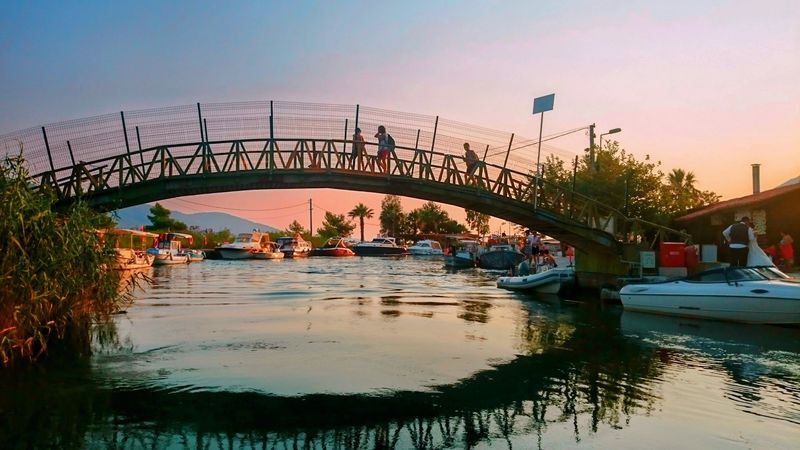
Not many places earn the title of “Cittaslow” (slow town) officially, but Akyaka wears it with pride. This small Aegean town near the Gulf of Gokova is the antidote to Turkey’s busier, flashier resort strips.
The streets are lined with wooden Ottoman-style houses, there are no massive hotel towers, and the pace of life is genuinely, refreshingly slow.
The Azmak River runs through town and empties into the sea through a reed-fringed estuary that is lovely for a kayak or a lazy swim. Renting a bike and cycling along the river costs very little and gives you a great feel for the area without spending much at all.
Outside peak July and August, accommodation here is very affordable. The town attracts a mix of Turkish families and savvy international travelers who have figured out that the best spots are usually the quietest ones.
Akyaka is absolutely one of those spots.
Ayvalık & Cunda (Alibey) Island
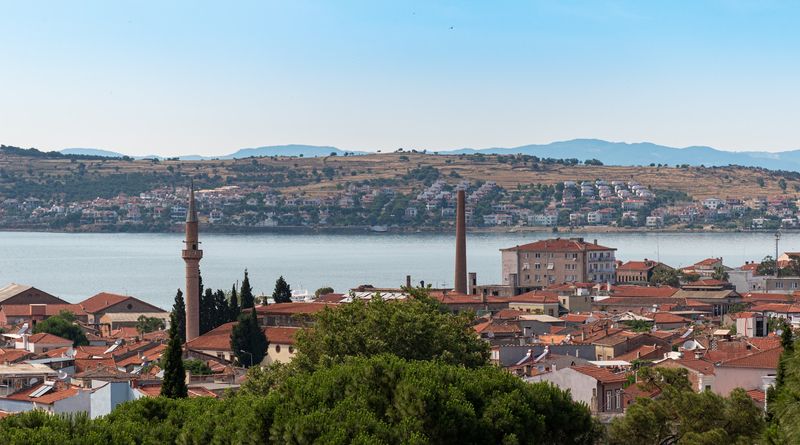
Ayvalık is the kind of Aegean town that feels like it belongs in a slow-travel novel. The old Greek-built stone houses are sun-bleached and beautiful, the streets are irregular and interesting, and the olive oil produced in this region is considered among the best in Turkey.
That last fact alone should get your attention.
Just across the water sits Cunda Island, connected by a causeway and worth at least a half-day wander. The ruined church of Taksiyarhis and the island’s seafood restaurants make for a very satisfying afternoon.
Going midweek or outside summer peak season makes a real difference to both prices and the atmosphere.
Ayvalık also sits close to the World War I battlefields of Gallipoli, making it a natural stop on a broader historical route through northwestern Turkey. The combination of architecture, food culture, and natural beauty here is genuinely hard to find elsewhere at this price point.
Bozcaada
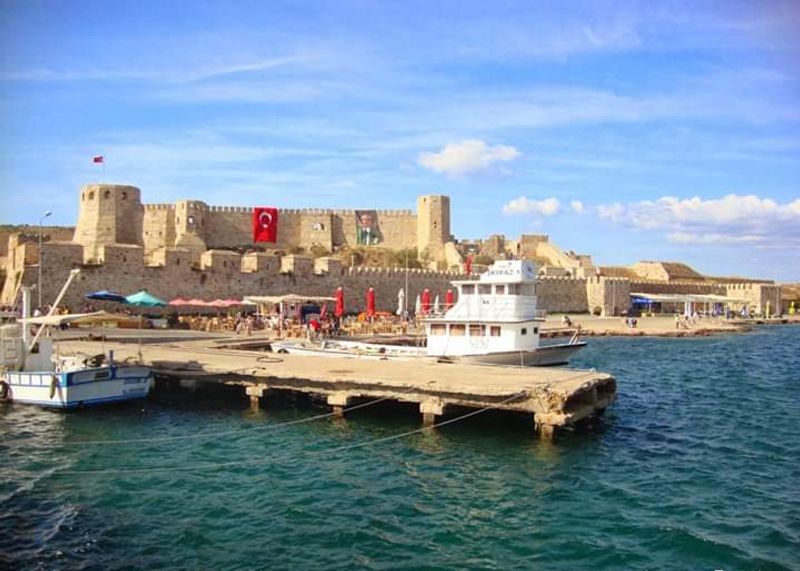
Turkey has two Aegean islands open to independent visitors, and Bozcaada is the prettier of the pair. The castle at the harbor entrance is genuinely dramatic, the streets behind it are full of old Greek and Ottoman houses painted in faded pastels, and the island produces wine that locals are quietly very proud of.
Beaches here are calm, sandy, and not overcrowded outside peak summer weekends. Visiting in September or late spring gives you warm weather, open restaurants and bars, and prices that have dropped noticeably from the August peak.
The island is small enough to explore by bicycle in a day, which is both practical and fun.
The ferry from Geyikli on the mainland is short and inexpensive. Once you arrive, the best plan is to have no real plan at all.
Bozcaada rewards slow exploration more than any rushed itinerary could ever manage.
Safranbolu
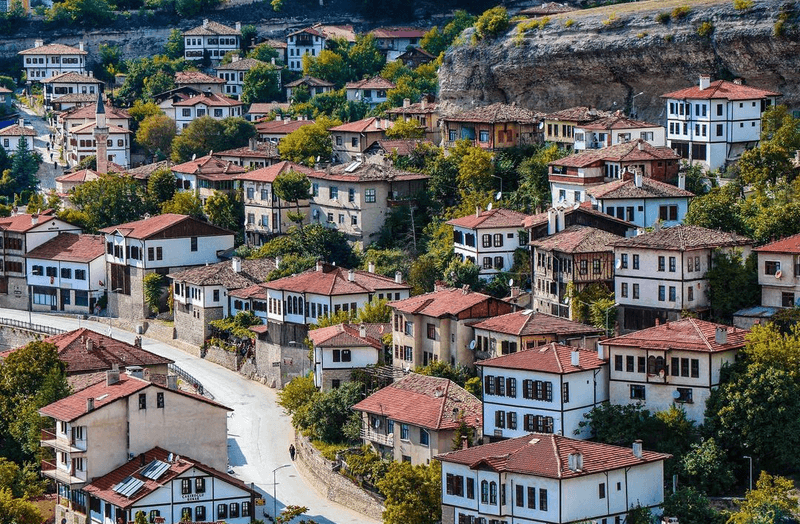
Safranbolu is basically a living Ottoman museum, except nobody roped it off and charged a fortune to enter. The old town is packed with hundreds of well-preserved timber-framed mansions called konaks, most of which date back to the 17th and 18th centuries.
UNESCO put it on the World Heritage list in 1994 and honestly, the recognition is deserved.
The town was historically famous for saffron production, which explains the name, and for being a key stop on old Silk Road trade routes. Today it is best known for its lokum (Turkish delight), which you will find pressed into your hands by friendly shopkeepers at every turn.
Staying in a restored konak-style guesthouse gives you the full experience without paying city-hotel prices. The streets are best explored on foot in the early morning or evening when the day-trippers have cleared out.
Safranbolu is genuinely one of Turkey’s most underrated overnight destinations.
Amasra
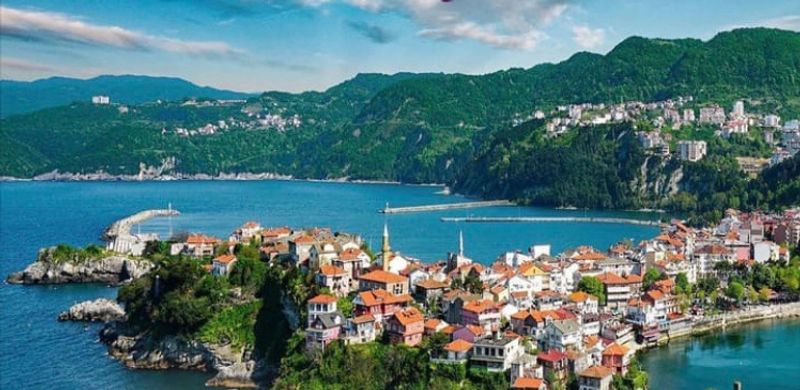
Most Turkey itineraries skip the Black Sea coast entirely, which means Amasra gets to stay wonderfully unspoiled. This small fishing town sits on a rocky peninsula jutting into the Black Sea, with a castle that has been rebuilt and reinforced by Romans, Byzantines, and Genoese traders across the centuries.
That is a lot of historical real estate for one small town.
The main activities here are refreshingly simple: walk the castle walls, eat fresh fish at a harbor-side restaurant, and wander the old streets at whatever pace feels right. There are no expensive must-do excursions and no pressure to spend big.
Amasra is best reached by road from Ankara or along the coast from Zonguldak. It is not the easiest place to get to, and that is precisely why it retains the kind of atmosphere that more accessible towns have long since traded away for tourist infrastructure.
The effort to reach it is genuinely part of the reward.
Mardin
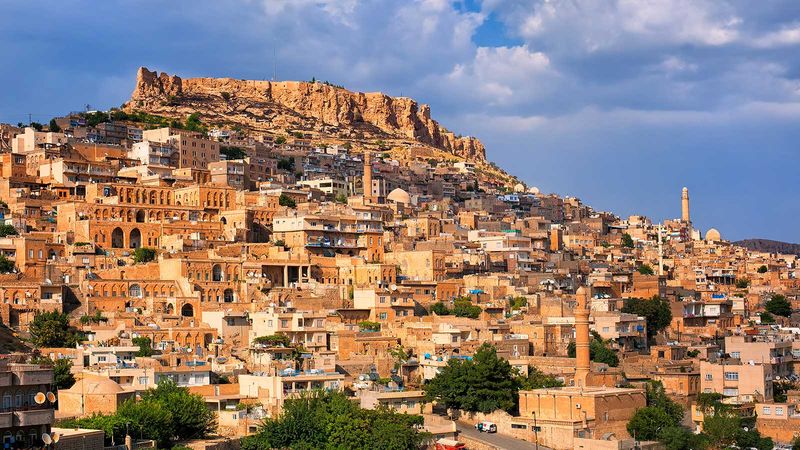
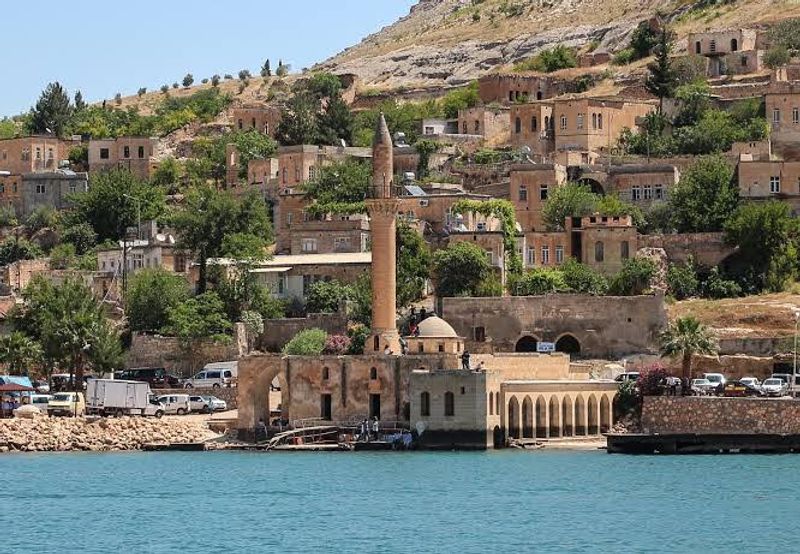
Mardin sits on a steep hillside in southeastern Turkey and looks out over the Mesopotamian plain like a city that decided the best defense was simply being hard to reach. The honey-colored stone buildings stack up the slope in a way that makes the whole town look like a single elaborate carving.
It is genuinely one of the most dramatic urban views in the country.
The old city lanes are full of carved stone doorways, ancient churches, mosques, and medrese buildings that reflect the town’s layered history of Syriac Christian, Arab, and Kurdish cultures. Wandering without a fixed route is completely free and endlessly interesting.
Mardin’s rooftop restaurants offer some of the most spectacular dining views in Turkey, and the local cuisine features flavors that differ noticeably from western Turkish cooking. Budget travelers will find the city very affordable compared to coastal destinations, and the food alone justifies making the journey to this far corner of the country.
Gaziantep
Gaziantep takes food very seriously, and the city will make sure you do too. This is the baklava capital of the world, a claim backed by both UNESCO recognition and the personal testimony of everyone who has ever eaten a piece fresh from the tray.
The city joined UNESCO’s Creative Cities of Gastronomy network, which is essentially a global award for places that cook extraordinarily well.
Beyond the food, the Zeugma Mosaic Museum houses one of the largest collections of Roman mosaics in the world. The star exhibit is the haunting Gypsy Girl mosaic, whose eyes seem to follow you across the room in a way that is equal parts impressive and slightly unnerving.
Budget travelers will find Gaziantep extremely good value. The covered bazaars are excellent for cheap local shopping, and eating at market stalls and neighborhood eateries delivers remarkable flavor for very little money.
This city rewards travelers who build their itinerary around eating first and sightseeing second.
Share this story