Europe is one of those places that makes your jaw drop before you even unpack your suitcase. From ancient ruins to fairytale castles, the continent packs more history, beauty, and charm into a few time zones than most people can handle.
I took my first trip to Europe at 22, and honestly, it ruined me for everywhere else. Whether you are a seasoned traveler or planning your first big adventure, these 15 places belong on your list.
The Eiffel Tower & the Banks of the Seine (Paris, France)
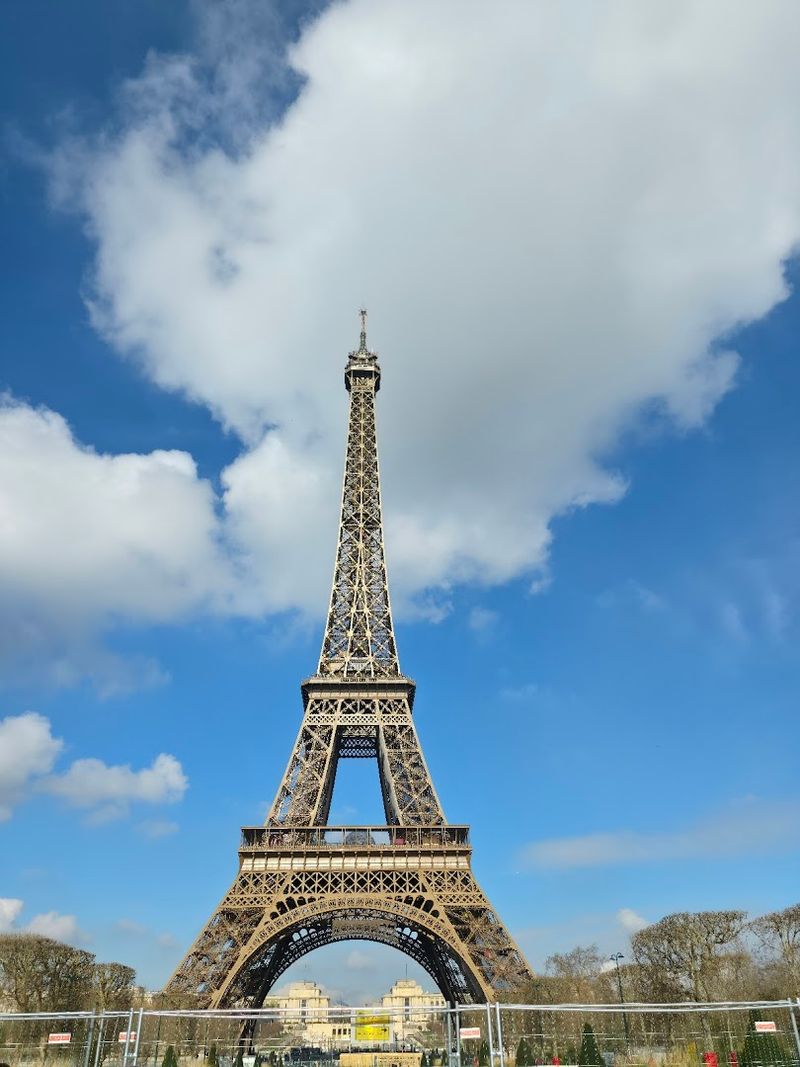
Paris has a reputation for being romantic, and honestly, it earns every bit of it. The Eiffel Tower is one of those landmarks that somehow looks even better in person than in every photo you have ever seen.
Built in 1889 as a temporary structure, it was nearly torn down before becoming the most recognized tower on Earth.
Walking along the Seine at sunset is one of those free, effortless experiences that feels like a movie scene. Grab a baguette, find a bench by the water, and just soak it all in.
The river banks are a UNESCO World Heritage Site, which means the whole stretch has been officially certified as stunning.
Book your Eiffel Tower tickets in advance or you will spend half your trip in a queue. The view from the top is worth every euro.
Go at night when the tower sparkles with lights every hour on the hour.
The Colosseum (Rome, Italy)
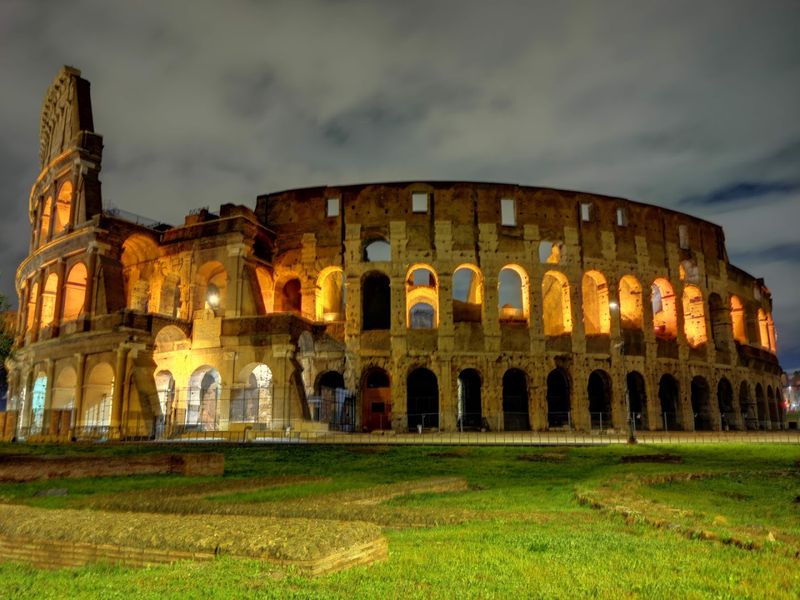
Nearly 2,000 years old and still pulling crowds of six million visitors a year, the Colosseum is basically the world’s most successful stadium. Romans used it for gladiator fights, animal hunts, and even mock naval battles when they flooded the arena floor.
That is one seriously versatile venue.
Standing inside the Colosseum for the first time, I genuinely could not believe how massive it is. The scale of the place hits you differently once you are actually standing on the arena floor looking up at those towering walls of ancient stone.
Skip the line by booking tickets online ahead of your visit. A combo ticket often includes the Roman Forum and Palatine Hill, which are right next door and equally jaw-dropping.
Rome was not built in a day, but you can cover a lot of it in three days if you plan smartly.
The Acropolis of Athens (Athens, Greece)
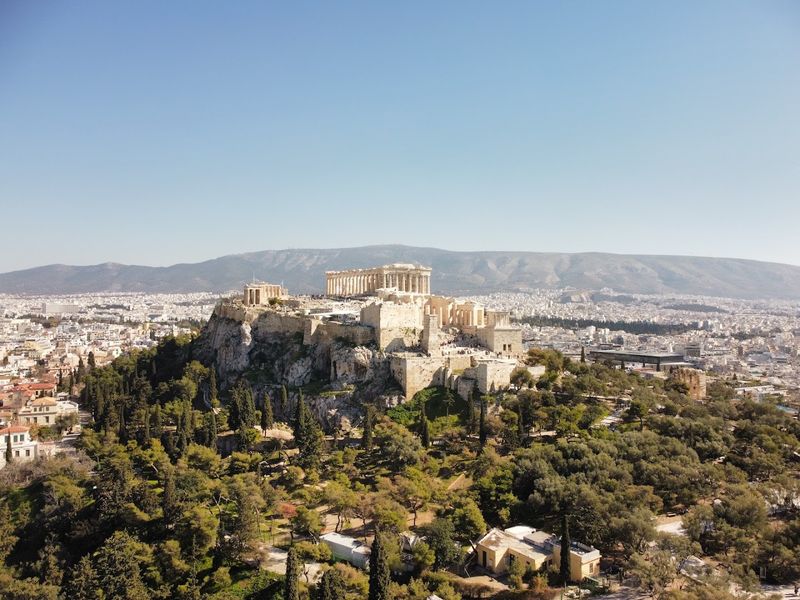
Perched on a rocky hill above Athens, the Acropolis is the kind of place that makes you feel small in the best possible way. The Parthenon, its crown jewel, was built around 447 BC and is still standing strong despite wars, explosions, and centuries of questionable restoration attempts.
Athens itself is wildly underrated as a city. The streets around the Acropolis are full of excellent tavernas, quirky shops, and locals who are genuinely happy to help you find your way.
The city has a casual, lived-in energy that bigger tourist hubs sometimes lose.
Visit the Acropolis early in the morning before the heat and the crowds arrive in full force. Wear comfortable shoes because the marble pathways are steep and slippery.
The Acropolis Museum at the base of the hill is brilliant and air-conditioned, which is a bonus during Greek summers.
The Alhambra & Generalife (Granada, Spain)
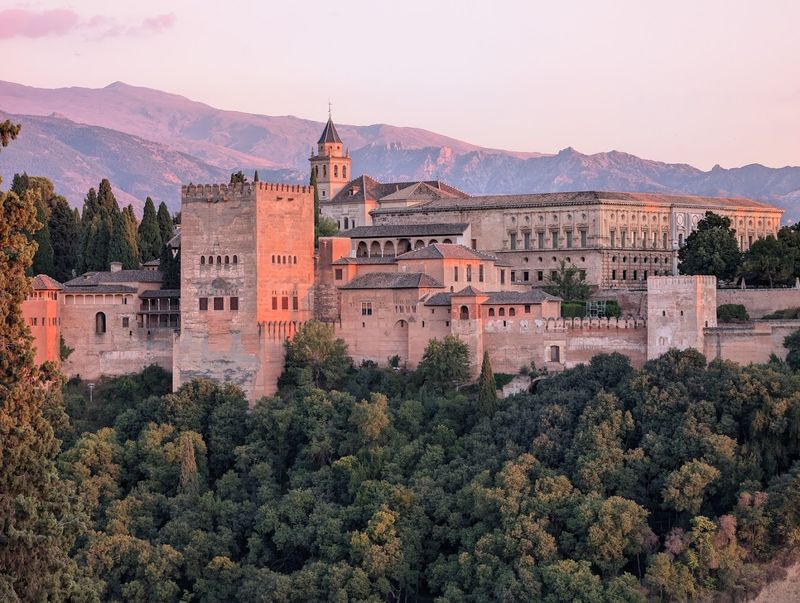
The Alhambra is what happens when a civilization decides to turn an entire fortress into a work of art. Built by the Moorish rulers of Granada in the 13th and 14th centuries, it features some of the most detailed and breathtaking Islamic architecture anywhere in the world.
Every wall, ceiling, and arch is covered in geometric patterns and Arabic calligraphy.
The Generalife gardens sit just next to the palace and offer a peaceful contrast to the elaborate interiors. Water features, rose-lined walkways, and views over the city make it a genuinely lovely place to wander.
It is the kind of garden that makes you want to write poetry, even if you never have before.
Tickets for the Alhambra sell out weeks in advance, especially in summer. Book as early as possible and choose a morning slot for the Nasrid Palaces.
Granada itself is a fantastic city with amazing tapas culture worth exploring after your visit.
The Sagrada Familia (Barcelona, Spain)
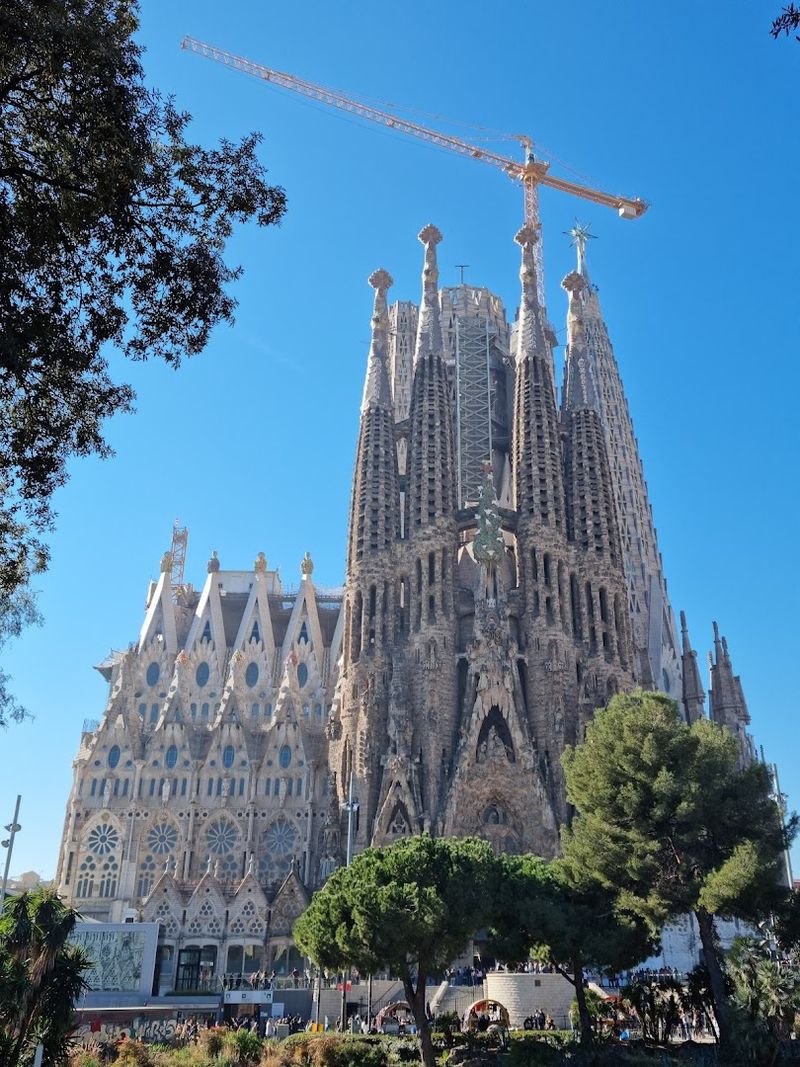
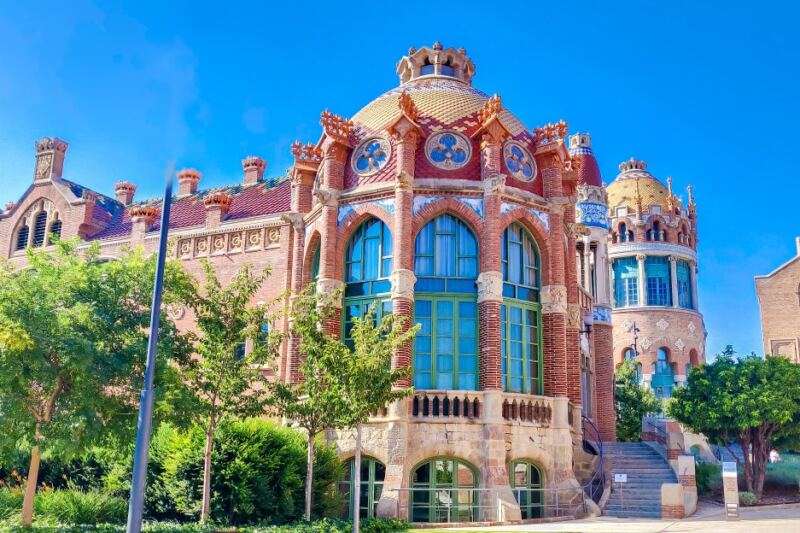
Construction on the Sagrada Familia began in 1882 and is still ongoing, which means Antoni Gaudi designed a building so ambitious it has outlasted multiple generations of architects. The exterior looks like a sandcastle designed by a genius.
The interior feels like standing inside a forest made of stone and light.
Barcelona is an incredible city on its own, packed with Gaudi masterpieces, lively markets, and a beachfront that makes the whole trip feel like a bonus. The Sagrada Familia is the clear highlight, but do not skip Park Guell or the Casa Batllo while you are in town.
Book tickets well in advance and consider paying extra for tower access. The views over Barcelona from the towers are spectacular and give you a completely different perspective on the city.
Try to visit on a sunny day when the stained glass inside creates a rainbow effect across the stone columns.
Venice & Its Lagoon (Venice, Italy)
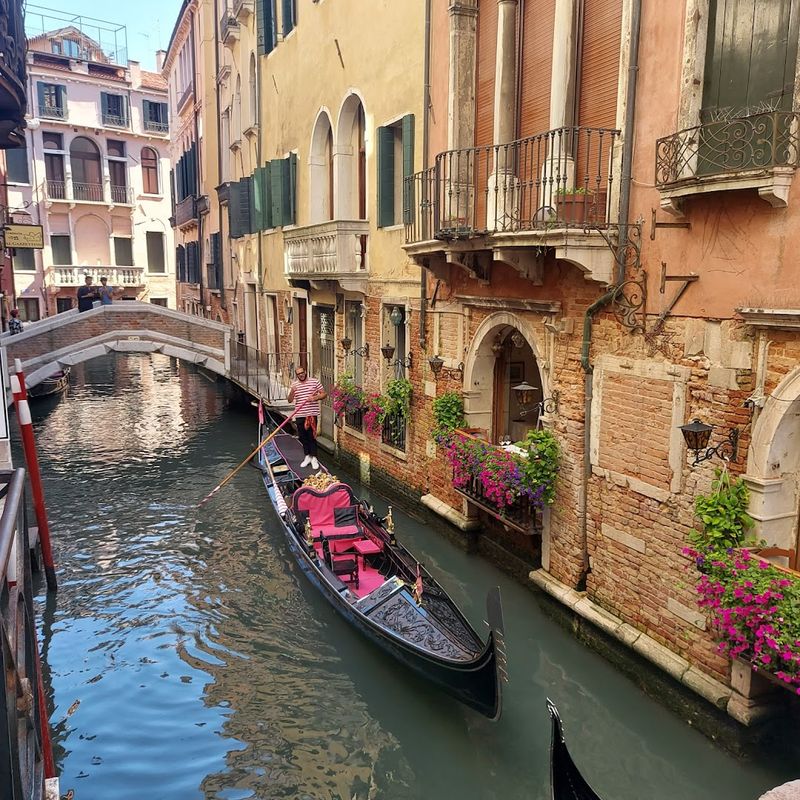
Venice is built on over 100 small islands connected by 400 bridges, and the whole city floats on wooden stilts driven into the lagoon floor. That alone should be enough to put it on your list.
There is literally no other city on Earth like it.
Getting lost in Venice is practically a sport. The narrow streets twist and dead-end into canals without warning, and honestly, that is half the fun.
I spent an entire afternoon wandering with no plan and stumbled onto squares and bridges that no guidebook had ever mentioned.
Go in the off-season if you can. Venice in January or February is quiet, affordable, and genuinely magical.
Summer crowds can make the main routes feel overwhelming. Take a vaporetto water bus instead of a gondola for a cheaper and more authentic way to travel between neighborhoods across the lagoon.
Vatican City & St. Peter’s Basilica (Vatican City)
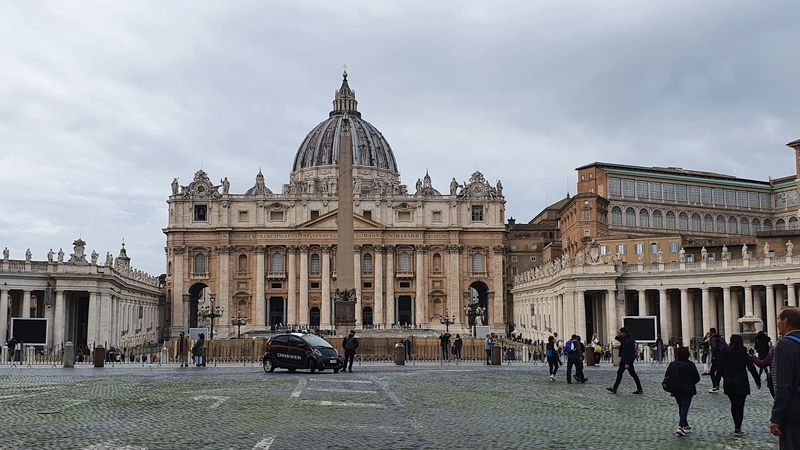
Vatican City is the world’s smallest country, covering just 44 hectares, yet it holds more masterpieces per square meter than almost anywhere else on the planet. The Sistine Chapel, painted by Michelangelo between 1508 and 1512, is worth the trip to Rome all by itself.
St. Peter’s Basilica is free to enter, which is remarkable given that it is one of the most magnificent buildings ever constructed. The dome, designed by Michelangelo, offers stunning views over Rome if you are willing to climb the 551 steps to the top.
Your legs will complain but your eyes will thank you.
Book Vatican Museums tickets online to avoid the notoriously long queues at the entrance. Dress modestly with covered shoulders and knees or you will not be allowed in.
Early morning or late afternoon visits tend to be less crowded and give the Sistine Chapel a slightly more peaceful atmosphere.
Cinque Terre National Park (Liguria, Italy)
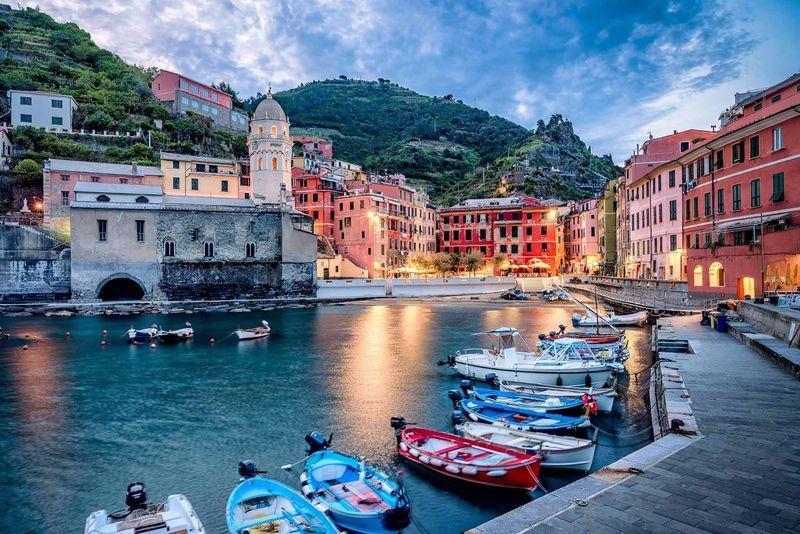
Five tiny fishing villages clinging to dramatic cliffsides above the Mediterranean Sea sounds like something out of a storybook. Cinque Terre is exactly that, and it has the Instagram following to prove it.
The five villages, Monterosso, Vernazza, Corniglia, Manarola, and Riomaggiore, each have their own distinct personality.
The hiking trails connecting the villages are legendary, though some sections close periodically for maintenance after landslides. The trail between Vernazza and Monterosso is considered the most scenic and challenging stretch.
Pack water, sunscreen, and decent footwear before you start.
Trains connect all five villages quickly and cheaply, so even if hiking is not your thing you can still hop between them with ease. The local seafood and Ligurian pesto are outstanding reasons to stop frequently.
Book accommodation early because the villages are small and rooms fill up fast, especially between May and September.
Historic Centre of Prague (Prague, Czechia)
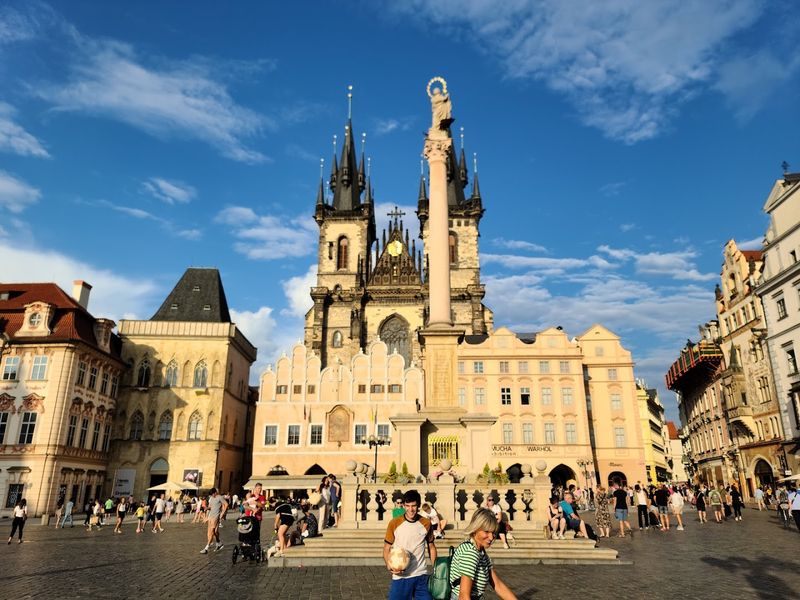
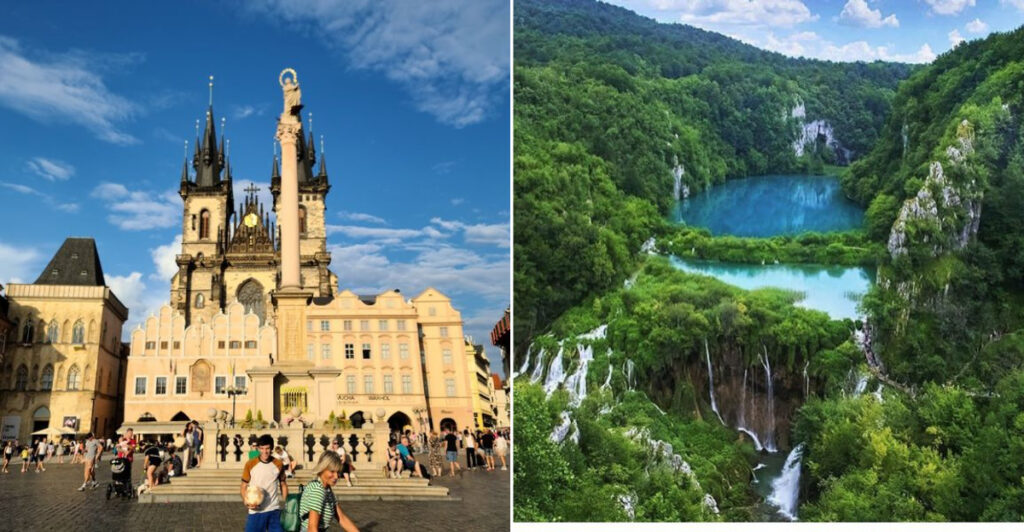
Prague looks like someone built an entire city as a movie set and then forgot to tell anyone. The Old Town is crammed with Gothic churches, Baroque palaces, and cobblestone streets that have barely changed in 600 years.
The Astronomical Clock on the Old Town Hall has been marking the hours since 1410.
Charles Bridge is the city’s most famous crossing, lined with 30 Baroque statues and offering sweeping views over the Vltava River. Cross it at sunrise before the tour groups arrive and you will have it almost to yourself.
Prague Castle, visible from nearly everywhere in the city, is the largest ancient castle complex in the world.
Prague is also one of the most affordable capital cities in Europe, which makes it a brilliant destination for budget travelers. The craft beer scene is exceptional, and Czech cuisine is hearty, delicious, and very wallet-friendly.
Three days gives you a solid feel for the city without rushing anything.
Old City of Dubrovnik (Dubrovnik, Croatia)
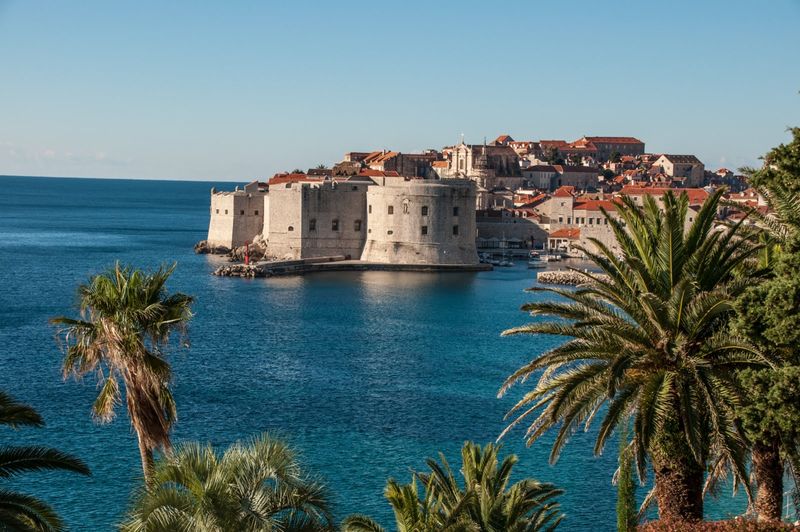
Dubrovnik earned the nickname Pearl of the Adriatic long before Game of Thrones turned it into Kings Landing and sent tourism through the roof. The medieval city walls, stretching almost two kilometers around the old city, are among the best preserved in the world.
Walking them is one of the great travel experiences in Europe.
The old city is entirely car-free, which makes wandering its polished limestone streets an absolute pleasure. Every corner reveals a Baroque church, a hidden courtyard, or a terrace with a view of the shimmering Adriatic below.
The water here is impossibly clear and perfect for swimming.
Visit in May or early June before peak summer crowds turn the narrow streets into a slow-moving parade. Cable car rides up Mount Srd give you a bird-eye view of the entire old city and coast.
Lokrum Island, a short ferry ride away, offers a peaceful escape with peacocks roaming freely.
Plitvice Lakes National Park (Croatia)
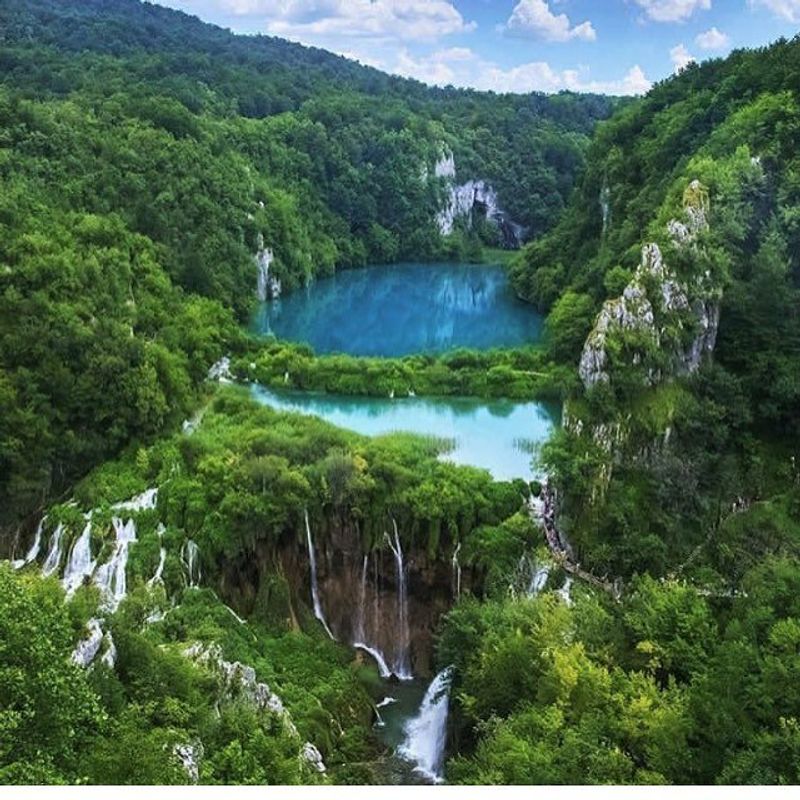
Sixteen terraced lakes connected by waterfalls in shades of turquoise and emerald green sounds too good to be real. Plitvice Lakes National Park is very much real and has been a UNESCO World Heritage Site since 1979.
The colors of the water come from minerals and algae that shift with the seasons and light.
Wooden boardwalks wind through the park just above the water level, giving you the surreal feeling of walking directly through the waterfalls. The park covers 300 square kilometers of forests and lakes, so there is plenty of ground to cover.
Most visitors spend at least a full day exploring the upper and lower lakes.
Spring and early autumn are the best times to visit when the waterfalls are at full flow and the crowds are manageable. Summer weekends get extremely busy.
Wear waterproof shoes because the boardwalks can get slippery. The park entrance includes boat and shuttle bus rides to help you cover more ground efficiently.
West Norwegian Fjords: Geirangerfjord & Naeroyfjord (Norway)
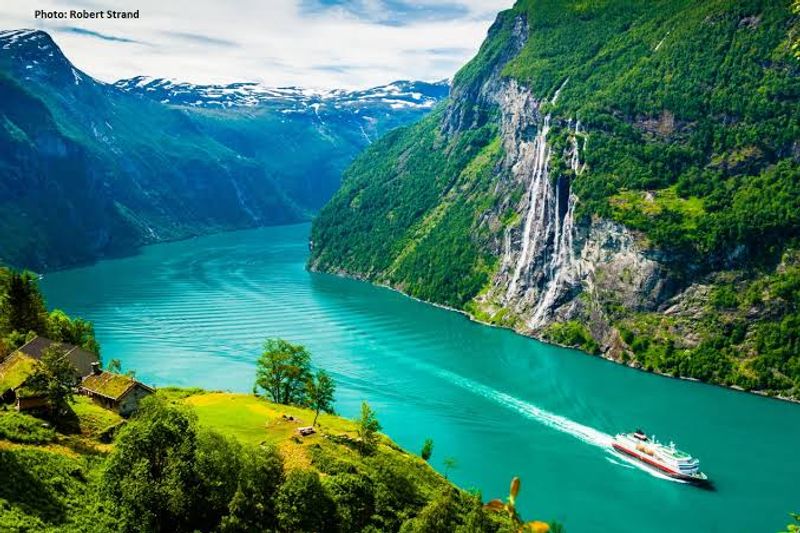
Norway’s fjords are the kind of natural scenery that makes you question whether you accidentally walked into a screensaver. Geirangerfjord and Naeroyfjord are both UNESCO World Heritage Sites and arguably the most dramatic of Norway’s many stunning waterways.
Sheer cliffs rise hundreds of meters straight out of the water on both sides.
The Seven Sisters waterfall in Geirangerfjord drops in seven separate streams down the cliff face and is best viewed from the water on a fjord cruise. Kayaking the Naeroyfjord is a bucket-list experience that puts you right in the middle of the scenery rather than just looking at it from a distance.
Bergen makes an excellent base for exploring both fjords. The Flam Railway, one of the world’s most scenic train journeys, connects the fjord region in spectacular fashion.
Norway is not a cheap destination, but the scenery delivers a return on investment that no spreadsheet can properly calculate.
Swiss Alps Jungfrau-Aletsch (Switzerland)
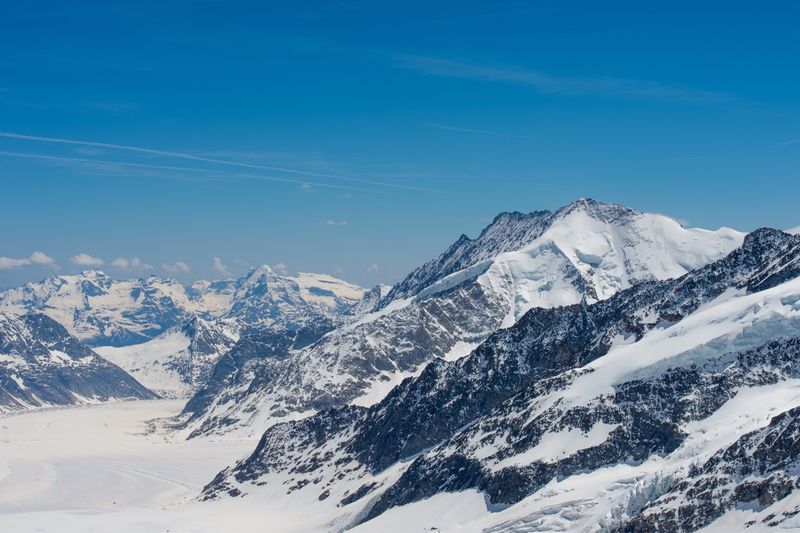
The Aletsch Glacier is the largest glacier in the Alps, stretching 23 kilometers through the Swiss mountains like a frozen river that refuses to take no for an answer. The Jungfrau-Aletsch region became Switzerland’s first UNESCO World Heritage Site in 2001, and the landscape absolutely justifies the designation.
The Jungfraujoch, nicknamed the Top of Europe, sits at 3,454 meters and is accessible by a remarkable cogwheel railway that tunnels directly through the mountain. The views from the top over the glacier and surrounding peaks are genuinely breathtaking.
On a clear day you can see the Black Forest in Germany from up there.
Grindelwald and Interlaken are the main gateway towns for the region, both excellent bases with good transport links. Summer offers hiking and paragliding while winter brings some of Europe’s best skiing.
Switzerland is expensive, but free activities like hiking trails and mountain views cost absolutely nothing.
Neuschwanstein Castle (Bavaria, Germany)
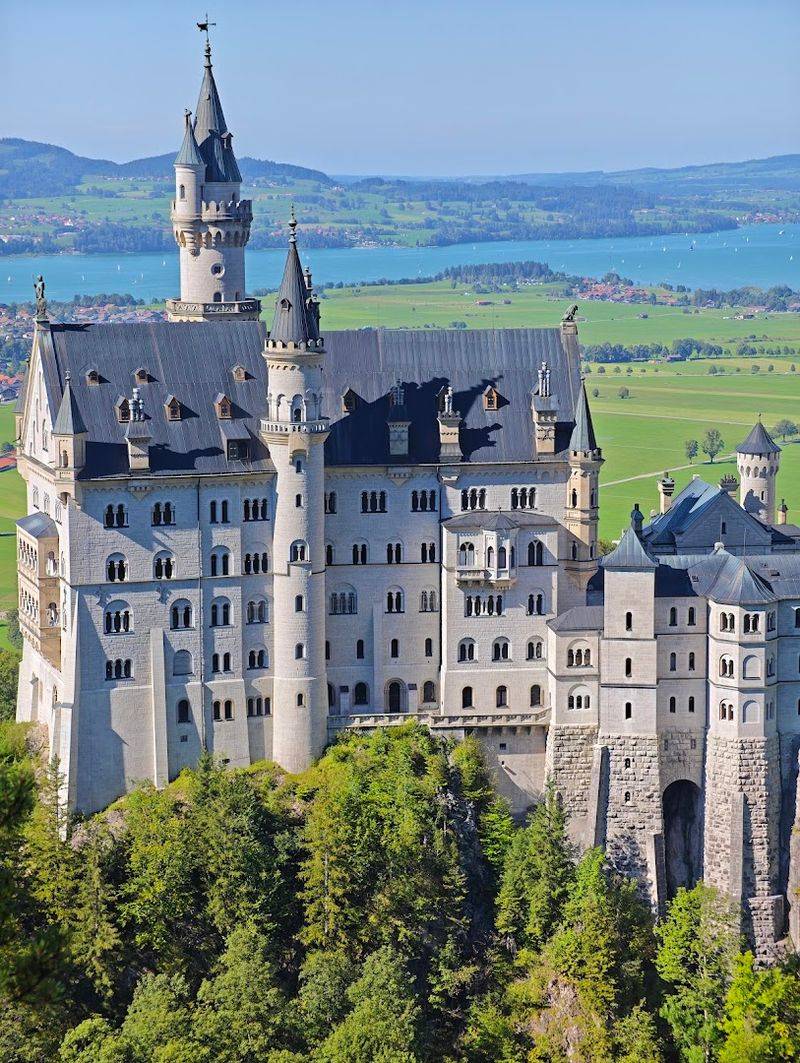
King Ludwig II of Bavaria built Neuschwanstein in the 1870s as a personal retreat inspired by the operas of Richard Wagner. Disney later used it as the model for Sleeping Beauty’s castle, which means you have technically seen this place before even if you have never been to Germany.
The castle sits on a rocky ridge above the village of Hohenschwangau and looks almost too perfect to be real. The interior is just as over-the-top as the exterior, packed with elaborate murals, gilded ceilings, and throne rooms that Ludwig never actually got to use.
He died under mysterious circumstances just days after the castle opened.
Tickets must be purchased in advance from the official ticket center in the village below. The walk up to the castle takes about 30 to 40 minutes, or you can take a horse-drawn carriage.
Visit in autumn when the surrounding forests turn gold and the whole scene looks like a painting that got out of hand.
Old and New Towns of Edinburgh (Edinburgh, Scotland)
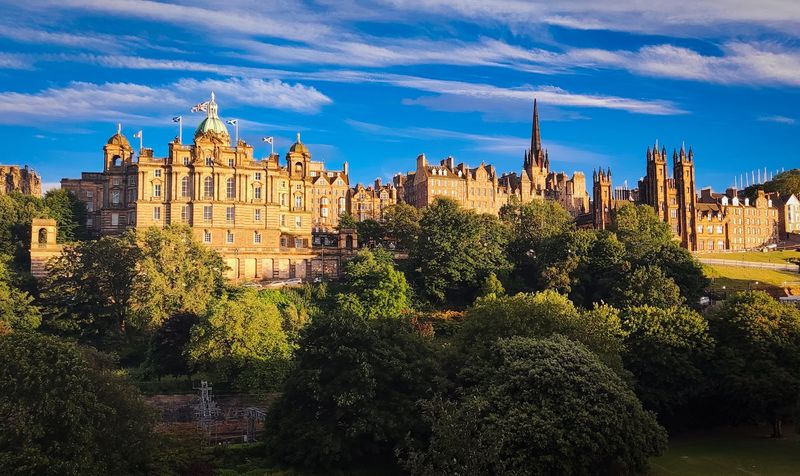
Edinburgh is the only city I know where a medieval castle sits on top of an ancient volcano right in the middle of town, and nobody seems to find that unusual. The Old Town stretches down the Royal Mile from the castle to the Palace of Holyroodhouse, packed with centuries of history at every step.
The contrast between the Old Town’s dark, winding closes and the Georgian elegance of the New Town is part of what makes Edinburgh so endlessly fascinating. Arthur’s Seat, an extinct volcano within the city, offers a short hike and extraordinary views over the entire city and beyond.
Practically every street has a ghost story attached to it.
August is when the Edinburgh Festival Fringe transforms the city into the world’s biggest arts festival, which is extraordinary but also extremely busy and expensive. The rest of the year Edinburgh is more relaxed and equally rewarding.
Scottish whisky tasting at one of the city’s many excellent bars is highly recommended research.
Share this story