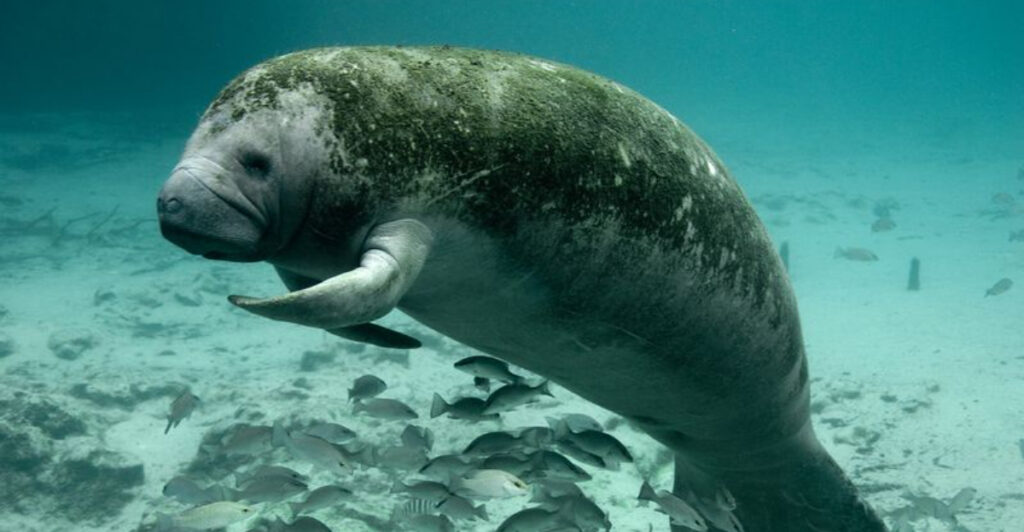
Florida has always had a special relationship with manatees, those slow-moving, barrel-shaped sea creatures that glide through warm coastal waters like underwater blimps with flippers. Now, one of the state’s most beloved zoos is taking that relationship to a whole new level.
A brand-new 330,000-gallon manatee rescue and rehabilitation center is coming to the Jacksonville Zoo and Botanical Gardens, and it is shaping up to be one of the most ambitious conservation projects the zoo has ever tackled. Whether you are a longtime zoo fan, a wildlife lover, or just someone who thinks manatees are objectively adorable, this development is worth paying close attention to.
From the scale of the facility to the real-world conservation work it will support, there is a lot to get excited about here.
What the 330,000-Gallon Facility Actually Looks Like
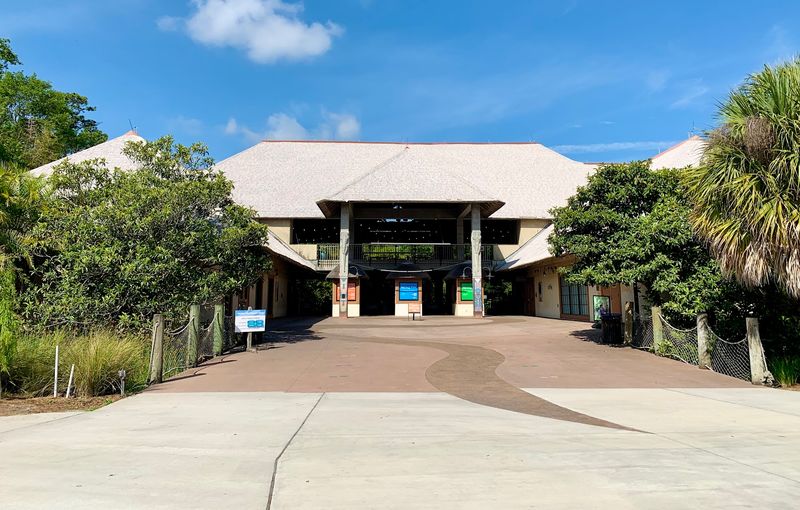
Numbers can be hard to picture, so let’s put 330,000 gallons into perspective. That is roughly the equivalent of filling about 500 standard backyard swimming pools, and all of that water will be dedicated entirely to the care and recovery of injured or orphaned manatees at the Jacksonville Zoo and Botanical Gardens.
The facility is designed with both the animals and the visiting public in mind. Large underwater viewing windows will allow guests to observe manatees up close, giving a rare, unfiltered look at these gentle giants in a controlled environment.
The infrastructure behind the scenes is equally impressive, with filtration systems, temperature controls, and veterinary access points built directly into the design. This is not a simple holding tank.
It is a fully engineered aquatic medical center that sets a new standard for what a zoo-based rescue facility can be.
Why Jacksonville Was Chosen for This Project
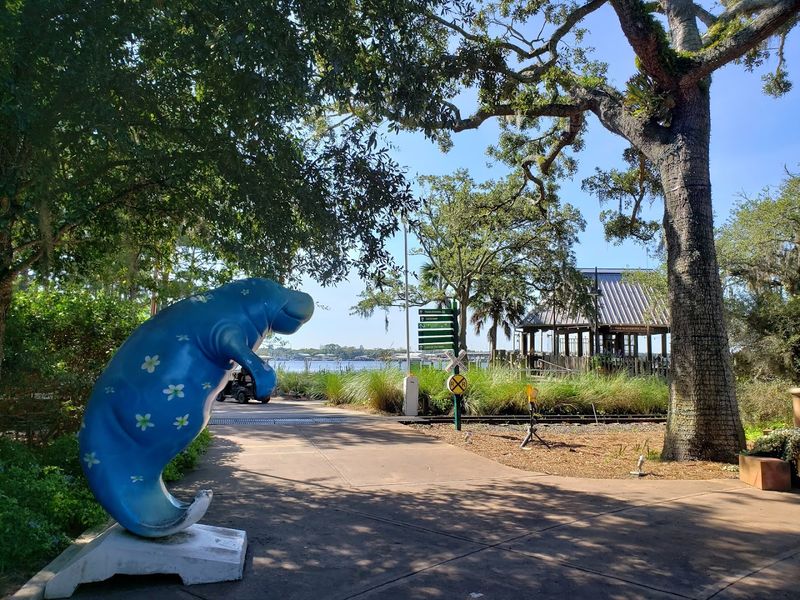
Jacksonville sits at a geographic sweet spot for manatee conservation. The city is bordered by the St. Johns River, one of the few rivers in North America that flows northward, and its warm, slow-moving tributaries are a natural draw for manatees seeking refuge from cooler Atlantic waters.
The Jacksonville Zoo and Botanical Gardens, located at 370 Zoo Pkwy, Jacksonville, FL 32218, is already well-positioned near these waterways, making it a logical hub for rescue operations. When a manatee is spotted in distress along the Northeast Florida coast, proximity to a high-quality care facility can make a critical difference in its recovery.
The zoo has long been accredited by the Association of Zoos and Aquariums, which means it already meets rigorous standards for animal care. Adding a dedicated manatee center builds on that foundation in a meaningful and regionally relevant way.
The Conservation Mission Behind the Center
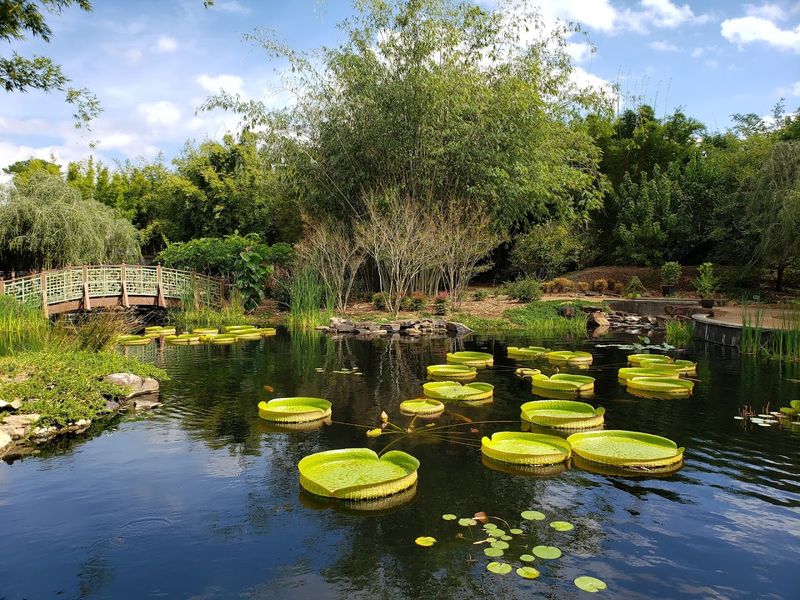
Manatees are listed as a threatened species under the U.S. Endangered Species Act, and their populations face ongoing pressure from boat strikes, cold stress syndrome, and habitat loss.
A dedicated rescue center at an AZA-accredited zoo gives conservationists a powerful new tool in the effort to protect them.
The Jacksonville Zoo has consistently channeled resources back into conservation, and this project reflects that commitment at a larger scale than ever before. The center will not just house manatees temporarily.
It will serve as a place where injured animals receive medical treatment, regain strength, and are prepared for release back into the wild.
Partnerships with state and federal wildlife agencies are expected to be a core part of how the facility operates. Every manatee that recovers here and returns to Florida’s waterways represents a direct, measurable win for the species and for the ecosystem that depends on it.
How the Center Fits Into the Zoo’s Broader Vision
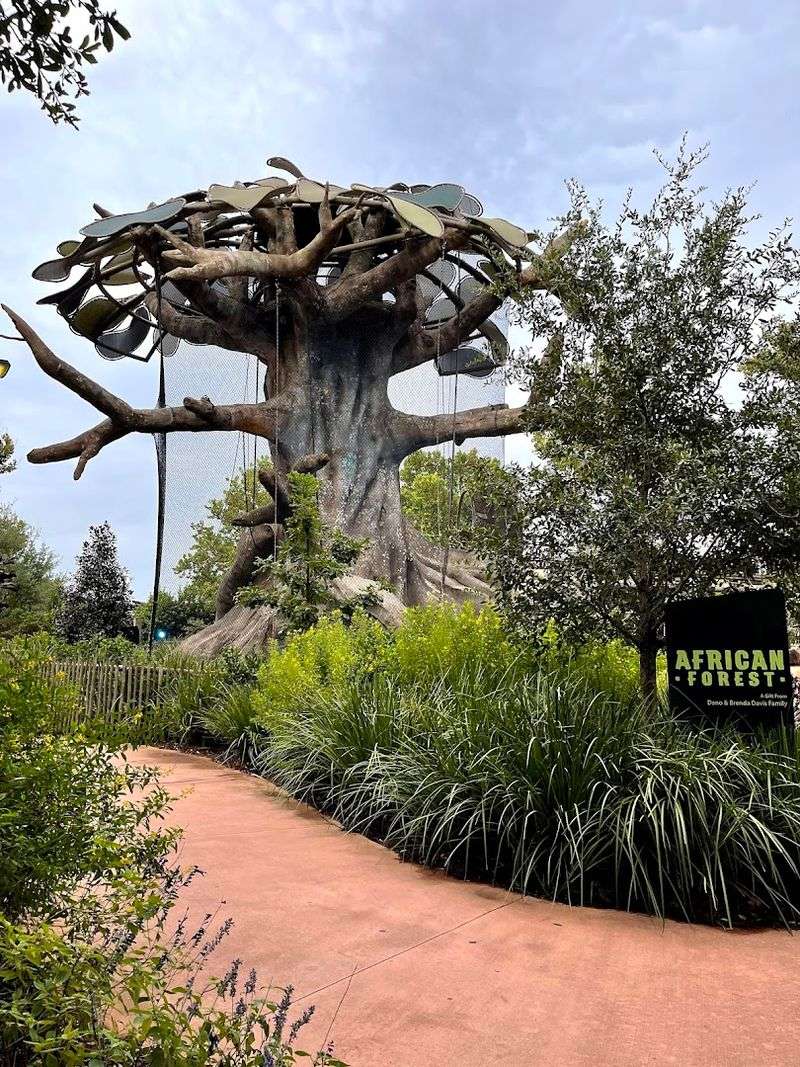
The Jacksonville Zoo and Botanical Gardens has been quietly building one of the most impressive zoo experiences in the American Southeast for years. With a 4.6-star rating across more than 20,000 reviews, it has earned a reputation for well-maintained exhibits, diverse animal collections, and genuinely thoughtful design.
The manatee rescue center is the next chapter in that story. Rather than simply adding a crowd-pleasing attraction, the zoo is expanding its role as an active participant in regional wildlife conservation.
That shift from display to action is something zoo professionals across the country have been pushing for, and Jacksonville is now leading by example.
Longtime visitors who have watched the zoo grow over the years will recognize this as part of a consistent pattern of reinvestment. The money visitors spend on tickets, memberships, and experiences here visibly comes back in the form of improvements like this one.
What Visitors Can Expect to See and Do There
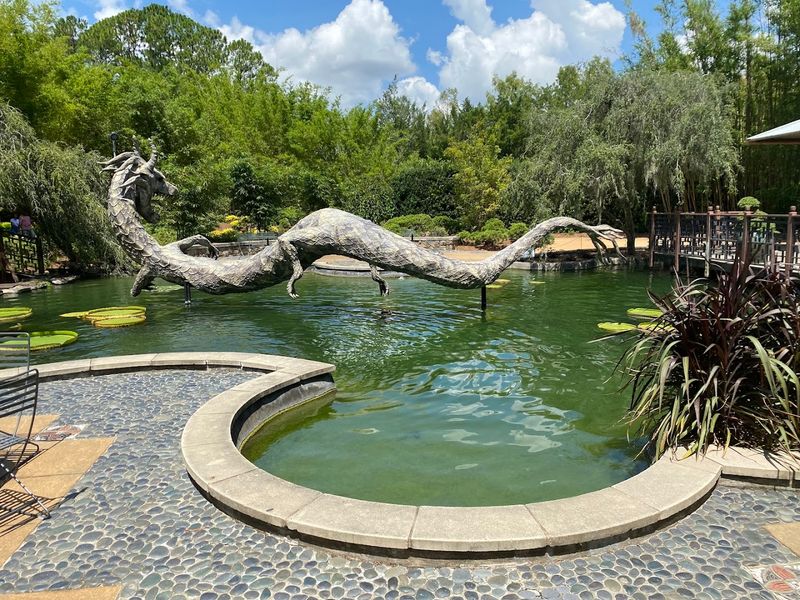
One of the most exciting aspects of this facility is that it will not be hidden away from the public. Visitors to the Jacksonville Zoo will have the opportunity to observe manatees during their rehabilitation journey, which turns a trip to the zoo into something genuinely educational and moving.
Watching a manatee glide through crystal-clear water just a few inches from a viewing window is a very different experience from seeing one in a nature documentary. The scale, the slow grace of their movement, and the visible texture of their skin all hit differently in person.
Zoo staff and educators are expected to offer programming around the center, helping guests understand why manatees need rescue in the first place and what role each visitor can play in protecting them. That kind of direct engagement tends to leave a lasting impression, especially on younger visitors who are still forming their relationship with the natural world.
The Role of Veterinary Care at the New Facility
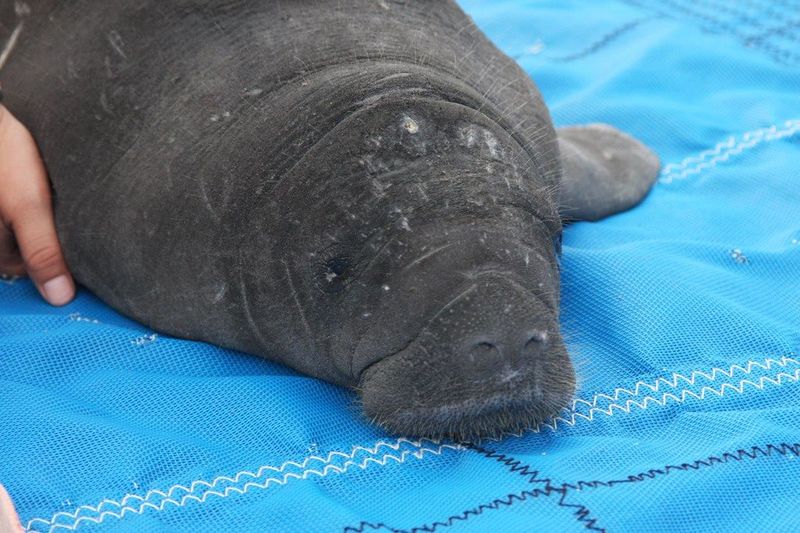
Behind every manatee success story is a team of veterinarians, marine biologists, and animal care specialists who put in long hours under demanding conditions. The new center at the Jacksonville Zoo is being designed to support that work at a professional level that matches the complexity of manatee medicine.
Manatees that arrive at rescue facilities often come in with boat propeller wounds, respiratory infections from cold stress, or severe malnutrition. Treating these conditions requires specialized equipment, controlled water temperatures, and round-the-clock monitoring that a purpose-built facility can provide far more effectively than a makeshift setup.
The zoo already has experienced veterinary staff on site who care for a wide range of species, from African elephants to giant otters. Adding manatee care to their scope is a significant step, and the facility’s design will reflect the specific medical needs of an aquatic mammal that can weigh over 1,000 pounds.
Cold Stress Syndrome and Why Rescue Centers Matter
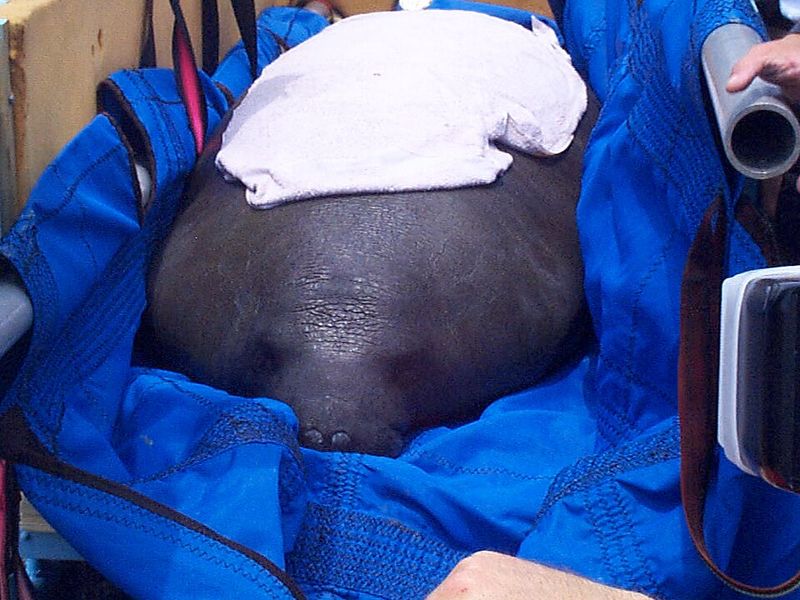
Cold stress syndrome is one of the leading threats to manatees in Florida, and it is exactly the kind of condition that a well-equipped rescue center is built to address. When water temperatures drop below about 68 degrees Fahrenheit, manatees can become lethargic, lose their ability to feed, and eventually become too weak to survive without intervention.
Northeast Florida, including the waters around Jacksonville, sees more cold weather events than the southern part of the state, which means local manatees are particularly vulnerable during winter months. Having a nearby facility capable of receiving and warming these animals quickly can be the difference between a full recovery and a much worse outcome.
The 330,000-gallon tank’s capacity means the center can handle multiple animals simultaneously during peak cold-weather rescue seasons, which is a practical advantage that smaller facilities simply cannot match. Scale matters enormously in wildlife rescue work.
How the Zoo Has Prepared for a Project This Size
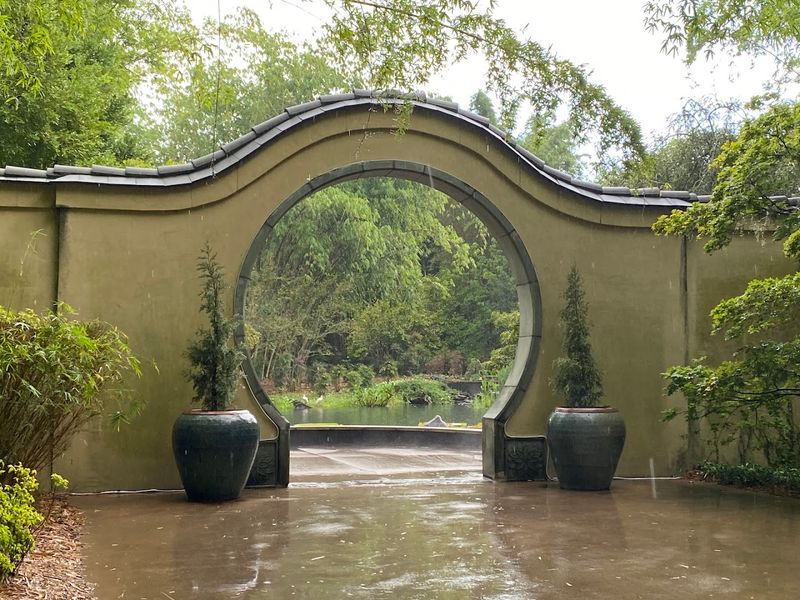
A project of this scale does not happen overnight, and the Jacksonville Zoo has been laying the groundwork through partnerships, funding campaigns, and careful planning. AZA accreditation already means the zoo operates under strict guidelines for animal welfare, staff training, and facility standards, which gives the manatee center a strong institutional foundation to build on.
The zoo has a track record of successfully managing complex animal care programs, including its work with African elephants and large cats. Translating that operational expertise to an aquatic mammal program requires new skills and infrastructure, but the organizational capacity is clearly there.
Community support has also played a role. The Jacksonville Zoo draws visitors from across Florida and neighboring states, and its membership base represents a consistent source of funding that can be directed toward projects like this one.
Conservation at this level is genuinely a team effort between the institution and the people who believe in it.
The Manatee’s Place in Florida’s Natural Identity
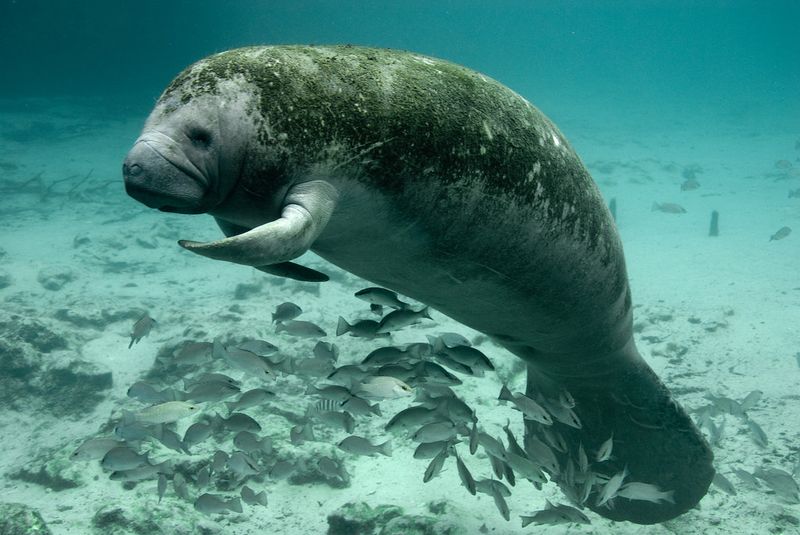
Ask most Floridians what animal they associate most strongly with their state, and manatees will come up alongside alligators and dolphins in nearly every conversation. These slow, sociable marine mammals have been part of Florida’s coastal ecosystem for thousands of years, and they hold a kind of cultural significance that goes well beyond wildlife biology.
Indigenous communities along Florida’s coasts coexisted with manatees for centuries, and early European explorers reportedly mistook them for mermaids, which says more about the power of wishful thinking than about the animals themselves. Today, manatees are protected by federal law, and Florida has invested significantly in their conservation through designated warm-water refuges and speed zones in key waterways.
A zoo-based rescue center adds a new layer to that conservation infrastructure, one that is accessible to the public and capable of turning casual zoo visitors into informed advocates for a species that genuinely needs their support.
Planning Your Visit to the Jacksonville Zoo
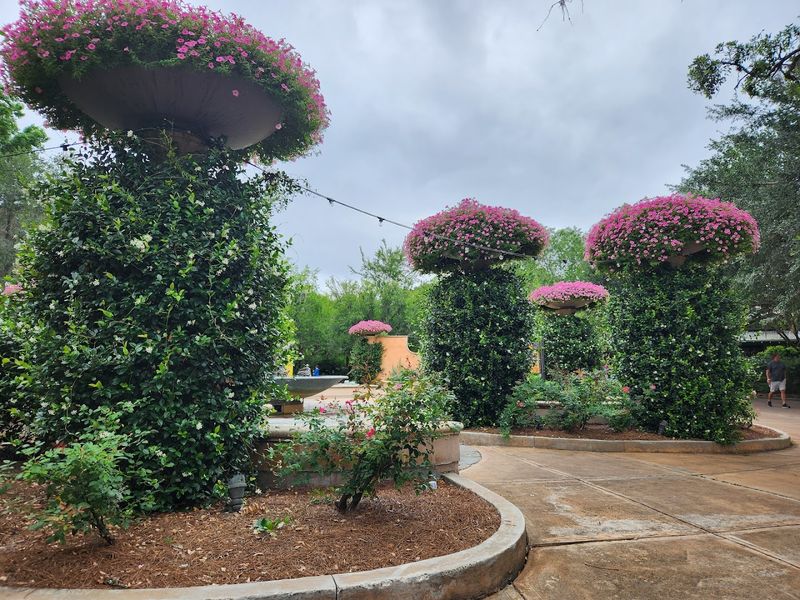
The Jacksonville Zoo and Botanical Gardens is open daily from 9 AM to 5 PM, which gives visitors a solid window to explore everything the grounds have to offer. The zoo spans a substantial area, so comfortable walking shoes are genuinely important, not just a polite suggestion.
Buying tickets in advance online is one of the smartest moves a first-time visitor can make. It saves money and eliminates the wait at the gate, which can be considerable on busy weekends.
Upgraded ticket packages that include the train ride, animal feedings, and the 4D movie theater are worth the extra cost, especially for families with younger kids.
Food and drink are available on site at the food court, and the portions are generous enough to keep energy levels up for a full day of exploring. Outside food and beverages are not permitted inside the zoo, so plan accordingly and budget for a meal or snack on the grounds.
Other Highlights That Make This Zoo Worth the Trip
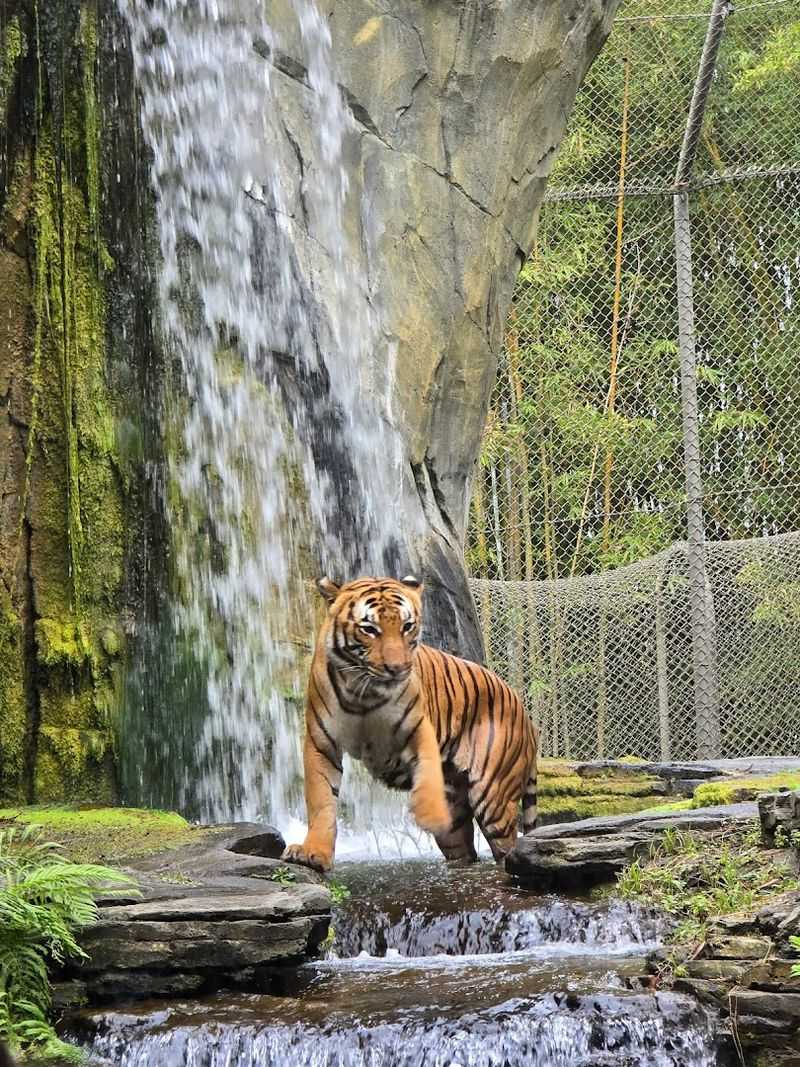
Even before the manatee center opens, the Jacksonville Zoo already has plenty of reasons to make the drive. The Land of Tigers exhibit is consistently praised for its immersive design, featuring bamboo forests, ornamental ponds, and a habitat that feels genuinely suited to the animals living in it rather than just a concrete enclosure with a sign out front.
The Range of the Jaguars area brings a similar level of care to its Amazon River theme, complete with a striking mini ziggurat structure near the jaguar exhibit that gives the space an almost theatrical quality. African elephants, giant otters, rhinos, gorillas, and chimpanzees round out a collection that keeps visitors engaged across the entire grounds.
Interactive experiences like stingray feeding and giraffe feeding add a hands-on dimension that goes beyond passive observation. Feeling a giraffe’s rough tongue wrap around a leaf you are holding is one of those moments that tends to stick with a person for a long time.
Share this story