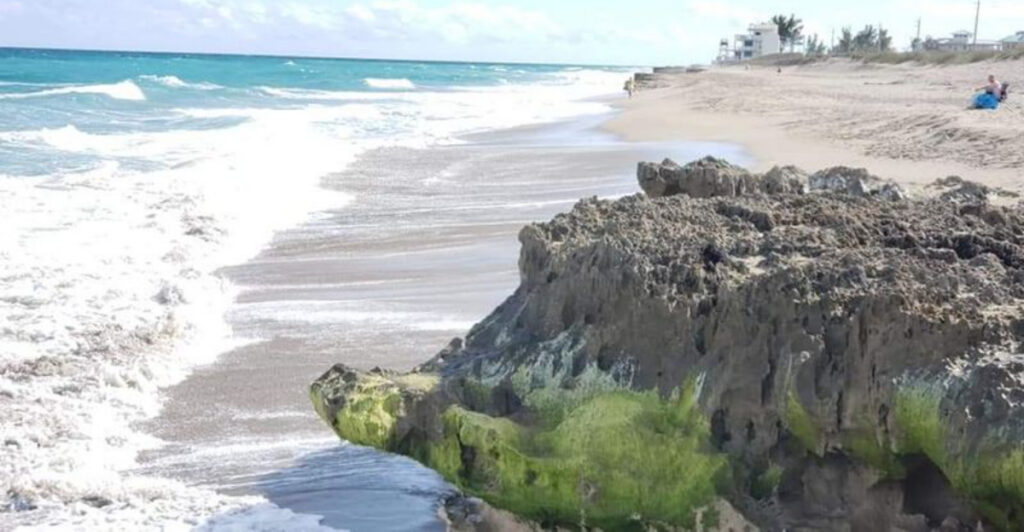
There is a stretch of Florida’s Atlantic coastline where the past refuses to stay buried. Spanish gold coins wash up on the beach after storms.
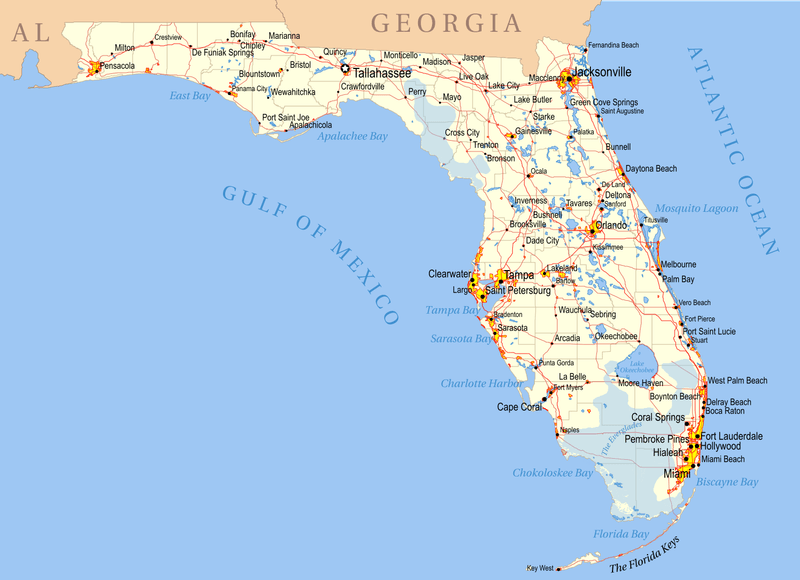
Quiet fishing villages line a lagoon so rich with wildlife that scientists still find new species there. The Treasure Coast runs roughly from Sebastian Inlet down through Vero Beach, Fort Pierce, Jensen Beach, and Stuart, and it carries a reputation that feels almost too good to be true.
But every bit of it checks out. This is a place where you can spend a morning watching sea turtles and an afternoon snorkeling above a centuries-old shipwreck site, all without fighting a single traffic jam or waiting in line.
If you have been searching for the Florida that existed before the theme parks and the neon signs, this coastline still has it.
The 1715 Spanish Treasure Fleet Still Haunts These Shores
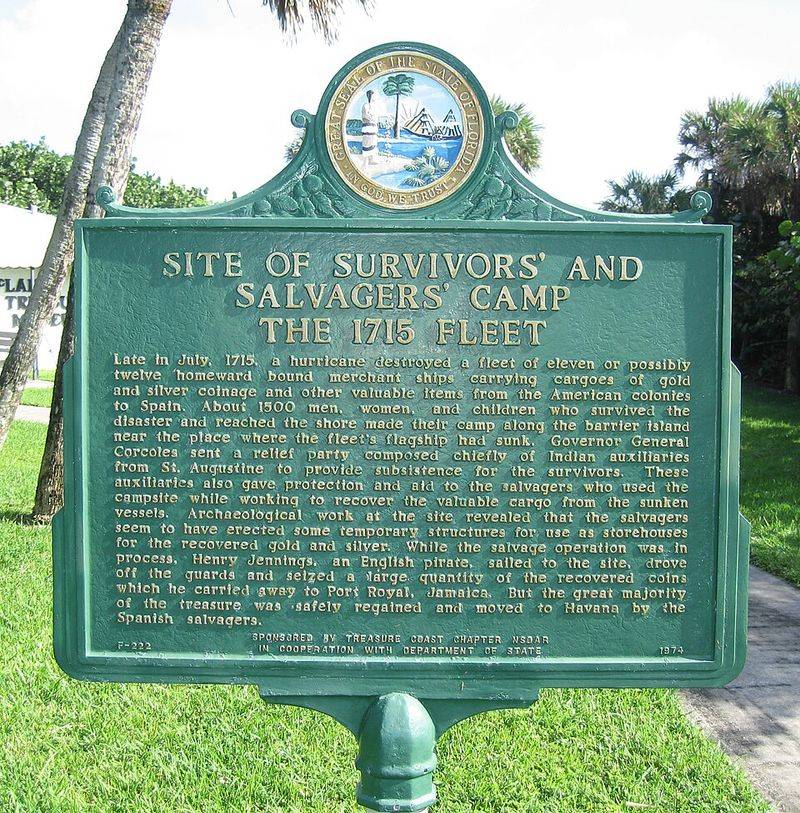
On a July night in 1715, eleven Spanish ships carrying gold, silver, and jewels from the New World were swallowed by a hurricane just off the Florida coast. Around 1,500 sailors lost their lives in the disaster, and the cargo scattered across miles of shallow seafloor.
The wreck sites sit just offshore from modern-day Vero Beach and Fort Pierce, in water sometimes as shallow as 15 feet. That proximity to shore is part of what makes this story feel so immediate and real.
After strong storms, the shifting sands release coins and artifacts that wash up onto the beach. Locals keep an eye on the surf the morning after rough weather, and some of them find exactly what they are looking for.
Few historical events have left such a tangible, touchable mark on any coastline in the country.
You Can Actually Find Real Treasure on the Beach
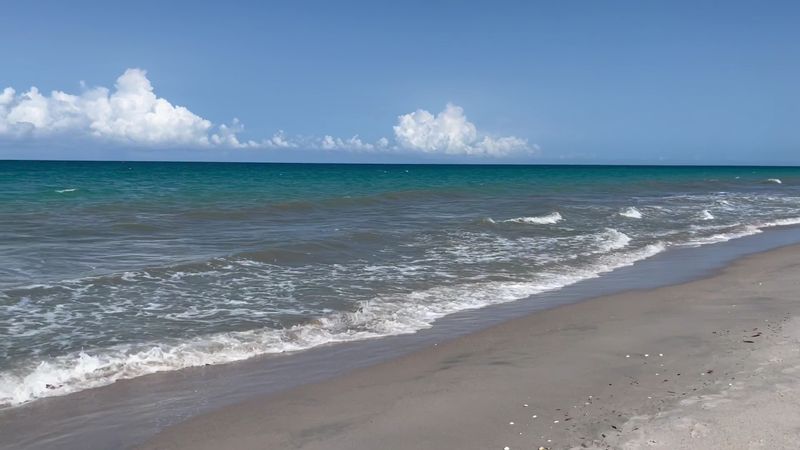
Most treasure hunts end in disappointment, but the Treasure Coast has a genuine track record of delivering. Silver reales, gold escudos, and ceramic fragments from the 1715 fleet still surface along the shoreline, particularly near Wabasso Beach and the areas north of Fort Pierce.
Metal detecting is legal on many of these public beaches, and a small but dedicated community of hobbyist hunters shows up regularly with their equipment. Salvage companies licensed by the state of Florida continue to work the offshore sites, and their finds sometimes make national news.
Even if you never swing a metal detector, the story alone changes how you look at the sand beneath your feet. Every wave that rolls in has traveled over those wreck sites.
The beach here carries a weight of history that most coastal destinations simply cannot match, and that feeling is genuinely hard to shake.
The McLarty Treasure Museum Preserves the Story
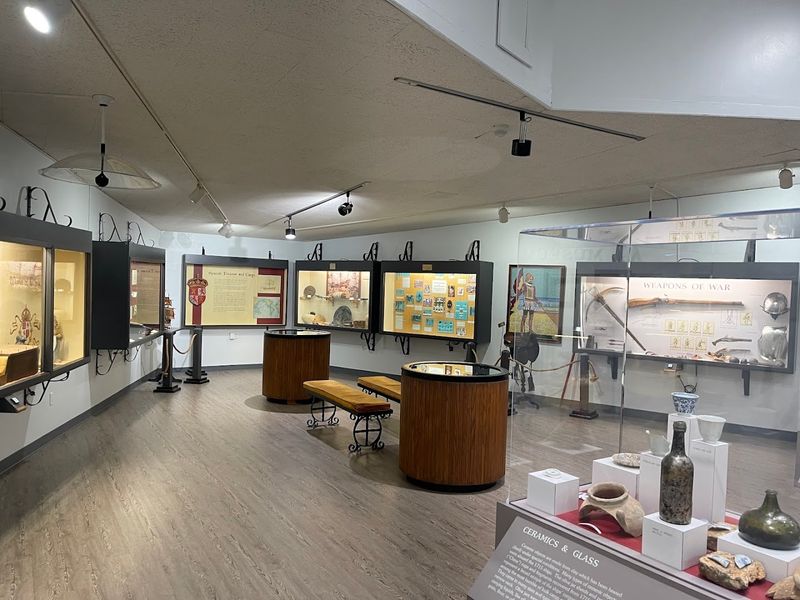
North Hutchinson Island holds a modest building that punches well above its weight in terms of storytelling. The McLarty Treasure Museum sits at 13180 N A1A, Vero Beach, Florida 32963, right on the site where survivors of the 1715 disaster camped while waiting for rescue.
Inside, the exhibits include actual artifacts recovered from the fleet, including coins, navigational tools, and personal items that belonged to the sailors aboard those ships. The displays are organized clearly, and the staff tends to be genuinely enthusiastic about the subject.
The museum is small enough to tour in about an hour, which makes it an easy addition to a beach day rather than a major commitment. State park admission applies, and the surrounding grounds include a short nature trail overlooking the lagoon.
For anyone curious about why this coastline carries its name, this is the most honest and grounded place to start.
Vero Beach Feels Like Old Florida
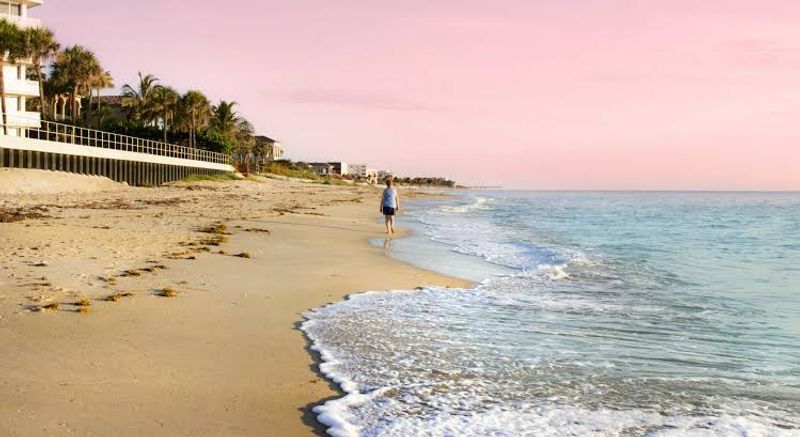
A lot of Florida beach towns made a deal with development decades ago, and most of them are still paying for it in the form of condo towers blocking the sunset. Vero Beach declined that deal, and the result is a coastline that still feels like it belongs to the people who actually live there.
The beachside village area has low-rise shops, independent restaurants, and wide, open sands that stay uncrowded even on weekends. There are no flashing signs or carnival-style attractions competing for your attention.
The pace here is genuinely slow in the best possible way. Morning walks along the shore feel unhurried, and the locals seem to prefer it that way.
Vero Beach has a quiet elegance that is easy to absorb after a day or two, and it tends to linger in your memory long after you have driven back north or south on A1A.
Sebastian Inlet Is a Fishing and Surfing Landmark
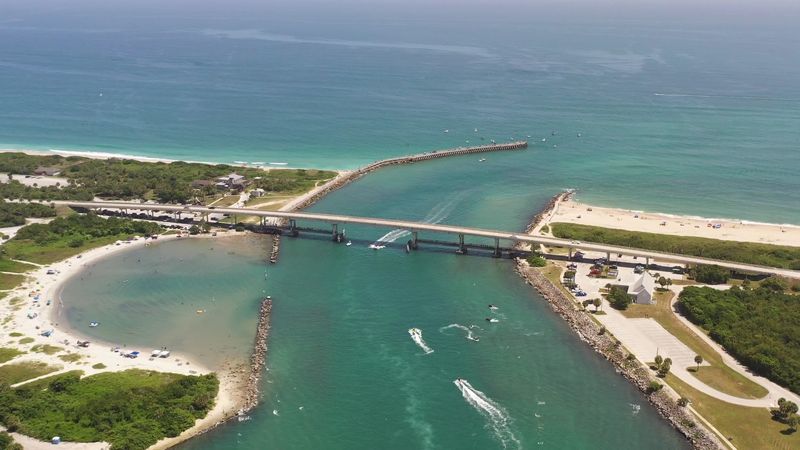
Sebastian Inlet State Park draws two very different crowds, and somehow both of them coexist without friction. Surfers come for the waves that break reliably off the north jetty, which consistently ranks among the best surf spots on Florida’s east coast.
Anglers set up along the same jetty chasing snook, redfish, and tarpon.
The inlet also sits close to the heart of the 1715 wreck zone, so there is a historical layer underneath all the recreation. Standing on the jetty at sunrise, watching pelicans dive and fishing lines arc out over the water, it is easy to understand why people return here year after year.
The state park itself is well maintained, with camping facilities, a boat launch, and a small museum dedicated to the 1715 fleet. The combination of natural beauty, outdoor activity, and living history makes Sebastian Inlet one of the more complete experiences anywhere on this coastline.
Fort Pierce Has a Historic, Walkable Downtown
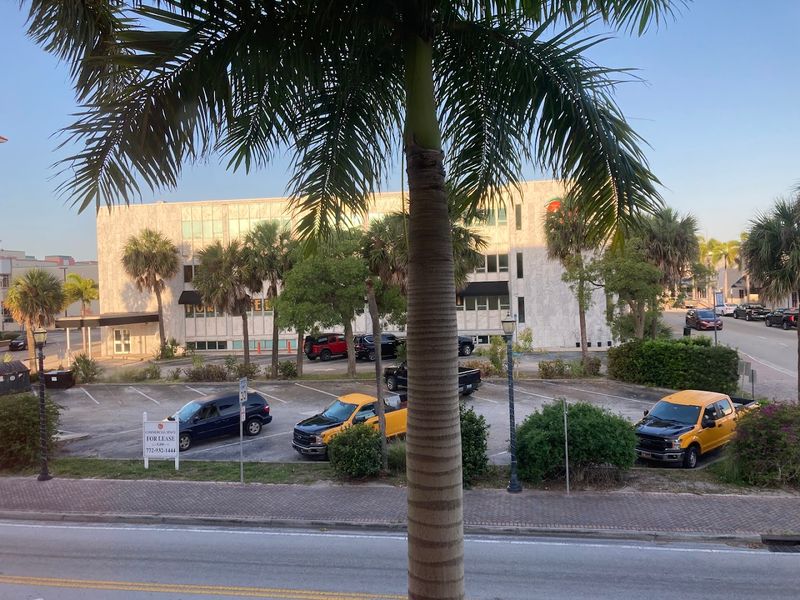
Fort Pierce does not advertise itself loudly, which is part of its appeal. The downtown district sits along the Indian River Lagoon waterfront and has the kind of character that only comes from decades of real community life rather than planned redevelopment.
Murals cover many of the older brick buildings, and the Saturday morning farmers market draws locals who actually shop there rather than just browse for photographs. The restaurants along the waterfront serve fresh seafood caught that same morning by boats you can see from your table.
The city also has a strong arts presence, anchored by the Sunrise Theatre, a beautifully restored 1923 venue that still hosts live performances. Fort Pierce carries a coastal-town authenticity that is increasingly rare in Florida, and spending even a half day wandering its streets gives you a clear sense of why residents tend to stay for decades once they arrive.
The Indian River Lagoon Is One of North America’s Most Diverse Estuaries
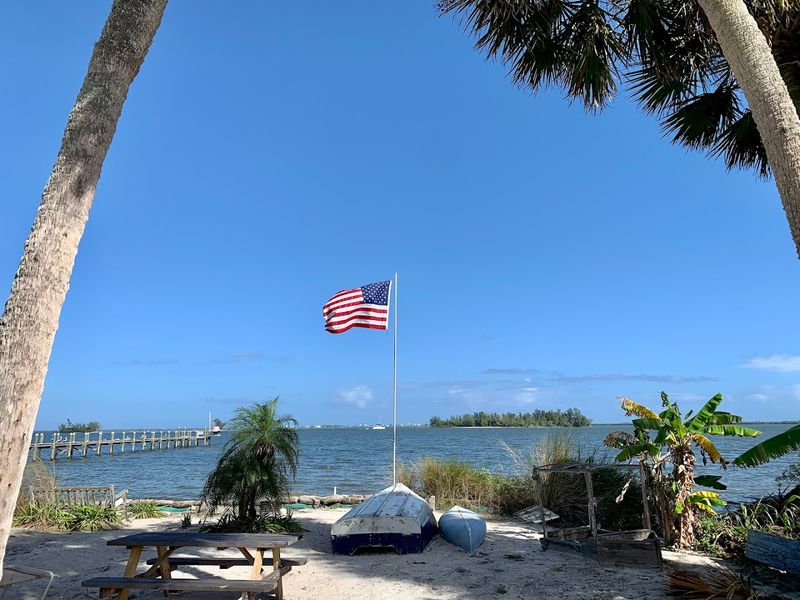
The Indian River Lagoon stretches for 156 miles along Florida’s east coast, and the section running through the Treasure Coast is among its most ecologically rich. Scientists have documented more than 4,000 species of plants and animals living in and around this estuary, a number that makes it one of the most biodiverse waterways in North America.
Bottlenose dolphins are a common sight from kayaks and paddleboards. West Indian manatees gather in the warmer shallower areas, especially during cooler months.
Roseate spoonbills, ospreys, and great blue herons work the shoreline edges throughout the year.
Conservation efforts have improved water quality in recent years after a difficult period of algae blooms that affected the ecosystem. Guided kayak tours operate out of several launch points along the lagoon corridor, and they offer a ground-level view of an environment that most visitors would never discover on their own without some local guidance.
Hutchinson Island Offers Quiet, Uncrowded Beaches
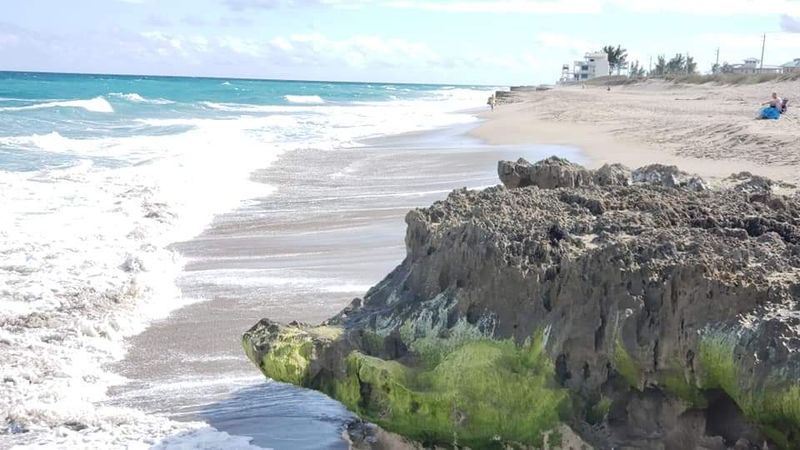
Hutchinson Island runs for about 21 miles between the Atlantic Ocean and the Indian River Lagoon, and it manages to feel genuinely undiscovered even though it has been there the whole time. The beaches here are wide and clean, with the kind of shell collecting that used to be common all over Florida before the crowds moved in.
On a weekday morning, it is entirely possible to walk a mile along the waterline without passing another person. That kind of solitude is not something you stumble into easily on Florida’s coastline anymore, and Hutchinson Island guards it well.
The island also hosts the Elliott Museum in Stuart and the Florida Oceanographic Coastal Center, both of which add educational depth to a beach visit. Whether you come for the quiet or the wildlife or the history, the island has a way of making you feel like you found something that most travelers drive right past without stopping.
The Area Is a Sea Turtle Nesting Haven
From March through October, the Treasure Coast beaches host one of the most significant sea turtle nesting concentrations in the entire Western Hemisphere. Loggerhead turtles account for the majority of nests, but green turtles and the rare leatherback also use these shores.
Turtle watches are organized through local conservation groups, particularly around the Fort Pierce and Jensen Beach areas. Rangers and volunteers lead small groups down to the beach in the pre-dawn hours to observe nesting females without disturbing them.
The experience of watching a 300-pound loggerhead haul herself up the beach and methodically dig her nest is genuinely difficult to describe to someone who has not seen it.
Daytime walkers sometimes spot the wide, flipper-marked tracks leading from the surf to a nest site and back again. The local conservation programs have been running for decades, and the nesting numbers on this coastline reflect that long-term commitment to protecting the habitat.
Jensen Beach Still Feels Like a Fishing Village
Some towns work hard to manufacture a charming atmosphere and still fall short. Jensen Beach comes by it naturally.
The small downtown sits at the edge of the Indian River Lagoon, and the fishing culture that built the community is still clearly visible in the seafood restaurants, the bait shops, and the boats tied up at the marina.
The town hosts a popular pineapple festival each year, a nod to the era when this area was one of Florida’s major pineapple-growing regions. The local farmers market runs regularly and stocks produce from nearby farms alongside handmade goods from local artisans.
The vibe in Jensen Beach is easy and unpretentious in a way that feels increasingly rare along Florida’s coast. Locals hang out at the same waterfront spots that visitors discover, which creates a welcoming atmosphere rather than the us-versus-them dynamic that can develop in more heavily touristed towns.
It is a town worth slowing down for.
Stuart Is Called the Sailfish Capital of the World
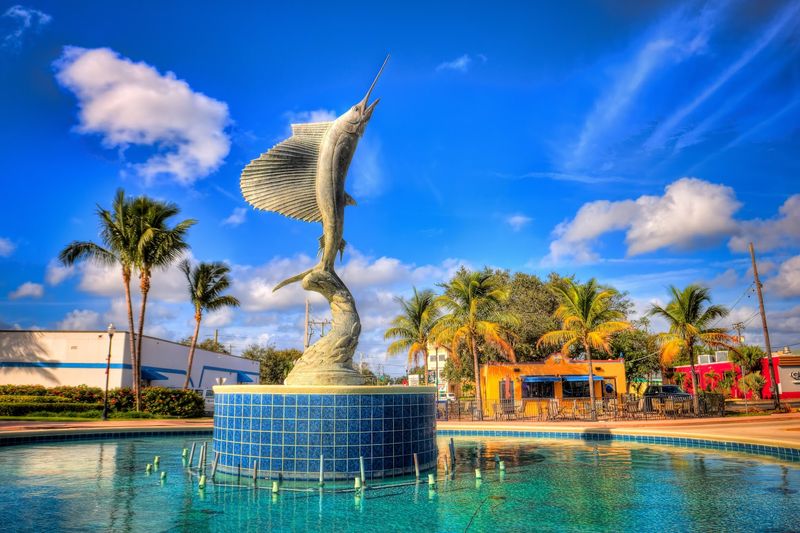
Stuart wears that title with confidence, and the offshore fishing here backs it up. The waters off Martin County sit at the intersection of the Gulf Stream and the coastal shelf, creating conditions that concentrate sailfish in numbers that serious anglers travel across the country to find.
Charter boats operate out of the St. Lucie Inlet year-round, and the winter months are considered peak season when sailfish are most abundant. Many charters practice catch-and-release, which has helped maintain the population over the long term and keeps the fishery healthy for future seasons.
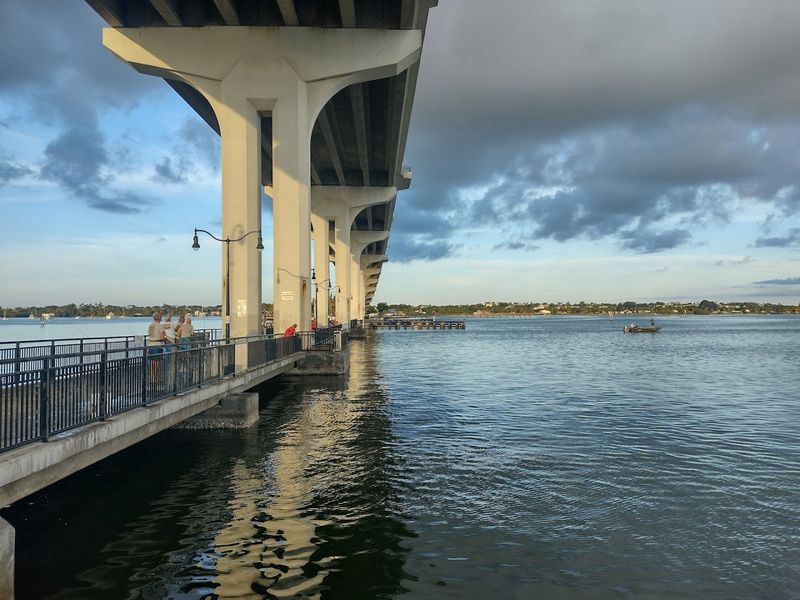
Stuart itself is a well-kept riverside town with a lively downtown district along the St. Lucie River. The Lyric Theatre anchors the arts scene, and the Roosevelt Bridge provides one of the more dramatic entry points into any small Florida city.
Whether you fish or just watch the boats come in at the dock, Stuart delivers a satisfying coastal experience without overwhelming you with options.
It Is Florida Before the Crowds
The Treasure Coast is what happens when a stretch of Florida manages to hold onto its identity while the rest of the state races toward its next development cycle. The beaches are real.
The towns are real. The history underneath the sand is real in a way that very few places in the country can claim.
There are no major theme parks within easy reach, no cruise ship terminals, and no outlet malls anchoring the tourist economy. What exists instead is a coastline where the primary attractions are the water, the wildlife, and the stories that have been accumulating here since before the United States existed as a country.
Travelers who find the Treasure Coast for the first time often describe a specific feeling: the sense that they got somewhere before it changed. That feeling is accurate, and the communities along this coast are working to keep it that way for as long as they possibly can.
Share this story