American life once moved on rails, not in traffic lanes or boarding groups. From the 1870s through the mid 20th century, a handful of cities stitched the country together with timetables, terminals, and switching yards that directed people and freight with mechanical precision.
Highways, jets, and containerization changed the pecking order, but the stories left behind still explain how industry, migration, and urban form took shape. Keep reading and you will pick up concrete dates, pivotal companies, and cultural clues that make these former rail capitals feel present, not distant.
1. Chicago, Illinois
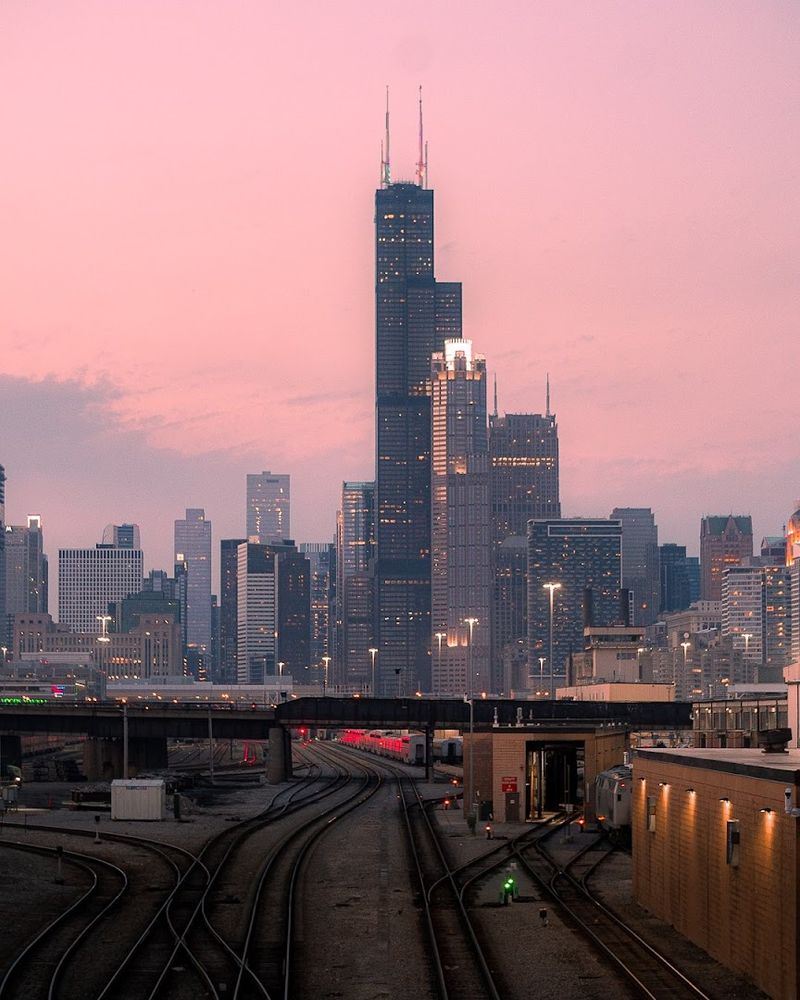
Start with the city that treated timetables like a civic language. By 1910, more than two dozen trunk lines met in Chicago, and the terminal district handled the densest concentration of passenger and freight traffic in North America.
Union Station opened in 1925 with a Great Hall sized for crowds that arrived by the minute.
Freight mattered as much as Pullman berths. Stockyards, grain elevators, and lake shipping turned yards like Clearing and Proviso into complex classification machines.
Companies such as the Chicago, Burlington and Quincy, Pennsylvania Railroad, and Santa Fe built grand concourses but also intricate interlockings that kept transcontinental trains on schedule.
Shifts came fast after 1950. Interstate highways drew short haul freight and the 1958 Jet Age reset long distance travel.
Amtrak consolidated passenger service in 1971, while the Staggers Rail Act of 1980 helped freight carriers rationalize routes and yards.
Even with mergers, Chicago still anchors the network. Metra’s commuter map echoes lines first laid for meat and grain.
If you walk Canal Street today, the architecture sells a memory, but the working part sits underfoot in throats, ladders, and bridges that made the city a timetable capital.
2. Omaha, Nebraska
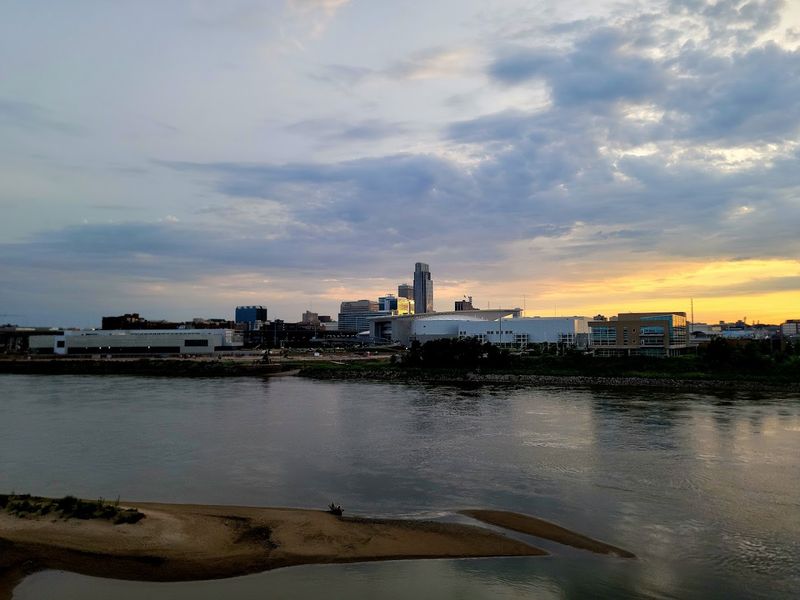
This is where a bold line west found its first punctuation mark. In 1863, Union Pacific began building from Omaha toward the Rockies, making the city the eastern operational heart of the first transcontinental route.
Bridge work over the Missouri tied shops, payrolls, and political attention to a once modest river town.
Omaha developed yards, car shops, and managerial culture around the new main line. Immigrant labor, federal land policy, and telegraph dispatching formed a logistics engine that pulled cattle, timber, and mining output across the continent.
Burlington and Rock Island connections reinforced the hub by linking Chicago and Denver traffic.
Dieselization and postwar trucking began shifting carload patterns. Interstates 80 and 29 changed freight drayage and warehouse siting.
By Amtrak’s 1971 start, intercity schedules had thinned, signaling a different role for the city.
Yet the transcontinental DNA remains visible. Headquarters functions, bridge approaches, and long intermodal trains still cut the grid into operable pieces.
If you trace historic plats, you can see how the railroad’s survey decisions wrote Omaha’s growth pattern, proving that a terminus can also be an origin for regional identity and industry.
3. Kansas City, Missouri
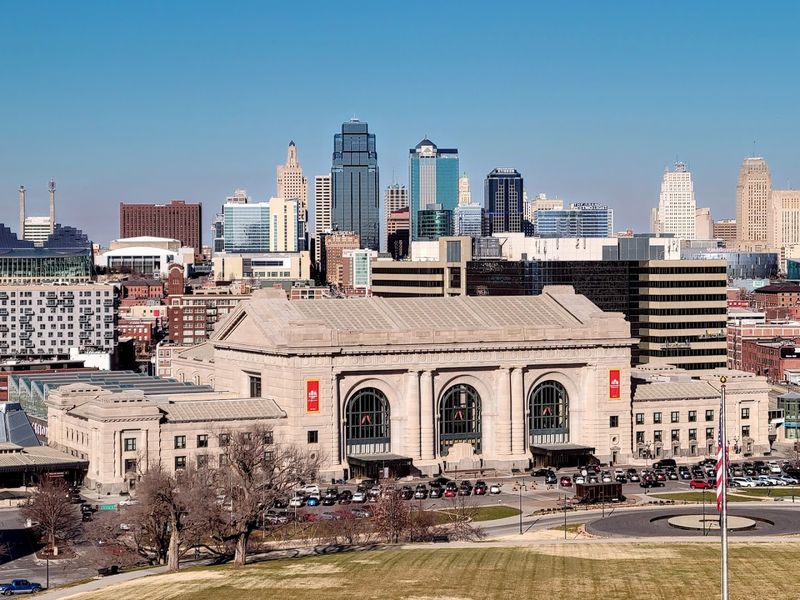
Freight captains once treated this town like a switch key for half the country. Kansas City’s central position and multiple river crossings produced yards that ranked among the biggest classification complexes in the nation.
Union Station, opened in 1914, backed up the freight empire with passenger grandeur.
Meatpacking and grain marketing scaled the traffic. Santa Fe, Missouri Pacific, Rock Island, and Burlington funneled cattle, wheat, and mail across grids of tracks that stitched together the Plains and Southwest.
The Argentine Yard and later Neff Yard built reputations for capacity and organization.
Then the highway era redrew the playbook. Refrigerated trucks pulled share from livestock traffic, and airline connections captured time sensitive passengers.
Amtrak rationalized routes in 1971, though the station later found new civic life.
What survives is a living diagram of logistics. Intermodal terminals and short lines keep the freight map relevant, while the restored station displays the confidence that rail once projected.
Stand on the pedestrian bridge near the yards and you will see how geography, commodities, and corporate strategy turned a river bend into a rail capital with staying power, even after the timetables changed.
4. Atlanta, Georgia
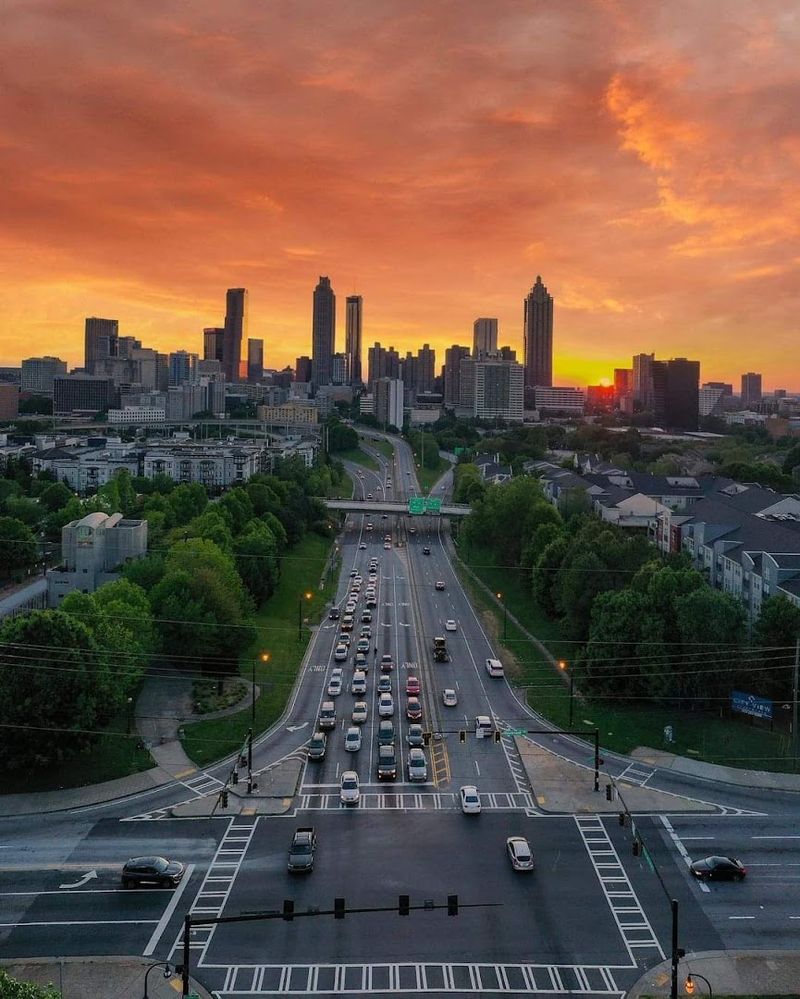
A city that called itself Terminus did not hide its origin story. Atlanta grew from a planned junction of Western and Atlantic lines in the 1840s, then matured into the South’s key rail crossroads by the early 20th century.
Terminal Station, rebuilt in 1905, sent travelers outward in every direction on named trains.
Freight underwrote that reach. Cotton, timber, and later manufactured goods moved through yards that fed Southeastern markets.
The Southern Railway headquartered operations here, combining dispatching, shop work, and marketing that influenced routes from Virginia to Mississippi.
Postwar suburbanization and interstates rerouted passenger loyalties. Streetcars disappeared, and long distance trains lost ground to airlines centered on the growing airport.
Amtrak’s reduced schedules marked a new phase.
Yet the rail imprint still shapes the map. Beltlines, viaducts, and the Gulch show how the right of way organized development and later redevelopment.
If you ride today’s commuter corridors or walk Peachtree, you encounter a city that started as a junction and kept the operational mindset, even when trains ceded spotlight to runways.
5. Buffalo, New York
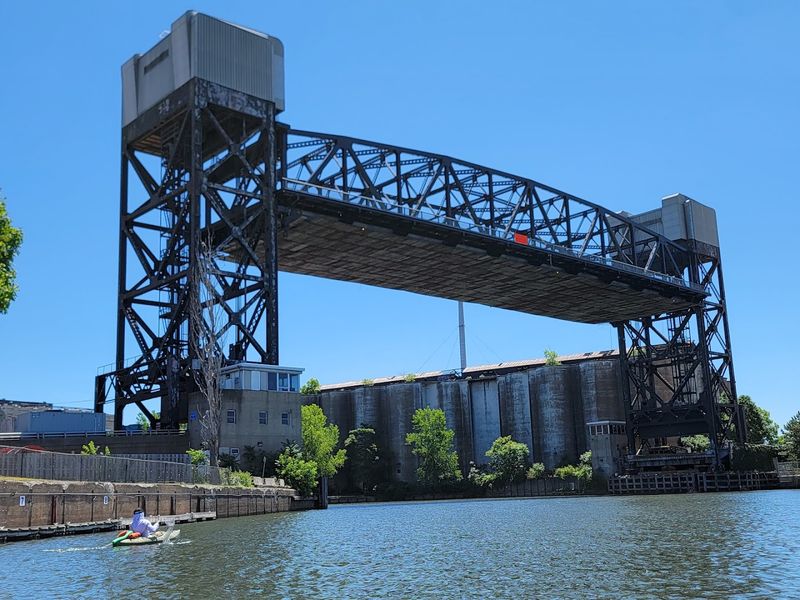
Where lake ships met railcars, logistics learned to translate. Buffalo leveraged the Erie Canal legacy and lake ports to become a transfer giant by the late 19th century.
New York Central, Lackawanna, and Nickel Plate built yards that staged grain, coal, and steel for east west flows.
Grain elevators defined the horizon and the business model. Railroads received bulk cargo, milled flour, and forwarded commodities to Atlantic markets.
Passenger travel gained presence with the 1929 Central Terminal, a bold Art Deco statement aligned with streamlined ambitions.
Containerization and shifts in steel reshuffled the ledger. Highway corridors like the Thruway and airline networks diverted time sensitive traffic.
Amtrak retained limited service after 1971, while the monumental terminal awaited reinvention.
Despite changes, the waterfront still tells the story. Elevators, bridges, and rights of way explain how a transfer economy powered a city’s rise.
Walk the old yards and you will see rail geometry baked into street grids and industrial parcels, a reminder that Buffalo’s influence rode on the ability to couple two vast inland seas of commerce.
6. Pittsburgh, Pennsylvania
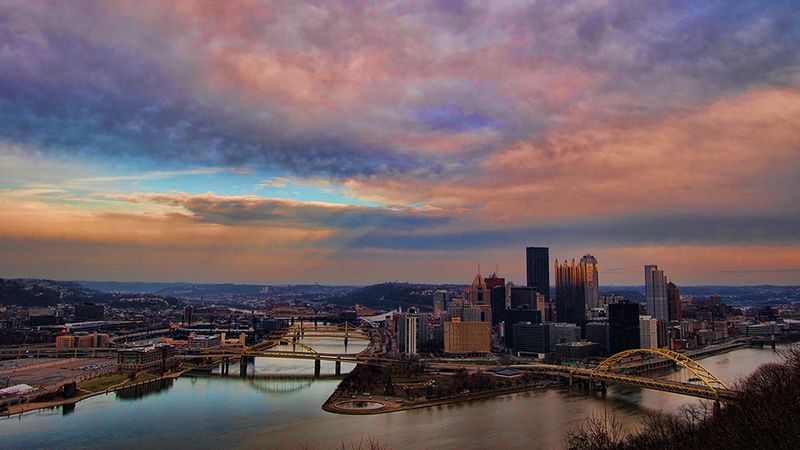
Industry here did not just consume steel, it exported it by the trainload. Pittsburgh’s railroads threaded three rivers with bridges and tunnels that connected mills to the continent.
The Pennsylvania Railroad and the Baltimore and Ohio carved approaches that turned steep hillsides into workable corridors.
Operations were intricate. Freight cars delivered ore, coke, and finished products to staging yards, while passenger trains linked workers and executives to major cities.
Iconic stations, including Pennsylvania Station, balanced grandeur with brisk through traffic.
As steel modernized and later contracted, traffic patterns shifted. Trucks lifted local distribution, and corporate mergers rationalized lines.
Amtrak concentrated service, and commuter patterns fractured with suburban employment centers.
Still, the engineering speaks for itself. Viaducts, tunnels, and inclined connections show how topography and industry negotiated.
If you map the rail legacy against today’s innovation districts, you will see that Pittsburgh kept the habit of solving hard logistics problems, even when the cargo mix changed from ingots to ideas.
7. Denver, Colorado
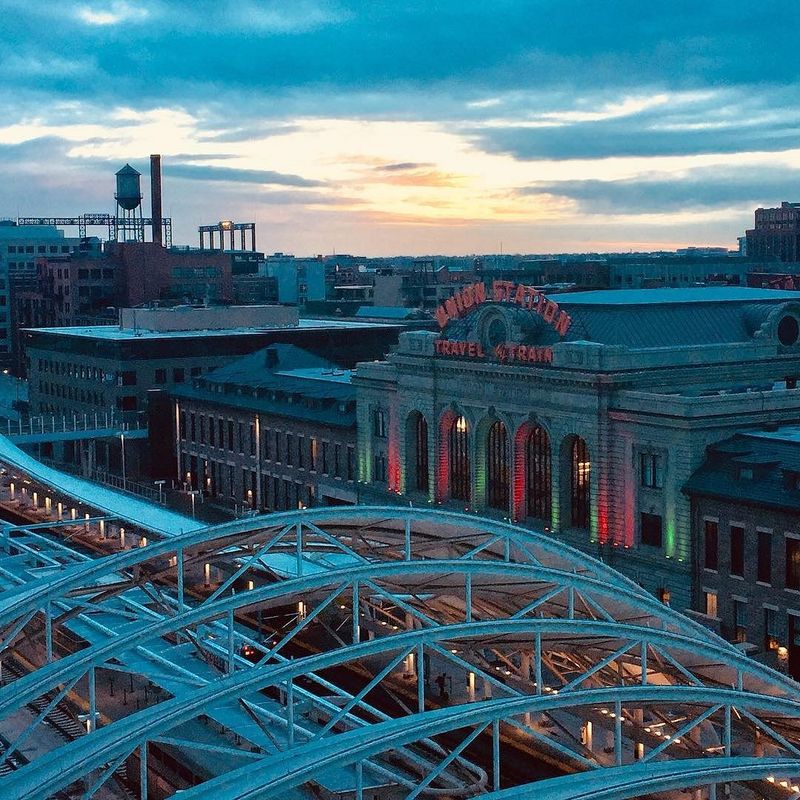
The gateway reputation here was earned mile by mile across grades. Denver organized traffic heading into the Rockies and out to the Plains, linking mining districts to national buyers.
Union Station evolved through fires and rebuilds, standing by 1914 as a civic portal for named trains.
Railroads used ingenuity to conquer altitude. The Denver and Rio Grande Western built mountain routes that connected silver camps and later resort towns, while the Burlington and Rock Island tied the city to Midwest markets.
Freight included ore, livestock, and agricultural products staged for long hauls.
After midcentury, tourism and highways reframed travel. Narrow gauge lines shrank, and airline hubs offered faster transcontinental options.
Amtrak preserved a flagship route while commuter visions arrived much later.
What remains is a transport identity aligned with geography and commerce. The rebuilt station anchors urban redevelopment, yet the historic platform spacing still dictates flows.
If you look closely, you can see how dispatching around weather and grades taught Denver to mix patience with precision, then reuse that skill for a diversified economy.
8. Cincinnati, Ohio
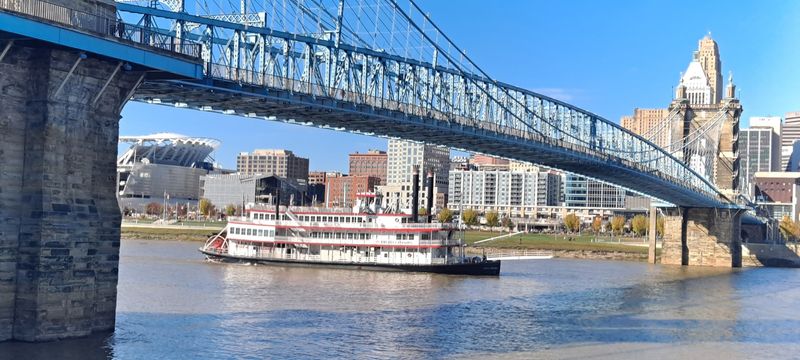
Architecture made the promise visible here. Cincinnati Union Terminal opened in 1933 with a sweeping rotunda and mosaic murals that treated transportation like civic art.
The station consolidated multiple lines into a single modern complex designed for efficient transfers.
The city’s advantage combined river and rail. Baltimore and Ohio, Louisville and Nashville, and Southern Railway used Cincinnati to route freight and passengers between Midwest and Southern markets.
Stock, machinery, and tobacco moved through yards that coordinated with river barges.
Postwar car culture and airline growth cut into the schedule density. By the late 1960s, service waned, and Amtrak further concentrated operations in 1971.
The terminal later found new life as a museum center, proving that utility can become heritage.
Look beyond the exhibits and the operating logic remains clear. The concourse widths, driveways, and platform geometry show how interline coordination worked at scale.
Cincinnati illustrates how a multi modal town leveraged topography and culture, then kept the landmark as a classroom for understanding how people once planned a trip with a timetable and a suitcase.
9. Sacramento, California
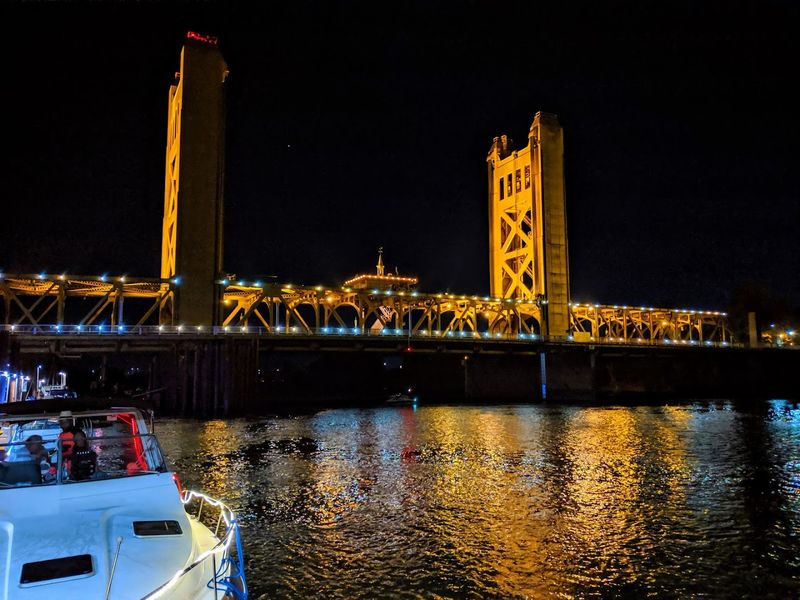
Ambition found a western workshop on these blocks. Sacramento became the Central Pacific’s base in the 1860s, launching crews over the Sierra Nevada to meet the Union Pacific at Promontory in 1869.
The railyards housed shops that turned timber and iron into mountain climbing hardware.
Technology and policy converged. Federal bonds, immigrant labor, and inventive snow management enabled year round travel once considered unlikely.
The depot linked agricultural exports and coastal trade with national markets, while branch lines fed fruit and grain from the valley.
Highway building and port competition later redistributed freight. Passenger decline accelerated midcentury, and Amtrak’s arrival kept a slimmer set of services.
The railyards shifted toward redevelopment, with preservation efforts highlighting shop buildings and turntables.
Standing near the old shops, you can read the blueprint of western expansion. Alignments, water supply points, and grades tell a technical story more than a romantic one.
Sacramento shows how a state capital doubled as a capital project office, translating policy and engineering into a corridor that still carries long haul trains and a large share of California history.
10. Cleveland, Ohio
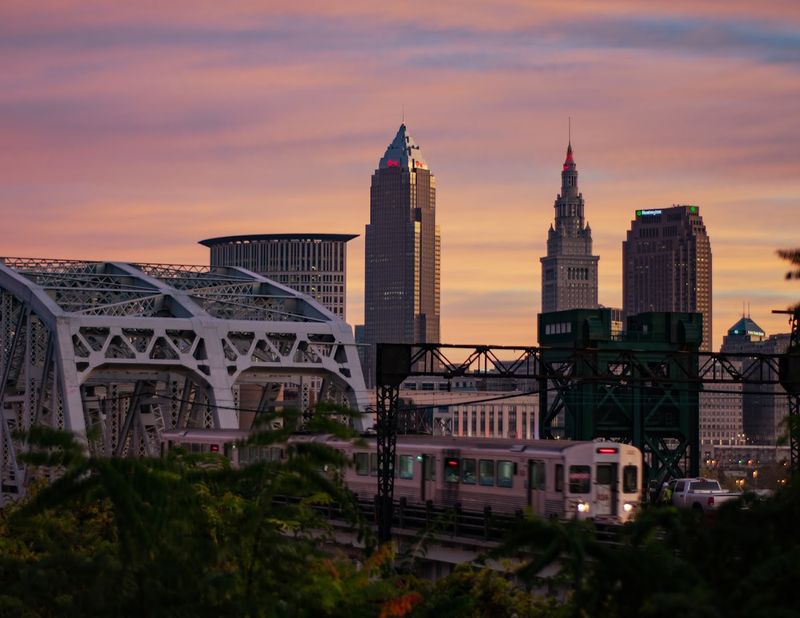
Efficiency here looked like a lakefront choreographed to the minute. Cleveland’s railroads connected ore docks and coal piers to inland mills using bridges and giant unloaders that mechanized bulk transfer.
The 1930 Cleveland Union Terminal integrated rapid transit with main line passenger service under the Terminal Tower.
Industrial networks demanded precision. New York Central and Nickel Plate moved ore, limestone, and finished goods in patterns tied to lake shipping seasons.
Passenger trains pushed through on tight approaches that folded into a vertical urban complex.
When manufacturing reorganized late in the century, traffic fell unevenly. Interstates took distribution, and Amtrak consolidated remaining intercity service.
The rapid remained while main line platforms changed function.
Yet the footprint persists. River flats, lift bridges, and terminal geometry signal how the city balanced water and rail.
If you trace the warehouse blocks, the lines still show through in building angles and utility corridors, teaching how a lake port became a rail capital by treating bulk cargo as a solvable engineering puzzle.
11. Toledo, Ohio
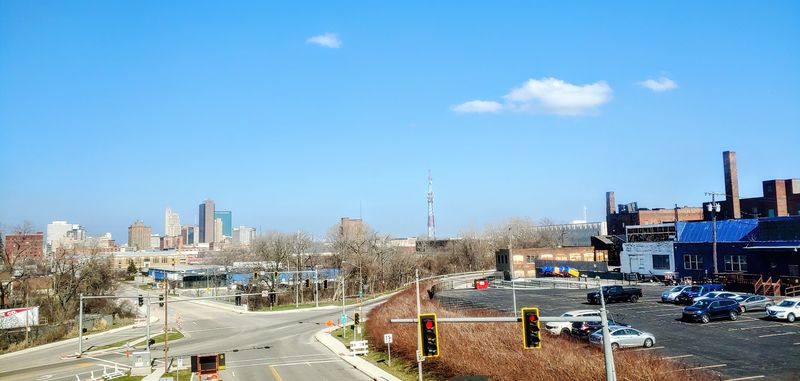
This connector city punched above its weight in timetables. Toledo’s position between Chicago and the East put it on main lines that carried coal, grain, and manufactured goods at national scale.
New York Central, Wabash, and later Norfolk and Western treated the junctions as strategic.
Glass manufacturing added volume and identity. Railroads fed factories with raw materials and shipped finished panes across the country, giving the Glass City a distribution edge.
Passenger depots handled regional travelers heading to larger hubs for overnight runs.
As interstate trucking matured, some carload freight slipped away. Passenger declines gathered speed midcentury, and Amtrak’s formation kept a smaller footprint.
Yards consolidated and certain corridors saw less traffic.
The map still shows its old purpose. Bridge alignments, wyes, and interlockings record decisions shaped by lake trade and Midwestern grids.
If you plan a trip today, you will find fewer departures, but the city’s rail memory remains visible in switches that once routed a surprising share of national freight.
12. Philadelphia, Pennsylvania
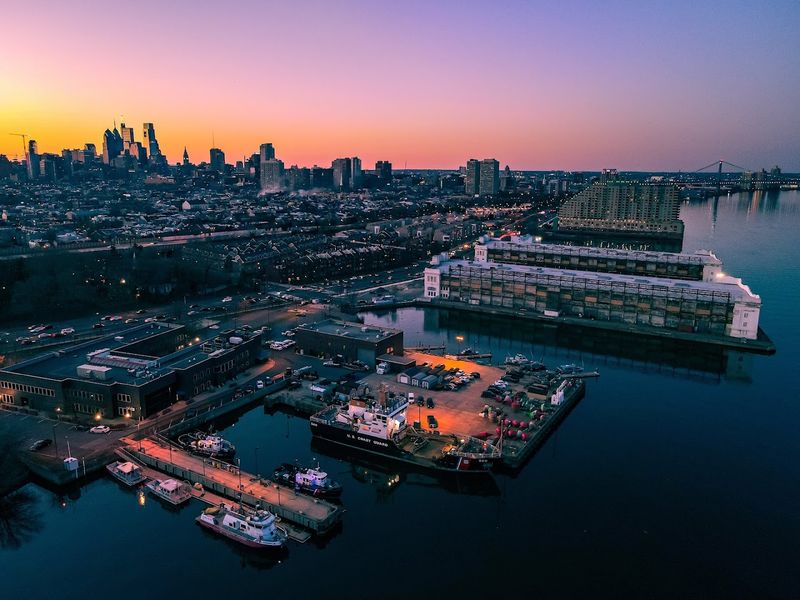
Some temples were built for schedules rather than sermons. Philadelphia’s 30th Street Station, opened in 1933, showcased the Pennsylvania Railroad’s confidence along electrified main lines.
The city sat on routes that stitched together New York, Washington, and the Midwest with dependable frequency.
Electrification mattered here. PRR’s investment in catenary and high speed operations improved reliability and turned commuter patterns into regional habits.
Freight yards managed coal, steel, and manufactured goods through complex interchanges shaped by river crossings.
After midcentury, mergers and highways rebalanced travel. Penn Central’s troubles signaled a system under strain, and Amtrak assumed intercity service in 1971.
Conrail rationalized freight, tightening the map around productive corridors.
Even so, the station remains a working museum. Grand halls frame a network that still moves people with frequency, albeit under different logos.
If you study the tracks west of the platforms, you see how electrification, bridges, and dispatch rules made Philadelphia a rail capital that adapted rather than vanished.
13. Los Angeles, California
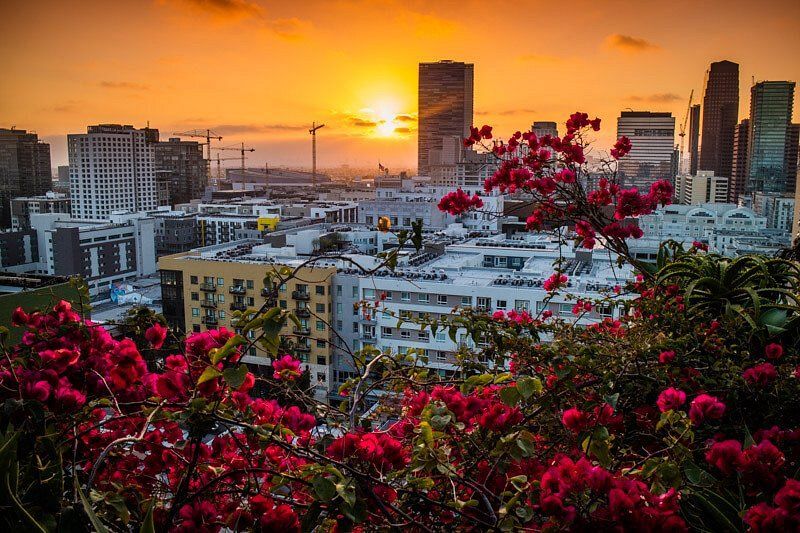
Before freeways carved loops, timetables held the map together. Los Angeles Union Station opened in 1939, merging terminals for Santa Fe, Southern Pacific, and Union Pacific.
The region relied on interurban Pacific Electric Red Cars and main line passenger trains to grow early suburbs.
Rail once structured circulation across a wide basin. Named trains marketed Hollywood access, while produce and oil moved by freight from inland districts to ports.
Downtown terminals coordinated with depots from Pasadena to San Pedro, making transfers a normal habit.
Postwar suburbia and automotive culture recalibrated everything. Freeways expanded, interurbans closed by 1961, and long distance services declined until Amtrak took over in 1971.
Freight adapted with intermodal, but passengers experienced a thinner long haul schedule.
Yet the station endures as both icon and tool. Platform geometry, arcades, and waiting rooms reveal an era when the city sold itself as reachable by rail.
If you board a modern service, you still step through spaces designed for a different mix of trains, a reminder that Los Angeles once organized daily life with schedules rather than on ramps.
14. Minneapolis–St. Paul, Minnesota
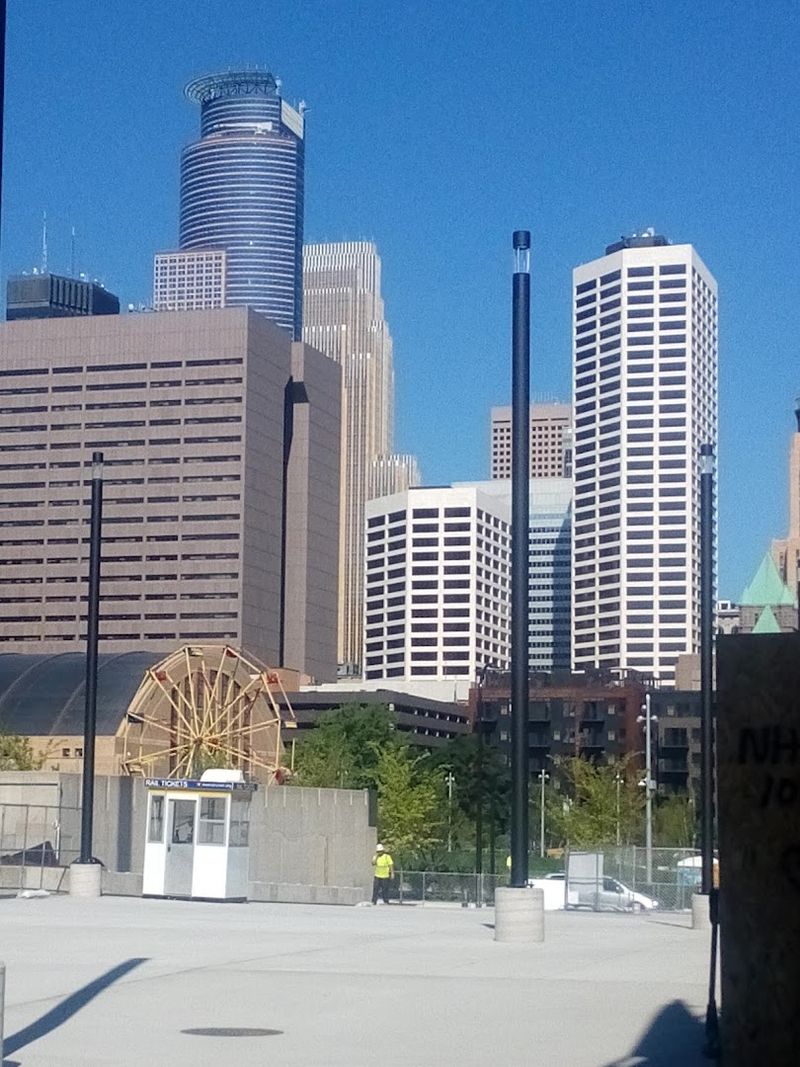
Grain ruled the calendar here. The Twin Cities grew into a logistics hub that turned wheat into flour and flour into national commerce, with railroads aligning along mills and river flats.
St. Paul Union Depot handled regional passengers while Minneapolis yards pushed carloads to the Plains and Pacific Northwest.
Corporate power concentrated in this corridor. Great Northern, Northern Pacific, and later Burlington Northern directed routes that touched ports and prairies.
Elevators, mills, and wholesalers relied on reliable cars and predictable interchange.
As trucking modernized and agriculture consolidated, train lengths changed and some branches faded. Passenger service shrank before Amtrak’s consolidation, leaving fewer named trains.
Commuter options returned slowly in a different form.
Still, the urban fabric narrates the story. Warehouse districts, bridge approaches, and rights of way show how agricultural cycles set the tempo.
Walk the riverfront and you can trace how milling science and corporate dispatching once made the region a rail capital that linked farms to faraway tables.
15. Albany, New York
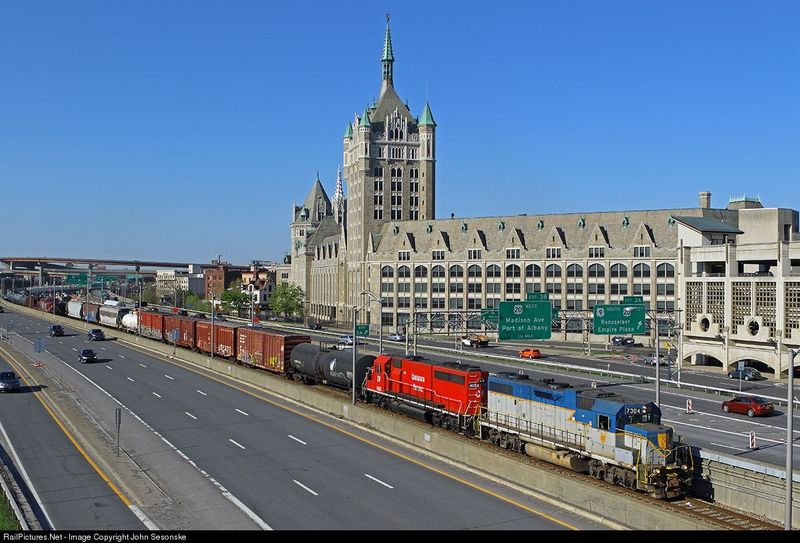
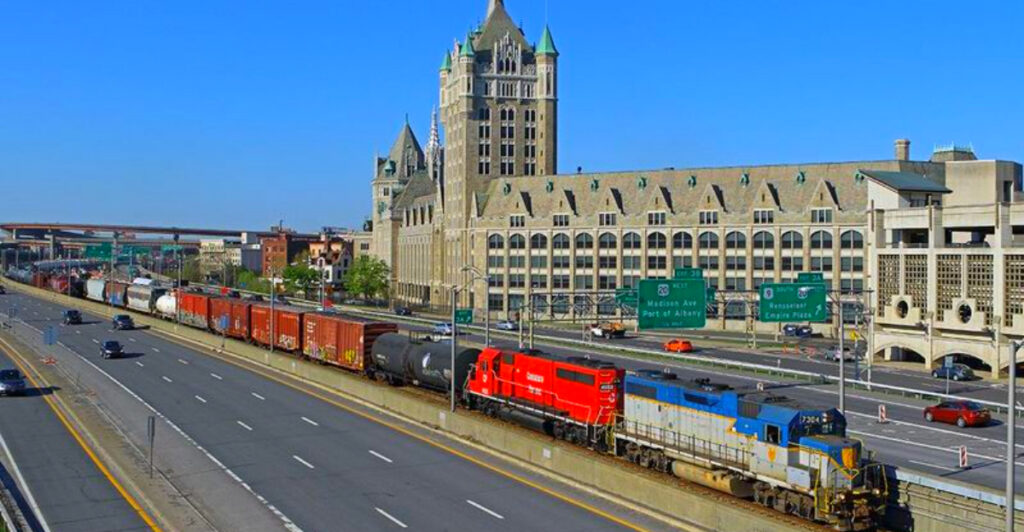
Transfer was not a side job here, it was the headline. Albany linked canal, river, and rail, turning warehouse districts into statewide distribution engines by the late 1800s.
The New York Central used the city as a hinge between New England access and Midwest corridors.
Practicality defined operations. Freight houses consolidated goods from canal boats and river barges into railcars bound west, while passenger trains connected the capital to larger metropolitan circuits.
Bridge approaches and junctions managed flows with disciplined signaling.
By the mid 20th century, highways pulled short haul cargo, and containerization shifted port priorities. Passenger reductions arrived before Amtrak’s formation, which preserved a core intercity link.
Terminal areas later saw redevelopment alongside ongoing freight.
The layout still discloses the operating logic. Street grids warp around old yards, and waterfront parcels keep the memory of multi modal handoffs.
Albany proves that a rail capital can grow from the art of transfer, not just the drama of long runs, and that coordination can be as influential as speed.
Share this story