Some things from childhood were just built differently. Before deadlines, responsibilities, and the endless ping of notifications, life had this effortless rhythm that felt almost magical.
Saturday mornings, blanket forts, ice cream trucks, and bedtime stories were not just routines, they were the whole world. Here are 15 childhood routines that deserve a serious comeback.
Waking Up the Gentle Way

Nobody was setting a 5:47 a.m. alarm with a sound like a fire drill. Waking up as a kid meant soft voices, warm rooms, and the distant smell of breakfast doing all the heavy lifting.
It was nature’s most civilized alarm clock.
There was zero urgency. You could stretch, stare at the ceiling, and debate whether to get up for a full three minutes without consequence.
Nobody sent a calendar invite for that.
Mornings felt generous back then. The day hadn’t made any demands yet, and the only pressure was deciding between pancakes or cereal.
Adults have since replaced that luxury with phone notifications before both eyes are even open. Honestly, we had it so good and had absolutely no idea.
Bring back the slow morning. Bring back the soft voice from the kitchen.
Bring back mornings that felt like a gift instead of a sprint to the finish line.
Saturday Morning Cartoons Are Sacred
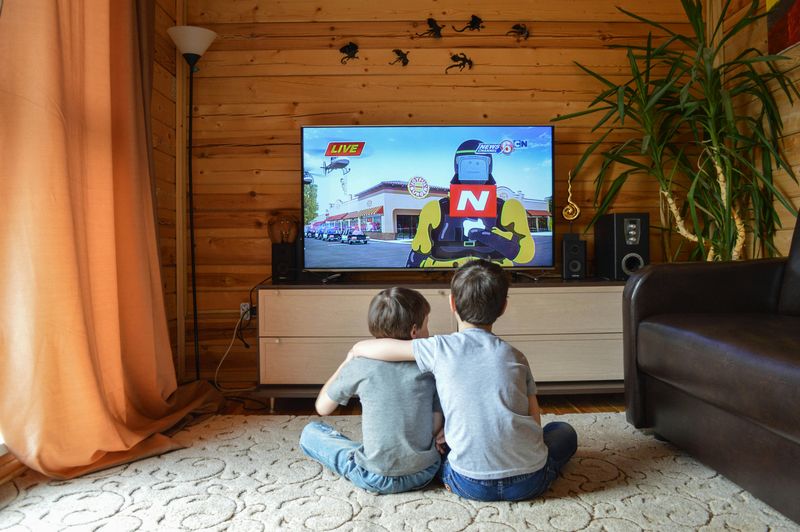
There was a time when Saturday mornings had a schedule worth protecting. Cereal in hand, TV volume at a reasonable-but-slightly-too-loud level, and absolutely zero adult programming allowed.
It was the law of the household.
I remember waking up before anyone else just to claim the remote. That level of dedication?
I have not matched it since. Not for anything.
The cartoons were not even always that good, but the ritual was everything.
Networks used to plan entire lineups specifically for kids on Saturday mornings, and it felt like the TV industry genuinely understood us. Then someone decided to replace it with home renovation shows, and childhood television never fully recovered.
Those two or three hours were protected time. No errands, no chores, no “go play outside” yet.
Just you, your cereal going soggy, and the most important cartoon episode of the week. Peak civilization, honestly.
Bedtime Stories That Felt Like Magic

One more page was never just one more page. It was a negotiation, a strategy, and occasionally a masterpiece of stalling tactics.
Bedtime stories were the original cliffhanger content, and we were absolutely hooked.
There is something genuinely special about being read to. The voice changes for each character, the dramatic pauses, the way a good story could make a small bedroom feel like an entirely different universe.
No screen required.
Research actually backs this up. Kids who are read to regularly build stronger vocabularies and better imagination skills.
But honestly, we did not need a study to tell us that. We just knew that the story made bedtime feel less like an ending and more like the beginning of something wonderful.
The best part? Falling asleep before the chapter ended and convincing yourself you would remember where you left off.
You never did. But it was always worth it.
Nap Time Without the Guilt

Somewhere between kindergarten and adulthood, napping went from a scheduled activity to a guilty pleasure. That is a tragedy of the highest order.
Kids got mandatory rest built into their day, and they had the audacity to complain about it.
A full nap in the middle of the afternoon, no alarm, no guilt, no emails waiting on the other side. Just sleep.
Beautiful, consequence-free sleep. Adults now pay for wellness apps and meditation subscriptions trying to recreate what kindergarten handed out for free.
The science is genuinely on napping’s side. Short naps improve memory, mood, and focus.
Countries like Spain and Japan have built nap culture into daily life, and they are onto something brilliant. Meanwhile, the rest of us are powering through 3 p.m. on sheer caffeine and willpower.
Kids had the right idea all along. Mandatory afternoon naps for everyone sounds extreme until you have not slept properly in six years.
After-School Freedom Hours
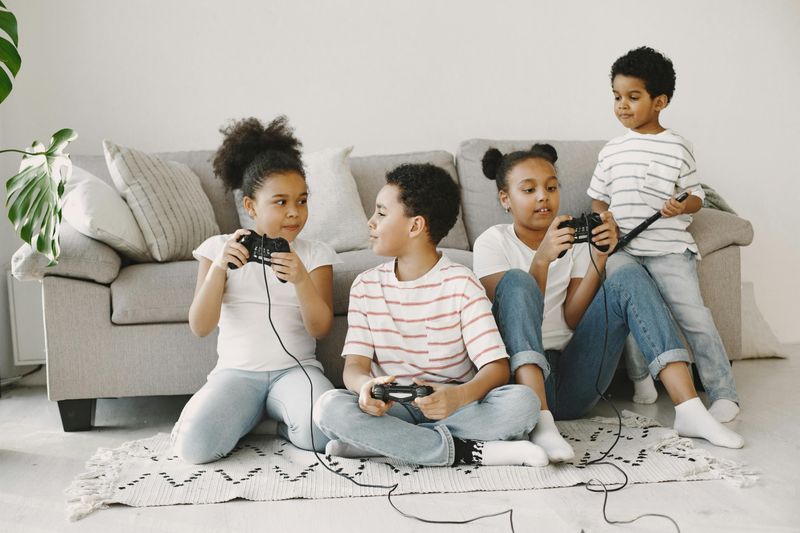
The second that backpack hit the floor, you were free. No schedule, no structured activity, no adult agenda.
Just the neighborhood, your friends, and an unspoken agreement to be back before the streetlights came on. It was freedom with a built-in curfew.
Those hours were genuinely unsupervised in the best possible way. You invented games, settled disputes, built things, broke things, and learned more about negotiation and creativity than any classroom ever taught.
Nobody planned any of it. It just happened.
Studies on unstructured play consistently show it builds problem-solving skills and emotional resilience in children. But the kids running around those neighborhoods were not thinking about development.
They were thinking about who had the best bike and whether the creek was deep enough to jump across. That kind of afternoon shaped who people became.
Quiet, golden, and completely irreplaceable. We did not know we were building memories.
We thought we were just playing.
Blanket Forts Were Serious Architecture
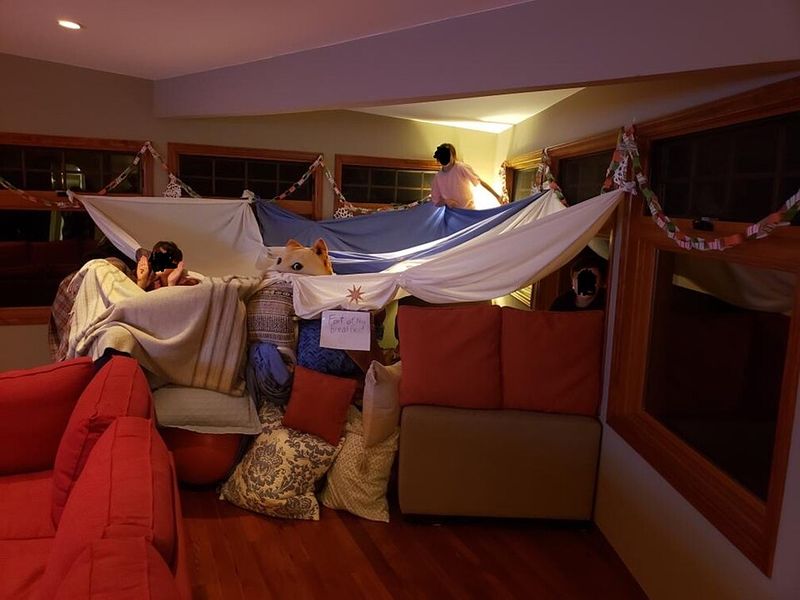
A good blanket fort was not just furniture rearrangement. It was real estate.
You negotiated terms, established rules, and defended your territory with the seriousness of someone signing a lease. The couch cushions were load-bearing.
Do not move them.
The inside of a fort had its own atmosphere. Everything felt quieter, cozier, and slightly more important.
Books were better in there. Snacks tasted better.
Even doing nothing felt like an accomplishment when you were doing it inside a structure you built yourself.
There is actual developmental value in fort building. Kids practice spatial reasoning, cooperative planning, and creative problem-solving all at once.
But the real value was simpler: it was yours. In a world where adults controlled everything, a blanket fort was sovereign territory.
Nobody could make you do homework in there. That was the unspoken rule.
Forts were sacred, and the best ones had multiple rooms and a dedicated snack corner. Standards were high.
Summer Vacation Countdown Was Everything
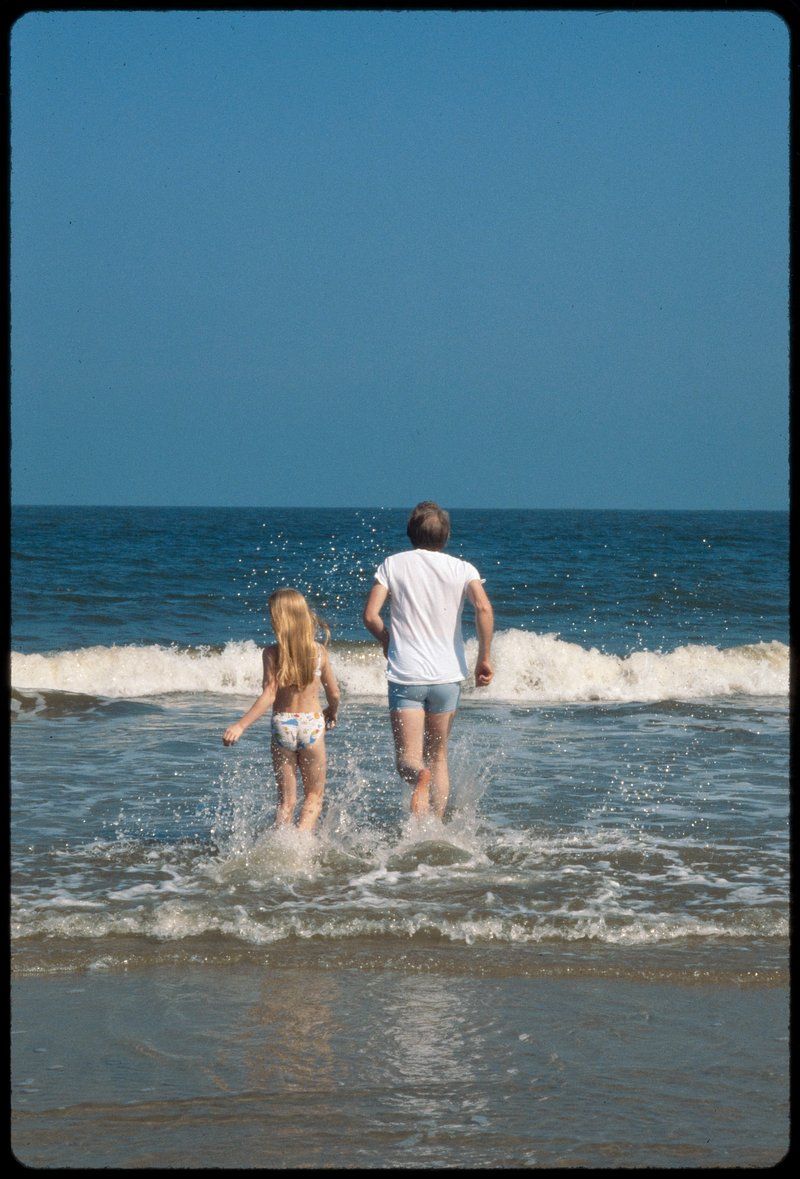
The last two weeks of school before summer were basically a countdown clock that the entire student body ran collectively. Every crossed-off day on the calendar felt like a small victory.
June was the finish line, and everyone was sprinting toward it.
Teachers knew. They could feel the energy shift.
Lesson plans became suggestions. The classroom clock got watched more intensely than any sporting event ever broadcast.
That final bell on the last day of school? Absolute pandemonium of the best kind.
Summer vacation as a kid felt genuinely infinite. Ten weeks sounded like a lifetime.
You had plans, schemes, and an entire mental list of things to do that you mostly forgot by week two. The anticipation was sometimes better than the actual summer, and that is saying something because summer was incredible.
That particular brand of excited anticipation, pure and uncomplicated, is something adulthood rarely delivers. Waiting for summer as a kid was its own reward.
Lunches That Felt Like a Surprise
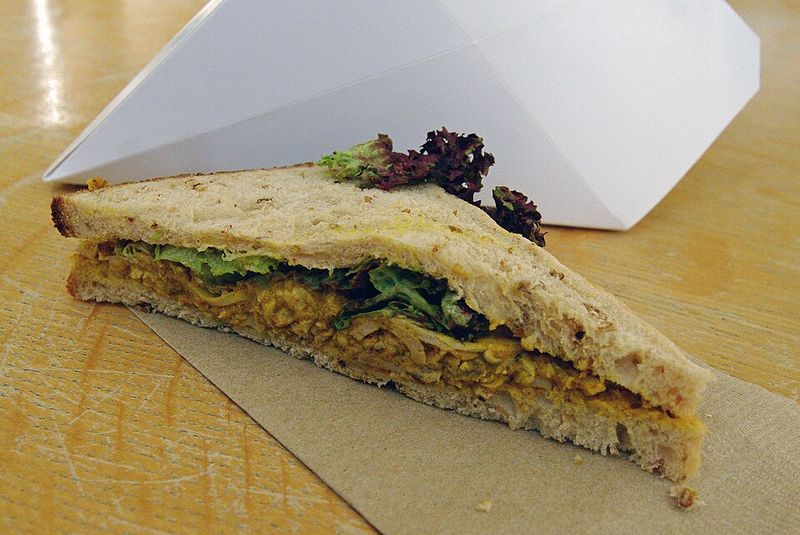
There was a specific joy in opening a lunchbox and not knowing exactly what was inside. Even if it was the same sandwich as yesterday, the reveal still had energy.
Lunchables were their own category of excitement entirely. That little tray was practically a charcuterie board for kids.
The shape of the sandwich mattered enormously. A triangle cut hit differently than a rectangle, and a cookie cutter shape meant someone at home was genuinely invested in your afternoon.
That kind of detail did not go unnoticed at the lunch table.
Trading food was also a serious social economy. If you had the good fruit snacks, you had leverage.
Knowing which snack was rare gave you real lunchroom power. Looking back, the whole system was a miniature marketplace with its own supply and demand.
Nobody taught us economics. We just figured it out over a juice box and a bag of Goldfish crackers.
Resourceful, honestly.
Sprinting After the Ice Cream Truck
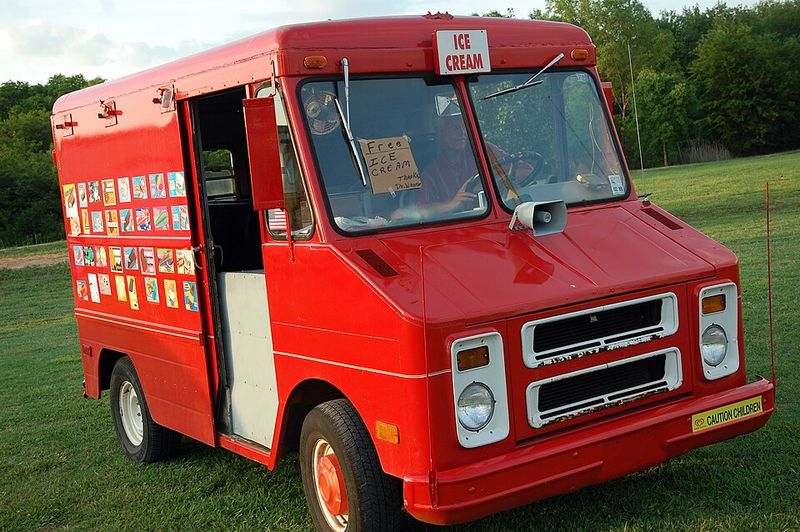
That jingle carried across three blocks and triggered an immediate full-sprint response. It did not matter what you were doing.
Whatever it was, it was less important than the ice cream truck, and your legs already knew that before your brain caught up.
The negotiation with a parent for ice cream money was one of childhood’s most high-stakes moments. Timing was critical.
Ask too slowly and the truck moves on. Ask too desperately and you lose negotiating power.
It was a genuine pressure situation for a seven-year-old.
The menu on the side of that truck was basically a work of art. Rocket pops, Creamsicles, Drumsticks, and those bizarre character bars with the gumball eyes that were never positioned correctly.
Every choice mattered. Standing there deciding while the line formed behind you was peak pressure.
But the result was always worth it. Eating ice cream on the curb in summer sun, still slightly out of breath from running?
That is an unbeatable experience that no app can replicate.
Kool-Aid Mustaches Were a Badge of Honor
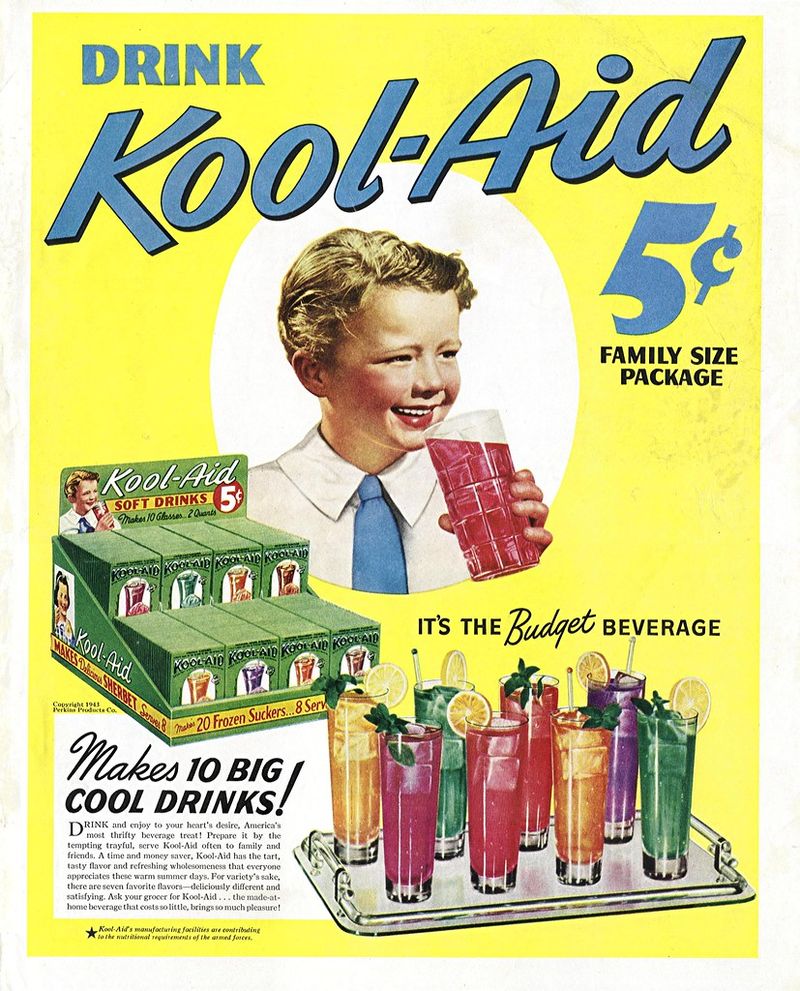
A Kool-Aid mustache was not an accident. It was proof of a life well lived.
That ring of bright red or purple above your lip announced to the world that you had been outside, having fun, and drinking something aggressively flavored. No apologies.
The flavors were not subtle. Tropical Punch, Cherry, Grape, each one more intensely colored than the last.
Kool-Aid did not believe in moderation, and neither did the kids drinking it straight from a pitcher made with twice the recommended sugar.
There was a whole summer economy built around Kool-Aid. Someone’s mom made a pitcher, the whole block showed up, and the afternoon organized itself around that.
It was community, really. Cheap, sugary, wonderfully stained-lip community.
Adults now pay premium prices for electrolyte drinks trying to capture that same post-activity refreshment. But nothing touched a cold cup of Kool-Aid after running around outside for two hours.
The mustache was just the bonus.
Passing Notes Was an Art Form
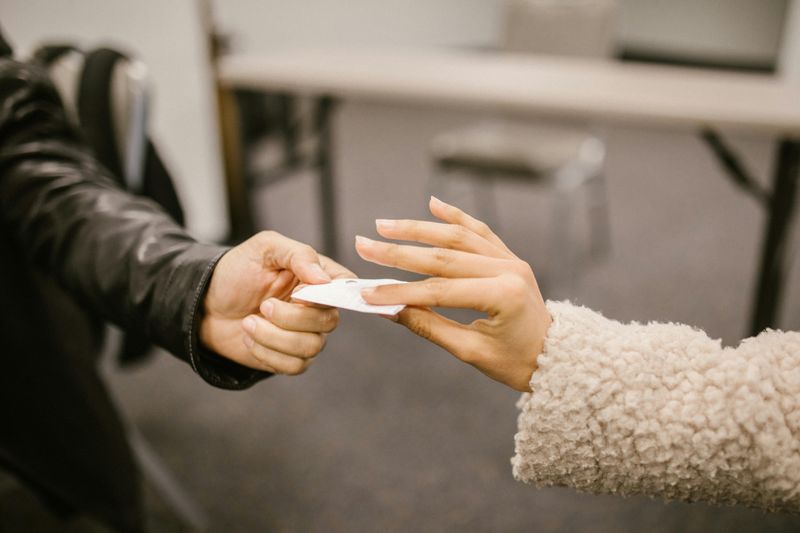
Folding a note into the perfect compact square was a skill. Getting it across two rows of desks without the teacher noticing was a talent.
The whole operation had the tension of a heist movie compressed into forty-five seconds of elementary school drama.
The content of those notes was always urgent. “Do you like him? Circle yes or no.” Or a drawing that made absolutely no sense but was hilarious in context.
Or a warning that the teacher was about to call on someone. Critical intelligence, all of it.
Getting caught was mortifying. Having the note read aloud was the stuff of nightmares.
But that risk was part of the appeal. Passing notes required trust, coordination, and a certain level of bravery that texting simply does not replicate.
There is no drama in a text. But a folded piece of paper sliding across a desk while you stared straight ahead pretending to take notes?
That was genuine suspense. We were all tiny spies, and it was brilliant.
Field Trips Were Full-Day Events
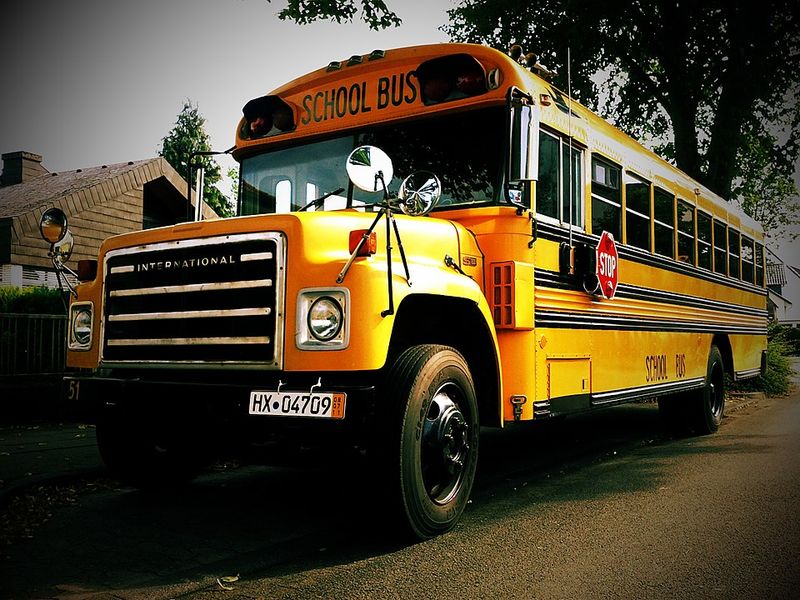
A field trip permission slip arriving home was basically a golden ticket. The moment it landed on the kitchen table, the excitement started.
A whole school day spent somewhere that was not school, riding a yellow bus with your friends? Practically a holiday.
The bus ride was half the experience. Seat assignments mattered.
Sitting next to your best friend for a forty-minute drive while everyone sang or played games was a legitimately great time. The destination almost did not matter.
The journey was already delivering.
Field trips to museums, zoos, or historical sites had this way of making learning feel real and accessible. Seeing something in person after reading about it in a textbook was a genuinely different experience.
Teachers knew this, and the good ones planned field trips that actually connected to what the class was studying. The packed lunch eaten on a picnic table outside some landmark?
Somehow the best lunch of the entire school year, every single time.
Recess Was the Real Curriculum
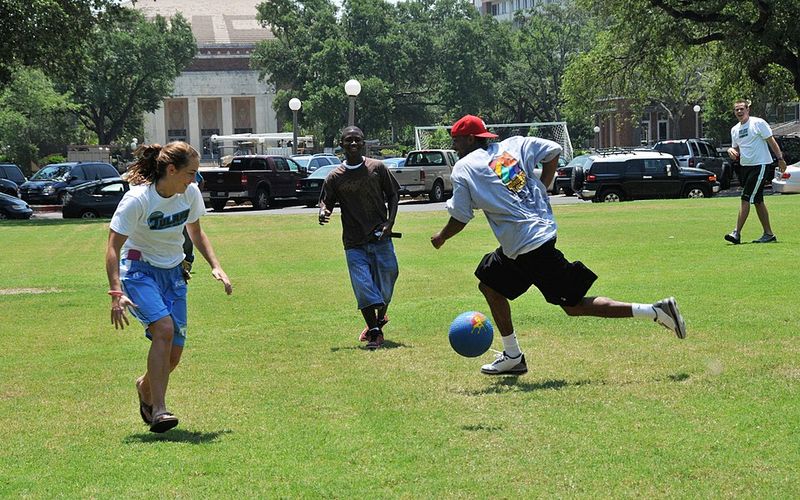
No worksheet ever taught what twenty minutes on a playground did. Recess was where you learned negotiation, conflict resolution, teamwork, and how to handle losing with at least some dignity.
The education happening out there was genuinely impressive.
Tag, four square, kickball, or just running around with no clear objective. Every game was invented or reinvented daily.
Rules were argued, revised, and agreed upon in real time. That is collaborative problem-solving, and it happened before anyone had a business degree.
Cutting recess short was a threat that carried real weight. Teachers knew it.
The whole class knew it. Silence fell faster during a recess threat than during any other classroom management strategy ever attempted.
That tells you everything about its value. The American Academy of Pediatrics has formally stated that recess is essential for children’s development.
Kids already knew that. They just expressed it by sprinting toward the door the second the bell rang.
That instinct was entirely correct.
Believing in Magic Was Just Normal

The Tooth Fairy left money. Santa knew your full name and your specific wish list.
The Easter Bunny had a surprisingly sophisticated distribution network. As a kid, none of this required explanation.
It was simply how the world worked, and that was wonderful.
Believing in magic gave childhood a layer of wonder that logic had not yet stripped away. Every holiday had a mystery attached to it.
Every night held the possibility of something extraordinary happening while you slept. That is a genuinely beautiful way to experience the world.
The moment a kid starts to suspect the truth is a quiet turning point. Some hold on to the belief a little longer, not because they are fooled, but because the magic is too good to let go of.
That instinct is actually wise. Wonder does not have to be tied to believing in fairies.
It can live in curiosity, creativity, and the willingness to be surprised. Childhood magic taught us that.
The best adults never fully let it go.
Share this story