There is a place in Oklahoma where the trees have been standing longer than the United States has been a country, and most people drive right past it without ever knowing it exists. Tucked away outside of Tulsa, this forest holds ancient oaks and hickories that have quietly watched centuries pass by.
The trails wind through landscapes that feel genuinely wild, and the silence under that old canopy is the kind that actually makes you slow down and pay attention. By the time you finish reading this, you will want to pack your hiking boots and head straight there.
Where Ancient Meets Accessible: The Location and Address
Right off the edge of Sand Springs, Oklahoma, at 160 Ancient Frst Dr, Sand Springs, OK 74063, this forest sits closer to everyday life than you might expect from a place that feels so untouched.
The drive from Tulsa takes roughly 30 minutes, and the transition from suburban roads to towering old-growth trees happens almost without warning.
There is no toll booth, no long check-in process, and no parking fee. You simply pull up, find a spot in the well-maintained lot, and the forest greets you on the other side.
The visitor center near the trailhead is a genuinely welcoming space. Volunteers staff it regularly, ready to help you pick the right trail for your fitness level and answer any questions you might have before you head out.
The center also has clean restrooms, a water fountain for refilling bottles, a small gift shop, and a shelf stocked with educational materials about the local ecosystem.
For a free outdoor experience this close to a major city, the quality of the facilities here is surprisingly high, and that sets a great tone before you even step onto a trail.
The Story Behind the Trees: History and Significance
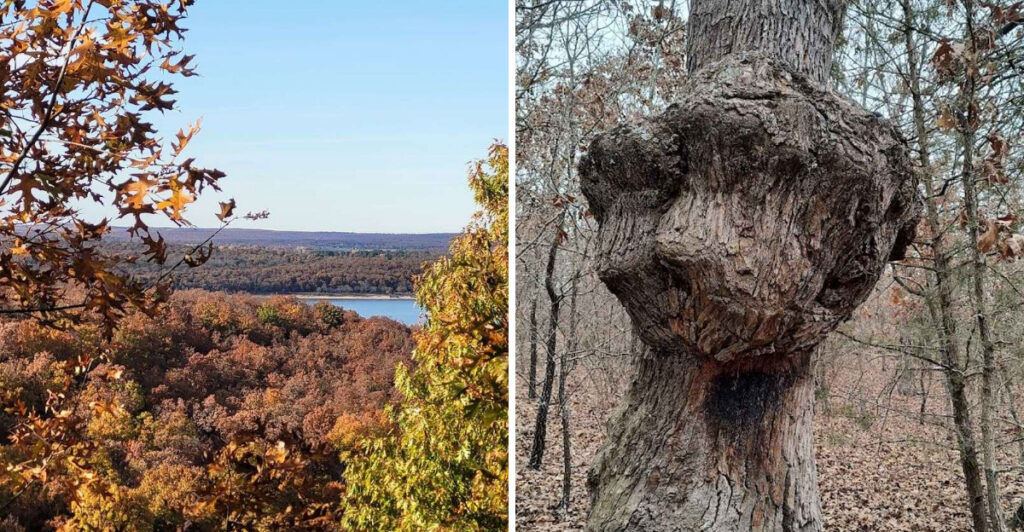
Some of the trees in this forest are estimated to be over 500 years old, which means they were already mature when European explorers first set foot on this continent.
The forest is considered one of the few remaining old-growth cross-timbers forests in the United States, a rare ecosystem that once stretched across a wide swath of the southern Great Plains.
Cross-timbers forests are dominated by post oaks and blackjack oaks, species known for their toughness and slow growth. Because they grow slowly, each ring in their trunks represents years of resilience through drought, heat, and storms.
Historically, this type of forest was described by early explorers as nearly impenetrable, with dense, gnarled trees packed tightly together. The fact that this particular stand survived into the modern era makes it genuinely rare.
The City of Sand Springs and a network of dedicated volunteers have worked hard to protect and maintain the land, keeping it open to the public while preserving its ecological integrity.
Walking through it, you get the distinct sense that you are not the main character here. The trees are, and they have been for a very long time.
Trail Options for Every Kind of Hiker
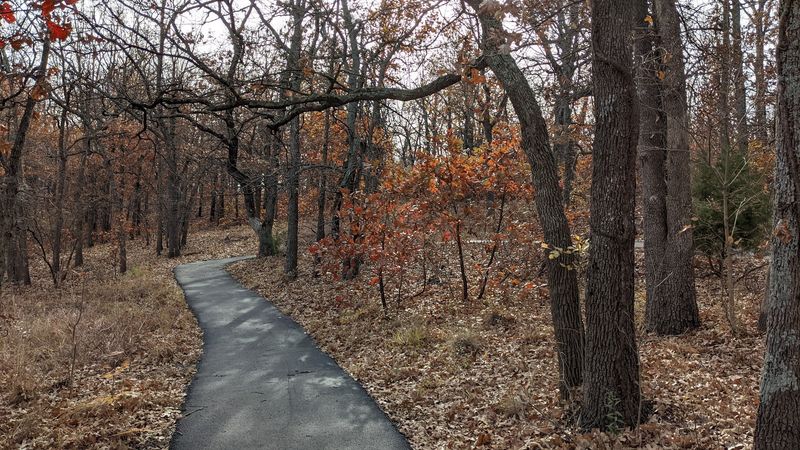
One of the best things about this place is that it does not cater exclusively to seasoned hikers. The trail system is thoughtfully designed to welcome everyone from first-timers to people who hike mountain terrain regularly.
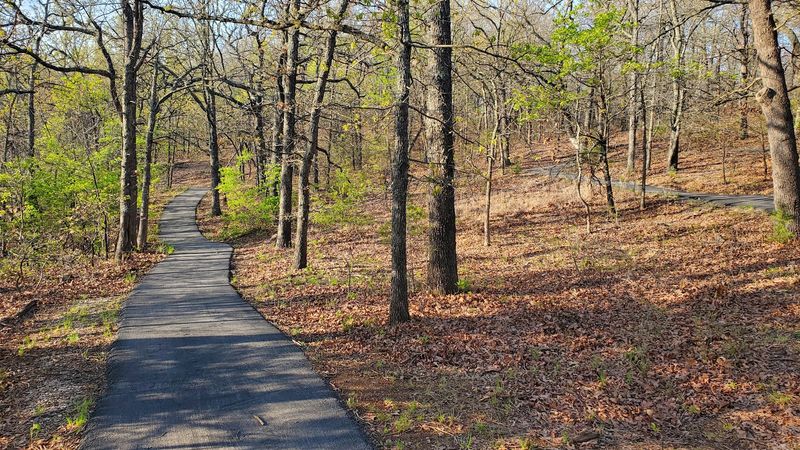
The Childers Trail is a paved, flat loop of under one mile, making it suitable for strollers, casual walkers, and visitors who want to experience the forest without any serious exertion.
Frank’s Trail covers roughly 1.5 to 2 miles of packed dirt and is rated easy, offering a comfortable way to get deeper into the woods with a few gentle changes in elevation.
The Less Traveled Trail lives up to its name. At 4.5 miles of packed dirt with some rocky sections, it earns a moderate difficulty rating and rewards those who tackle it with a real sense of solitude.
The Falls Trail is the most demanding option at 3.5 miles, with creek crossings, steep inclines, rocky footing, and some notable drop-offs. It is rated difficult and should be approached with proper footwear and a reasonable level of fitness.
Wilson’s Trail rounds out the system at one mile but carries a difficult rating, so do not let the short distance fool you into underestimating it.
The Falls Trail Experience: Worth Every Rocky Step
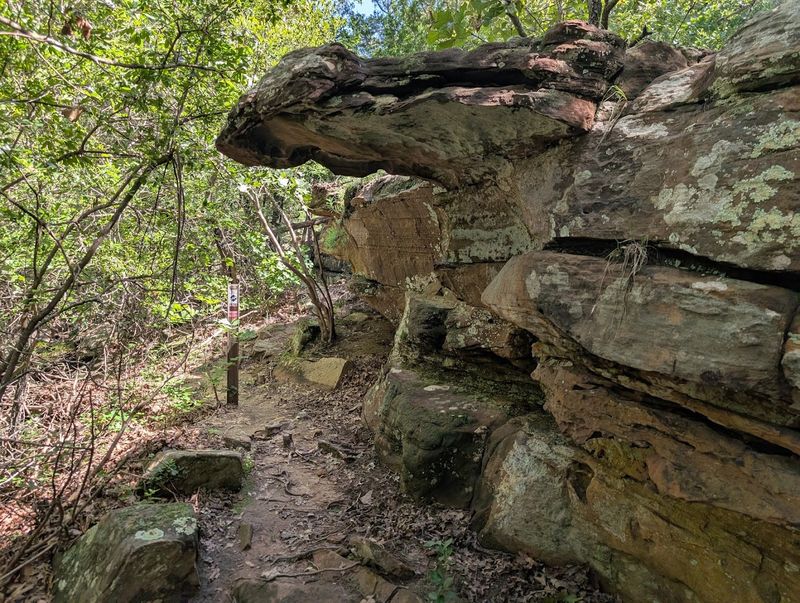
The Falls Trail has a reputation, and it has earned every bit of it. Hikers who complete it often describe the experience as the most satisfying physical challenge they have had in Oklahoma.
The trail crosses a creek multiple times, which means your footing needs to be reliable and your shoes need to handle wet, slippery rocks without complaint. Trekking poles are not required, but they are not a bad idea either.
Steep inclines come at you without much warning, and the drop-offs along certain sections demand your full attention. This is not a trail where you want to be scrolling through your phone.
At 3.5 miles, the distance itself is manageable for most people with a moderate fitness base, but the constant variation in terrain makes it feel longer and more demanding than the mileage suggests.
Some visitors have reported completing the entire loop in around three and a half hours, which gives you a sense of the pace the terrain demands.
The payoff is the feeling of accomplishment at the end, plus some genuinely beautiful views of rocky creek beds, towering old oaks, and forest corridors that feel completely removed from the world outside.
Wildlife and Nature Watching Along the Paths
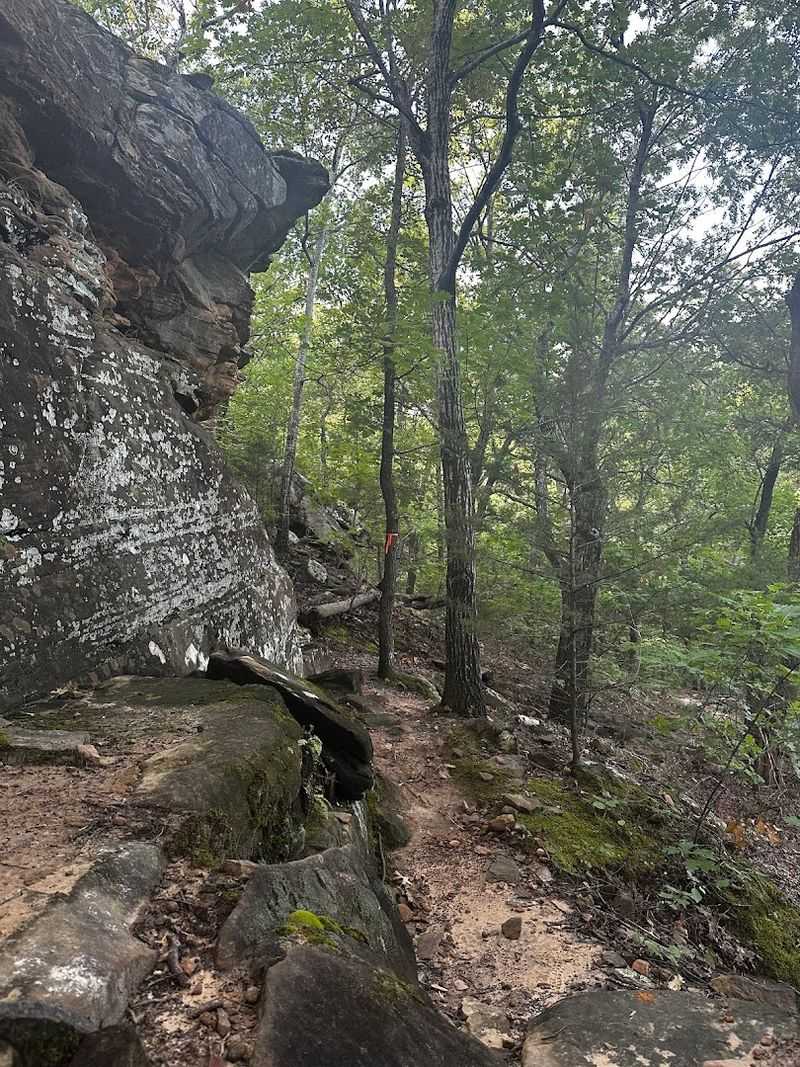
The forest is alive in ways that constantly surprise visitors. Armadillos are one of the most commonly spotted animals on the trails, and they tend to go about their business with impressive indifference to passing hikers.
Skinks dart across rocky sections of the path, and bird activity throughout the canopy is constant. The mix of old-growth oaks and hickories provides nesting habitat for a wide variety of species, making the forest a genuinely rewarding spot for birders.
Deer tracks show up regularly in the softer sections of trail, especially near the creek crossings on the Falls Trail. Actual deer sightings happen too, particularly in the quieter early morning hours.
The informational signs placed along the trails help visitors identify what they are looking at, whether that is a specific tree species, a type of moss, or an animal track pressed into the mud after rain.
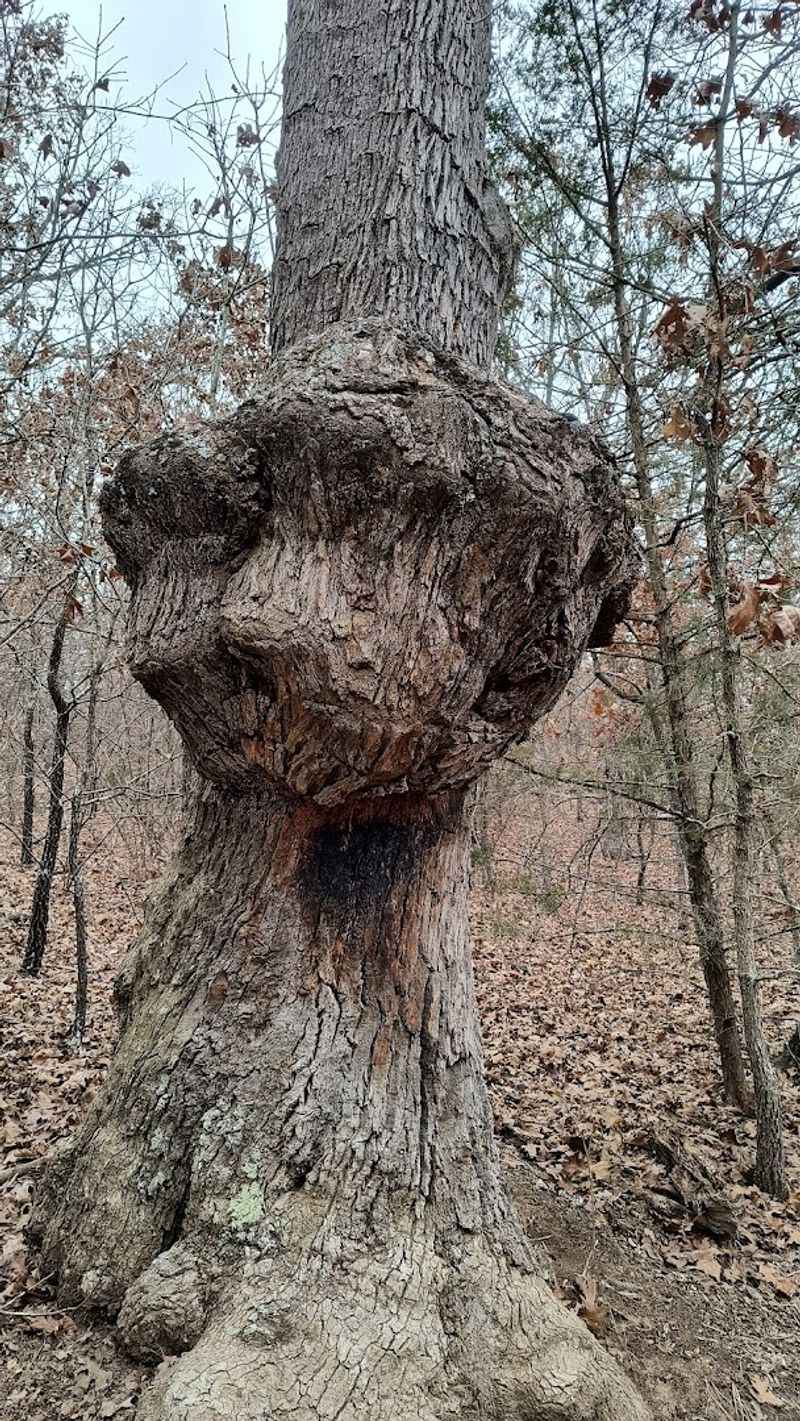
Bent trees found in certain areas of the forest have sparked curiosity among visitors, with some speculating they may be historic trail marker trees shaped intentionally by Indigenous peoples long ago.
Every season brings something different to observe, and the transition from summer green to autumn gold transforms the whole experience into something worth repeating year after year.
Seasonal Highlights: When to Visit for the Best Views
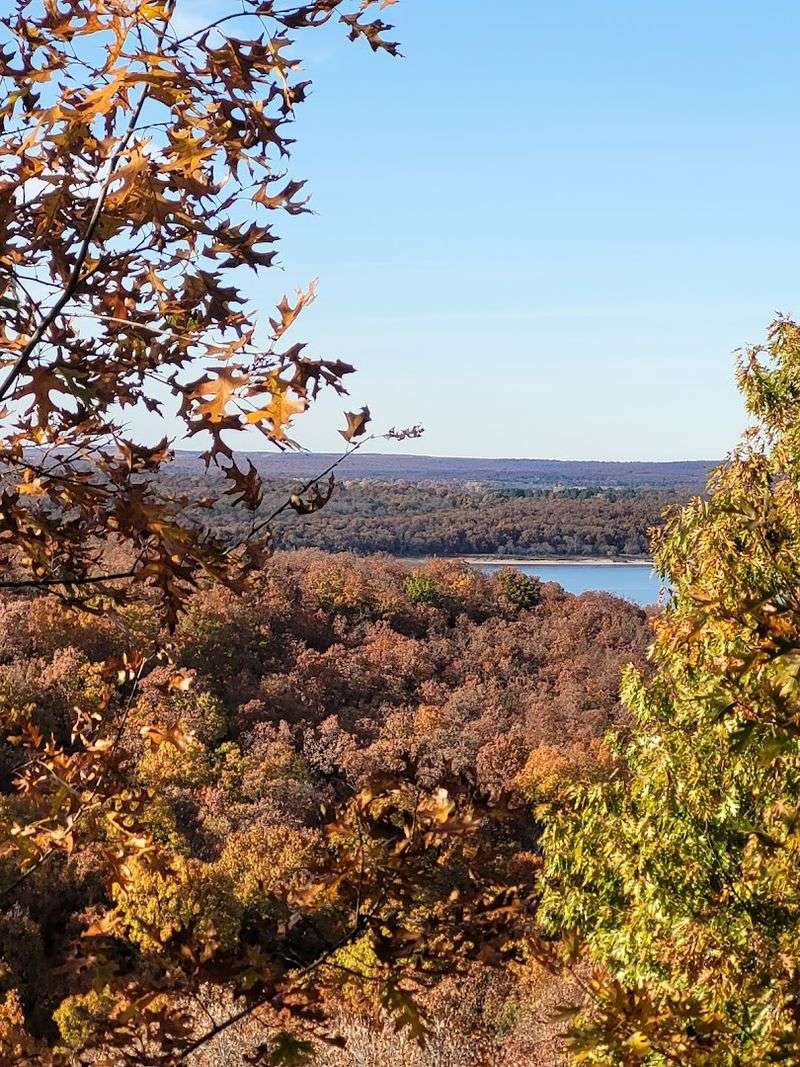
The forest does not have a bad season, but certain times of year offer experiences that are genuinely hard to match anywhere else in Oklahoma.
Fall is the most visually dramatic season. As the deciduous oaks and hickories drop their leaves, the canopy opens up and the views improve significantly.
The colors range from deep amber to rusty orange, and the light that filters through the thinning leaves has a quality that photographers love.
Spring brings a burst of new growth and increased wildlife activity. The understory fills in quickly, and the forest floor comes alive with wildflowers and insects that had been dormant through the winter months.
Summer is the shadiest season, which is a genuine advantage during Oklahoma’s intense heat. The trails stay relatively cool under the dense canopy, making a morning hike in July far more pleasant than you might expect.
Winter visits are quieter and more solitary, with the bare branches revealing the full structure of these ancient trees in a way that the leafy seasons hide. The twisted, gnarled silhouettes of the old oaks are honestly stunning against a gray winter sky.
Sunset views from the higher points on the trails are worth timing your visit around, regardless of the season.
Volunteers, Staff, and the Community Behind the Forest
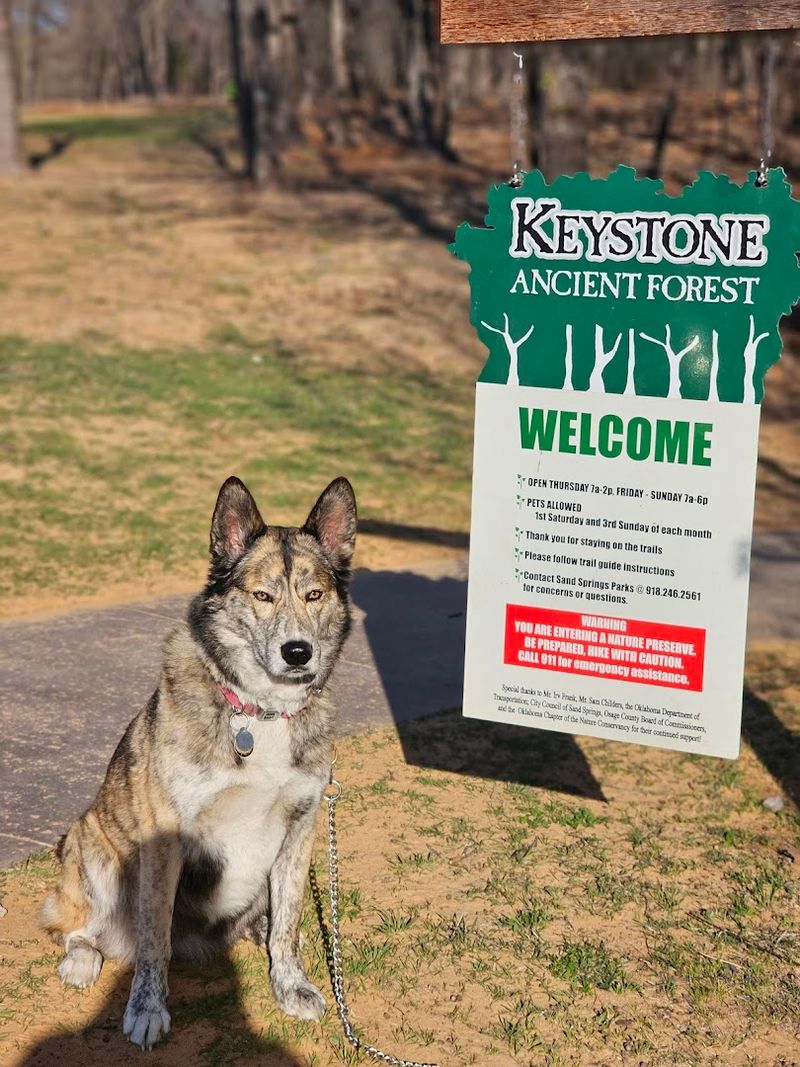
The people who keep this forest running deserve real recognition. Keystone Ancient Forest is maintained largely by volunteers, and their dedication shows in every clean trail, every updated marker, and every helpful conversation at the visitor center.
Visitors consistently note how knowledgeable the volunteers are, not just about which trail goes where, but about the history of the forest, the species that live in it, and the conservation efforts that protect it.
The trail condition updates posted at the entrance are a practical example of that care. A large sign near the trailhead alerts hikers to current conditions, whether that means mud after rain or a section that needs extra caution.
Emergency location markers have been updated throughout the trail system, which is a thoughtful safety addition that gives hikers peace of mind on the longer, more remote routes.
The gift shop carries a small selection of souvenirs, including hats that several visitors have described as well worth the price. Walking sticks are also available to borrow, which is a genuinely useful option for anyone tackling the rockier trails.
An off-road wheelchair was recently added to the facility, making portions of the forest accessible to visitors who might otherwise have been excluded from the experience entirely.
Family-Friendly Features and Accessibility Options
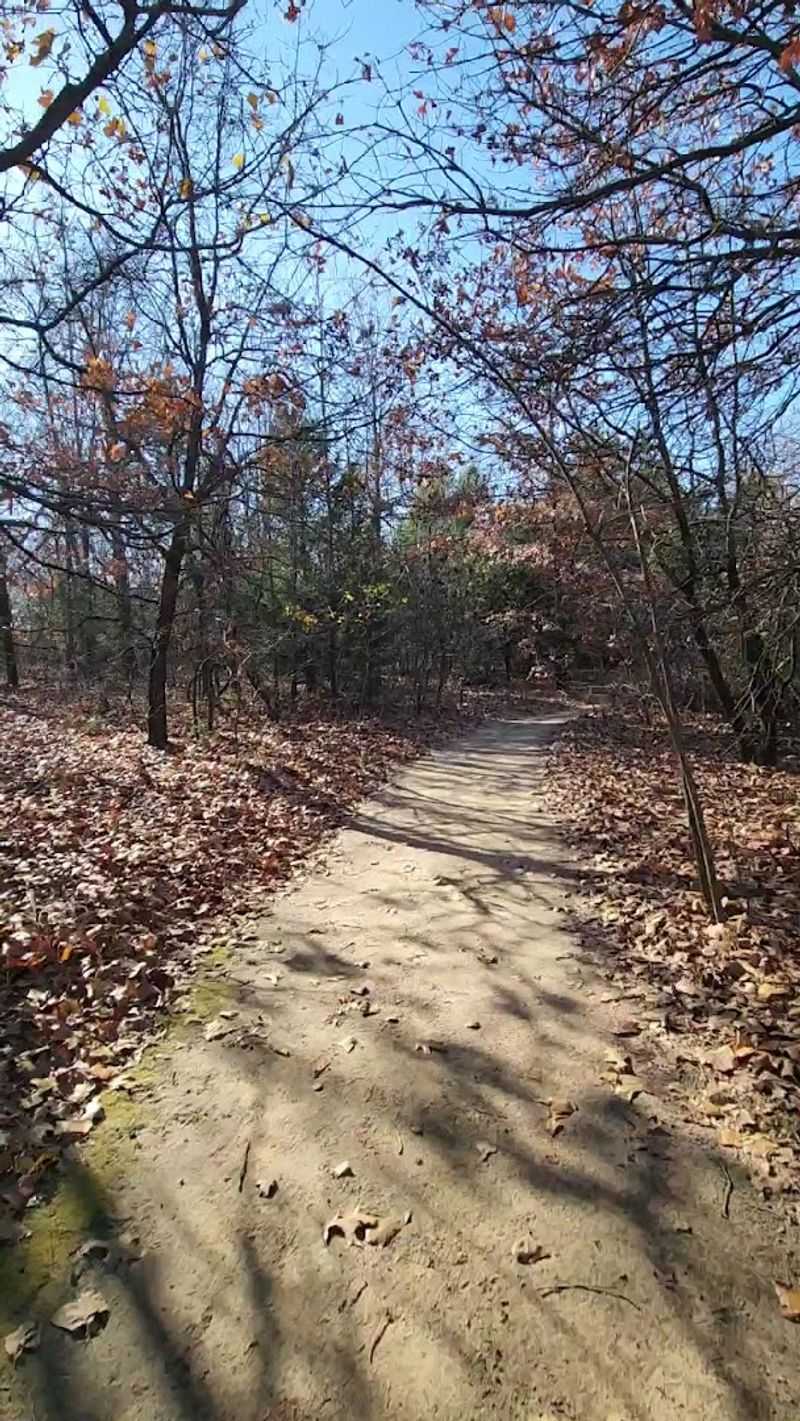
Families with young kids often worry that a serious nature preserve will not have much to offer their little ones, but this forest handles that concern well.
The Childers Trail is paved and short enough to hold a child’s attention without turning into an endurance test. It loops through a section of the forest that still gives you a real sense of the old trees without any tricky terrain.
Benches are placed throughout the trail system, which matters more than you might think when you are hiking with someone who needs frequent breaks or simply wants to sit and listen to the birds for a while.
The facility also offers guided art walks, held on the first Sunday of each month at 2 PM. These walks are designed for all ages and give participants a structured, creative way to engage with the natural surroundings.
One visitor brought a ten-year-old and a seven-year-old on a self-guided art walk, letting the kids sketch trees and leaves along the short trail. By the end of the loop, both children had filled several pages of their sketchbooks.
The off-road wheelchair option extends access to visitors with mobility challenges, ensuring that the forest is not reserved only for those who can handle rough terrain.
Practical Tips Before You Head Out
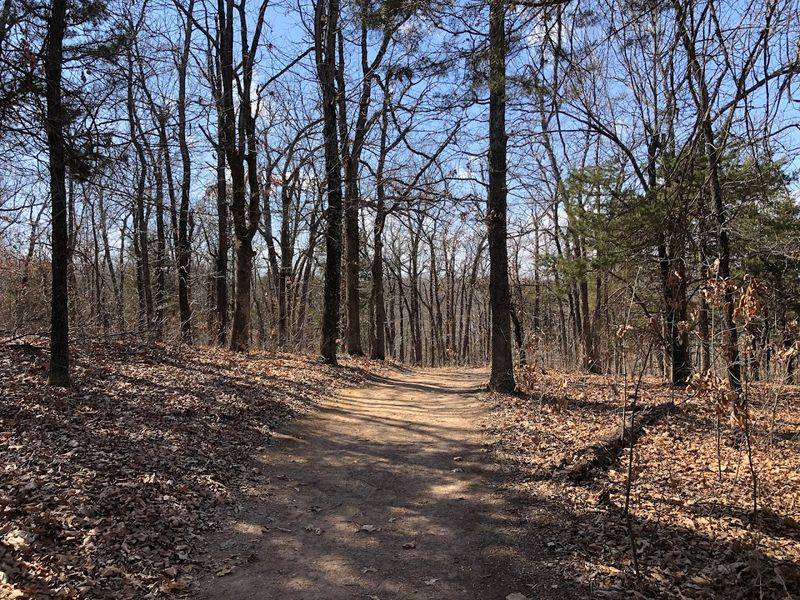
A few practical details can make the difference between a great day at the forest and a frustrating one, so here is what you should know before you go.
The forest is only open Thursday through Sunday. Thursday hours run from 7 AM to 2 PM, while Friday through Sunday the gates stay open until 6 PM.
Monday, Tuesday, and Wednesday are closed, so plan accordingly.
Parking is free, which is always a welcome detail. The lot is large and well-maintained, and overflow has not been reported as a significant issue even on busy weekend days.
Pets are allowed, but only on specific weekends. The general rule is the first and third weekend of each month, though it is worth calling ahead at +1 918-246-7795 or checking the city website to confirm current pet policies before you load up the car with your dogs.
Water is available at the visitor center, but bringing your own supply is always smart, especially on the longer trails where there are no refill stations along the route.
Proper footwear matters significantly on the rocky and steep sections. Trail runners or hiking boots with grip will serve you far better than casual sneakers, particularly on the Falls and Wilson trails.
Share this story