There is a highway in America that carries more stories per mile than almost any other road in the country. Route 66 stretches from Chicago to Santa Monica, cutting through the heart of the nation and leaving a trail of diners, neon signs, and memories behind it.
Somewhere along that storied stretch of asphalt, tucked into the town of Clinton, Oklahoma, sits a museum that does something remarkable: it makes you feel like you are actually living inside the history instead of just reading about it. This place has earned a 4.7-star rating from over 1,700 visitors, and after spending time there myself, I completely understand why every single one of them wanted to talk about it.
Finding the Museum on Gary Boulevard
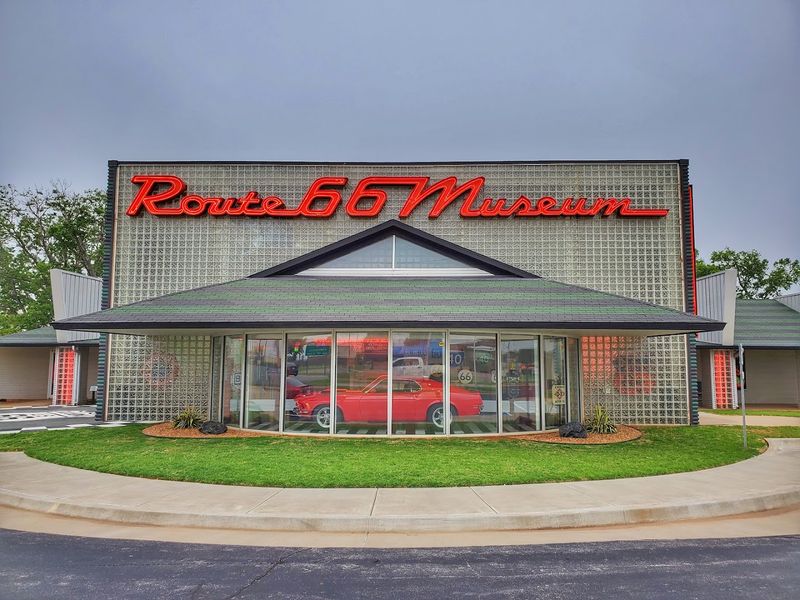
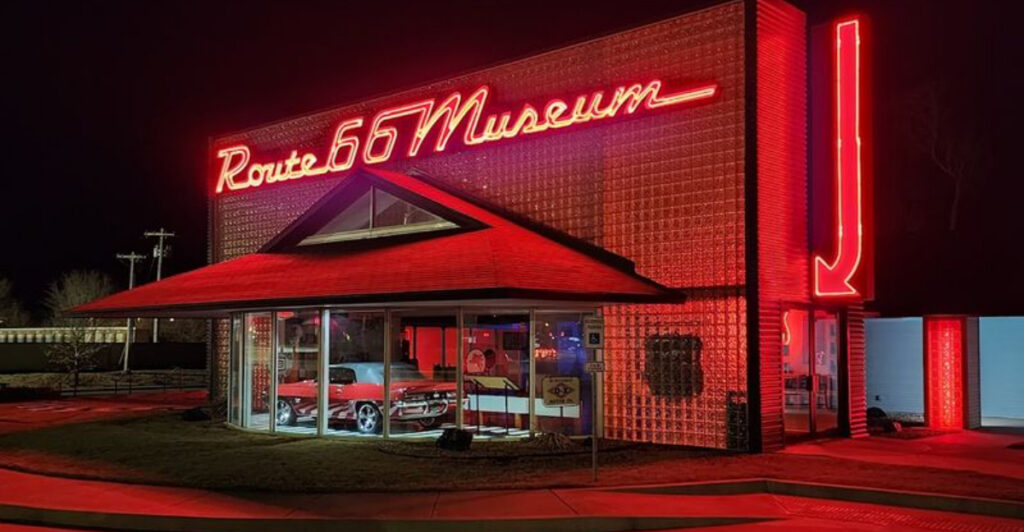
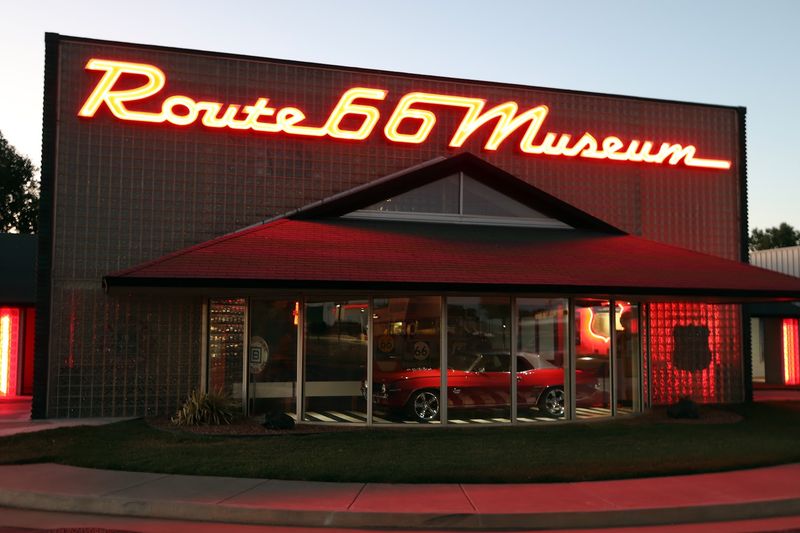
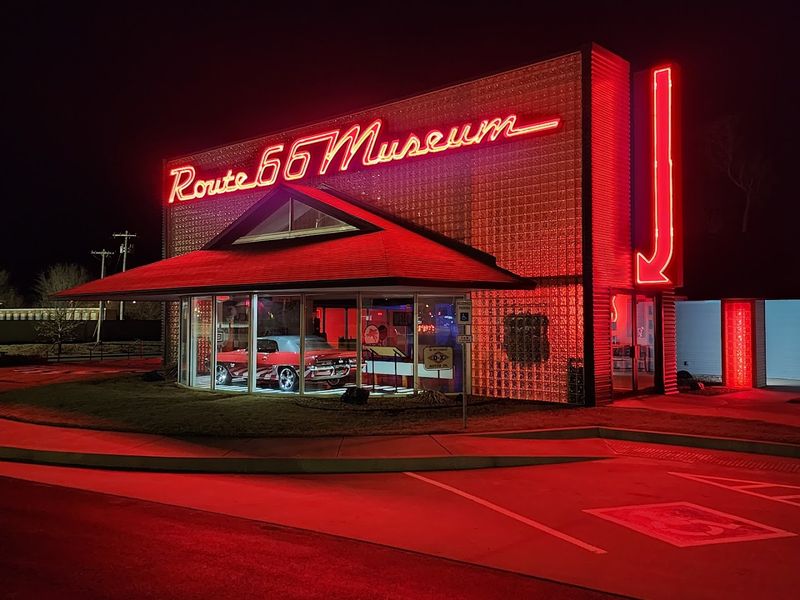
Right on the main drag of Clinton, Oklahoma, the Oklahoma Route 66 Museum sits at 2229 W Gary Blvd, Clinton, OK 73601, and it announces itself with the kind of roadside confidence that the Mother Road has always been known for.
The building is easy to spot, and the parking lot is generously sized with pull-through spaces that can handle trailers and larger vehicles without any trouble.
Clinton itself is a small city in western Oklahoma, positioned right along the old Route 66 corridor and conveniently close to Interstate 40 for modern travelers.
The museum is open Tuesday through Saturday from 9 AM to 5 PM, and it stays closed on Sundays and Mondays, so plan accordingly before you make the drive.
Admission runs about eight dollars, which is honestly a bargain for everything packed inside. Active military members and veterans can get in free, a detail the staff mentions with genuine pride.
The phone number is +1 580-323-7866 if you want to confirm hours before heading out, and the Oklahoma Historical Society manages the facility through their website at okhistory.org.
The Story Behind the Museum
Route 66 was officially established in 1926, connecting Chicago, Illinois, to Santa Monica, California, across 2,448 miles of American landscape, and this museum tells that entire arc from conception to revival with remarkable clarity.
The Oklahoma Route 66 Museum was developed and is maintained by the Oklahoma Historical Society, which means the exhibits carry serious curatorial weight rather than just being a collection of random roadside trinkets.
The museum chronicles five major chapters of the highway’s life: its conception, the glory years, the decommissioning in 1985, the revival movement, and the ongoing preservation efforts that keep the road relevant today.
Each phase gets its own dedicated space, and the transition between them feels intentional and thoughtful rather than rushed.
You start to understand that Route 66 was never just a road. It was a reflection of America’s mood at any given moment, from the optimism of the post-war boom to the nostalgia that drives millions of tourists down its lanes every year.
Knowing this history before you walk through the door makes the exhibits land with even more weight once you are inside.
The Decade-by-Decade Room Layout
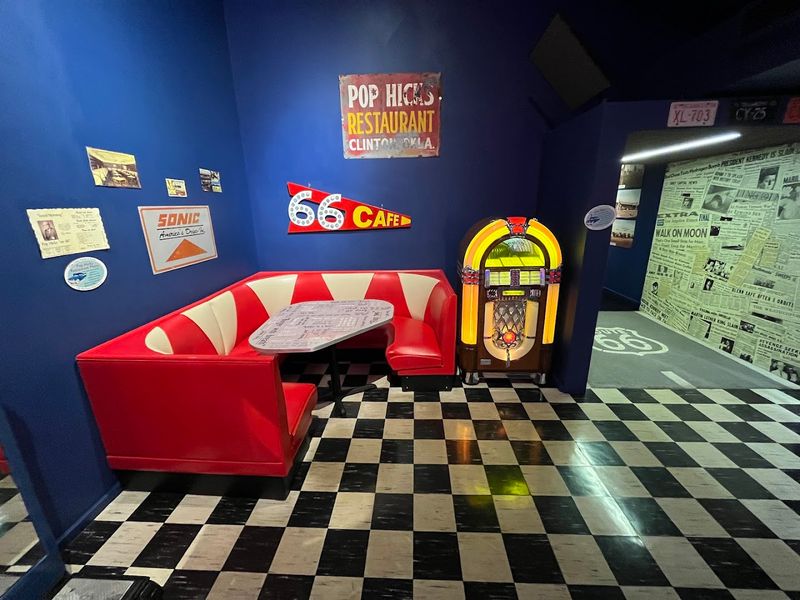
One of the most clever design choices in the entire building is the way the exhibits are organized by decade rather than by topic, and that single decision transforms a history lesson into something that feels personal.
Each room represents a different era, and just inside the entrance of every room there is a button you can press to trigger music from that specific time period.
Suddenly the 1950s room fills with rockabilly, and the 1960s space hums with folk and early rock, and the whole experience shifts from visual to fully sensory in a way that no simple display case could ever achieve.
The rooms are filled with framed photos, posters, dioramas, and artifacts that all belong to their respective eras, so nothing feels out of place or randomly selected.
As you move from one decade to the next, there are sections where newspaper articles from that era surround you on three walls, including overhead, creating a wraparound effect that makes the history feel immediate.
The layout rewards slow walkers who want to linger and also works perfectly for visitors who only have thirty minutes to spare before getting back on the road.
The Roadside Diner Replica
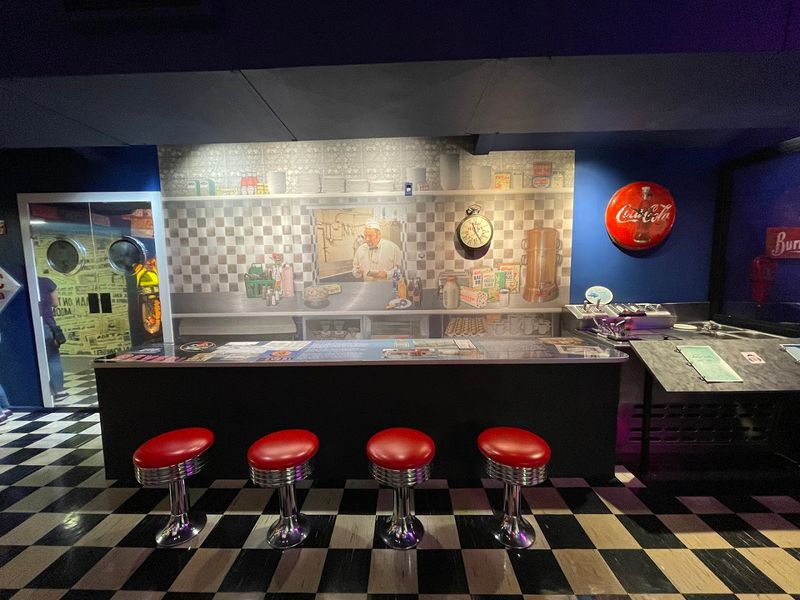
A full replica of a classic roadside diner sits inside the museum, and it is one of those displays that stops people mid-stride and sends them reaching for their cameras.
The diner set captures the aesthetic of the mid-century American road stop with a counter, stools, vintage signage, and the kind of warm color palette that makes you half expect a waitress to slide a plate your way.
It is not a functioning restaurant, but it does not need to be, because the visual storytelling is so complete that your brain fills in the rest.
Roadside diners were the social backbone of Route 66 travel during its peak years, offering weary drivers a place to rest, eat, and swap stories with strangers who were headed in the opposite direction.
The replica captures that spirit without overselling it, keeping the details grounded and authentic rather than turning it into a cartoonish theme park version of the past.
Standing at that counter, looking at the vintage menu boards and the period-accurate props, you get a real sense of what it felt like to pull off the highway hungry and grateful for a hot meal and a friendly face.
Classic Car Displays and Automotive Nostalgia
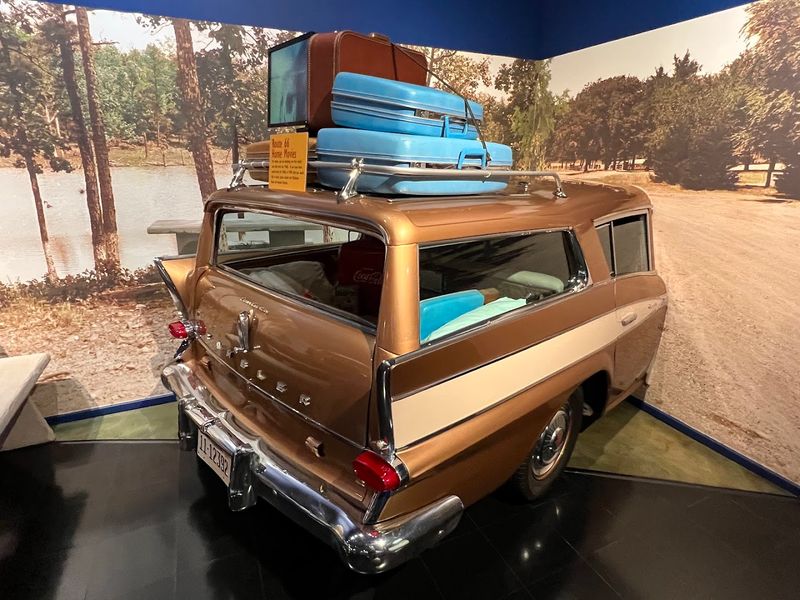
Cars and Route 66 are inseparable, and the museum honors that bond with a selection of classic vehicle displays that draw plenty of admiring looks from automotive enthusiasts and casual visitors alike.
The cars are not just parked and ignored. They are surrounded by context, with signage and artifacts that explain what role those vehicles played in the culture of the road during specific decades.
A 1950s family road trip looked very different from a 1970s cross-country drive, and the vehicles on display help tell that story without needing a single word of explanation.
Chrome, tail fins, and wide bench seats defined the golden era of American road travel, and seeing those design elements up close is a reminder of how much personality cars used to wear on their exteriors.
The displays are thoughtfully positioned so you can walk around them and appreciate the craftsmanship from multiple angles rather than just viewing them from behind a rope.
For anyone who has ever spent time flipping through old car magazines at a grandparent’s house, this section of the museum delivers a rush of recognition that hits somewhere between history class and a really good childhood memory.
Signs, Photos, and the Visual Language of the Road
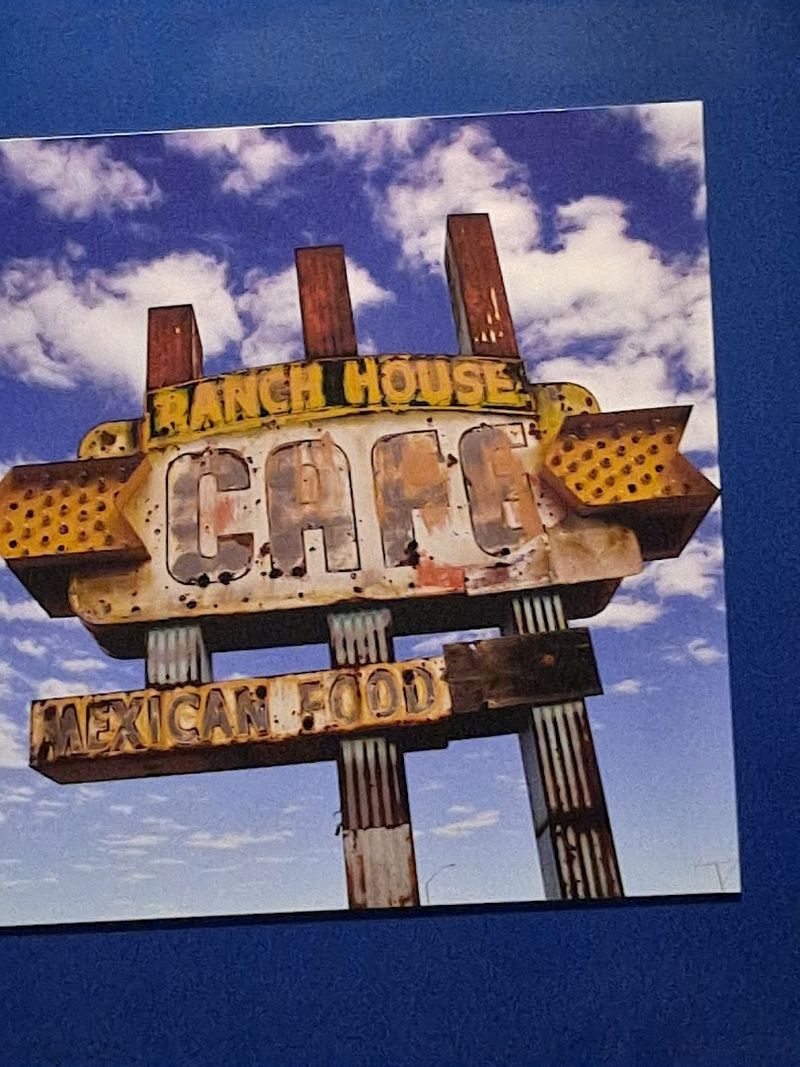
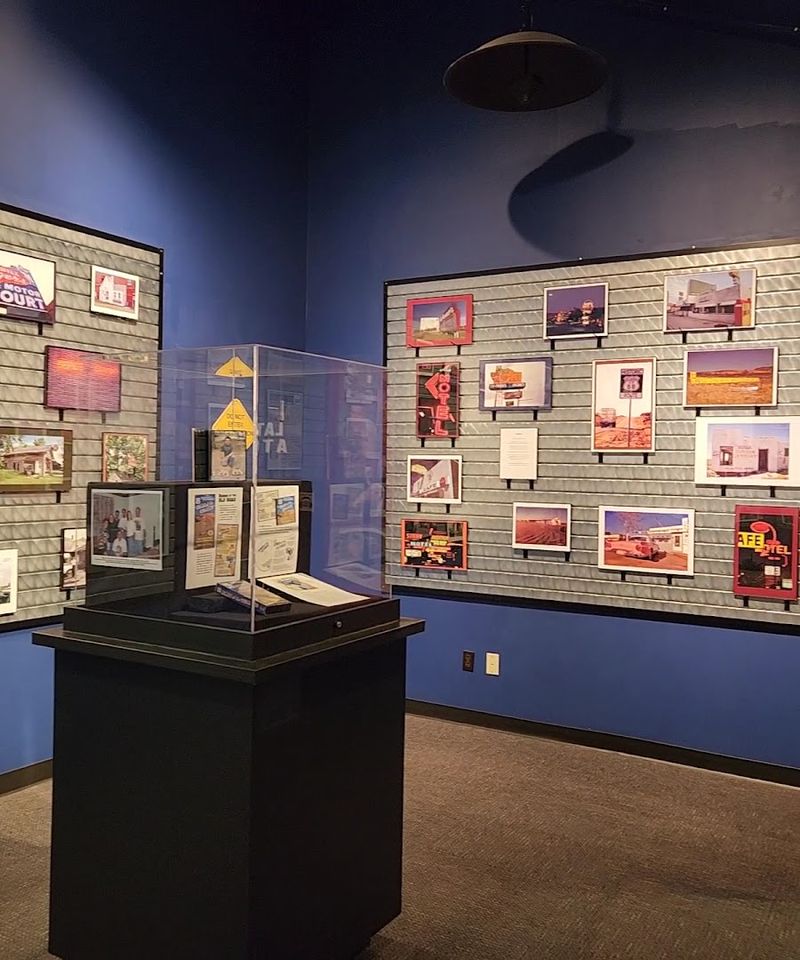
The visual culture of Route 66 is as iconic as the road itself, and the museum dedicates serious wall space to the signs, photographs, and graphic design that made the highway instantly recognizable to generations of travelers.
Vintage motel signs, gas station logos, and roadside attraction banners line the walls in sections that feel like flipping through a very well-curated scrapbook of American commercial art.
The photography collection is particularly strong, with images that range from Depression-era families loading up dusty cars to glossy mid-century postcards promoting motor courts and tourist traps with cheerful abandon.
There is something almost poetic about how much of Route 66’s identity was built through signage. The road sold itself visually long before social media existed, relying on bold colors and clever slogans to pull drivers off the highway and into parking lots.
The museum preserves that tradition by treating these signs as genuine artifacts rather than just decoration, and the curatorial notes alongside each piece give you enough background to appreciate what you are looking at.
By the time you finish this section, you will have a completely new appreciation for the roadside sign as an art form.
Music as a Time Machine
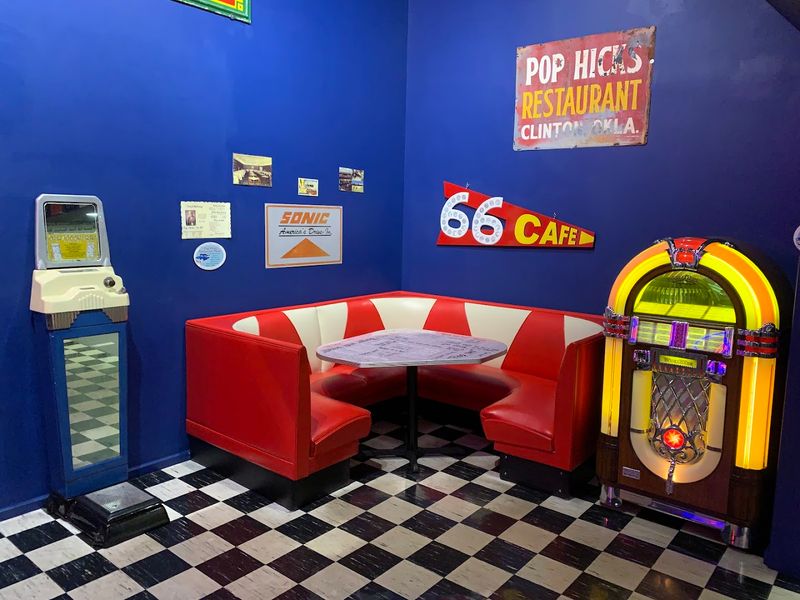
Music is woven into the fabric of Route 66 history in ways that go far beyond the famous Bobby Troup song, and the museum uses sound as an active storytelling tool throughout the entire experience.
The decade rooms each carry their own sonic identity, and the effect is more powerful than you might expect. Hearing an actual song from 1943 while looking at wartime travel artifacts creates a connection that reading a placard alone never could.
The jukebox era, the rise of car radios, and the explosion of rock and roll all intersected directly with the culture of the open road, and the museum traces those connections with care.
There is a reason that so many musicians wrote songs about highways and freedom and movement. The road represented possibility, and the music reflected that feeling back to everyone who heard it.
The audio elements in the museum are not just background noise. They are carefully chosen to match the mood and era of each space, which shows a level of attention to detail that goes well beyond what most small regional museums attempt.
By the end of the tour, you will probably have at least one song stuck in your head, and that feels entirely appropriate.
The QR Code Enhancement Feature
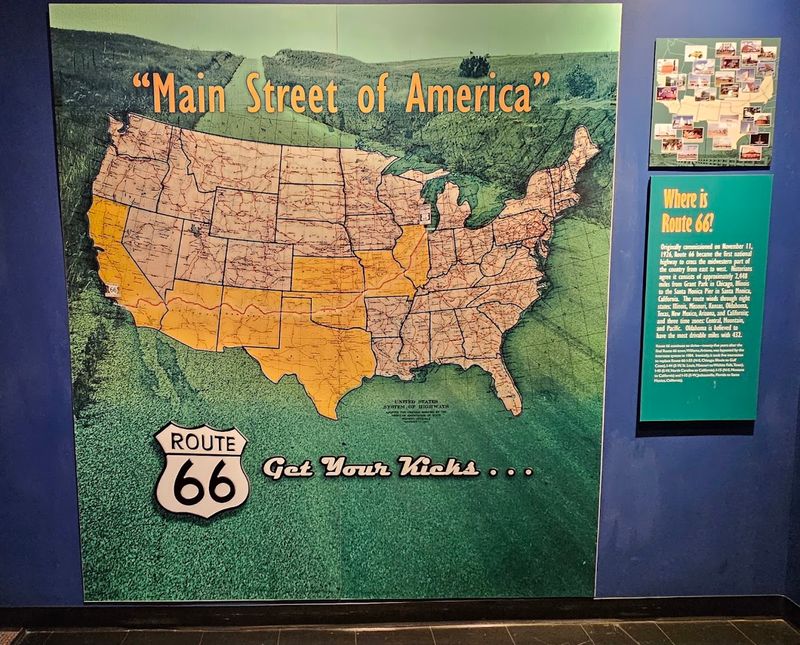
The museum has layered a modern tech feature on top of its traditional exhibits, and it works surprisingly well for visitors who want to go deeper into the history without slowing down the people around them.
QR codes are placed throughout the rooms, and scanning them pulls up additional information, audio, or video content that expands on what the physical display can show in a limited space.
This approach is particularly smart because it lets the museum serve two very different types of visitors at the same time. The quick-stop traveler can move through in thirty minutes without feeling lost, while the history enthusiast can spend several hours following every QR thread to its conclusion.
The codes work reliably on both Android and iPhone, and the content they link to is well-produced rather than feeling like an afterthought bolted onto an older exhibit.
Using them adds genuine depth to the experience, especially in the sections covering the decommissioning of Route 66 in 1985 and the subsequent preservation movement that brought the road back into public consciousness.
Bringing a portable charger is a good idea if you plan to scan everything, because your battery will take a noticeable hit by the time you reach the final room.
The Gift Shop Experience
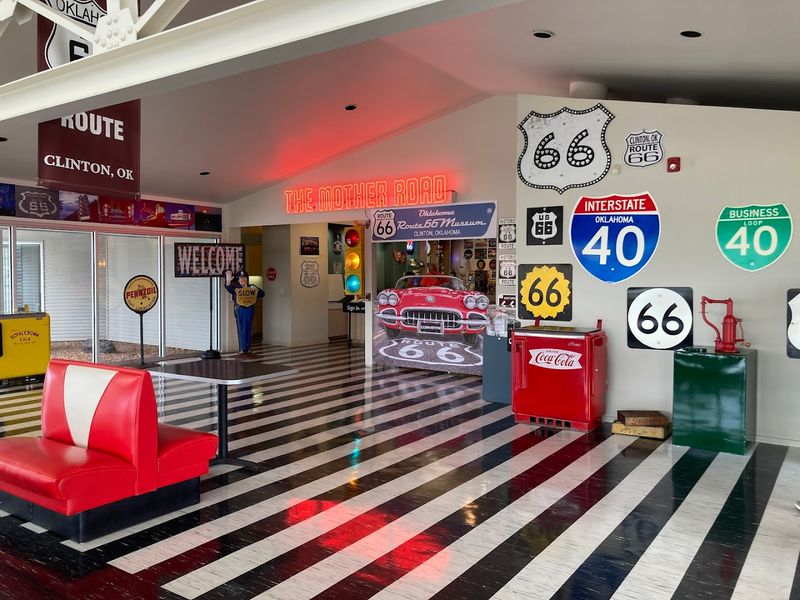
The gift shop at the Oklahoma Route 66 Museum has developed something of a reputation among road trippers, and it earns that reputation by stocking merchandise that actually reflects the quality and character of the exhibits rather than just slapping a logo on generic products.
Route 66 branded apparel, vintage-style signs, books, maps, keychains, postcards, and collectibles fill the shelves in a space that feels curated rather than cluttered.
The selection covers a wide price range, so you can grab a two-dollar postcard or invest in a higher-end piece of road memorabilia depending on your budget and how deep the highway has gotten under your skin by the time you finish the tour.
The staff in the shop are just as knowledgeable and welcoming as the rest of the museum team, and they are happy to help you find something specific or make a recommendation if you are shopping for someone else.
Coach tour groups in particular tend to spend serious time in this shop, and it is easy to see why. The merchandise here is the kind of thing you actually want to display at home rather than stuff into a drawer and forget about.
Budget a little extra time for this final stop before heading back to the highway.
The Staff and Their Genuine Hospitality
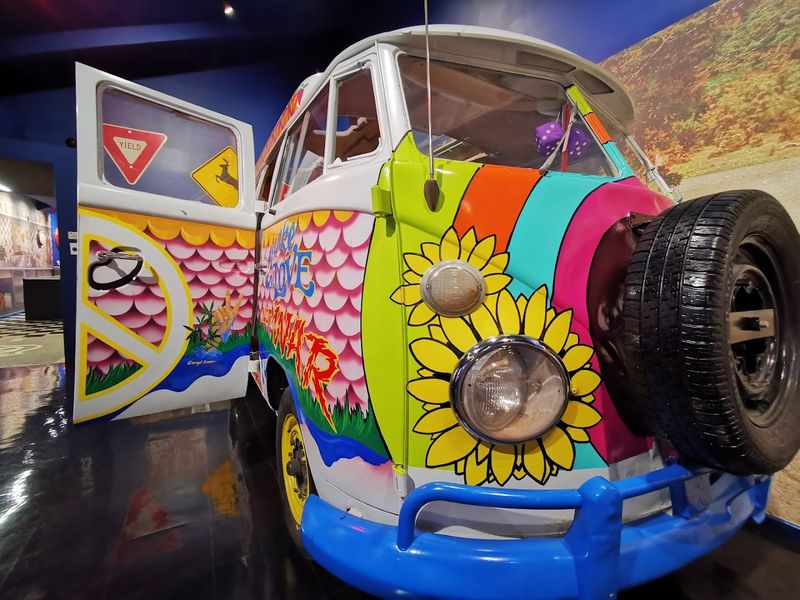
A museum can have the best collection in the world and still feel cold if the people running it are indifferent, which makes the staff at this particular stop something worth mentioning on its own.
Every account of a visit here circles back to the same observation: the people working at the Oklahoma Route 66 Museum are genuinely warm, knowledgeable, and enthusiastic about what they are preserving.
There are stories of staff members waiting patiently for late-arriving visitors to finish the tour at their own pace rather than rushing them toward the exit, and that kind of grace is rarer than it should be.
The staff can answer detailed questions about the exhibits, point you toward the sections most relevant to your interests, and share context that does not appear anywhere on the placards.
That human layer of knowledge transforms the visit from a self-guided tour into something closer to a conversation, and it makes the history feel alive rather than archived.
In a world where so many cultural institutions feel understaffed and overstretched, the team here operates with a level of care that makes you want to leave a generous tip in the comment box on your way out.
Practical Tips for Planning Your Visit
A few practical details can make the difference between a smooth visit and an avoidable frustration, so here is what I wish I had known before arriving at the Oklahoma Route 66 Museum.
The museum is open Tuesday through Saturday from 9 AM to 5 PM and is closed on Sundays and Mondays, so do not show up on a Sunday expecting to walk in. That mistake has been made more than once based on the reviews.
Admission is approximately eight dollars for adults, with discounts available for seniors and free admission for active military and veterans, which is a genuinely appreciated policy.
The self-guided format means you control the pace entirely. A focused visitor can cover the main exhibits in about thirty minutes, but a thorough run-through with all the QR codes and audio elements can stretch to two hours or more.
The parking lot accommodates large vehicles and trailers with pull-through spaces, which is a practical bonus for road trippers hauling a full rig.
If you are traveling along Interstate 40 through western Oklahoma, the museum is one of the easiest detours you will ever make, and it pays off far more than a quick highway rest stop ever could.
Why This Museum Belongs on Every Route 66 Itinerary
Route 66 has no shortage of museums, roadside attractions, and heritage sites spread across eight states, so the fact that this one in Clinton, Oklahoma consistently ranks among the best on the entire route says something meaningful about what it gets right.
The combination of thoughtful curation, decade-by-decade organization, authentic artifacts, interactive audio, and a genuinely welcoming staff creates an experience that holds up whether you are a first-time Route 66 visitor or someone who has been driving the road for decades.
The museum does not try to be everything at once. It focuses on telling the story of one highway with clarity, depth, and respect, and that restraint is part of what makes it so effective.
Oklahoma plays a central role in the Route 66 story, and this museum honors that connection without overstating it, letting the history speak for itself through well-assembled evidence rather than promotional enthusiasm.
For eight dollars and a couple of hours of your time, you walk away with a richer understanding of why this particular stretch of American pavement has captured the imagination of travelers from around the world for nearly a century.
The road keeps calling people back, and this museum is a big part of the reason why the answer is always yes.
Share this story