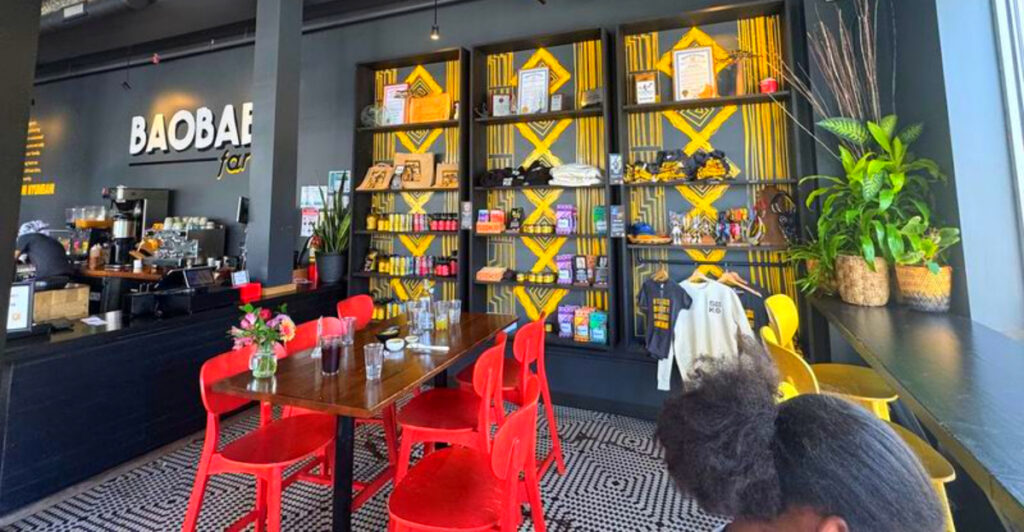
There is a corner restaurant in Detroit where the aroma of slow-roasted goat and spiced rice drifts out onto the sidewalk, and once it catches you, turning back is nearly impossible. The menu reads like a passport to East Africa, specifically to Burundi, a country whose cuisine most American diners have never had the chance to explore.
Every dish tells a story rooted in tradition, family, and the kind of cooking that takes patience and genuine love to pull off. The couple behind this place left Burundi, built a life in Detroit, and then decided the best gift they could give their new city was a table full of food from home.
The restaurant has earned a 4.8-star rating from over 1,500 Google reviewers, and the praise keeps rolling in. Whether you are a curious first-timer or a devoted regular, this place has a way of making everyone feel like a welcome guest.
The Story Behind the Restaurant
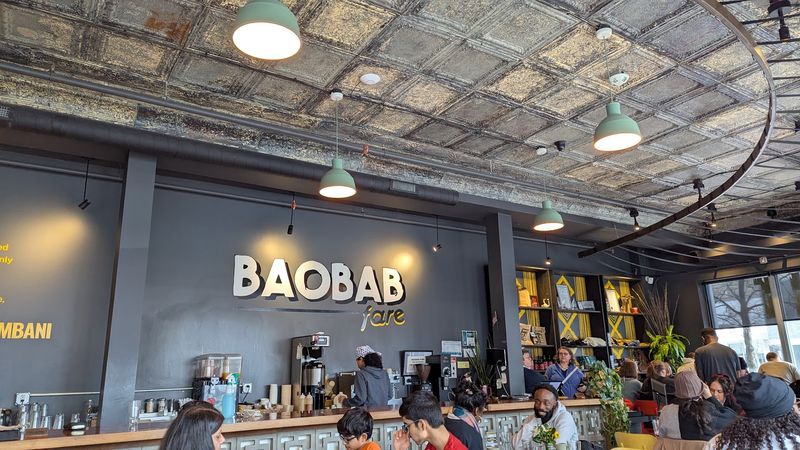
Baobab Fare at 6568 Woodward Ave Suite 100, Detroit, MI 48202, was founded by husband-and-wife team Hamissi Mamba and Nadia Nijimbere, both originally from Burundi in East Africa.
The two opened the restaurant in 2021 in Detroit’s New Center neighborhood, bringing with them recipes rooted in generations of Burundian home cooking. Their journey to Detroit was not simple, and the restaurant became a way to share their culture while building something meaningful in their adopted city.
What makes their story especially powerful is the intentionality behind every decision, from the menu to the staff they hire. The restaurant employs former refugees and asylum seekers, giving people a real path forward in a new country.
That sense of purpose runs through every corner of the place, and you feel it the moment you walk through the door.
The New Center Neighborhood Setting
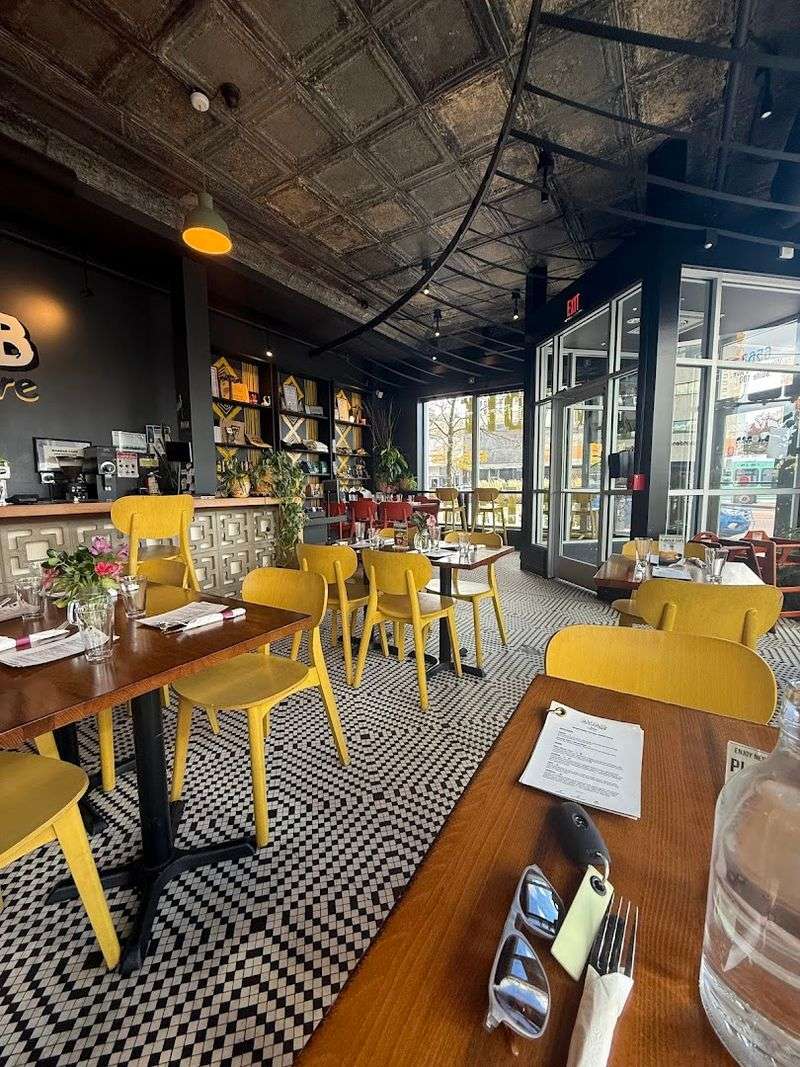
The New Center neighborhood sits just north of Midtown Detroit, and Baobab Fare fits right into its creative, community-driven energy. The restaurant occupies a bright corner spot on Woodward Avenue, making it easy to spot and even easier to find parking nearby.
The Q Line runs right along Woodward, so getting there without a car is genuinely convenient. The surrounding area has a mix of local businesses, arts spaces, and residential blocks that give it a grounded, lived-in character rather than a polished tourist-trap feel.
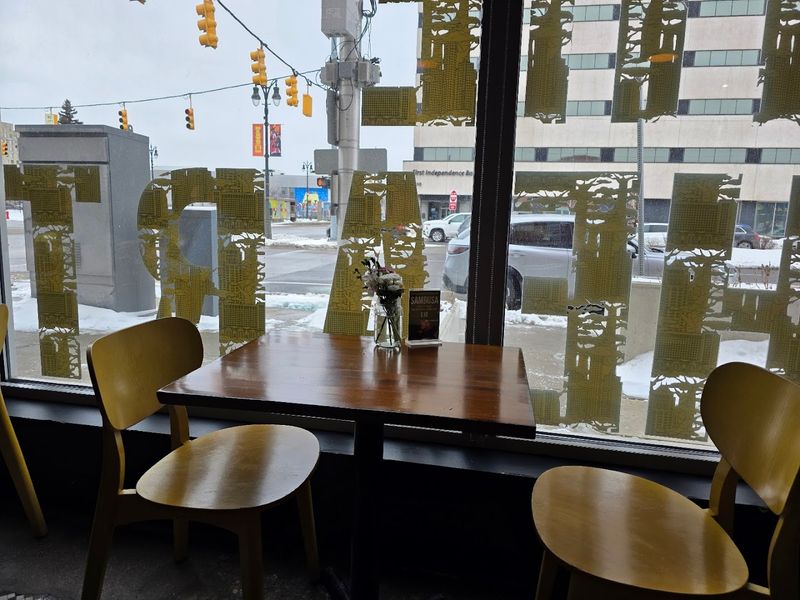
Sitting at a window table, you get a clear view of the street outside, and the contrast between the Detroit cityscape and the vibrant East African interior creates an experience that feels both local and far-reaching at the same time. It is the kind of neighborhood spot that earns its place in a city’s fabric not by being flashy, but by being genuinely good.
The Atmosphere and Interior Design
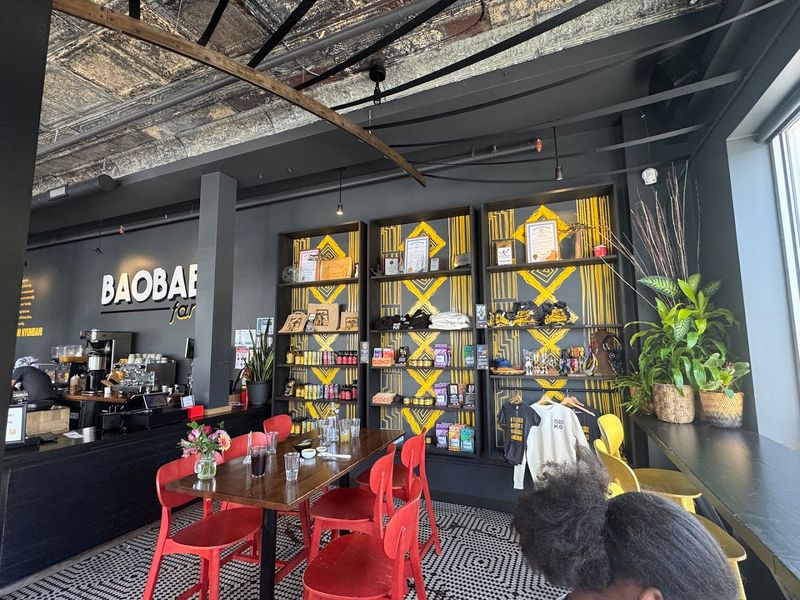
The inside of Baobab Fare is airy, colorful, and thoughtfully put together. Large windows flood the dining room with natural light, and the decor pulls from East African visual traditions without feeling overdone or theatrical.
The music playing in the background adds to the mood without overpowering conversation, and the overall vibe lands somewhere between upscale casual and warmly welcoming. It is the kind of space where you could bring a first date, a group of friends, or your mom, and everyone would feel comfortable.
A lot of care clearly went into how the space was designed. The color palette is rich but not overwhelming, and small details throughout the room nod to Burundian culture in ways that feel genuine rather than decorative.
For a single-location independent restaurant, the execution rivals places with much bigger budgets, and that attention to detail is part of what keeps people coming back.
Signature Dishes Worth Ordering
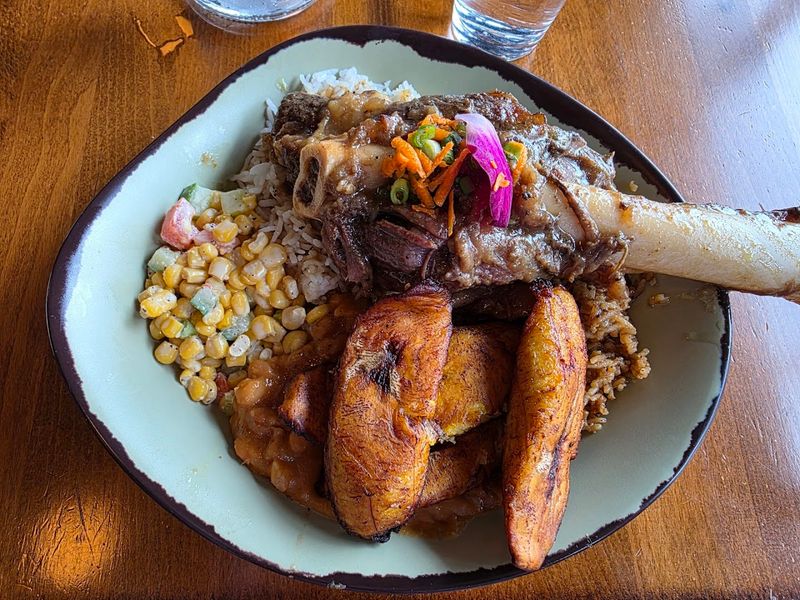
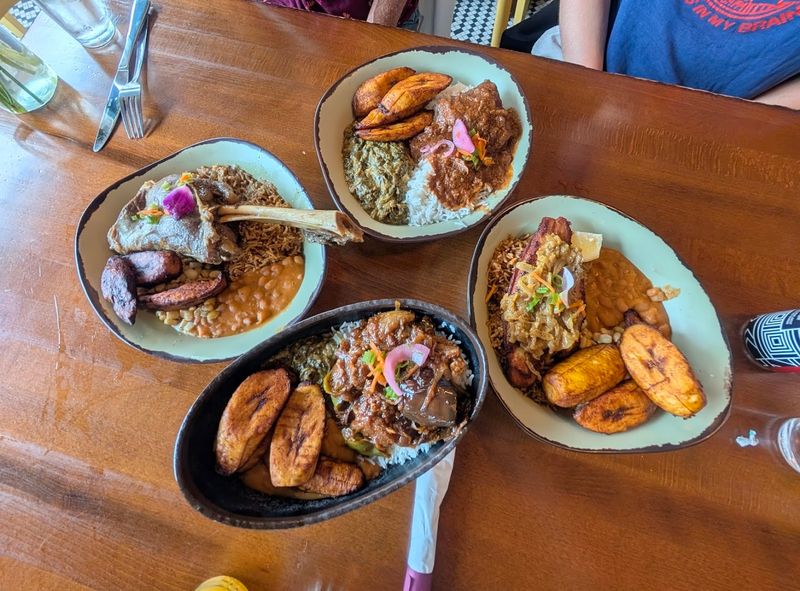
The mbuzi, a slow-roasted goat shank, is one of the most talked-about dishes on the menu, and for good reason. The meat is tender enough to fall off the bone, seasoned with spices that build flavor gradually rather than hitting you all at once.
The nyumbani beef is another standout, arriving perfectly tender with a depth of flavor that makes it hard to stop eating. For those who prefer poultry, the kumuhana offers marinated chicken grilled with onion, garlic, and lemon, served alongside a fresh corn salad that adds a bright, crisp contrast.
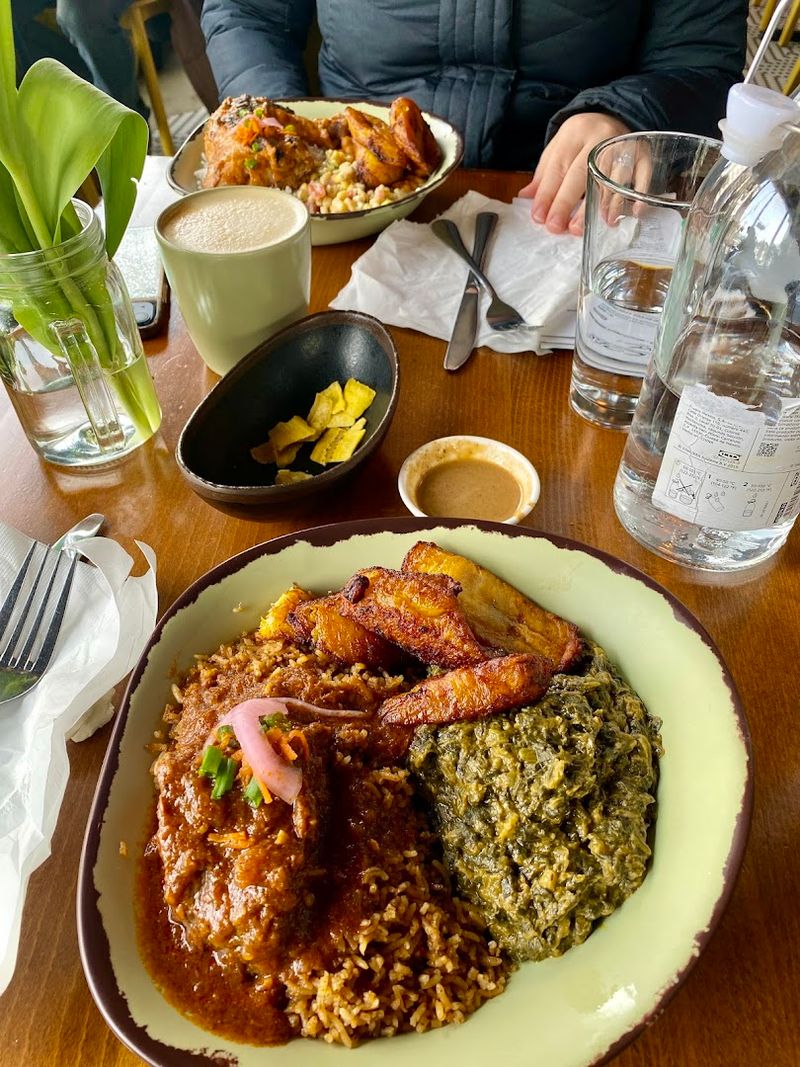
Every entree comes with a choice of sides, and the combination of coconut rice, spiced pilau rice, fried plantains, and stewed yellow beans turns each plate into a full, satisfying meal. Portions are generous, and most diners leave with a to-go box and a plan to return soon.
The Ugali and Stew Experience
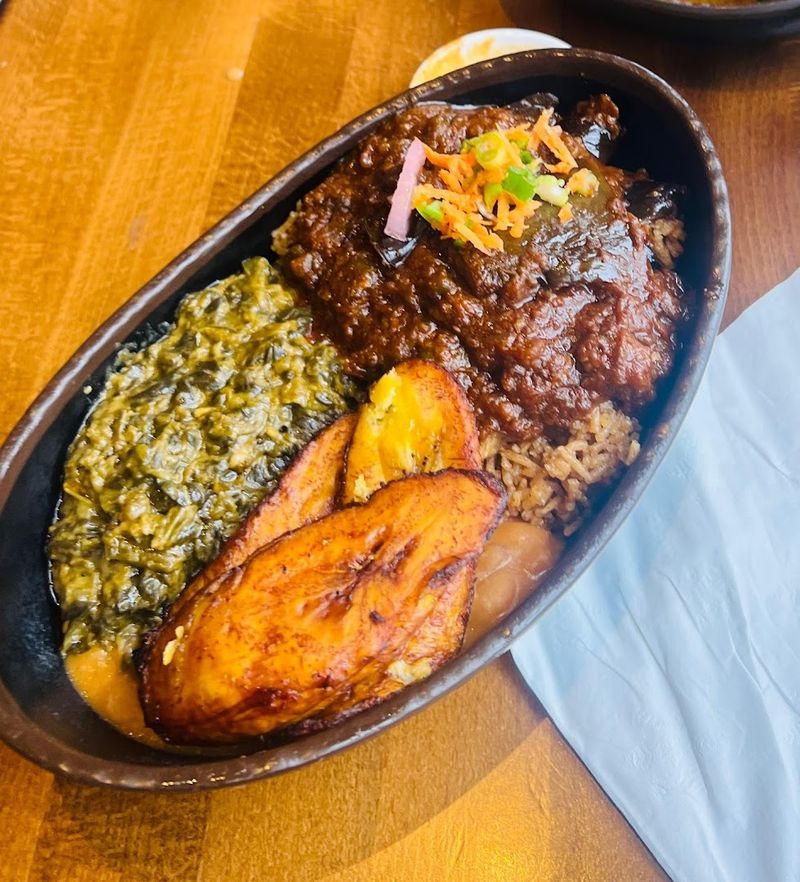
Ugali is one of those dishes that does not look like much at first glance, but the experience of eating it changes your perspective quickly. It is a dense corn-flour ball served alongside a savory okra stew, and the combination is deeply comforting in a way that feels almost instinctive.
The texture of ugali is firm but yielding, and the tradition is to pinch off a piece and use it to scoop up the stew. It is the kind of communal, hands-on eating that turns a meal into a shared moment rather than just a transaction.
Some diners compare the comfort level to South Indian staples, noting a familiar warmth even in completely unfamiliar flavors. The okra stew is rich and savory, and the two elements together create something that feels like it has been feeding families for generations, because it has.
This dish alone is worth the trip.
Appetizers and Small Bites
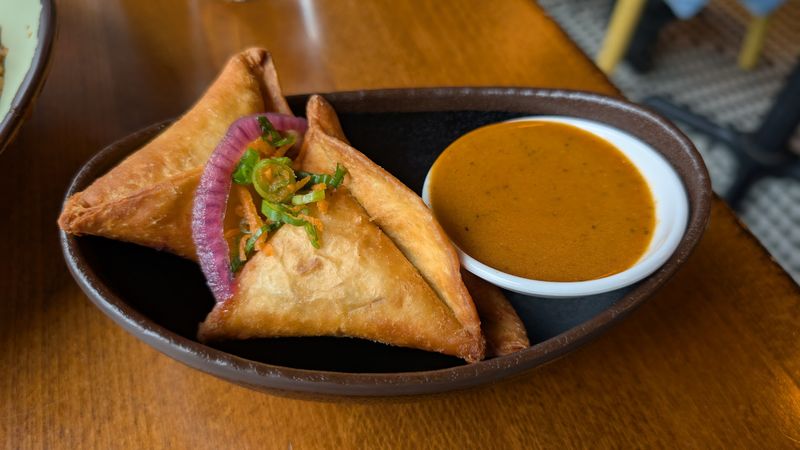
Starting a meal at Baobab Fare with sambusas is a very good decision. These crispy pastry pockets are filled with seasoned chicken and served with a tangy dipping sauce that has just enough acidity to balance the richness of the filling.
The plantain chips with peanut sauce are another crowd favorite, and the combination works better than you might expect. The chips are thin and crunchy, the peanut sauce is earthy and slightly sweet, and together they disappear from the plate faster than almost anything else on the table.
These small bites set the tone for the meal without overwhelming your appetite, which is a delicate balance that not every restaurant manages to get right. They also give first-timers a gentle, accessible entry point into East African flavors before the main courses arrive.
Think of them as the restaurant’s way of saying hello before the real conversation begins.
The Intore Eggplant Stew
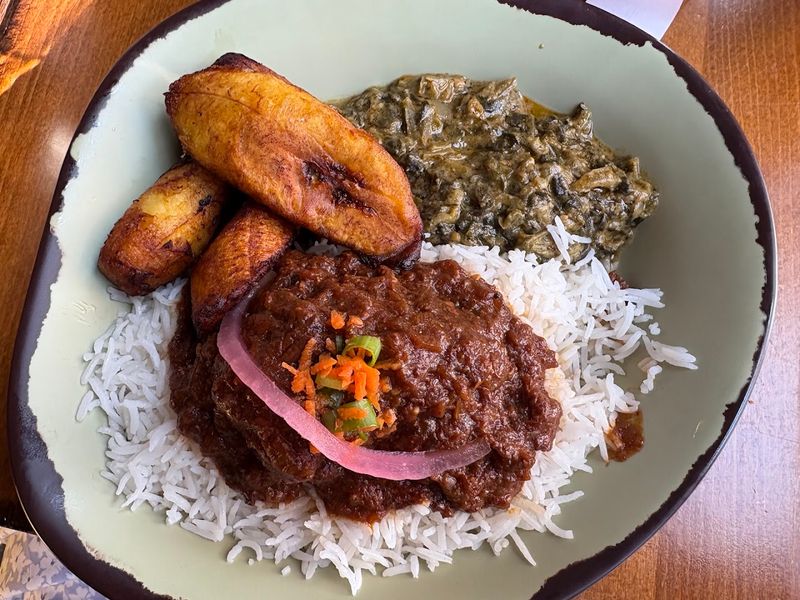
The intore eggplant stew has developed a devoted following among both vegetarians and dedicated meat-eaters, which is a rare achievement for a plant-based dish. The name intore refers to a traditional Burundian cultural dance, and the menu notes that the dish is sure to enchant, a claim that holds up remarkably well.
The flavor is deep, layered, and richly savory, built from slow cooking and spices that develop over time rather than relying on a single dominant ingredient. Paired with the coconut rice or spiced pilau, it becomes a genuinely filling and satisfying meal that does not feel like a compromise.
First-time visitors who order it often describe a moment of genuine surprise, not because they expected it to be bad, but because they did not expect it to be this good. The intore is the kind of dish that converts skeptics and confirms what the regulars already know: vegetables can absolutely be the star of the show.
Desserts That Finish Strong
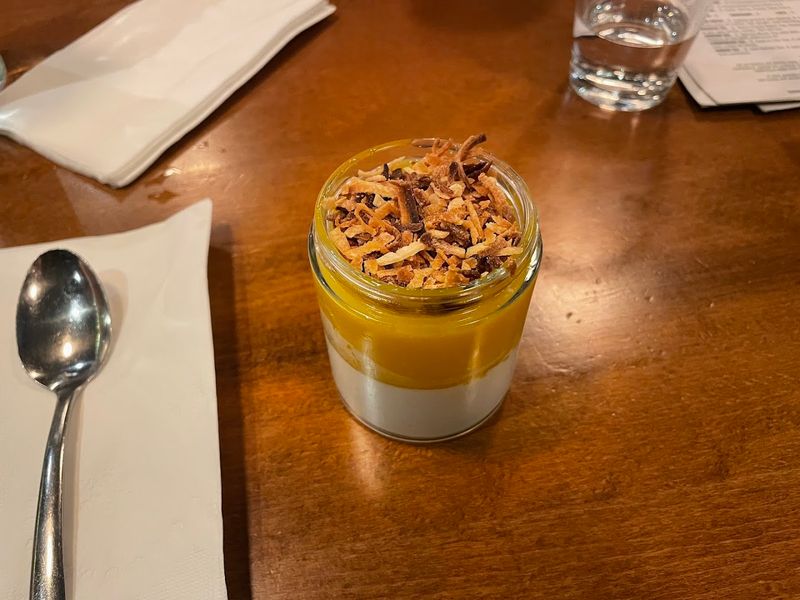
Dessert at Baobab Fare is not an afterthought. The tamu is a creamy blend of avocado and tangy passionfruit that manages to be both refreshing and indulgent at the same time, a combination that is genuinely unusual in American dining.
The coconut mango coulis is another option worth saving room for, pairing tropical sweetness with a cool, smooth texture that makes it the perfect way to close out a spiced, savory meal. Both desserts are light enough that even a full diner can usually find a way to make room.
The challenge, honestly, is that the portions for the main courses are so generous that many diners arrive at dessert already stuffed. More than a few reviews mention the regret of skipping sweets because there was simply no space left.
The practical advice here is to pace yourself from the start, because the final act is absolutely worth experiencing.
Drinks and Beverages on the Menu
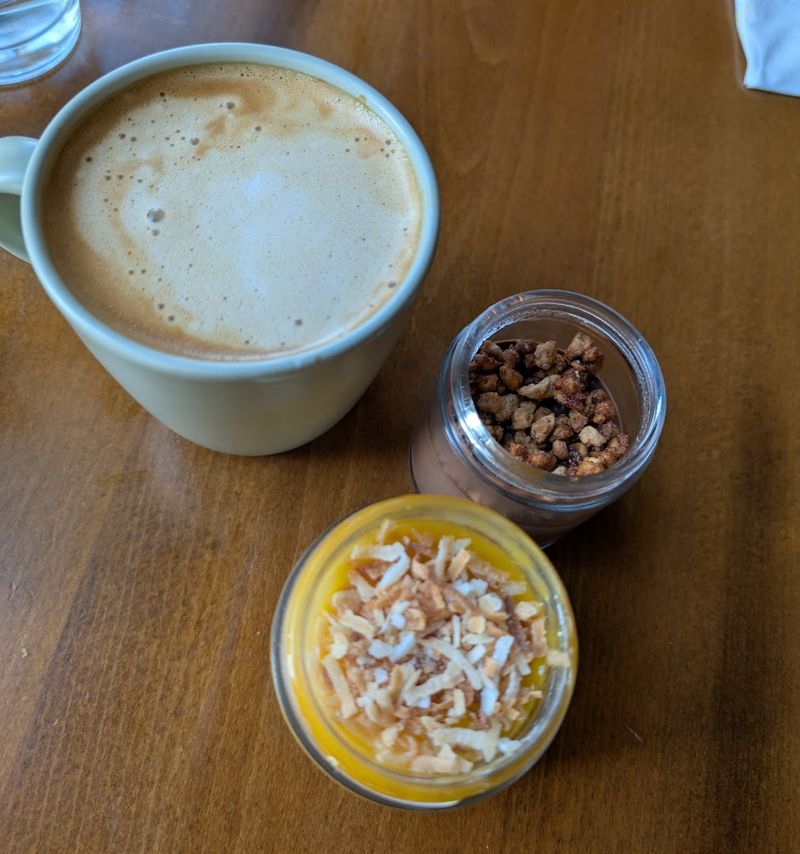
The beverage menu at Baobab Fare is as carefully considered as the food. The African tea is a Lipton black tea base elevated with added spices and finished with frothy milk, producing something warm, aromatic, and completely its own thing.
The spiced coffee is another highlight, blending strong coffee with a mix of spices that give it a complexity you would not find at a standard coffee shop. Hibiscus tea rounds out the non-caffeinated options, offering a naturally tart and deeply colored drink that is as beautiful to look at as it is to sip.
Passionfruit juice also makes an appearance, and it delivers the kind of bright, tropical intensity that makes you wonder why more restaurants bother with generic options. The drinks here are not just accompaniments to the food; they are part of the experience.
Ordering one and sipping it while the food arrives is a ritual worth adopting on every visit.
The Waka by Baobab Fare Expansion
In May 2024, the team behind Baobab Fare opened a second concept called Waka by Baobab Fare in Detroit’s Eastern Market. This fast-casual spot brings East African-inspired bowls, salads, and juices to a broader audience in a more grab-and-go format.
Eastern Market is one of Detroit’s most beloved destinations, drawing locals and visitors every weekend for fresh produce, local vendors, and a buzzing community atmosphere. Placing a fast-casual East African concept there was a smart move, introducing the cuisine to people who might not have sought it out otherwise.
The expansion reflects the founders’ ambition to share Burundian flavors beyond a single dining room without compromising the quality and intention that made the original restaurant so beloved. Waka serves as an on-ramp for curious eaters, while the flagship on Woodward remains the full, immersive experience.
Between the two locations, Detroit now has more opportunities than ever to taste East Africa.
Community Mission and Employment Practices
One of the most meaningful things about Baobab Fare is what happens behind the scenes. The restaurant has made a deliberate commitment to hiring former refugees and asylum seekers, providing not just jobs but genuine pathways to stability in a new country.
This mission gives the dining experience a layer of purpose that goes beyond the plate. When the service feels warm and attentive, it is partly because the people providing it understand the value of what they have built together.
There is a shared investment in the restaurant’s success that comes through in every interaction.
For diners, knowing that a meal here supports something larger than a single business adds a quiet satisfaction to the experience. Detroit has a long history of communities building lives from scratch, and Baobab Fare fits naturally into that tradition.
Choosing to eat here is a small but real way to participate in a story that is still being written, one plate at a time.
Practical Tips for Your Visit
Baobab Fare is open Tuesday through Sunday from 11 AM to 9 PM, and it is closed on Mondays. The restaurant is moderately priced for the quality and portion size, landing in the two-dollar-sign range that makes it accessible without feeling cheap.
Making a reservation is strongly recommended, especially for weekend evenings, when the dining room fills up fast. Walk-ins are possible, but a wait of around 30 minutes is common during busy periods.
Calling ahead at +1 313-265-3093 or checking the website at baobabfare.com takes only a few minutes and saves a lot of standing around.
Parking along Woodward is generally available, and the Q Line stop nearby makes public transit a real option. First-time visitors should plan to order broadly, since the menu rewards curiosity.
Sharing a few dishes across the table is the best way to get a full picture of what Burundian cuisine has to offer, and it turns dinner into something genuinely communal.
Share this story