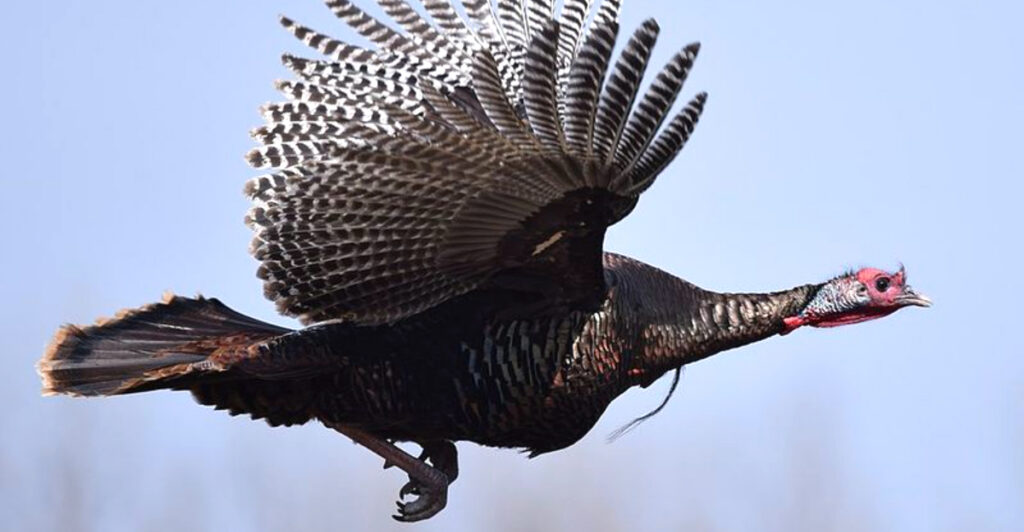
Wild turkeys are making a serious comeback across the United States, and some states are absolutely packed with them. From dense Appalachian forests to wide-open Texas plains, these big birds have reclaimed territory they lost over a century ago.
Whether you’re a hunter, a wildlife watcher, or just someone who’s nearly been chased by one in a parking lot, this list has something for you. Here are the 15 states most overrun with wild turkeys, ranked from impressive to absolutely wild.
15. Pennsylvania
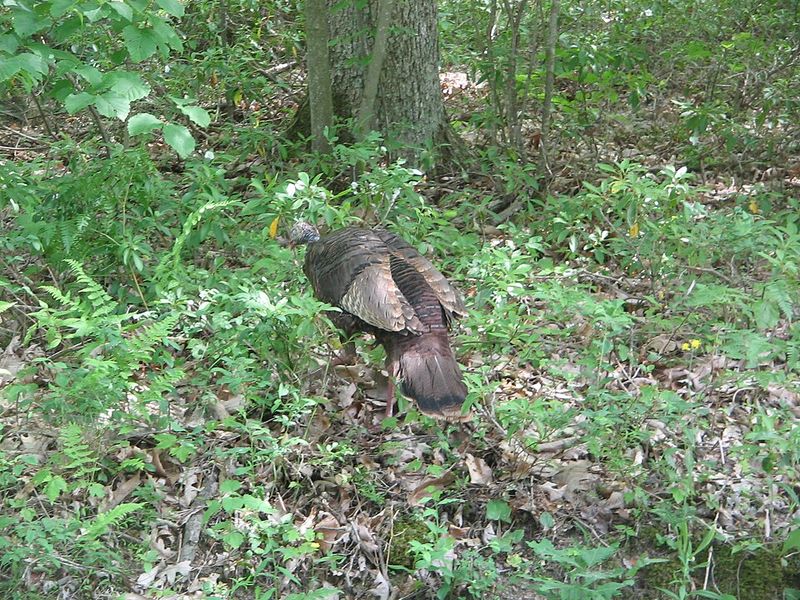
Pennsylvania’s forests are so full of wild turkeys, you’d almost think the birds run the place. With around 170,000 roaming the state’s woodlands and farmland, the Keystone State has become one of the Northeast’s top turkey destinations.
The mix of hardwood forests and open fields gives turkeys exactly what they need to thrive.
Pennsylvania has a long history with turkey conservation. The state reintroduced wild turkeys decades ago after populations had collapsed due to overhunting and habitat loss.
That effort paid off big time.
Today, turkey hunting in Pennsylvania is a beloved tradition, drawing thousands of hunters each fall and spring. Spotting a flock of turkeys crossing a foggy rural road on an October morning is basically a Pennsylvania rite of passage.
The birds are bold, beautiful, and seemingly everywhere you look.
14. Virginia
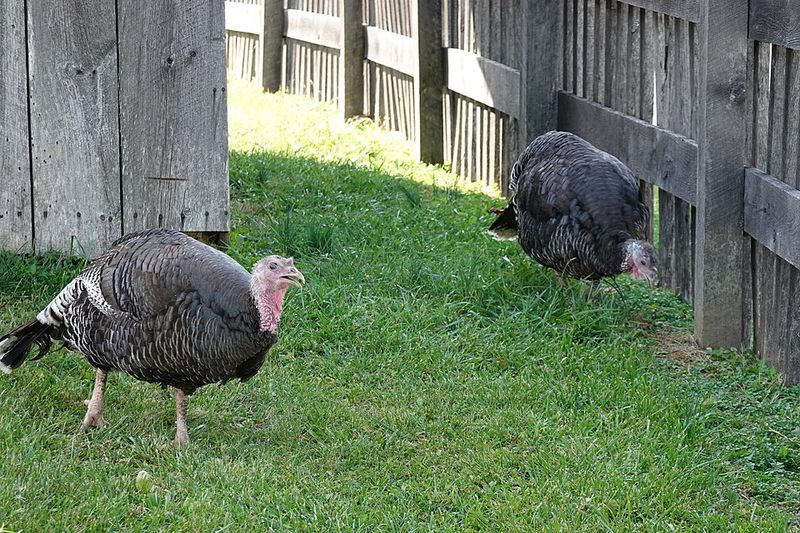
Something special happens in Virginia’s Appalachian foothills every spring. The air fills with gobbling, and flocks of wild turkeys emerge from the tree line like they own the countryside.
Virginia supports between 170,000 and 190,000 wild turkeys, and the habitat here is practically tailor-made for them.
The state’s mix of mountain forests, river valleys, and farmland gives turkeys plenty of food, shelter, and space to raise their young. Rural counties in the western part of the state tend to have the highest concentrations.
Locals there are used to sharing the road with turkeys on morning commutes.
Virginia’s wildlife managers have worked hard to maintain healthy populations through regulated hunting seasons and habitat programs. The result is a thriving turkey population that keeps growing year after year.
For turkey enthusiasts, Virginia is genuinely one of the best spots on the East Coast.
13. New York
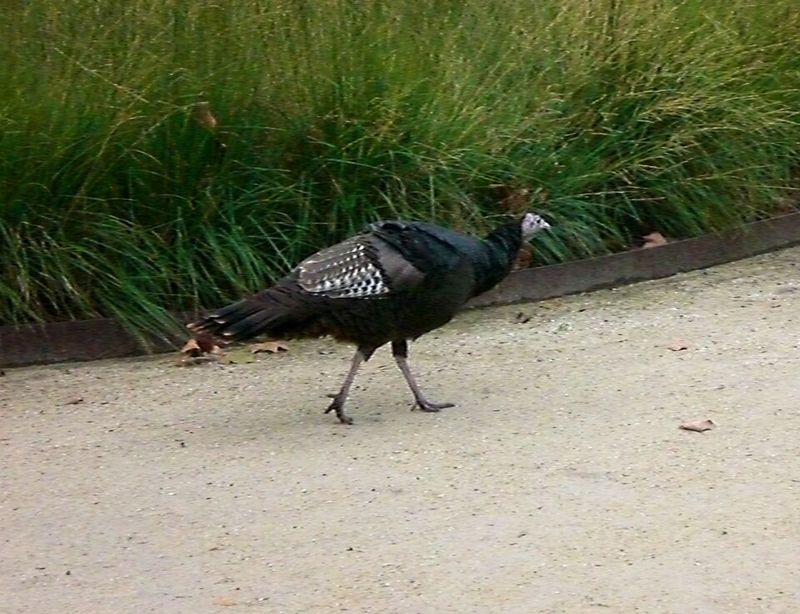
Believe it or not, wild turkeys were completely wiped out in New York by the early 1900s. Decades of overhunting and deforestation left the state turkey-free.
Then, in the 1950s and 60s, wildlife managers began a bold reintroduction program that would change everything.
Today, New York is home to roughly 160,000 wild turkeys spread across the state’s vast woodlands, farmlands, and even suburban edges. From the Catskills to the Finger Lakes, turkeys have reclaimed nearly every corner of the state.
Some have even wandered into city parks, much to the delight and occasional alarm of residents.
The conservation comeback is considered one of the most successful wildlife restoration stories in U.S. history. New York hunters now enjoy two turkey seasons annually, and wildlife watchers frequently spot large flocks foraging in open fields.
The birds are thriving, and showing no signs of slowing down.
12. Illinois
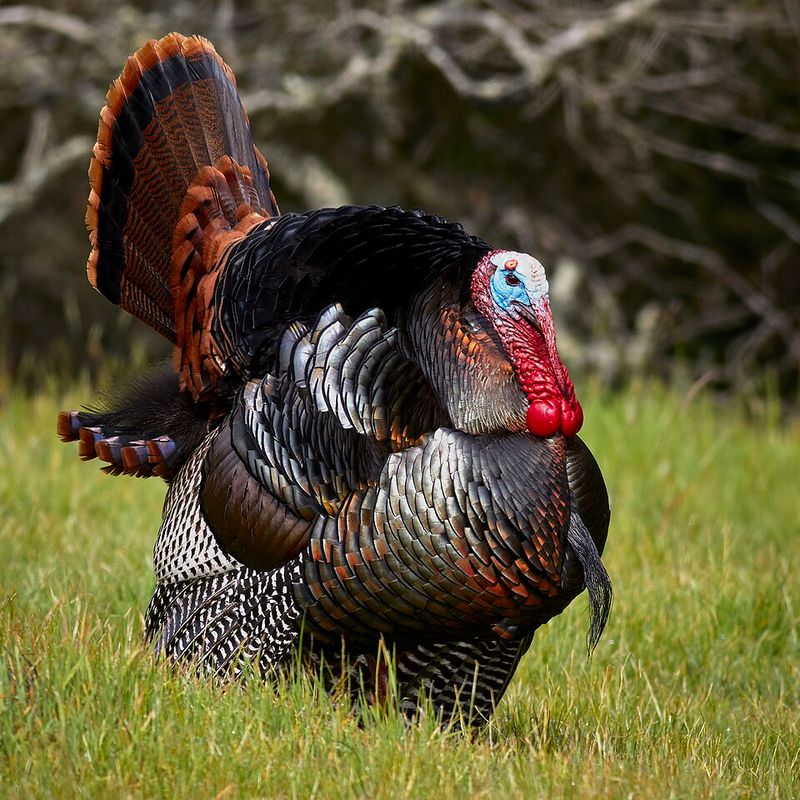
Corn, soybeans, and wild turkeys. That’s basically the holy trinity of rural Illinois.
With an estimated 150,000 turkeys calling the state home, Illinois has quietly become a solid turkey haven, especially in areas where farmland meets forest edges. Turkeys love that kind of mixed habitat because it gives them food and cover in one package.
The river corridors along the Illinois and Mississippi Rivers are particularly productive areas for turkey populations. Wooded bottomlands along these waterways create perfect nesting and roosting conditions.
Hunters and wildlife photographers flock to these areas every spring.
Illinois didn’t always have this many turkeys. A restoration program launched in the 1950s slowly rebuilt the population from scratch.
Now, the state runs both spring and fall turkey hunting seasons. Seeing a big tom strutting through a harvested cornfield on a crisp fall morning is a sight that never gets old out here.
11. Nebraska
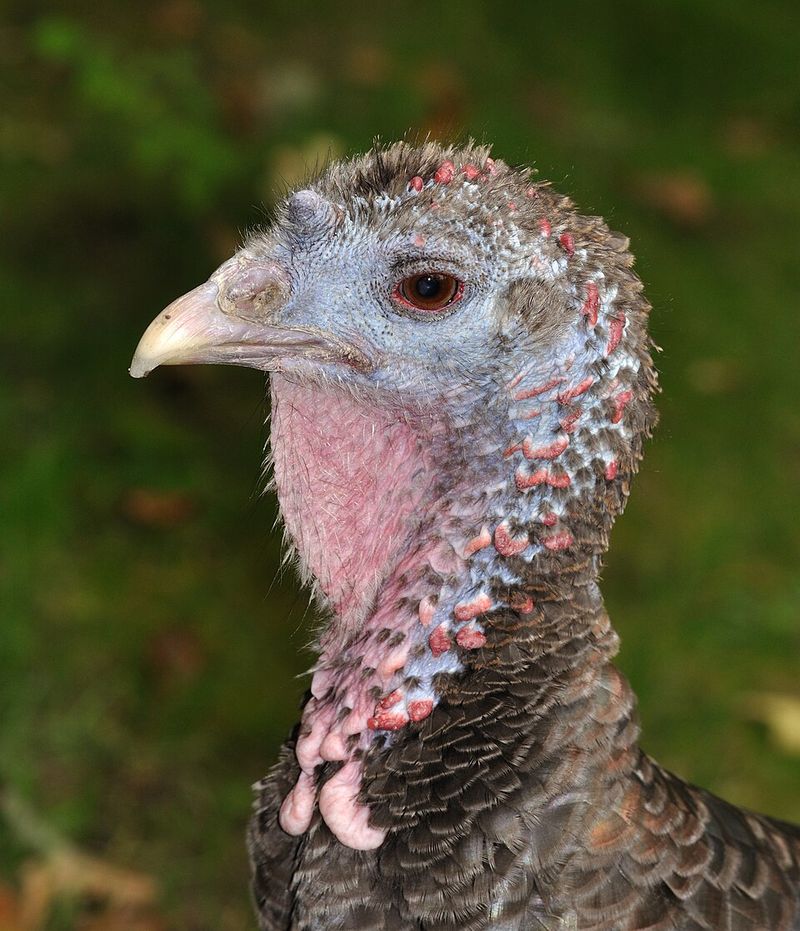
Nebraska might not be the first state that comes to mind when you think about turkeys, but around 145,000 wild birds say otherwise. The state’s river corridors are the secret ingredient here.
The Platte, Niobrara, and Republican Rivers create ribbons of wooded habitat cutting through open prairie, and turkeys absolutely love it.
Eastern Nebraska’s mix of timber, cropland, and river bottoms gives birds everything they need year-round. The western part of the state, particularly the Pine Ridge area, hosts Rio Grande and hybrid turkey subspecies.
That diversity makes Nebraska uniquely interesting for turkey enthusiasts.
Nebraska’s turkey restoration effort is considered one of the most successful in the Great Plains region. The state started with very few birds and built the population up through careful management and regulated hunting.
Spring turkey season is wildly popular here, drawing hunters from across the Midwest who come chasing that perfect morning gobble deep in the cottonwoods.
10. Indiana
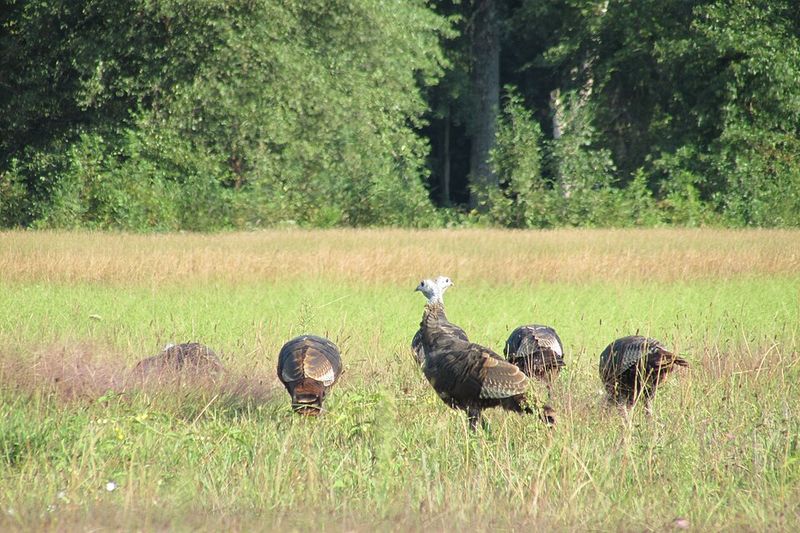
Back in the 1970s, Indiana had almost no wild turkeys left. Today, the state hosts around 120,000, and that dramatic turnaround is a wildlife management success story worth celebrating.
The state’s forests and farmland patchwork created ideal conditions once birds were reintroduced from other states.
Southern Indiana tends to have the highest turkey densities, thanks to its hilly, heavily forested terrain. The Hoosier National Forest is a hotspot where large flocks roost in tall hardwoods and forage through the leaf litter below.
Seeing a tom fan out his tail feathers in full display during spring is one of nature’s genuinely jaw-dropping shows.
Indiana hunters have embraced turkey season enthusiastically, and participation grows every year. Wildlife managers continue monitoring population health through annual surveys.
The birds have spread so successfully that suburban turkey sightings are now common in many Indiana communities, surprising backyard gardeners and school bus drivers alike on quiet weekday mornings.
9. Minnesota
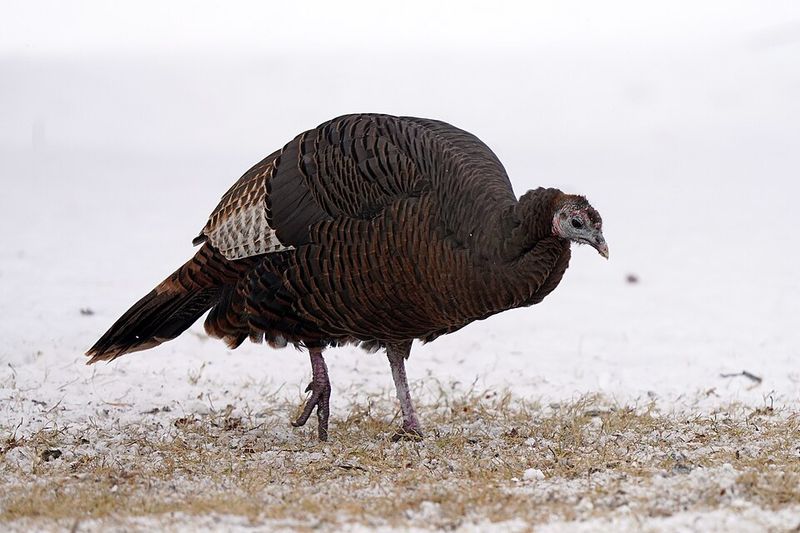
Cold winters and 225,000 wild turkeys. Minnesota somehow makes that combination work, and it’s impressive.
Most people assume turkeys can’t handle brutal Midwest winters, but these birds are tougher than they look. They roost high in trees to stay above deep snow and rely on agricultural fields for food when natural sources are buried.
Minnesota’s turkey population has expanded dramatically since birds were first reintroduced in the southeastern part of the state in the 1970s. From there, they spread westward and northward into areas where no one expected them to survive.
Turkeys are now common in counties that once had zero recorded sightings.
Spring turkey season in Minnesota is something hunters talk about all winter long. The combination of rolling hardwood ridges, fresh green fields, and enthusiastic gobblers makes for unforgettable mornings.
Minnesota wildlife managers credit habitat protection and smart hunting regulations for keeping the population healthy and growing despite the challenging climate.
8. Tennessee
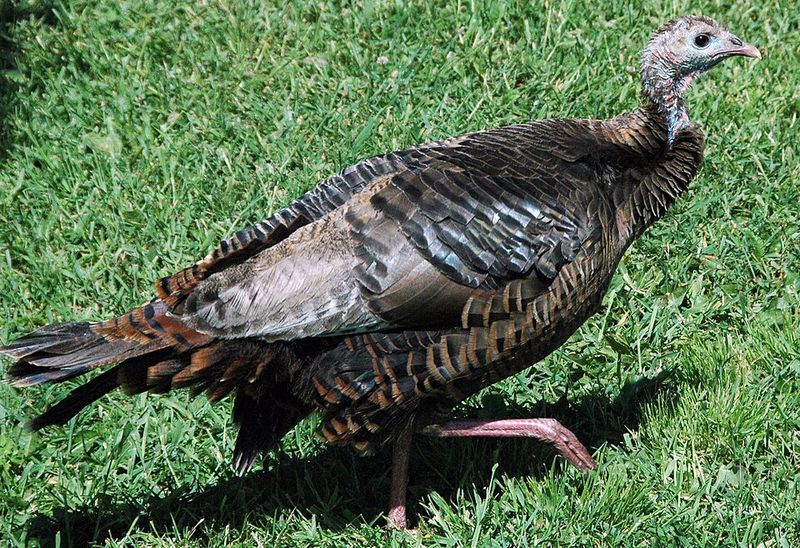
Tennessee and wild turkeys go together like biscuits and gravy. With approximately 270,000 birds roaming the state’s forests, hills, and river bottoms, Tennessee is one of the Southeast’s premier turkey destinations.
The state’s rugged terrain and diverse habitat types give turkeys everything they could possibly want.
From the Great Smoky Mountains foothills in the east to the fertile bottomlands of the west, turkeys have claimed every corner of Tennessee. The state’s spring turkey season is legendary among serious hunters, who travel from across the country just to chase Volunteer State birds on steep, foggy ridges.
Tennessee wildlife officials have managed turkey populations carefully for decades, using regulated seasons and habitat conservation programs to keep numbers strong. The result speaks for itself.
Turkeys here are abundant, vocal, and seemingly fearless. Farmers in rural counties sometimes complain about flocks raiding their fields, which is honestly a good problem to have.
7. North Carolina
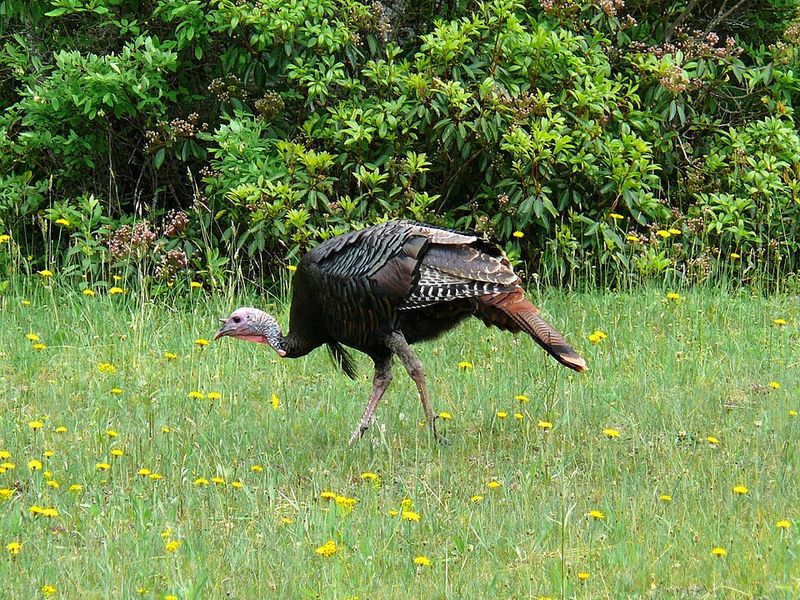
North Carolina’s wild turkey population sits at roughly 270,000 birds, earning it a well-deserved spot among the Southeast’s turkey strongholds. The state offers an incredible variety of habitat, from the rugged Blue Ridge Mountains in the west to the coastal plain’s pine forests and pocosins in the east.
Turkeys have adapted beautifully to all of it.
The eastern part of the state is particularly loaded with birds. Wide agricultural fields bordered by thick timber give turkeys prime feeding and nesting conditions.
Hunters targeting eastern North Carolina often report seeing massive flocks of 30 or more birds in open fields during winter months.
North Carolina’s wildlife commission has maintained strong turkey populations through careful management, including trap-and-transfer programs in the past. Today, natural reproduction keeps numbers up without much intervention.
The state’s two turkey seasons, spring and fall, attract hunters statewide and from neighboring states chasing North Carolina’s notoriously call-shy, pressured birds.
6. Alabama
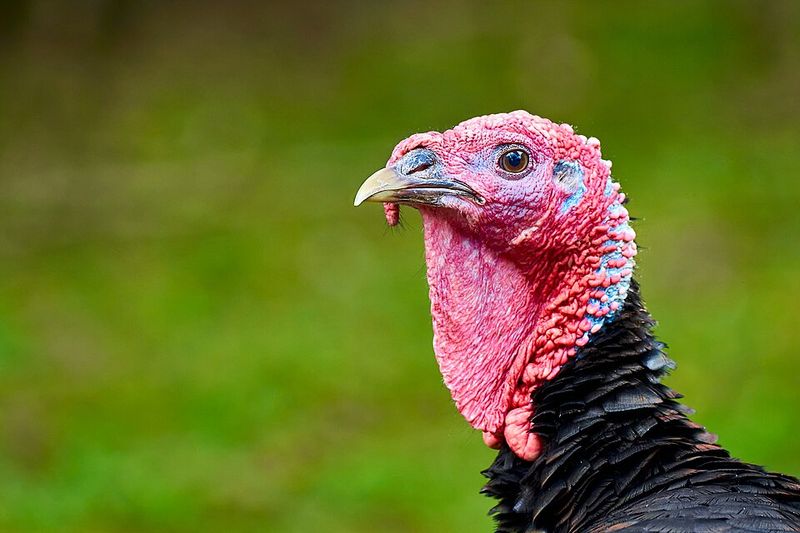
Alabama is serious turkey country, and the numbers back that up. Around 300,000 wild turkeys inhabit the state’s pine forests, mixed woodlands, and river bottomlands.
The warm Southern climate and diverse vegetation make Alabama an ideal year-round home for Eastern wild turkeys, which thrive in exactly this kind of landscape.
The state has one of the longest turkey hunting traditions in the South. Alabama hunters are passionate, experienced, and deeply proud of their turkey culture.
The state also opens its turkey season earlier than most, giving hunters first crack at fired-up spring gobblers before other Southern states even get started.
Wildlife managers in Alabama credit decades of conservation work for sustaining such a large population. Timber companies, hunting clubs, and state agencies have cooperated on habitat management that benefits turkeys and other wildlife.
Driving through rural Alabama in spring, you’re almost guaranteed to spot a strutting tom somewhere along the road.
5. Mississippi
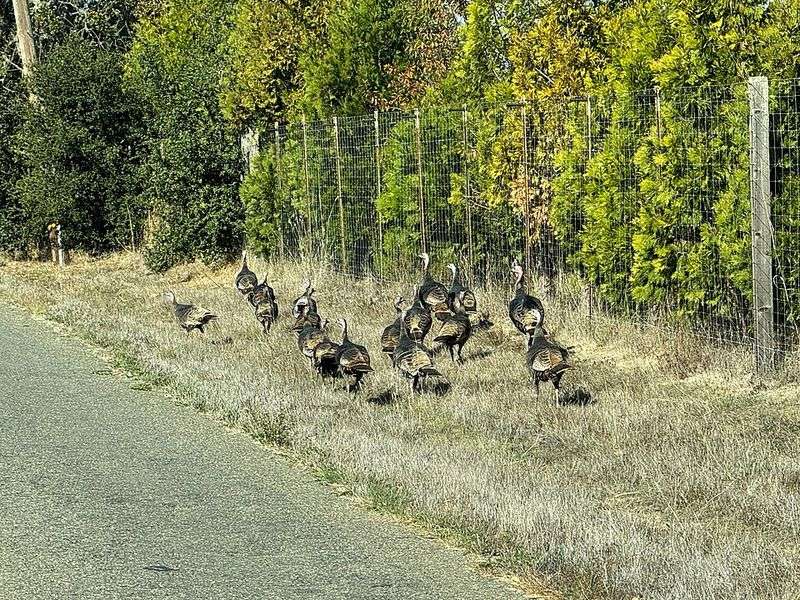
Mississippi has earned its reputation as one of the top wild turkey states in the entire country. Around 300,000 birds call the state home, supported by a rich mix of bottomland hardwoods, pine plantations, and agricultural land.
The habitat variety here is genuinely exceptional, and turkeys have taken full advantage of it.
The state’s turkey hunting culture runs deep. Mississippi is credited with producing some of the most skilled turkey callers and hunters in the nation.
Hunting clubs and private land leases here are built around spring turkey season, which is treated almost like a holiday in rural communities.
Conservation programs have played a major role in Mississippi’s turkey success. The National Wild Turkey Federation has partnered with state agencies for years to protect and improve habitat.
That teamwork has kept the population strong even as land use patterns change across the state. Mississippi turkeys are healthy, numerous, and not going anywhere.
4. Kentucky
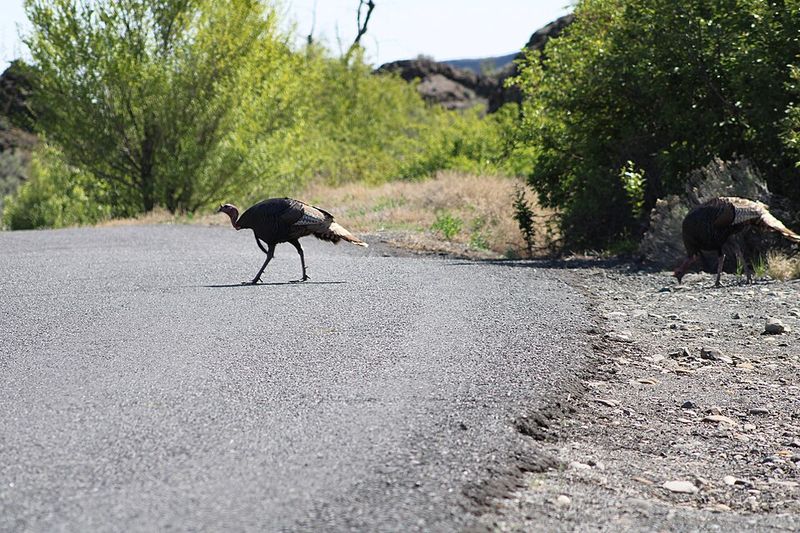
Kentucky and wild turkeys share a long, proud history. The state’s forests and farmland host around 310,000 birds, making it one of the top turkey states in the eastern half of the country.
Rolling hills, hardwood ridges, and a patchwork of agricultural land give Kentucky turkeys an almost perfect home environment.
Eastern Kentucky’s rugged mountain terrain is particularly productive, with large flocks roosting along forested ridgelines and feeding in creek hollows below. Western Kentucky’s flatter farmland also holds strong populations, especially where corn and soybean fields border wooded areas.
Turkeys here are adaptable, opportunistic, and very good at finding food.
Spring turkey season in Kentucky is enormously popular, and the state’s hunters are fiercely proud of their birds. Kentucky consistently ranks among the top states for turkey harvest numbers.
Wildlife managers use annual population surveys to fine-tune hunting regulations and ensure long-term sustainability. The results have been consistently impressive over the past several decades.
3. Georgia
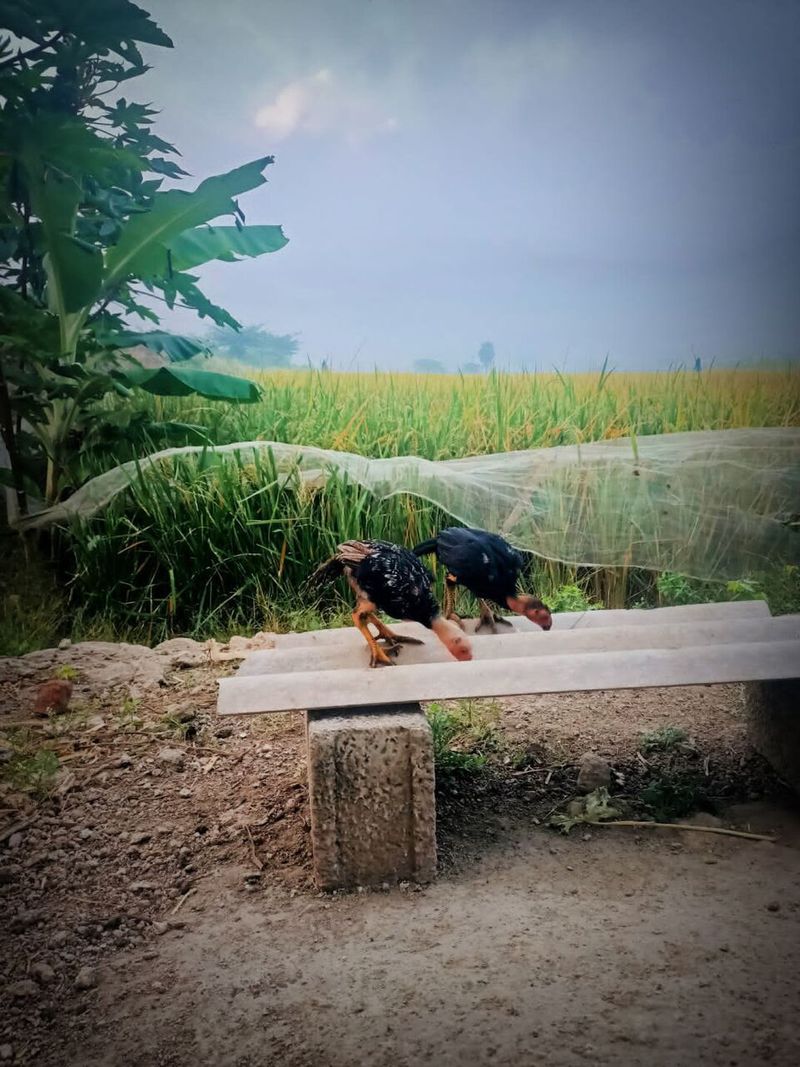
Georgia’s wild turkey population of around 320,000 birds is spread impressively across nearly every county in the state. From the Blue Ridge Mountains in the north to the coastal plain in the south, turkeys have established themselves in virtually every habitat Georgia offers.
That kind of statewide distribution is genuinely rare and speaks to how well the birds have adapted here.
The Peach State has a vibrant turkey hunting community, and spring season is treated as a major event. Georgia’s season typically opens in late March, when gobblers are fired up and vocal.
Hunters here are passionate about the sport and take pride in the state’s strong turkey numbers.
Georgia’s wildlife agency has worked closely with private landowners and hunting clubs to maintain quality habitat. Prescribed burning programs in pine forests have been especially effective at keeping the understory open and productive for turkeys.
Those management practices have paid off with one of the Southeast’s most consistently healthy populations.
2. Missouri
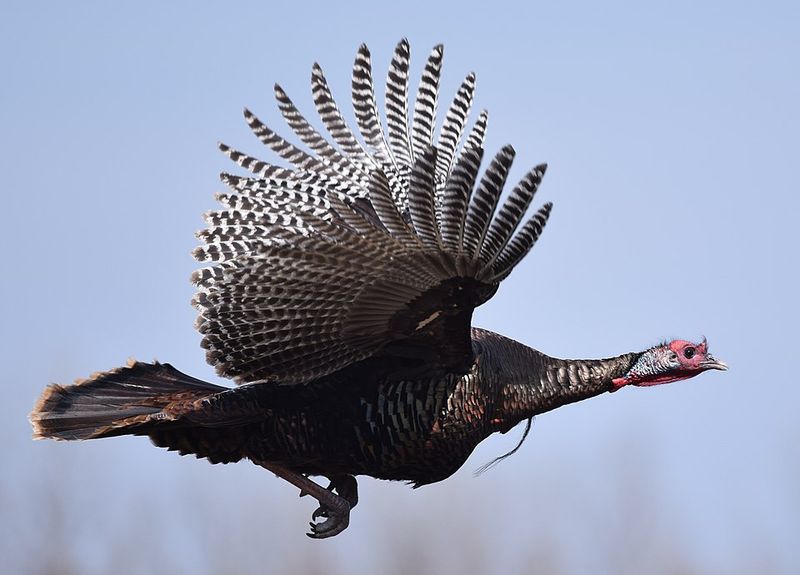
Missouri is legendary in the turkey hunting world, and for good reason. The Show-Me State is home to roughly 350,000 wild turkeys, one of the largest populations in the entire country.
Oak and hickory forests cover millions of acres here, producing the acorns that turkeys absolutely love to gorge on throughout fall and winter.
Missouri’s turkey restoration is one of wildlife management’s greatest comeback stories. The state had almost no turkeys left by the 1950s.
A trap-and-transfer program brought birds back from other states, and Missouri’s population exploded from there. Today, turkeys are found in every single county.
Spring turkey season draws tens of thousands of hunters statewide and from neighboring states. Missouri consistently ranks in the top five nationally for turkey harvest numbers.
The combination of excellent habitat, abundant birds, and a deeply rooted hunting culture makes Missouri one of the most exciting turkey states in America. It’s hard to argue with 350,000 birds.
1. Texas
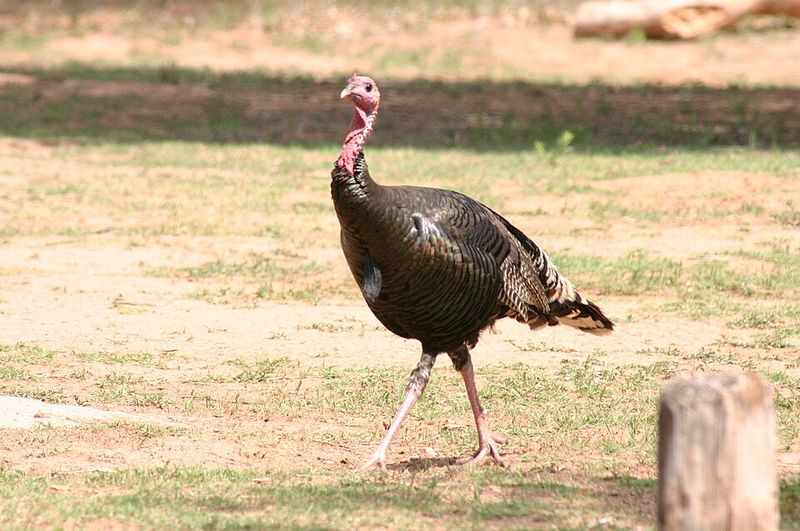
Texas doesn’t do anything small, and its wild turkey population is no exception. With over 500,000 wild turkeys spread across its enormous landscape, Texas is the undisputed champion of American turkey states.
The state actually hosts four wild turkey subspecies, including Eastern, Rio Grande, Merriam’s, and Osceola-influenced hybrids, which is more subspecies diversity than any other state can claim.
The Rio Grande turkey is the dominant subspecies, thriving across the Hill Country, Rolling Plains, and South Texas brush country. These birds are well adapted to semi-arid landscapes, often roosting in pecan and live oak trees along creek drainages.
Spotting a flock of 50 or more Rio Grande turkeys crossing a ranch road at sunrise is a Texas experience like no other.
Texas landowners and hunting outfitters have invested heavily in turkey habitat management, which has helped sustain the massive population. Public hunting opportunities exist across several wildlife management areas.
Texas earns its number one ranking every single year without breaking a sweat.
Share this story