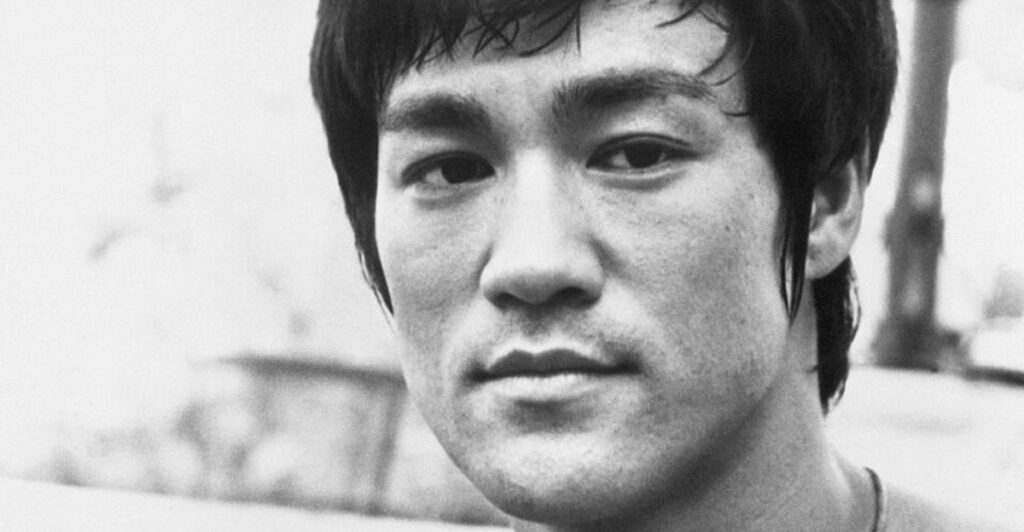
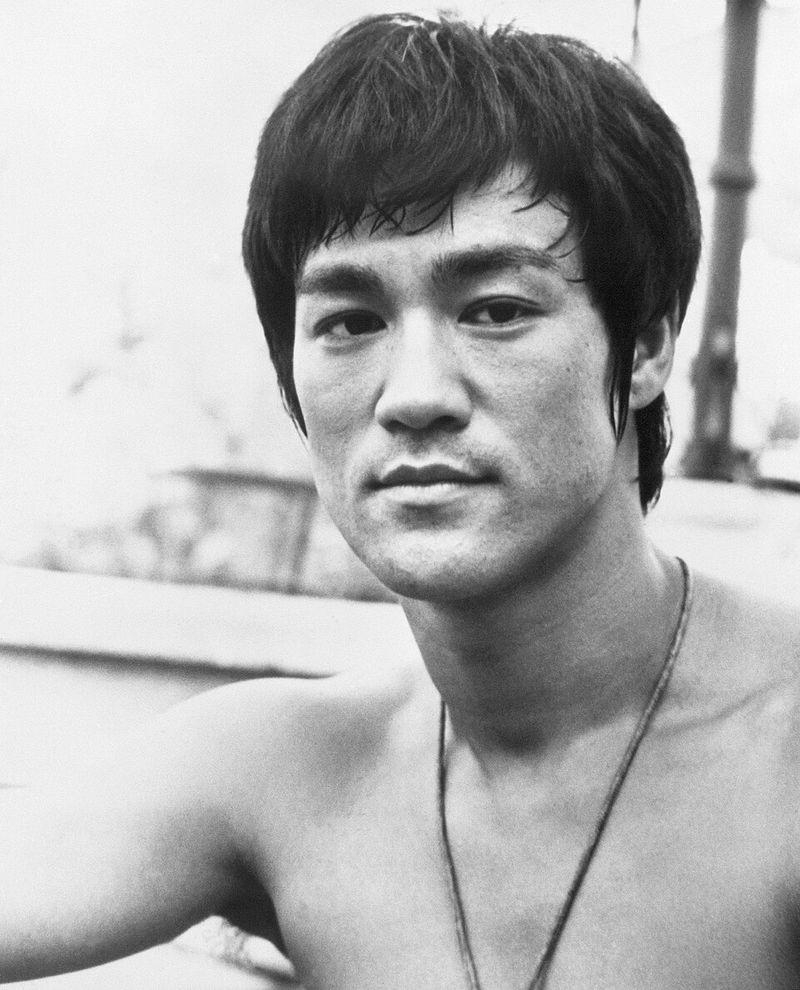
Bruce Lee was more than just a martial artist. He was a philosopher, a filmmaker, and a cultural icon who changed the way the world sees martial arts forever.
From his childhood in Hong Kong to his explosive rise in Hollywood, his journey is one of the most fascinating stories in entertainment history. Get ready to explore the moments that made Bruce Lee a legend.
Born Into the World of Entertainment
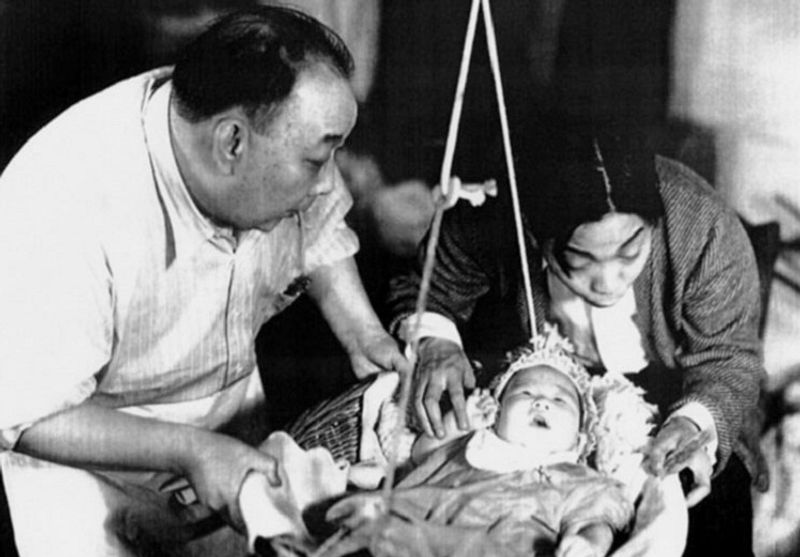
Talk about a dramatic entrance. Bruce Lee was born on November 27, 1940, in San Francisco, California, at the hour of the dragon according to the Chinese zodiac.
His father, Lee Hoi-chuen, was a well-known Cantonese opera star touring the United States at the time.
This meant Bruce was literally born backstage in the world of performance. The family soon returned to Hong Kong, where Bruce would grow up surrounded by cameras, costumes, and the constant buzz of show business.
That early exposure to entertainment planted a seed in young Bruce that would never stop growing. Being raised around performers and storytellers gave him an instinct for the spotlight that no classroom could ever teach.
Most kids grew up watching movies. Bruce Lee grew up living inside one.
A Child Actor in Hong Kong
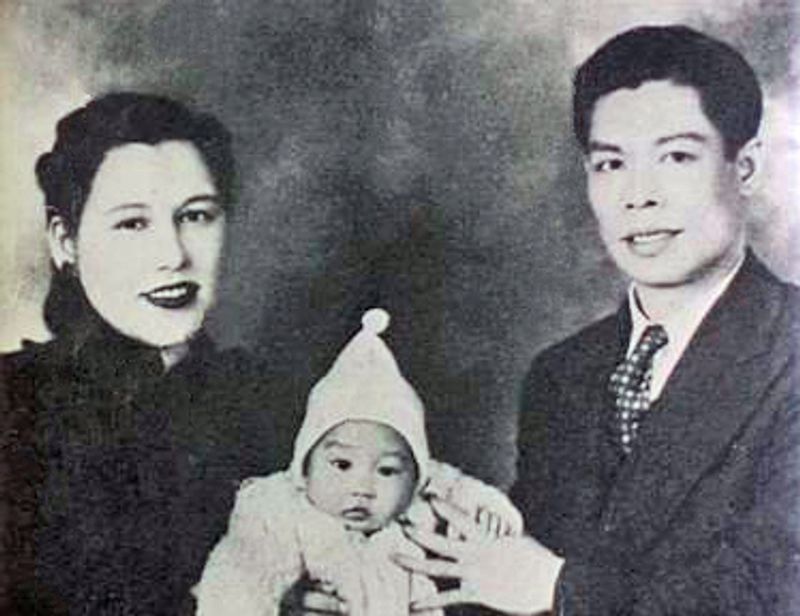
Before he could throw a single punch on screen, Bruce Lee was already a seasoned actor. Starting as young as six years old, he appeared in over 20 Hong Kong films as a child, often playing street kids or cheeky young troublemakers.
His most notable early role was in the 1950 film “The Kid,” where he starred alongside his father. Audiences loved his natural charisma and his ability to hold attention without even trying.
Child actors often fade into obscurity, but Bruce used those early years to sharpen his instincts. He learned how to move on camera, how to react naturally, and how to command a scene.
By the time most kids were figuring out their homework, Bruce Lee had already built a legitimate filmography. That is a head start most actors only dream about.
Learning Wing Chun Under Ip Man

Street fights have a funny way of changing your life. As a teenager in Hong Kong, Bruce Lee was getting into enough brawls that his parents decided he needed real martial arts training.
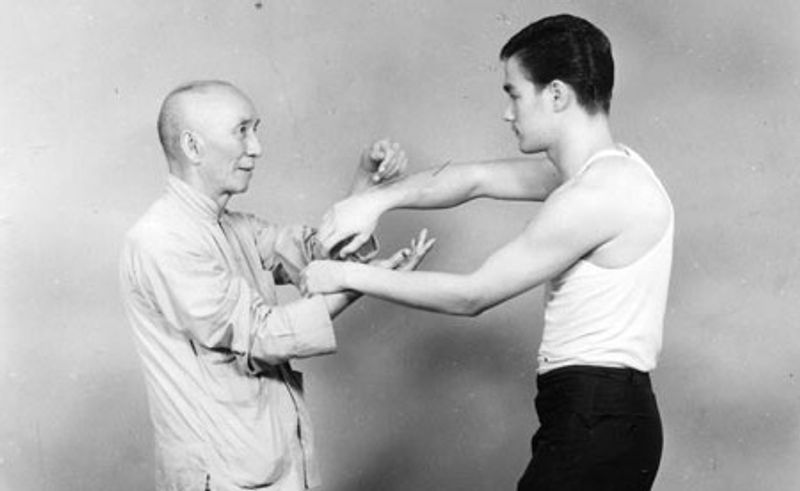
Enter Ip Man, one of the most respected Wing Chun masters of his generation.
Training under Ip Man was no casual after-school activity. Wing Chun is a close-range combat system built on speed, structure, and precision.
Bruce absorbed every lesson with fierce dedication, often staying late to practice long after other students had gone home.
Ip Man did not just teach Bruce how to fight. He taught him how to think about fighting.
That mental approach to martial arts became the bedrock of everything Bruce would later build. Without those sessions in a small Hong Kong school, there would be no Jeet Kune Do, and arguably no Bruce Lee as the world knows him.
Moving to the United States at 18
Packing up your life at 18 and moving to a foreign country takes serious courage. In 1959, Bruce Lee boarded a ship for the United States with just a hundred dollars in his pocket and a head full of ambition.
His parents arranged the move partly to get him away from the street gang troubles brewing in Hong Kong. Seattle, Washington became his new home, where he worked odd jobs, finished high school, and slowly began teaching kung fu to anyone willing to learn.
America was not always welcoming to young Asian immigrants in the late 1950s, but Bruce refused to shrink. He adapted, hustled, and made connections wherever he went.
That ability to thrive in unfamiliar environments became one of his greatest strengths. Moving to Seattle was not just a fresh start.
It was the first step toward building a global legacy.
Studying Philosophy at the University of Washington
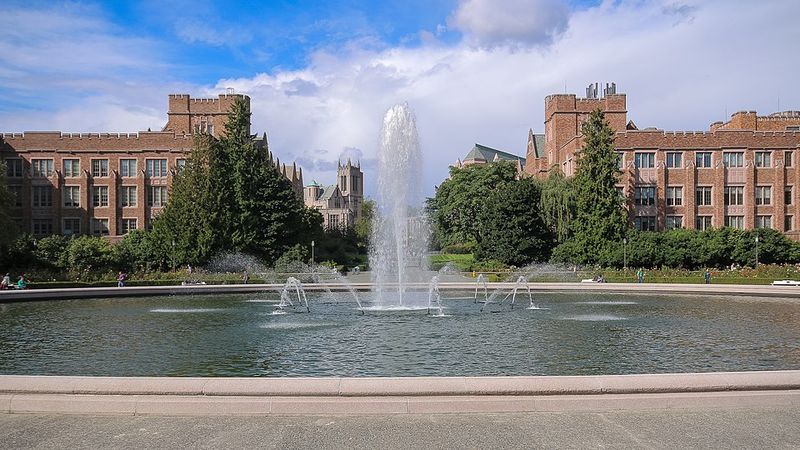
Most people know Bruce Lee for his fists. Fewer know about his love for books.
When he enrolled at the University of Washington, he chose philosophy as his major, a decision that surprised many but made total sense to those who understood him.
He was fascinated by thinkers like Alan Watts and drew connections between Eastern and Western philosophy constantly. His notebooks were filled with reflections on existence, the nature of combat, and what it means to express oneself authentically.
Philosophy gave Bruce a framework for everything. His famous quote, “Be like water,” did not come from a movie script.
It came from years of reading, reflecting, and questioning rigid systems of thought. His academic background made him more than a fighter.
It made him a thinker who could articulate ideas that resonated far beyond the gym. Bruce Lee essentially turned philosophy into a fighting style.
Opening His First Martial Arts School
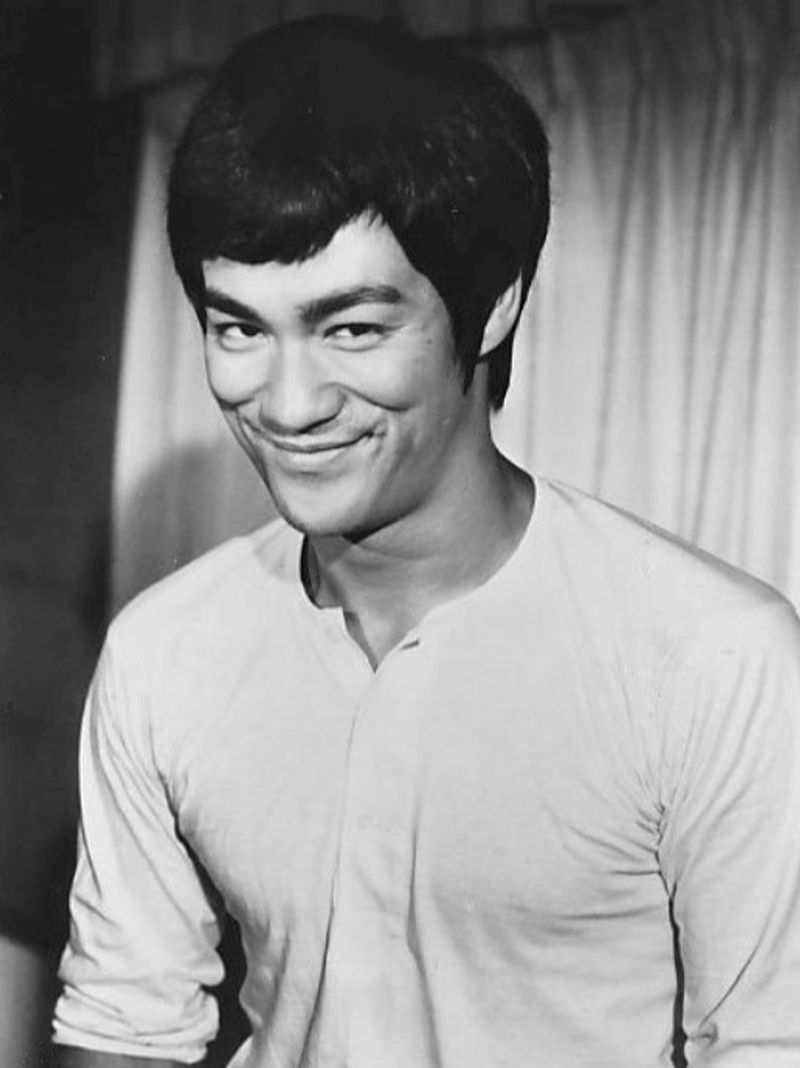
Forget fancy studios and polished brochures. Bruce Lee’s first martial arts school was humble, scrappy, and completely revolutionary.
He started teaching in Seattle’s Chinatown around 1959, welcoming students of all backgrounds at a time when many traditional schools were closed to non-Chinese students.
That decision to teach openly was radical and controversial. Some in the Chinese martial arts community were furious.
But Bruce believed that knowledge should not be locked behind cultural walls. His school became a melting pot of curious students eager to learn something real.
Teaching also sharpened Bruce’s own skills. Explaining techniques forced him to break them down, refine them, and understand them at a deeper level.
He later opened a second school in Oakland, California, expanding his reach. What started in a Seattle back room eventually grew into a movement that reshaped how the entire world thinks about martial arts training.
Creating Jeet Kune Do

Rules bored Bruce Lee. After years of studying multiple martial arts styles, he grew frustrated with rigid systems that prioritized tradition over effectiveness.
So he did what any genius would do. He created his own.
Jeet Kune Do, which translates roughly to “Way of the Intercepting Fist,” was not a style in the traditional sense. It was a philosophy.
Bruce described it as using no way as way and having no limitation as limitation. The idea was to take what works, discard what does not, and remain fluid and adaptable in any situation.
Jeet Kune Do influenced virtually every combat sport that followed, from mixed martial arts to modern self-defense systems. Fighters today who blend boxing, wrestling, and kickboxing are unknowingly following the blueprint Bruce sketched decades ago.
He did not just create a fighting system. He predicted the entire future of combat sports.
First Hollywood Break: The Green Hornet
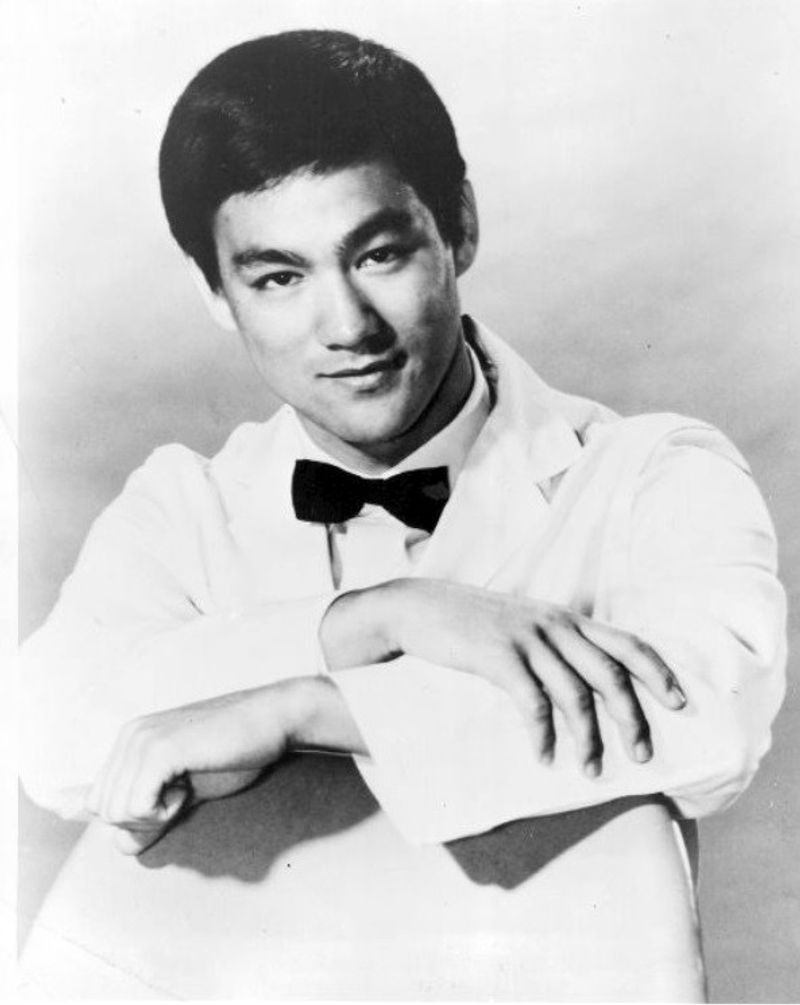
Hollywood was not exactly handing out starring roles to Asian actors in 1966, but Bruce Lee found his way in anyway. Cast as Kato, the loyal sidekick in the TV series The Green Hornet, he quickly became the reason many people tuned in every week.
Kato was technically a supporting character, but Bruce made sure nobody forgot him. His fight scenes were so fast that the camera crew reportedly asked him to slow down so the audience could actually see what he was doing.
That is not a special effect. That is just Bruce Lee being Bruce Lee.
Fans in Hong Kong nicknamed the show “The Kato Show” because they cared far more about the sidekick than the hero. The series only ran one season, but it launched Bruce’s international profile in a way that no one could ignore.
The sidekick had officially stolen the show.
Hollywood Doors Remain Closed
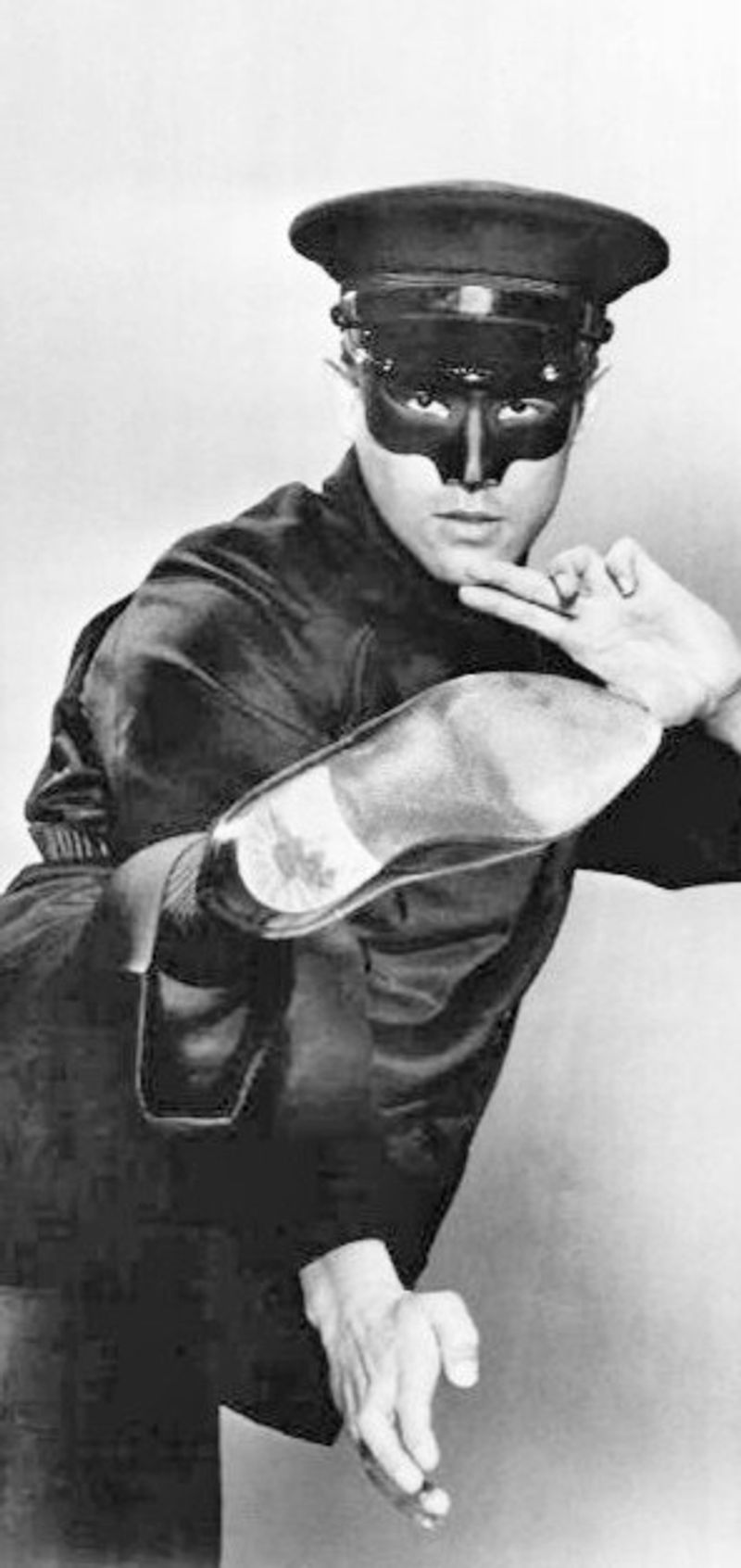
Success in television did not automatically unlock the doors to Hollywood stardom, especially not for an Asian man in 1960s America. Despite his obvious talent and charisma, Bruce Lee was repeatedly passed over for leading roles that producers felt should go to white actors.
One particularly painful example involved the TV series Kung Fu. Bruce reportedly helped develop the concept, only to be replaced by David Carradine, a white actor, when it came time to cast the lead.
Hollywood’s reasoning was blunt and discriminatory. Executives doubted that American audiences would accept an Asian star.
Rather than spiral into bitterness, Bruce channeled his frustration into relentless self-improvement. He trained harder, wrote more, and kept refining his vision.
Rejection shaped him just as much as success did. Looking back, Hollywood’s closed doors may have been the best thing that ever happened to him, because they pushed him toward Hong Kong and international superstardom.
Returning to Hong Kong to Find Opportunity
Sometimes you have to go home to find out how big you have become. When Bruce Lee returned to Hong Kong in 1971, he was not prepared for what awaited him.
Reruns of The Green Hornet had made him a full-blown celebrity, and fans were losing their minds over Kato.
Hong Kong film producer Raymond Chow of Golden Harvest saw the opportunity immediately and offered Bruce two starring roles. It was the kind of deal Hollywood had refused to offer, and Bruce did not hesitate for a second.
Returning to Hong Kong was not a retreat. It was a strategic pivot that changed everything.
The city embraced him with open arms and gave him the creative freedom Hollywood never would. Sometimes the place that knows you best is the place that can take you furthest.
For Bruce Lee, Hong Kong was not just home. It was his launchpad.
Breakthrough Film: The Big Boss (1971)
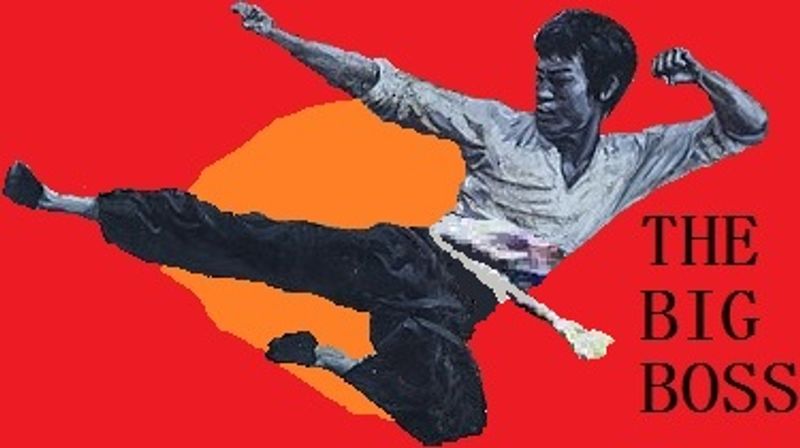
Nobody was quite ready for The Big Boss. Released in 1971, the film shattered box-office records across Hong Kong and Southeast Asia, becoming one of the highest-grossing films in the region’s history at that point.
Bruce Lee had officially arrived as a leading man.
He played a factory worker who uncovers a drug smuggling operation, leading to a series of fight sequences that left audiences completely speechless. The choreography was raw, fast, and brutally realistic in a way that Hong Kong cinema had never quite seen before.
Lines stretched around city blocks. Theaters played the film around the clock to meet demand.
Critics and audiences alike realized they were watching something genuinely different. Bruce did not just act in the film.
He transformed it into a physical experience. The Big Boss was not just a hit movie.
It was the moment a martial arts superstar announced himself to the world.
Global Fame with Fist of Fury
If The Big Boss lit the fuse, Fist of Fury was the explosion. Released in 1972, the film outdid its predecessor at the box office and delivered fight scenes that film historians still study today.
Bruce Lee was no longer just popular. He was a phenomenon.
The story follows Chen Zhen, a martial arts student who fights to defend his school and his people against Japanese oppressors. The role gave Bruce a chance to tap into real emotion alongside his physical brilliance, and the result was electric.
One scene in particular, where Bruce destroys a sign reading “No Dogs and Chinese Allowed,” became a defining moment in Asian cinema. It was not just thrilling.
It was powerful, proud, and deeply meaningful to audiences across Asia. Fist of Fury proved that Bruce Lee films could carry cultural weight alongside their spectacular action.
He was making movies that actually meant something.
Writing and Directing The Way of the Dragon
Starring in movies was not enough for Bruce Lee. He wanted total creative control, and with The Way of the Dragon in 1972, he got exactly that.
He wrote the script, directed every scene, choreographed every fight, and starred as the lead. The man essentially ran the entire production himself.
The film’s highlight is a showdown at the Roman Colosseum between Bruce and Chuck Norris, who was a world karate champion at the time. The fight is widely considered one of the greatest martial arts sequences ever committed to film, blending tension, humor, and breathtaking skill in equal measure.
What makes it even more remarkable is that Bruce cast Norris specifically because he wanted a genuinely formidable opponent. He was not interested in fake challenge.
The fight needed to feel real, and it absolutely does. The Way of the Dragon showed the world that Bruce Lee was not just a star.
He was a complete filmmaker.
Enter the Dragon: Hollywood Breakthrough
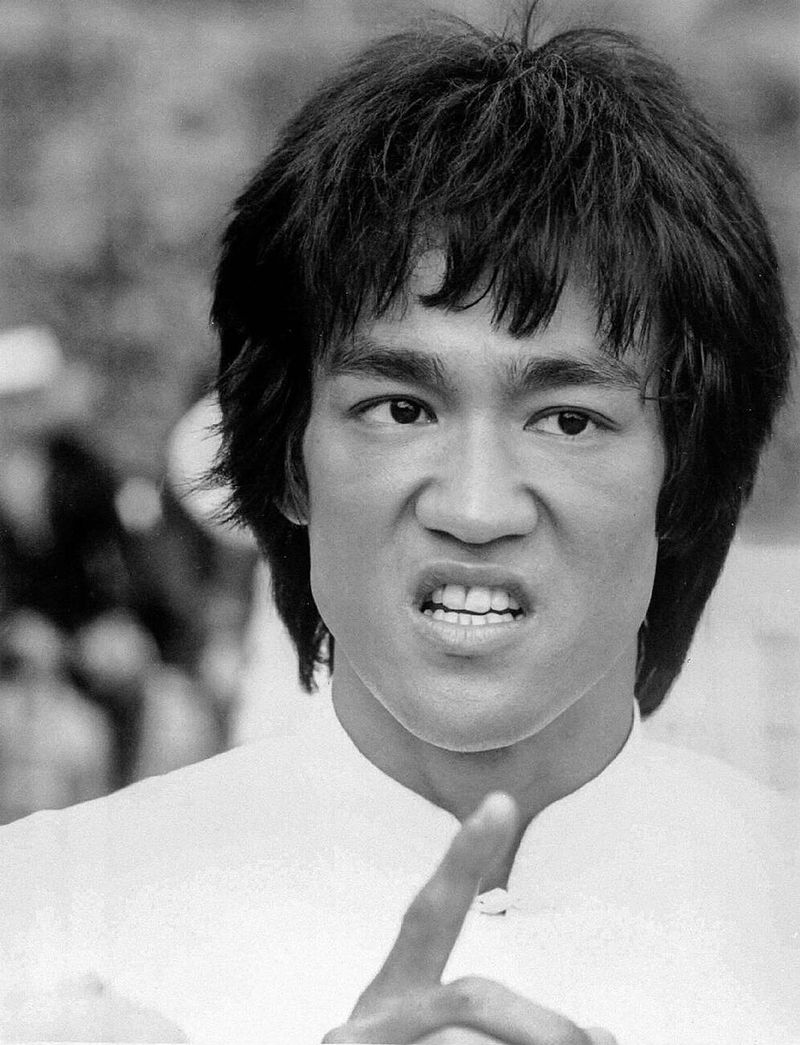
Enter the Dragon is where East met West and created something the world had never seen. Released in 1973, the film was a co-production between Warner Bros. and Golden Harvest, making it the first major Hollywood martial arts film to feature a Chinese lead actor.
It cost roughly $850,000 to make and earned over $90 million worldwide.
Bruce played a martial artist sent to infiltrate a criminal organization’s island tournament. The film combined espionage thrills with jaw-dropping action sequences, and Bruce delivered the performance of a lifetime.
Every scene crackled with intensity and precision.
Tragically, Bruce Lee died just six days before Enter the Dragon premiered in the United States. He never got to witness the global explosion the film created.
But his performance ensured his immortality. Enter the Dragon did not just break box-office records.
It broke cultural barriers, and Bruce Lee became the first Asian action superstar to conquer Hollywood on his own terms.
A Legend Whose Influence Never Faded
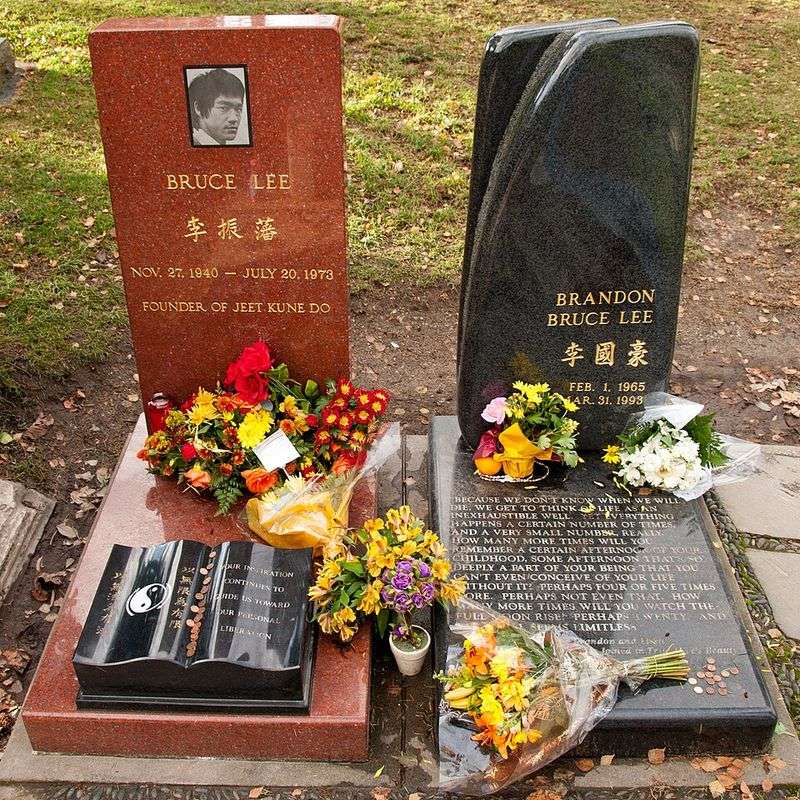
Thirty-two years old. That was all the time Bruce Lee had, and yet he packed more achievement into those years than most people could manage in three lifetimes.
He died on July 20, 1973, from a cerebral edema, leaving the world stunned and heartbroken.
His influence did not fade with him. It multiplied.
Jackie Chan, Jet Li, Donnie Yen, and virtually every action star who followed owes a debt to Bruce. Mixed martial arts as a sport grew directly from the ideas he championed.
His quotes fill motivational posters, philosophy books, and championship locker rooms worldwide.
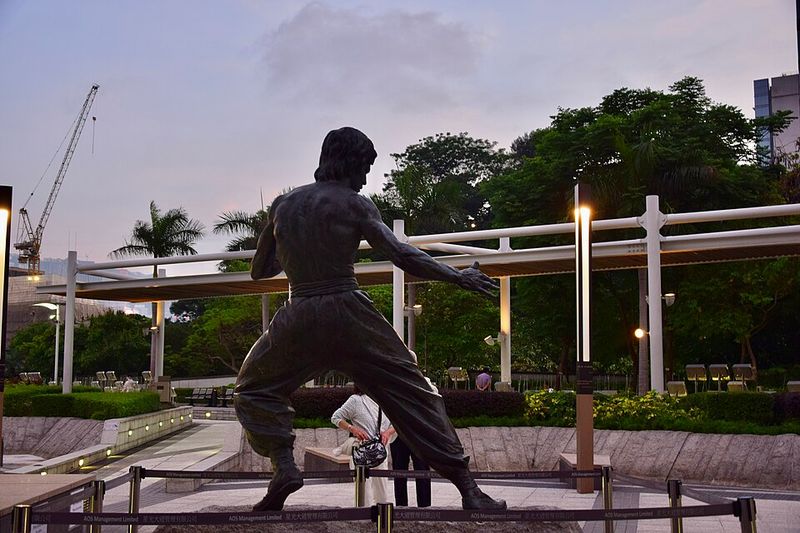
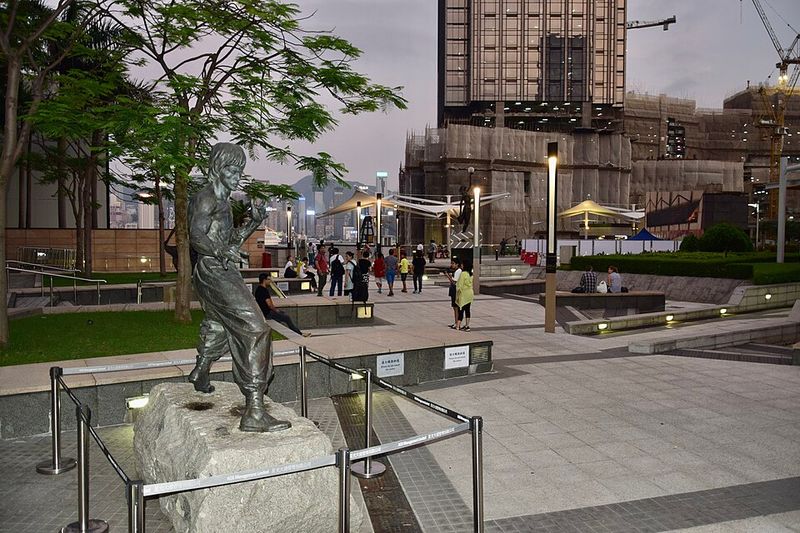
A statue of Bruce Lee stands in Hong Kong. Another stands in Mostar, Bosnia, chosen as a symbol of unity across cultural divides.
That is the reach of his legacy. He was not just a martial artist or a movie star.
Bruce Lee became an idea, and ideas, as he might have said, cannot be stopped by anyone.
Share this story