
There is a place in Tulsa where you can walk through a 72-room Italian Renaissance mansion, wander past fountains and koi ponds, and stand in front of world-class paintings all in the same afternoon. The gardens alone cover 25 acres, and the staff plants over 22,000 bulbs every single year just to keep things looking spectacular.
This is not a small-town curiosity or a quiet local secret. It is one of only five museums in the entire country that combines a historic house, outstanding art galleries, and magnificent gardens under one name, and once you see it for yourself, you will completely understand why people drive hours just to spend a few hours here.
The Address, Location, and Setting That Sets the Scene
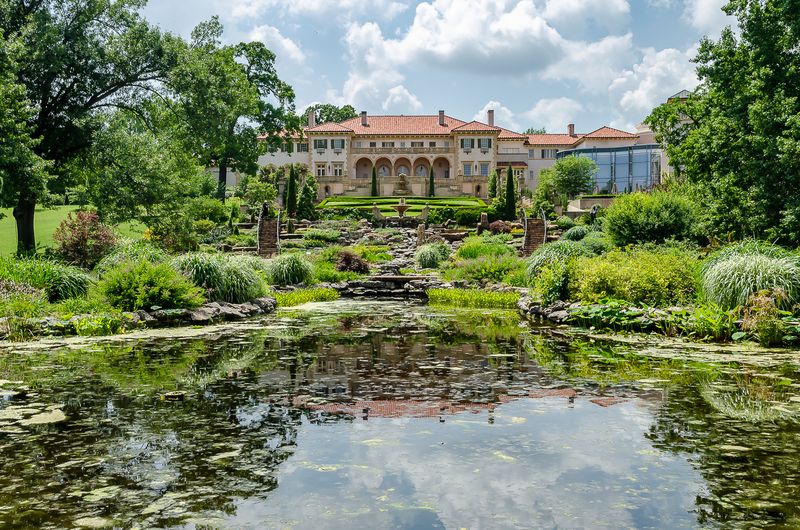
Right in the middle of Tulsa, Oklahoma, at 2727 S Rockford Rd, Tulsa, OK 74114, sits one of the most unexpected cultural landmarks in the entire state. The neighborhood around it is quiet and tree-lined, so the moment the mansion comes into view, your jaw drops just a little.
The property was originally built for Waite Phillips, an oil tycoon who made his fortune during Tulsa’s oil boom era. He later transformed his private 72-room home into what is now Philbrook Museum of Art, a public institution that has welcomed art lovers, families, and curious visitors ever since.
The address sits comfortably within a residential part of Tulsa, which makes the scale of the estate even more surprising. You round a corner expecting a house and instead find a sprawling mansion with manicured grounds stretching in every direction.
The museum is open Wednesday through Sunday, with extended hours on Fridays until 9 PM, and is closed on Mondays and Tuesdays. General admission is $20 for adults, and discounts are available for low-income families.
You can reach them at +1 918-749-7941 or visit philbrook.org for full details before your trip.
The History Behind the Mansion and the Man Who Built It

Waite Phillips was not just any wealthy businessman. He was the kind of person who built a 72-room Italian Renaissance-style mansion and then decided the whole thing should belong to the public.
Phillips made his money in the Oklahoma oil industry during the early 20th century, a time when Tulsa was earning its nickname as the oil capital of the world. He commissioned the mansion in the 1920s, and the result was a grand estate that blended European architectural elegance with American ambition in a way that still turns heads today.
When Phillips donated the property to the city, he set a precedent that transformed Tulsa’s cultural identity. The museum that carries his name, Philbrook, has since grown into a nationally recognized institution with a collection that spans centuries and continents.
There is something quietly remarkable about knowing that a private home became a place where anyone can walk in, sit in a garden, and look at fine art. The story of how this estate changed hands is just as interesting as the art hanging on its walls, and it gives every visit a deeper layer of meaning that you carry with you long after you leave.
The Italian Renaissance Architecture That Stops You in Your Tracks
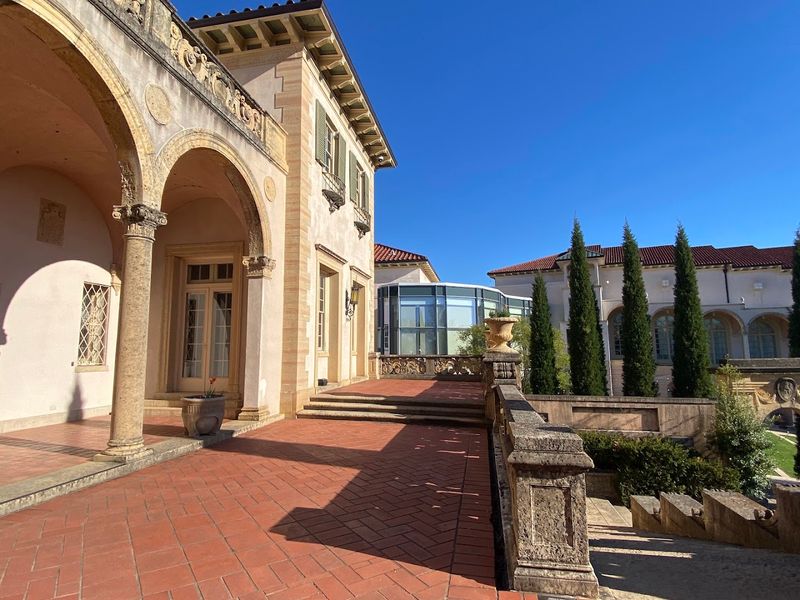
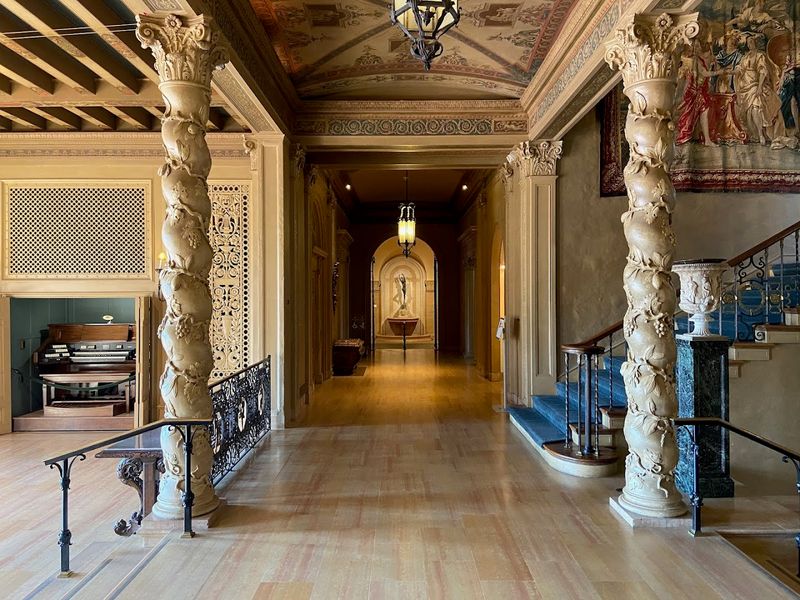
The building itself is a work of art before you even step through the front door. Designed in the Italian Renaissance style, the mansion features ornate stonework, arched windows, and a symmetrical facade that feels like it was lifted straight from the hills of Tuscany and dropped into central Oklahoma.
The craftsmanship throughout the structure is the kind you rarely see in modern construction. Carved details frame doorways, grand staircases sweep upward through multiple floors, and high ceilings create a sense of space that makes every room feel like a formal occasion.
Each room inside the mansion has its own distinct personality. The curators have done a thoughtful job of selecting art that complements the character of each space, so the architecture and the collection feel like they were always meant to be together rather than one being an afterthought of the other.
From the outside, the building photographs beautifully at almost any time of day. Morning light catches the stone facade in a warm glow, and the late afternoon sun turns the whole structure golden.
Architecture enthusiasts and casual visitors alike tend to linger here longer than they planned, which is honestly the best kind of problem a museum can have.
25 Acres of Gardens That Feel Like a Living Artwork
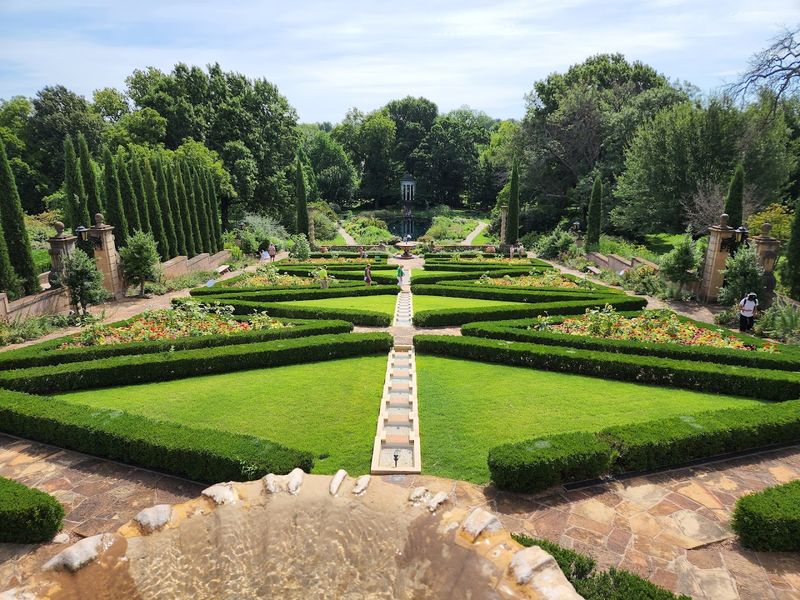
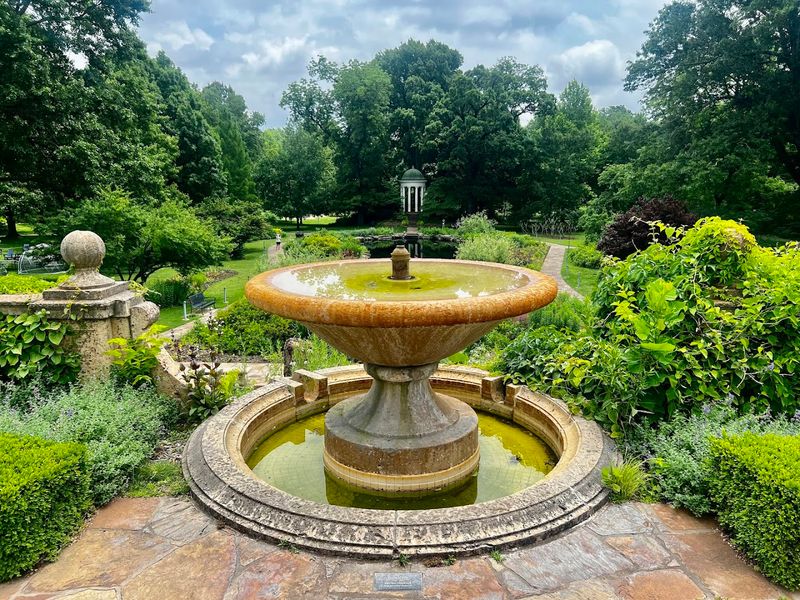
Twenty-five acres sounds like a number until you are actually standing in the middle of it, surrounded by carefully planted flower beds, stone walkways, and the sound of water moving through fountains. The gardens at Philbrook are not a backdrop to the museum.
They are a destination in their own right.
The horticulture team plants over 22,000 bulbs every single year, which means the landscape is constantly shifting through seasons. Spring brings waves of color, summer keeps everything lush and full, and even fall and winter have their own kind of beauty here.
A koi pond, a summer house, descending water steps, and a rotunda nestled among the trees are just a few of the features tucked throughout the grounds. There is a beloved swing under a giant oak tree that has become something of a signature spot for visitors who want a peaceful moment away from the galleries.
The gardens also include areas designed specifically for quiet relaxation, with bench alcoves placed along the garden paths. Families bring picnics, couples find shaded corners, and solo visitors often just sit and breathe for a while.
Honestly, the gardens alone are worth the price of admission, and many visitors say exactly that after their first trip.
The Art Collection That Spans Centuries and Continents
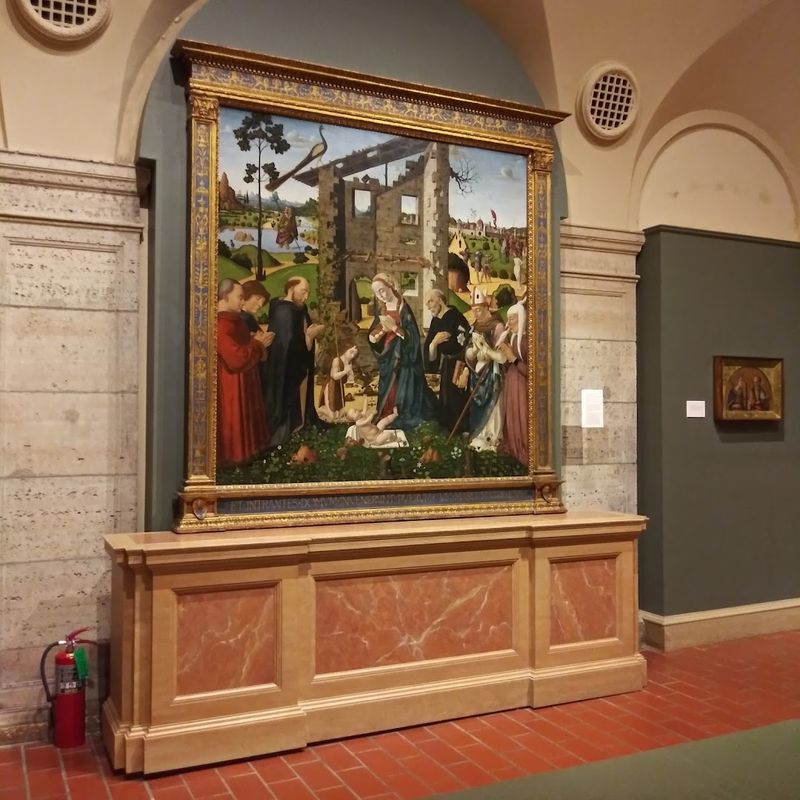
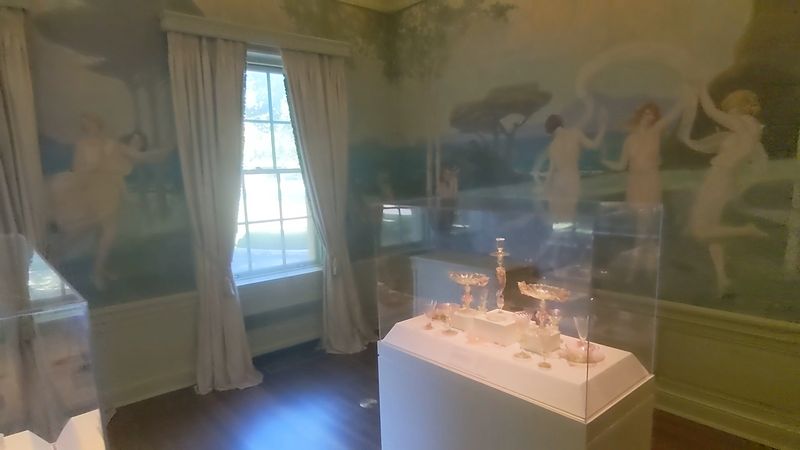
The collection inside Philbrook is genuinely diverse in a way that surprises most first-time visitors. You might walk from a room featuring classical European paintings directly into a gallery showcasing Native American art or contemporary works, and somehow the transitions feel intentional rather than jarring.
The museum holds pieces from multiple time periods and cultural traditions, covering fine art, decorative art, and everything in between. The third floor, in particular, draws consistent praise from visitors who say the works displayed there are among the most memorable in the entire building.
Temporary and rotating exhibits keep the experience fresh for repeat visitors. The Andy Warhol exhibit drew significant attention and brought a new crowd to the museum, while ongoing shows like the Patrick Gordon exhibit have earned enthusiastic responses for their depth and visual impact.
What makes the collection feel accessible is the layout. The floor plan is easy to follow, signage is clear throughout, and the curators have organized the galleries so that even someone who does not consider themselves an art lover can move through the space comfortably and still find something that genuinely holds their attention.
That kind of thoughtful design is rarer than it should be.
Family-Friendly Features That Make It a Great Day Out for Everyone
Museums can sometimes feel like they are designed exclusively for adults, but Philbrook genuinely earns its reputation as a family destination. The children’s play area downstairs gives younger visitors a space to move around and recharge between gallery visits, which any parent will tell you is absolutely essential.
Coloring pages are available for kids, and the library room offers a quieter alternative for children who want to explore at their own pace. The garden itself acts as a natural playground, with wide open spaces and interesting features like the giant oak swing that kids and adults both gravitate toward without any encouragement needed.
The museum also runs special events and holiday activities throughout the year, including seasonal programming that brings in larger crowds and adds a festive layer to the visit. Checking the schedule before you go is a smart move if you prefer a quieter experience, since some event days can get busier than expected.
Discounts for low-income families make the museum more accessible to a wider range of visitors, which reflects a genuine commitment to the community rather than just a marketing talking point. A cafe on site handles snacks and light refreshments, and you can even leave and return with your receipt if you want to grab a full meal elsewhere during your visit.
The Holiday Garden Lights That Turn the Grounds Into Something Magical

When the sun goes down and the holiday lights come on at Philbrook, the garden transforms into something that is genuinely hard to describe without sounding like you are exaggerating. The combination of thousands of lights woven through the trees, along the pathways, and around the water features creates a scene that feels both grand and intimate at the same time.
Music plays throughout the garden during the holiday lighting events, adding another layer to the sensory experience. The whole setup has drawn comparisons to major theme park light shows, and while that might sound like a stretch, the scale and quality of the display really does hold up against that kind of praise.
Friday evenings are a particularly good time to visit during the holiday season, since the museum stays open until 9 PM and the extended hours give you plenty of time to explore both the indoor galleries and the outdoor lights without feeling rushed.
The holiday lighting at Philbrook has become a beloved annual tradition for many Oklahoma families. It is the kind of event that people return to year after year, often bringing new friends or family members who have never experienced it before.
The garden at night during the holidays is its own separate argument for why this museum belongs on every Oklahoma bucket list.
The Cafe, Gift Shop, and Practical Tips for Planning Your Visit
A visit to Philbrook works best when you give yourself enough time to actually enjoy it, and most people find that three to four hours is the sweet spot. Rushing through the galleries and the gardens in under two hours means missing a lot of the quieter details that make the place so rewarding.
The on-site cafe is a welcome mid-visit stop, serving coffee and snacks in a pleasant setting. It is not a full restaurant, so if you are planning to eat a proper meal, bringing a picnic for the garden is a popular option.
The grounds are well-suited for outdoor dining, and the combination of fresh air and beautiful surroundings makes a packed lunch feel like a genuinely good idea.
The gift shop carries a solid selection of art-related items, books, and souvenirs that make for thoughtful keepsakes. Several visitors mention picking up prints or small items that remind them of specific pieces they saw inside the galleries.
Parking on weekends can be tight, so arriving early in the day gives you a better chance of finding a spot without stress. The museum has an elevator and a lift for accessibility, making the multiple floors and garden paths manageable for visitors with mobility considerations.
A little planning goes a long way toward making the whole experience smooth from start to finish.
What Makes Philbrook One of Only Five Museums of Its Kind in the Country
Only five museums in the United States combine a historic house, world-class art galleries, and spectacular gardens into a single unified experience. Philbrook is one of them, and that distinction is not a minor footnote.
It shapes everything about how the museum feels and functions as a place.
Most art museums are purpose-built institutions where the building is simply a container for the collection. At Philbrook, the mansion is part of the story.
The rooms have history, the walls have character, and the architecture adds a layer of meaning to the art displayed within it that a standard gallery space simply cannot replicate.
The gardens extend that idea outdoors, where sculptures, water features, and carefully designed landscapes become part of the artistic experience rather than a pleasant bonus. The whole property functions as one cohesive statement about beauty, culture, and the relationship between art and environment.
That combination is rare enough that it draws visitors from well beyond Tulsa and Oklahoma. Art enthusiasts who have traveled to major museums across the country regularly express genuine surprise at the quality and depth of what Philbrook offers.
The fact that it exists in the middle of Oklahoma, in a converted private mansion, only makes the whole thing more satisfying to discover for yourself.
A Closing Look at Why This Oklahoma Estate Stays With You Long After You Leave
There are places you visit and forget within a week, and then there are places that stay with you in small ways for a long time afterward. Philbrook tends to fall firmly into the second category, and it is not hard to understand why once you have spent a few hours on the grounds.
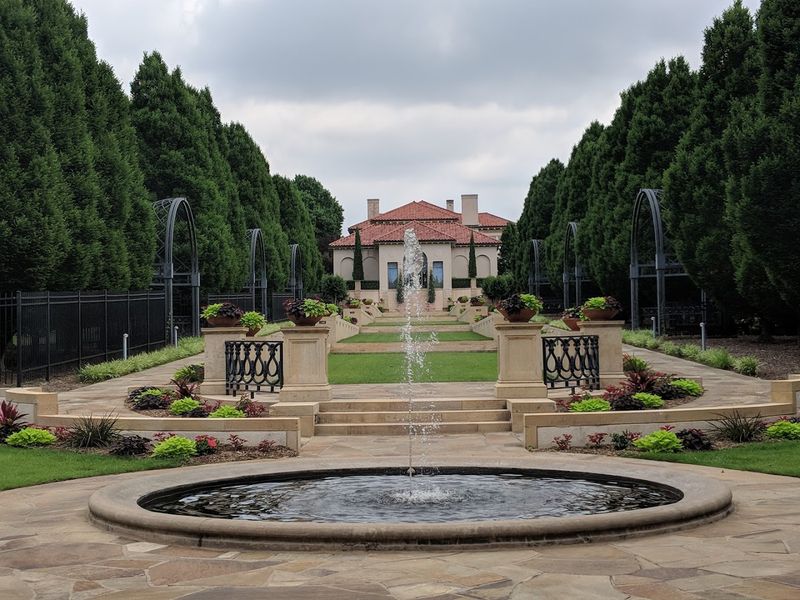
The combination of art, architecture, and nature creates an experience that engages multiple senses at once. You are looking at paintings, then stepping into a garden, then sitting by a fountain, and somehow it all feels connected rather than scattered.
That kind of intentional design is what separates a truly great cultural destination from one that is simply well-stocked.
The staff consistently earns high praise for being friendly and helpful without hovering, which contributes to the relaxed atmosphere that makes the whole visit feel low-pressure. Whether you are a dedicated art lover or someone who just wants a beautiful afternoon in a remarkable setting, the museum meets you where you are.
Philbrook Museum of Art is the kind of Oklahoma institution that deserves more national attention than it sometimes gets. A rating of 4.8 stars across thousands of reviews is not an accident.
It is the result of a place that genuinely delivers on its promise every single time the doors open.
Share this story