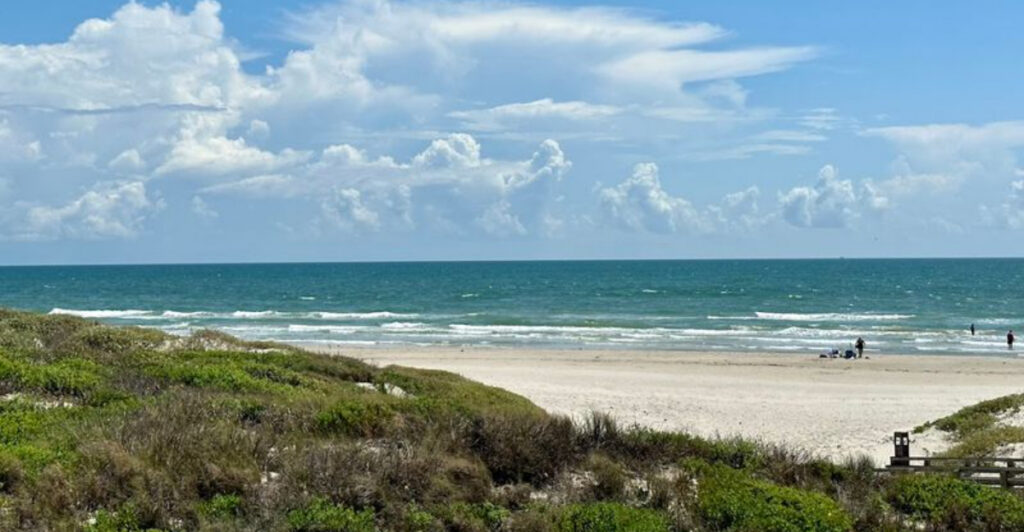
Most people think finding a quiet beach in the US is basically impossible. But tucked between national parks, barrier islands, and lava trails are beaches so hidden that you might spend an entire afternoon without seeing another soul.
I stumbled onto one of these spots years ago and could not believe a place like that existed outside of a travel magazine. Pack your sunscreen and a sense of adventure because these 14 secret beaches are worth every detour.
Cumberland Island National Seashore (Georgia)
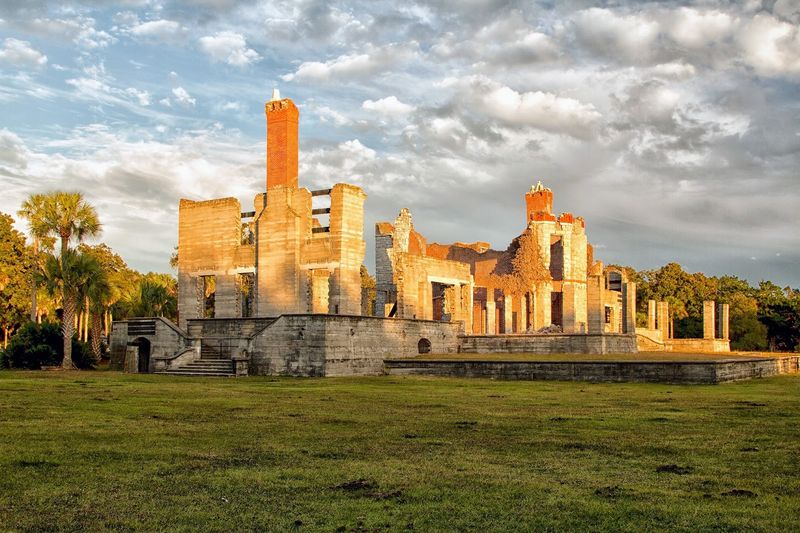
Wild horses roam freely here, and nobody put up a fence to stop them. Cumberland Island has 17 miles of untouched shoreline with zero condos, zero boardwalk snack bars, and zero crowds fighting over umbrella spots.
It feels like the beach forgot to get developed.
To get here, you take a ferry from St. Marys. Once you dock, hike the trails toward the ocean side and let the quiet hit you.
The contrast between the forest and open beach is genuinely stunning.
Check NPS alerts before your trip since some beach crossings can close to vehicles after high water, though pedestrian access usually continues. Bring everything you need because the island does not hand out convenience.
This is the kind of place that reminds you why national seashores exist in the first place.
Dry Tortugas National Park – Garden Key Beaches (Florida)
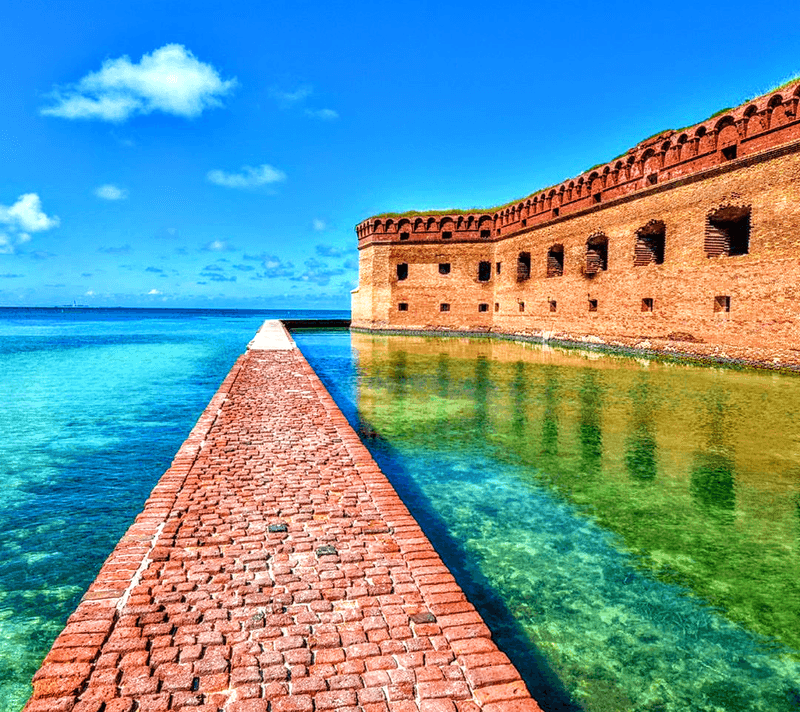
Getting here requires either a boat or a seaplane from Key West, and that alone keeps the selfie-stick crowd away. Garden Key sits far out in the Gulf of Mexico, ringed by water so clear it looks photoshopped.
The old Fort Jefferson brick walls rising next to that turquoise water is a genuinely surreal combo.
I booked the seaplane once on a whim and had absolutely zero regrets. You land on the water, step onto the beach, and the rest of the world feels very, very far away.
Plan well ahead because this is a remote national park with limited services. There are no restaurants, no gift shops, and no Wi-Fi to tempt you back to reality.
Snorkeling around the moat wall is spectacular. The fish here act like they have never seen a tourist, which is basically true.
Cayo Costa State Park (Florida)
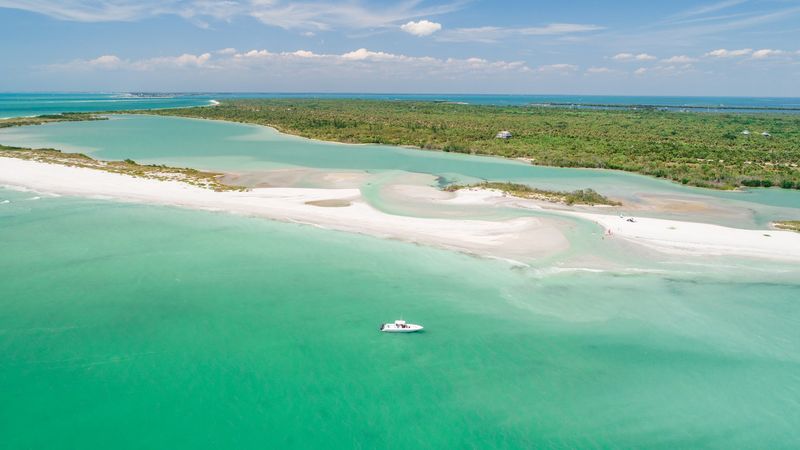
Nine miles of barrier-island beach and the only way in is by boat. That single fact is the entire reason Cayo Costa stays gloriously crowd-free while the mainland beaches nearby get packed like a theme park on spring break.
You can arrive by private boat, kayak, or catch a park-transport ferry service. Once there, the beach stretches in both directions with almost nothing man-made interrupting the view.
Shell collectors absolutely lose their minds here in the best possible way.
The park is intentionally undeveloped, so bring your own water, shade, food, and anything else you might need. There is no concession stand waiting to rescue you.
That sounds rough until you are actually sitting on an empty beach eating a sandwich you packed yourself, feeling extremely smug about your life choices. Camping is available if you want to push the solitude experience even further.
Caladesi Island State Park (Florida)
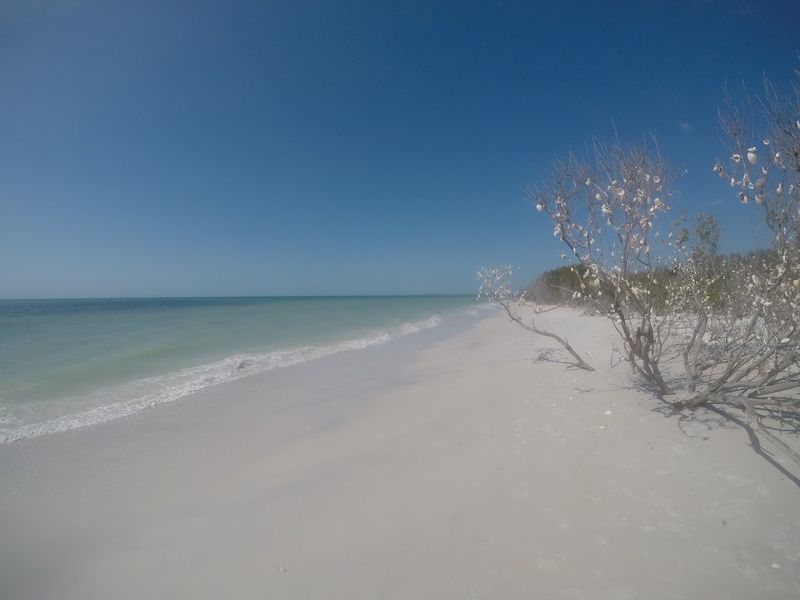
Caladesi Island has shown up on multiple lists of the best beaches in the country, yet somehow it still manages to feel like a secret. Sitting just offshore from the busy Clearwater area, it is separated from the mainland hustle by water and a ferry ride that most people never bother to take.
Catch the ferry from Honeymoon Island or paddle over by kayak if you are feeling ambitious. The beach on the Gulf side is wide, white, and remarkably quiet compared to what you left behind on the mainland.
The park is open from 8 a.m. to sundown every single day of the year, which means there is no excuse not to visit. The kayak trail through the mangroves on the bay side is worth exploring too.
Pro tip: arrive early on weekends because ferry capacity is limited and word is slowly getting out about this gem.
Keewaydin Island (Florida)
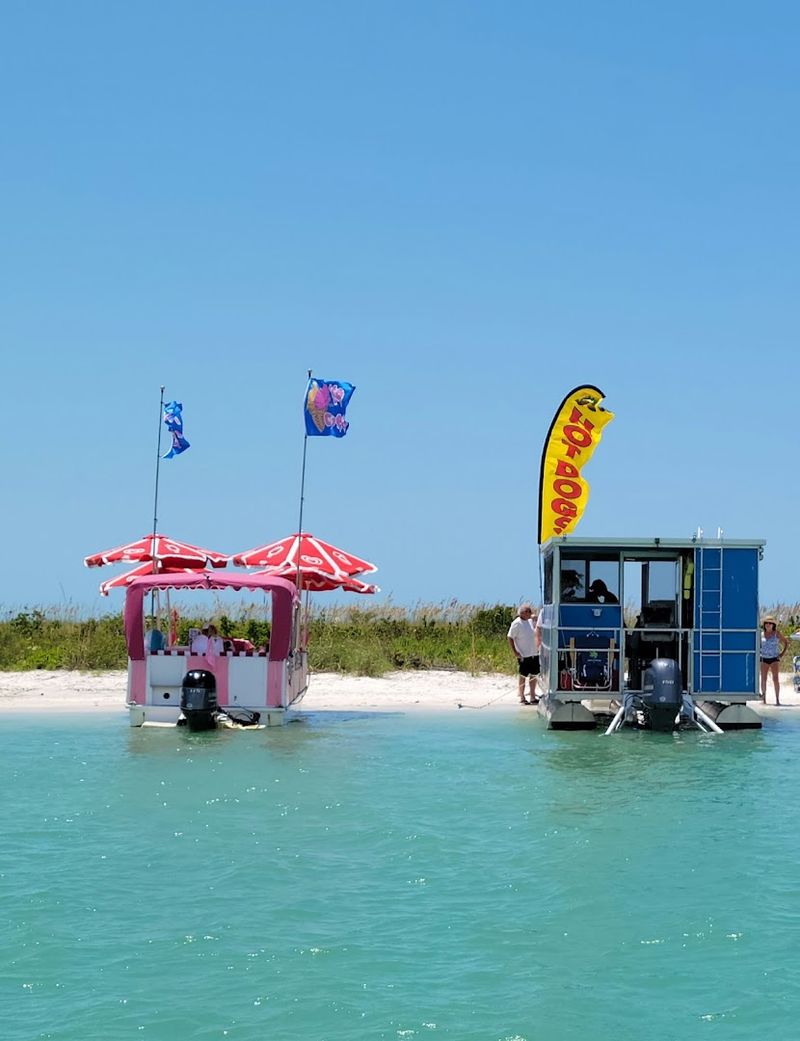
No roads. No bridges.
No problem. Keewaydin Island sits between Naples and Marco Island with zero land access, which is basically nature’s own velvet rope keeping the crowds out.
The only way in is by boat, and that filters visitors down to people who actually mean it.
Rent a boat, hire a water taxi, or bring your own vessel from the Naples or Marco Island area. The beach is long, the water is calm, and the shells are excellent.
It sits within a protected coastal system, so the whole vibe leans hard into leave-no-trace territory.
Pack everything you need because there are no facilities waiting for you on the other side of that boat ride. What you will find is a stretch of Gulf shoreline that feels almost entirely untouched.
Some days the most dramatic thing that happens is a pelican landing nearby with suspicious confidence. Honestly, perfect.
Grayton Beach State Park (Florida Panhandle)
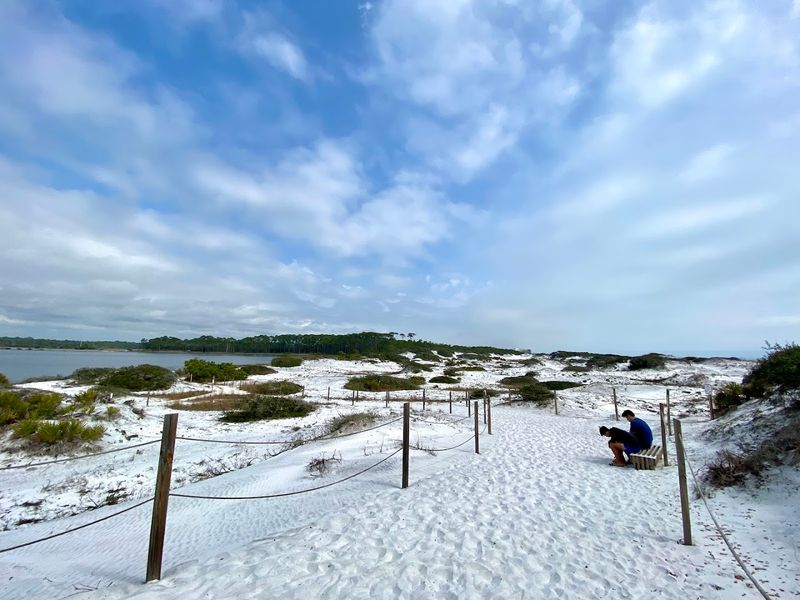
Grayton Beach sits in the Florida Panhandle where the sand is so white it looks like someone spilled powdered sugar along the coast. It is a protected stretch of Gulf shoreline, which means the development stops at the park boundary and the natural beauty keeps going.
What makes this spot genuinely unusual is the coastal dune lakes. These are rare freshwater lakes that occasionally connect to the Gulf, and they exist in very few places on the planet.
Florida has a cluster of them right here. That is not a small deal geographically speaking.
Getting in is easy: drive to the state park entrance and follow the boardwalk to the beach. Parking fills up fast on weekends and holidays, so an early arrival is strongly recommended.
The surrounding area of Grayton Beach town is charming without being too polished, which feels right for a beach this good.
Ship Island (Mississippi)
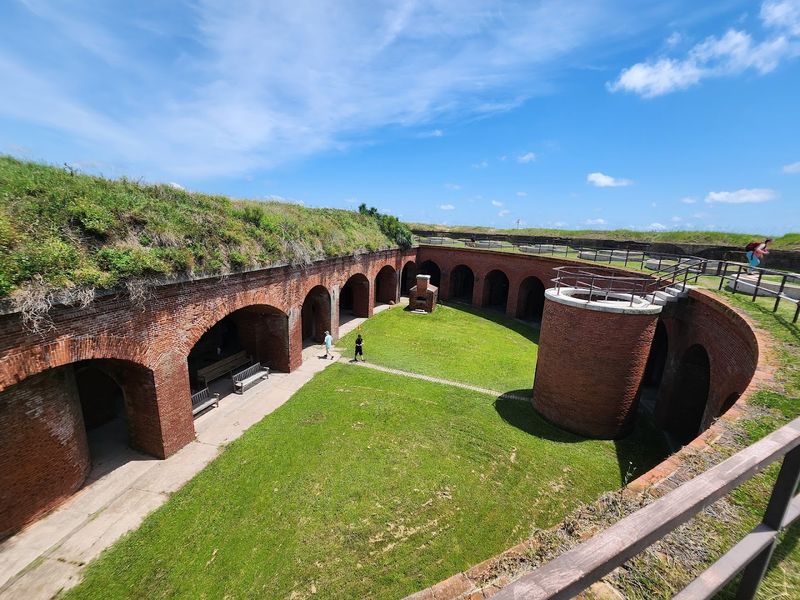
Mississippi does not always show up in beach conversations, and that is exactly why Ship Island is such a find. This barrier island sits out in the Gulf of Mexico as part of the Gulf Islands National Seashore, and the only way there is by ferry from Gulfport.
The public ferry runs from March through October, making it a seasonal adventure worth planning around. Once you step off the boat, the beach stretches out with that rare combination of wide open space and almost nobody in it.
The ruins of Fort Massachusetts add a surprisingly cool historical layer to the whole trip.
Expect more nature than amenities because this is a national seashore, not a beach resort. The water is warm, the sand is white, and the vibe is refreshingly low-key.
Ship Island is the kind of place that makes you wonder why Mississippi beaches are not discussed more often in travel circles.
Cape Lookout National Seashore – Shackleford Banks (North Carolina)
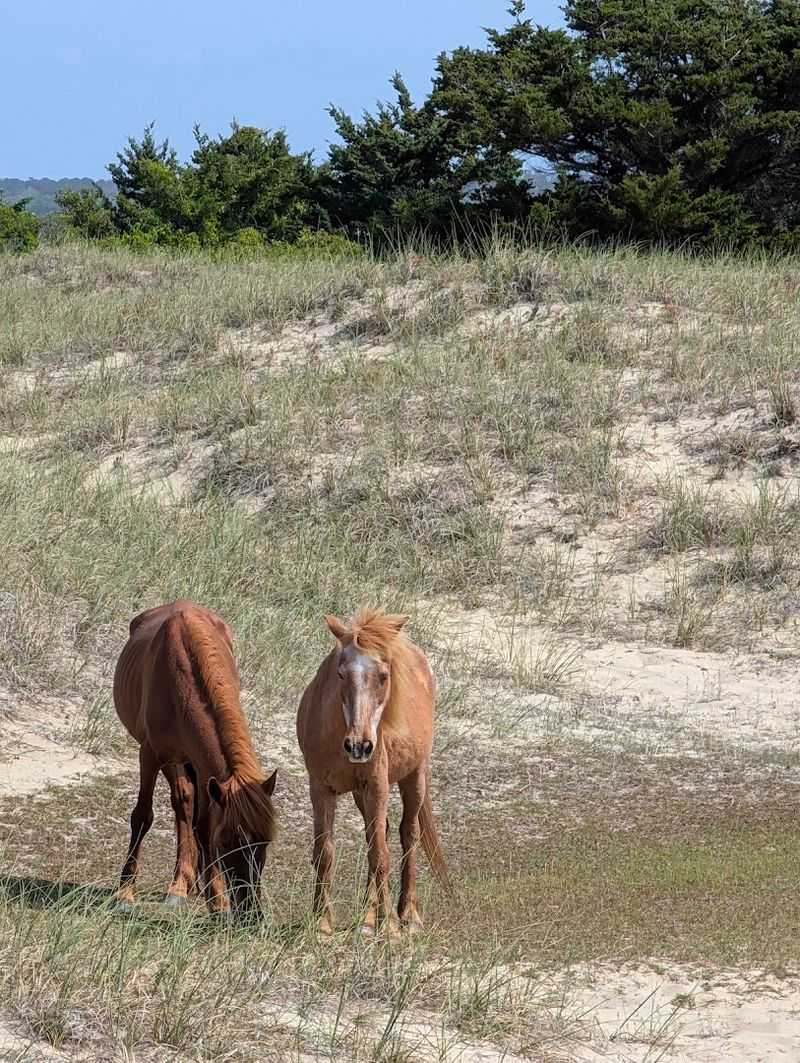
Wild horses live on Shackleford Banks without asking anyone for permission, and honestly that sets the tone for the whole visit. This remote barrier island is part of Cape Lookout National Seashore and is only reachable by authorized ferry service, which keeps foot traffic blissfully low.
The beaches here are long, wide, and exposed to the Atlantic in a way that feels genuinely elemental. Wind, surf, and sand are your main companions.
There are no shops, no lifeguards, and no background noise except the ocean doing its thing.
Bring all your supplies and plan to pack out everything you bring in because NPS is serious about keeping these islands pristine. The shell hunting on Shackleford is legendary among serious collectors.
I talked to one woman on the ferry who had been coming every year for a decade just for the shells. That kind of loyalty tells you everything you need to know.
Assateague Island National Seashore (Maryland/Virginia)
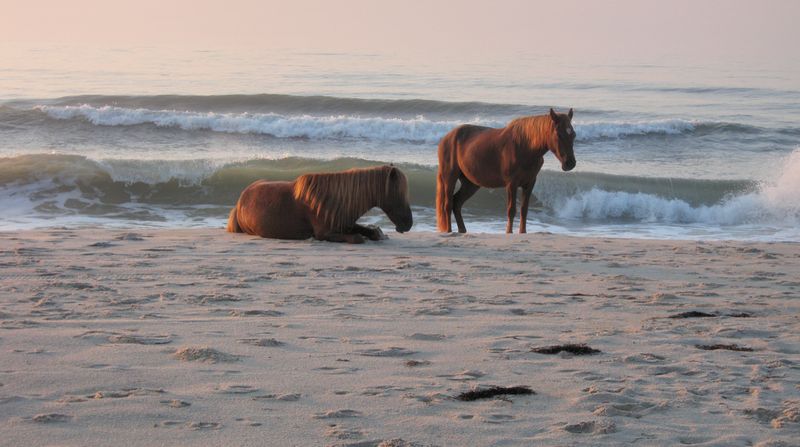
Assateague Island is home to wild ponies that will absolutely try to steal your snacks, so guard your lunch accordingly. Beyond the pony chaos, this national seashore offers long stretches of genuinely wild Atlantic beach that carry a strong untouched feel rare for the East Coast.
The island splits between Maryland and Virginia, and there is no vehicle access between the two districts on the island itself. Pick your entry point based on which experience you want: the Maryland side has a campground, while the Virginia side through Chincoteague is quieter and more remote feeling.
The seashore is open year-round, which means off-season visits in fall or early spring deliver remarkable solitude. The beach goes on and on with nothing interrupting the view except the occasional pony trotting past like it owns the place.
Spoiler: it kind of does. Respect the wildlife and keep a safe distance from those famously bold ponies.
Padre Island National Seashore (Texas)
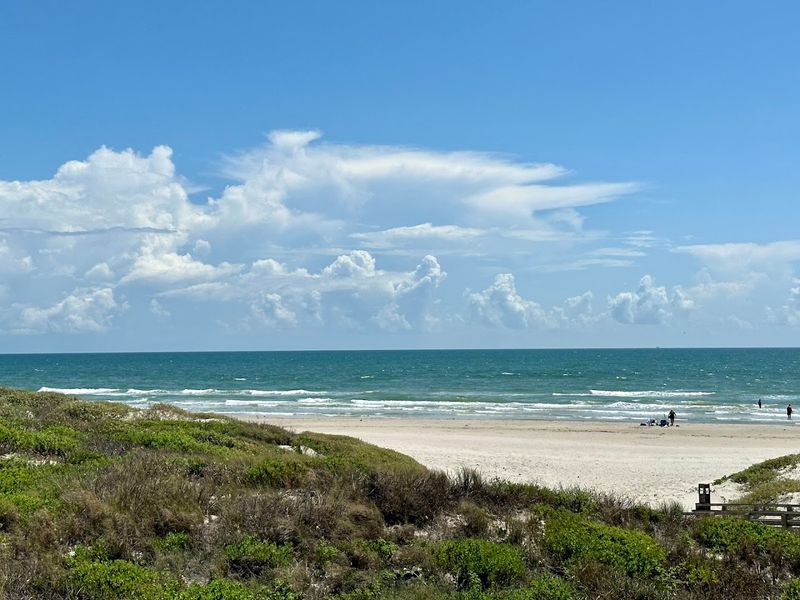
Padre Island National Seashore is the longest stretch of undeveloped barrier island in the world. Let that sink in for a second.
Once you drive past the paved section and head down-island with a 4WD vehicle, the crowds disappear fast and the solitude factor becomes very real, very quickly.
This is not a casual beach day situation. Down-island travel requires a 4WD vehicle, tide awareness, and actual trip planning.
NPS publishes detailed guidance on down-island travel and you should read all of it before committing your vehicle to the sand.
The reward for that effort is miles of beach that feel genuinely remote on the Texas Gulf Coast. Endangered Kemp’s ridley sea turtle nests here, and if you visit during nesting season you might witness a release event.
Rangers occasionally bring hatchlings to the water at sunrise. That alone is worth the drive out to the middle of nowhere.
Channel Islands National Park – Santa Rosa Island Beaches (California)
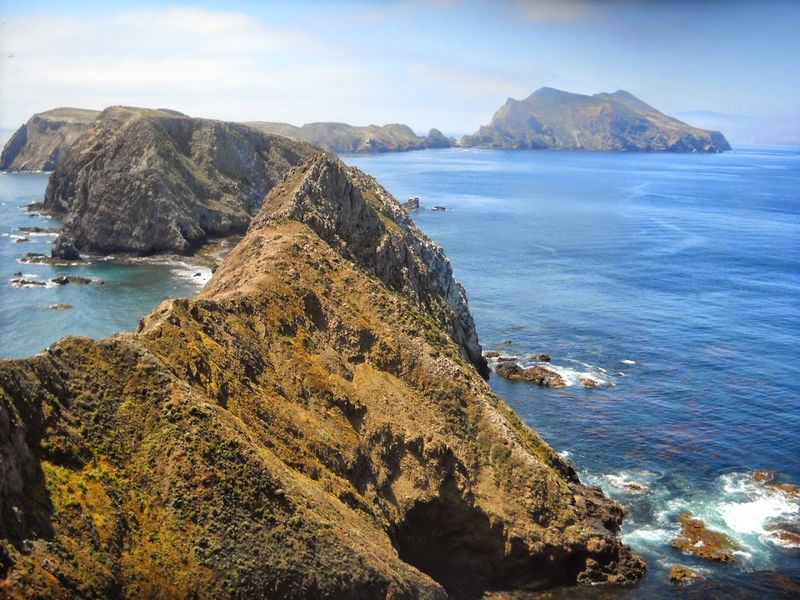
Santa Rosa Island sits off the California coast like it is actively trying not to be found. There are no cars on the island, no quick pop-in day trips, and no Wi-Fi to distract you from the fact that you are standing on one of the most beautiful and undervisited beaches in the country.
Getting there means booking a concessionaire boat from Ventura or arriving by private vessel. The crossing takes a few hours, which is part of the commitment that keeps the crowds away.
Once you land, the broad sandy beaches and rugged coastline feel like a reward for your effort.
Beach backcountry camping is available seasonally, with NPS publishing open and closed dates for different areas. The island has Torrey pines, elk, and a coastal landscape that looks nothing like mainland California.
Bring layers because the wind on Santa Rosa is not messing around. It is consistently breezy in the most magnificent way.
Black Sands Beach (Shelter Cove, California)
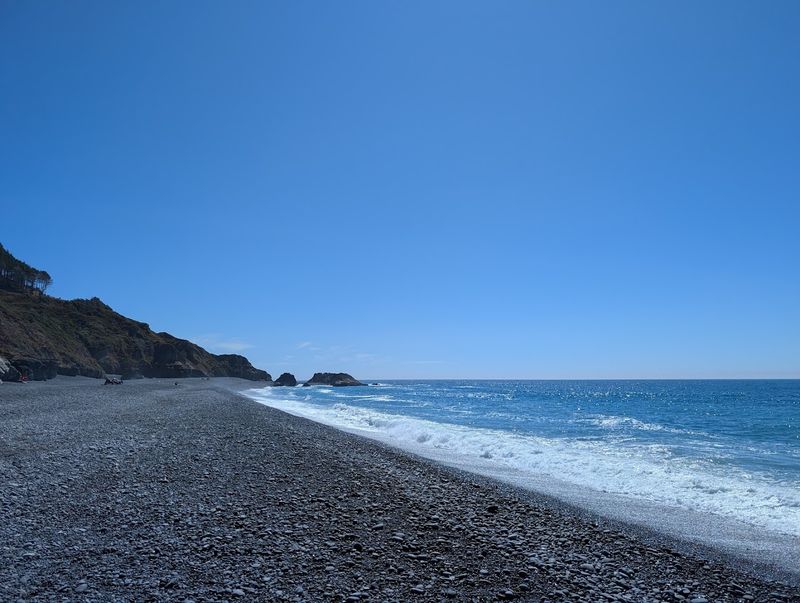
Black sand beaches exist in very few places in the continental US, and this one on the Lost Coast of California earns its dramatic reputation. The dark volcanic sand, the steep cliffs, and the raw Pacific energy combine into a scene that looks nothing like your average beach day.
Getting there means driving to Shelter Cove, a tiny community at the end of a winding mountain road that feels like it is actively discouraging visitors. That is part of the charm.
Walk down to the beach access and the scenery opens up immediately.
A serious caution applies here: this beach has steep drop-offs, powerful surf, and strong rip currents. Warnings are common and they are not exaggerated.
Stay well back from the water’s edge and treat this as a viewing and walking beach rather than a swimming spot. The scenery is so dramatic that standing back and taking it in is genuinely the right move anyway.
Secret Beach (Oregon)
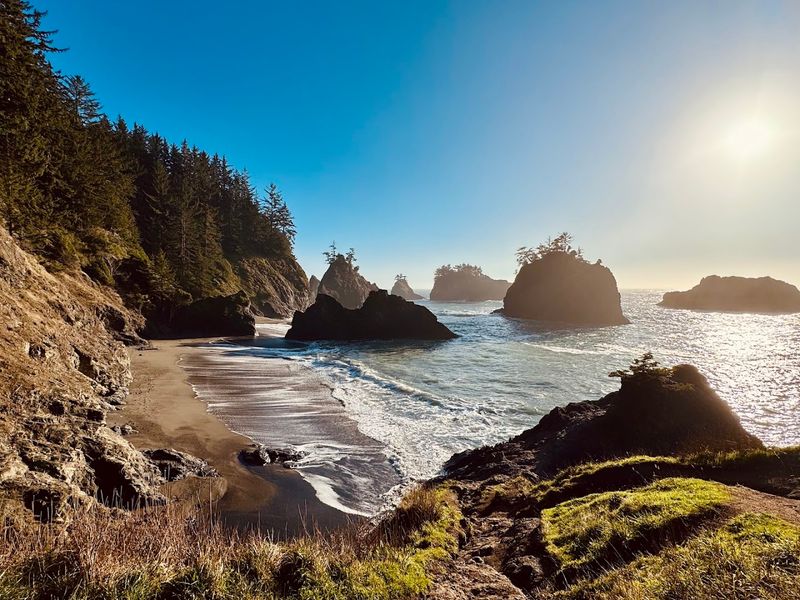
A beach literally named Secret Beach sounds like something a travel writer made up, but this stretch of Oregon coast between Brookings and Gold Beach is the real deal. The corridor features secluded beaches tucked below forested cliffs with rugged offshore rock formations that make every photo look like a fantasy novel cover.
Access comes via signed pullouts and short trails off Highway 101. The hike down is manageable but steep enough to filter out anyone who is not genuinely committed.
That slight effort is doing important crowd-control work on your behalf.
Oregon State Parks manages this corridor, so check current conditions before heading out. Tides and cliff stability matter here, and the park takes safety seriously.
The payoff is a beach that genuinely earns the name. Mossy cliffs, sea stacks, crashing Pacific waves, and usually just a handful of other visitors who all seem equally pleased with themselves for finding it.
Makalawena Beach (Big Island, Hawaii)
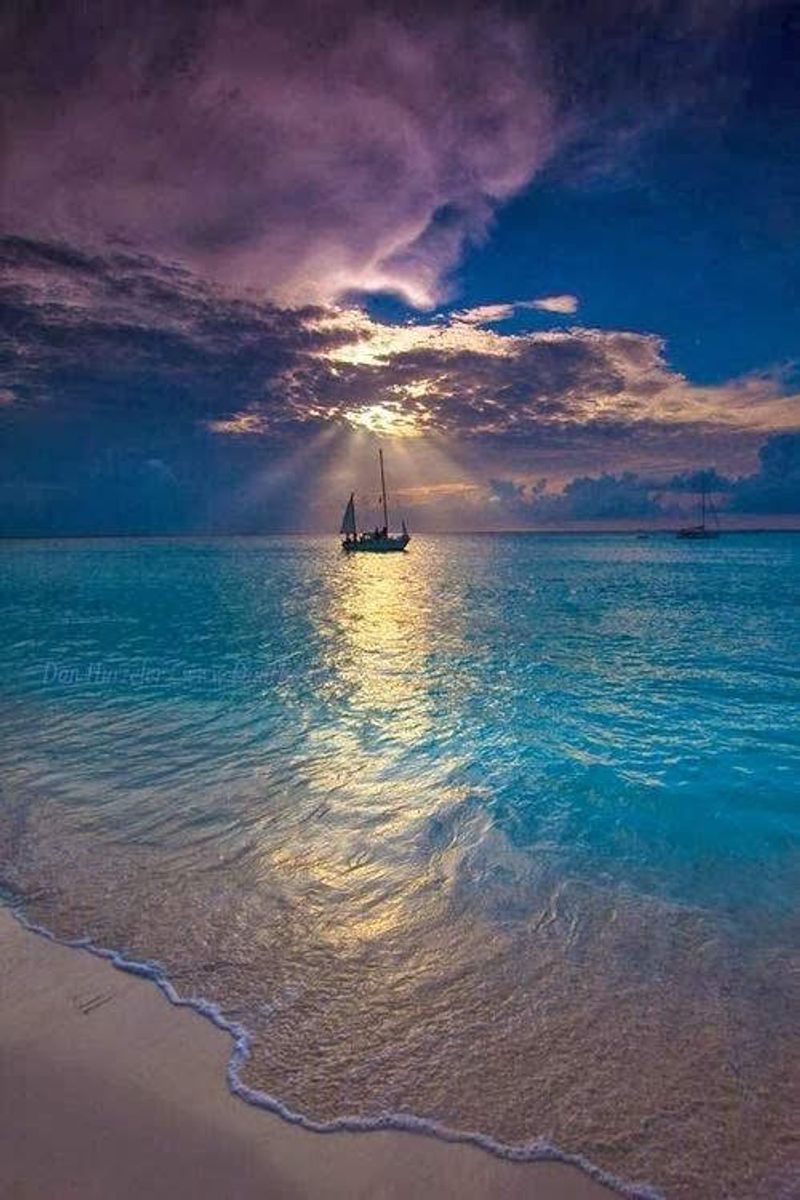
Makalawena is not a beach you stumble onto by accident. Reaching it requires hiking across uneven lava fields from Kekaha Kai State Park, which is exactly the kind of natural barrier that keeps it looking like a postcard nobody else has seen.
The most common route starts near the Mahaiula or Kua Bay areas of the park. The hike is not extreme, but lava terrain is rough on sandals and ankles alike, so proper footwear is genuinely important.
Once the beach appears through the lava, the contrast of white sand against black rock is spectacular.
As of January 2026, the Maniniowali section at Kua Bay requires paid parking and an entrance fee per Hawaii DLNR. Factor that into your planning.
The beach itself is calm, clear, and consistently gorgeous. Getting there takes real effort, which is precisely why it feels like your own private corner of the Pacific once you finally arrive.
Share this story