 Unearth The Voyage
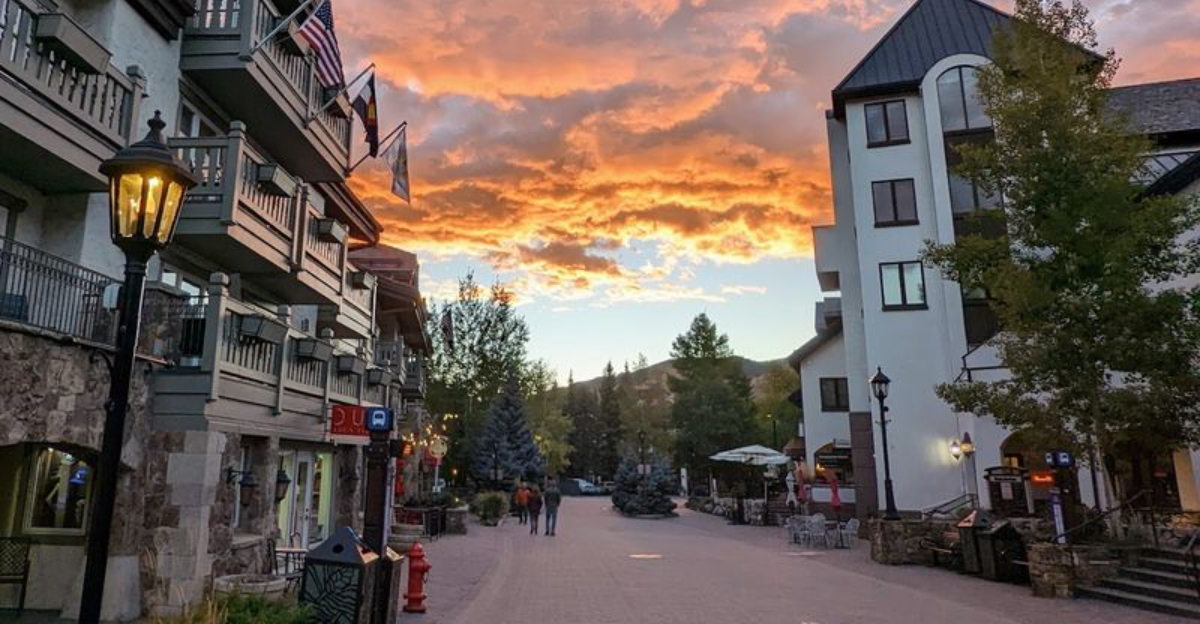
Some towns are great in winter, okay in summer, and kind of sad in between. But a handful of mountain towns across the US have cracked the code on year-round awesomeness.
Whether you love skiing, hiking, festivals, or just wandering around a charming main street with a good cup of coffee, these places deliver no matter what month you show up. I have visited a few of these myself, and trust me, picking a favorite season was impossible.
Aspen, Colorado
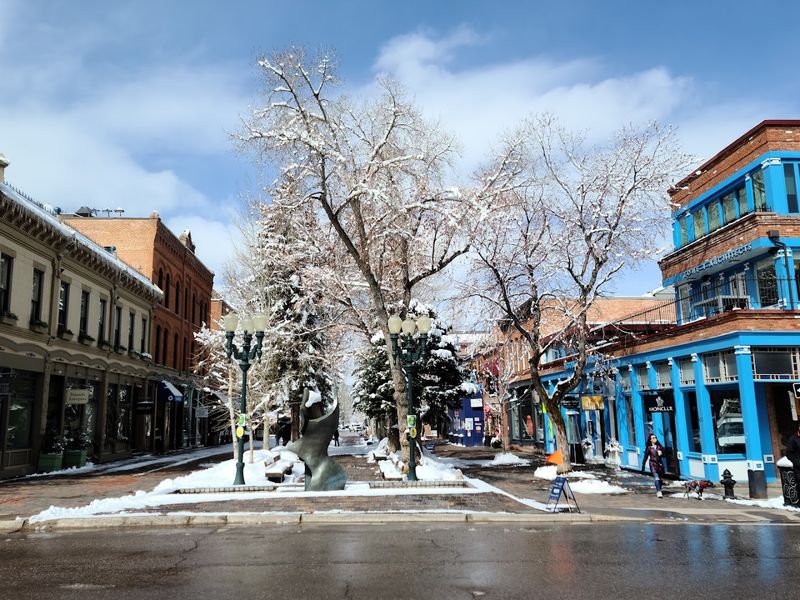
Four mountains walk into a bar, and they are all called Aspen. Aspen Snowmass is technically four resorts in one: Aspen Mountain, Aspen Highlands, Buttermilk, and Snowmass.
That alone makes it one of the most diverse ski destinations in the country.
But winter is just the opening act. Come spring and fall, the trails fill up with hikers, the restaurants stay packed, and the cultural calendar barely skips a beat.
The town punches way above its weight in art galleries, music events, and food scenes that would make a big city jealous.
Summer brings wildflower meadows and mountain biking, which honestly rival the ski runs for pure fun. Aspen is one of those rare places where you feel slightly guilty leaving.
If you only visit once, block out a full week and come ready to be outpaced by locals half your age.
Telluride, Colorado
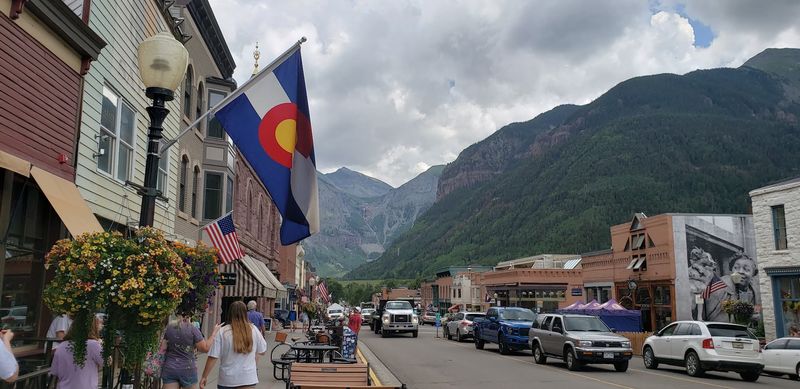
Telluride sits inside a box canyon so dramatic it looks like someone designed it for a movie set. The mountains wrap around the town on three sides, creating scenery that stops people mid-sentence on a regular basis.
I once watched a tourist walk into a signpost because he was too busy staring at the peaks.
The official tourism site maps out both winter and summer seasons clearly, which tells you everything: this town is not coasting on ski season alone. Summer and fall bring serious hiking, outdoor festivals, and a warm-weather vibe that feels completely different from the snowy version of the town.
The free gondola connecting the town to Mountain Village is one of the great underrated travel perks in America. Year-round access, zero cost, and ridiculous views.
Telluride rewards visitors who show up in the off-season just as generously as those who arrive in peak powder weeks.
Park City, Utah
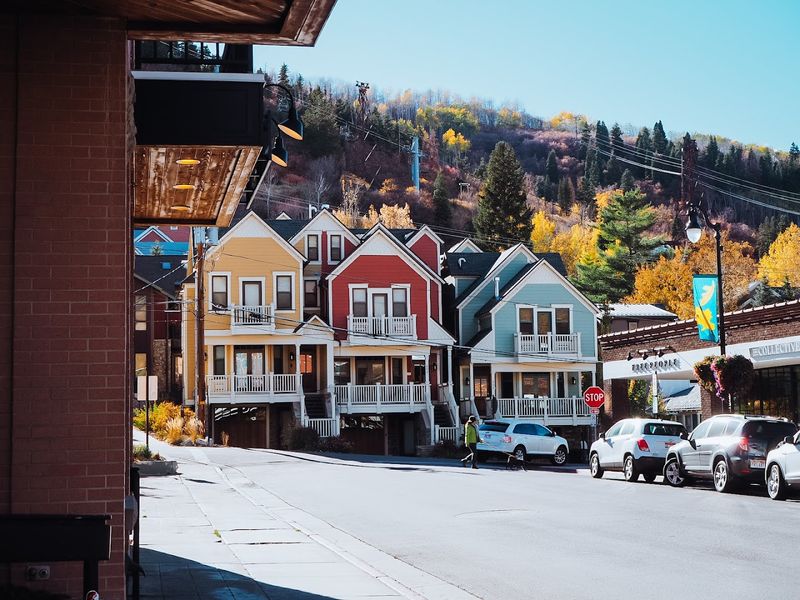
Park City manages to be both a world-class resort destination and an actual town where real people live, which is rarer than it sounds. Deer Valley Resort and Park City Mountain give it serious ski credibility, but the historic Main Street holds its own against any mountain town in the country.
Warm months unlock over 400 miles of trails, which is the kind of number that makes serious mountain bikers go a little wide-eyed. The trail system is so well-developed that summer has quietly become just as popular as ski season for a growing number of visitors.
Park City is officially marketed as a year-round community, and it earns that label. Restaurants stay open, shops stay busy, and the town energy rarely dips.
It hosted the 2002 Winter Olympics, so the infrastructure is built to handle crowds with dignity. Show up in May and you might have the trails almost entirely to yourself.
Jackson, Wyoming
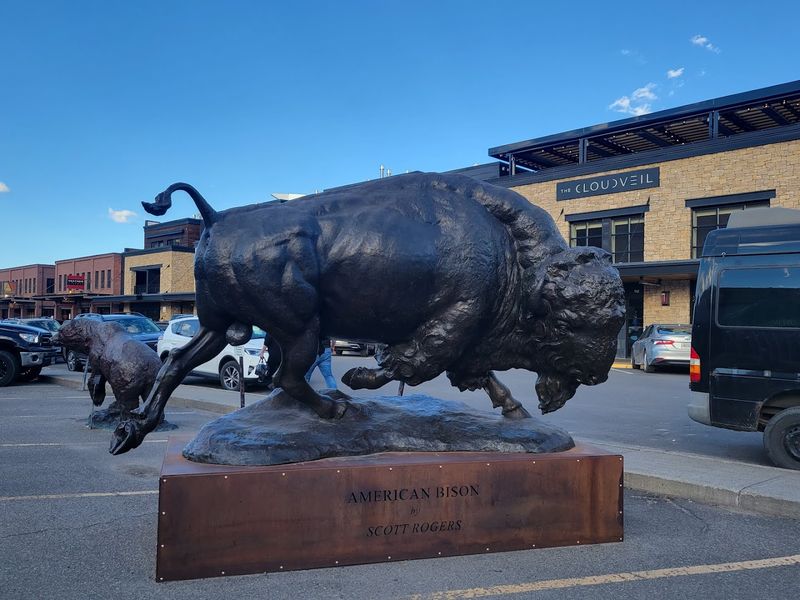
The elk antler arches on Jackson’s town square are iconic, but they are just the warm-up act for everything else this place offers. Grand Teton National Park and Yellowstone are both within easy reach, making Jackson one of the best wildlife-watching basecamps on the continent.
Both parks are technically open year-round, though seasonal road closures mean the experience shifts depending on when you visit. Winter brings moose sightings and snowcoach tours into Yellowstone.
Summer opens up full hiking access to some of the most jaw-dropping terrain in North America.
Jackson Hole ski area is a legend in its own right, but the town itself carries year-round energy that many ski towns never quite manage. Good restaurants, solid local shops, and a Western vibe that feels genuine rather than performed.
Come in September for fall colors, stay for the wildlife, and leave with about 400 photos of animals you never expected to see up close.
Breckenridge, Colorado
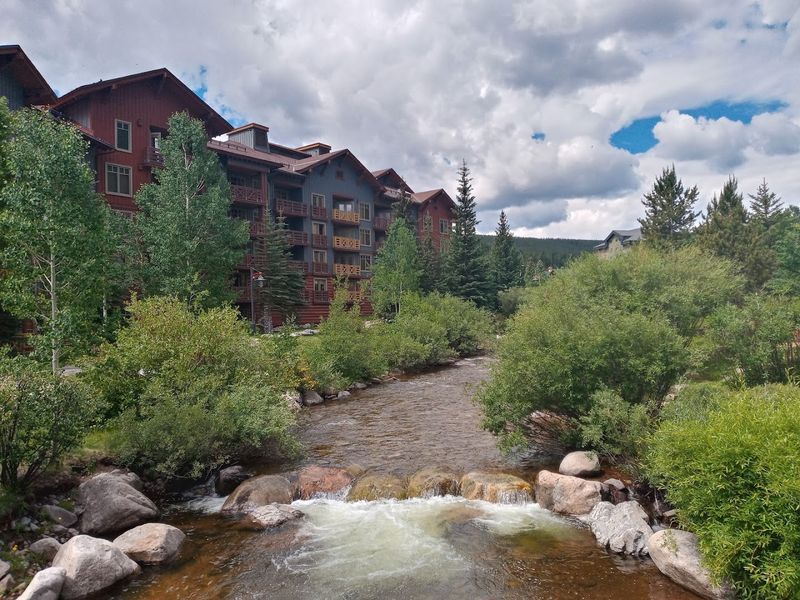
Breckenridge has the rare combination of a genuinely historic downtown and a mountain resort that knows how to keep things interesting beyond the standard ski runs. The Victorian-era buildings along Main Street give the town real character, not the manufactured kind you find in purpose-built resort villages.
Winter here is not just downhill skiing. The tourism site actively promotes snowshoeing, Nordic skiing, and fat-tire biking, which is exactly the kind of variety that keeps non-skiers from feeling left out.
I tried fat-tire biking on a snowy trail once and spent more time laughing than pedaling, which felt like a win.
Summer flips the script entirely. Hiking and mountain biking take center stage, and the altitude keeps temperatures cool even when the rest of Colorado is sweltering.
At over 9,600 feet elevation, Breckenridge is the highest incorporated city in the US. That fun fact alone is worth dropping at dinner to impress someone.
Vail, Colorado
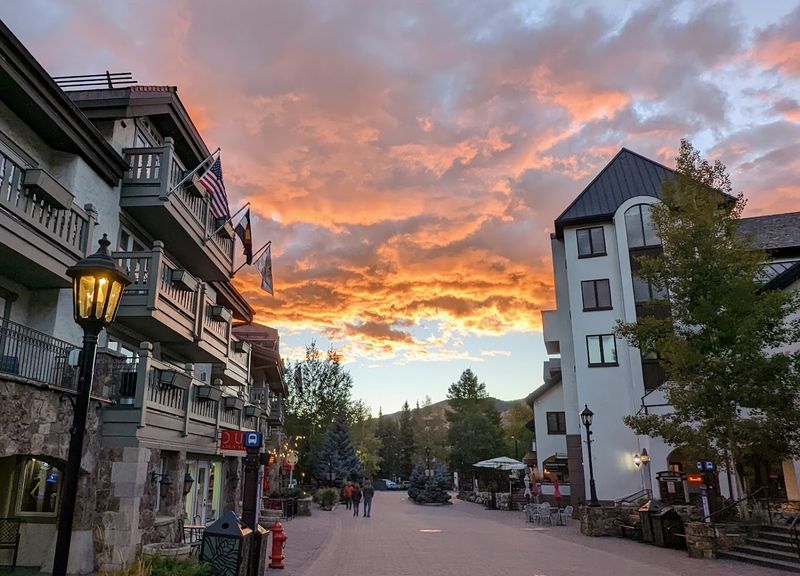
Vail gets a reputation as a winter-only destination, which is genuinely unfair to the other nine months of the year. The resort village is fully walkable, beautifully designed, and packed with restaurants and shops that stay open well past ski season.
April does not send Vail into hibernation.
The Betty Ford Alpine Gardens are a perfect example of what summer Vail looks like: free, beautiful, and completely unexpected. At nearly 8,200 feet, they are the highest public botanical gardens in North America.
That is a world record hiding inside a ski town, which feels very on-brand for Vail.
Scenic walks along Gore Creek, warm-weather mountain biking, and a dining scene that rivals much larger cities round out the non-winter appeal. Vail’s resort guide frames it explicitly as a year-round destination, and the infrastructure backs that up.
Coming in July means shorter lift lines for sightseeing gondolas and way more elbow room on the pedestrian village streets.
Taos, New Mexico
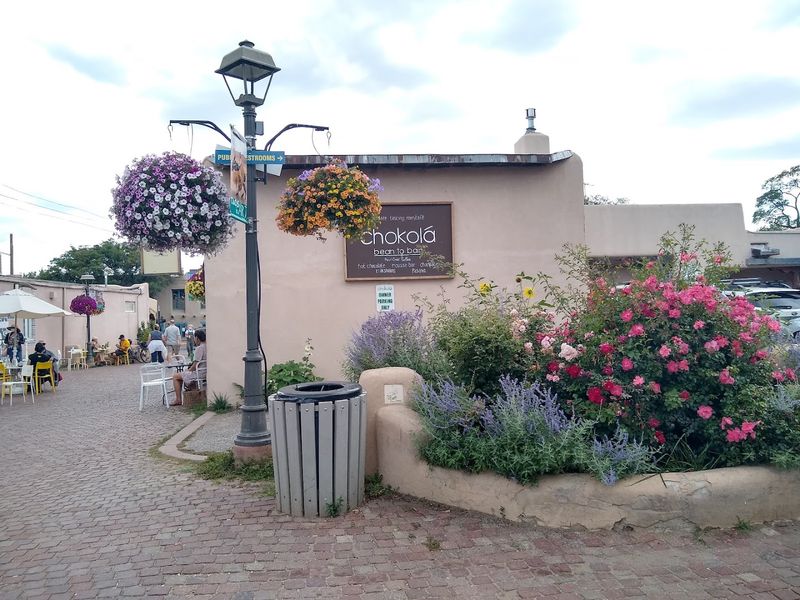
Taos is the only mountain town on this list where you might spend the morning skiing and the afternoon browsing world-class contemporary art galleries. That combination is genuinely unique, and it makes Taos feel like two destinations stacked on top of each other in the best possible way.
Taos Ski Valley promotes year-round activities, and the mountain scenery does not take a seasonal break. Guided tours and outdoor experiences continue well beyond ski season, drawing visitors who have no interest in snow sports at all.
The town’s art scene has been internationally recognized for decades, anchored by the famous Taos Society of Artists legacy.
The Pueblo de Taos, a UNESCO World Heritage Site, adds a layer of history and cultural depth that most mountain towns simply cannot match. Visiting in spring or fall means smaller crowds and a more relaxed pace through the galleries and markets.
Taos rewards curiosity, so bring comfortable shoes and a flexible schedule.
Leavenworth, Washington
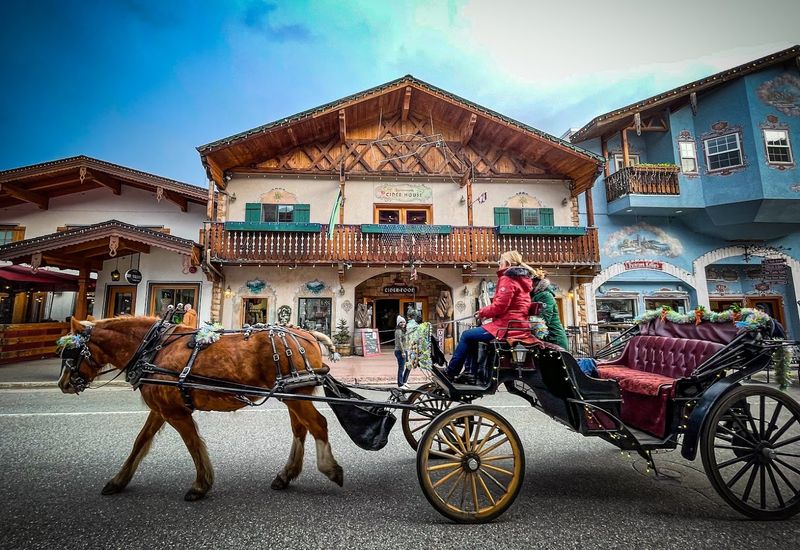
Leavenworth is the town that looked at the Cascade Mountains and decided the vibe needed to be Bavaria. In the 1960s, the struggling timber town reinvented itself as a Bavarian-themed village, and the gamble paid off spectacularly.
The architecture, the festivals, and even the street signs lean fully into the bit.
Winter here is legitimately festive. The Christmas lighting festival draws enormous crowds, and cross-country skiing and snowshoeing are right outside town.
But limiting Leavenworth to a holiday-season visit is a mistake that shortchanges the other three seasons significantly.
Spring through fall brings hiking in the Cascades, whitewater rafting on the Wenatchee River, and a packed festival calendar that covers everything from Oktoberfest to wine walks. The town sits in a rain shadow, meaning it gets more sunshine than much of western Washington.
That meteorological quirk is basically Leavenworth’s secret weapon, and locals are very happy you do not know about it yet.
Gatlinburg, Tennessee
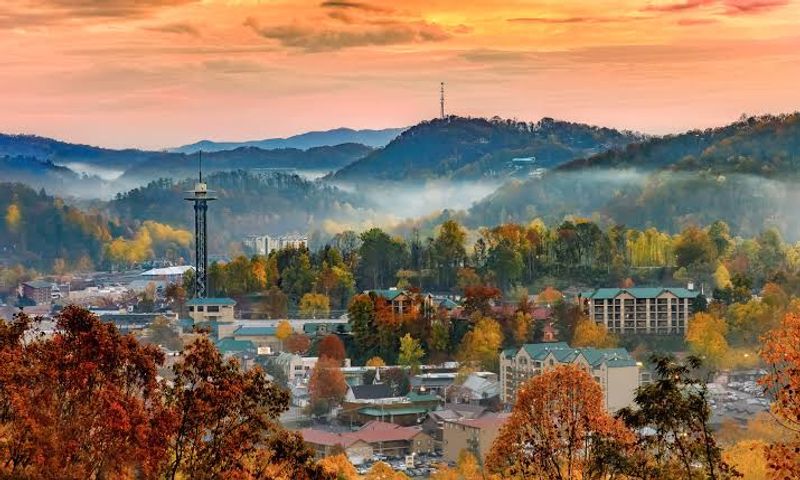
Gatlinburg might be the most accessible mountain town in the eastern United States, sitting right at the entrance to Great Smoky Mountains National Park, which is the most visited national park in the country. That location is not a coincidence; it is the whole point of the town’s existence.
The park itself is open year-round, though Trail Ridge Road and a few other routes have seasonal schedules, so the experience shifts by season. Fall foliage here is genuinely world-class.
Spring wildflower season rivals anything you will find in the Rockies, which surprises a lot of first-time visitors expecting a simpler show.
Gatlinburg has a lively, slightly kitschy main strip that is either charming or overwhelming depending on your tolerance for crowds and pancake restaurants. There are a lot of pancake restaurants.
The town works as a base camp for serious hikers and casual strollers alike, which explains why it stays busy every single month of the year without apology.
Stowe, Vermont
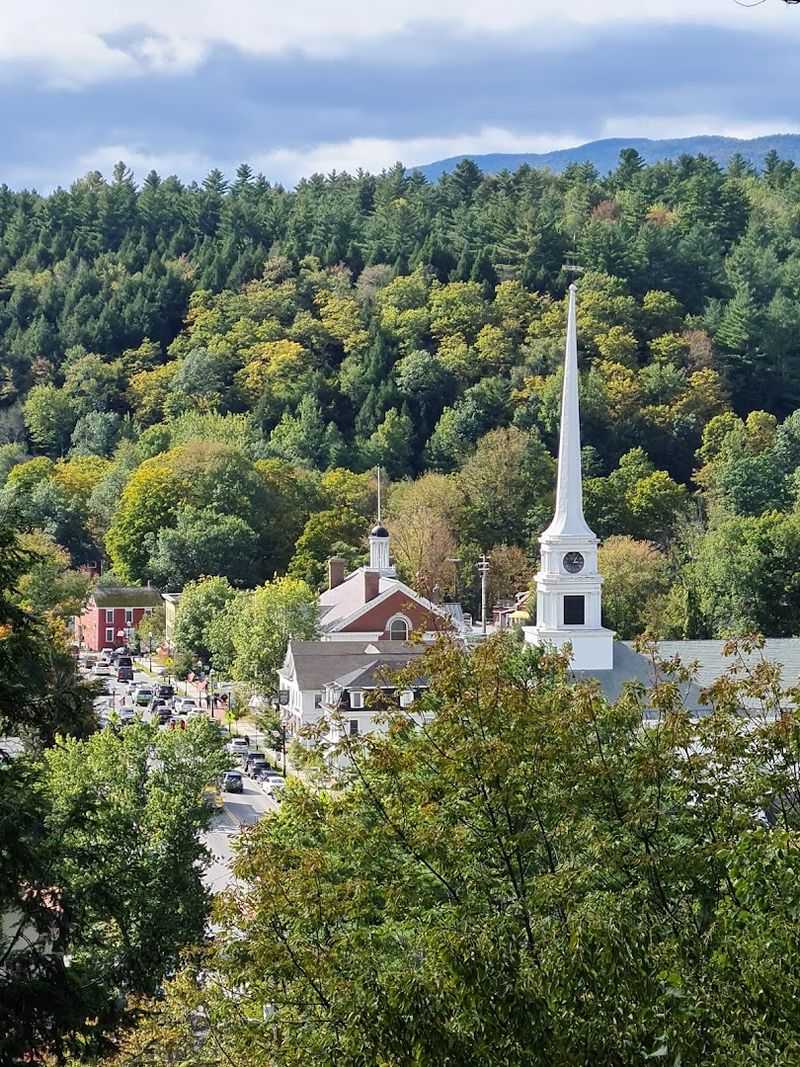
Stowe is famous for fall foliage, and yes, October here is the kind of beautiful that makes people pull over their cars and just stand there. But reducing Stowe to a leaf-peeping destination misses about eleven months of genuinely excellent things to do in one of New England’s most polished mountain towns.
The Gondola SkyRide on Mount Mansfield operates across multiple seasons, giving visitors access to Vermont’s highest summit without a grueling hike. Winter skiing at Stowe Mountain Resort is world-class by any standard, drawing serious skiers from across the Northeast and beyond.
The resort town infrastructure that supports ski season stays largely active year-round.
Summer brings hiking, cycling along the famous Recreation Path, and a farm-to-table food scene that treats local ingredients like a religion. Stowe is compact, walkable, and very good at making visitors feel like they discovered something special.
Spoiler: everyone who visits feels that way, and they are all correct.
Lake Placid, New York
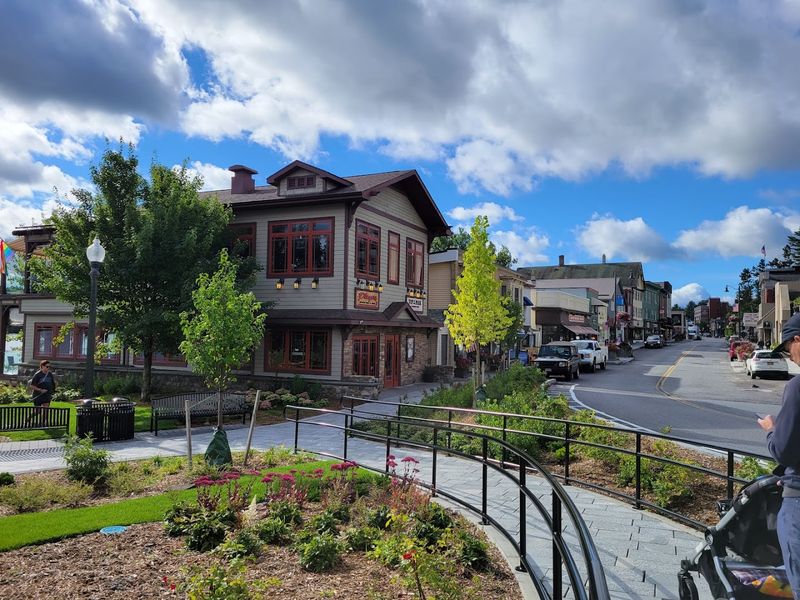
Lake Placid hosted the Winter Olympics twice, in 1932 and 1980, and the legacy venues are still fully operational and open to the public. You can actually ride the bobsled run, which is either the bravest or most reckless thing on this entire list depending on your personal risk tolerance.
The Olympic Regional Development Authority manages multiple venues that keep year-round programming alive, from ski jumping to speedskating. That institutional backbone gives Lake Placid a level of activity infrastructure that most small mountain towns simply cannot replicate.
The town itself sits on Mirror Lake, which adds a genuinely beautiful waterfront dimension to the Adirondack setting.
Summer brings hiking, kayaking, and open-water swimming in some of the cleanest lakes in the Northeast. Fall foliage in the Adirondacks is deeply underrated compared to Vermont, which means you get similar colors with noticeably smaller crowds.
Lake Placid rewards visitors who do their homework and show up ready to actually do things rather than just watch.
Sun Valley and Ketchum, Idaho
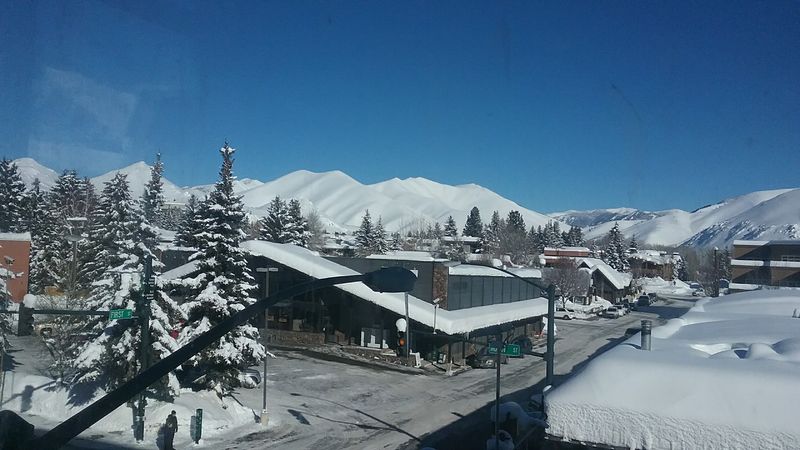
Sun Valley opened in 1936 as America’s first destination ski resort, built by the Union Pacific Railroad to sell train tickets. That origin story is wonderfully absurd, and the town that grew around it, Ketchum, has developed into one of the most quietly sophisticated small mountain communities in the West.
The official Visit Sun Valley site lists an activity menu that goes way beyond skiing: hiking, mountain biking, rafting, fly fishing, and golf all feature prominently. Ernest Hemingway spent his final years in Ketchum and is buried there, which gives the town a literary gravitas that pairs oddly well with the après-ski scene.
Warm months transform the resort into a biking and hiking hub with lift-accessed trails and a pace that feels genuinely relaxed rather than manufactured. Sun Valley tends to attract visitors who prefer doing over boasting, which keeps the energy grounded and the trails from getting too crowded too fast.
Idaho’s best-kept secret is not that secret anymore, but it still feels like one.



