Most people know these names from movie posters and award shows, but there is a side of Hollywood history that rarely makes the highlight reel. Long before some of the biggest stars in film history ever stepped onto a soundstage, they were stepping onto battlefields, ships, and airstrips.
Their courage off-screen was just as real as any role they ever played. Get ready to see your favorite classic icons in a whole new light.
Audie Murphy: From Battlefield Legend to Screen Icon
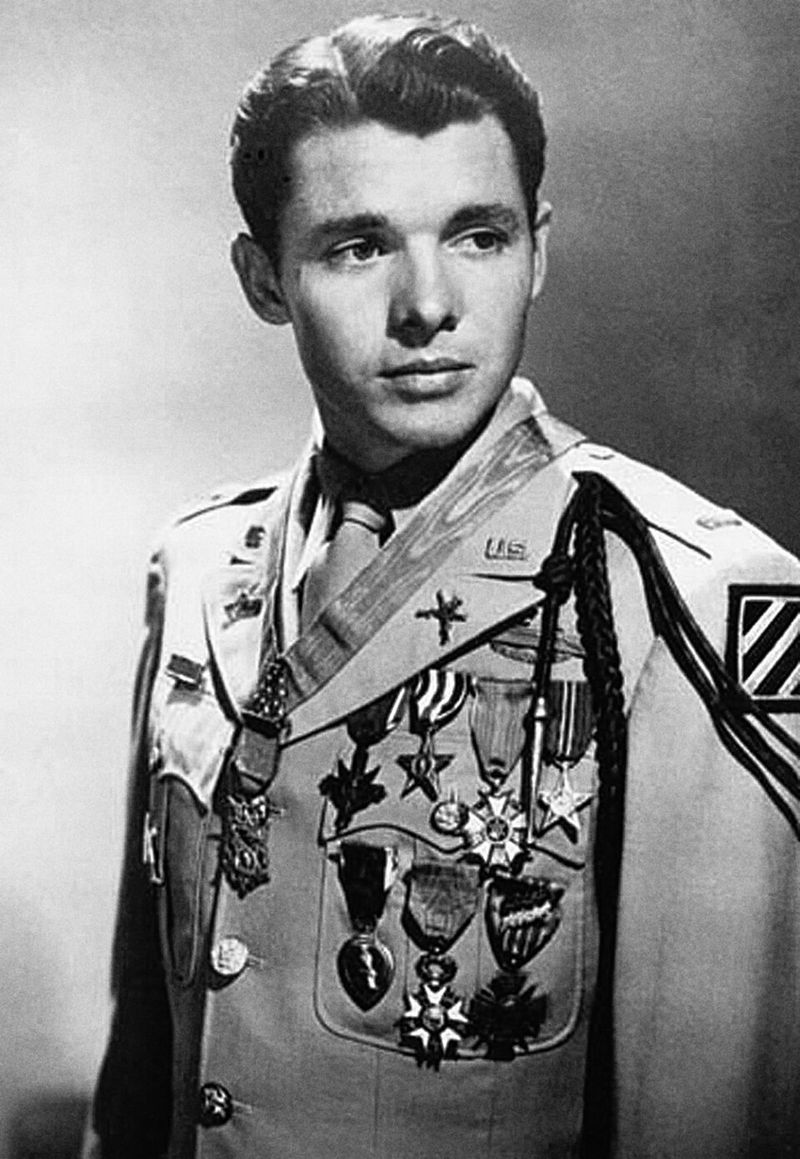
Audie Murphy did not just play a war hero in the movies. He actually was one, earning more than 33 military decorations during World War II, making him the most decorated U.S. combat soldier of the entire war.
Murphy was just a teenager when he enlisted, lying about his age to get in. By the time the fighting stopped, he had earned the Medal of Honor, the Distinguished Service Cross, and a chest full of other medals that most soldiers never see in a lifetime.
Hollywood came calling after the war, and Murphy ended up starring in “To Hell and Back” in 1955, playing himself. The film became Universal Pictures’ biggest box-office hit for years.
Murphy struggled with PTSD for the rest of his life and openly talked about it, becoming an early advocate for veterans’ mental health long before that conversation was mainstream.
James Stewart: A Leading Man Who Flew Into Real Danger
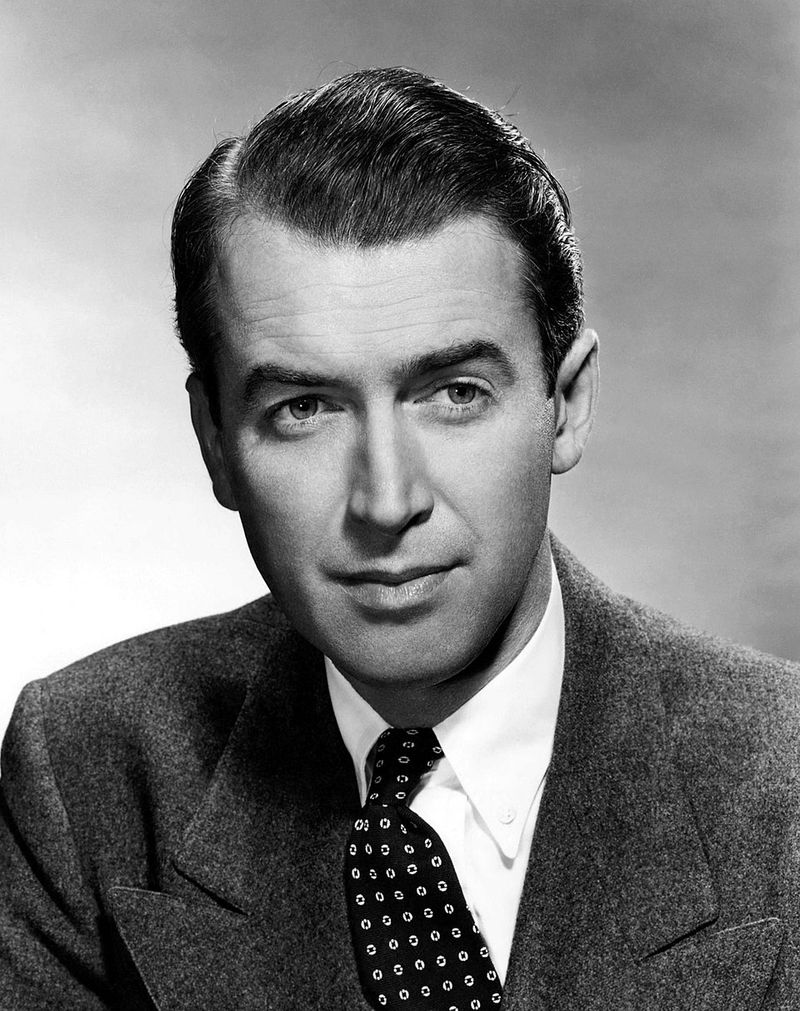
James Stewart was already a major Hollywood star when he walked away from the cameras and climbed into a bomber cockpit. Not every actor would trade an Oscar win for military duty, but Stewart did exactly that, and he meant every bit of it.
He served as a U.S. Army Air Forces pilot, flying actual combat missions over Europe during WWII.
His dedication to service did not stop when the war ended. Stewart kept flying and eventually retired as a U.S.
Air Force brigadier general, one of the highest ranks ever achieved by any Hollywood celebrity.
In 1966, at the age of 58, he even flew as an observer on a B-52 bombing mission during the Vietnam War. That is not a stunt.
That is a man who genuinely believed in what he was doing. Stewart never used his service as a publicity move.
He simply served, quietly and seriously.
Clark Gable: Hollywood’s King Went Airborne
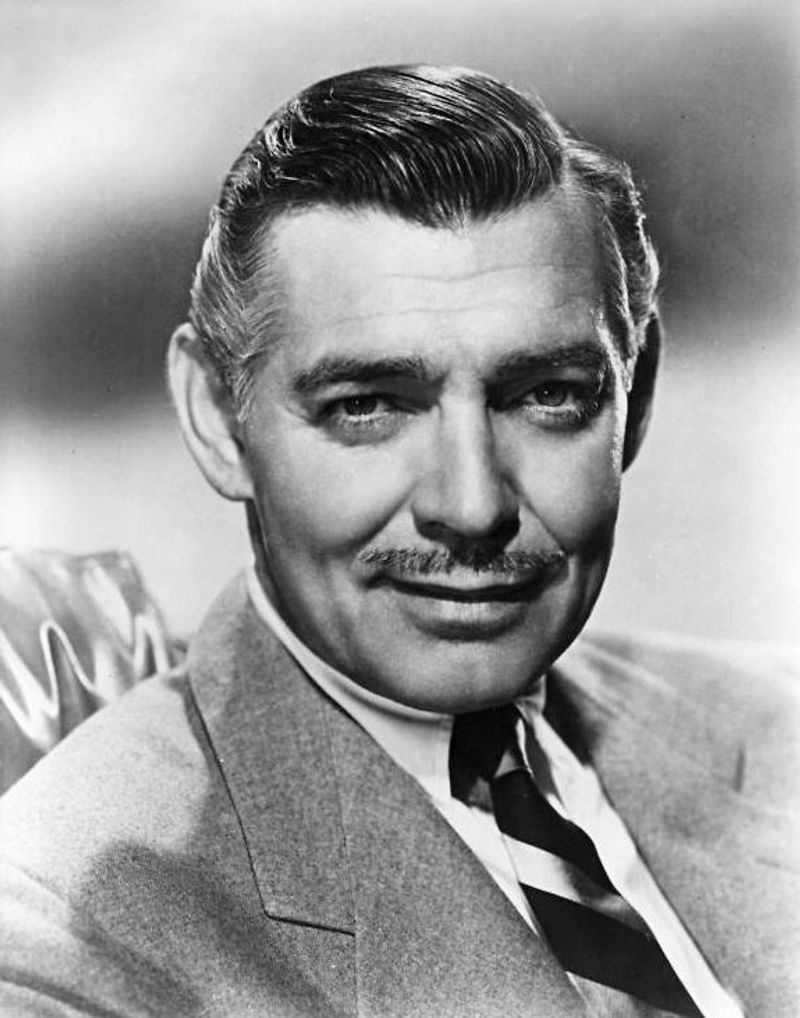
Clark Gable was called the “King of Hollywood” for a reason. The man had it all: charm, looks, and a career most actors only dream about.
But when WWII broke out, Gable did something that surprised everyone.
He enlisted in the Army Air Forces and actually flew combat missions over Europe, including raids into heavily defended German territory. Some historians believe Hitler personally offered a reward to anyone who could capture Gable alive.
That is either terrifying or the greatest compliment a movie star has ever received.
Gable’s motivation was deeply personal. His wife, actress Carole Lombard, had died in a plane crash while returning from a war bond tour in 1942.
Many believed he was driven partly by grief and a desire to honor her memory. Whatever the reason, the King of Hollywood proved he was more than a title.
He was the real deal.
Gene Autry: The Singing Cowboy Traded Songs for Service
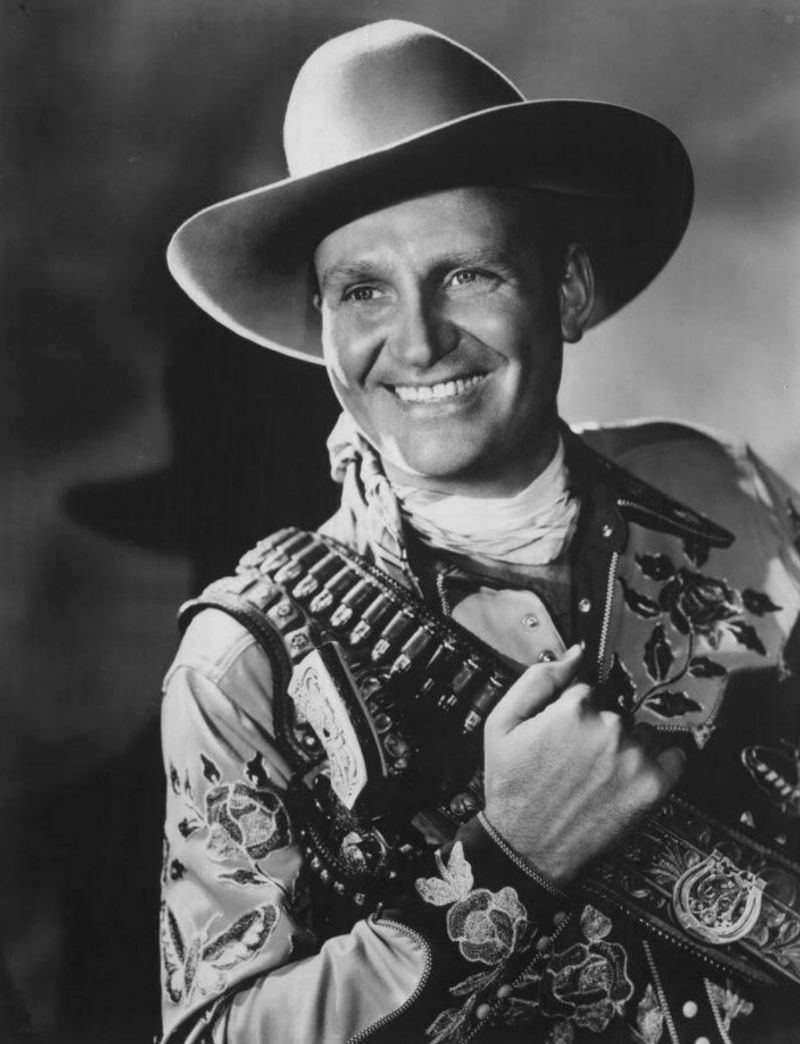
Gene Autry was the original singing cowboy, a massive star who sold millions of records and packed movie theaters across America. He was also a man who took his patriotic duties very seriously when the time came to serve.
Right in the middle of his career peak, Autry enlisted in the U.S. Army Air Forces and became a Flight Officer during WWII.
He flew transport missions over some seriously dangerous routes, including the “Hump” route over the Himalayas, one of the most treacherous supply corridors of the entire war.
Autry could have easily stayed home and entertained troops from a comfortable stage. Instead, he chose to actually fly the missions.
When he returned to Hollywood after the war, he picked up right where he left off, but with a depth of experience that no film script could have provided. Turns out the cowboy was as tough as his on-screen persona suggested.
Humphrey Bogart: Before Casablanca, There Was the Sea
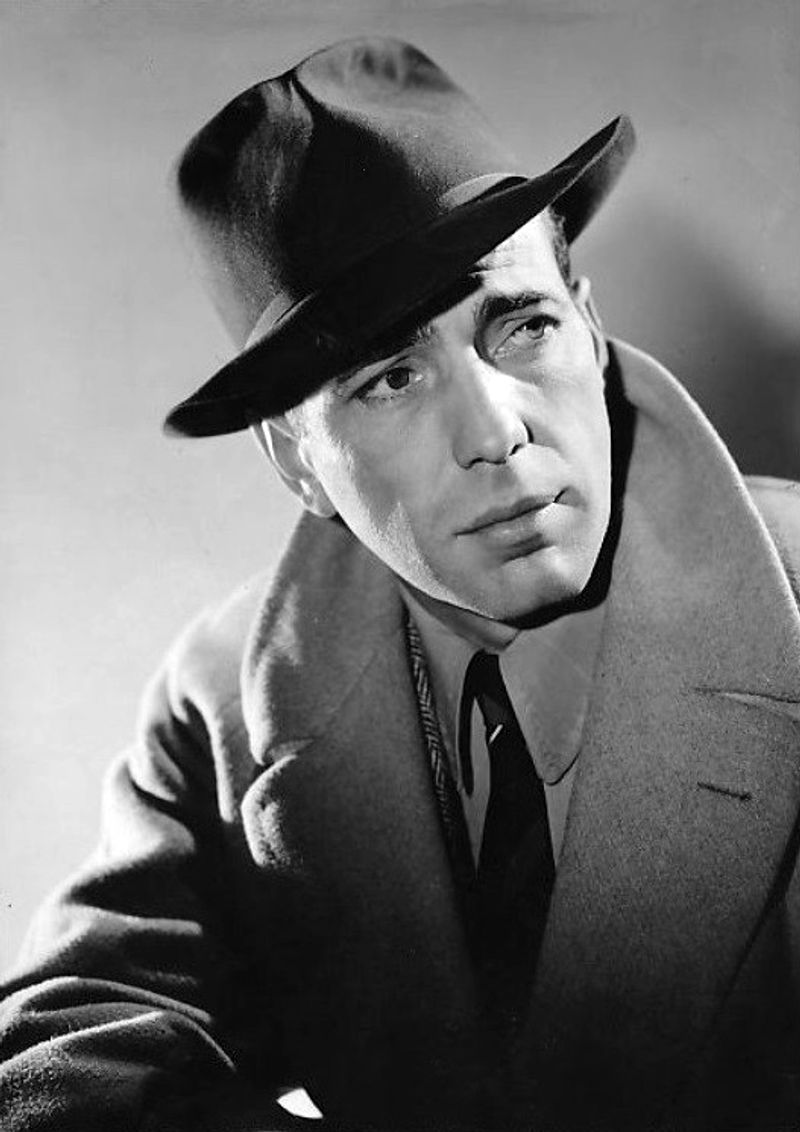
Before Humphrey Bogart ever growled a line of dialogue on a Hollywood set, he was a young sailor navigating the Atlantic during World War I. Bogart served in the U.S.
Navy and saw duty aboard the USS Leviathan, a massive troop transport ship that carried thousands of soldiers across the ocean.
There is a popular story that Bogart received his distinctive scarred lip during his naval service, though accounts vary on exactly how it happened. What is clear is that the experience left a permanent mark, literally and figuratively, on one of cinema’s most iconic faces.
His time at sea shaped the gruff, weathered quality that made him so compelling on screen. When Bogart played hard-bitten characters who had seen too much of the world, audiences believed it because there was real lived experience behind those eyes.
The Navy did not create Rick Blaine, but it certainly helped build Humphrey Bogart.
Mel Brooks: Comedy’s Legend Did Dangerous Work Up Close
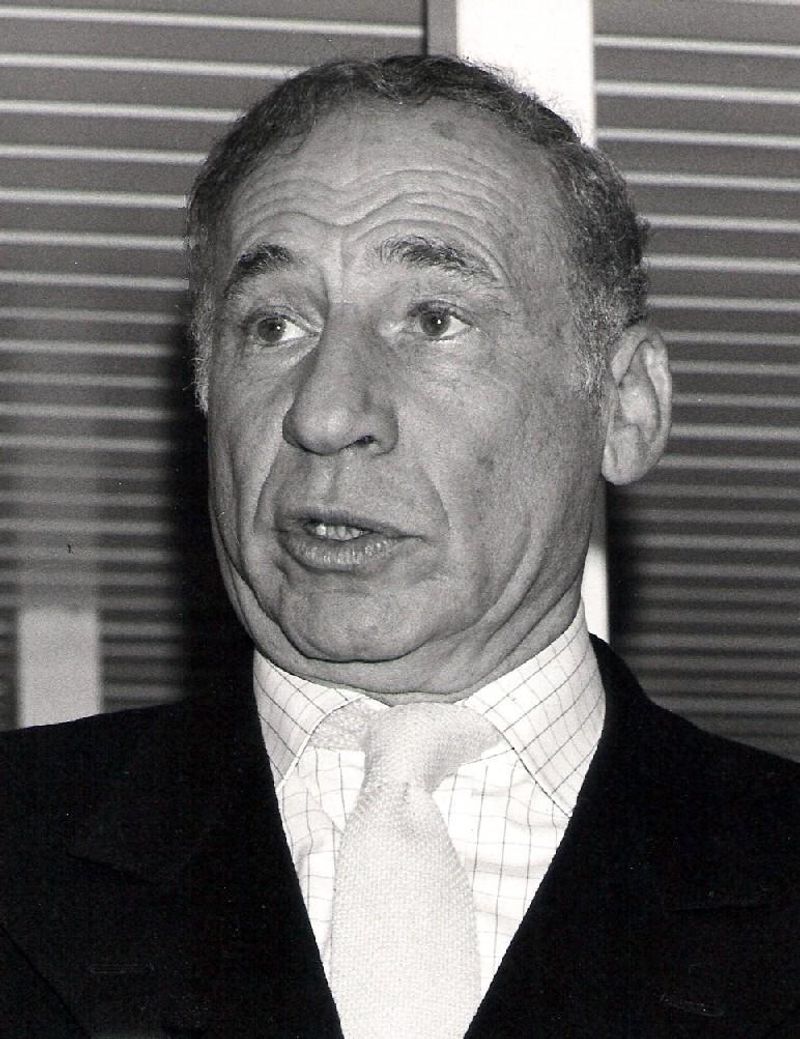
Mel Brooks has spent most of his life making people laugh until their sides hurt. But before the punchlines came the foxholes.
Brooks served in the U.S. Army during WWII and was assigned to the 1104th Engineer Combat Battalion, which put him right in the thick of the action in Europe.
One of his most chilling wartime jobs was defusing Nazi land mines. When you think about the man who later made “Blazing Saddles” and “The Producers” carefully disarming explosives under pressure, it reframes everything.
Comedy has always been Brooks’ weapon, but he once dealt with much more literal ones.
Brooks has spoken openly about how the war shaped his comedy. His relentless desire to mock Hitler and the Nazis in his work was deeply intentional.
He believed that laughter was a powerful tool against evil. Turns out, the funniest man in the room had already survived some very unfunny situations.
David Niven: The Gentleman Actor Who Went Commando
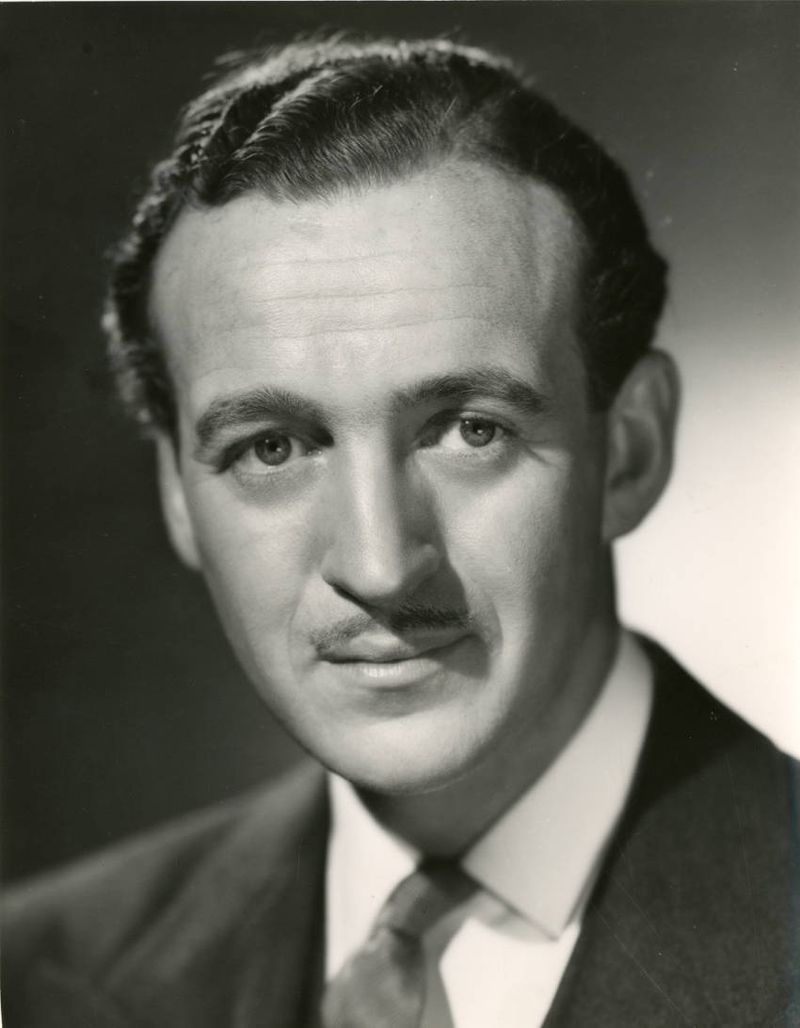
David Niven had the kind of effortless charm that made audiences adore him in drawing room comedies and romantic adventures. What many fans did not know was that the charm was backed by genuine military steel.
When WWII broke out, Niven did not wait around. He left Hollywood and returned to Britain to serve in the Army, eventually working with the Phantom unit, officially known as the GHQ Liaison Regiment, during the Normandy campaign period.
This was not a cushy desk assignment. The Phantom unit operated behind enemy lines gathering intelligence.
Niven rarely talked about his wartime experiences in interviews. He preferred the jokes and the lighter stories.
But those who served alongside him remembered a man of real courage who took his duties seriously. He was one of very few major Hollywood stars who actually abandoned a thriving career mid-peak to serve.
That kind of character does not come from a script.
Kirk Douglas: A Future Legend on Sub-Chaser Duty
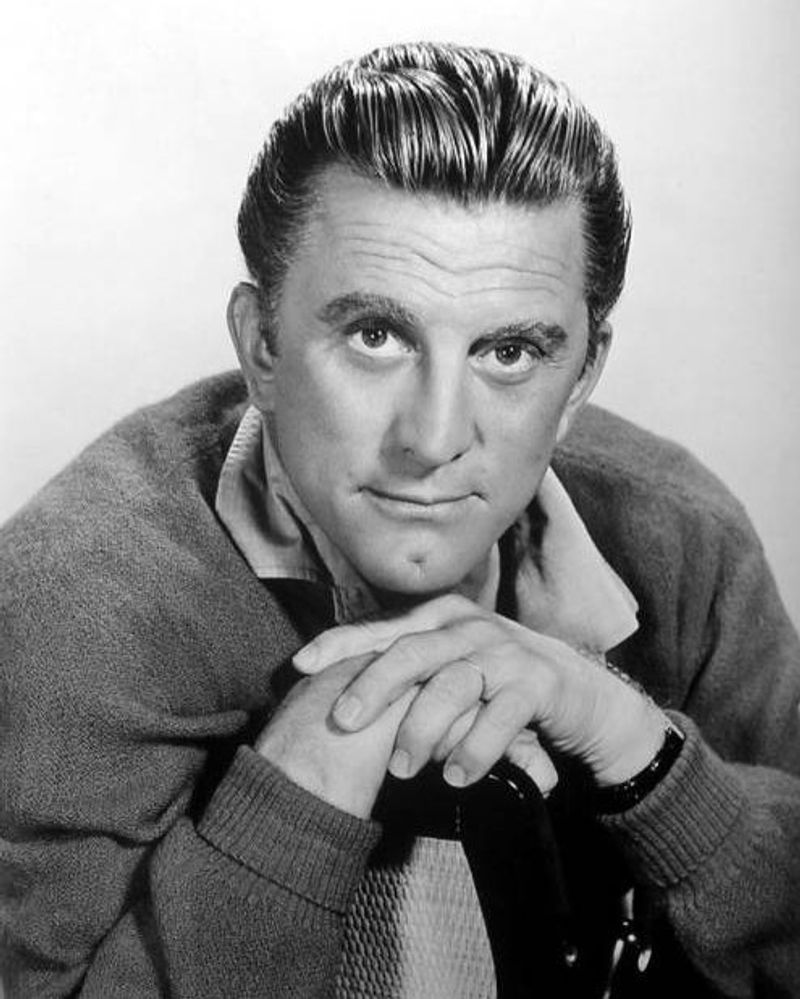
Kirk Douglas had that jaw, that intensity, and that undeniable screen presence. But before he was Spartacus, he was a naval officer hunting submarines in the Pacific.
Douglas served in the U.S. Navy during WWII as a communications officer in anti-submarine warfare.
Anti-submarine work was not glamorous. It involved long, tense stretches at sea, listening for enemy submarines and responding to threats that could appear without warning.
Douglas was injured during a depth charge accident, which eventually led to his medical discharge from the Navy.
He returned to civilian life and almost immediately launched one of the most legendary acting careers in Hollywood history. Douglas later reflected that his wartime experiences taught him discipline and a respect for real stakes that he carried into every role.
When you watch him play intense, driven characters on screen, remember that the intensity was not entirely manufactured. Some of it came from actual war.
Rod Serling: The Twilight Zone Was Forged in Reality
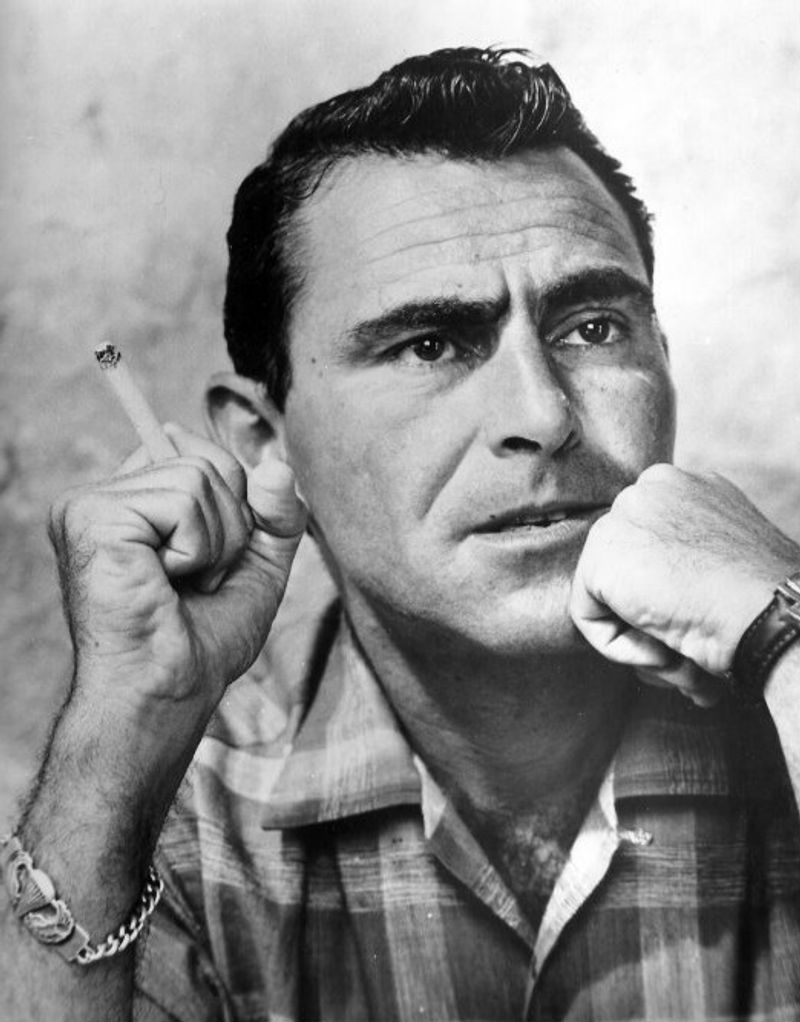
Rod Serling created one of the most unsettling television shows in history, and it turns out the nightmares were personal. Serling served as a U.S.
Army paratrooper in WWII with the 511th Parachute Infantry Regiment, seeing intense combat in the Pacific theater, particularly in the Philippines.
He witnessed things that he never fully recovered from. Serling watched friends die.
He dealt with the chaos and horror of real combat, and those experiences haunted him for the rest of his life. PTSD, though not called that at the time, followed him home.
The Twilight Zone was, in many ways, Serling’s way of processing what he had seen. The themes of war, moral ambiguity, loss, and the darkness lurking beneath ordinary life were not just clever storytelling devices.
They were drawn from real memory. Every eerie episode was, in a sense, a veteran talking about something he could not say out loud any other way.
Charles Durning: D-Day Left Scars That Never Really Faded
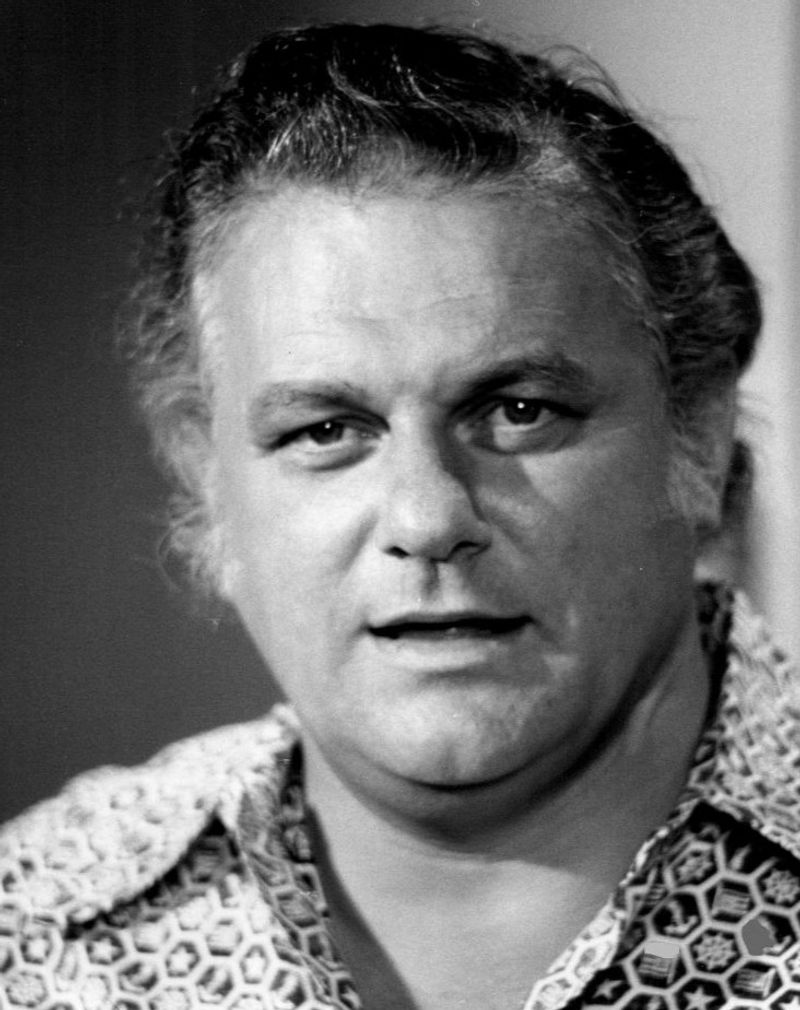
Charles Durning was one of Hollywood’s most beloved character actors, known for his warmth and humor on screen. Off screen, he carried wounds from one of the most brutal days in military history.
Durning was among the soldiers who landed on Omaha Beach on June 6, 1944.
He survived the D-Day landing and continued fighting across Europe, earning multiple decorations for valor and receiving several wounds. Durning was also a survivor of the Malmedy massacre, one of the most horrific war crimes committed against American soldiers during the Battle of the Bulge.
For decades, Durning spoke very little about his wartime experiences. When he finally did open up later in life, the interviews were deeply moving.
He was not performing toughness on screen. He had lived it.
Durning once said that acting was easy compared to what he had been through. Coming from a man who survived D-Day, that hits differently.
Lee Marvin: The Tough-Guy Roles Weren’t Acting
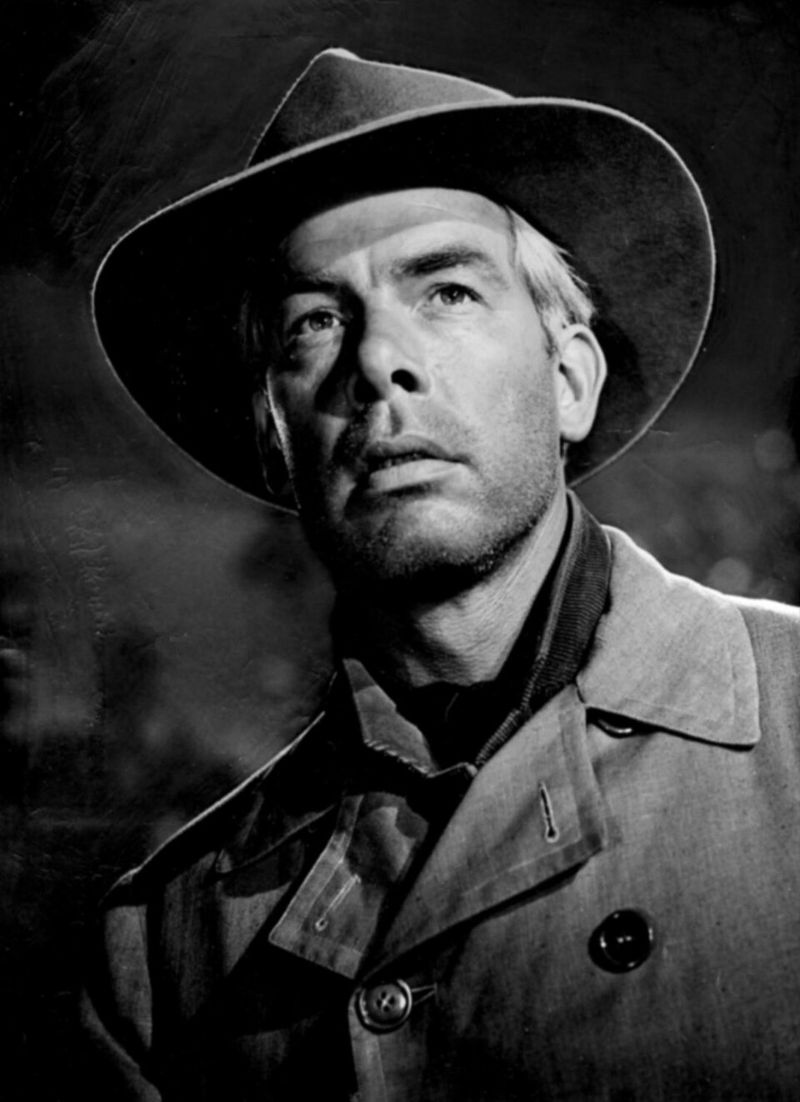
Lee Marvin built a career playing men you did not want to mess with. Turns out that was not much of a stretch.
Marvin served in the U.S. Marine Corps during WWII as a scout sniper with the 4th Marine Division and was wounded during the Battle of Saipan in 1944.
The wound was serious enough to end his combat service, but the experience never left him. Marvin reportedly struggled with PTSD throughout his life, something he occasionally addressed in interviews with a bluntness that was very on-brand for him.
His military background gave his on-screen performances a credibility that was hard to fake. When Marvin played violent, hard-edged characters in films like “Point Blank” or “The Dirty Dozen,” audiences sensed something real underneath.
That was not acting school talking. That was Saipan.
Marvin once joked that war prepared him perfectly for Hollywood. He was probably only half joking.
Tony Curtis: He Witnessed History From the Deck
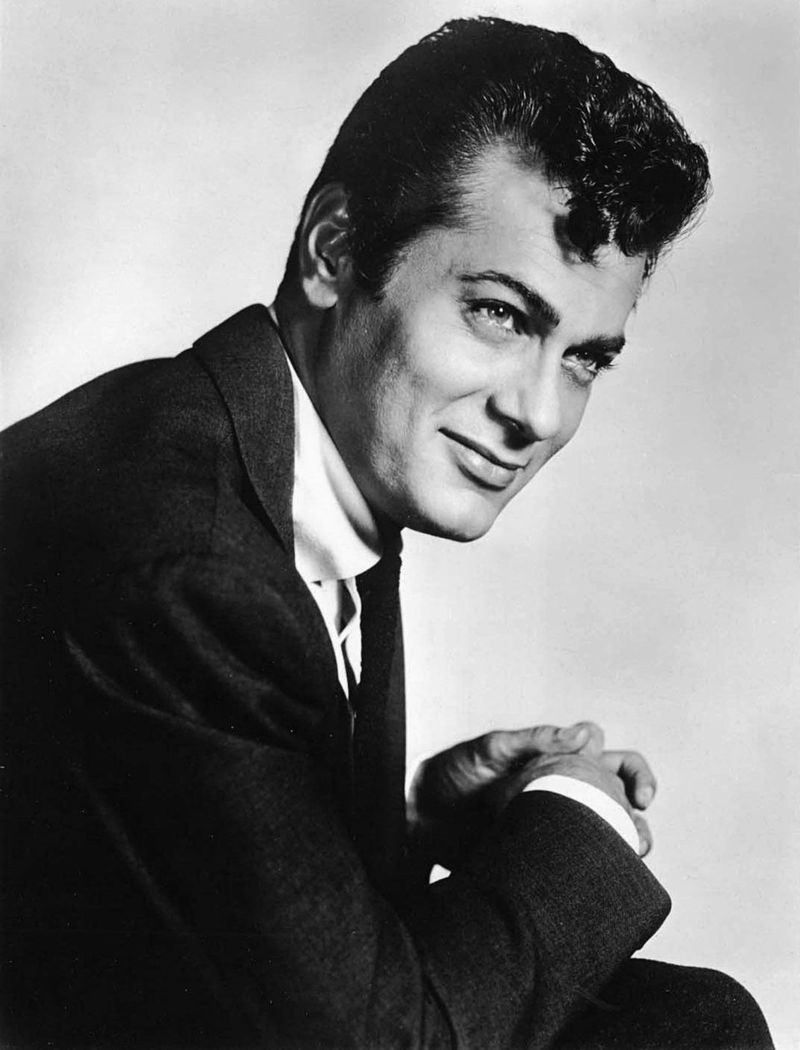
Tony Curtis was a Brooklyn kid who joined the Navy and ended up witnessing one of the most significant moments of the 20th century. Curtis served aboard the submarine tender USS Proteus during WWII and later described being present in Tokyo Bay when Japan formally surrendered in September 1945.
Standing on a ship deck and watching the end of WWII unfold in real time is the kind of moment most people only read about in history books. Curtis had a front-row seat.
He was 19 years old.
After his discharge, Curtis studied acting on the GI Bill and became one of Hollywood’s biggest stars through the 1950s and 60s. Films like “Some Like It Hot” made him a household name.
But before the comedy and the glamour, there was a teenager in a Navy uniform watching history happen from a ship in Tokyo Bay. Not a bad story for a kid from the Bronx.
Charlton Heston: Before Epic Roles, He Answered an Epic Call
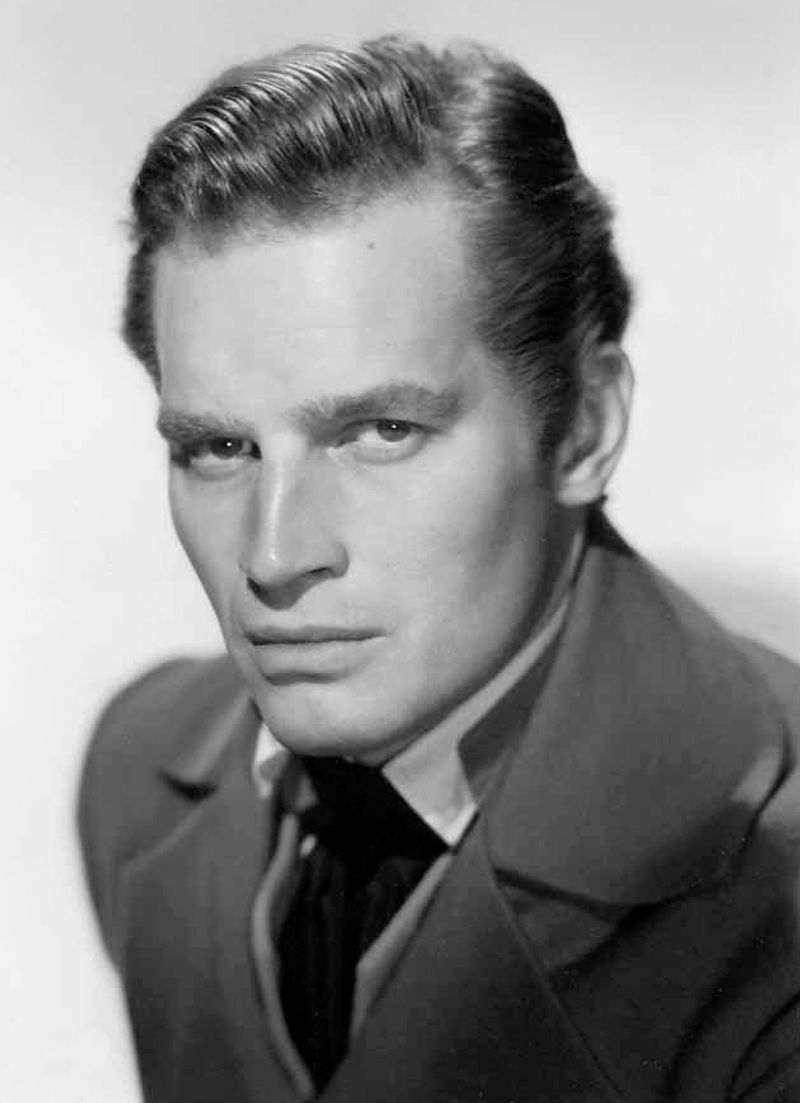
Charlton Heston spent his film career playing larger-than-life figures, from Moses to Ben-Hur. Fittingly, his real life had its own epic chapter.
Heston served in the U.S. Army Air Forces during WWII as a radio operator and aerial gunner aboard B-25 Mitchell bombers.
He was stationed in the Aleutian Islands, a remote and brutally cold posting that gets far less historical attention than European or Pacific theaters but was genuinely dangerous and strategically important. Heston flew combat missions in conditions that were as unforgiving as any battlefield.
When he returned from service, Heston used the GI Bill to continue his education and pursue acting. The discipline and physical presence he developed during military service translated directly to the commanding screen persona that defined his career.
It is worth noting that the man who parted the Red Sea on film had already faced real challenges that required real courage. Hollywood just gave him bigger props.
Paul Newman: Colorblindness Changed His War and His Life
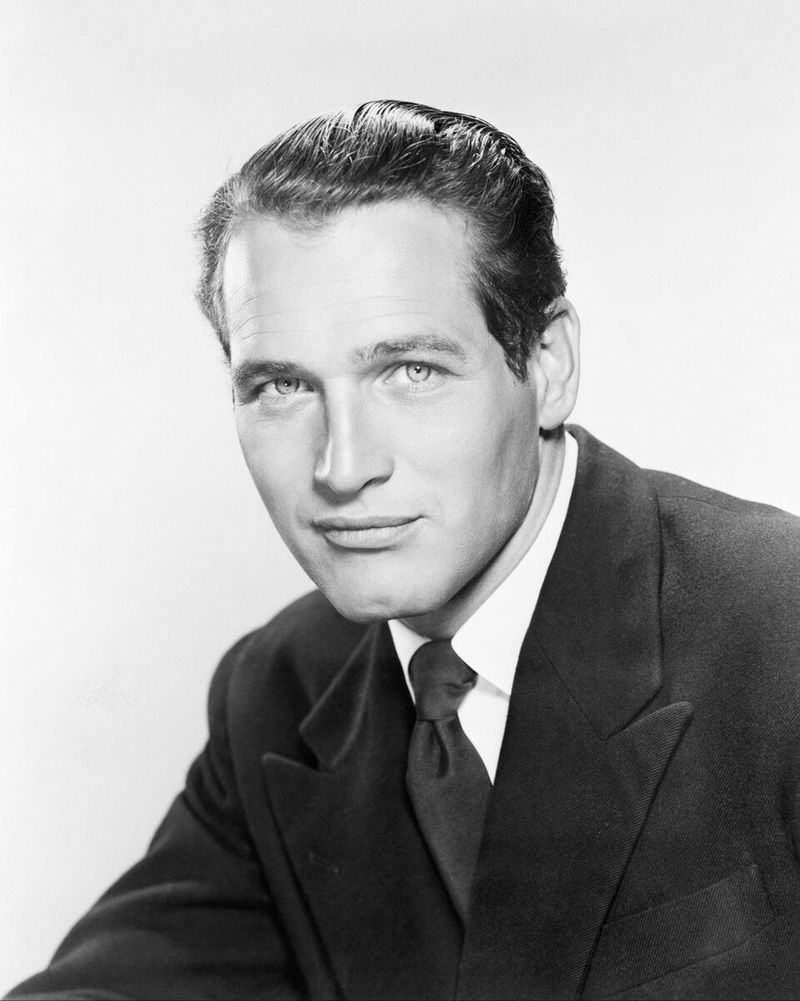
Paul Newman wanted to be a Navy pilot. He had the drive, the fitness, and the ambition.
The only problem was that he was colorblind, which disqualified him from flight training. That twist of fate redirected his path in ways nobody could have predicted.
Instead of flying, Newman trained as a rear-seat radioman and gunner for torpedo bomber crews. He served with training and replacement squadrons, working in roles that were essential even if they lacked the glamour of the cockpit.
His war was not the one he planned, but he showed up and served anyway.
Newman later credited his military service with giving him a sense of discipline and perspective that shaped everything that followed. He became one of the most respected actors of his generation, known for intensity and authenticity on screen.
Some people say colorblindness cost Newman a flying career. Others might argue it gave the world one of its greatest actors instead.
Fair trade, arguably.
Sidney Poitier: A Teenage Enlistment Before a Groundbreaking Career
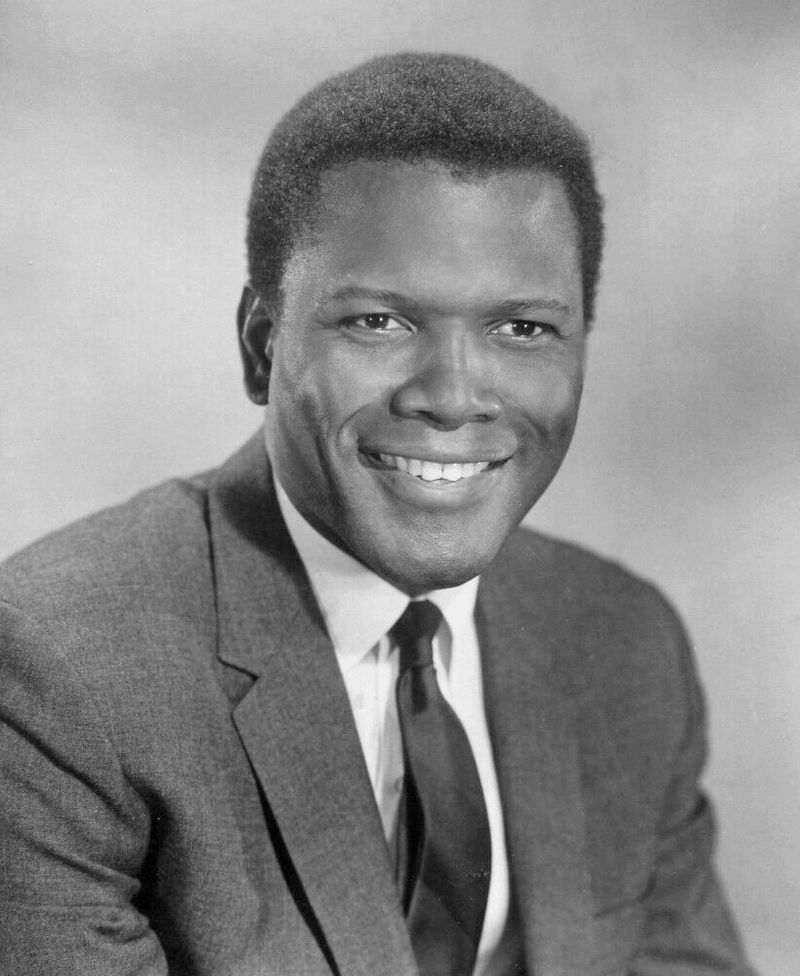
Sidney Poitier lied about his age to enlist during WWII, which was more common than most people realize. He was assigned to a Veterans Administration hospital in Northport, New York, working with psychiatric patients, many of them veterans dealing with the mental toll of combat.
Working with traumatized veterans as a teenager gave Poitier an early education in human suffering and resilience that shaped his worldview profoundly. He later said that his time in service exposed him to a broader America than the one he had grown up with in the Bahamas and Florida.
Poitier went on to become one of the most important figures in the history of American cinema, breaking racial barriers in Hollywood with dignity and purpose. His groundbreaking career was built on a foundation of real-world experience that started with a teenage decision to serve his country before he was technically old enough to do so.
That kind of boldness showed up in every role he ever played.
Eddie Albert: A Real-Life Rescue Under Fire
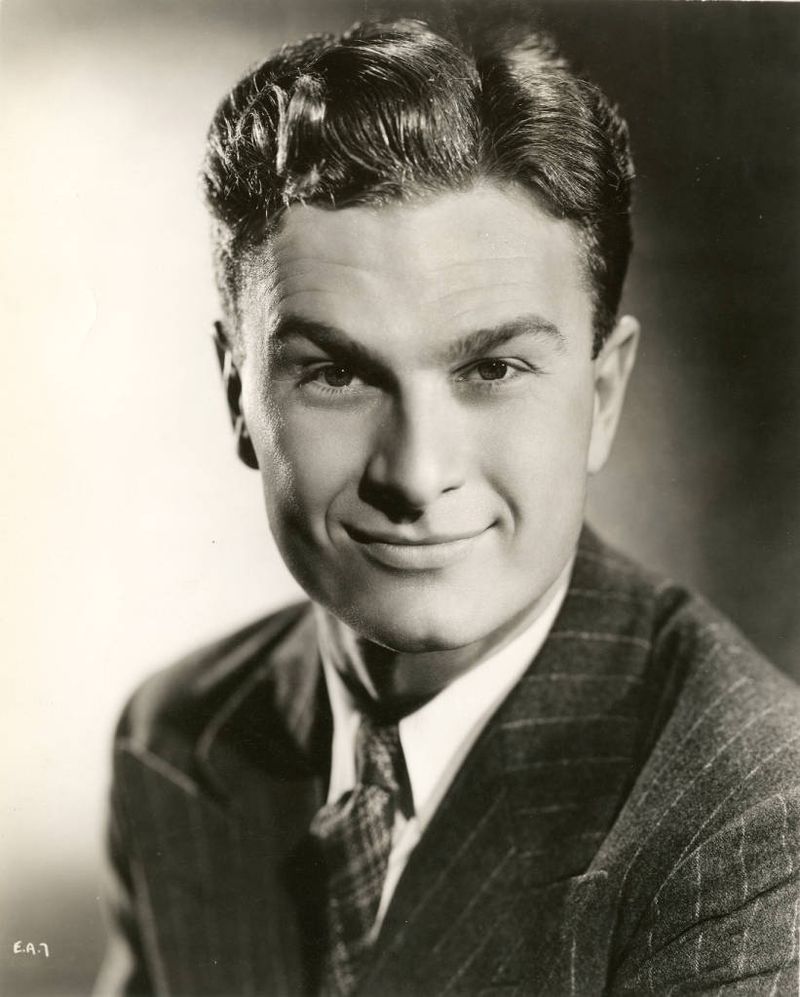
Eddie Albert is best remembered by some as the cheerful farmer from the TV show “Green Acres.” That image gets shattered pretty quickly when you learn what he did at Tarawa. Albert earned a Bronze Star with a Combat V for his actions during the Battle of Tarawa in November 1943.
Under intense enemy fire, Albert piloted a small boat repeatedly into the kill zone to rescue wounded Marines stranded on the beach. He pulled 47 Marines to safety during those missions.
Let that number sit for a moment. Forty-seven people owe their lives to a man most people associate with a comedy about a talking horse and a city slicker on a farm.
Albert rarely talked about Tarawa publicly. He preferred to focus on his acting and later his environmental activism.
But those who knew the story understood that the warmth and decency he projected on screen came from a man who had proven, under the worst possible conditions, that he genuinely cared about other people.
Alec Guinness: Before Obi-Wan, He Commanded Landing Craft
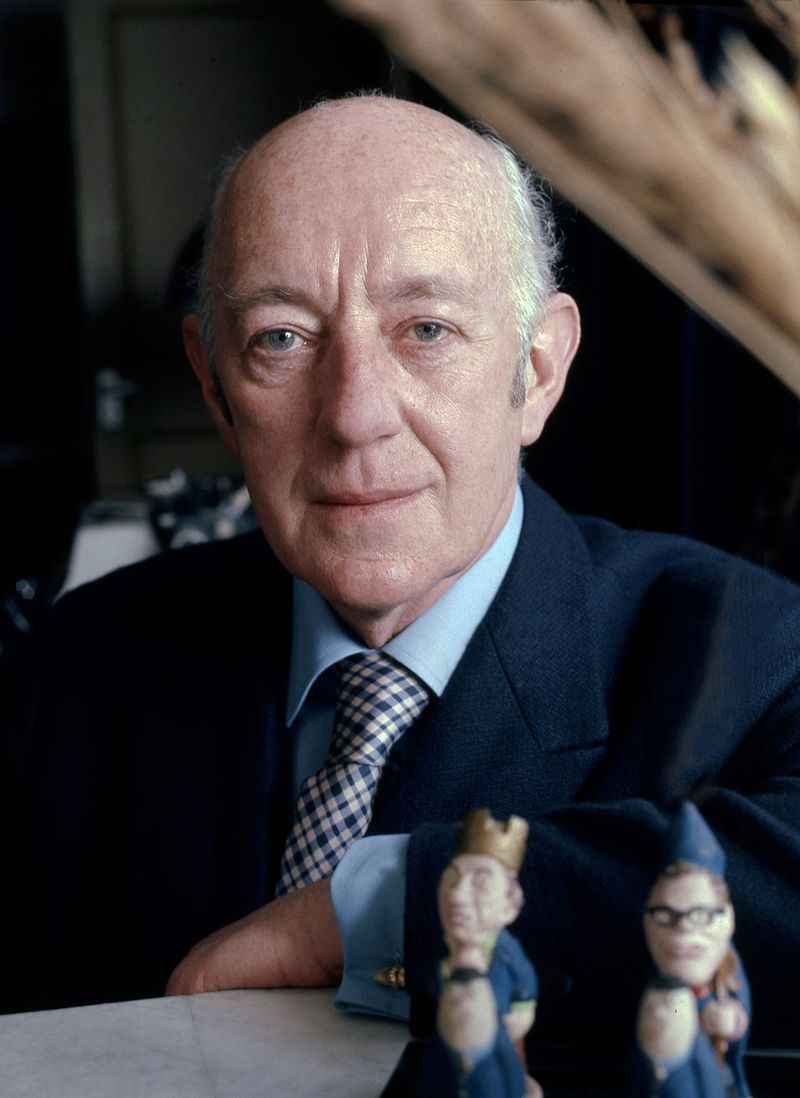
Long before Alec Guinness became the wise old Jedi master that generations of Star Wars fans adore, he was commanding landing craft in actual wartime amphibious operations. Guinness served in the Royal Navy Volunteer Reserve during WWII and took part in the Allied invasion of Sicily in 1943.
Leading a landing craft during an amphibious assault is about as far from Hollywood as it gets. Guinness was responsible for the safety of his crew and the success of his mission under genuine combat conditions.
He later also served in operations in the Adriatic.
Guinness was always modest about his wartime service, consistent with his generally understated public persona. But the experience of command, of responsibility for other lives under pressure, surely fed into the gravitas he brought to complex characters throughout his career.
When Obi-Wan Kenobi speaks with quiet authority about things bigger than himself, you are watching a man who actually knew something about duty.
Tyrone Power: The Heartthrob Who Became a Marine Corps Aviator
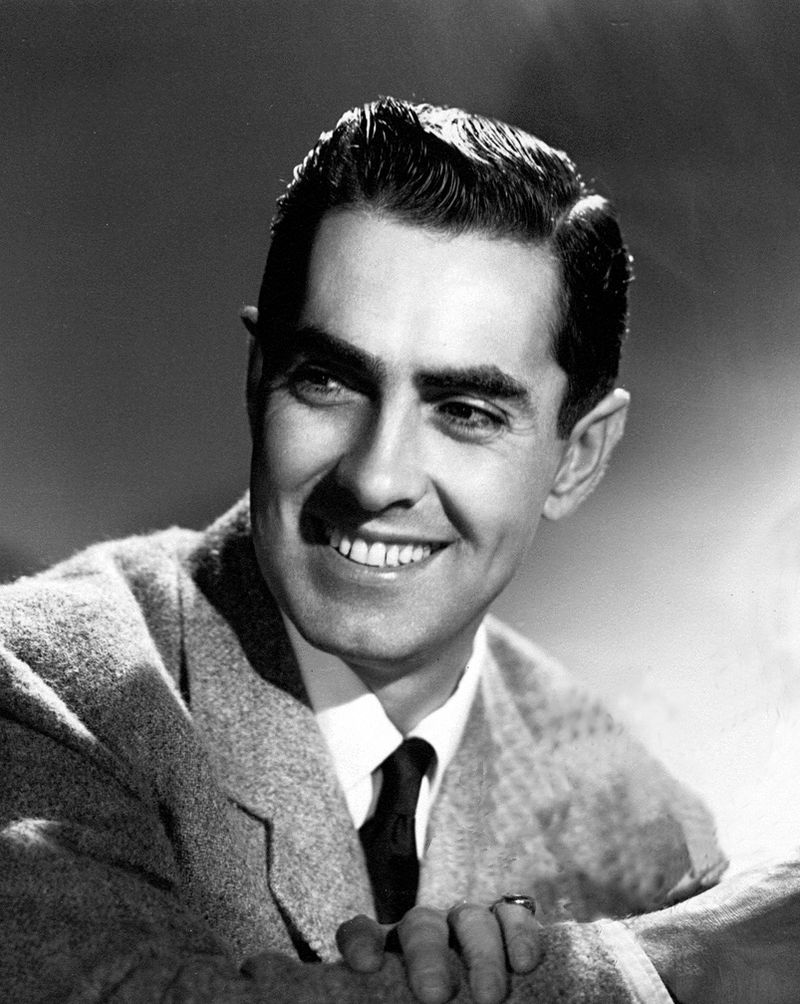
Tyrone Power was one of the biggest box-office draws in Hollywood during the late 1930s and early 1940s. Studios were not thrilled when he enlisted.
Fans were shocked. Power did not care.
He became a U.S. Marine Corps aviator during WWII and flew transport missions in the Pacific theater.
Power flew C-47 transport aircraft carrying supplies and wounded soldiers, routes that were not glamorous but were absolutely essential to the war effort. He flew into active combat zones to deliver supplies and evacuate casualties, putting himself in real danger every time he took off.
When Power returned to Hollywood after the war, something about him had changed. Colleagues noticed a new seriousness in him.
The carefree matinee idol quality softened into something more grounded. He continued making films throughout the 1950s until his sudden death in 1958.
Power proved that being the most handsome man in any room does not mean you are unwilling to do the hard, unglamorous work when it matters.
Robert Montgomery: A Star Who Climbed to Command Responsibilities
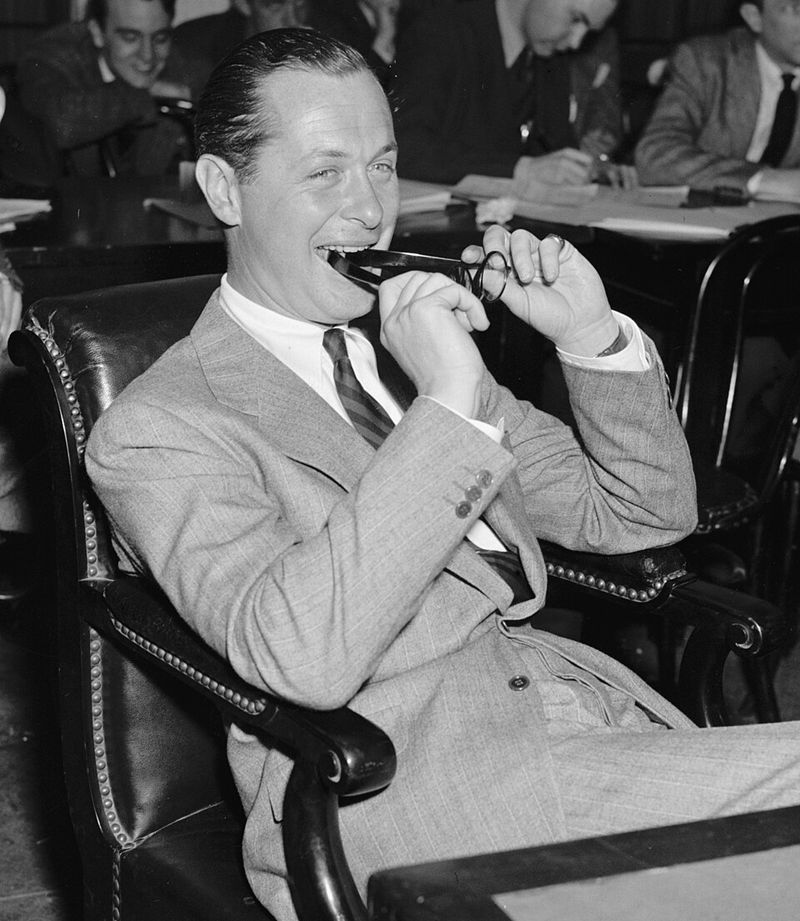
Robert Montgomery was already a polished, successful Hollywood actor when WWII began. He had starred in dozens of films and was a genuine A-lister.
When the war started, he joined the U.S. Navy and worked his way up to the rank of lieutenant commander, which is a serious rank that carries real responsibility.
Montgomery served in multiple naval roles, including as a PT boat commander and later as a naval observer attached to the destroyer USS Barton during D-Day operations. His role on D-Day put him in the middle of one of the most dangerous and consequential military operations in history.
After the war, Montgomery returned to acting and later moved into directing and television production. His son is the actor and director Robert Montgomery Jr., but the elder Montgomery’s legacy includes far more than his film credits.
He was a naval officer who earned his rank through genuine service, not a ceremonial commission. That distinction mattered to him.
Douglas Fairbanks Jr.: The Actor Who Helped Invent a Deception Force
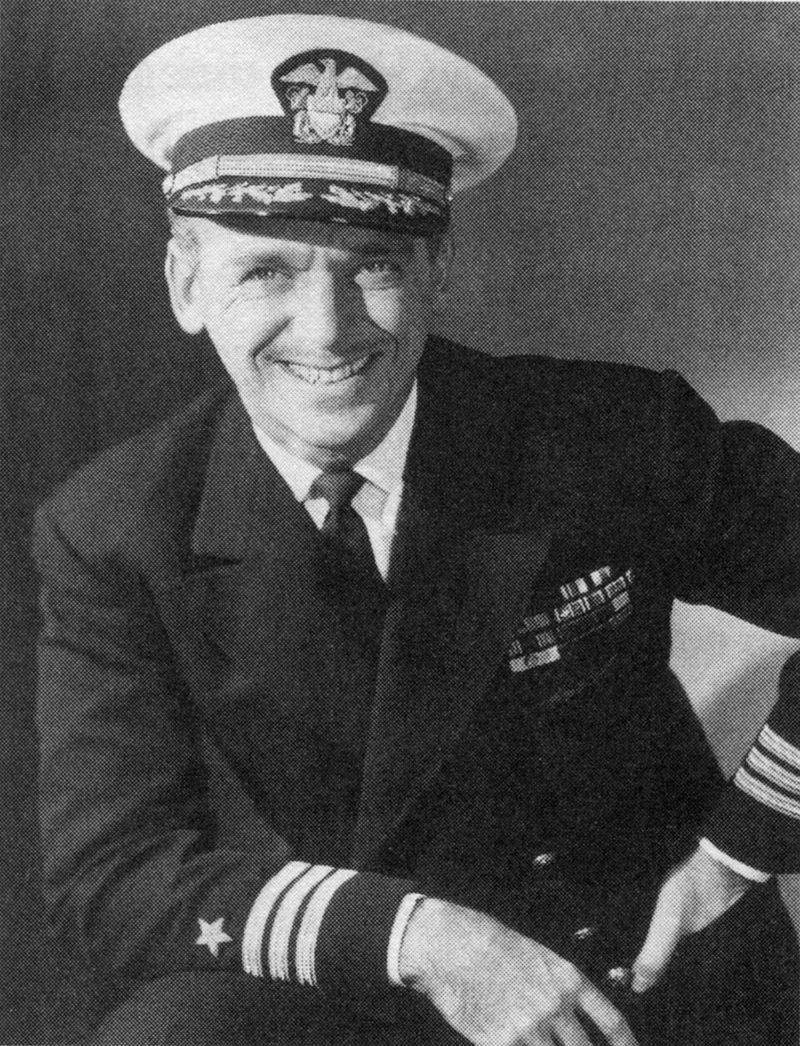
Douglas Fairbanks Jr. had Hollywood royalty written into his very name. His father was one of the silent film era’s biggest stars.
But Douglas Jr. carved out his own legacy, and a significant part of it happened far from any movie set. He played a key role in creating the U.S.
Navy Beach Jumpers program during WWII.
The Beach Jumpers were a specialized unit focused on deception and psychological warfare. Their job was to simulate naval forces, confuse the enemy, and create false impressions of troop movements.
It was creative, dangerous, and genuinely influential work that helped protect real operations from enemy intelligence.
Fairbanks rose to the rank of captain in the Navy and was decorated by multiple Allied nations for his contributions. The British, French, and Italians all honored him.
When someone who grew up surrounded by Hollywood glamour ends up inventing military deception tactics that actually work in combat, you have to tip your hat. He earned every single medal.
Sterling Holloway: The Voice of Winnie-the-Pooh Helped Lift Troops’ Spirits
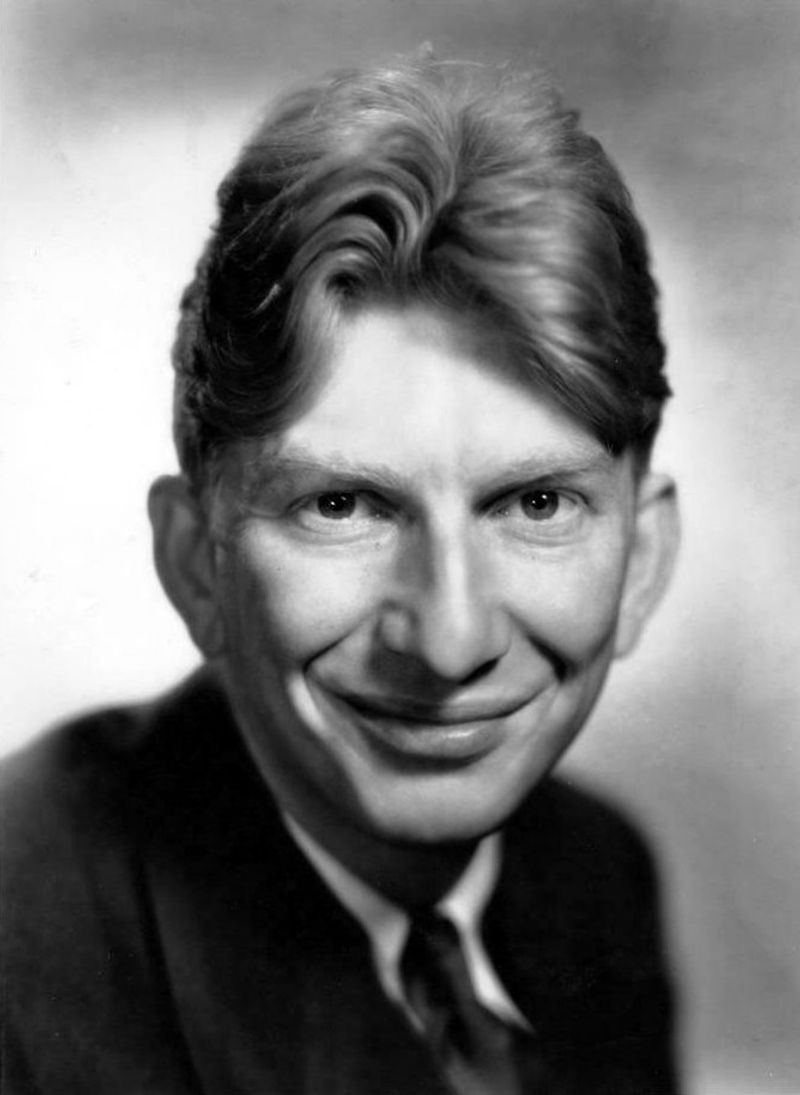
Sterling Holloway has one of the most recognizable voices in animation history. He voiced Winnie-the-Pooh, Kaa the snake from “The Jungle Book,” and dozens of other beloved characters.
But during WWII, that distinctive voice was put to work for a very different audience.
Holloway enlisted in the U.S. Army and was assigned to Special Services, which was the branch responsible for organizing entertainment and morale-boosting activities for troops.
Getting soldiers to laugh and feel human in the middle of a war is genuinely important work, and Holloway threw himself into it.
Morale is not a soft concept in wartime. Commanders have always known that soldiers who feel supported and connected to something joyful fight harder and recover faster from hardship.
Holloway’s contribution might not have involved a rifle, but it involved something equally powerful in its own way. Sometimes the most effective weapon in a war is a well-timed laugh from a man with a very funny voice.
Jackie Coogan: Child Star to WWII Glider Pilot
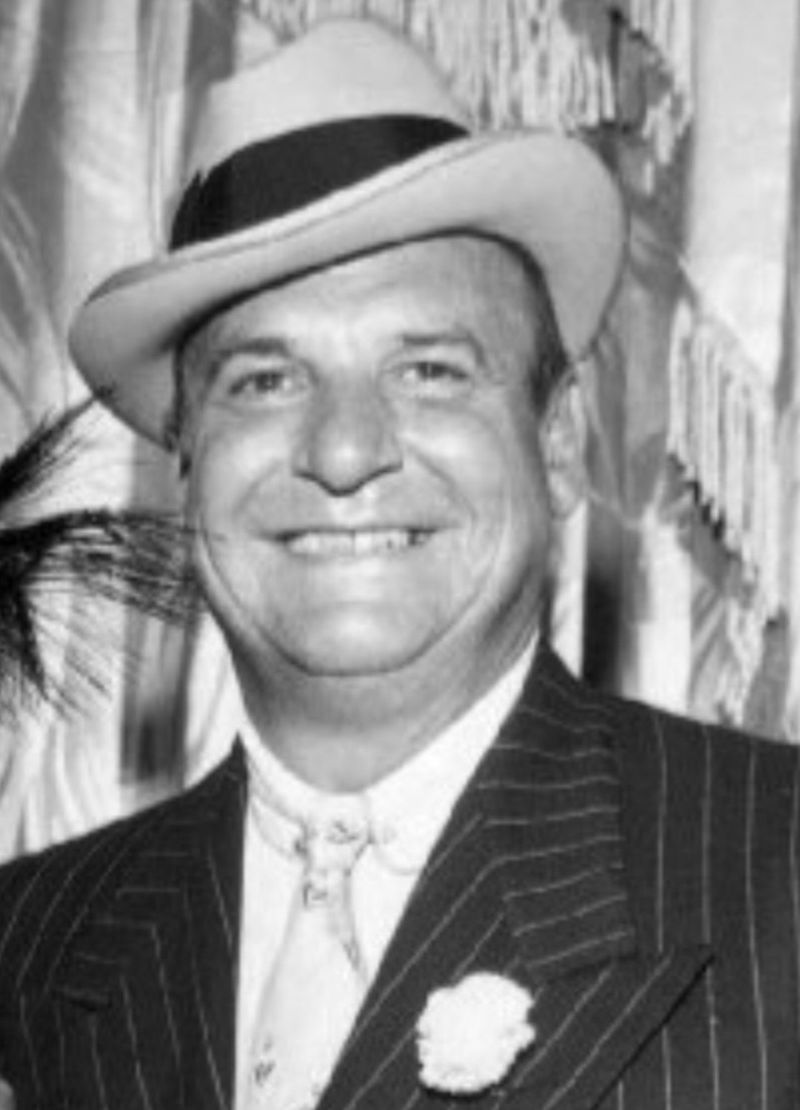
Jackie Coogan was famous as a child actor long before most people reading this were born. He starred alongside Charlie Chaplin as a kid and was one of the earliest Hollywood child stars.
By the time WWII rolled around, Coogan was an adult with a military itch to scratch.
He enlisted in 1941 and trained as a glider pilot with the U.S. Army Air Forces.
Glider pilots had one of the most nerve-wracking jobs in the military. They flew engineless aircraft packed with troops and supplies into active combat zones, landed in hostile territory, and then fought as infantry.
There was no engine to go back on. You landed, and that was that.
Coogan later became recognizable to a new generation as Uncle Fester on “The Addams Family.” But between the child star chapter and the bald-headed TV icon chapter, there was a glider pilot who flew into war zones without an engine. That middle chapter deserves way more attention than it gets.
Mickey Rooney: A Box-Office Giant Who Went Where Morale Mattered
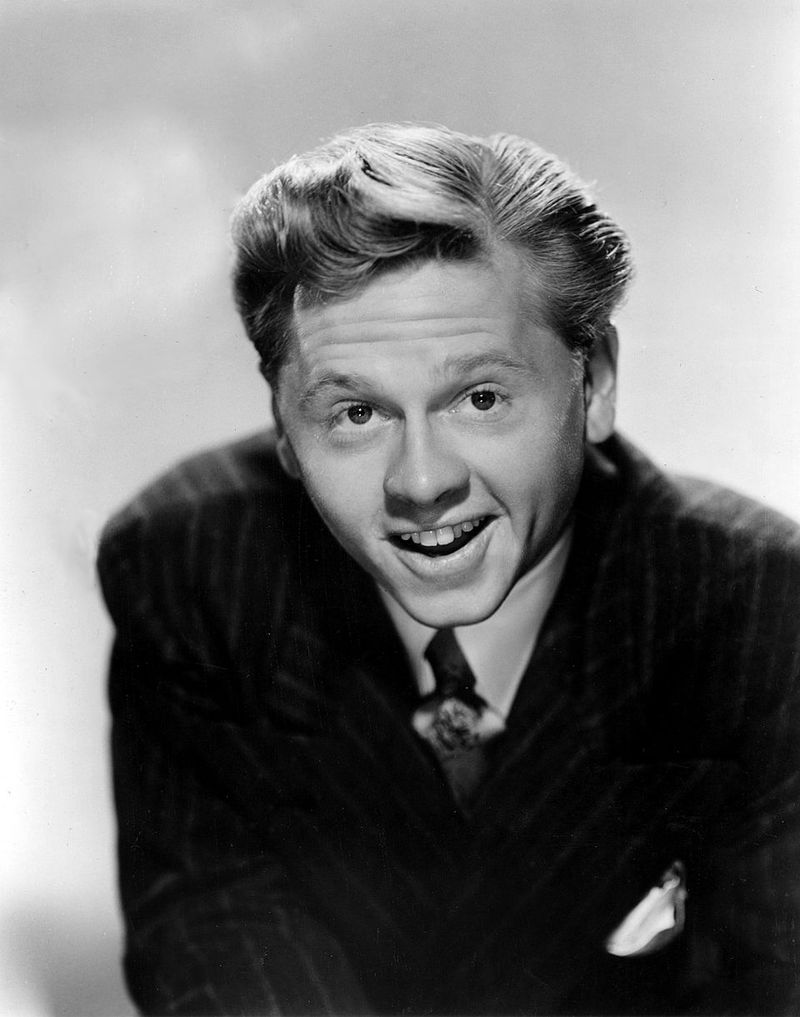
Mickey Rooney was, at one point, the biggest box-office star in the entire world. Not just in America.
The world. So when he got drafted into the U.S.
Army in 1944, it was a genuinely big deal. Rooney served in Special Services and performed for troops across multiple theaters of the war.
Rooney performed over 150 shows for soldiers stationed overseas, often in locations that were far from safe. He entertained troops close to the front lines in Europe, putting himself in real danger to bring some joy to people who desperately needed it.
This was not a safe PR move. It was a genuine commitment.
After the war, Rooney returned to a Hollywood career that had many more chapters left in it, including an Oscar nomination late in life for “The Black Stallion.” But his wartime service showed a side of the hyperactive entertainer that his fans did not always see: a man who understood that his talent carried a responsibility, and who showed up to meet that responsibility in person, wherever the soldiers were.
Share this story