Parenting in the early 1970s leaned on confidence, convenience, and whatever a neighbor swore was true. Advice traveled through dinner tables, PTA chatter, and the latest magazine column, mixing folk wisdom with half-remembered science.
Some tips aged well, but many turned into cultural legends that kids repeated like policy. Keep reading for a lively tour through 15 notorious claims from 1973, and what they reveal about media, medicine, and family life in a decade that reshaped American routines.
1. “If You Swallow Gum, It Stays in Your Stomach for Seven Years”

Blunt warnings about gum permanence sounded official enough to rewrite biology at the dinner table. It fit the era’s habit of turning health rumors into rules when pediatric guidance was harder to access.
The digestive reality is less dramatic. Gum base is largely indigestible, but it moves through the gastrointestinal tract with other fiber-like material and exits on a normal timeline.
Pediatric journals and gastroenterology texts have long described transit mechanics, and by the late 20th century, mainstream outlets corrected the myth.
So why did 1973 parents lean on it? Convenience and caution intersected with limited medical media and periodic headlines about choking risks.
Packaging design made gum look like a toy, encouraging adults to overcorrect with a sticky scare.
What you can take away is practical. Swallowing the occasional piece is typically harmless, though not a habit to encourage.
Age-appropriate chewing rules matter, especially for younger kids. The seven-year sentence never existed, but the impulse behind it reveals how families used bold claims to simplify safety.
2. “Sitting Too Close to the TV Will Ruin Your Eyes”
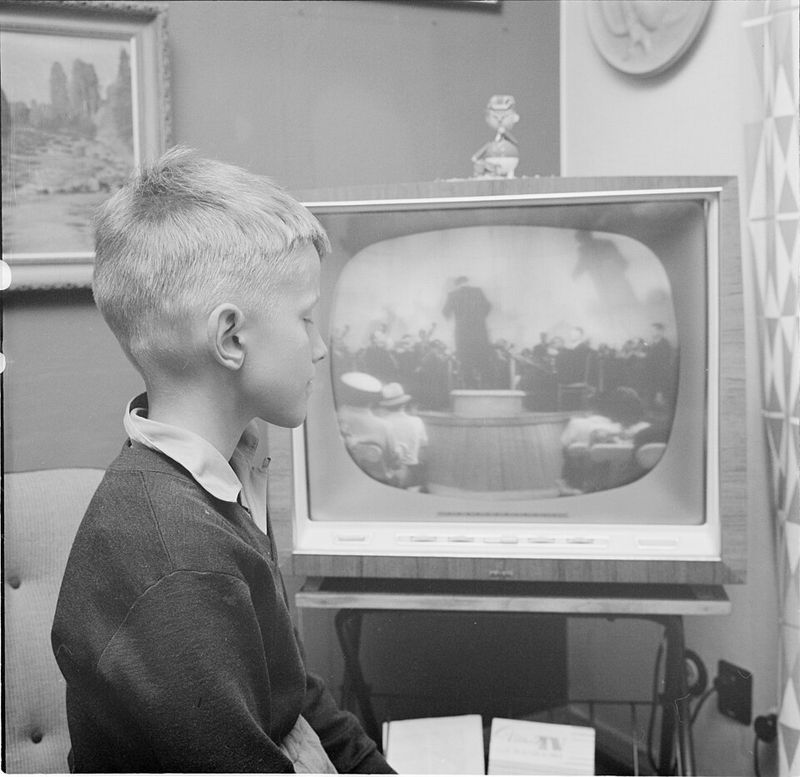
Nothing triggered a parental command faster than a child parked inches from a wood console TV. Adults translated discomfort and unfamiliar tech into a claim about permanent eye harm.
Ophthalmology groups differentiate between temporary eye strain and lasting damage. Focusing at short distances can cause fatigue, dryness, or headaches, but structural harm from proximity alone is not supported by clinical evidence.
In 1973, concerns also mixed with older anxieties from early television radiation scares, despite shielding improvements.
Another wrinkle came from screen design. Cathode-ray tubes produced flicker and lower resolution, which encouraged kids to scoot forward to decode details.
Parents read that behavior as dangerous rather than compensatory.
Practical guidance works better today. Encourage breaks with the 20-20-20 rule, adjust room lighting to reduce glare, and consider vision checks if a child consistently sits close.
The myth overstated risk, yet it captured a real issue around fatigue and ergonomics. Families were negotiating new media habits with limited instruction, so definitive-sounding warnings filled the gap.
3. “Cracking Your Knuckles Causes Arthritis”

A chorus of disapproval could follow a single pop in a quiet room. Adults drew a straight line between noisy joints and future arthritis, presenting the habit as a ticket to stiffness.
The rule spread because it was memorable and easy to enforce.
The mechanism is not bone grinding. Joint cracking often involves gas bubbles forming and collapsing in synovial fluid, a process documented with imaging studies.
Epidemiological research has not established a causal link between knuckle cracking and arthritis, though frequent cracking might irritate soft tissues for some people.
Why 1973 parents leaned hard on this message makes sense culturally. Good posture, quiet hands, and table manners were folded into health talk, and arthritis served as a catchall consequence.
Without quick access to peer-reviewed sources, a stern myth simplified family order.
Actionable advice is calmer. If cracking causes pain or swelling, stop and consult a clinician.
Strengthening and mobility exercises support joint function without theatrics. The arthritis claim aimed to curb an annoying sound, not deliver precise science, and modern evidence separates habit from disease risk.
4. “You Have to Wait an Hour After Eating Before Swimming”

Pool days often paused under a parental stopwatch.
Physiology does not support a blanket restriction. Digestion redirects some blood flow, but not to a degree that disables limb muscles or creates automatic cramps.
Lifeguard manuals emphasize supervision, swimming ability, hydration, and awareness of fatigue, not strict post-meal delays.
In 1973, liability worries and magazine columns likely amplified the rule. Community pools posted broad warnings to manage crowds and reduce risk, and parents converted cautious language into a fixed number.
Rules that felt consistent were easier to enforce.
Balanced guidance works better. Light swimming after a modest meal is fine, while intense laps right after overeating may feel uncomfortable.
Prioritize buddy systems, rest breaks, and attentive adults. The timer tradition became part of summer folklore, but safety rests more on skills and supervision than on the clock.
5. “Sugar Makes You Hyper”

Party chaos and cake were often blamed on the frosting. Adults concluded that cupcakes switched kids to turbo mode, an explanation that rescued order without examining context.
The claim sounded plausible and stuck to every celebration.
Controlled studies have repeatedly struggled to find a direct link between sugar and hyperactivity in typical children. Expectation effects can shape perception, and noisy events raise energy regardless of menu.
For children with specific conditions, careful dietary planning may matter, but the universal sugar equals frenzy rule is not supported.
So why did 1973 households believe it? Parenting books mixed calorie caution with behavior management, and snack branding surged.
Blaming sucrose simplified discipline debates when schedules were tight and play was unscripted.
6. “If You Make a Face Like That, It’ll Stay That Way”

A contorted grin could trigger a lifetime warning in three seconds. Parents reached for permanence to curb antics, turning a small social correction into biology.
The scare worked because it was vivid, not because it was accurate.
Facial expressions rely on muscles and connective tissue that return to baseline. While repetitive motions may influence lines over decades, a single held pose does not lock features.
Dermatology and anatomy references do not support sudden, fixed outcomes from making faces.
The rule’s persistence reflects household priorities in 1973. Indoor behavior was formal in many families, and cameras were costly, so adults wanted presentable photos and quiet dinners.
A claim about permanence discouraged wrestling matches with fewer negotiations.
7. “Don’t Turn on the Car’s Interior Light at Night—It’s Illegal”

A flip of the dome switch could get a kid scolded like a courthouse warning. The message framed brightness as a legal violation, not just a distraction.
It carried authority and ended the conversation as the highway rolled by.
Traffic codes in most jurisdictions do not prohibit interior lights while driving. Safety experts acknowledge increased glare and reduced outside visibility for the driver, so the practice is discouraged rather than criminalized.
Police discretion sometimes fueled confusion when stops were tied to erratic driving, not the light itself.
In 1973, analog navigation and paper maps made short bursts of light useful, but parents valued uninterrupted focus behind the wheel. Labeling it illegal simplified a nuanced safety tradeoff.
The car was a mobile rulebook with tight hierarchies.
8. “You’ll Catch a Cold If You Go Outside with Wet Hair”

The towel tug at the doorway arrived with seasonal certainty. Parents paired damp hair with illness like matched luggage, turning climate into a pathogen.
It fit the calendar and felt responsible.
Colds come from viruses, not temperature alone. Laboratory and epidemiological studies point to transmission dynamics, crowding, and immune responses, with cooler conditions sometimes aiding viral survival but not making wet hair the cause.
Comfort matters, but causation belongs to microbes.
Why did 1973 cling to the rule? Winter energy costs were rising, schools were crowded, and families equated warmth with health.
The neat warning served as a preventive slogan easy to repeat before the bus stop.
9. “Coffee Will Stunt Your Growth”

That forbidden sip from the percolator carried a mysterious penalty. Parents described coffee as a height thief, wrapping caffeine in developmental stakes.
The warning preserved adult territory around the morning ritual.
Research does not support a clear connection between moderate caffeine intake and reduced growth in healthy adolescents. Pediatric guidance still advises limiting caffeine because of sleep disruption, heart rate effects, and dependency risks.
The height claim, however, rests on shaky ground and mixed anecdotes.
In 1973, coffee culture was strong, and decaf was often processed with methods that raised health questions later. Adults may have used a growth narrative to avoid debates about jitters and bedtime.
The message sounded scientific and settled.
10. “Eat All Your Carrots – They’ll Give You Perfect Vision”

Vegetable negotiations found a superhero in orange. Parents promised x-ray clarity from a spoonful of carrots, upgrading dinner into an optics lesson.
The claim felt tangible and made side dishes sound strategic.
Carrots contain beta carotene, which the body converts to vitamin A, essential for eye health and preventing deficiency-related vision problems. Yet perfect or enhanced vision from extra servings is an overreach.
The World War II propaganda story about pilots and night vision helped popularize the exaggeration, and it echoed in 1970s kitchens.
Households then were absorbing new nutrition labels and public health campaigns. Turning vitamins into guarantees made shopping and mealtime decisions easier.
Kids heard a promise rather than a probability.
11. “Strangers Always Offer Candy”

Safety class often began with a single sugary scenario. Parents condensed complex risk into a candy script that sounded cinematic and easy to memorize.
The simplicity helped children recall rules under stress.
Prevention experts advise a broader approach. Focus on behaviors, like luring, isolation attempts, or requests for help, rather than labels based on appearance.
Most harm occurs with people children know, so teaching boundary setting, trusted adults, and public check-ins is more effective than candy-centered warnings.
In 1973, media stories and after-school specials leaned on symbolic objects to teach caution. Candy became a cultural shorthand, and repetition made it feel universal.
The message did raise awareness, but it obscured context.
12. “You Have to Finish Everything on Your Plate”
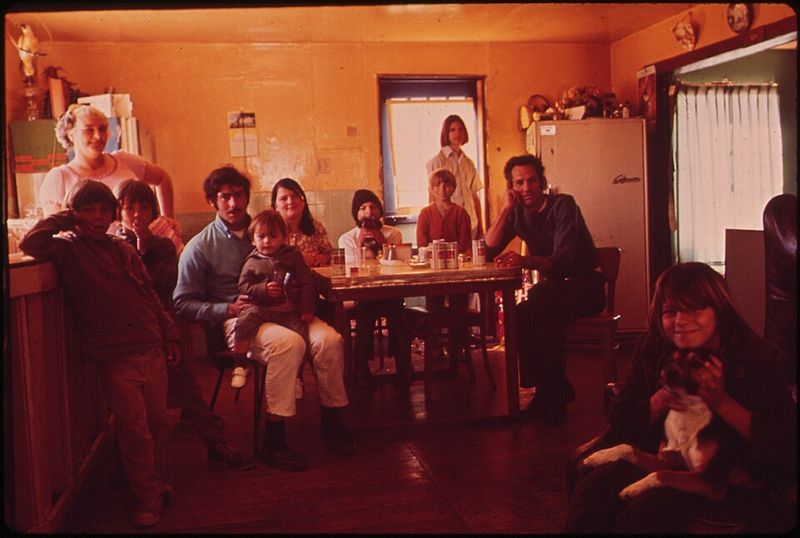
Dinner could feel like a contract signed in peas. Adults promoted the clean plate club as nutrition and manners wrapped into one.
The expectation traveled from wartime conservation into suburban habits, gaining moral weight along the way.
Nutrition science encourages listening to satiety signals. Forcing completion may disconnect children from internal cues and complicate relationships with food.
Studies also note that portion sizes grew through the 20th century, so finishing everything did not always match caloric needs.
In 1973, food costs, advertising, and convenience meals shaped serving styles. Parents balanced budgets and avoided waste, using a simple rule that reduced nightly debates.
It worked for order, not necessarily for long-term habits.
13. “If You Step on a Crack, You’ll Break Your Mother’s Back”

Playground chants turned sidewalks into obstacle courses with consequences. The rhyme landed like a rulebook written in chalk.
It taught coordination and caution wrapped inside a superstition.
Folklorists trace variations of the phrase to early 20th century sayings that morphed across regions. Children’s culture thrives on rhymes that test control over random events, and parents in 1973 often tolerated the game while dismissing its claim.
There is, of course, no causal chain between stepping on concrete lines and family health.
The chant survived because it added structure to walks without adult supervision. It also fit an era when outdoor play stretched for hours and rules traveled peer to peer.
Myths served as portable entertainment that required no equipment.
14. “College Is the Only Way to Succeed”

Ambition in 1973 often came with a single map. Guidance offices and family talks framed success as a straight line through a four-year campus.
The message linked respectability to diplomas in a decade preoccupied with stability.
Economists note that returns to education are real, but pathways are plural. Skilled trades, military training, apprenticeships, and community colleges have long launched solid careers.
Entrepreneurship and creative fields also expanded with new technologies in later decades, challenging the one-path script.
The narrow view reflected labor market anxieties after late 1960s shifts. Parents favored credentials that could weather change and signaled social mobility.
Brochures, rankings, and TV made the university route look standardized.
15. “Because I Said So”

Few phrases ended debates faster. Authority compressed into four words turned any topic into a closed case, from curfews to TV time.
The line functioned like a household period.
Development research distinguishes between authoritarian and authoritative approaches. Clear boundaries paired with explanations tend to support autonomy, cooperation, and long-term self-regulation.
In 1973, many families still favored command-first methods influenced by earlier parenting models and limited child psychology outreach.
The phrase persisted because it managed chaos quickly. Large families, fixed schedules, and fewer youth-centered services made negotiation time scarce.
Without easy access to references, a final word substituted for reasoning.
Share this story