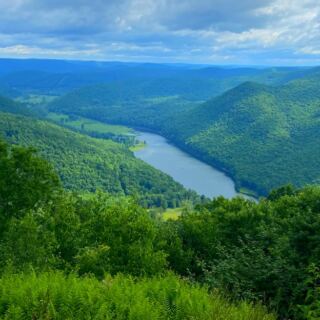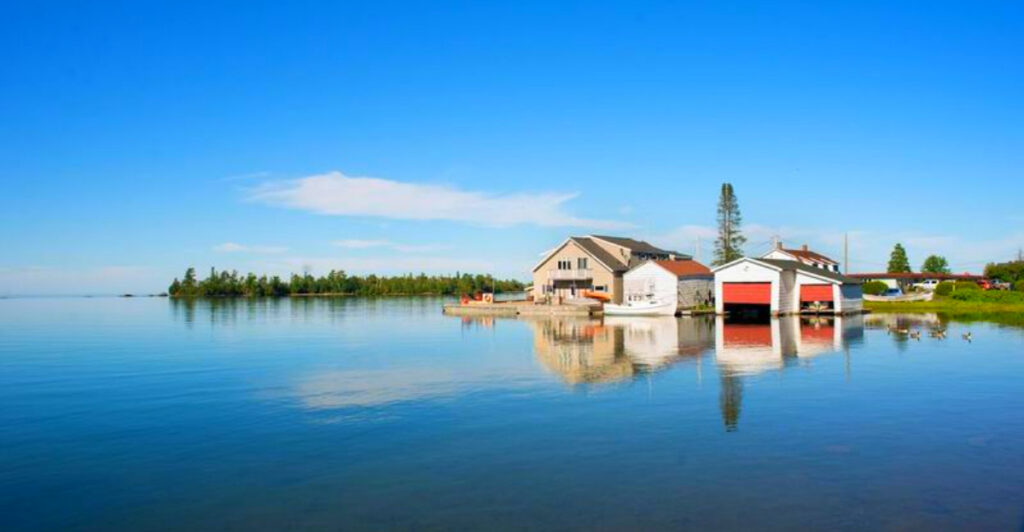
US-41 ends here. After nearly 2,000 miles from Miami, the road stops at a small village on Michigan’s Keweenaw Peninsula with just over 130 residents and nothing beyond it but Lake Superior.
This place stands out for its location alone, but it draws visitors for more than that. Historic sites, well-known hiking trails, and access to one of the most remote stretches in the Midwest make it a destination people go out of their way to reach.
If you want to see where the road literally runs out and experience a part of the country that still feels largely untouched, this is it. Here’s what makes this tiny town worth the trip.
A Pinpoint on the Map: Location and Identity of Copper Harbor
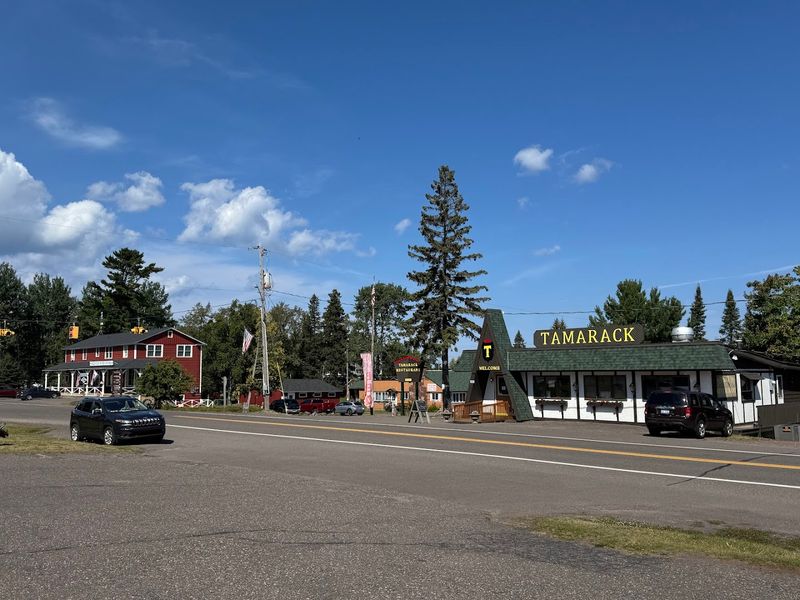
Grant Township, Keweenaw County, Michigan is home to one of the most northerly communities in the entire state. Copper Harbor is an unincorporated community and census-designated place, meaning it has no formal city government of its own, yet it carries a personality bigger than most cities twice its size.
The 2020 census recorded just 136 permanent residents here, making it one of the smallest CDPs in Michigan by population. The address anchor for the community is Copper Harbor, Grant Township, MI, positioned at approximately 47.47 degrees north latitude and 87.89 degrees west longitude.
That geography puts it right at the tip of the Keweenaw Peninsula, a finger of land jutting into Lake Superior. The nearest sizable town is Houghton, about 50 miles to the south.
For a community this small, Copper Harbor punches well above its weight in charm, history, and sheer natural beauty that keeps drawing people back year after year.
The End of US-41: A Highway That Starts in Miami
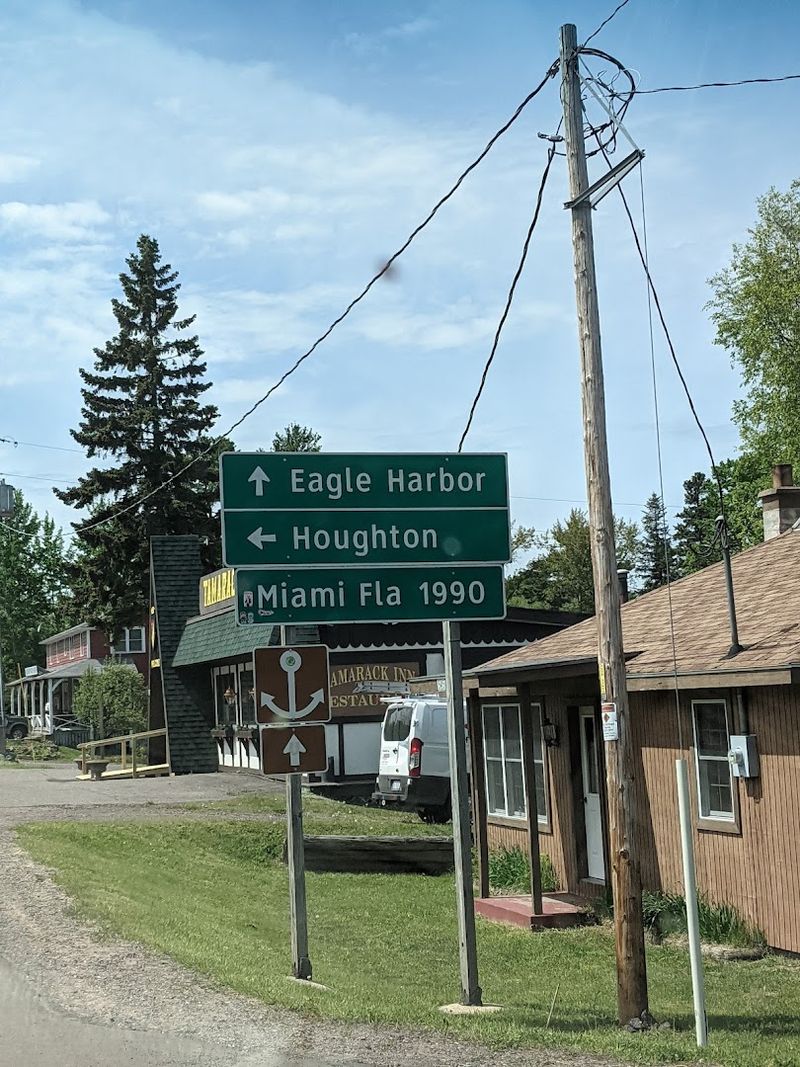
US Highway 41 is one of America’s great road-trip corridors, beginning in Miami, Florida, and winding roughly 2,000 miles northward before it simply runs out of road right here in Copper Harbor. That fact alone gives this tiny village a kind of legendary status among highway enthusiasts and road-trippers.
A modest but meaningful sign marks the northern terminus, and travelers often stop to photograph it as proof they made the full journey. The highway passes through major cities like Chicago and Milwaukee before thinning out into two quiet lanes that slice through the Upper Peninsula’s forests.
Reaching the end of US-41 feels like completing a puzzle. The road does not fade out gradually; it arrives at the harbor’s edge with a kind of quiet finality that is oddly satisfying.
Many visitors describe the moment as both anticlimactic and deeply moving, which is a combination that only a place this remote and this storied could pull off so effortlessly.
Copper Mining Roots: The History That Built This Town
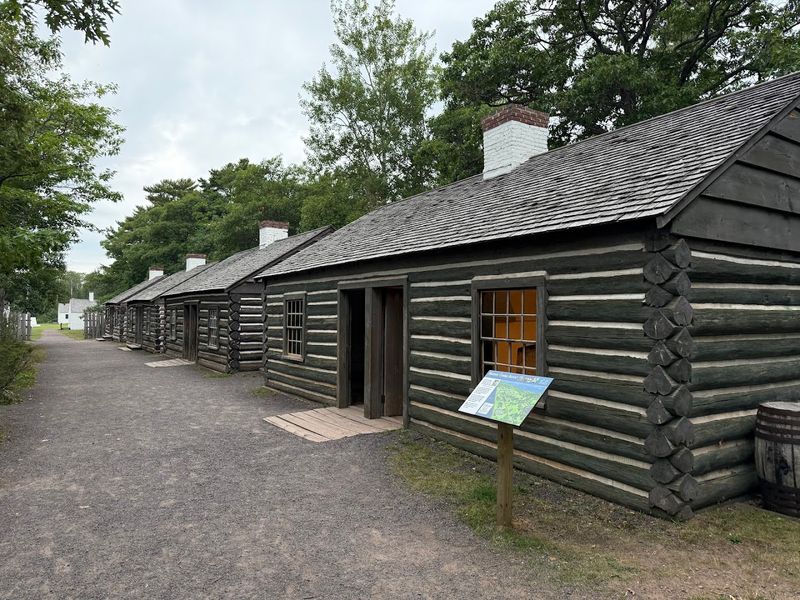
The name Copper Harbor is not poetic invention; it is a direct reference to the copper that drew thousands of prospectors and miners to this peninsula starting in the 1840s. Michigan’s Keweenaw Peninsula was once the epicenter of American copper production, and Copper Harbor served as one of the earliest staging points for that industrial rush.
Fort Wilkins, established by the U.S. Army in 1844, was built partly to maintain order among the flood of miners arriving in the region.
The copper boom eventually shifted southward to richer deposits, and Copper Harbor’s population shrank accordingly, leaving behind a landscape dotted with historic remnants.
Today, those remnants are part of what makes the town so fascinating to explore. Old mine shafts, tailings piles, and preserved structures tell a story of ambition and hard labor that shaped not just this community but the entire industrial history of the Great Lakes region.
The past here is never far from the surface.
Fort Wilkins State Park: History and Wilderness in One Place
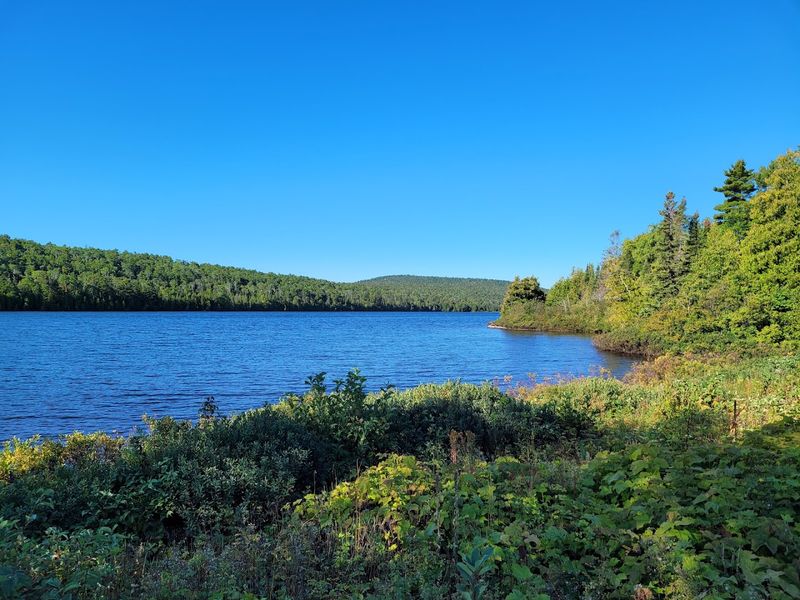
Fort Wilkins State Park is one of the best reasons to make the long drive to Copper Harbor, and it rewards visitors with a genuinely rare combination of preserved military history and stunning natural scenery. The fort itself is one of the few remaining examples of mid-19th-century frontier military architecture east of the Mississippi River.
The original wooden buildings have been carefully restored, and costumed interpreters bring the 1840s garrison to life during the summer months. Walking through the compound, I could almost hear the echo of soldiers drilling on the parade ground more than 175 years ago.
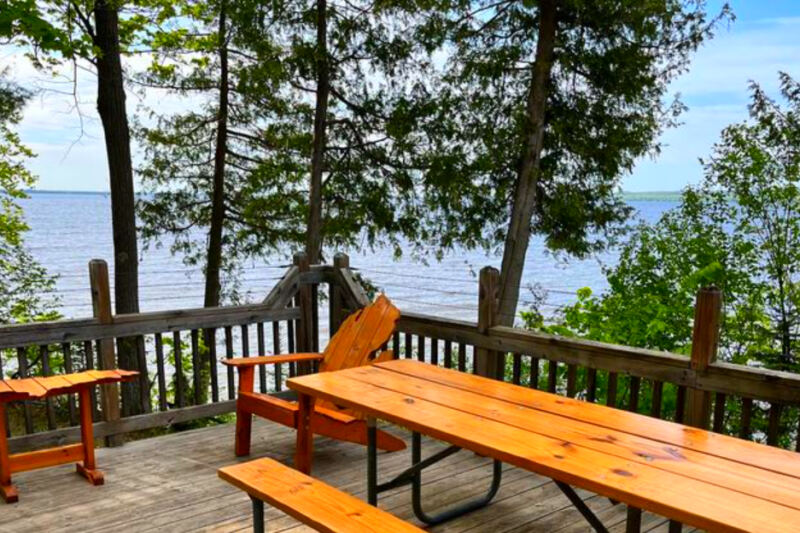
Beyond the historic buildings, the park encompasses Lake Fanny Hooe and stretches of Lake Superior shoreline, offering camping, fishing, and hiking trails that wind through boreal forest. The campground here is genuinely lovely, with sites close enough to the water that you can hear the lake at night.
Fort Wilkins manages to make history feel immediate and the wilderness feel completely accessible all at once.
Lake Superior Shoreline: Cold Water, Big Views, and Quiet Beaches
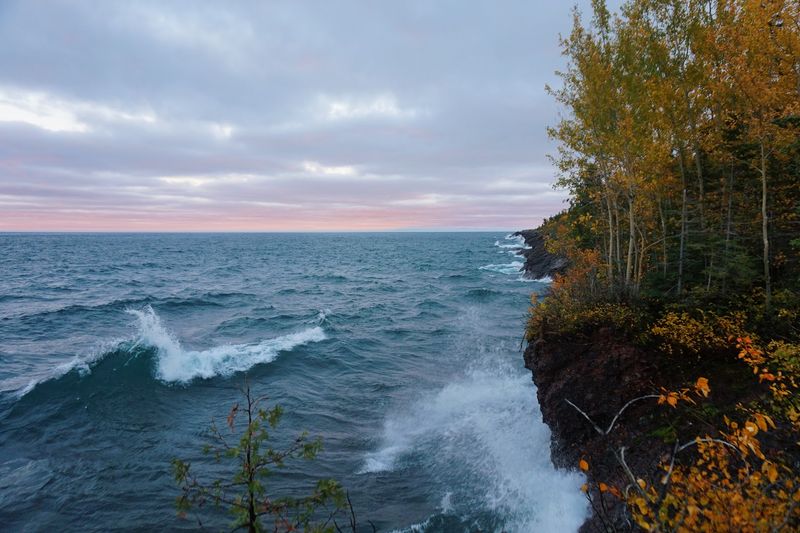
Lake Superior is the world’s largest freshwater lake by surface area, and the stretch of shoreline near Copper Harbor gives you a front-row seat to its raw, unfiltered power. The water here is famously cold even in summer, typically hovering in the low to mid-50s Fahrenheit, but that does not stop visitors from wading in or launching kayaks from the rocky beaches.
The color of the lake shifts dramatically depending on the weather, ranging from deep indigo on calm days to a churning slate green when storms roll in from the northwest. On clear mornings, the visibility through the water is remarkable, sometimes reaching 20 feet or more.
I spent an afternoon just sitting on the rocks watching the lake do its thing, which sounds uneventful but is actually one of the most restorative experiences I have had on any trip. There is a reason people talk about Lake Superior with the kind of reverence usually reserved for oceans; it genuinely earns it.
Brockway Mountain Drive: The Scenic Road That Steals the Show
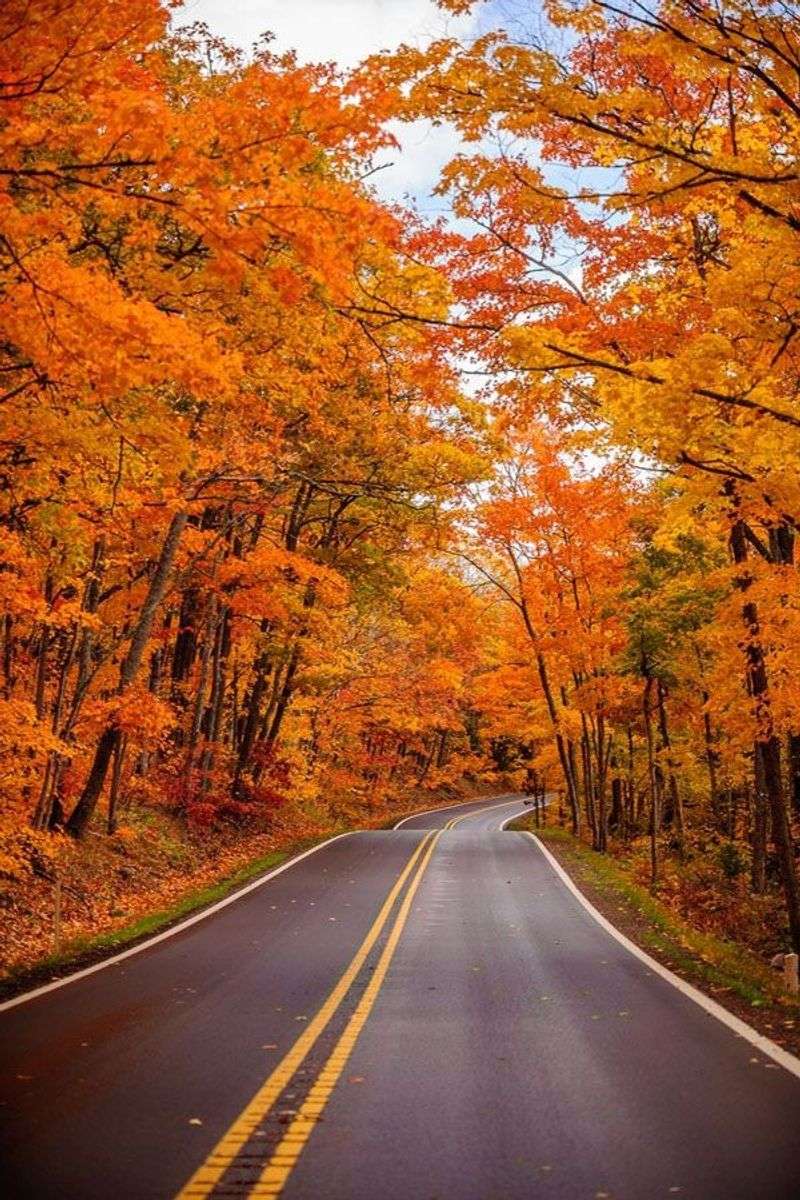
Brockway Mountain Drive is frequently called one of the most scenic roads in the Midwest, and after driving it myself, I have no argument with that assessment. The road climbs to an elevation of about 1,320 feet above sea level and offers sweeping views of Lake Superior, the surrounding Keweenaw forest, and on clear days, Isle Royale National Park far out on the water.
The drive is about nine miles long and connects Copper Harbor to Eagle Harbor, making it a practical route as well as a spectacular one. In autumn, the hillsides explode with color as maple, birch, and aspen turn gold and red, drawing photographers from across the region.
A small parking area at the summit lets you step out and take in the view without rushing. Hawks and eagles ride the thermals along the ridge during migration season, making it a popular spot for birders as well.
Few roads anywhere in Michigan deliver this kind of visual payoff for so little effort from the driver.
Mountain Biking Trails: Why Riders Call This Place a Hidden Treasure
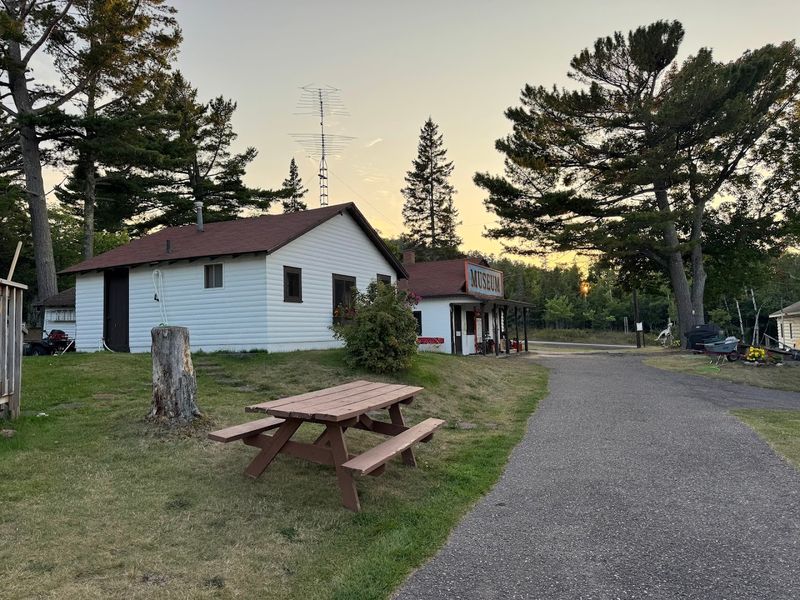
For a village of 136 people, Copper Harbor has an outsized reputation in the mountain biking world. The trail network here, built largely through volunteer efforts by the Keweenaw Trails Association, is consistently ranked among the best in the Midwest and draws serious riders from Wisconsin, Illinois, and beyond every summer.
The trails wind through old-growth forest, across rocky ridgelines, and past scenic overlooks, offering everything from beginner-friendly loops to technically demanding descents that will test even experienced riders. The soil composition in this part of Michigan drains exceptionally well, meaning the trails stay rideable even after rain.
I am not a hardcore mountain biker by any stretch, but I rented a bike from a local outfitter and managed a few of the easier routes without embarrassing myself too badly. The forest here is genuinely beautiful from the saddle of a bike, and the trail builders have clearly put real thought into how each route flows through the landscape.
Copper Harbor has quietly become a bucket-list destination for two-wheeled adventurers.
Isle Royale Ferry: Gateway to a National Park With No Roads
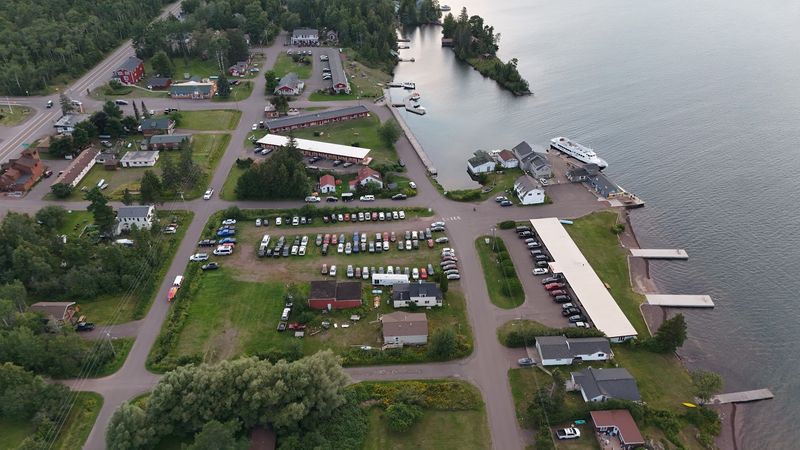
One of Copper Harbor’s most practical and exciting roles is serving as a departure point for Isle Royale National Park, a roadless wilderness island about 56 miles out in Lake Superior. The Isle Royale Queen IV ferry runs seasonal trips from the Copper Harbor dock, carrying hikers, kayakers, and backpackers to one of the least-visited national parks in the country.
Isle Royale has no cars, no roads, and no year-round residents, making it one of the most genuinely wild places in the eastern United States. The park is famous for its wolf and moose research, its clear inland lakes, and its network of backcountry trails that require real planning and preparation.
Even if you are not headed to the island, watching the ferry depart on a quiet morning is its own small pleasure. The boat disappears into the haze over the lake, and you are left with a strong sense of just how far from ordinary life this corner of Michigan really sits.
The ferry runs from mid-May through early September.
Dark Skies and Northern Lights: Stargazing at the Top of Michigan
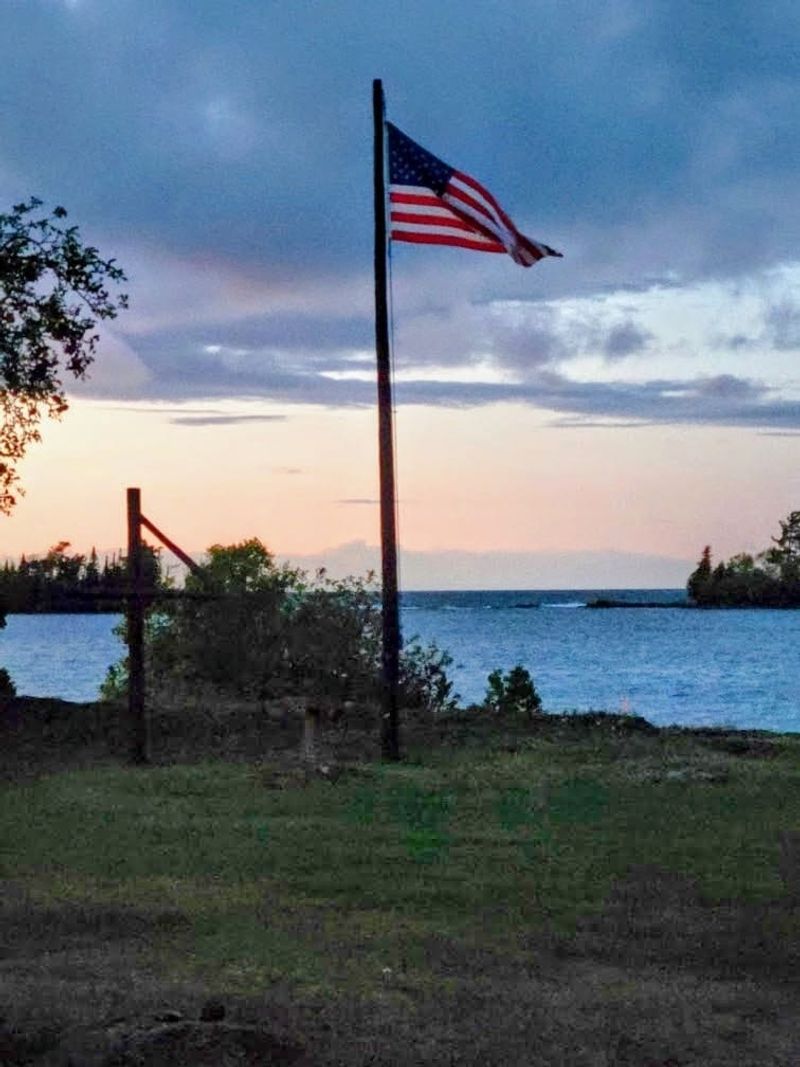
The combination of minimal light pollution and a northern latitude makes Copper Harbor one of the best places in the continental United States to see the night sky in all its unfiltered glory. On clear nights, the Milky Way arches directly overhead in a way that feels almost theatrical, and the number of visible stars is genuinely startling if you are used to suburban skies.
The northern lights, or aurora borealis, appear here with surprising regularity, particularly during periods of strong solar activity. Local Facebook groups and aurora-tracking apps light up with sightings several times per year, and some visitors plan their entire trips around catching a display over Lake Superior.
I was lucky enough to see a faint green shimmer on the northern horizon during my visit, which felt like a bonus reward for making the long drive. Even without the aurora, the stargazing alone justifies staying an extra night.
The sky here is a reminder of what most of us have quietly lost to city lights over the decades.
Small Town Life and Local Character: What 136 People Look Like Up Close
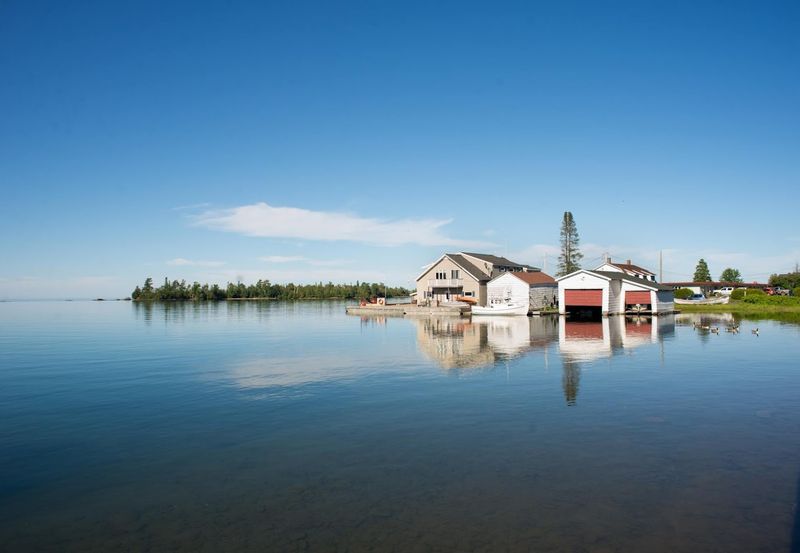
Spending time in a community of 136 permanent residents is a genuinely different experience from visiting any normal tourist town. The people who choose to live here year-round are a self-selecting group of outdoor enthusiasts, artists, small business owners, and lifelong Yoopers who have made peace with long winters and long supply lines for just about everything.
The village has a handful of restaurants, a general store, a couple of outfitters, and a marina, all of which feel refreshingly unpolished and real. Nobody is performing quaintness here; the place just is what it is, and that authenticity is magnetic.
Conversations with locals tend to be warm and direct, with an easy humor about the remoteness that residents clearly wear as a badge of pride rather than a complaint. One shop owner told me the summer crowds keep the town alive financially, while the long quiet winters are the reason most of them actually stay.
That kind of honest self-awareness is rare, and it makes Copper Harbor feel genuinely worth the drive.
Share this story