Whether you’re a wildlife enthusiast, a curious kid, or just someone who loves a good day out, America’s zoos have something incredible waiting for you. From towering giraffes roaming open savannas to giant pandas munching bamboo, these places bring the animal kingdom right to your doorstep.
Across the country, zoos are doing far more than entertaining visitors — they’re saving endangered species, funding conservation research, and educating the next generation of wildlife defenders. Get ready to pack your bags, grab your camera, and discover the 15 best zoos in the U.S. worth every step on your walking shoes.
San Diego Zoo (California)
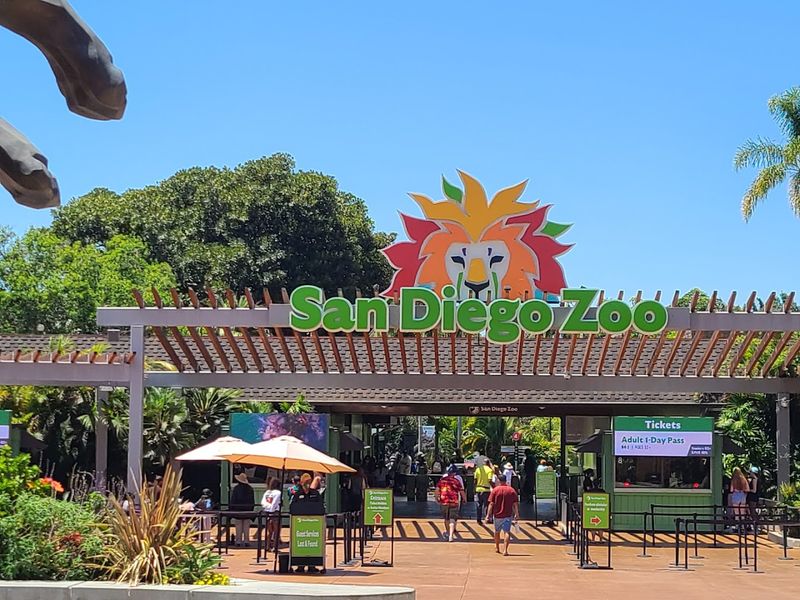
Ranked among the finest wildlife destinations on the planet, the San Diego Zoo is the kind of place that makes your jaw drop before you even reach the first exhibit. Nestled inside the gorgeous Balboa Park, this massive zoo spans over 100 acres of lush, open-air habitats designed to feel as natural as possible for the animals living in them.
With more than 3,500 animals representing over 650 species, there is no shortage of incredible encounters here. Highlights include African Rocks, where baboons and meerkats rule the terrain, and the always-thrilling Polar Bear Plunge.
The zoo’s Skyfari aerial tram gives visitors a bird’s-eye view of the entire park — a seriously fun way to get your bearings.
Beyond entertainment, San Diego Zoo Global is a powerhouse for wildlife conservation, supporting programs in over 40 countries worldwide. Kids love the interactive children’s zoo, while adults appreciate the thoughtful educational signage throughout.
Guided bus tours are available for those who prefer a slower pace. Whether you visit for a day or two, the San Diego Zoo consistently earns its spot at the very top of every must-visit list.
Bronx Zoo (New York)
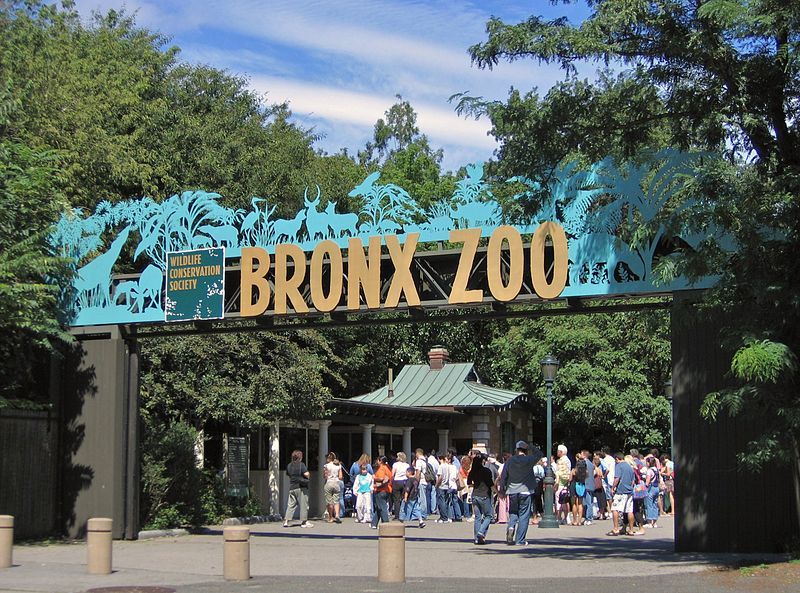
Stretching across a whopping 265 acres in the heart of New York City, the Bronx Zoo is a wild escape hiding in plain sight among one of the world’s busiest urban landscapes. It holds the impressive title of the largest metropolitan zoo in the entire country, and it earns that title every single day.
Home to more than 10,000 animals from roughly 700 species, the zoo is packed with unforgettable exhibits. The Congo Gorilla Forest is a fan favorite — a lush, immersive rainforest habitat where western lowland gorillas roam freely while visitors watch in awe from viewing areas.
Tiger Mountain offers breathtaking close-up encounters with Amur tigers, one of the world’s most endangered big cats.
The Wildlife Conservation Society, which operates the Bronx Zoo, has been protecting animals and habitats globally since 1895. Conservation isn’t just a buzzword here — it’s woven into every exhibit and program the zoo runs.
Seasonal events, behind-the-scenes tours, and special animal feedings keep the experience exciting no matter how many times you visit. Families, school groups, and solo adventurers all find plenty to love about this legendary New York institution.
Smithsonian National Zoo (Washington, D.C.)
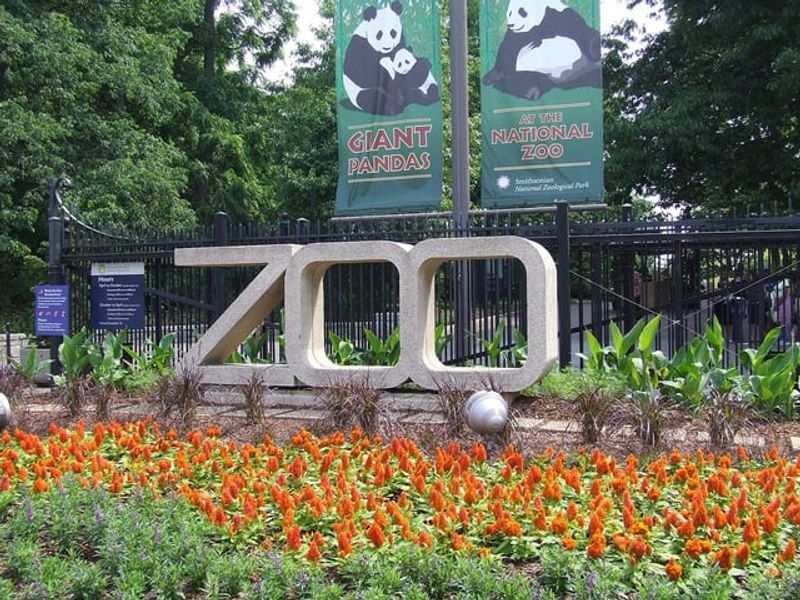
Free admission. Giant pandas.
Over 130 years of history. The Smithsonian National Zoo in Washington, D.C. is basically the overachiever of the zoo world, and it does not apologize for it.
Part of the world-renowned Smithsonian Institution, this zoo has been welcoming curious visitors since 1889.
Spread across 163 beautifully wooded acres, the zoo is home to hundreds of animal species, including some of the most beloved animals in the country. The giant panda program has long been a centerpiece attraction, drawing massive crowds every year.
American Trail showcases native species like bald eagles, sea lions, and gray wolves — animals that often get overlooked in favor of exotic wildlife.
What makes this zoo truly stand out is its deep commitment to scientific research and species survival programs. Scientists here work on breeding programs for critically endangered animals, contributing meaningfully to global conservation efforts.
Because admission is completely free, the National Zoo is one of the most accessible and family-friendly destinations in the entire country. Pack a picnic, wear comfortable shoes, and plan for a full day — because once you start exploring, it is very hard to leave.
Columbus Zoo and Aquarium (Ohio)

Ask any Ohioan where to spend a perfect family day and the Columbus Zoo and Aquarium will almost certainly top the list. Made famous in part by the legendary Jack Hanna, this zoo has spent decades building a reputation as one of the most comprehensive and entertaining wildlife destinations in the Midwest.
The zoo is organized into themed regions that take visitors on a global tour without ever leaving Ohio. Africa, Asia Quest, Polar Frontier, and The Americas each offer distinct animal encounters and immersive landscapes.
With thousands of animals from hundreds of species, there is truly something new to discover around every corner. The aquarium section adds another exciting layer, featuring sharks, rays, and colorful reef fish.
Beyond its impressive animal collection, the Columbus Zoo runs active conservation and breeding programs that support endangered species around the world. The zoo’s seasonal events are also wildly popular — ZooFari, Wildlights, and Boo at the Zoo draw enormous crowds every year.
Families with younger children will love the hands-on play areas and animal encounter stations scattered throughout the grounds. Honestly, one day might not be enough to see everything this place has to offer.
Cincinnati Zoo & Botanical Garden (Ohio)
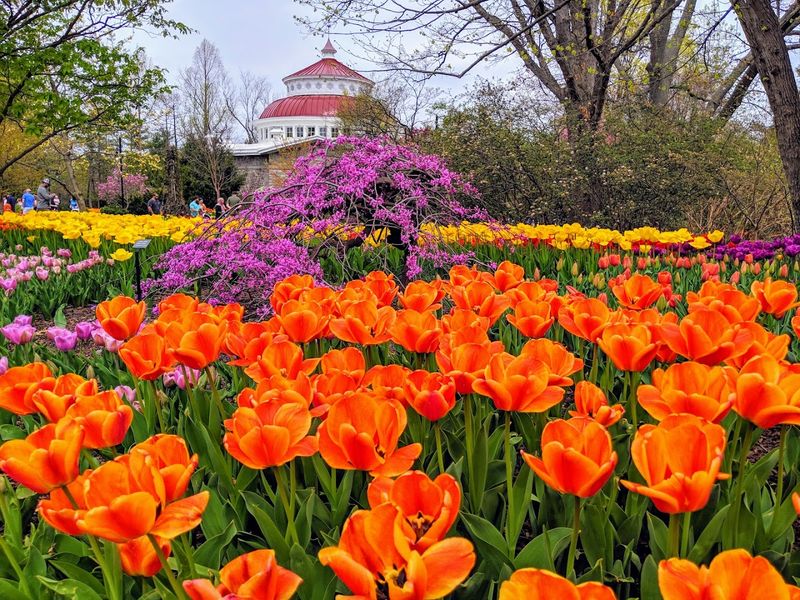
Established in 1875, the Cincinnati Zoo holds the honor of being the second-oldest zoo in the United States — and after nearly 150 years, it is still finding ways to impress. What sets this place apart is the rare combination of world-class wildlife exhibits and stunning botanical gardens woven seamlessly together throughout the grounds.
The zoo is perhaps best known for its cheetah program, where visitors can watch these lightning-fast cats sprint across open fields in live demonstrations. Feeding giraffes by hand is another crowd-pleaser that kids absolutely cannot stop talking about afterward.
The Africa exhibit brings the sights and sounds of the savanna to the heart of Cincinnati in a way that feels genuinely immersive.
Cincinnati Zoo is also a nationally recognized leader in wildlife conservation, particularly for its work with white rhinos and other critically endangered species. The botanical garden component adds a fragrant, colorful dimension that most zoos simply do not offer.
Seasonal events like Festival of Lights turn the grounds into a magical winter wonderland. Whether you are visiting in spring bloom or summer heat, the Cincinnati Zoo delivers a layered, memorable experience that rewards repeat visits from families and nature lovers alike.
Saint Louis Zoo (Missouri)

Completely free and consistently ranked among the nation’s best — the Saint Louis Zoo is basically the greatest deal in American tourism. Tucked inside the beautiful Forest Park, this zoo has been a beloved institution for over a century, and it earns new fans every single year.
With thousands of animals representing hundreds of species, the zoo covers an impressive range of wildlife from every corner of the globe. The popular sea lion shows are a guaranteed crowd-pleaser, drawing laughter and applause from visitors of all ages.
Penguin and Puffin Coast is another highlight, offering a cool, interactive experience that kids find absolutely mesmerizing. The Emerson Children’s Zoo is perfectly designed for younger visitors who want hands-on animal fun.
The Saint Louis Zoo is also a serious player in global wildlife conservation, participating in Species Survival Plans for dozens of endangered animals. Research programs here contribute directly to saving wildlife in the wild, not just in captivity.
The zoo’s commitment to free admission reflects a core belief that wildlife education should be accessible to everyone. Pair your visit with a stroll through Forest Park and you have got yourself a genuinely perfect day out in Missouri’s most vibrant city.
San Antonio Zoo (Texas)
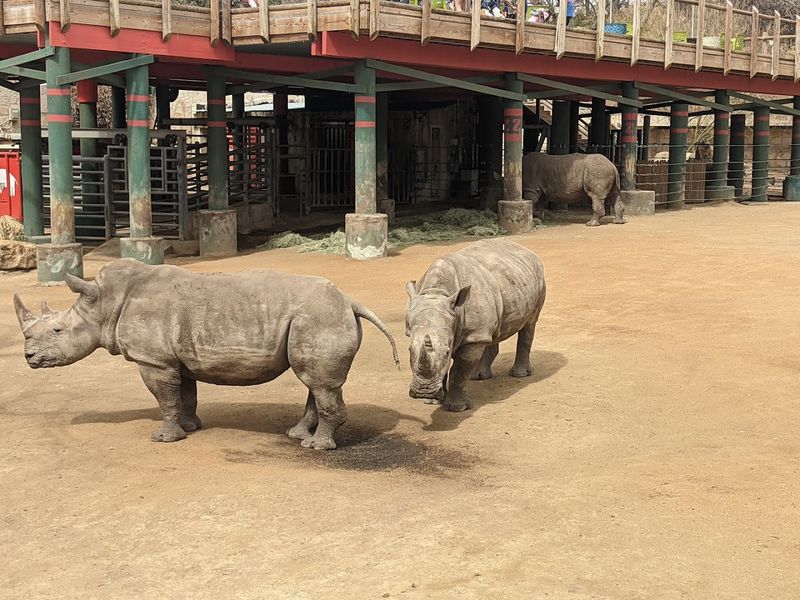
Tucked inside the scenic Brackenridge Park along the banks of the San Antonio River, the San Antonio Zoo has been delighting Texas families since 1914 — and a century of practice has made it really, really good at this. The zoo sits on a naturally beautiful limestone quarry landscape, which gives it a unique character that most zoos simply cannot replicate.
Modern upgrades have kept the experience feeling fresh and exciting. The Congo Falls gorilla exhibit is a standout attraction, offering close-up views of western lowland gorillas in a richly detailed habitat.
The Africa Live! exhibit brings visitors face-to-face with rhinos, hippos, and African painted dogs in expansive naturalistic spaces. Bird lovers will be thrilled by the zoo’s impressive avian collection, one of the most diverse in the country.
Seasonal events make the San Antonio Zoo a year-round destination rather than just a summer stop. Zoo Lights transforms the grounds into a dazzling holiday spectacle, while spring events bring extra programming for families with young children.
Conservation efforts here support wildlife both locally in Texas and internationally across multiple species programs. If you find yourself in San Antonio, skipping this zoo would be a genuinely regrettable decision.
Philadelphia Zoo (Pennsylvania)
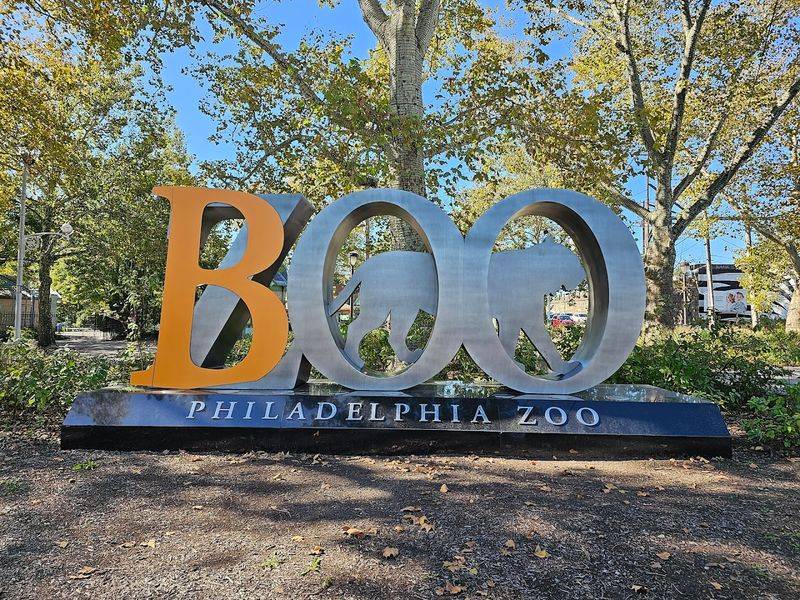
America’s very first zoo opened its gates in Philadelphia on July 1, 1874 — and over 150 years later, it is still pulling off tricks that make other zoos jealous. The Philadelphia Zoo is a fascinating blend of rich history and genuinely innovative modern design, making it unlike any other wildlife destination in the country.
The crown jewel of the modern Philadelphia Zoo experience is Zoo360, a revolutionary network of mesh trails and tunnels that crisscross above visitor walkways. Big cats, primates, and other animals use these aerial pathways to roam freely between habitats, sometimes passing directly overhead while visitors watch from below.
It is a jaw-dropping moment that almost every first-time visitor photographs immediately.
Beyond the wow factor of Zoo360, the zoo maintains a strong collection of animals in beautifully maintained habitats throughout its 42-acre campus. The PECO Primate Reserve and Big Cat Falls are perennial favorites among repeat visitors.
The zoo also runs meaningful conservation programs and partners with global wildlife organizations. Victorian-era architecture scattered across the grounds gives the whole place a charming, storybook atmosphere that adds an unexpected layer of character.
Philadelphia Zoo is a genuinely one-of-a-kind experience from the moment you walk through the gates.
North Carolina Zoo (North Carolina)
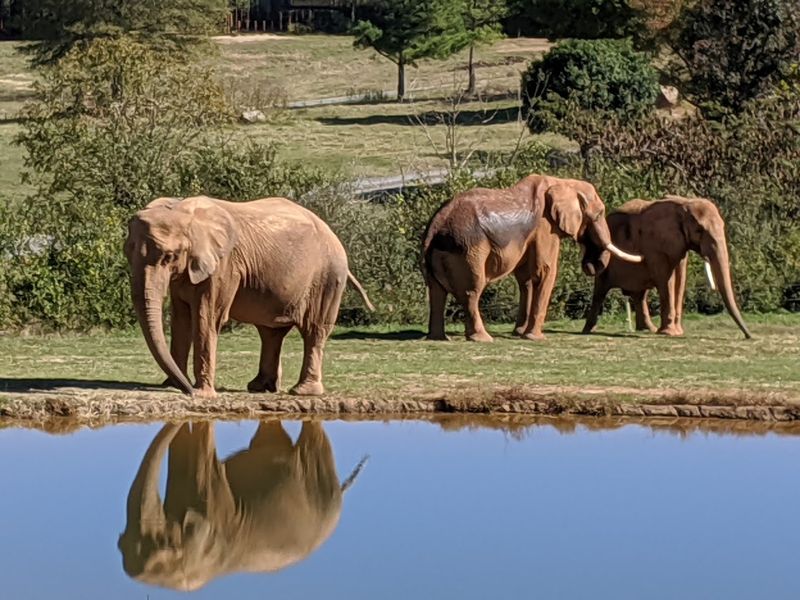
Space is something the North Carolina Zoo has in absolutely no shortage. Spanning more than 2,000 acres in the rolling Uwharrie Hills near Asheboro, this is officially the largest natural-habitat zoo in the entire United States — and the scale of it genuinely has to be seen to be believed.
Animals here do not live in cramped enclosures. They roam across massive, open habitats that closely mirror their native environments.
The Africa region covers over 300 acres alone, housing elephants, lions, giraffes, gorillas, and rhinos in sweeping landscapes that feel remarkably authentic. The North America region is equally impressive, showcasing native wildlife including polar bears, alligators, and red wolves.
Because the zoo is so large, comfortable walking shoes are an absolute must — and many visitors find that a single day is barely enough to cover everything. Tram rides are available for those who need a break from all that walking.
The zoo places a strong emphasis on conservation and environmental education, with programs designed to engage visitors of all ages. Admission is reasonably priced, making it an excellent value for families planning a full-day adventure.
The North Carolina Zoo is proof that sometimes, bigger really is better.
Houston Zoo (Texas)
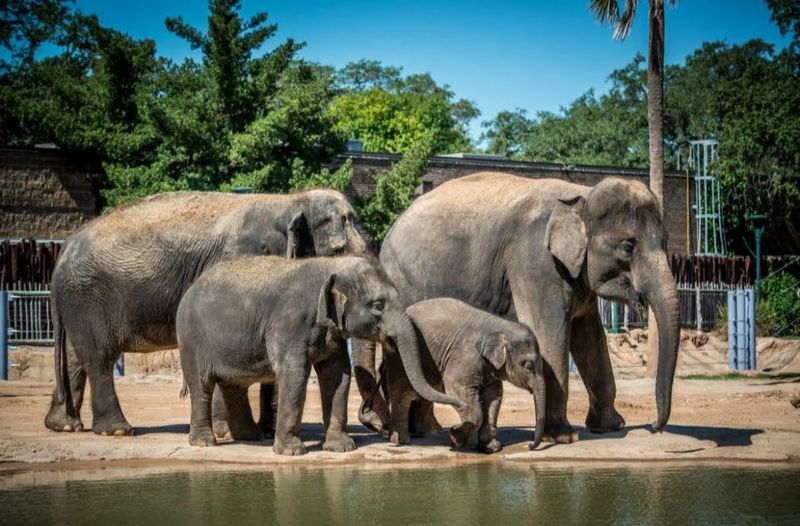
Welcoming over two million visitors every single year, the Houston Zoo is one of the most visited zoos in the entire country — and those numbers do not lie. Nestled inside the gorgeous Hermann Park just minutes from downtown Houston, this zoo manages to pack an enormous wildlife experience into a surprisingly accessible urban setting.
The elephant habitat is consistently one of the most popular stops, offering spacious grounds where Asian elephants can be observed up close in naturalistic surroundings. The tropical bird aviary is another must-see, a lush, walk-through experience where brilliantly colored birds fly freely around visitors.
McGovern Children’s Zoo is perfectly tailored for the youngest visitors, featuring hands-on animal encounters and interactive play areas.
What really elevates the Houston Zoo beyond pure entertainment is its serious dedication to wildlife conservation. The zoo funds and supports conservation programs protecting wildlife in over 40 countries, from sea turtles in the Gulf of Mexico to African elephants in Kenya.
Staff members are genuinely passionate about the animals and education, and that enthusiasm is contagious. The zoo is open year-round, and Houston’s warm climate means outdoor exhibits are enjoyable for most of the year.
A visit here is time very well spent.
Woodland Park Zoo (Washington)
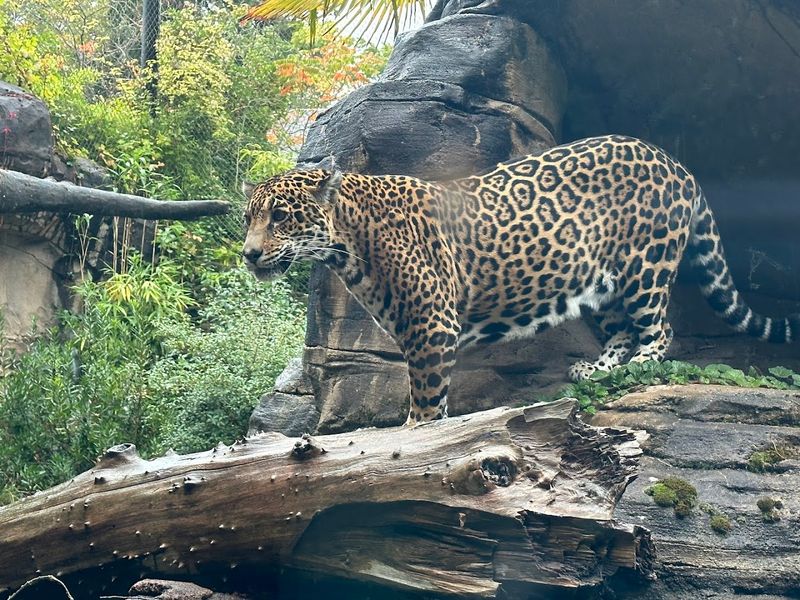
Long before naturalistic zoo design became the industry standard, Woodland Park Zoo in Seattle was already doing it — earning international recognition as a pioneer in creating animal habitats that actually resemble the wild. That forward-thinking reputation has never faded, and the zoo remains one of the most respected in the country.
The African Savanna exhibit is a particular showstopper, placing giraffes, zebras, and hippos in an open, sweeping landscape that genuinely evokes the feeling of the Serengeti. The Tropical Rain Forest is another immersive highlight, housing gorillas in a richly detailed jungle environment complete with towering trees and winding pathways.
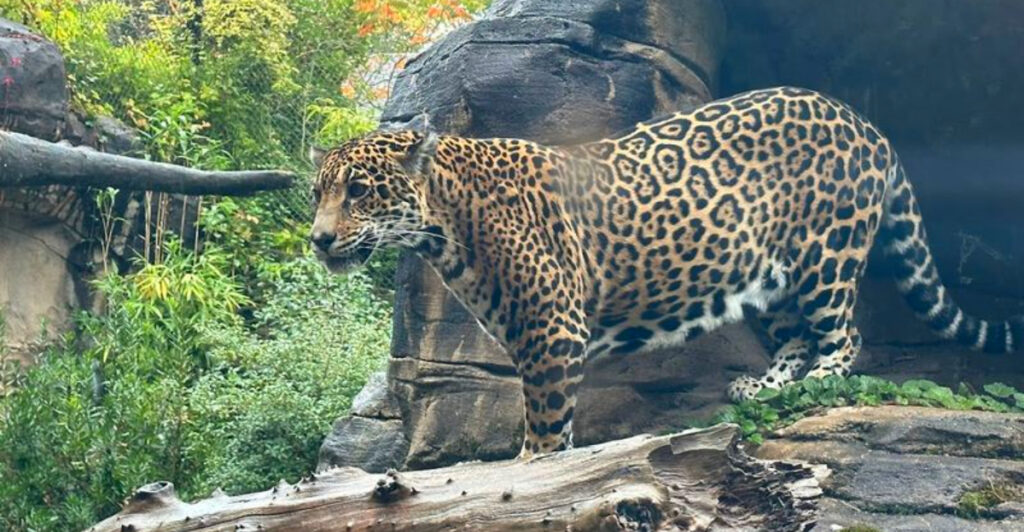
The zoo’s Jaguar Cove lets visitors get surprisingly close to one of the Americas’ most elusive big cats.
Conservation education is deeply embedded into the Woodland Park Zoo experience. The zoo partners with over 30 field conservation projects around the world, supporting everything from orangutan protection in Borneo to snow leopard preservation in Central Asia.
Seattle’s mild, rainy climate actually works in the zoo’s favor — the lush greenery throughout the grounds feels alive and vibrant year-round. Families, school groups, and wildlife photographers all find the Woodland Park Zoo consistently worth the trip.
Dallas Zoo (Texas)
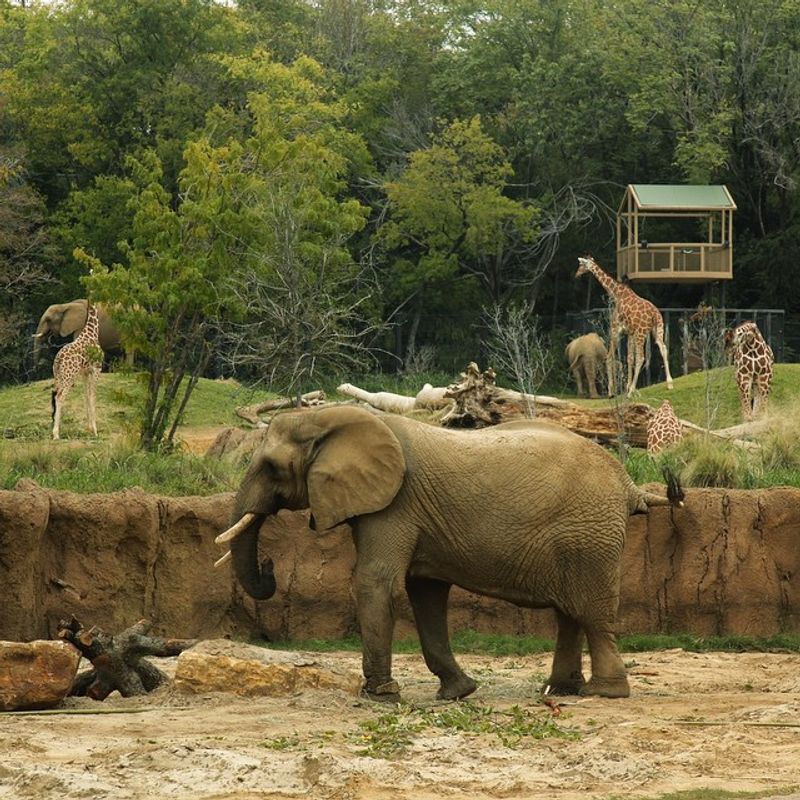
Everything is bigger in Texas, and the Dallas Zoo takes that motto seriously. As the largest zoo in the entire Lone Star State, it covers over 106 acres of animal habitats, themed regions, and visitor attractions that make for a genuinely full-day adventure — possibly a two-day one if you are thorough about it.
The crown jewel of the Dallas Zoo experience is Giants of the Savanna, a five-acre mixed-species habitat where elephants, giraffes, cheetahs, and ostriches share open ground in a setting that feels remarkably close to the real African savanna. Watching a herd of elephants roam freely while giraffes graze nearby is the kind of sight that sticks with you long after you leave.
The Gorilla Trail and Wilds of Africa regions offer equally compelling encounters.
The Dallas Zoo has undergone major renovations and upgrades in recent years, continuously improving habitats and visitor experiences across the grounds. Conservation programs here support wildlife initiatives both within Texas and internationally.
Family-friendly amenities including a children’s zoo, carousel, and multiple dining options make the logistics of a full day visit smooth and stress-free. Whether you are a first-timer or a returning regular, the Dallas Zoo reliably delivers a memorable wildlife experience in the heart of North Texas.
Phoenix Zoo (Arizona)
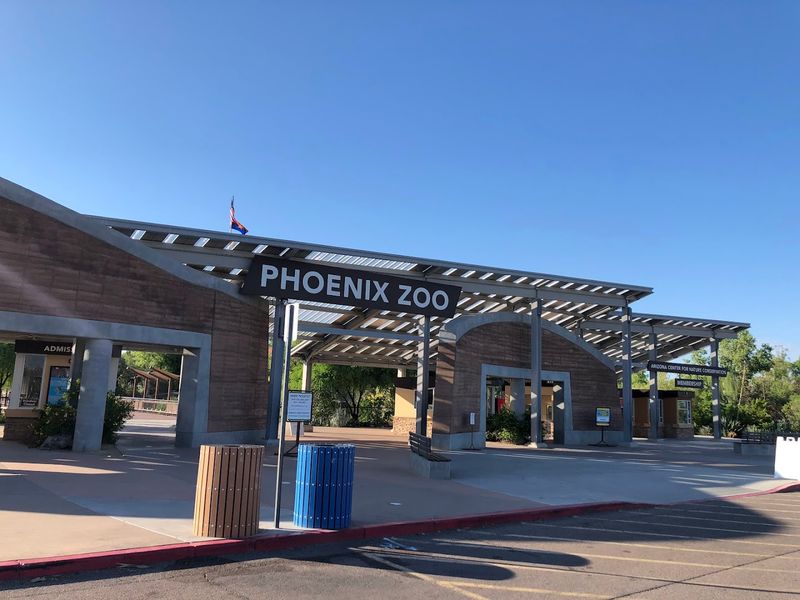
Running a zoo in the middle of the Sonoran Desert sounds like a logistical challenge — and yet the Phoenix Zoo has been pulling it off brilliantly since 1962. As one of the largest nonprofit zoos in the entire country, it houses over 3,000 animals representing more than 400 species across 125 beautifully maintained acres.
The zoo is organized into four distinct trails: the Africa Trail, the Arizona Trail, the Tropics Trail, and the Discovery Trail. Each one offers a completely different wildlife experience, making the Phoenix Zoo feel more like four zoos packed into one.
The Arizona Trail is a genuine highlight, showcasing native Sonoran Desert species including Gila monsters, javelinas, and desert tortoises — animals most visitors have never encountered up close before.
Families with young children will find the Children’s Trail especially engaging, with hands-on animal encounters and interactive learning stations designed to spark genuine curiosity. The zoo’s Safari Train is a fun, narrated ride that gives visitors a helpful overview of the grounds before exploring on foot.
During cooler months, the Zoolights festival transforms the entire zoo into a breathtaking display of holiday lights. Conservation programs here focus heavily on Arizona’s unique native wildlife, making the Phoenix Zoo a meaningful destination beyond pure entertainment.
Audubon Zoo (Louisiana)
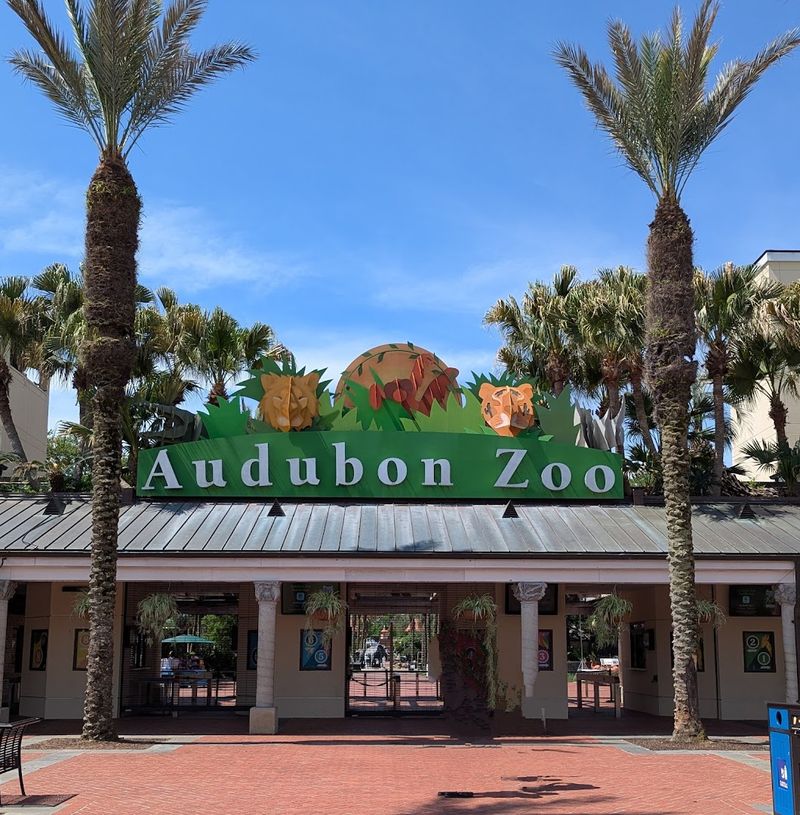
There is no zoo in America quite like the Audubon Zoo, and that is largely because no city in America is quite like New Orleans. This beloved institution blends the charm and personality of its host city directly into the zoo experience, creating something that feels as much like a cultural landmark as a wildlife destination.
Opened in 1884, the Audubon Zoo sits inside the sprawling Audubon Park along the banks of the Mississippi River, giving it one of the most scenic settings of any zoo in the country. The lush, garden-style grounds are filled with Spanish moss-draped oaks, fragrant flowers, and winding pathways that make the simple act of walking between exhibits genuinely pleasant.
The Louisiana Swamp exhibit is a standout, featuring white alligators, swamp birds, and native reptiles in an atmospheric, bayou-inspired setting.
The jaguar exhibit, sea lion pool, and African savanna section round out an animal collection that manages to impress without overwhelming. The zoo is part of the larger Audubon Nature Institute, which also operates an aquarium and insectarium nearby.
Combining a zoo visit with a stroll through Audubon Park makes for an exceptionally relaxed and enjoyable New Orleans afternoon. This place has a soul that is entirely its own.
Atlanta Zoo (Georgia)
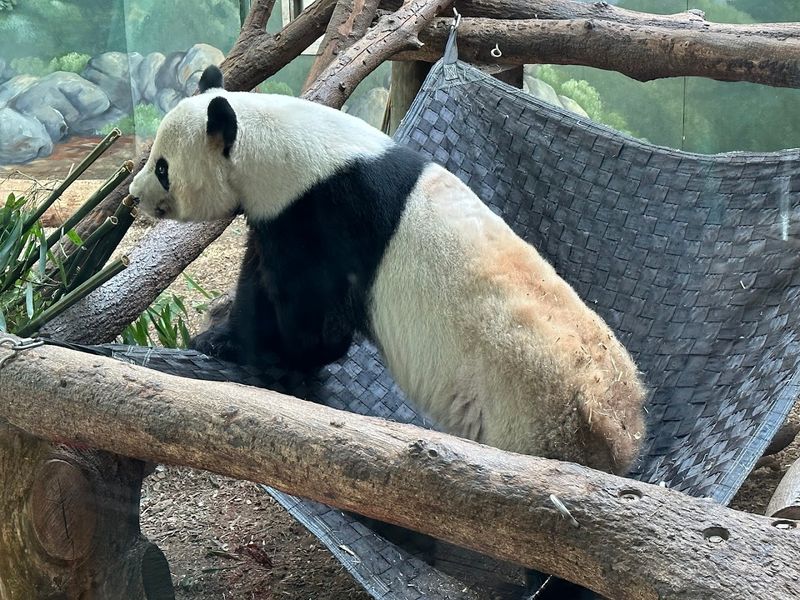
Giant pandas are genuinely hard to find in American zoos, which makes Zoo Atlanta one of a tiny handful of places in the entire country where you can actually see them. That alone is reason enough for a visit — but Zoo Atlanta has plenty more going for it beyond its star-powered panda program.
The zoo is home to one of the largest collections of western lowland gorillas in North America, with multiple family groups living in richly detailed, naturalistic habitats. Watching gorilla family dynamics play out in real time is one of those quietly fascinating experiences that keeps visitors lingering far longer than planned.
The African Savanna section adds elephants, rhinos, and zebras to an already impressive wildlife roster.
Zoo Atlanta’s commitment to conservation research is genuinely impressive. The zoo participates in dozens of Species Survival Plans and conducts in-house research on animal behavior, reproduction, and health.
The Scaly Slimy Spectacular reptile building is a crowd favorite, particularly among kids who are obsessed with snakes and lizards. Seasonal events, including the popular Boo at the Zoo Halloween celebration, keep families coming back throughout the year.
Located right next to Grant Park in the heart of Atlanta, this zoo is an easy, rewarding stop for anyone visiting Georgia’s vibrant capital city.
Share this story