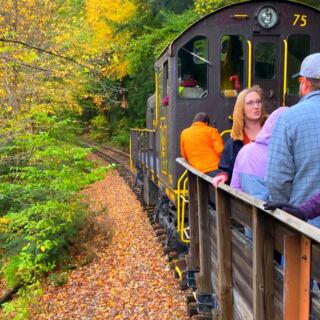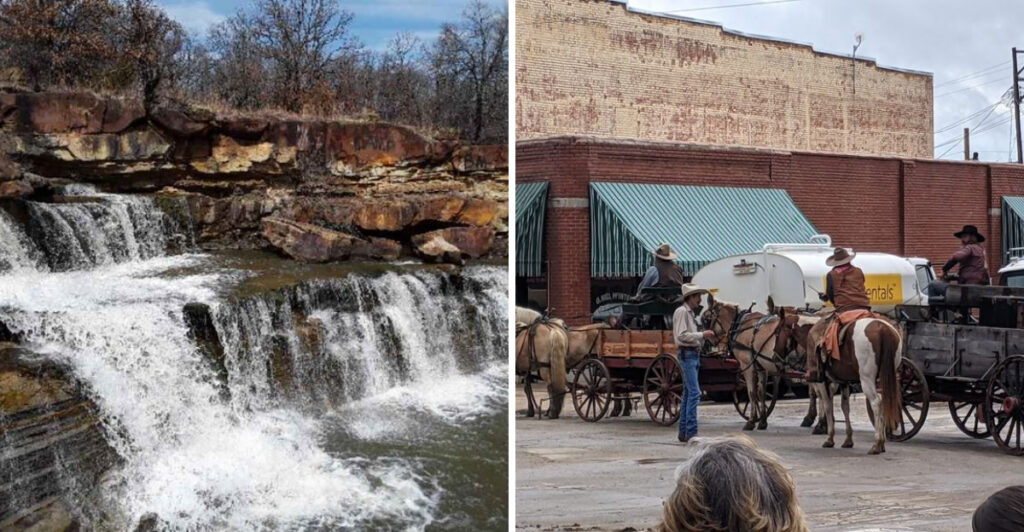
There is a small town in northern Oklahoma where bison roam open prairies, a century-old swinging bridge sways over a creek, and the stories of the Osage people echo through every street corner. It is the kind of place that does not try too hard to impress you, yet somehow leaves a mark that lasts long after you drive away.
I first heard about it from a friend who described it as the most underrated road trip stop in the entire state, and after spending a weekend there, I had to agree. From wild landscapes to rich cultural history and a charming downtown that feels frozen in the best possible way, this town has more going on than its modest size would ever suggest.
Welcome to Pawhuska, Oklahoma
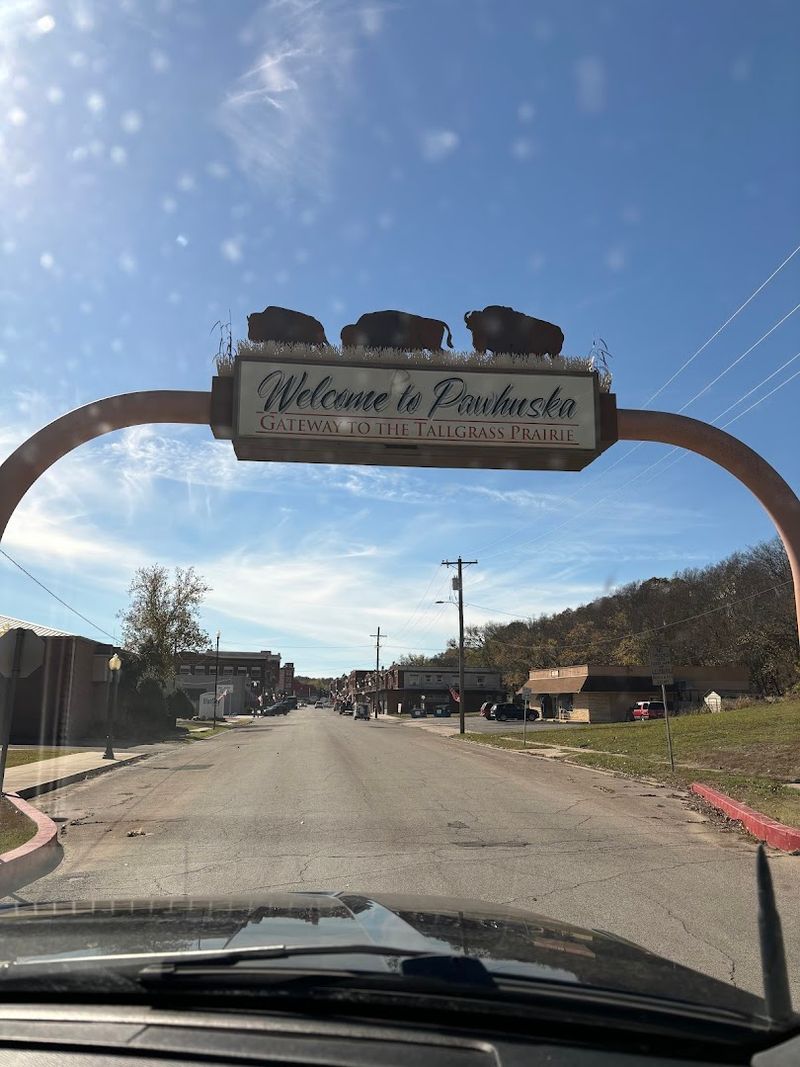
Pawhuska, Oklahoma, sits in Osage County at the heart of northern Oklahoma, about 50 miles north of Tulsa, and its official address places it at Oklahoma 74056. The drive in alone sets the tone, with wide-open skies stretching over rolling tallgrass hills that seem to go on forever.
The town has a population of just over 3,500 people, but it punches well above its weight when it comes to things to see and do. Every main street corner tells a story, whether through the architecture, the murals, or the locals who are genuinely happy to chat with a curious visitor.
What struck me immediately was how the town balances its deep Native American heritage with a slow-paced, welcoming small-town vibe. There is no rush here, and that is exactly the point.
Pawhuska rewards the kind of traveler who slows down, looks around, and lets a place speak for itself rather than racing through a checklist of tourist traps.
The Osage Nation Museum and Its Remarkable Story
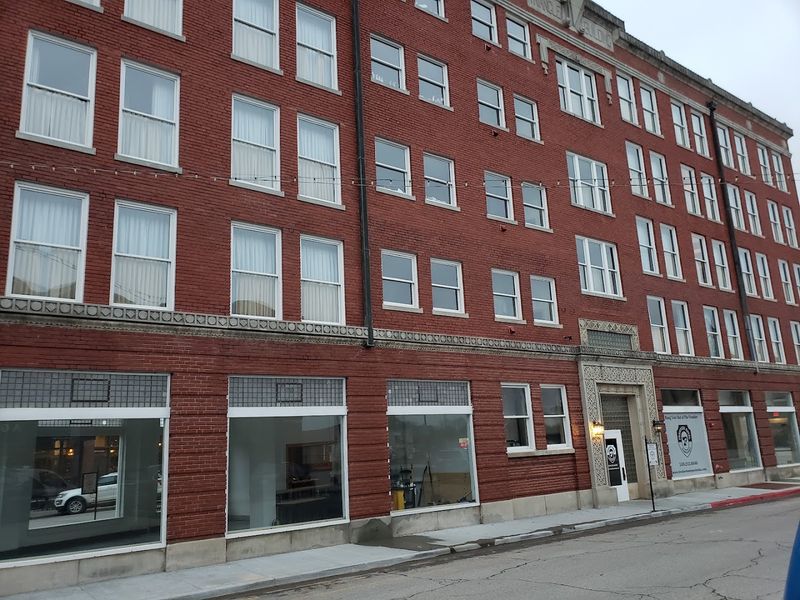
Few museums in Oklahoma carry the kind of emotional weight that the Osage Nation Museum does. Recognized as the oldest tribally owned museum in the United States, it holds photographs, ceremonial objects, and artwork that trace the full arc of Osage history from their origins through the turbulent early 20th century.
The exhibits do not sugarcoat the past. They present the Osage story with honesty and dignity, covering everything from forced land cessions to the infamous Osage Reign of Terror, a dark period in the 1920s when members of the tribe were targeted for their oil wealth.
Understanding that history makes the resilience of the Osage people all the more striking.
Admission is free, and the staff are knowledgeable and approachable. I spent nearly two hours inside and still felt like I had only scratched the surface.
If you visit just one cultural site in Pawhuska, make it this one, because it reframes everything else you will see in the town in a way that feels both grounding and deeply moving.
The Iconic Swinging Bridge Over Bird Creek
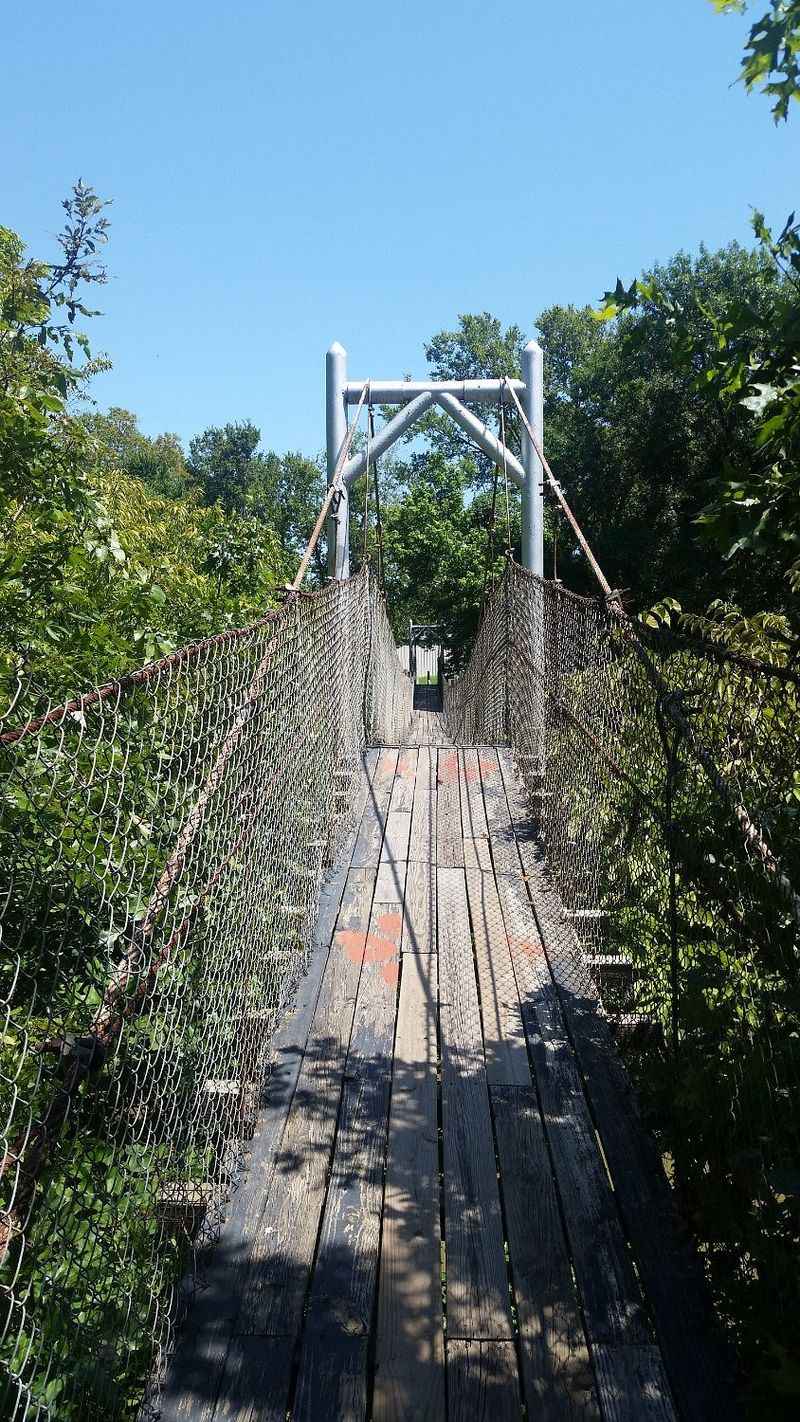
Built in 1926, the Swinging Bridge in Pawhuska is exactly as fun as it sounds. The wood-planked pedestrian bridge hangs over Bird Creek and gives a satisfying sway and bounce with every step, which makes it equally thrilling for kids and adults who secretly still enjoy a little controlled chaos.
The bridge is one of those rare landmarks that manages to be both historically significant and genuinely entertaining. It has survived nearly a century of Oklahoma weather, floods, and foot traffic, and it still holds up with a kind of stubborn charm that the town itself seems to share.
I crossed it twice, once to feel the bounce and once to stop in the middle and just look at the creek below. The surrounding trees create a canopy of green in warmer months, and the sound of the water moving underneath adds a peaceful quality that feels miles away from any city noise.
The bridge is easy to find near downtown and costs nothing to cross, making it one of the most memorable free experiences in the area.
Bluestem Lake and the Trail to Bluestem Falls
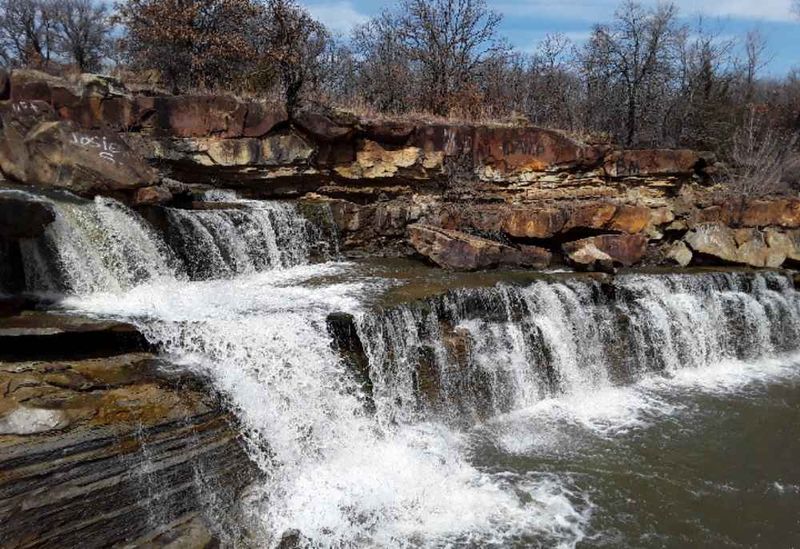
A short drive from downtown brings you to Bluestem Lake, a peaceful body of water well known among local anglers for its healthy fish population. Bass, catfish, and crappie are regular catches here, and the lake has a relaxed, unhurried atmosphere that makes it easy to spend an entire afternoon without checking your phone once.
What makes the area even more special is the trail that connects the lake to Bluestem Falls. The path winds through native grasses and wooded stretches before arriving at a waterfall that feels genuinely rewarding after the walk.
It is not a grueling hike by any measure, but the payoff at the end is the kind of natural beauty that reminds you why getting outside is always worth the effort.
Early morning visits offer the best light for photography, and the trail is quiet enough that you might have it largely to yourself on weekdays. Bring water, wear comfortable shoes, and take your time, because the scenery along the way is just as good as the destination waiting at the end of the path.
The Tallgrass Prairie Preserve and Its Bison Herd
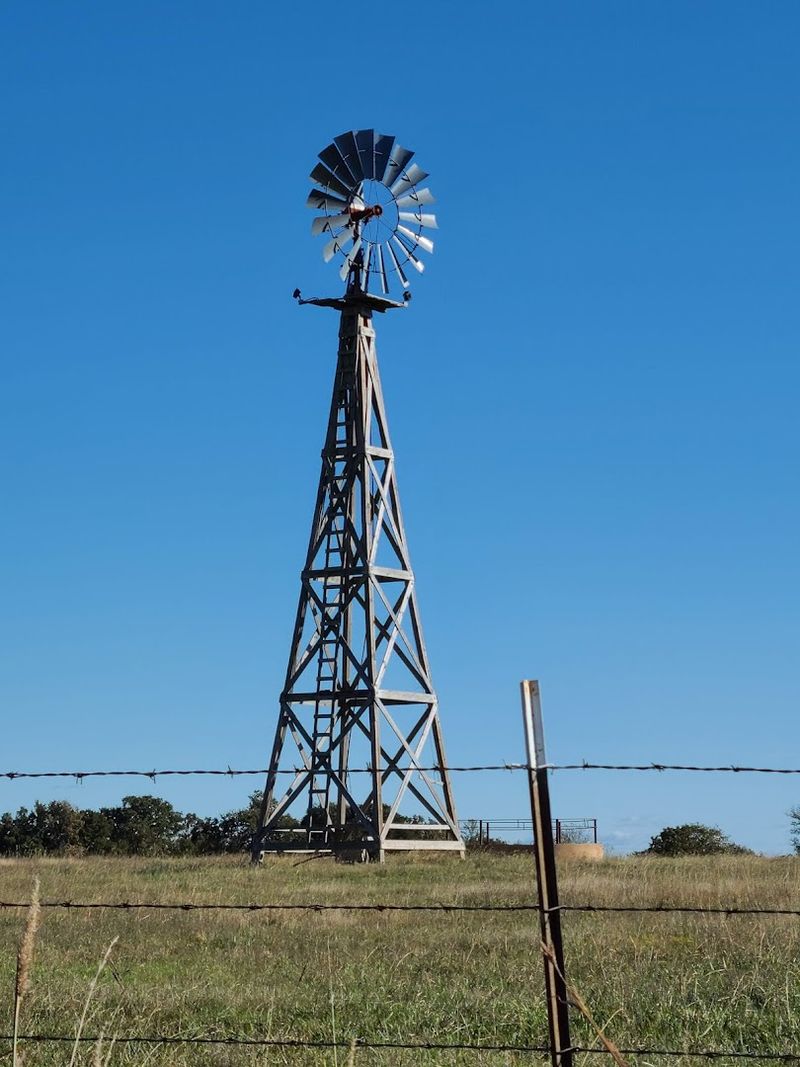
North of Pawhuska lies one of the most breathtaking natural landscapes in the entire state of Oklahoma. The Tallgrass Prairie Preserve, managed by The Nature Conservancy, covers about 39,000 acres and is home to one of the largest bison herds on public land in the country, with roughly 2,500 animals roaming freely across the rolling terrain.
The first time I spotted a bison herd from the road, I pulled over immediately. There is something deeply humbling about watching animals that size move across an open prairie with complete indifference to your presence.
They are magnificent, massive, and surprisingly graceful for creatures that can weigh over a ton.
Beyond bison, the preserve shelters white-tailed deer, coyotes, wild turkey, and more than 300 species of birds. The driving loop through the property is open year-round and free to visit.
Spring and fall offer the most dramatic scenery, with wildflowers or golden grasses painting the landscape in colors that make every photo look like it was professionally edited before you even get home.
Downtown Pawhuska and the Pioneer Woman Mercantile
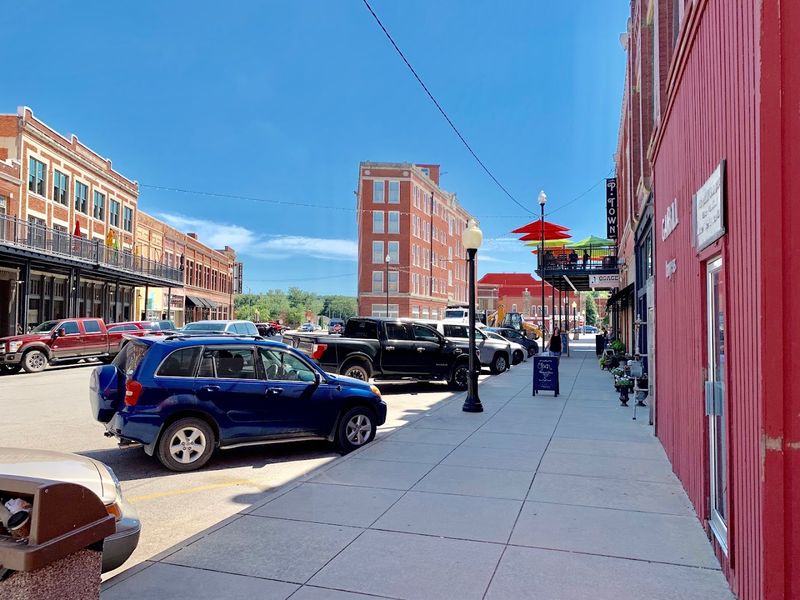
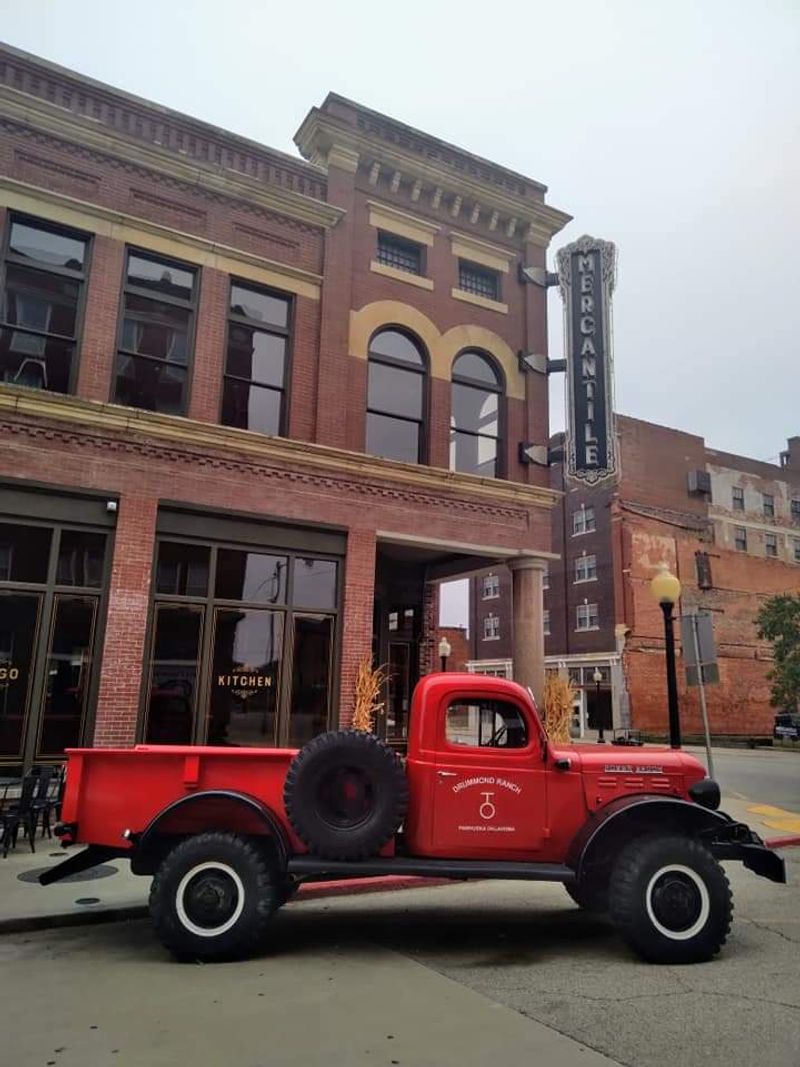
Downtown Pawhuska got a significant boost in attention when Food Network star Ree Drummond opened her Pioneer Woman Mercantile on Main Street. The multi-story building houses a restaurant, a bakery, a gift shop, and a boutique, all wrapped in a warm, farmhouse-style aesthetic that draws visitors from across the country.
The food is hearty and unpretentious, with comfort classics like pot roast, mashed potatoes, and fresh-baked pastries that have earned the place a loyal following. Lines can form on weekends, so arriving early or on a weekday is a smart move if you want a table without a long wait.
What I appreciated most, though, was how the Mercantile seemed to energize the rest of downtown rather than overshadow it. Independent shops, galleries, and cafes have grown up around it, giving the whole street a lively, community-driven feel.
Pawhuska’s main strip now has the kind of foot traffic that keeps small businesses alive, and that ripple effect is something worth celebrating on its own terms.
The Historic Architecture of Pawhuska
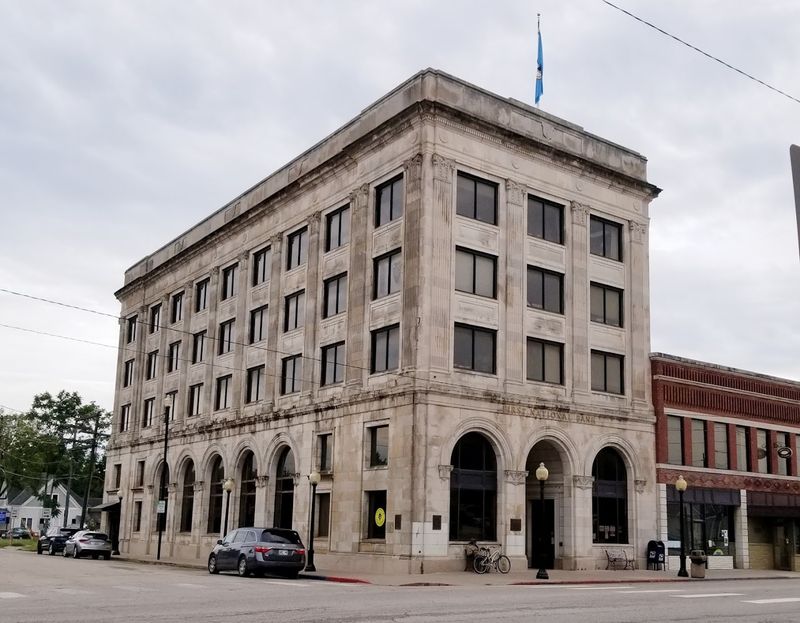
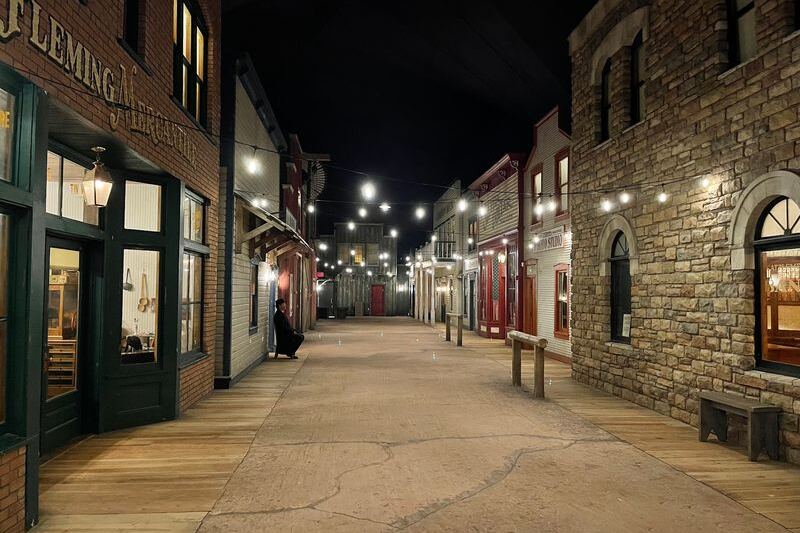
Architecture enthusiasts will find Pawhuska surprisingly rewarding. The downtown district is lined with buildings that date back to the early 1900s, many of them constructed during the oil boom years when Osage County was one of the wealthiest counties in the entire United States.
The Osage County Courthouse is a standout, a stately structure that has anchored the town square for generations. Nearby, the Constantine Theater and several former bank buildings still carry the ornate details of their original construction, from decorative cornices to wide arched windows that catch the afternoon light beautifully.
Walking the streets slowly is the best way to take it all in. Look up at the upper floors of buildings, where old painted signs and faded lettering hint at businesses that once thrived during Pawhuska’s most prosperous decades.
The town has done a thoughtful job of preserving these facades, and the result is a streetscape that feels authentic rather than artificially restored for the sake of tourism.
Osage County’s Native American Cultural Events
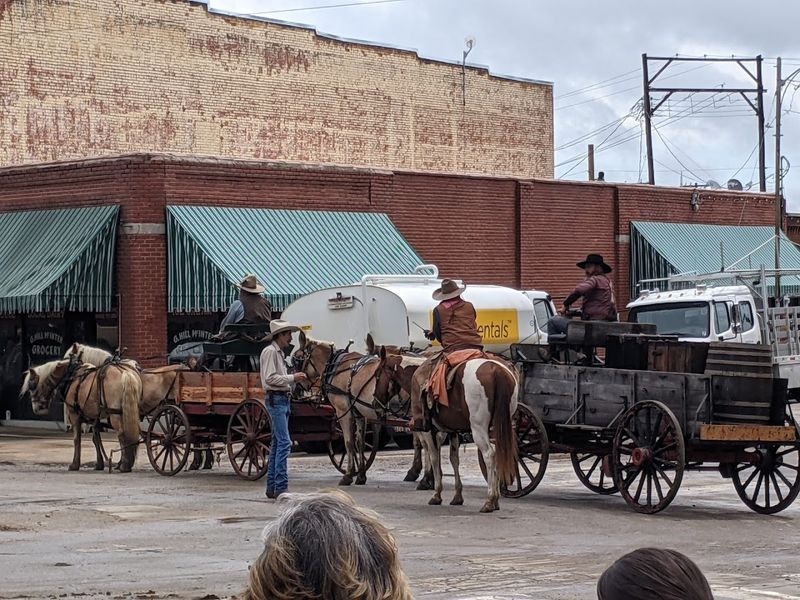
The Osage Nation holds its annual In-Lon-Schka ceremonial dances in Pawhuska each June, and attending is one of the most culturally significant experiences you can have in Oklahoma. The dances are a living tradition that has continued for well over a century, passed down through generations as an expression of Osage identity and community.
Visitors are welcome to observe, though respectful behavior and adherence to the community’s guidelines are expected and appreciated. Photography rules vary and should always be confirmed with organizers before you point a camera at anything.
The experience of watching the dancers in full regalia, moving to the rhythm of drums in an open-air setting, is genuinely unlike anything else in the region.
Beyond the June dances, the Osage Nation hosts various cultural events and educational programs throughout the year. Checking the tribe’s official calendar before your visit is the best way to time your trip around something meaningful.
These events do not feel like performances put on for outsiders; they feel like windows into a living, breathing culture that has endured through remarkable circumstances.
Best Times to Visit and Practical Tips
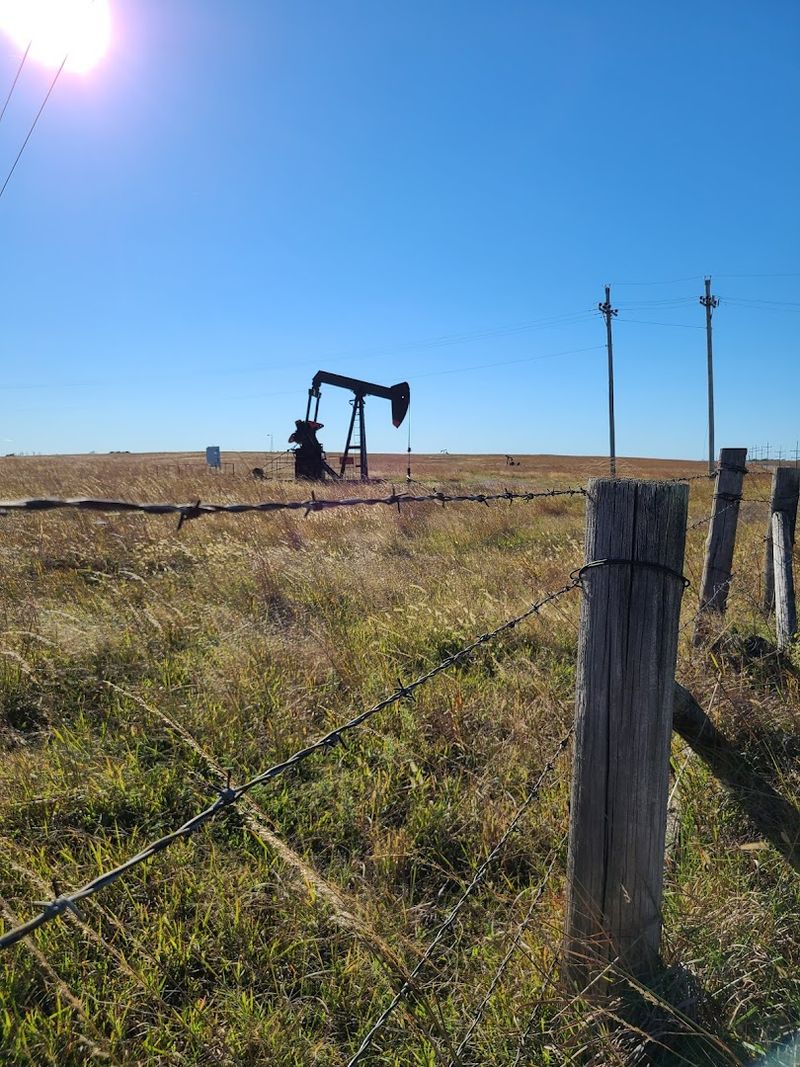
Spring and fall are the sweet spots for a Pawhuska visit. April through early June brings wildflowers to the tallgrass prairie and mild temperatures that make outdoor exploring genuinely pleasant.
September and October deliver stunning foliage, cooler air, and a quieter visitor crowd than the peak summer months.
Summer visits are entirely doable, but Oklahoma heat in July and August is no joke. Early morning outings to the preserve or the lake trail make the most of the cooler hours before the afternoon sun takes over.
Carrying a refillable water bottle is not optional; it is essential.
Pawhuska is a small town, which means dining and lodging options are more limited than in a larger city. Booking accommodations in advance, especially around the In-Lon-Schka dances in June or busy holiday weekends, saves a lot of last-minute scrambling.
A few bed-and-breakfast options in and around town offer a more personal experience than chain hotels, and the hosts tend to know the area well enough to point you toward spots that never make it onto any official tourist map.
Why Pawhuska Deserves a Spot on Your Travel List
Some places earn their reputation through marketing, and others earn it simply by being exactly what they are. Pawhuska falls firmly into the second category.
It has not been polished into something generic, and that honesty is a big part of its appeal.
The combination of Osage cultural history, wild prairie landscapes, a genuinely fun historic bridge, local food worth driving for, and one of the most impressive bison preserves in the country makes Pawhuska a destination that works for solo travelers, couples, families, and history buffs alike. There is enough variety here to fill a full weekend without any filler.
Oklahoma has no shortage of overlooked places, but Pawhuska stands out because it offers depth alongside scenery. Every attraction connects to a larger story, whether that story is about the land, the people who have called it home for centuries, or the slow and steady revival of a small town finding its stride again.
Leaving Pawhuska, I already found myself thinking about when I could come back, and that is the clearest sign a place has done something right.
Share this story