Spring is the world’s way of showing off, and honestly, it does a pretty great job. Before the summer crowds arrive and prices skyrocket, there’s a sweet window when flowers bloom, festivals pop up, and the weather is just right for exploring.
I took my first real spring trip to the Netherlands years ago and came back completely hooked on traveling before June. These 20 destinations prove that the best travel season might just be hiding between March and May.
Keukenhof, Lisse (near Amsterdam), Netherlands
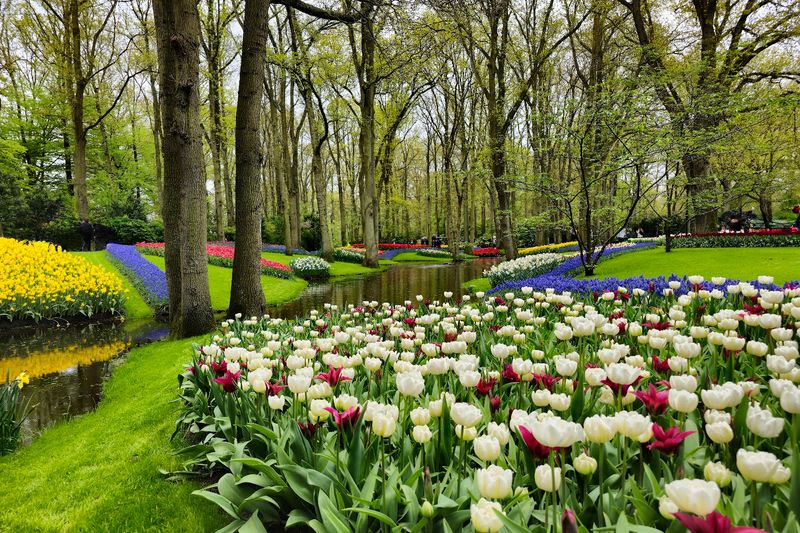
Seven million bulbs. That’s not a typo.
Keukenhof near Amsterdam plants around seven million flower bulbs every single year, and spring is the only time you get to see the results. The gardens open for just a few weeks, with the 2026 season running March 19 through May 10.
Tulips are obviously the stars here, but hyacinths, daffodils, and narcissi also put on quite a show. The color combinations are almost overwhelming in the best possible way.
I spent three hours there and still felt like I hadn’t seen everything.
Book tickets in advance because this place sells out fast. Go on a weekday morning if you want breathing room.
The windmill on-site is surprisingly photogenic, and the garden layout changes every year so even repeat visitors find something fresh.
Washington, D.C., USA
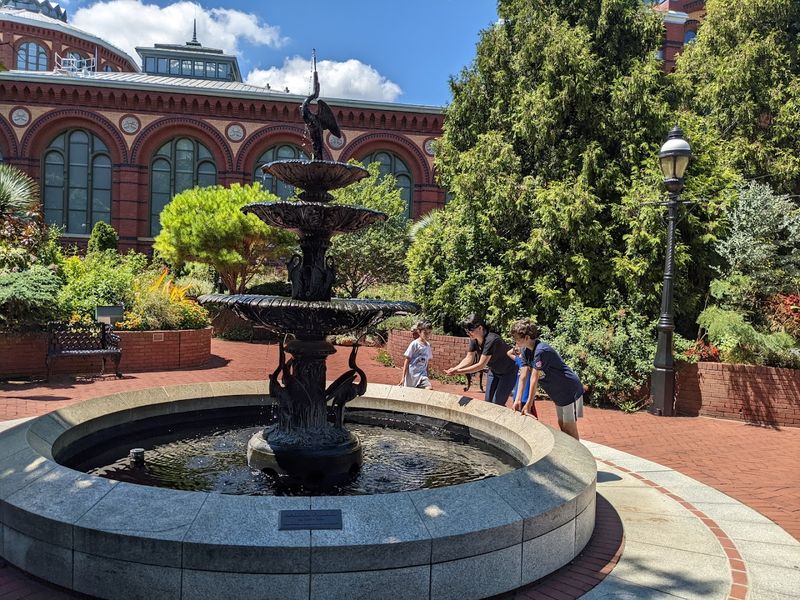
The cherry blossoms around the Tidal Basin turn Washington D.C. into a completely different city every spring. The National Mall goes from formal and gray to absolutely pink and glorious.
Peak bloom timing is notoriously unpredictable, so checking the National Park Service’s bloom tracker before booking is genuinely smart advice.
The trees were a gift from Japan in 1912, and over a century later they still deliver. More than 3,700 cherry trees line the basin and nearby areas.
The National Cherry Blossom Festival draws over a million visitors, so weekday early mornings are your best strategy.
Beyond the blossoms, D.C. in spring means free museum entry, pleasant temperatures, and fewer tourists than summer brings. The Smithsonian museums are always worth a full day.
Pair the flower viewing with a walk across the National Mall and you have a near-perfect spring afternoon.
Kyoto, Japan
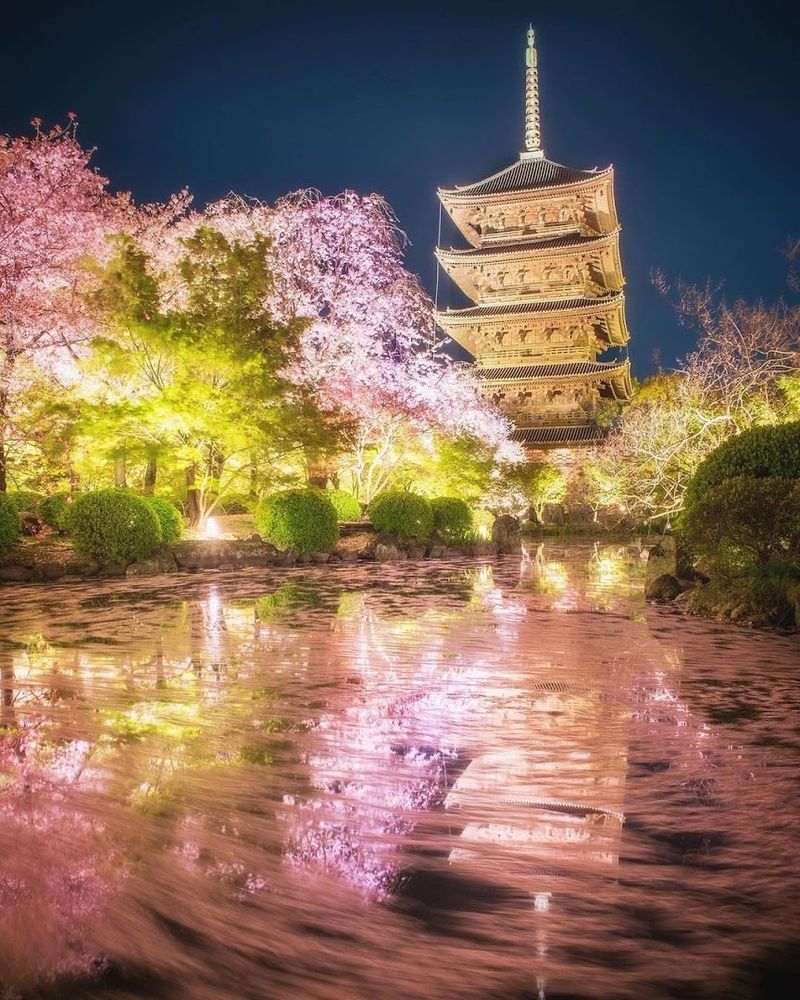
Kyoto does cherry blossom season like nowhere else on earth. The city has been refining the art of sakura appreciation for centuries, and it shows.
The Philosopher’s Path is a two-kilometer canal walk lined with cherry trees that reach full bloom in late March or early April, depending on the year.
Crowds are real here, so timing matters. Early mornings along the Philosopher’s Path feel almost peaceful.
Evenings at Maruyama Park, where lanterns light up the weeping cherry tree, are genuinely unforgettable.
Kyoto’s spring isn’t just about blossoms though. Temples like Kinkaku-ji and Fushimi Inari look especially stunning when framed by pink and white flowers.
The city’s food scene also hits differently in spring, with seasonal menus featuring bamboo shoots and cherry blossom sweets. Budget at least three days here to do it any justice at all.
Tokyo, Japan
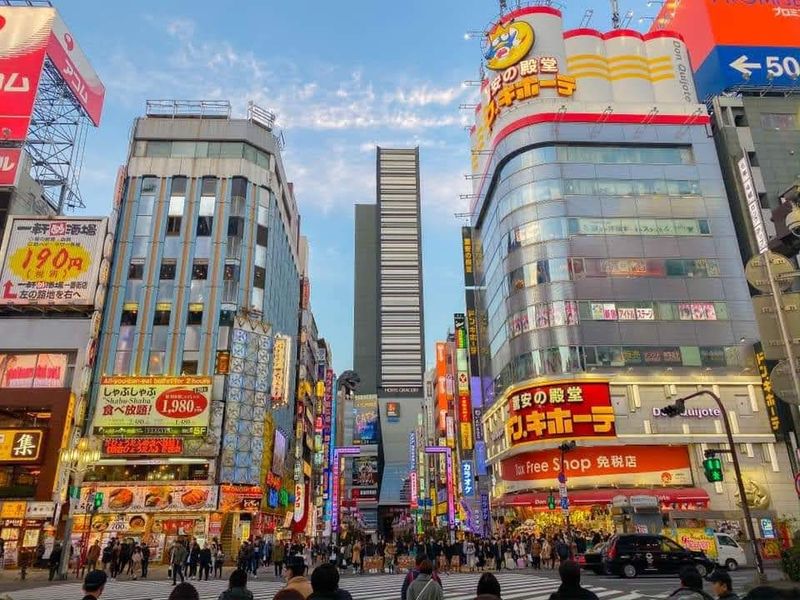
Tokyo’s cherry blossom season is basically a city-wide party, and Ueno Park is the main venue. Thousands of people spread out picnic blankets under the trees for hanami, the Japanese tradition of flower viewing with good food and better company.
It’s chaotic, colorful, and completely worth it.
Full bloom in Tokyo usually hits in late March to early April, though the exact timing shifts year to year. The 2026 season forecast is worth checking closer to the date.
Shinjuku Gyoen is a slightly calmer alternative to Ueno if you prefer your blossoms with less foot traffic.
Tokyo in spring also means mild temperatures, which makes walking the city’s neighborhoods far more enjoyable. Yanaka, one of Tokyo’s older districts, has a quiet charm that pairs well with spring blooms.
Cherry blossom-flavored everything shows up in every convenience store, and yes, you should absolutely try it all.
Mount Yoshino (Nara), Japan
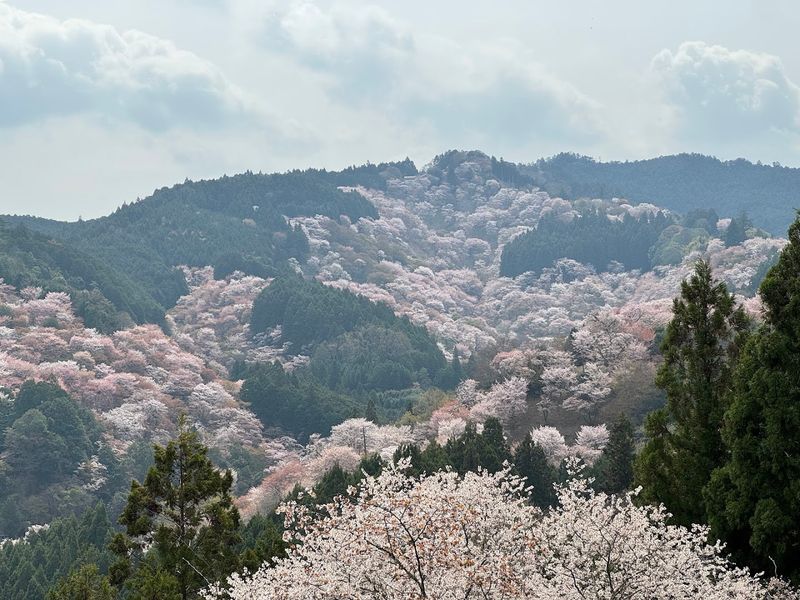
Mount Yoshino has been famous for its cherry blossoms for over a thousand years. That’s not marketing language.
Poets, emperors, and pilgrims have been climbing this mountain in Nara prefecture every spring since at least the 7th century. Around 30,000 cherry trees cover the hillside in layers of pink.
The mountain is divided into four sections, each blooming at slightly different times, which extends the viewing season. Lower slopes bloom first, upper sections follow.
It’s a natural staggered display that feels almost planned by a very talented landscape architect.
Getting there from Kyoto or Osaka takes about an hour and a half by train, making it a very doable day trip. The village of Yoshino at the base has excellent tofu cuisine and small shops selling local sweets.
Spring weekends get crowded, so arriving early or visiting mid-week makes the experience significantly more enjoyable.
Seoul, South Korea
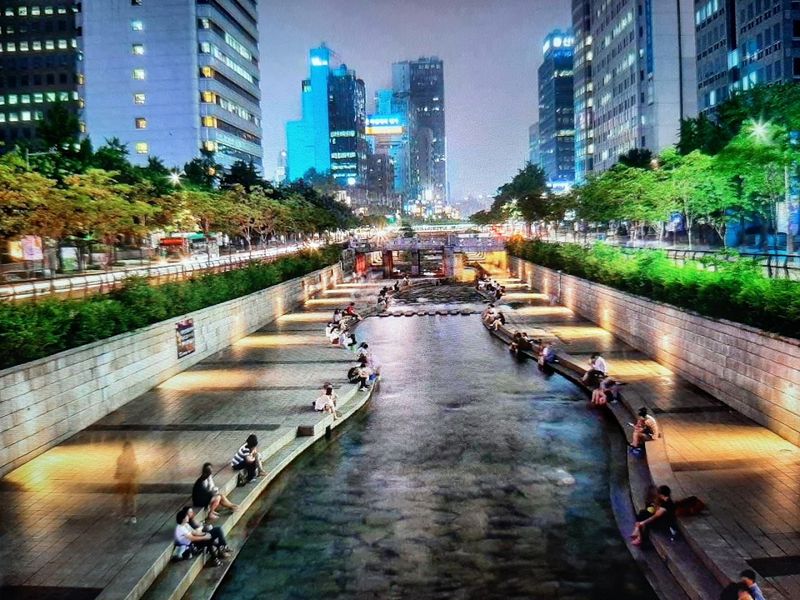
Seoul’s cherry blossom season sneaks up on you fast. One week the city is bare, and the next, Yeouido Han River Park transforms into a tunnel of pink that people travel across the world to walk through.
Visit Seoul publishes annual forecast dates, and 2026 is already generating buzz.
Seokchon Lake is another top spot, where cherry trees ring the water and the reflections double the visual impact. Lotte World Tower looms in the background for that very modern Seoul contrast.
The combination of ancient and ultra-modern is honestly one of Seoul’s best qualities.
Spring also brings the Yeouido Cherry Blossom Festival, with food stalls, performances, and weekend crowds that are enthusiastic to say the least. Bukchon Hanok Village looks especially lovely with blossoms framing traditional rooftops.
Seoul’s spring temperatures hover around a very pleasant 10 to 15 degrees Celsius, which is ideal walking weather.
Istanbul, Türkiye
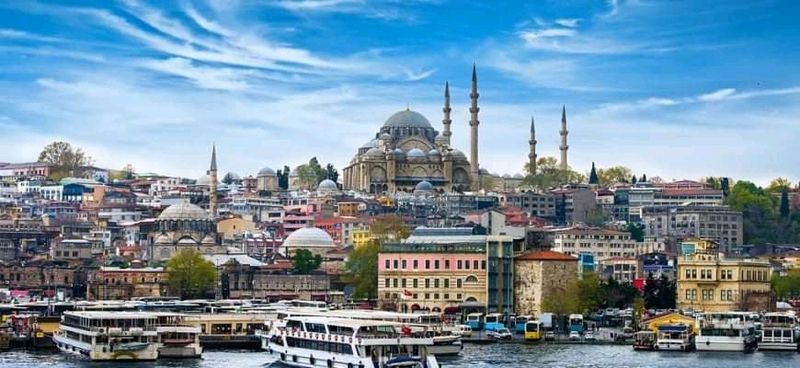
The tulip actually originated in Central Asia and was cultivated in the Ottoman Empire long before it ever reached the Netherlands. Istanbul celebrates this history every April with a city-wide Tulip Festival that fills public parks with over three million flowers.
Emirgan Park is the crown jewel of the whole event.
Beyond the tulips, Istanbul in spring is just a genuinely great time to visit. The weather is mild, the tourist crowds haven’t hit peak levels yet, and the city’s famous street food scene is in full swing.
Simit with tea while watching tulips sway in the Bosphorus breeze is a very solid afternoon.
The Topkapi Palace gardens also bloom beautifully in April, adding historical context to all the floral beauty. Ferry rides across the Bosphorus in spring are comfortable and offer excellent views of the city skyline.
Istanbul rewards slow exploration, and spring gives you the perfect excuse to take your time.
Skagit Valley, Washington, USA

Skagit Valley in northwestern Washington state pulls off something genuinely impressive every April: fields of tulips so large and colorful they look like someone spilled a giant paint set across the farmland. The Skagit Valley Tulip Festival runs the entire month of April, giving visitors a generous window to catch peak bloom.
Unlike a manicured garden, this is working farmland. You walk through actual flower fields between the rows, which feels both humbling and slightly ridiculous in the best way.
Mount Baker often appears snow-capped in the background, providing an almost unreasonably photogenic backdrop.
La Conner, a small town nearby, has excellent art galleries and waterfront restaurants worth visiting after the fields. The festival also includes a street fair and garden show in Mount Vernon.
Washington state’s spring weather can be unpredictable, so rain gear is worth packing, but the flowers look honestly incredible with a bit of mist around them.
Holland, Michigan, USA
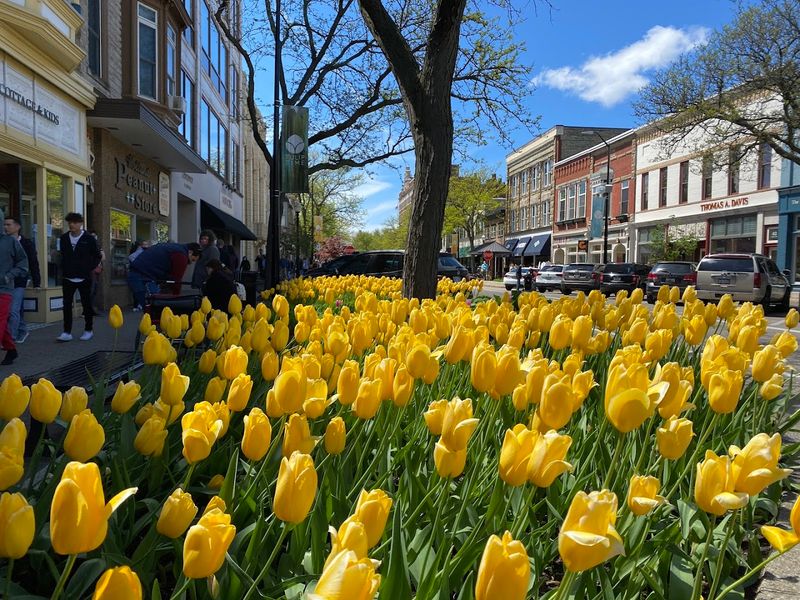
Holland, Michigan takes its Dutch heritage extremely seriously, and Tulip Time is the annual proof. The city plants over four million tulips every year, and from May 1 to 10 in 2026, the streets, parks, and public spaces explode with color.
The whole city basically becomes a walking flower arrangement.
The Windmill Island Gardens are the centerpiece, featuring an authentic Dutch windmill that was actually imported from the Netherlands in 1964. It still grinds grain.
Dutch dancers in traditional costumes perform throughout the festival, which could sound corny but is actually quite charming in person.
Holland’s downtown is walkable and full of good food, including Dutch-inspired bakeries that do not hold back on the stroopwafels. The festival draws about 500,000 visitors annually, so booking accommodation early is essential.
Spring in western Michigan can be breezy off Lake Michigan, but that just makes the tulip fields look more dramatic.
Ottawa, Ontario, Canada
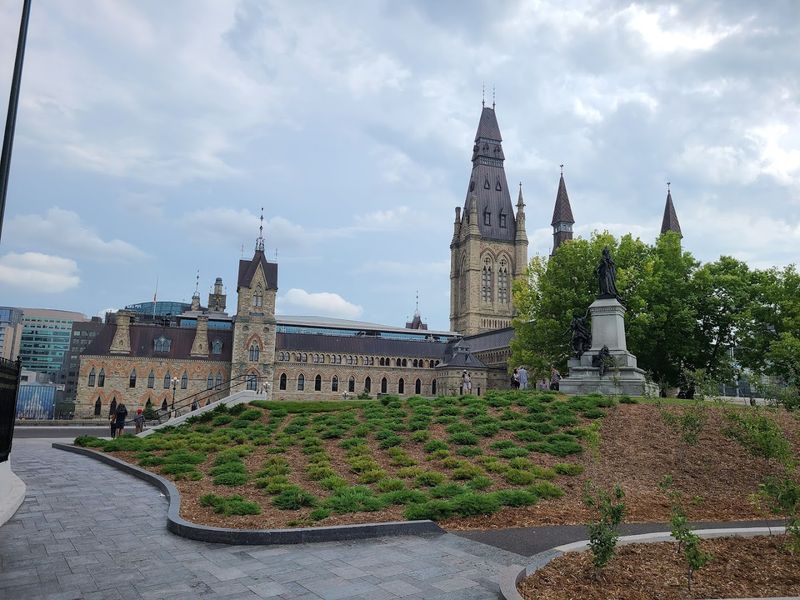
Ottawa holds a tulip festival with a genuinely touching origin story. After World War II, the Dutch royal family sent 100,000 tulip bulbs to Canada as thanks for sheltering Princess Juliana during the war.
The tradition continued, and now the Canadian Tulip Festival is one of the largest in the world.
Commissioners Park at Dow’s Lake is the festival’s heart, where over 300,000 tulips bloom across more than 30 varieties. The Rideau Canal, a UNESCO World Heritage Site, runs alongside the park and adds considerable charm to the whole scene.
The 2026 festival is already in planning, with major bloom displays expected.
Ottawa in spring is also a great time to explore Parliament Hill and the ByWard Market neighborhood. The city is very walkable and bike-friendly when the weather cooperates.
May temperatures are generally mild, and the combination of tulips, historic architecture, and riverside paths makes Ottawa a genuinely underrated spring destination.
Funchal, Madeira, Portugal
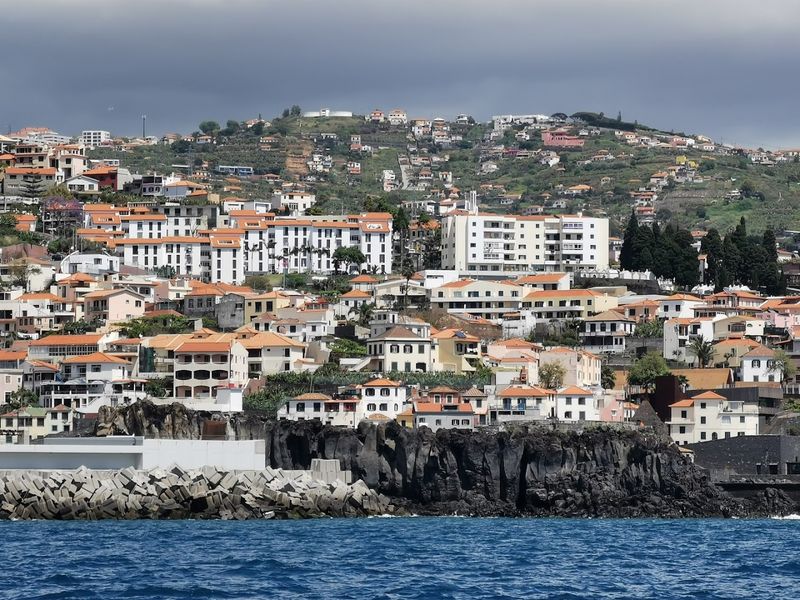
Madeira’s Flower Festival is one of Europe’s most visually spectacular spring events, and somehow it still flies under most travelers’ radars. Funchal, the island’s capital, goes all out with flower carpets, elaborate parade floats, and streets blanketed in blooms.
The island’s subtropical climate means the gardens are genuinely extraordinary year-round, but spring takes things to another level.
The Wall of Hope is one of the festival’s most moving traditions. Children place flowers into a wall to symbolize peace, and the resulting mosaic is both colorful and surprisingly emotional.
The main parade through Funchal draws large crowds and is worth planning your trip around specifically.
Madeira itself is a hiker’s dream with levada walks cutting through laurisilva forest. Spring temperatures sit around a comfortable 20 degrees Celsius.
The island’s famous poncha cocktail and espetada skewers are non-negotiable food experiences that deserve your full attention after a day of festival-going.
Seville, Spain
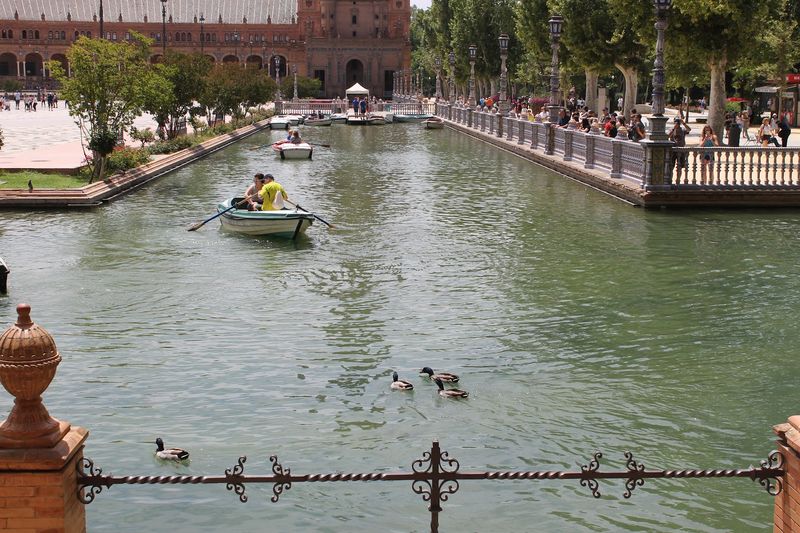
Seville’s April Fair, the Feria de Abril, is the kind of event that makes you want to immediately cancel your return flight. For a week, the city sets up a fairground of over a thousand private tents called casetas, each filled with flamenco dancing, sherry wine, and food that makes you question every meal you’ve had before.
Women wear traditional flamenco dresses and men ride horses through the fairgrounds in a display of Andalusian culture that feels both theatrical and deeply authentic. The fair follows Semana Santa, Holy Week, which is its own extraordinary spectacle of solemn processions and elaborate floats.
Seville in April essentially runs back-to-back world-class events.
Spring temperatures in Seville hover around 20 to 25 degrees Celsius, which is ideal before the brutal summer heat arrives. The city’s tapas bars, the Alcazar palace, and the cathedral are all more enjoyable in this shoulder season.
Book accommodation months ahead because the city fills up completely during Feria week.
Córdoba, Spain
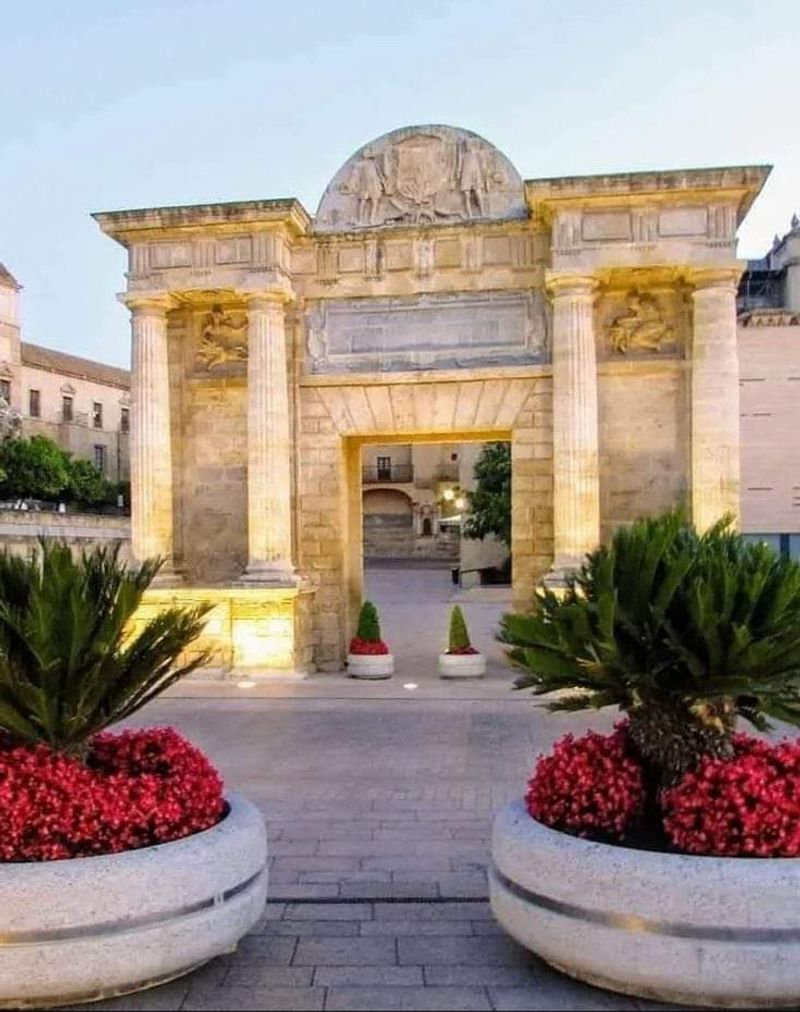
Córdoba’s Fiesta de los Patios is one of those UNESCO-listed traditions that actually lives up to the hype. For two weeks in May, private courtyards across the old city are opened to the public, filled with hundreds of flower pots and competing for the title of best patio.
The 2026 festival runs May 4 through 17.
Walking through the narrow whitewashed streets of the Juderia neighborhood, stumbling from courtyard to courtyard, feels like the best kind of scavenger hunt. Each patio has its own personality, some minimalist and elegant, others explosively colorful.
Locals take the competition very seriously, which makes the whole thing even more entertaining.
The Mezquita-Catedral, one of Spain’s most architecturally fascinating buildings, is right in the middle of the old town and pairs perfectly with a patio-hopping afternoon. May in Córdoba is warm but not yet scorching.
Arrive before 10 a.m. to beat the midday heat and the tour groups.
London, England
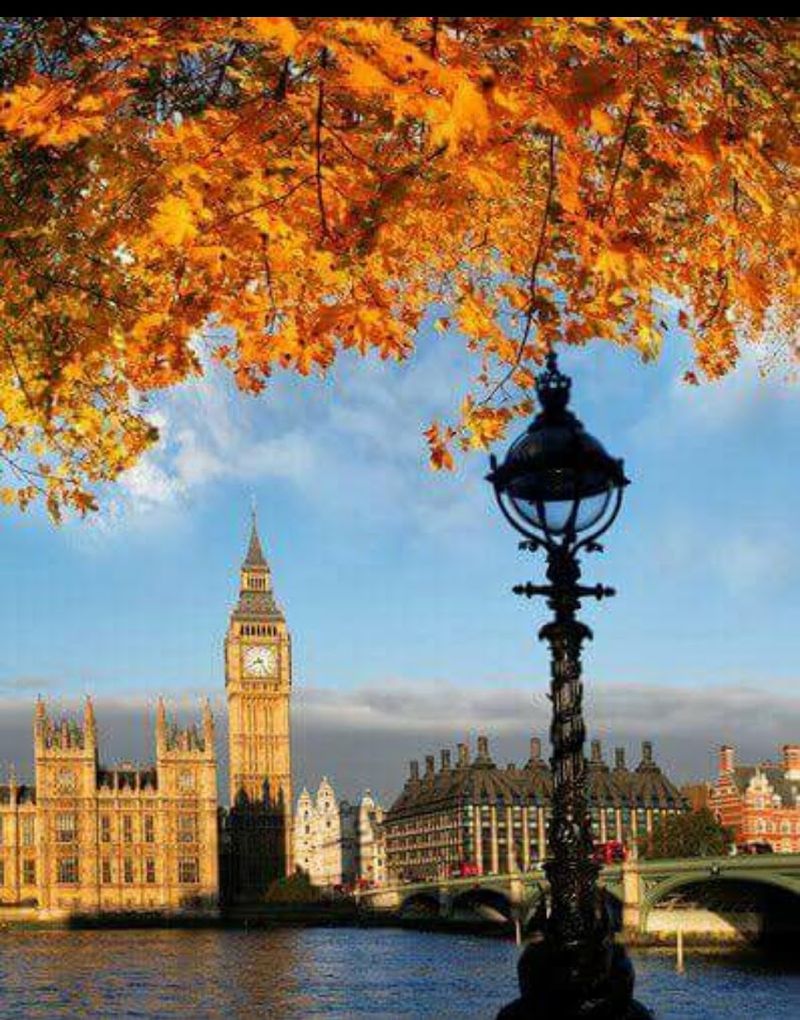
The RHS Chelsea Flower Show is the world’s most prestigious garden show, and it happens every May in the grounds of the Royal Hospital Chelsea. The 2026 show runs May 19 to 23.
Garden designers spend years preparing for a few days of competition, and the results are genuinely jaw-dropping in their creativity and detail.
Show gardens range from formal and classical to experimental and thought-provoking. The Great Pavilion houses thousands of plant exhibits and is where serious horticulture enthusiasts lose track of time completely.
On the last day, plants are sold off at significant discounts, which creates a very specific kind of organized chaos.
London in May is also just a great city to be in. Hyde Park and Regent’s Park are in full bloom, the South Bank is busy with outdoor events, and the weather is usually pleasant enough for long walks.
Chelsea is a beautiful neighborhood to explore beyond the show itself.
New Orleans, Louisiana, USA
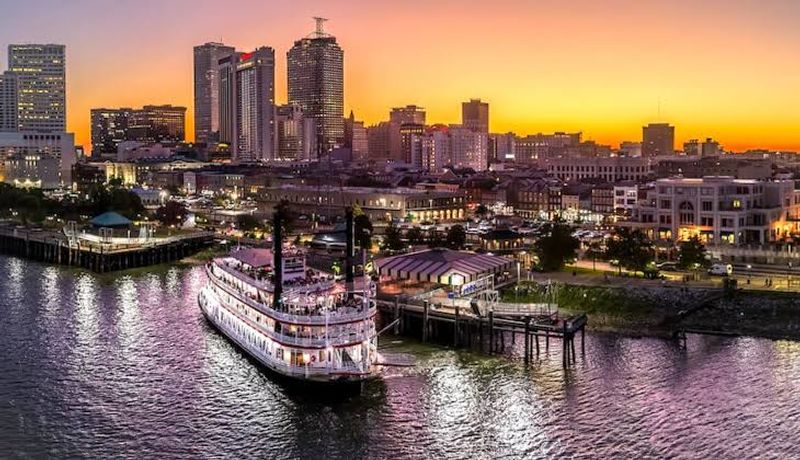
Jazz Fest in New Orleans is not just a music festival. It’s a full sensory and cultural experience that takes over the city for nearly two weeks every spring.
The 2026 New Orleans Jazz and Heritage Festival runs April 23 through May 3, with multiple stages, food vendors, and craft markets spread across the Fair Grounds Race Course.
The lineup typically spans jazz, blues, gospel, funk, Cajun, zydeco, and whatever genre defies categorization. The food alone justifies the trip.
Crawfish Monica, cochon de lait po’boys, and bread pudding with whiskey sauce are Jazz Fest staples that people genuinely plan their schedules around.
New Orleans in late April and early May sits at a sweet spot before summer humidity gets aggressive. The French Quarter, Garden District, and Frenchmen Street music scene are all worth exploring beyond the festival grounds.
This city has a personality unlike anywhere else in America, and spring is one of the best times to meet it.
Yosemite National Park, California, USA
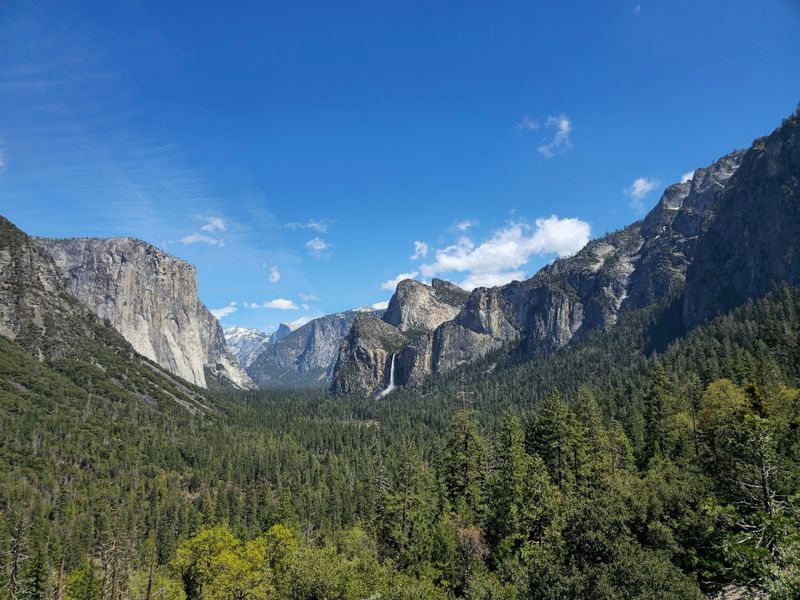
Yosemite in spring hits different from summer. The waterfalls are at full roar thanks to snowmelt, the valley meadows are green and dotted with wildflowers, and the crowds haven’t yet reached their peak summer intensity.
The National Park Service confirms that May is typically when waterfall flow peaks, making it the best month for dramatic views.
Yosemite Falls, Bridalveil Fall, and Nevada Fall are all significantly more powerful in spring than any other season. The sound alone when you stand near the base is worth the drive.
Valley floor trails are mostly accessible by May, though higher elevation routes may still have snow.
Getting there early and booking accommodation inside the park months ahead is essential. The Ahwahnee Hotel is a historic splurge worth considering.
Spring mornings in the valley often bring mist rising off the Merced River, which creates the kind of atmosphere that has inspired photographers and artists for well over a century.
Banff National Park, Alberta, Canada
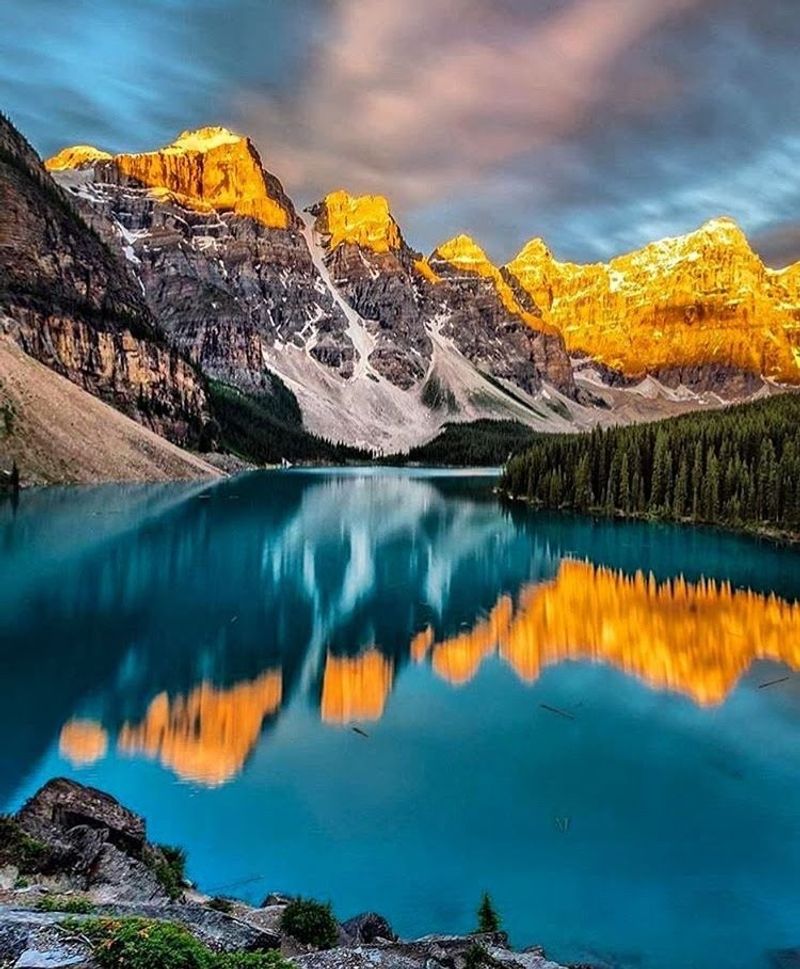
Spring in Banff is the park’s best-kept secret. Most visitors show up in summer or winter, which means the shoulder season between April and early June offers something genuinely rare: one of the world’s most beautiful places without the usual crowds.
Banff and Lake Louise Tourism describes spring as a transitional season with variable trail conditions, which honestly just adds a bit of adventure.
Lower elevation trails around Banff townsite and along the Bow River become accessible in April. Lake Louise starts thawing in May, and the color shift from icy blue-white to that famous turquoise is a gradual process worth witnessing.
Wildlife is also very active in spring, with bears emerging from hibernation and elk calving in the meadows.
The town of Banff has excellent restaurants and cozy mountain lodges that feel even more special when you have the trails mostly to yourself. Spring skiing at Sunshine Village or Lake Louise ski resort often runs through May, which is a genuinely unusual combination of activities for one trip.
Iceland (coastal nesting areas)
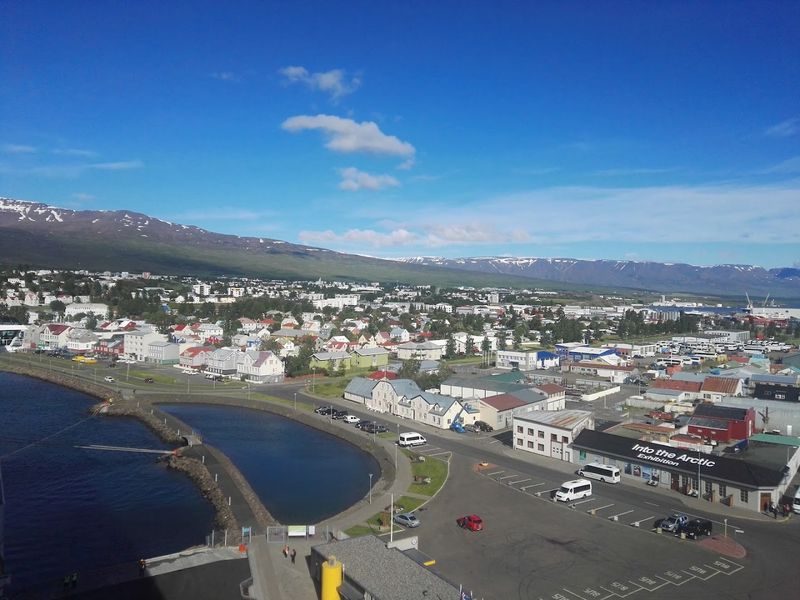
Puffins are ridiculous-looking birds and absolutely worth traveling to Iceland to see. With their bright orange beaks and penguin-adjacent waddling, they look like nature designed them as a joke.
Late spring marks the start of puffin season in Iceland, with birds arriving at coastal nesting sites from May onward and staying through August.
The Westman Islands (Vestmannaeyjar) off Iceland’s south coast are home to the world’s largest Atlantic puffin colony, with around eight to ten million birds during peak season. The Latrabjarg cliffs in the Westfjords are another top viewing spot, where puffins nest so close to the path edge that getting a good photo requires almost no effort.
Iceland in late spring also means near-endless daylight, which makes road-tripping the Ring Road significantly easier. The waterfalls and volcanic landscapes look spectacular in the long golden light of late evening.
Puffin-watching boat tours from Reykjavik are a great option if you’re short on time but big on wildlife enthusiasm.
Petra, Jordan
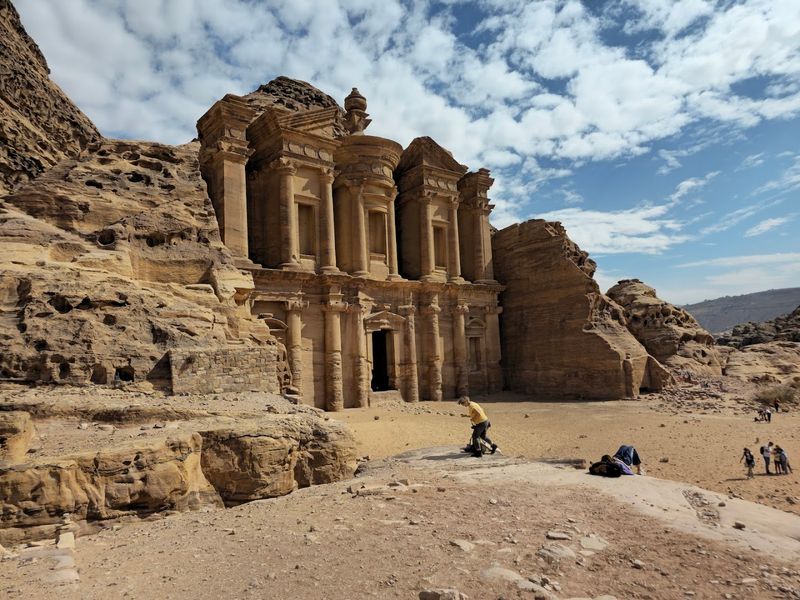
Spring is the smartest time to visit Petra, and the logic is simple: Jordan’s desert climate means summer temperatures regularly exceed 40 degrees Celsius, while spring sits at a far more manageable 20 to 25 degrees. Visit Jordan’s official seasonal guide specifically recommends spring for combining comfortable weather with fewer crowds than peak season.
The Treasury, Petra’s most iconic facade carved directly into rose-red sandstone, looks different at every hour of the day as the light shifts. The full site is enormous and often underestimated.
Walking to the High Place of Sacrifice or the Monastery adds serious distance to your day, so comfortable shoes are not optional.
Spring also brings wildflowers to the surrounding Wadi Araba desert, softening the landscape in a way that surprises most first-time visitors. The Bedouin vendors along the main path sell exceptionally good mint tea.
Staying in the nearby town of Wadi Musa gives you early morning access before tour groups arrive.
Dublin, Ireland
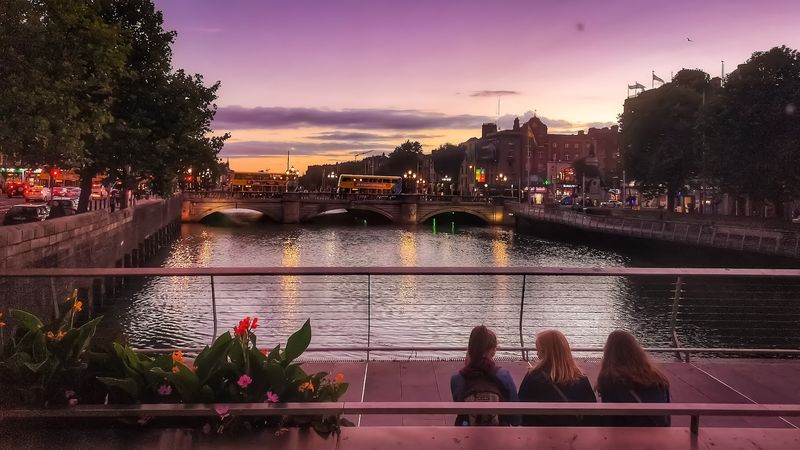
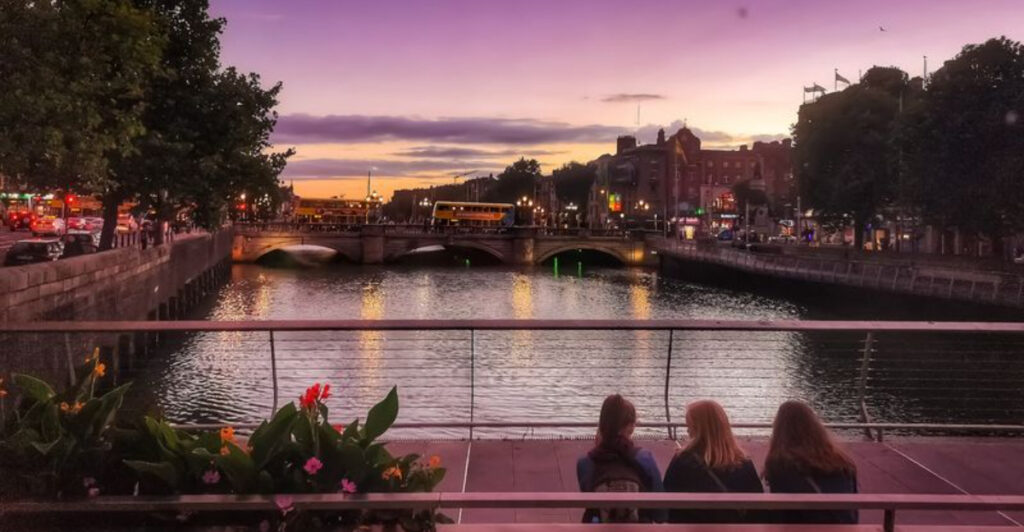
Dublin’s St. Patrick’s Festival is not just a parade. It’s a four-day celebration of Irish culture that takes over the entire city from March 14 to 17, 2026.
The parade itself is genuinely spectacular, with international performers, giant puppets, and enough green to make your eyes water in the best possible way.
Beyond the parade, the festival includes outdoor concerts, céilí dancing, treasure hunts, and cultural events spread across multiple city venues. Temple Bar and Grafton Street become pedestrian celebrations.
The atmosphere is electric in a way that feels organic rather than manufactured, which is rare for events this large.
Dublin in mid-March is cool and occasionally rainy, but Irish people consider that perfectly normal festival weather. A pint of Guinness in a traditional pub while a trad session plays in the corner is an experience that genuinely cannot be replicated anywhere else.
Book flights and hotels at least three months ahead because the whole city sells out fast.
Share this story