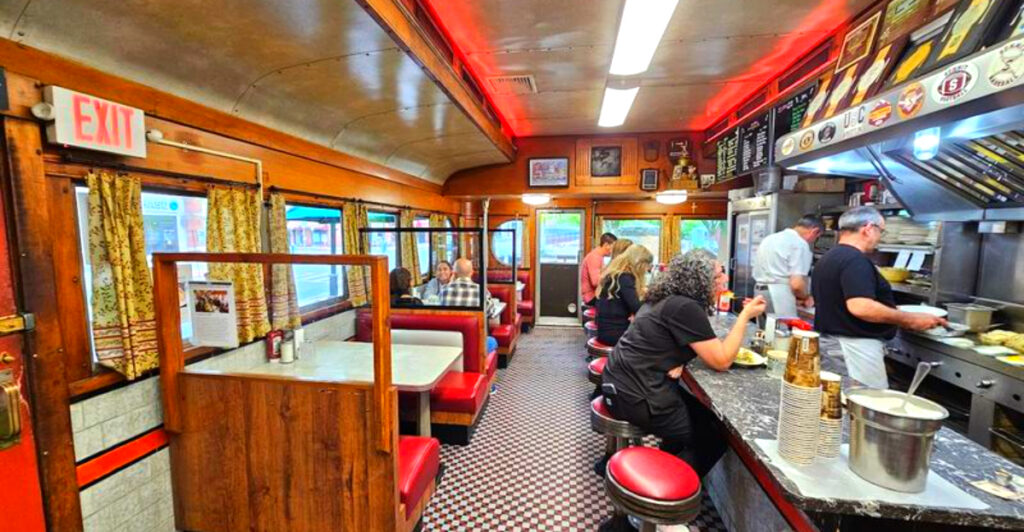
Counter seating changed how Americans ate, turning quick meals into daily rituals where cooks and customers traded conversation as easily as orders. Bottomless coffee reflected the rhythm of postwar workdays, commuter mornings, and late-night study sessions.
These diners show how design, pricing, and hospitality evolved from the 1930s onward while staying personal in an age of chains and delivery apps.
1. Tom’s Restaurant – New York, New York
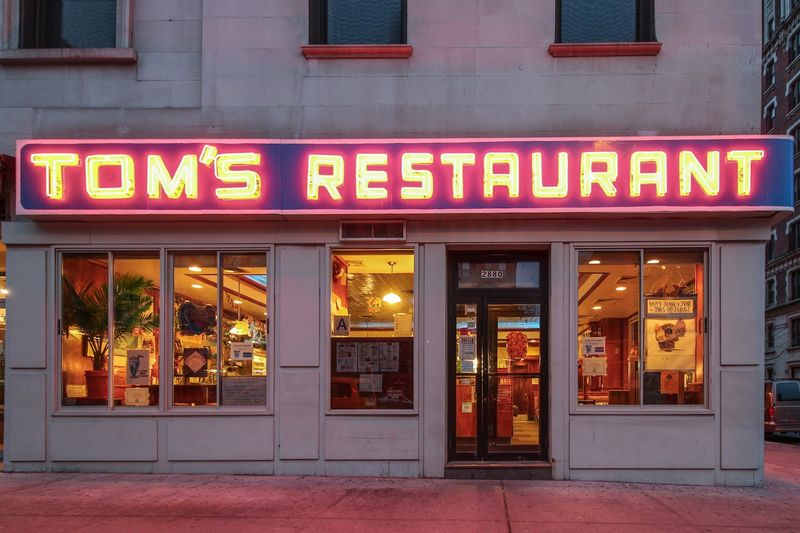
Before streaming study sessions and laptop cafes, a neighborhood counter made late papers possible. Tom’s built that habit near Columbia University, where postwar students in the 1940s found seats, short-order speed, and steady refills.
The exterior sign later gained pop recognition from a sitcom, but the rhythm inside stayed classic.
Counter service here tracks New York’s changing workday. The quick turnover model relied on stools, not booths, so coffee and conversation kept moving.
Prices changed, rent climbed, and menus adapted, but the endless pour bridged decades.
You see the city’s timeline in laminated specials, Greek diner roots, and night-shift orders. Regulars measure semesters by mugs filled without asking.
If you want to understand how an urban diner stays relevant, watch the counter choreography, the ticket wheel, and the refill that always arrives before you need it.
2. Tick Tock Diner – Clifton, New Jersey
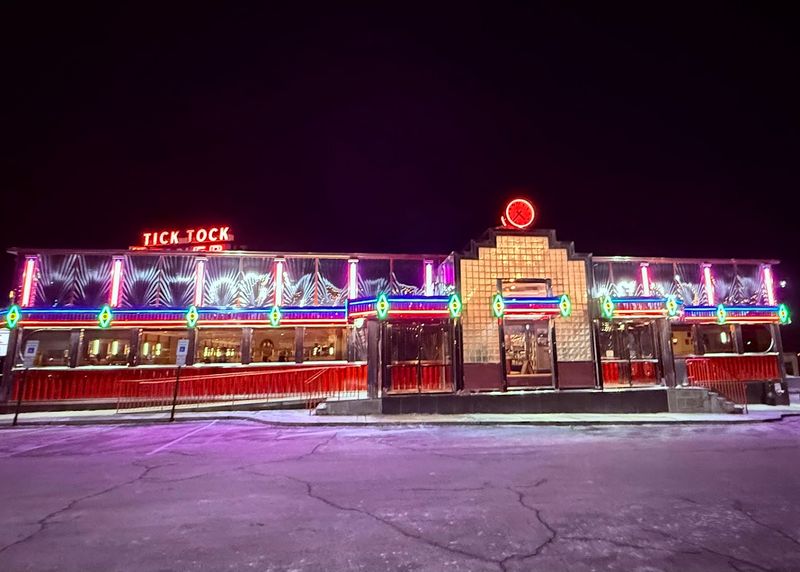
New Jersey’s diner identity rides on polished steel and endless cups. Tick Tock Diner took that template and scaled it for commuters who learned to time breakfast with traffic.
Its stainless facade signals a midcentury manufacturing lineage linked to firms that shipped prefab diners by rail.
The counter makes the building work economically. Stools turn fast, servers cover more guests, and coffee creates loyalty without coupons.
That formula carried the place through fuel crises, mall booms, and the late-night shift economy.
Menus here echo diner abundance, but the counter is the archive. You can trace service norms, like shorthand calling and ticket spindles, that survived tablets and card swipes.
A bottomless mug aligns with the reliable clock outside. The name tells you to keep moving, yet the refill policy invites you to pause just long enough to feel local again.
3. Frank’s Diner – Kenosha, Wisconsin
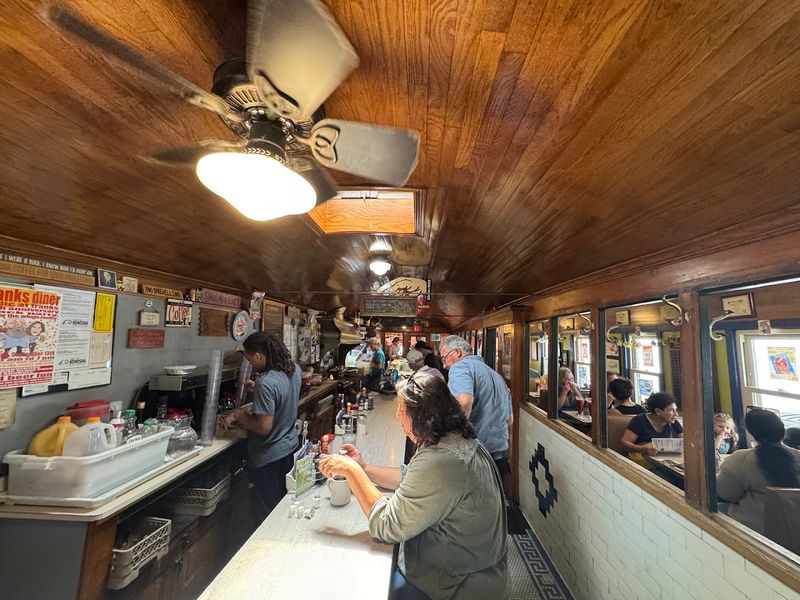
Dragged by horses to its first spot in 1926, this lunch wagon proves mobility once defined diners. Frank’s kept the core idea tight.
A narrow room, a direct line to the cook, and a counter that compresses time between order and plate.
That design shaped Midwestern habits. Workers arrived in bursts, coffee kept them anchored, and the counter let conversations stack like pancakes.
Through manufacturing cycles and lakefront winters, the bottomless pour turned regulars into morning fixtures.
History here is mechanical as much as cultural. You can see it in the flat-top seasoned by years, the metal canisters, and the hand-squeezed ticket system.
Trends came and went, yet basic logistics held. Sit, sip, decide on a garbage plate, and watch how two cooks serve a room with choreography practiced since radio days.
4. The Arcade Restaurant – Memphis, Tennessee
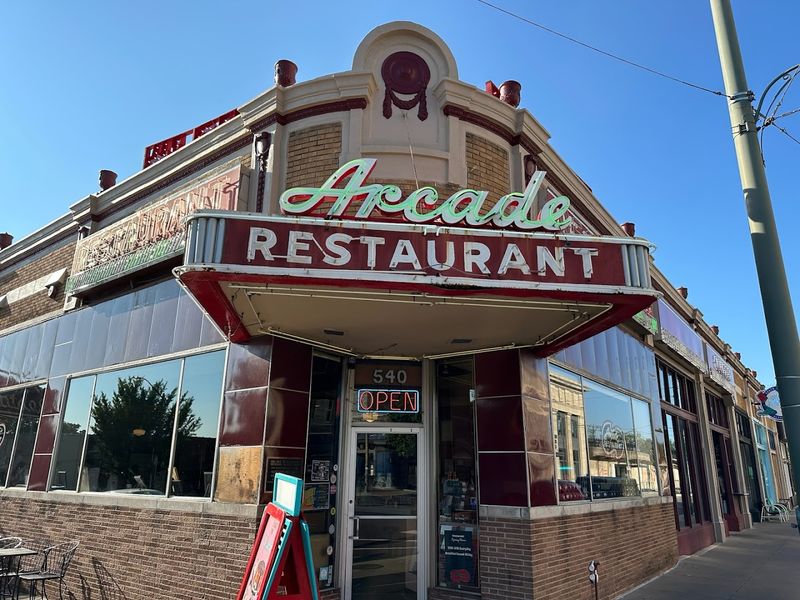
Longevity is the headline, but routine is the substance. The Arcade predates many highways, yet it still finds full counters because Memphis built habits around dependable breakfasts and refills.
The Greek immigrant story runs through its ownership and menu, pairing American plates with Mediterranean touches.
The counter works like a small news desk. Politicians, tourists, and shift workers trade quick updates while coffee moves continuously.
When downtown waxed and waned, the counter never disappeared, and that constancy supported nearby storefronts.
Memphis history shadows every stool. Rock and roll tourism brings cameras, but locals keep the place on schedule.
Bottomless coffee underwrites both, proving that a nickel policy can scale to modern pricing without losing purpose. Sit here and you read a century of civic life, one refill, one biscuit, and one efficient ticket at a time.
5. Lou Mitchell’s – Chicago, Illinois
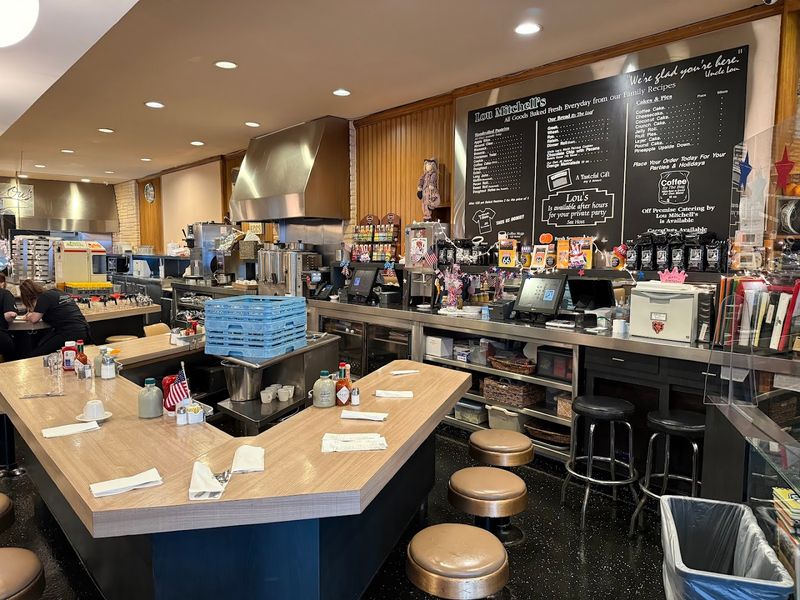
Travelers once launched road trips here with a donut and a bottomless cup. Lou Mitchell’s leaned into Chicago’s commuter clock and Route 66 mythology while keeping the counter as mission control.
The bakery case at the entrance set expectations for speed and abundance.
Counter seating supported high volume near Union Station. Servers walked short distances, cooks worked in view, and refills reduced decision fatigue for hurried guests.
Through airline deregulation and changing downtown patterns, the stool line stayed relevant.
History shows up in the freebies, the egg-cellent puns, and the unwavering choreography between grill and register. The place measures time by rushes, not seasons.
You might nurse a mug while trains cycle and meetings start across the Loop. The refills cost little, but they buy goodwill that outlasts hype and keeps regulars anchored to a specific corner of Chicago.
6. Palace Diner – Biddeford, Maine
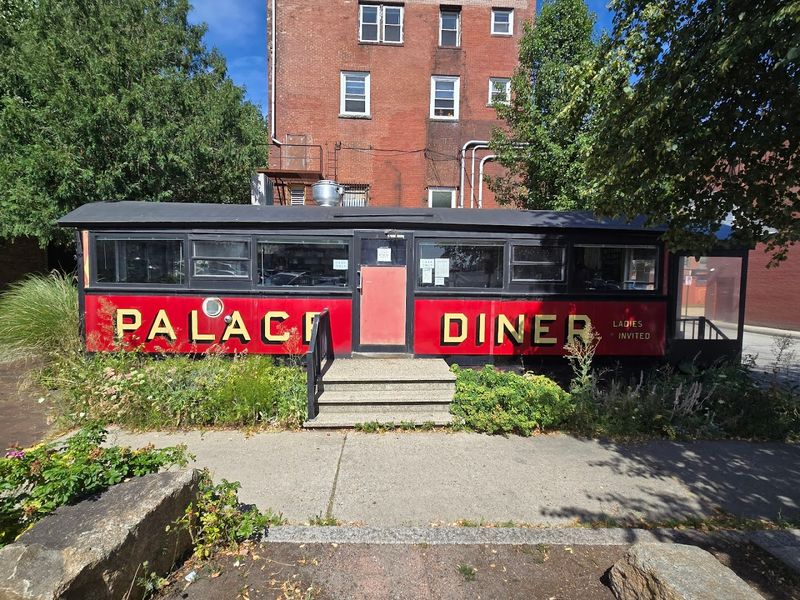
A compact 1927 diner car proves small footprints can hold big ideas. Palace Diner operates inside a preserved shell from the Pollard Company, using counter intimacy to deliver precise plates and steady refills.
The format feels antique, but the cooking strategies are modern and disciplined.
Biddeford’s textile legacy shaped breakfast schedules for decades. As mills shifted to new uses, the counter gave locals and newcomers a common meeting line.
Coffee refills help turnover without rushing anyone.
Design is destiny here. The barrel roof, sliding doors, and linear workspace force clarity in the menu and service.
You can study regional history in the choice of breads, the potatoes, and the fry technique honed to a tiny kitchen. The bottomless mug is the constant that connects generations, whether you order flapjacks or a sharply executed sandwich.
7. Modern Diner – Pawtucket, Rhode Island
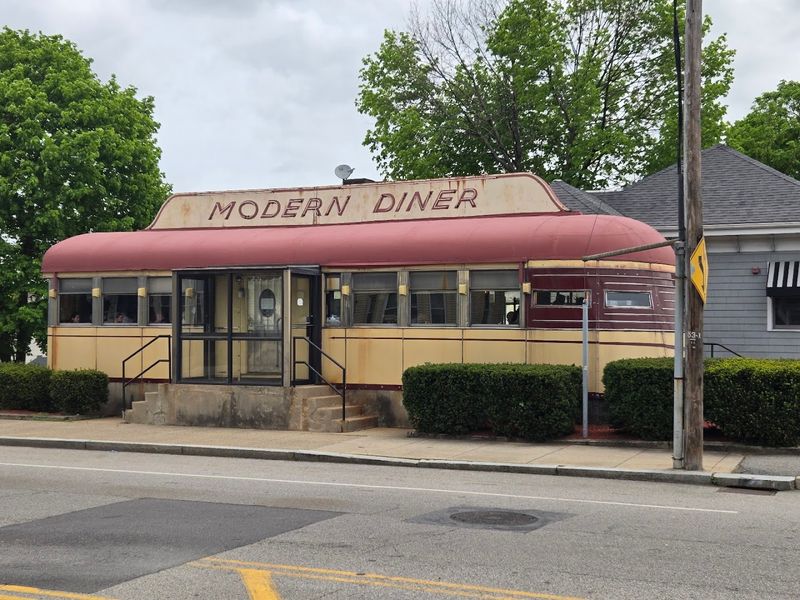
Shaped like motion even when parked, this Sterling Streamliner made efficiency look glamorous. Modern Diner used aerodynamic lines to sell fast service and modernity to midcentury diners.
Counter seating reinforced the theme by cutting wait times and maximizing grill access.
Its listing on historic registers preserves more than looks. It safeguards a workflow where coffee arrives before questions, and orders travel inches, not yards.
Rhode Island’s manufacturing story surrounds it, from jewelry plants to tool shops that once set early breakfasts.
The refill tradition survived menu creativity, including custard-style innovations that made headlines. Yet the counter remains the argument.
Sit down and you see how design, labor, and pricing interlock. A bottomless mug feels like a promise that the streamlined future still includes human attention, delivered one pour, one plate, and a nod from the person at the griddle.
8. Blue Benn Diner – Bennington, Vermont
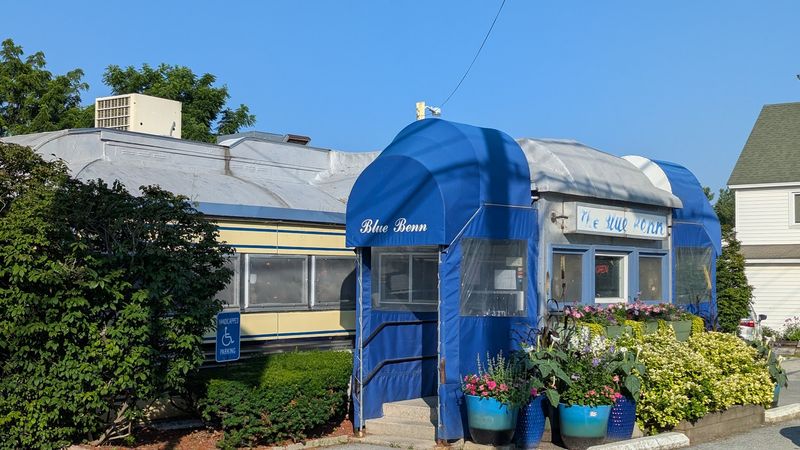
A classic Silk City car anchors Bennington’s daily record more reliably than headlines. Blue Benn’s counter does the accounting.
Who is back from school, which shifts changed, and how many mugs disappeared into quiet mornings.
The 1940s car reflects an era when factory-built diners democratized entrepreneurship. Install a counter, hook up the griddle, and a family could serve a town.
Bottomless coffee rewarded return visits and softened price hikes during tight winters.
Menus show Yankee thrift and curiosity side by side. You might add a local special to a very American plate, then watch maple debates unfold over refills.
The stools carry generations, and the waitlist proves the model still scales. If you are tracing durable service design, this place offers data points in chrome, porcelain, and a perpetually ready pot.
9. Mickey’s Dining Car – St. Paul, Minnesota
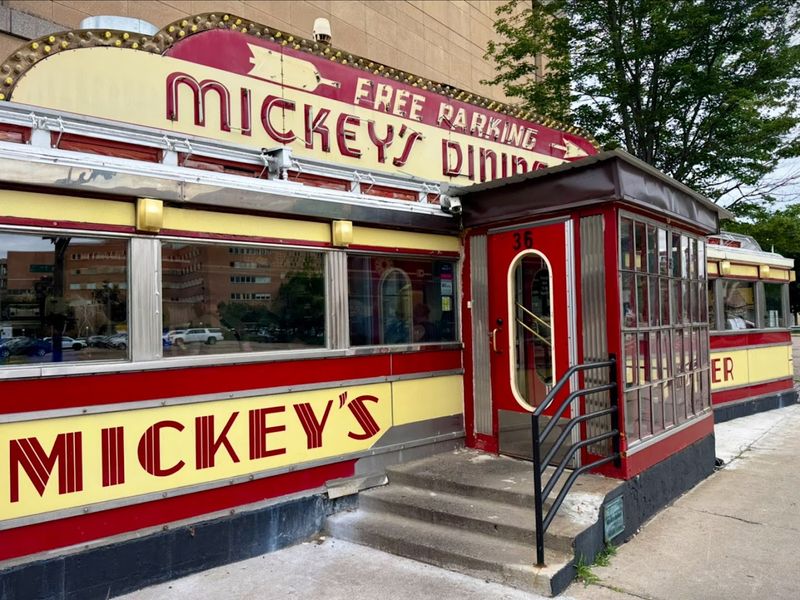
Some buildings feel like time capsules that still do real work. Mickey’s opened in 1937 with a promise of continuous service, and the counter made that promise affordable.
Stools, short reach, and refills let a skeleton crew serve a full room.
Over decades, late-night crowds shifted from rail workers to hospital staff and students. The coffee policy stayed constant, which built a reputation stronger than ad campaigns.
Art Deco lines frame a working kitchen that never leaned on sentiment to stay relevant.
Here you can study urban resilience. Snow arrives, budgets tighten, and the counter solves for both with directness.
You drink, order, and move along. Bottomless coffee expresses trust in repeat business, a contract honored by thousands of quick breakfasts and last-call pancakes across Minnesota winters.
10. South Street Diner – Boston, Massachusetts
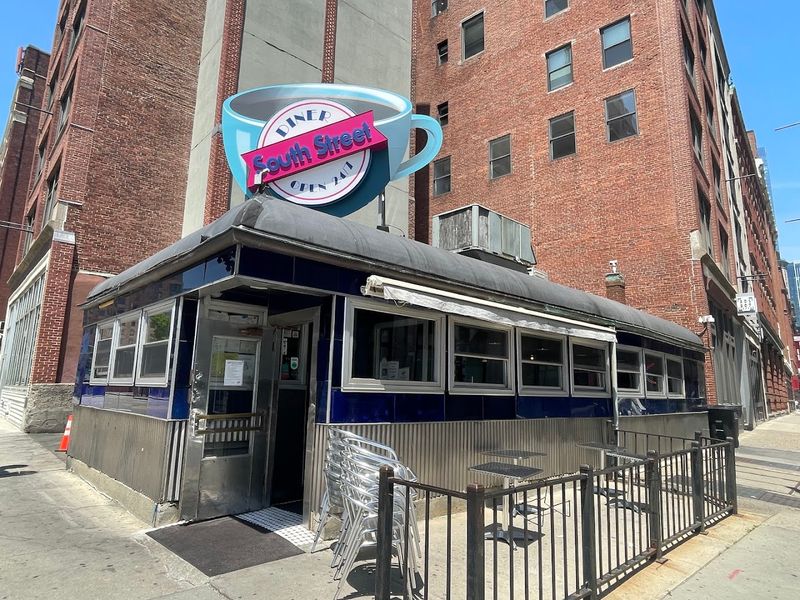
City policy and student schedules turned this compact car into a round-the-clock refuge. South Street Diner operates like a transit hub where the fare is pancakes and the ticket is a refill.
The counter enables security and speed because everything happens in view.
Boston’s education and healthcare ecosystems feed the crowd. Shifts end, papers start, and coffee bridges the gap.
The refill strategy reduces friction at peak churn and anchors a loyal base of regulars.
History appears in the stainless panels, the laminated lists, and the line that forms during finals week. Technology added card readers and delivery tablets, but the workflow hardly changed.
Take a stool, get a mug, and watch a concise operation handle complexity with practiced moves. Bottomless coffee makes the promise credible at 3 a.m. and noon alike.
11. Summit Diner – Summit, New Jersey
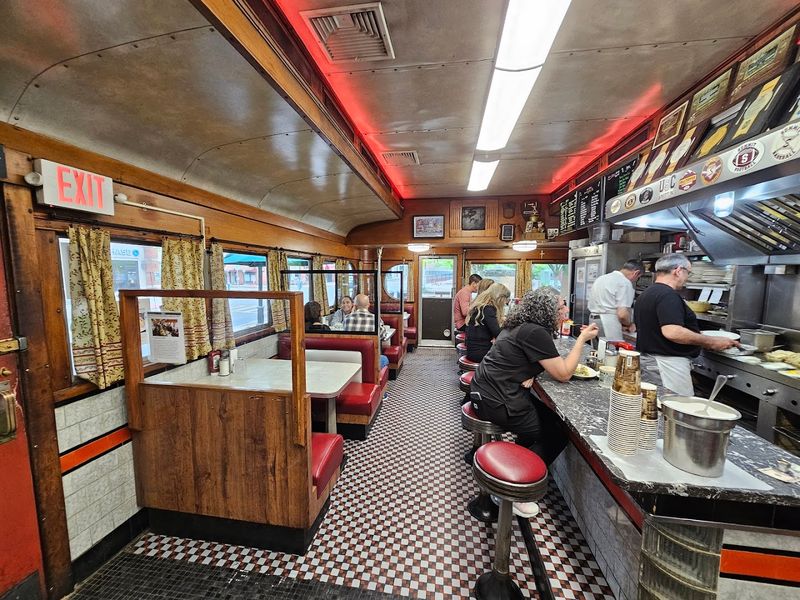
Suburban timetables wrote this diner’s playbook. Summit Diner perfected the art of serving a full breakfast between two train arrivals, and the counter is the reason it works.
Stools turn, mugs refill, and nobody misses the platform.
New Jersey’s diner density comes from manufacturing networks that produced ready-to-install cars. Summit kept its heritage visible while updating the systems behind it.
A bottomless policy feels generous, but it is also strategy, encouraging measured linger without clogging service.
Menu boards read like shorthand for regional cravings. Taylor ham debates happen in real time, observed by cooks three feet away.
The counter is civic space in compact form, where local news circulates without microphones. If you claim diners are America’s most efficient public forum, this place provides your best footnote.
12. Fleetwood Diner – Ann Arbor, Michigan
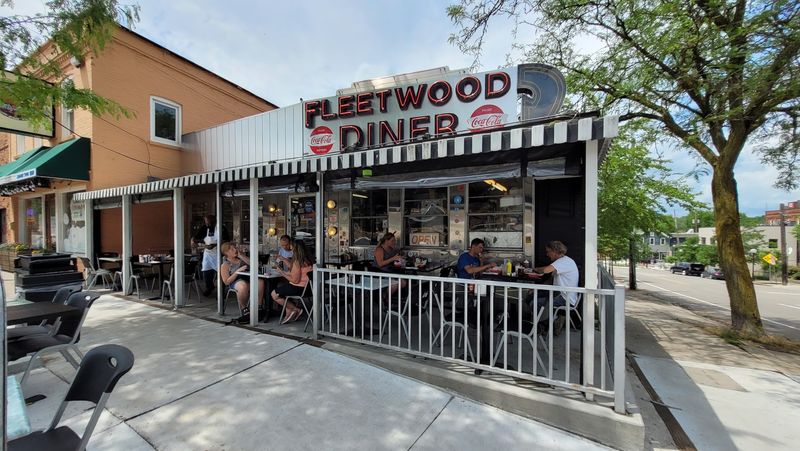
Every inch works hard at Fleetwood. The counter spans a small room where breakfast creativity meets classic diner logic.
Hippie hash became folklore, but the true engine is the refill that keeps study sessions and night shifts viable.
Ann Arbor’s academic calendar writes the traffic pattern. Mornings bring professors and runners, late nights bring students and service workers.
The counter keeps transitions smooth because orders and payments stay within conversational distance.
Look closely at the workflow. Minimal steps, visible prep, and mugs that never run dry.
The menu shows Midwestern comfort with room for improvisation. You learn more about local culture here than on a campus tour because turnover is honest and quick.
The bottomless coffee policy is the most affordable tutoring you will ever find, delivered in ceramic rather than credits.
13. Mel’s Drive-In – San Francisco, California
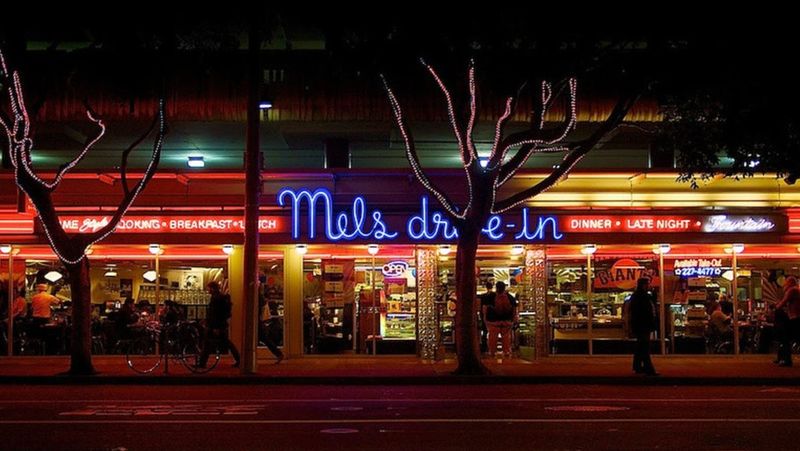
Even a drive-in needs a counter to explain itself. Mel’s built identity on wheels and cinema, yet the inside stools hold the brand together.
Coffee refills serve movie crews, tech workers, and families with the same quiet efficiency.
San Francisco’s waves of change could have washed novelty away. Instead, Mel’s used nostalgia sparingly and doubled down on service math.
The counter remains the shortest path between order and plate, no matter what decade the jukebox favors.
History is not props here. It is a workflow learned during the 1950s that still handles today’s lunch rush.
The refill tradition translates across generations without speeches. Grab a stool, skim the laminated pages, and watch a server top you off before the second chorus.
That is continuity made practical and, importantly, repeatable.
14. Nick’s Cafe – Los Angeles, California
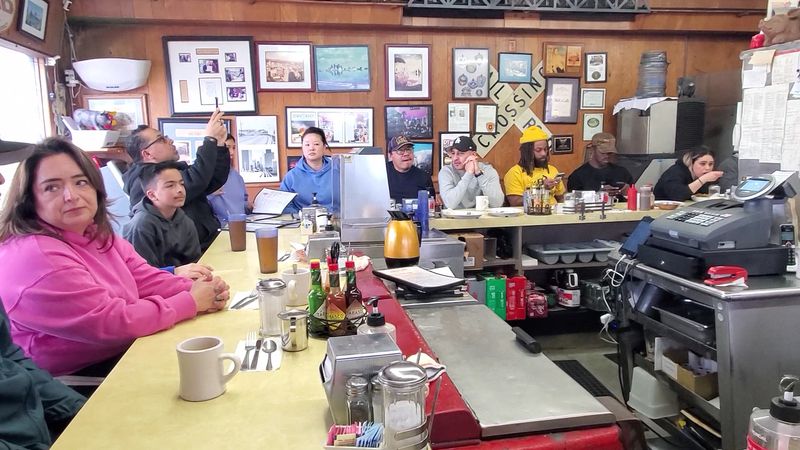
Speed runs the show at Nick’s. The counter sits inches from the grill, so cooks and regulars trade updates between flips and refills.
Pink pickled eggs signal a house tradition, while coffee maintains the unbroken thread of daily routine.
Los Angeles built its food scene on efficiency for crews and commuters. Nick’s proved you can serve that crowd without corporate scripts.
The refill policy feels old-school but operates like modern customer retention.
History appears in the pegboard tools, the ticket wheel, and the way bacon meets eggs in visible choreography. Guests get a front-row seat to a production that predates influencer culture.
You leave with more than breakfast. You leave with a sense that simple systems, well maintained, outlast every trend on the boulevard.
15. The Original Pantry Cafe – Los Angeles, California
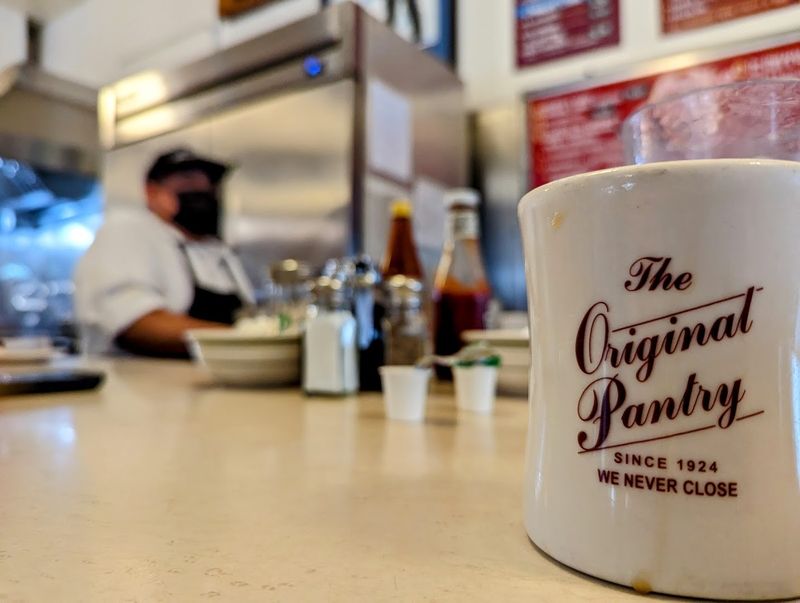
The line explains Los Angeles better than any sign. The Original Pantry Cafe claims near-continuous operation since the 1920s, and the counter makes that believable.
Cash once ruled, coffee always flowed, and plates arrived with minimal ceremony.
Downtown booms and slumps passed like seasons. The room kept its habits because the counter demanded consistency.
Refills carry the social contract. You wait your turn, you get your mug, and you become part of the ledger of regulars.
History is visible in the photos and audible in clipped orders. More importantly, it lives in the pace of service that shrugs at novelty.
Sit, eat, pay, return. The bottomless pour turns individual breakfasts into a shared project called keeping Los Angeles fed on time.
Share this story