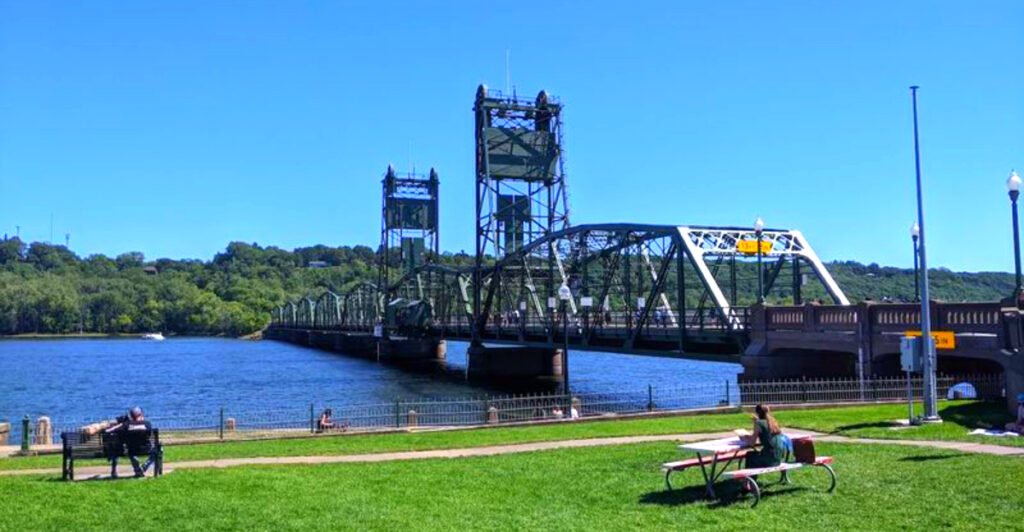
Rivers do not just shape maps, they shape memories, economies, and the way people tell their stories. From 19th century steamboat routes to New Deal infrastructure and late 20th century preservation, river towns have been quiet test labs for American change.
You can track how trade became tourism, how local crafts became national brands, and how communities used policy and planning to reinvent their waterfronts. Keep reading and you will pick up precise milestones, unexpected connections, and reasons these places still matter when history class ends.
1. Hannibal, Missouri
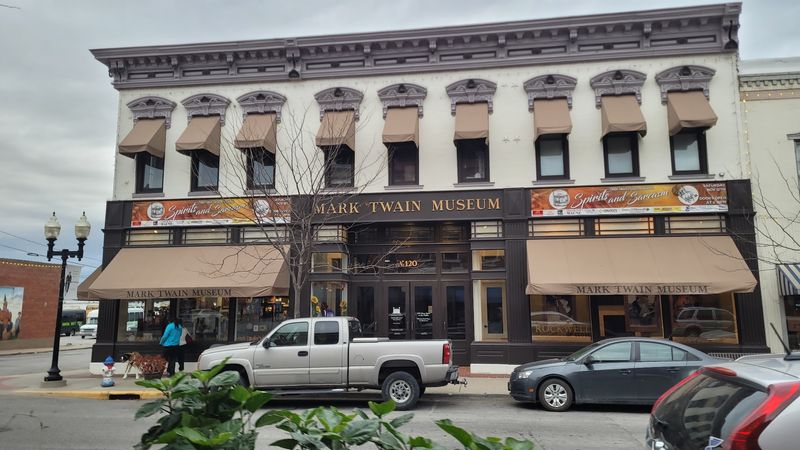
River mischief became literature here long before souvenir shops learned to cash in on it. Hannibal grew from a ferry crossing to a steamboat hub, then a rail pivot with the 1859 line.
A young Samuel Clemens watched pilots, sawmills, and slave auctions, translating daily commerce into national satire. When bridges replaced packets, tourism stepped in, preserving his house, limestone caves, and that whitewashed fence.
Civil War tensions split the town, yet factories, quarries, and river traffic kept paydays reliable. Later floods met modern floodwalls, followed by careful Main Street restorations and heritage zoning.
You trace America’s shift from frontier trade to mass media as museums frame Twain beside railroad memorabilia. It is a small place that shows how big stories ride currents of technology, policy, and memory.
The romance gives way to records, and the records tell you exactly why river towns endure.
2. Natchez, Mississippi
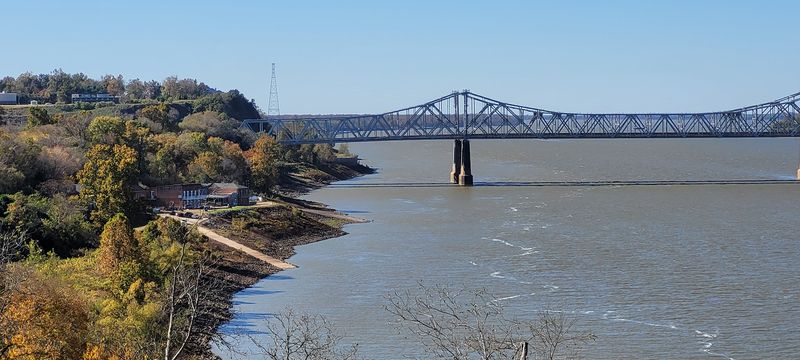
Power sat on a bluff here, counting bales, courtyards, and steamboat timetables. Natchez rose on cotton profits, enslaved labor, and an export network linking upriver plantations to global markets through New Orleans.
The Natchez Trace turned from Indigenous trail to federal road, then a heritage corridor. After the Civil War, fortunes shifted, but architecture remained, eventually curated through pilgrimages and preservation leagues.
You meet the American habit of turning assets into narratives, with mansions reframed as museum pieces alongside frank interpretation of labor systems. River commerce waned with rail dominance, yet the bluff created a stage for festivals, archives, and architectural study.
By the 1930s, tour programs professionalized memory work and steadied the local economy. Walk the overlook and you see policy, planning, and interpretation collaborate, proving history thrives when communities decide exactly what to show, explain, and keep.
3. Harper’s Ferry, West Virginia
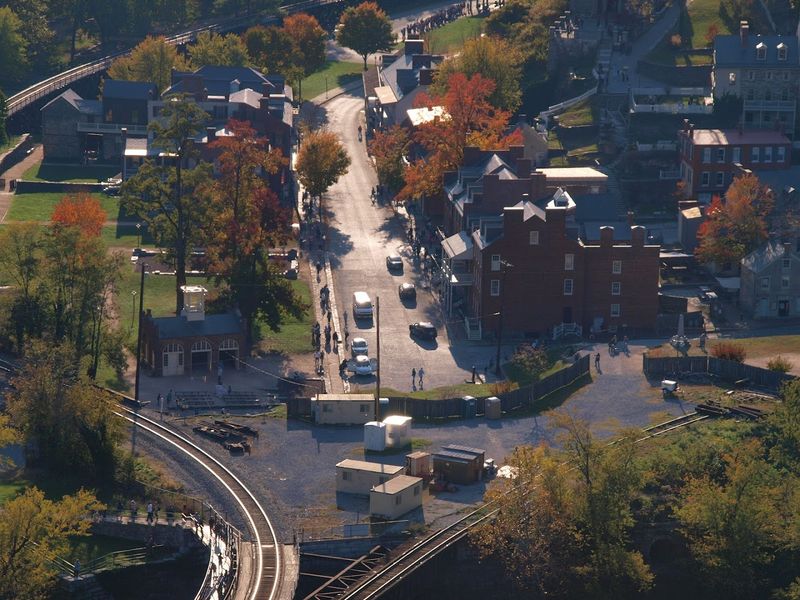
Tactical geography put this small town on big maps repeatedly. The federal armory drove early industrialization, with interchangeable parts shaping national manufacturing long before mass assembly became normal.
John Brown’s 1859 raid forced hard conversations about law, labor, and federal power. Railroads stacked bridges at the confluence, giving the place a layered skyline of utility and strategy.
War swept the machinery out, but education returned innovation through Storer College, which hosted important civil rights meetings beginning in the 1860s. The National Park Service eventually folded streets into a larger classroom, balancing scenery with documentary rigor.
You can chart America’s shift from armories to archives, from contested ground to curated landscape. Trails meet timetables here, and the town shows how transportation networks drive national debate, then later deliver the visitors who come to study what changed.
4. Vicksburg, Mississippi
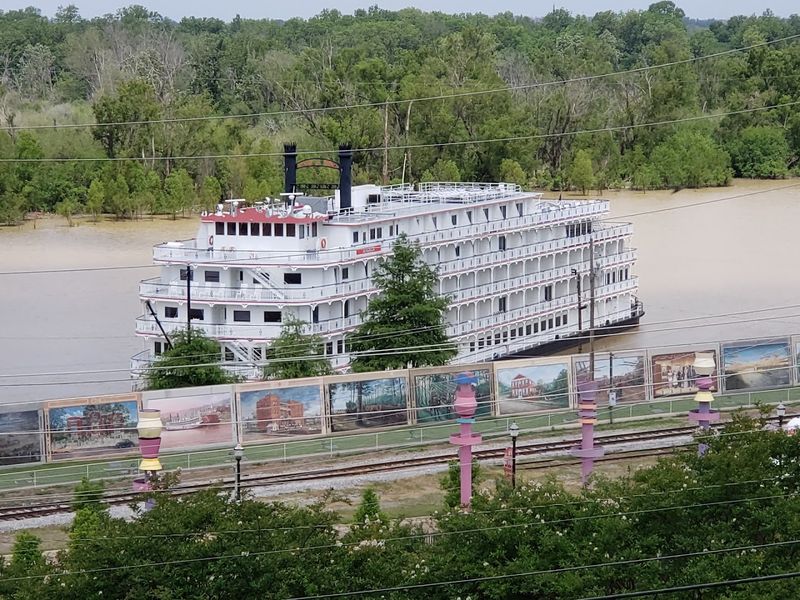
Control the choke point and you control the conversation. Vicksburg’s bluff and bends made it a logistical pivot, aligning river arithmetic with national strategy.
After the 1863 siege, the town recast itself through trade, levee engineering, and manufacturing, then later through memorialization. The Yazoo Diversion Canal reset waterfront orientation, proving infrastructure can rewrite maps and job lists.
The military park standardized how Americans read landscapes through markers, tours, and official narratives. Downtown, floodwalls gained murals that convert hydrology into public storytelling.
You can follow a supply chain from antebellum packets to towboats pushing bulk commodities under precise regulations. Vicksburg shows how policy, memory, and shipping schedules coexist without drama.
It is a place where high ground still guides planning meetings, museum labels, and river pilots, all working from the same chart, yet for different reasons.
5. St. Francisville, Louisiana
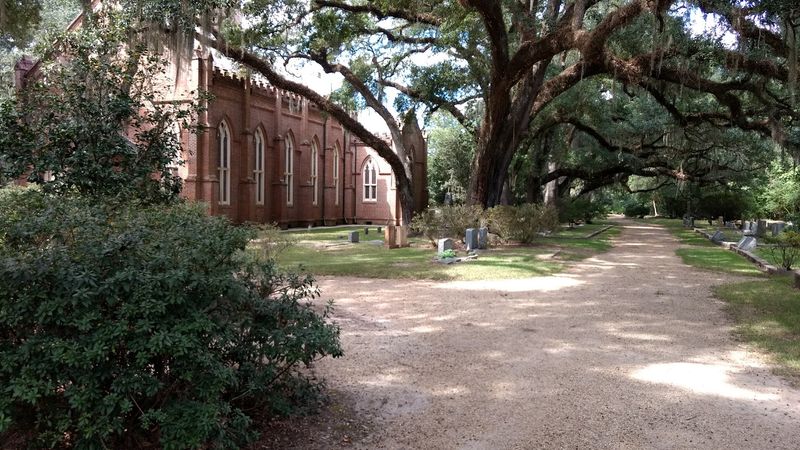
Micro-borders here once drew lines bolder than the river itself. St. Francisville carries Spanish West Florida paperwork, Anglican steeples, and a bluff that kept the town watching currents rather than chasing them.
The cotton economy shaped early growth, while the 1810 West Florida revolt foreshadowed later statehood debates. Railroads redirected freight, but the bluff preserved an older street grid and civic rhythm.
Tour routes connect churches, cemeteries, and houses that document household economies alongside regional politics. Preservation efforts emphasize context, not costume, tying artifacts to ledgers and land claims.
You get a clear view of how legal boundaries migrate faster than buildings. The town’s scale invites questions about authority, language, and law meeting at river edges.
In a few blocks, it becomes obvious that national stories can be tracked through boundary changes and the sidewalks that outlast them.
6. Galena, Illinois
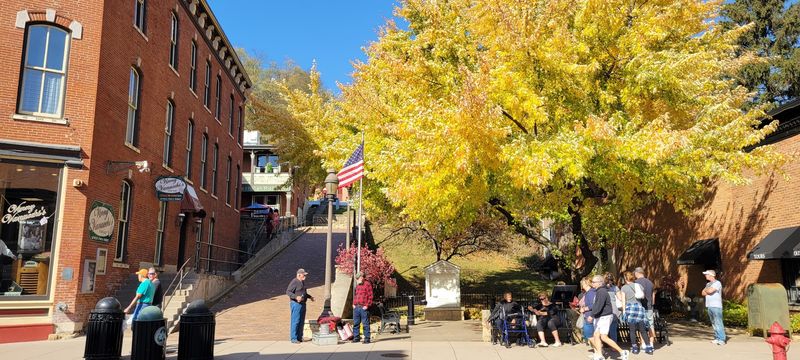
A mineral rush made this river bend feel like a capital. Galena’s lead trade filled warehouses and steamboats before the channel silted and the railroad eclipsed river shipping.
Ulysses S. Grant returned here after the war, putting a national signature on a local address.
Commerce shifted to tourism and restoration as the river narrowed and bridges multiplied.
Main Street’s curve reads like a chart of 1830s optimism, 1850s volume, and 20th century reinvention. Preservation joined retail, and suddenly history financed payrolls again.
You can see how extractive economies seed durable communities when streets, schools, and associations persist after the ore is gone. The Grant Home anchors broader stories about veterans, politics, and civic leadership.
Walk the levee, check the street grid, and you will notice how small engineering changes redirect fortunes without rewriting identity.
7. Dubuque, Iowa
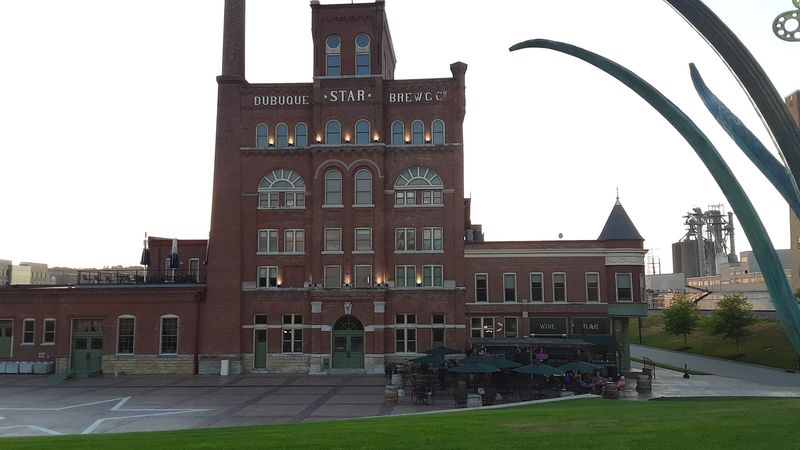
Elevation changes make the story leap from warehouse floors to bluff-top porches. Dubuque grew on lumber milling, boatbuilding, and river trade, then pivoted to metal fabrication and service industries as barge traffic professionalized.
The Fenelon Place Elevator turned a steep problem into a quirky commuter fix. The National Mississippi River Museum reframed workaday tools as national exhibits.
Urban renewal once trimmed blocks, but reinvestment later stitched neighborhoods back together with trails, museums, and adaptive reuse. You can read the city as a manual of Midwestern practicality, where zoning, silos, and schools align with shipping schedules.
Cathedral spires signal immigrant networks that staffed mills and civic boards. It is easy to see how a port becomes a classroom without losing payroll logic.
The result feels both industrial and instructive, a balance many river towns have tried to copy.
8. Paducah, Kentucky
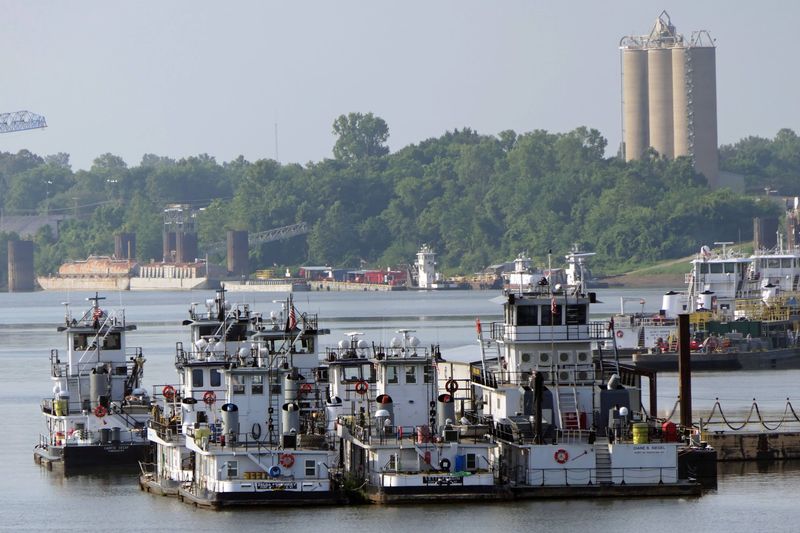
Two rivers meet and the town answers with art and scheduling. Paducah leveraged its location for barge services and rail links, then scaled up culture through the National Quilt Museum and a UNESCO Creative City designation in 2013.
Floodwalls became a gallery that tells the port’s operational history in organized panels. Industry never vanished, it just stood beside studios.
Artist relocation programs converted vacant buildings into productive addresses, pairing grants with good bones. You notice how civic planning, heritage branding, and river logistics can occupy the same block without friction.
The stories are specific, from quilting guilds to harbor pilots, and both rely on method, pattern, and discipline. Walk the murals and you read a timeline you can literally measure in feet.
It proves that creative economies thrive when history supplies the scaffold and the schedule.
9. Marietta, Ohio
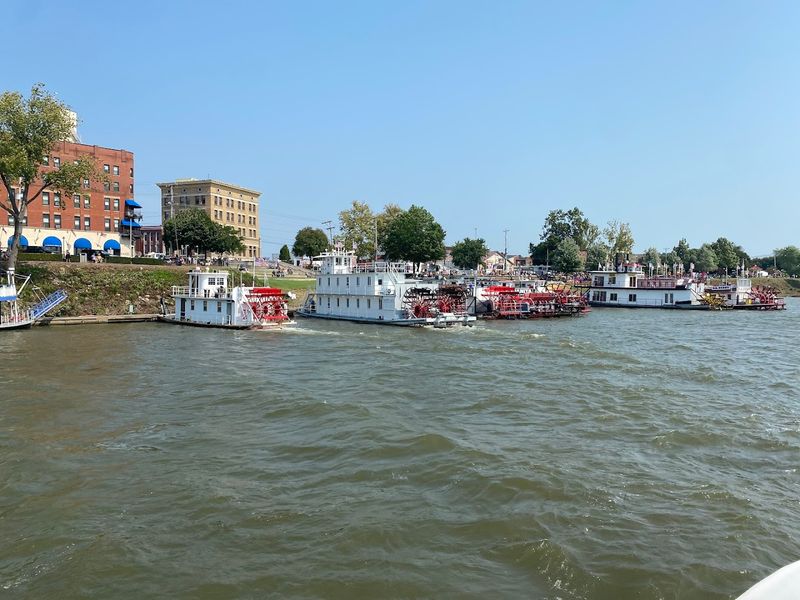
Order arrived here with compasses and ledgers. Marietta was the first permanent American settlement in the Northwest Territory in 1788, tying governance to river access from day one.
Campus Martius preserved early fort geometry, while sternwheelers later turned the waterfront into a floating workshop. Education and oil booms came and went, leaving institutions that stabilized the town.
You track a nation learning to subdivide land, finance roads, and run courts west of the Appalachians. Festivals keep boat knowledge current, and museums explain how technology replaced muscle without erasing tradition.
The brick streets are not quaint props but records of maintenance and civic habit. Walk a few blocks and you can connect federal policy to local storefronts.
It is a reliable reminder that big constitutional ideas eventually get tested on docks, in depots, and behind county desks.
10. Stillwater, Minnesota
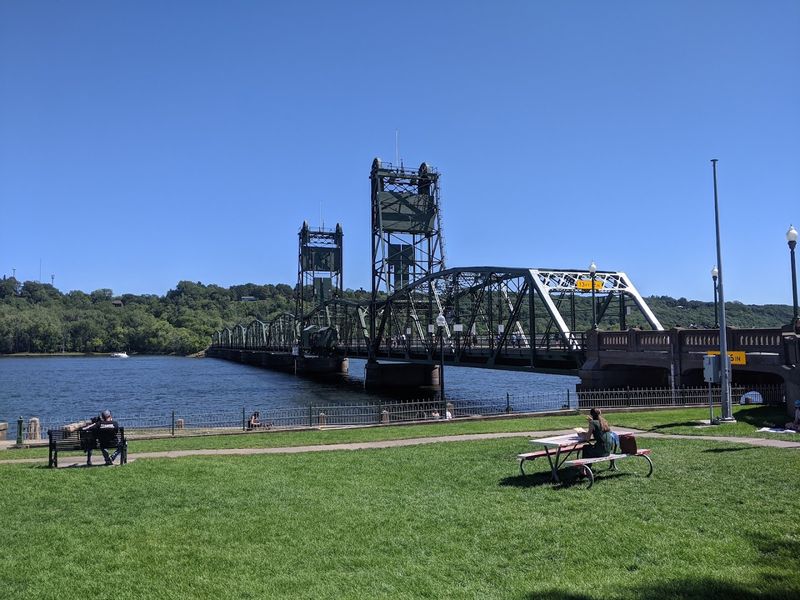
A good river makes timber into currency. Stillwater’s 19th century lumber mills sent boards to build Midwestern cities, leaving a downtown that still reads like an industrial ledger.
The lift bridge, completed in 1931, turned movement into choreography. As logging faded, antiques and hospitality filled the vacuum, preserving brick shells and repurposing them intelligently.
Regional parks and scenic riverway protections balanced recreation with conservation, keeping the waterfront usable without ignoring habitat. You can watch a town adopt design review and historic districts to manage popularity.
The story is not nostalgic, it is administrative, with permits and plans protecting the streetwall. Festivals nod to pulp and planks, but the larger lesson is planning continuity.
It teaches that infrastructure, when maintained with care, can outlast the economy that required it in the first place.
11. Apalachicola, Florida
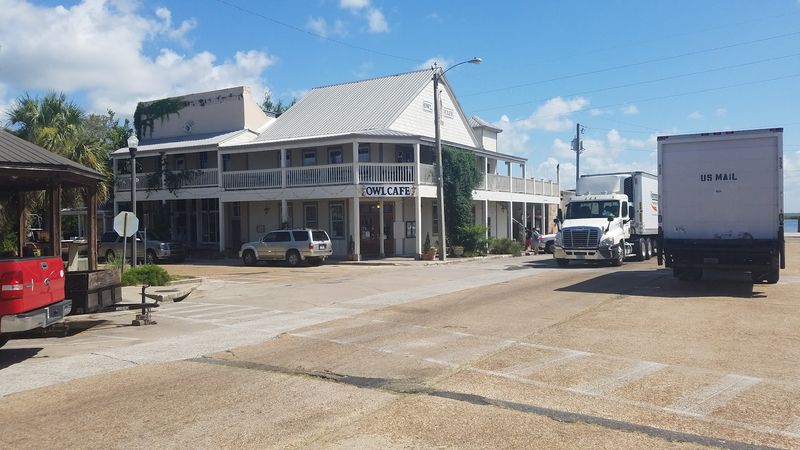
Balance has always been the operating principle here. Apalachicola shipped cotton in the 1800s, coordinating riverboats and coastal schooners like a bilingual port.
Later, oysters sustained families, restaurants, and debate over environmental management. When harvests dropped, the town doubled down on restoration science, maritime museums, and resilient small business strategies.
Historic warehouses faced the water with practical doorways and lift points, reminders that design follows cargo. You see how regulation, upstream water policy, and local discipline steer a fishery’s fate.
Tourism arrived, but working boats never became props, grounding the narrative in daily schedules. The town’s clarity comes from documentation and steady hands, not myth.
It is a compact example of American coastal pragmatism, where data, tradition, and livelihood share the same dock and still manage to get along.
12. New Hope, Pennsylvania
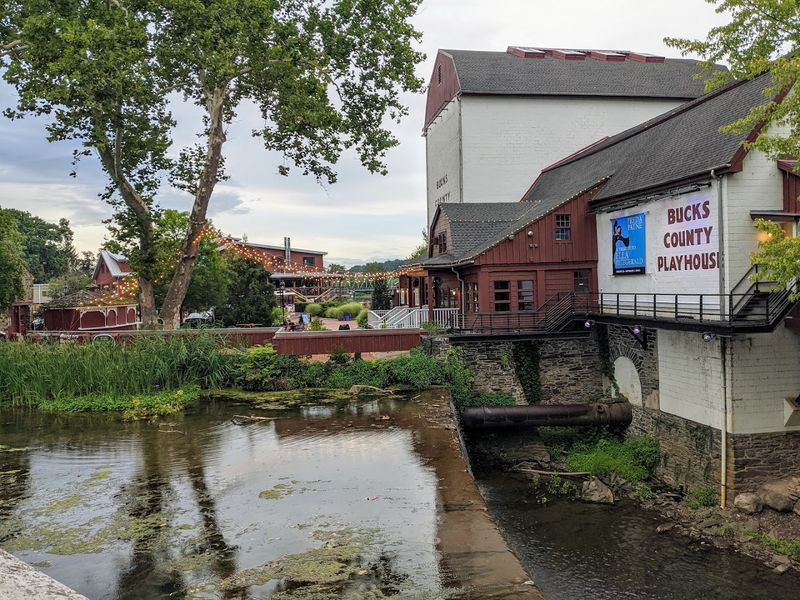
Mules once pulled the profits through this corridor. New Hope’s canal and river traffic fed mills and foundries, building a base that later supported galleries and theater.
The Bucks County Playhouse turned a 1790s mill into a stage in 1939, converting industrial square footage into cultural gravity. Bridges tied the town to New Jersey commerce and audiences.
Preservation districts stabilized the look while allowing creative reuse, and the towpath became an everyday timeline under your feet. You watch the American pattern where infrastructure retires into recreation without losing its instructive purpose.
Shops and studios keep hours that echo factory discipline, just with different tools. The result is a place where art does not float free of context.
It is firmly attached to stonework, water management, and the schedules that first made the streets viable.
13. Clarksville, Tennessee
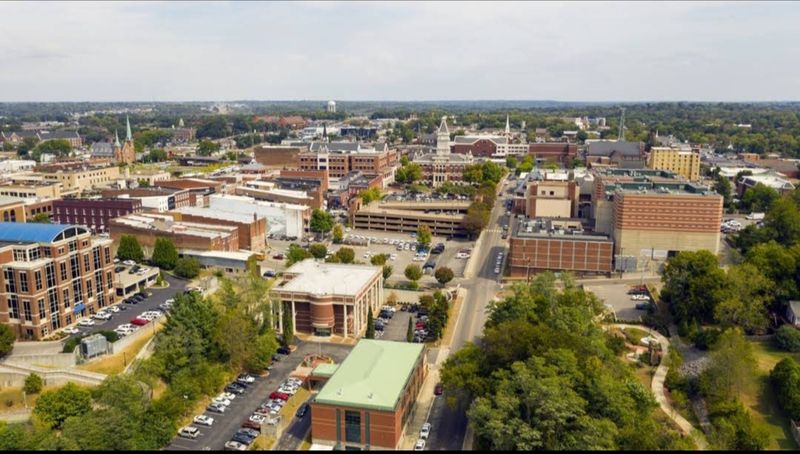
Accounting books once guided this river town more than travel guides did. Clarksville’s dark-fired tobacco trade filled warehouses and auction floors, while the Cumberland moved product and people.
Rail links locked in distribution, and the Customs House signaled the scale of commerce. After World War II, Fort Campbell and higher education reshaped payrolls and expectations.
Warehouse districts shifted from curing leaf to hosting events, studios, and apartments, a familiar American reuse story done with local details. You can read the city’s transition in adaptive building codes and new riverfront amenities.
The Roxy and museums curate narratives that name workers, machines, and markets. It is a practical course in diversification, taught on walkable blocks.
Look closely and you will see how a specialized export economy learned to translate itself for a broader, more resilient future.
14. Portsmouth, New Hampshire
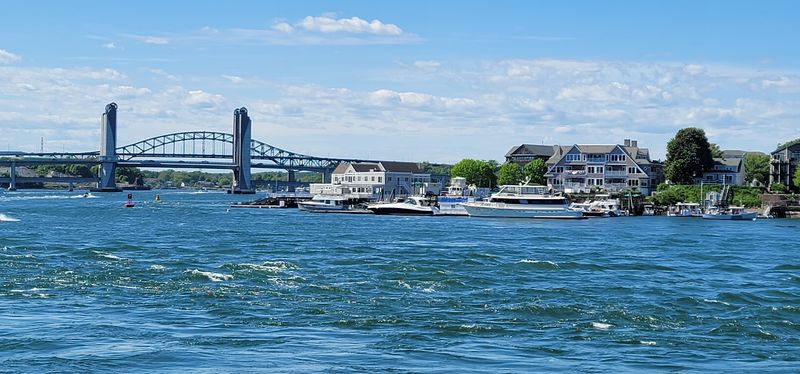
Deep water met precise carpentry here and commerce followed. Portsmouth grew on shipbuilding, trade, and a compact grid that kept everything within walking distance of the docks.
The Piscataqua’s fast current demanded skill, and that discipline shaped neighborhoods and politics. Strawbery Banke Museum preserved entire blocks, turning domestic life into a readable set of exhibits.
Modern shipyards across the river keep the working economy visible, reminding you that heritage and high-tech can share a horizon. Zoning and preservation commissions manage change without freezing it.
The result is a place where maritime vocabulary remains ordinary language. You witness continuity that comes from crafts taught in schools and shops rather than slogans.
It explains why some coastal towns feel sturdy in every decade, anchored by skills that never lost their utility or their address.
Share this story