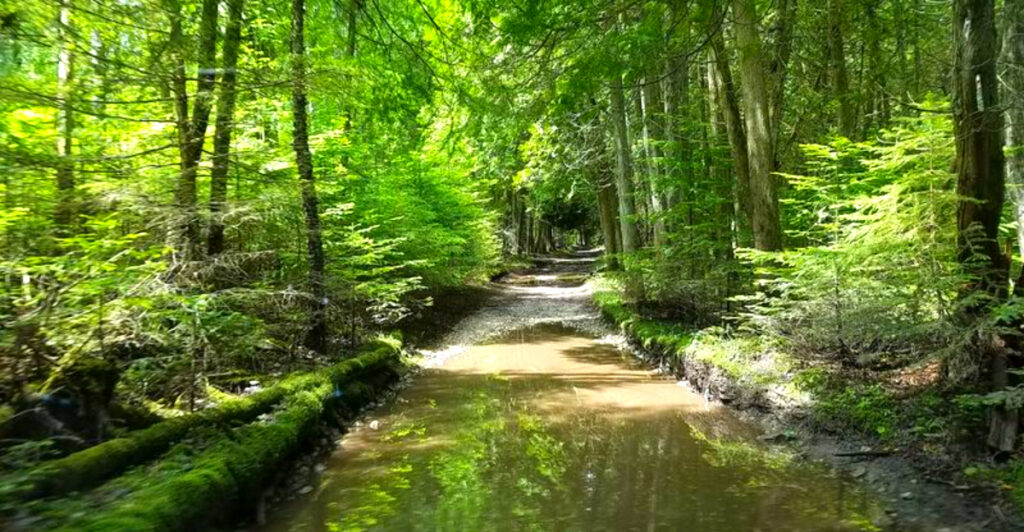
There is a small island tucked into the northern waters of Lake Huron where the roads are unpaved, the deer outnumber the people, and the pace of life feels like it belongs to a different century. Most people have never heard of it, and the handful who have tend to guard the secret like a favorite fishing hole.
This is the kind of place where strangers wave at each other from passing ATVs, where the night sky is genuinely dark, and where the phrase “getting away from it all” actually means something. Bois Blanc Island, sitting quietly in the Straits of Mackinac region of Michigan, is one of those rare destinations that rewards the curious traveler who is willing to make a little extra effort to get there.
With only about 50 year-round residents, a fascinating World War II history, and a landscape that feels almost untouched, this island punches well above its weight for anyone craving something genuinely off the beaten path.
Where Exactly Is This Island and How Do You Get There
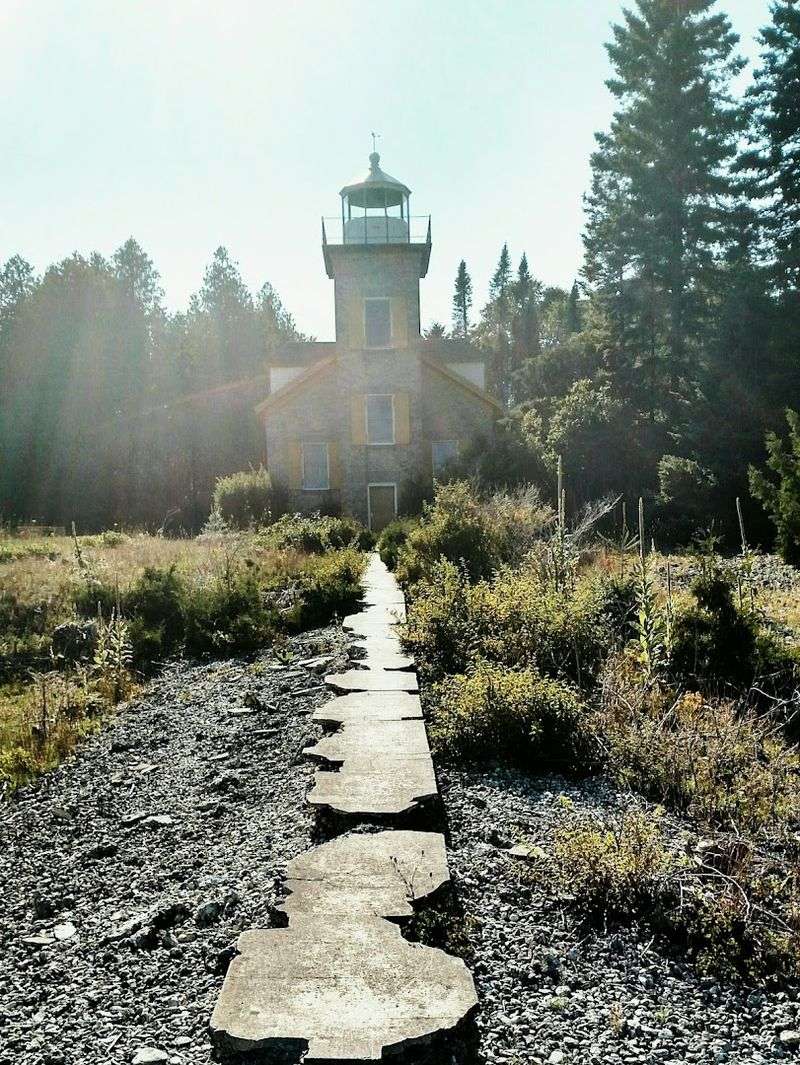
Bois Blanc Island sits in Lake Huron near the Straits of Mackinac, officially part of Bois Blanc Township, Cheboygan County, Michigan 49775. The coordinates place it at roughly 45.75 degrees north latitude, making it one of the more northerly inhabited islands in the Great Lakes system.
Getting there requires a bit of planning. The primary option is Plaunt Transportation’s ferry service departing from Cheboygan, Michigan, which carries both passengers and vehicles.
A round-trip vehicle ticket runs around $150, which surprises first-time visitors used to the much cheaper Sugar Island ferry nearby.
The second option is a small charter flight from the Cheboygan area, typically aboard a light aircraft like a Cessna. For adventurous travelers, that short flight over Lake Huron is memorable on its own.
Keep in mind that the ferry suspends operations during winter ice, so the small airport becomes the only link to the mainland from roughly late fall through early spring.
The Quiet Life: What 50 Year-Round Residents Actually Look Like
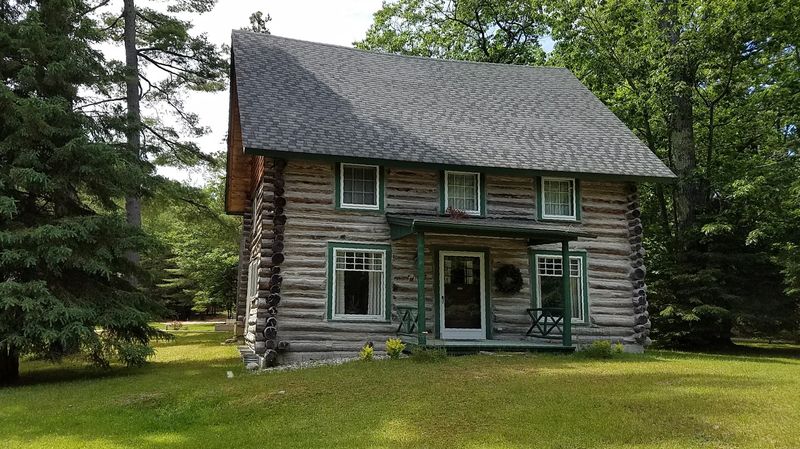
Fifty people calling an island home year-round is not just a quirky statistic. It shapes everything about the place, from the way people interact to the way the land itself feels.
On Bois Blanc, the permanent population is close-knit in the most literal sense. Everyone knows everyone, and visitors quickly notice that the wave-at-every-passing-vehicle culture is not performative.
It is simply how life works when your neighborhood has fewer residents than most apartment buildings.
Winter on the island is genuinely remote. With the ferry out of commission during ice season, year-rounders rely on the small airstrip and their own resourcefulness.
There is no supermarket, no chain pharmacy, and no 24-hour anything. Supplies come in by boat or plane, and residents plan accordingly.
That self-sufficient lifestyle attracts a particular kind of person: patient, outdoorsy, and deeply unbothered by the conveniences most people consider essential. More than one visitor has arrived for a short stay and quietly started rethinking their entire life plan.
The WWII Bunkers Hidden in the Woods
One of the most surprising things about Bois Blanc is that it carries genuine military history from the Second World War. The island was used as a military installation during that era, and remnants of that period are still discoverable today for those willing to explore beyond the main paths.
Concrete bunker structures and fortification remnants remain scattered across parts of the island, slowly being reclaimed by the forest. They are not marked on tourist maps with neat little icons.
Finding them feels more like a real discovery than a guided tour, which makes the experience genuinely memorable.
The structures serve as a physical reminder that even this quiet, forested island had strategic importance during wartime. Standing next to weathered concrete walls deep in the woods, with nothing but birdsong around you, creates a strange and powerful contrast.
History enthusiasts who visit specifically to find these remnants tend to leave with a deeper appreciation for the island. The bunkers are not manicured or commercialized, and that raw, unpolished quality is exactly what makes them worth seeking out.
The Forest: Miles of Trees and Almost No One in Them
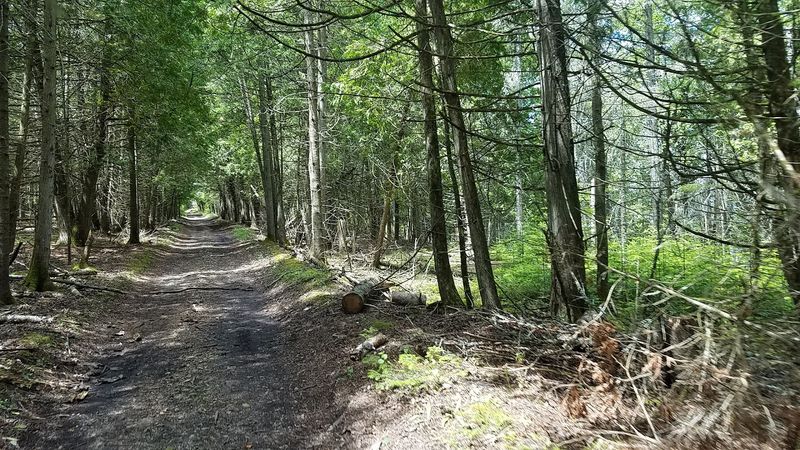
Most of Bois Blanc Island is covered in thick northern Michigan forest, and that forest is the island’s dominant personality. Pine trees, hardwoods, and dense undergrowth stretch across the interior, giving the place a genuinely wild feel that is hard to manufacture.
Hiking through the woods here is a different experience from a maintained state park trail. The paths can be rough, the terrain uneven, and the sense of solitude is real.
On a weekday in the shoulder season, it is entirely possible to walk for an hour without seeing another person.
Deer are a constant presence. Multiple visitors have noted that the deer population on the island seems almost unafraid of humans, wandering through campsites and along roadsides with calm indifference.
White-tailed deer sightings are essentially guaranteed.
The forest also makes the island a destination for hunters during the appropriate seasons. Whitetail hunting draws a loyal group of repeat visitors each fall, many of whom have been making the trip for decades and treat it as an annual tradition as much as a sport.
Shoreline Walks Along Lake Huron
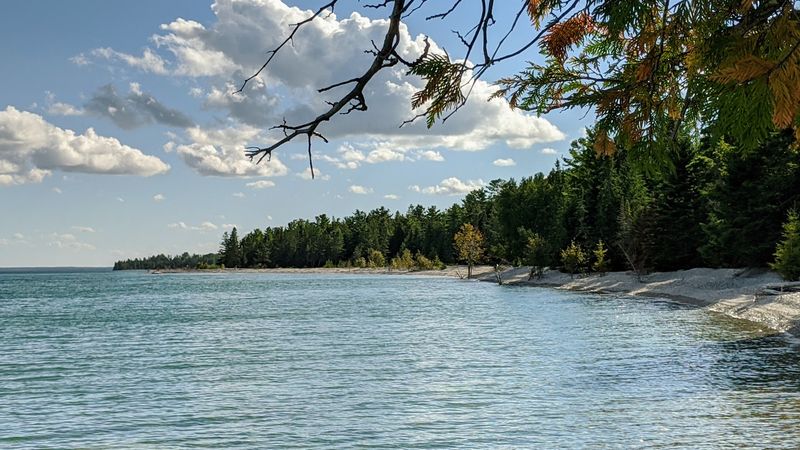
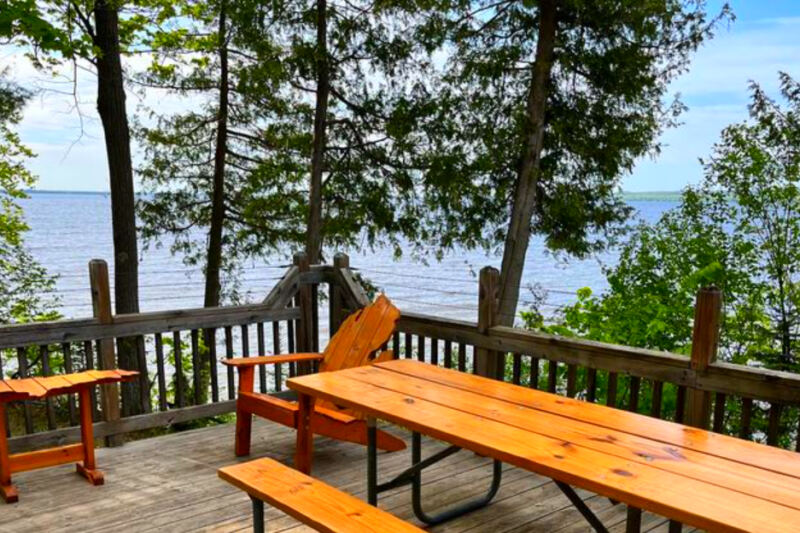
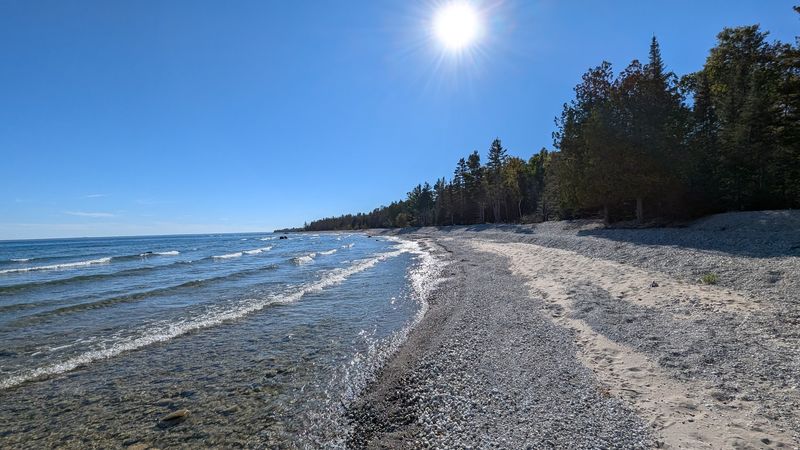
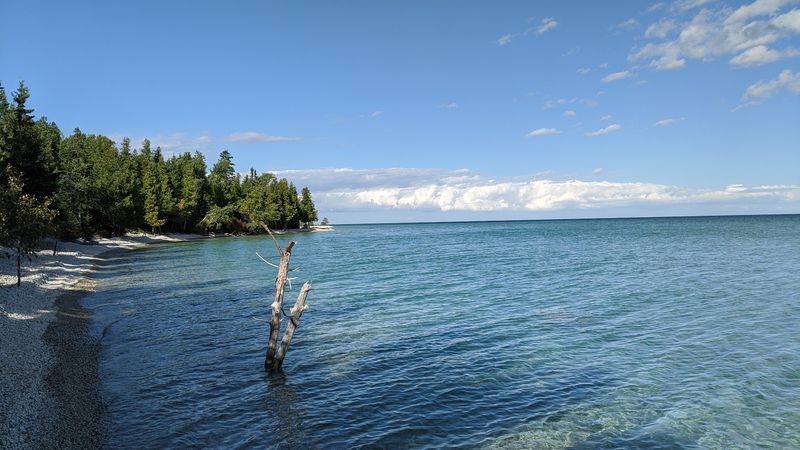
The perimeter of Bois Blanc offers some genuinely beautiful Lake Huron shoreline, and walking it is one of the best free activities on the island. The water is clear and cold, the beaches are uncrowded, and the views across the lake toward the Mackinac Bridge corridor are worth every step.
The shoreline varies as you move around the island. Some sections are sandy and gentle, while others are rocky and more dramatic.
That variety keeps a long walk interesting and gives photographers plenty of different compositions to work with.
One thing to keep in mind is that the island is larger than it looks on a map. A visitor who arrived without a vehicle and planned to walk the entire shoreline quickly discovered that the island demands more than a couple of hours on foot.
Renting a side-by-side ATV on the island is a popular solution for those who want to cover more ground.
Early morning is the best time for a shoreline walk, when the light is soft and the lake has a mirror-like quality that makes the whole scene feel almost unreal.
The Outpost: Food and Supplies at the Edge of Everything
Food options on Bois Blanc are limited by design, and that is not a complaint. The Outpost store and restaurant is one of the island’s key gathering spots, and the friendly atmosphere there is a big part of what makes a visit feel welcoming rather than isolated.
The owner has a reputation for genuine hospitality, the kind that makes a first-time visitor feel like a regular within about ten minutes. The food is straightforward and satisfying, exactly what you want after a morning of hiking or exploring the shoreline.
For supplies, Hawks Landing general store covers the basics: milk, bread, snacks, sunscreen, bug spray, and a few other essentials. It is not a full grocery store, and nobody should arrive expecting to do a week’s worth of shopping there.
Packing your own food from the mainland is strongly recommended for longer stays.
The limited dining scene is part of what keeps the island from feeling like a tourist trap. You come here to unplug, not to browse restaurant menus, and the food options reflect that honest, no-frills philosophy perfectly.
ATVs, Side-by-Sides, and Getting Around Without a Car
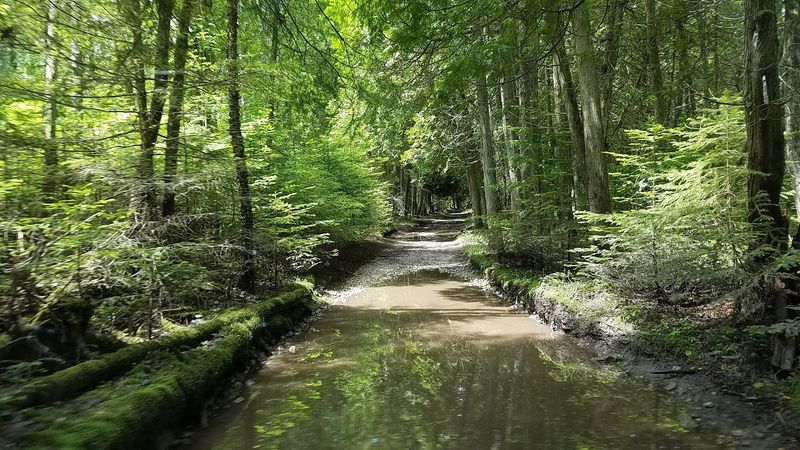
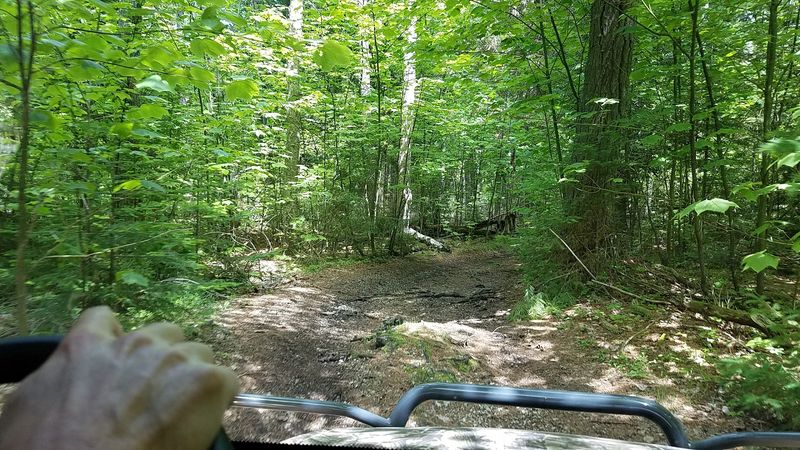
The roads on Bois Blanc are unpaved, and the island is big enough that exploring it entirely on foot is a real challenge unless you have a full day and serious hiking stamina. That is where ATVs and side-by-side utility vehicles come in, and they are genuinely the preferred mode of transport for many visitors.
Visitors who bring their own vehicles via the ferry have the most flexibility, but for those who arrive without one, renting a side-by-side on the island is a popular and practical option. The rental opens up the interior roads, the lakeside paths, and the more remote corners that would otherwise stay out of reach.
The dusty, unpaved roads are part of the island’s charm. There are no traffic lights, no stop signs at every corner, and no road rage.
At most, you might have to slow down for a deer crossing.
One visitor described the experience as feeling like the island handed you the keys to a place most people never get to see, and that sense of open, unhurried exploration is genuinely hard to replicate anywhere closer to a city.
Camping and Cottages: Staying Overnight on the Island
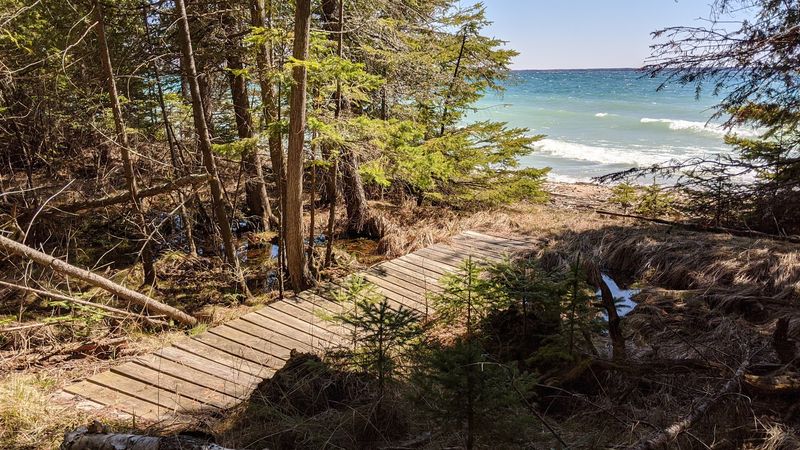
Overnight options on Bois Blanc run the range from tent camping to rented cottages, and both experiences have their own distinct appeal. The campsites are known for being unusually spacious and private, the kind of sites where you genuinely cannot see your neighbors through the trees.
Cottage rentals through private owners give families and small groups a comfortable base for multi-day stays. Several cottages have been in the same families for generations, passed down alongside decades of island memories.
Staying in one feels less like a hotel transaction and more like borrowing a piece of someone’s personal history.
The Hideaway Bed and Breakfast is another option for those who prefer a made bed and a hot breakfast without the full camping commitment. It has a loyal following among visitors who return year after year.
One thing every overnight guest agrees on is the quality of the silence after dark. No traffic noise, no sirens, and no ambient city glow on the horizon.
Just trees, water, and a sky full of stars that reminds you how rarely you actually see the night the way it is supposed to look.
Wildlife Watching: Deer, Birds, and the Wild Interior
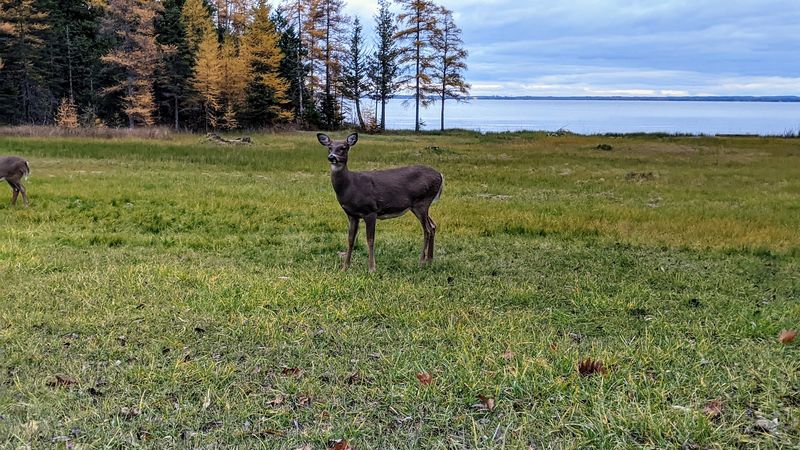
Wildlife on Bois Blanc is not something you have to seek out with binoculars and a field guide. It finds you.
White-tailed deer are everywhere, and they behave with a casualness that suggests they know perfectly well that this island belongs to them more than it does to anyone else.
The bird life is equally impressive for anyone who pays attention to that kind of thing. The forest and shoreline combination creates habitat for a wide variety of species, and the absence of heavy human development keeps the ecosystem relatively intact.
The interior of the island, away from the main roads, holds the most concentrated wildlife activity. Early morning and late afternoon are the most productive times for sightings, though honestly, a deer wandering through a campsite at noon is not unusual at all.
For visitors used to wildlife watching in places where animals are shy and distant, Bois Blanc offers a refreshingly different experience. The animals here seem genuinely unbothered, which makes every encounter feel less like a lucky sighting and more like a natural part of the day.
The Island’s Seasonal Rhythm: When to Visit and What to Expect
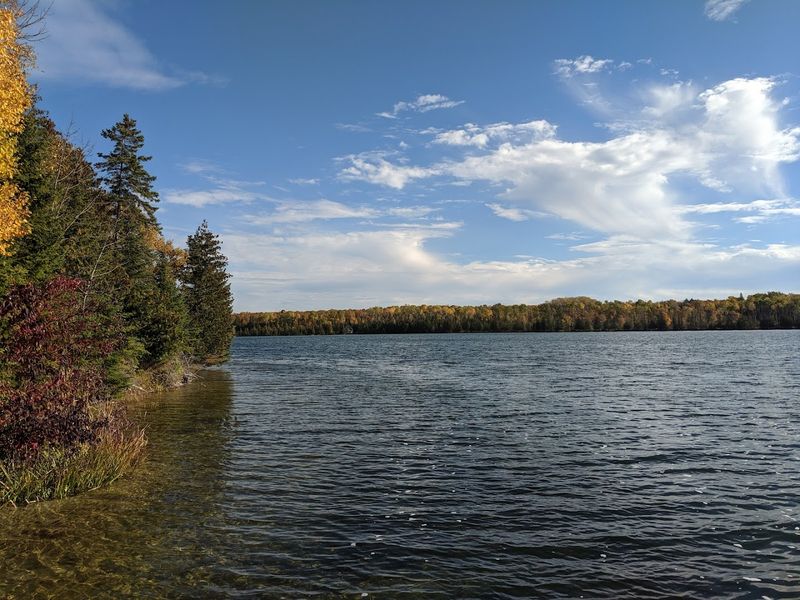
Timing a visit to Bois Blanc matters more than it does for most destinations. The island operates on a seasonal rhythm that is largely dictated by the weather and the ferry schedule, and understanding that rhythm saves a lot of frustration.
Summer is the busiest period, when the population swells with cottage renters, campers, and day-trippers arriving on the ferry. Even at its busiest, the island feels quiet by mainland standards, but those who prefer maximum solitude should aim for the shoulder seasons of late spring or early fall.
Fall brings stunning color to the northern Michigan forest, and the combination of autumn foliage and Lake Huron views is genuinely spectacular. Hunting season draws a loyal crowd in the fall as well, so the island stays lively a bit longer than you might expect.
Winter is strictly for the hardy. The ferry stops running during ice season, the population drops to its core of permanent residents, and the island becomes one of the more remote places in the entire state of Michigan.
Why People Keep Coming Back Year After Year
The most telling thing about Bois Blanc is the repeat visitor rate. Families have been coming here for decades.
Some started as children, brought by parents who discovered the island years before them, and now arrive with their own kids in tow.
That kind of loyalty does not happen by accident. It comes from a place that delivers on its promise consistently, year after year.
The island does not change much, and for its regulars, that is exactly the point.
The community aspect plays a big role too. The permanent residents are genuinely welcoming, and the informal culture of waving at everyone you pass creates a social warmth that feels rare in a world where most people walk past each other staring at phones.
One visitor said it best: the pace is slow, the vibe is peaceful, and it should be respected. That sentence captures what Bois Blanc is better than any glossy brochure ever could.
Some places earn their reputation quietly, through decades of honest, unhurried experience, and this island is one of them.
Share this story