Some places do not need neon signs or theatrical build-up to win you over. This one does it with a porch, open sky, ranch animals, and the kind of history that sneaks up on you in the best possible way.
I came here expecting a quick look at an old home in Oklahoma, and instead found a setting that felt warm, thoughtful, and full of stories that still land with a grin. Keep reading, because this ranch is more than a birthplace marker on a map – it is a peaceful corner of Oklahoma where Cherokee history, frontier life, and one of America’s sharpest wits all share the same patch of ground.
By the time you leave, you understand not just where Will Rogers was born, but why this landscape still feels so fitting for him.
A First Look at the Ranch
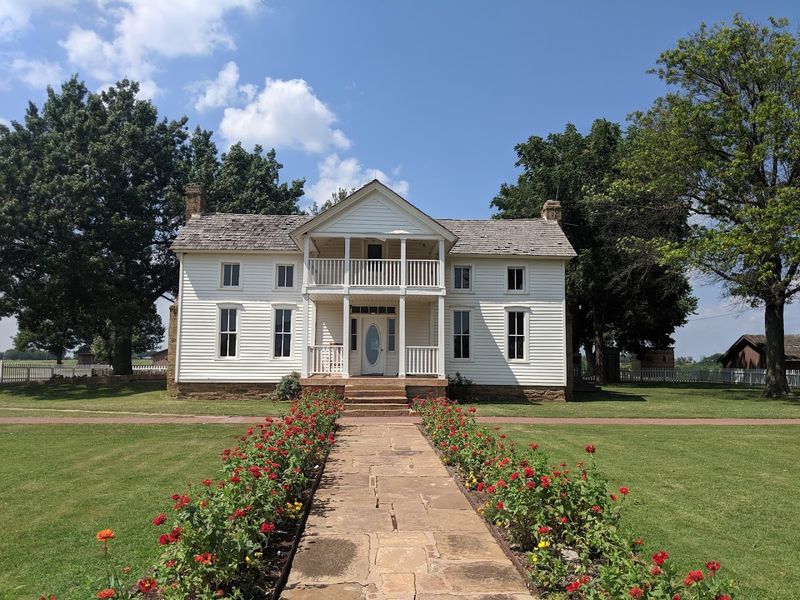
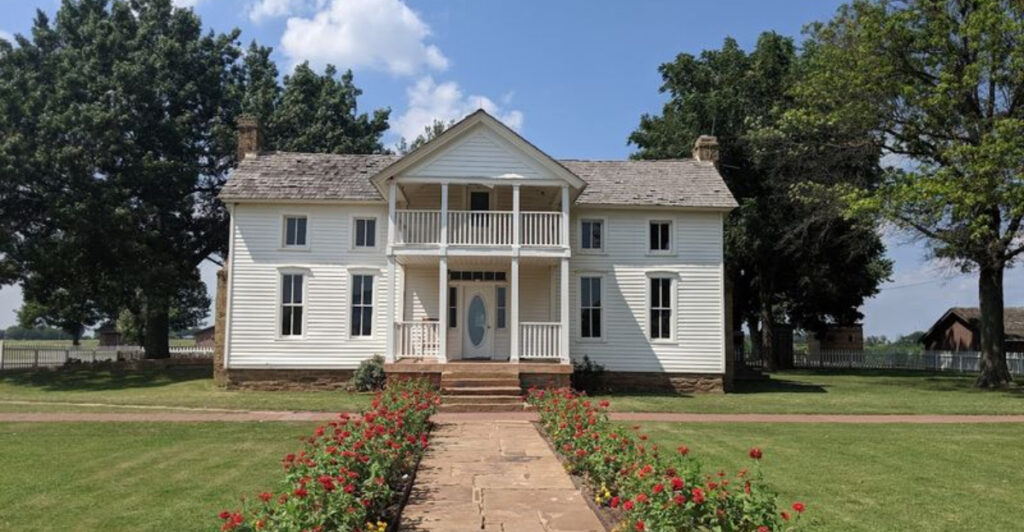
A quiet stretch of northeastern Oklahoma sets the tone before the house even comes into full view. I found Will Rogers Birthplace Ranch at 9501 E 380 Rd, Oologah, OK 74053, a historical place museum with a wonderfully unpolished sense of place that fits the story perfectly.
The ranch does not try to overwhelm you with spectacle. Instead, it lets the setting do the work, with wide lawns, ranch structures, and a home that feels connected to the land rather than staged apart from it.
That matters, because this is not just a museum piece parked in Oklahoma for display. It still feels rooted.
I liked how approachable the whole visit felt from the start. The grounds invite a slow pace, the views open up around you, and the atmosphere is more relaxed than formal, which somehow makes the history easier to absorb.
You are not herded along here.
That first impression stayed with me. Before I had read every sign or stepped through every room, the place had already made its point with calm confidence.
Some destinations raise their voice to get attention, but this ranch knows a softer delivery still lands the joke.
Where History Feels Lived In
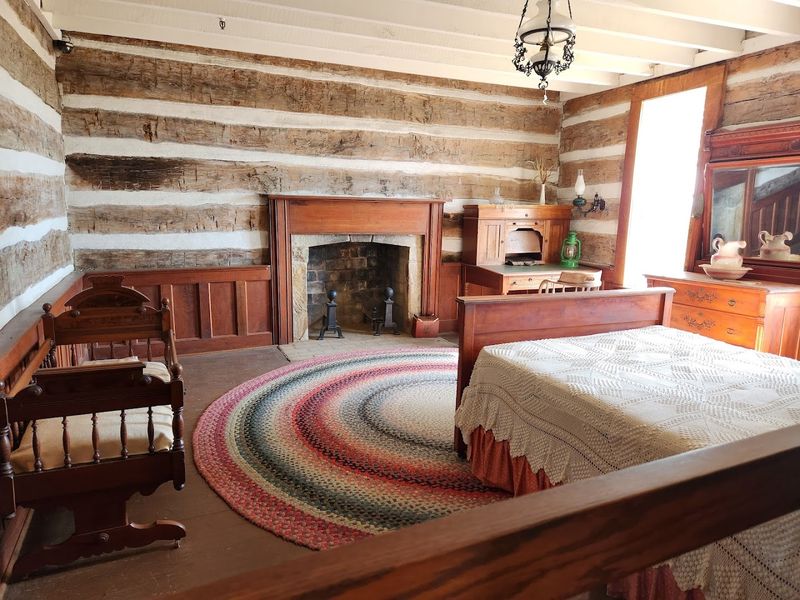
Plenty of historic homes feel polished into silence, but this one still carries a lived-in energy. Inside the house, I noticed period furnishings, simple room layouts, and details that make the birthplace of Will Rogers feel personal instead of distant.
The ranch was the home of his early beginnings, and that context gives the visit real weight. You are not just looking at old objects behind a story board.
You are moving through the setting where a figure tied to American humor, public life, and Oklahoma memory first entered the world.
What I appreciated most was the absence of unnecessary fuss. The house does not need flashy effects to create interest, because the rooms themselves tell you a great deal about domestic life on a working ranch.
Even the modest scale works in its favor, keeping the focus on family, routine, and place.
I also liked that the experience feels educational without turning stiff. You can look closely, listen, and connect the dots at your own pace.
That freedom suits the destination. A man known for wit and plainspoken insight would probably approve of a birthplace that still lets visitors think for themselves.
The View Toward Oologah Lake
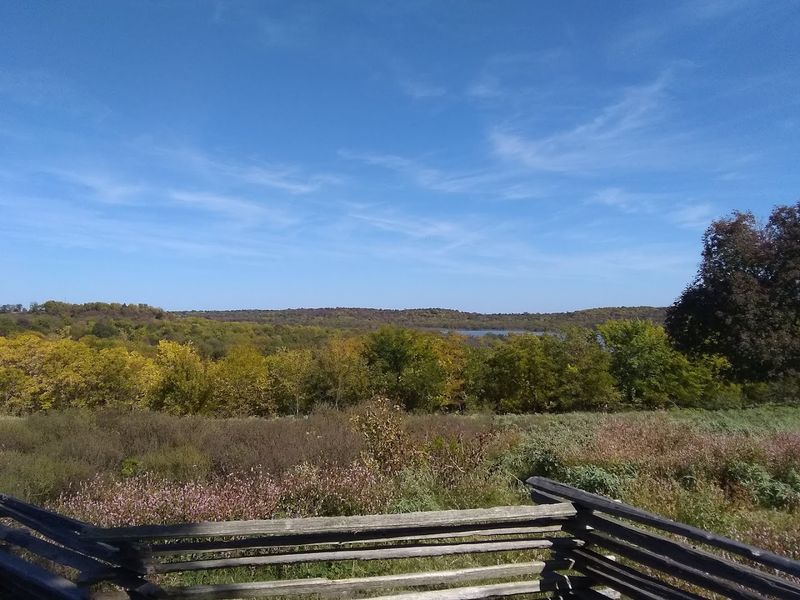
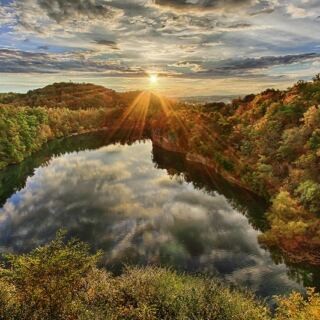
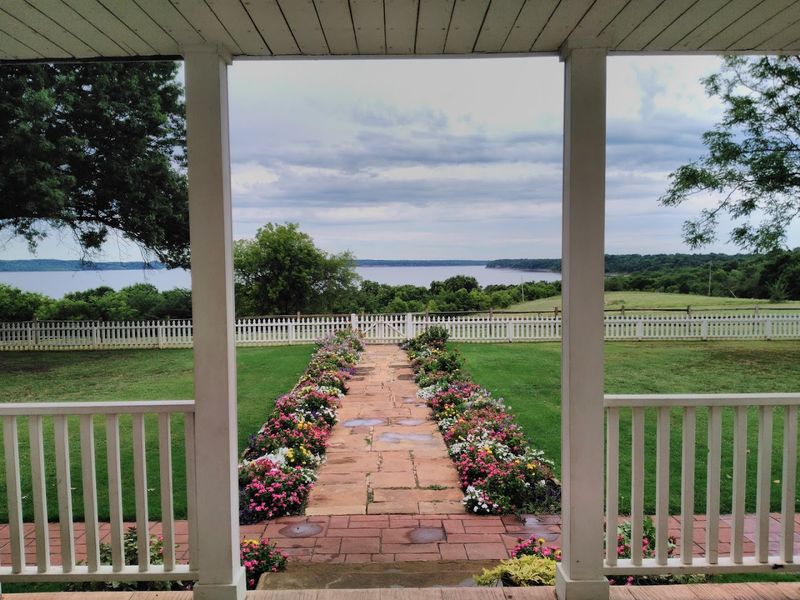
Then the scenery starts showing off just a little, and honestly, it has earned the right. One of the most memorable parts of my visit was the view toward Oologah Lake, which gives the ranch an open, airy backdrop that keeps the whole property feeling expansive.
From the porch and surrounding grounds, the landscape stretches in a way that slows your thoughts down. The lake view is not dramatic in a grandstanding sense.
It is better than that. It is calm, broad, and quietly beautiful, the kind of Oklahoma scene that makes you stop talking for a minute.
I can see why so many visitors mention the peaceful setting. Even on a gray day, the outlook has character, and on a clear one it adds a surprising amount of charm to the historic experience.
The ranch house gains another layer when you realize this was not only a birthplace, but a home with a remarkable sense of horizon.
That visual openness helps explain the appeal of the place. You do not feel boxed into an exhibit.
You feel connected to land, weather, and distance. By the time I turned away from the view, the ranch had already slipped beyond museum status and into the category of places that linger.
Animals, Barns, and Ranch Character
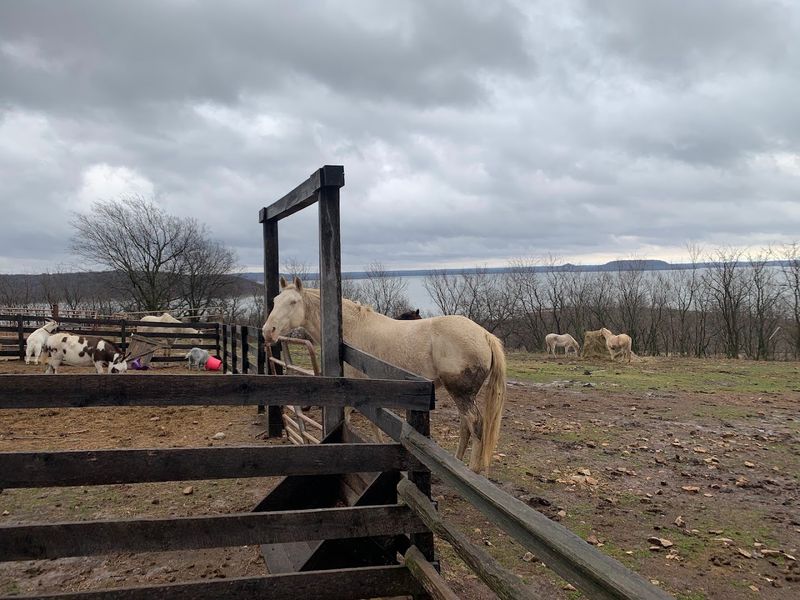
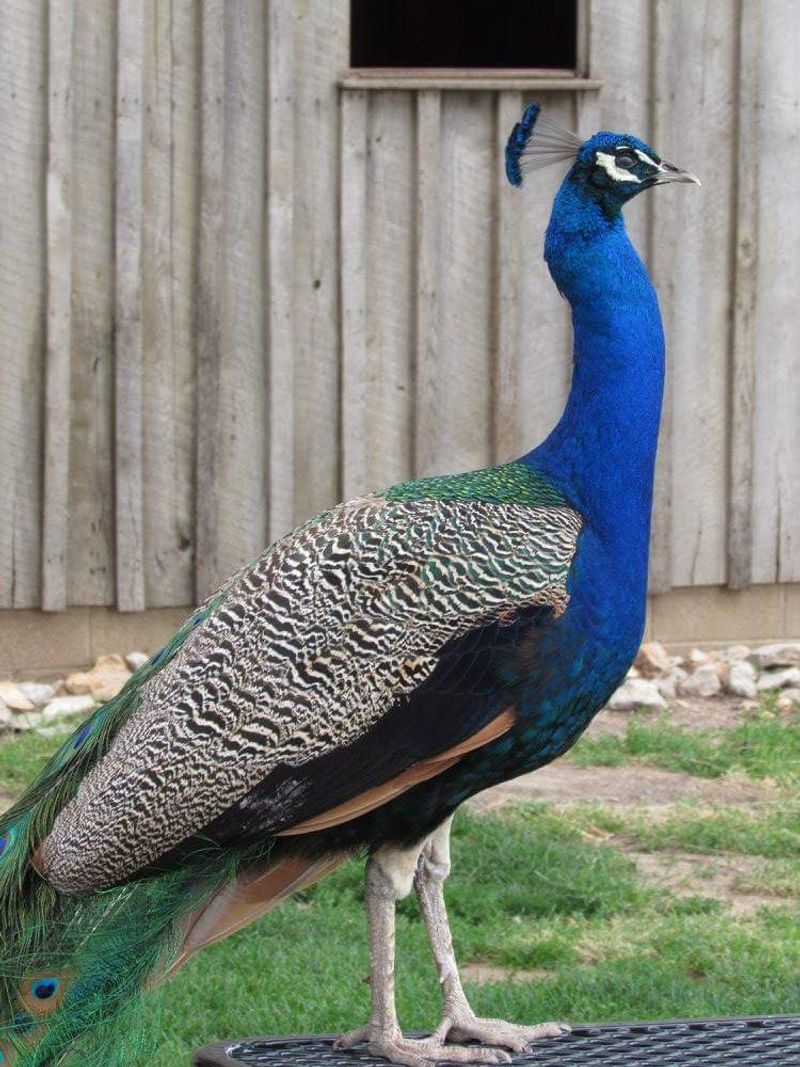
A ranch without animals would feel a little like a joke missing its punchline. Part of the charm here is that the property still carries working-ranch character, with barns, fenced areas, and animals that add movement and warmth to the historical setting.
During my visit, that extra layer made the place feel especially inviting. Horses, goats, donkeys, chickens, and a few famously friendly cats have all been part of the visitor experience here, and they keep the grounds from feeling frozen in time.
This is history with dirt on its boots, which is exactly right.
The barn structures also help tell the story of ranch life in a practical, down-to-earth way. They remind you that this was not simply a notable birthplace.
It was part of a larger landscape of labor, family life, livestock, and daily routines. That context matters because it gives the house a fuller world around it.
I think families would especially enjoy this aspect of the stop. Kids get something lively to notice, while adults get a better sense of the property as a real ranch rather than a sealed exhibit.
The result is a visit that feels more grounded, more textured, and just a little more fun around the edges.
A Self-Guided Visit That Works
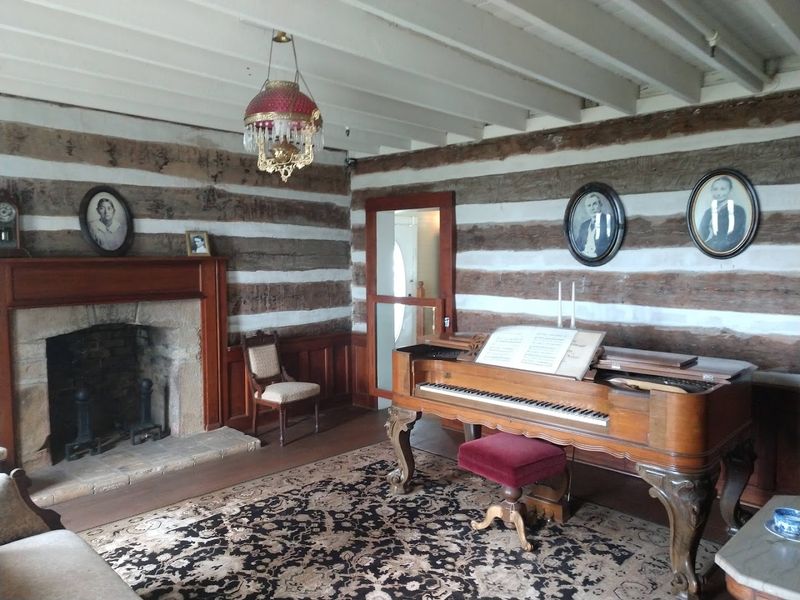
Not every historic site needs a costumed guide and a rehearsed speech to keep things interesting. Here, the self-guided format works well because it gives you room to notice details, read at your own speed, and let the story settle naturally.
I found that especially useful inside the house, where interpretive information and audio elements help explain what you are seeing without crowding the experience. You can pause where something catches your attention, move on when you are ready, and avoid that mildly awkward group-tour shuffle nobody admits to disliking.
The pace belongs to you.
Another practical plus is that admission has often been free, making this one of the easier historical outings to add to an Oklahoma day trip. That accessible setup encourages curiosity.
You can stop in for a shorter visit, linger on the grounds, or spend extra time taking in the setting without feeling rushed by a ticket clock.
The overall mood stays relaxed, and that fits the ranch beautifully. It is educational, but not stern.
Informative, but not overloaded. I left feeling like I had actually absorbed something instead of simply checking off another attraction, which is rarer than travel brochures like to admit.
Cherokee Roots and Real Context
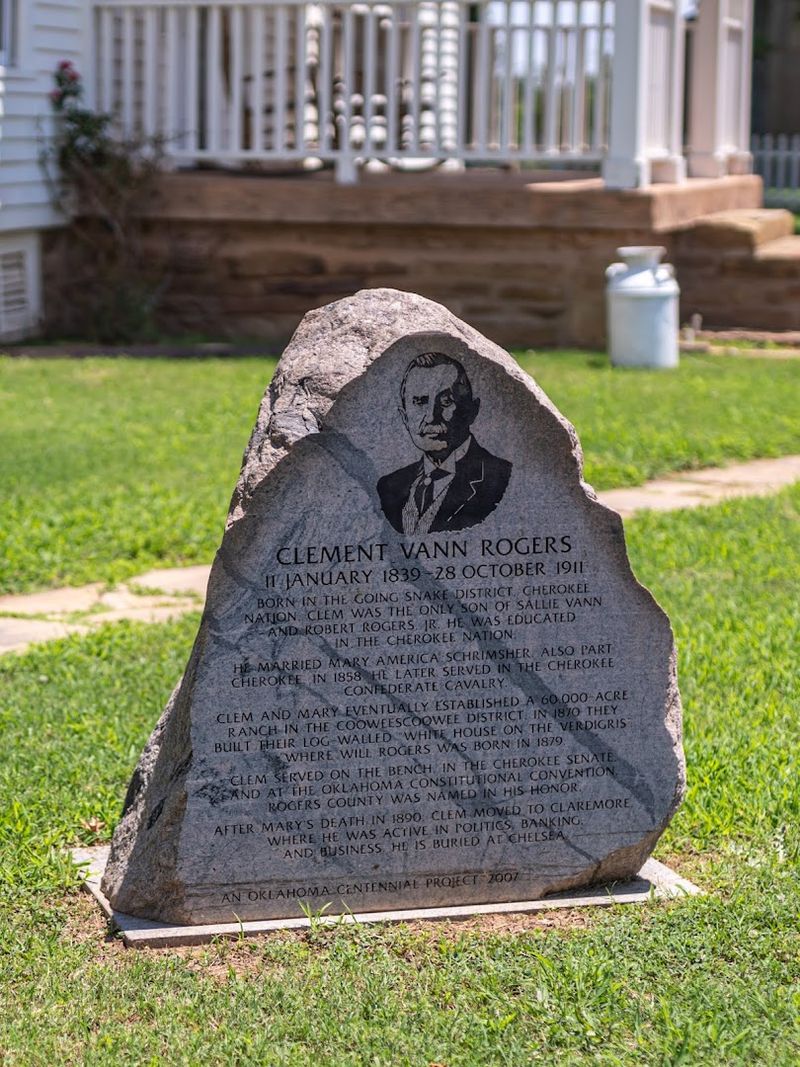
What gives this ranch much of its depth is the larger story surrounding it. Will Rogers was born in Indian Territory, and the site carries strong ties to Cherokee history that make the visit feel far more meaningful than a simple celebrity birthplace stop.
I appreciated that context because it anchors the property in something broader than fame. The landscape, the family history, and the ranch setting all point to a real cultural and regional foundation.
That helps explain why the place feels so specifically Oklahoma while also reflecting Cherokee heritage in a way that deserves attention and care.
There is also a sense that the ranch is being understood as an important historical resource rather than just an old house with a notable name attached. That matters.
Preserving a place like this means preserving layers of story at once, including family life, regional identity, and the beginnings of a public figure who became deeply woven into American memory.
For me, this was one of the most rewarding parts of the visit. The ranch offers quiet lessons if you are willing to slow down and connect them.
By the end, the property felt less like a backdrop to one famous life and more like a meaningful piece of Oklahoma history in its own right.
What to Know Before You Go
A little planning makes this stop much better, especially because the ranch has a relaxed, lightly developed feel. I would treat it as a place for an easy, unhurried visit rather than a packed attraction with nonstop activity and highly structured programming.
Checking current hours before heading out is smart, since some visitors have found access varies from day to day. That small step can save you a wasted drive and helps set expectations for what parts of the property may be open.
The main draw is the setting, the house, and the history, so the experience rewards patience more than rigid scheduling.
I also think this is a good place to bring simple practical habits with you. Wear comfortable shoes for the grounds, allow a little time to stand on the porch and enjoy the lake view, and keep your camera or phone ready because the scenery and ranch details are quietly photogenic.
Picnic tables and open space can add to the appeal too.
The best approach is to arrive curious and keep your pace loose. This is not a high-volume attraction trying to impress you every second.
It is a thoughtful Oklahoma stop that reveals itself in layers, and that slower rhythm is part of the pleasure.
Why the Ranch Stays With You
Some destinations leave you with a list of facts, but this one leaves you with a feeling. After spending time at Will Rogers Birthplace Ranch, I kept thinking about how well the place balances humor, history, landscape, and plain old ranch character without turning any of it into a performance.
That balance is probably why the site works so well. The house gives you intimacy, the grounds give you breathing room, and the view over the surrounding land adds a sense of calm that sticks around long after the visit ends.
It feels honest. In a travel world full of overpolished stops, that honesty is refreshing.
I also like that the ranch does not pretend to be more than it is. It offers a meaningful look at a legendary American humorist’s beginnings, set within a distinctly Oklahoma landscape that still feels connected to its roots.
The experience is simple, but simplicity can be a strength when it is backed by substance.
By the time I headed out, I was glad I had given this place more than a quick glance. It is peaceful, educational, and memorable in a steady, confident way.
Not every historic site knows how to land softly, but this one absolutely knows the timing.
Share this story