There is something almost unbelievable about watching a machine built in the 1840s still doing its job today, grinding wheat into flour the same way it did when Michigan was barely a state. Most of us are used to history sitting behind velvet ropes in a museum, untouchable and a little dusty.
But at one remarkable spot in Macomb County, history is loud, mechanical, and very much alive. The wooden gears turn, the millstones spin, and the smell of fresh-ground grain drifts through the air just as it did nearly 180 years ago.
This is not a replica or a Hollywood set. The mill is real, the history is deep, and the surrounding park is full of trails, farm animals, and river views that make the whole experience feel like stepping into a painting.
Keep reading, because this place is genuinely worth knowing about.
Where History Has a Street Address
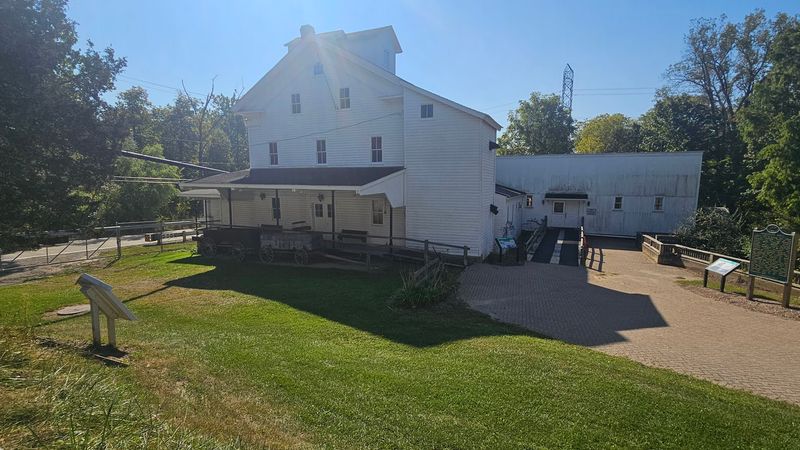
The Wolcott Mill Metropark Historic Center sits at 63841 Wolcott Rd, Romeo, MI 48065, tucked into the quiet countryside of Macomb County in southeastern Michigan. The address sounds simple enough, but what you find when you arrive is anything but ordinary.
The park is managed by the Huron-Clinton Metroparks system, which does an excellent job keeping the grounds clean, the trails maintained, and the historic structures in solid condition. The site earns a 4.8-star rating from visitors, which is rare for any public park.
Getting there is easy from the Detroit metro area, and the drive itself takes you through rolling farmland that starts to set the mood before you even park. Hours run from 9 AM to 5 PM every day of the week, and you can reach the center at 586-749-5797 for event schedules.
Plan to spend at least two to three hours so you actually absorb everything this place quietly offers.
The Mill That Refuses to Retire
Built in the 1840s, the Wolcott Mill is one of the most historically intact grist mills still operating in the Great Lakes region. What makes it genuinely special is that it does not just stand there looking old.
When the mill is in operation, the wooden gears engage, the belts move, and the millstones crush wheat into flour the same way they did when Abraham Lincoln was still a young lawyer.
The mill was originally constructed to serve the farming communities of Macomb County, which were producing significant quantities of grain by the mid-1800s. Farmers would haul their harvests here by wagon, pay a portion of their grain as a milling fee, and leave with usable flour.
That system, called “toll milling,” was standard across rural America at the time.
Standing inside and watching the machinery work is a genuinely humbling experience, because the craftsmanship of those original builders has outlasted almost everything else from their era by a considerable margin.
How Grain Becomes Flour, Step by Step
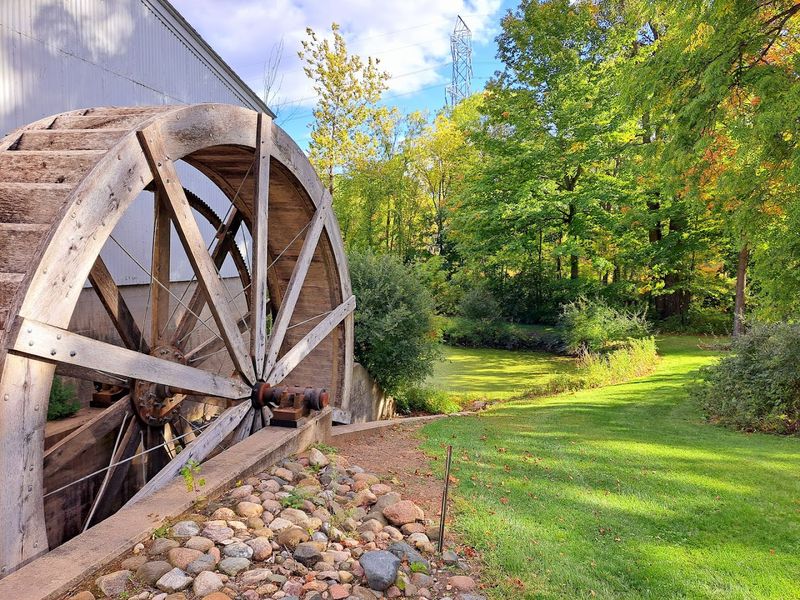
The milling process at Wolcott is a hands-on lesson that no textbook can fully replicate. Wheat kernels are fed into a hopper at the top of the mill, and gravity does the first part of the work, dropping the grain between two heavy circular stones that rotate against each other.
The friction and pressure between those stones crack the kernels open, separating the outer bran from the inner starchy endosperm. The resulting material falls through a series of wooden chutes and screens that sort the coarse from the fine.
What comes out at the end is whole wheat flour, still warm from the grinding.
Kids on school field trips often get to touch the flour right after it is made, which produces a kind of wide-eyed surprise that is hard to manufacture any other way. The guides here are genuinely knowledgeable and explain each step in a way that makes even adults feel like they learned something new and surprisingly useful about where food actually comes from.
The Clinton River and the Power Behind the Stones
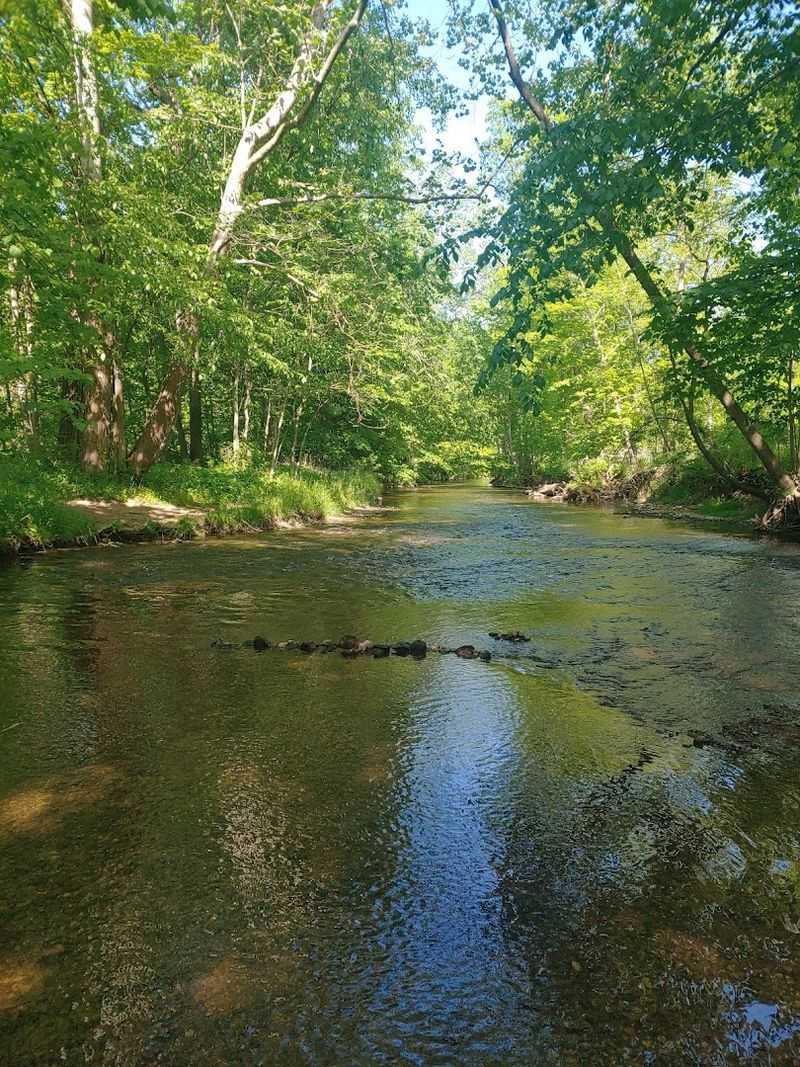
A grist mill needs two things to work: grain and water power. The North Branch of the Clinton River provided the second ingredient, and it still flows right alongside the mill today, making the whole setting look like a landscape painting that somehow became a real place.
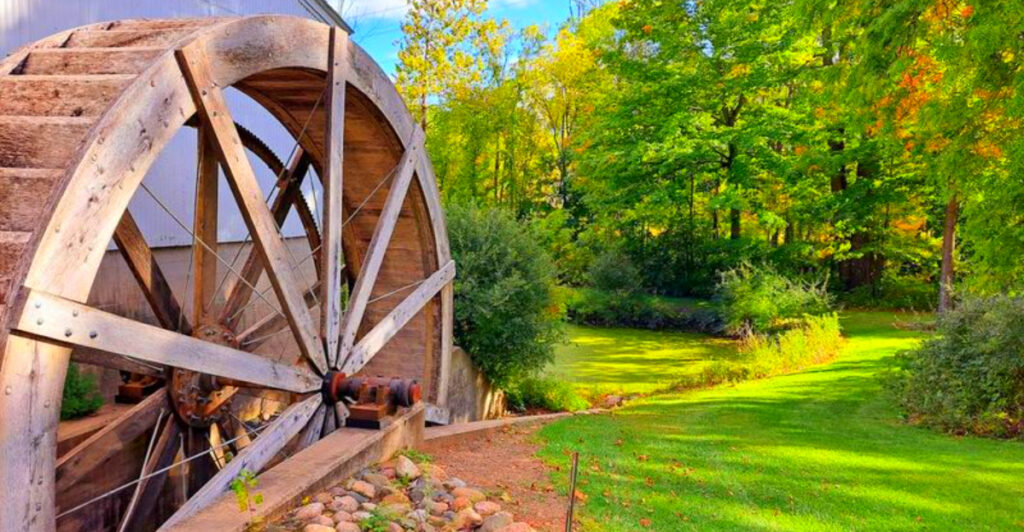
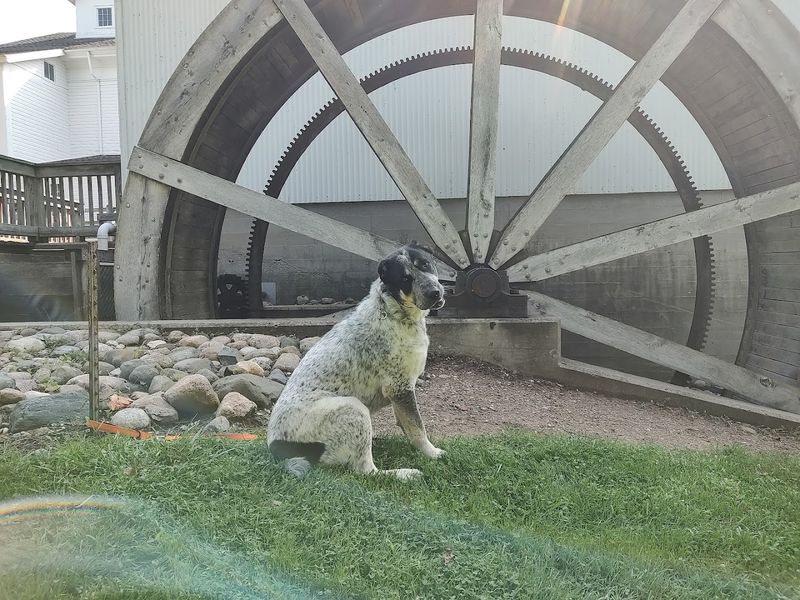
Water wheels were the engines of the 19th century, and the design at Wolcott directed river water onto a wheel that transferred its rotational energy through a shaft into the mill building above. That mechanical chain reaction powered everything from the millstones to the grain elevators inside.
Today the river serves a different but equally important role. It is the scenic backdrop for several of the park’s hiking trails, giving walkers a constant companion of moving water, reflected light, and the occasional great blue heron standing motionless in the shallows.
The river has been here longer than the mill, and it will likely be here long after most of us are gone, doing what rivers do best.
Trails That Go From Easy to Genuinely Beautiful
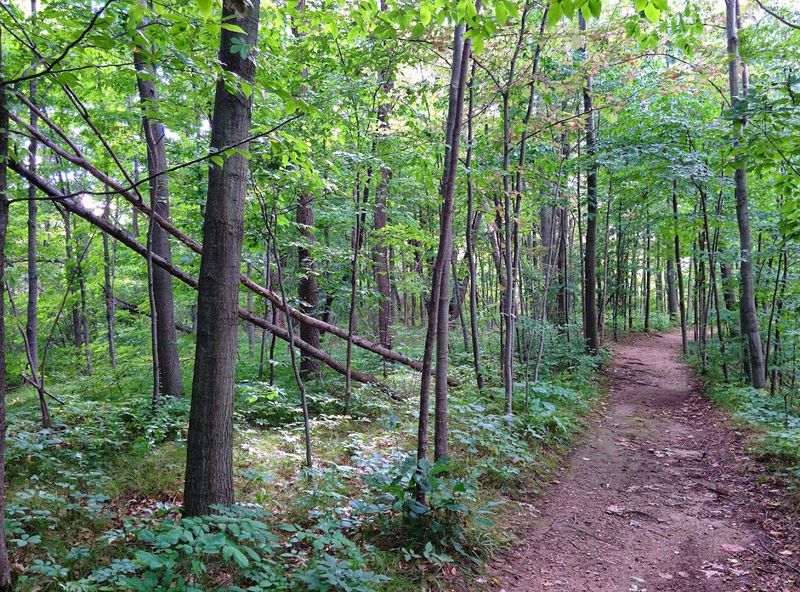
The trail system at Wolcott Mill Metropark is one of its most underappreciated features. The Mother Earth and Settlers trails are short and accessible, making them ideal for families with young kids or anyone who wants a relaxed walk without a big physical commitment.
The rustic trails on both sides of the Clinton River are a different story. These paths wind through mature forest, along cliff edges, and across wooden plank walkways that add a little adventure to the experience.
The shade on these trails is dense enough that even a summer afternoon feels bearable.
Wildlife sightings are common and genuinely exciting. Regular visitors report spotting the same family of deer on repeated trips, along with painted turtles, wild turkeys, various snake species, and a wide variety of birds.
Ticks can be active during warmer months, so checking yourself and any pets thoroughly after the walk is a practical step worth taking seriously before you get back in the car.
The Historic Farm and Its Very Approachable Residents
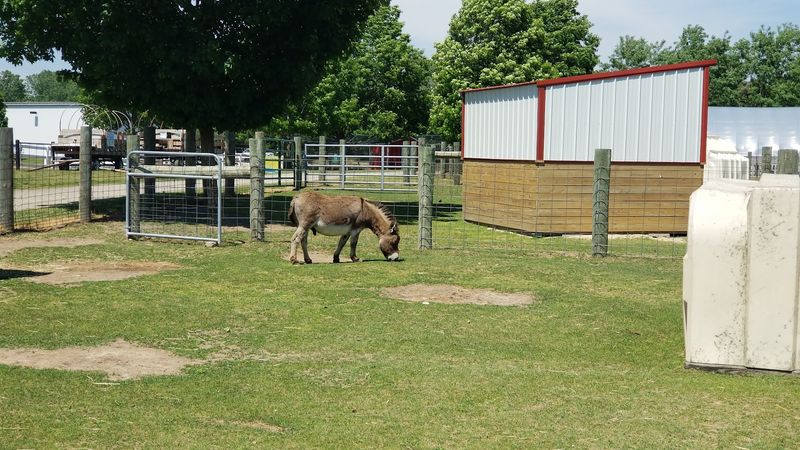
Right next to the mill, there is a working historic farm that adds a whole second layer to the visit. The farm keeps animals that visitors can actually interact with, which immediately separates this place from parks that only offer signage and scenery.
Demonstrations of traditional farm tasks take place here on a regular basis. Milking demonstrations give kids a concrete understanding of where dairy products come from, and the staff running these activities have a real talent for keeping young audiences engaged without losing the historical accuracy of what they are showing.
One of the more memorable activities is the maple syrup production that happens in late winter, when the sap in the sugar maples starts to run. Watching the whole process from tree tap to finished syrup is the kind of thing that sticks with a kid for years.
The farm animals themselves are calm and accustomed to visitors, making the experience comfortable even for children who have never been near a large animal before.
A Classroom Without Walls
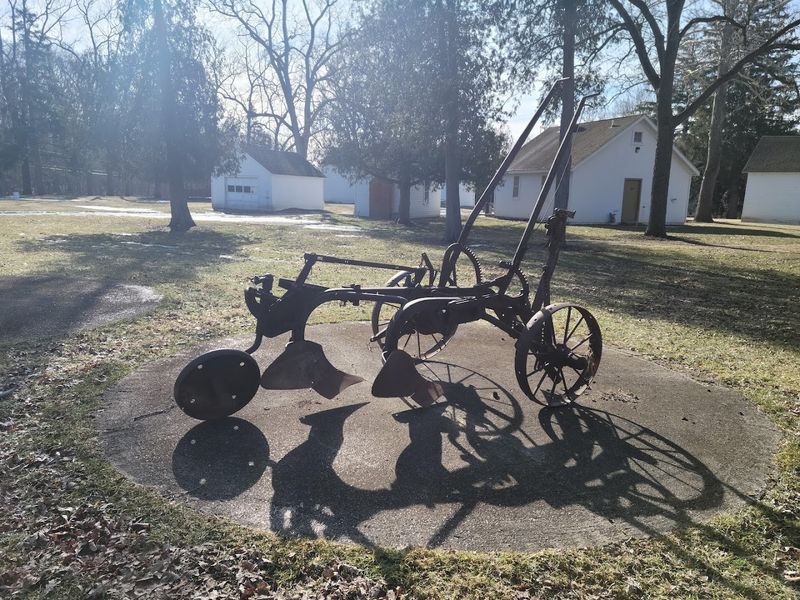
Field trips to Wolcott Mill have been a rite of passage for Macomb County schoolchildren for decades. The educational programming here goes well beyond a standard tour, because the staff actually puts history into the hands of the students.
Kindergartners have made corn flour on site and taken small bags of it home, which is the kind of tactile memory that no worksheet can create. Older students learn about the economics of 19th-century farming, the physics of water-powered machinery, and the social structure of rural Michigan communities before industrialization changed everything.
The guides adjust their approach depending on the age group in front of them, which takes genuine skill and patience. Teachers who bring classes here often come back the following year because the programming is that effective.
For homeschooling families, the site offers a rare combination of authentic artifacts, working machinery, and knowledgeable interpreters all in one location, making it one of the most content-rich outdoor classrooms in the entire region.
Photography Conditions That Almost Feel Unfair
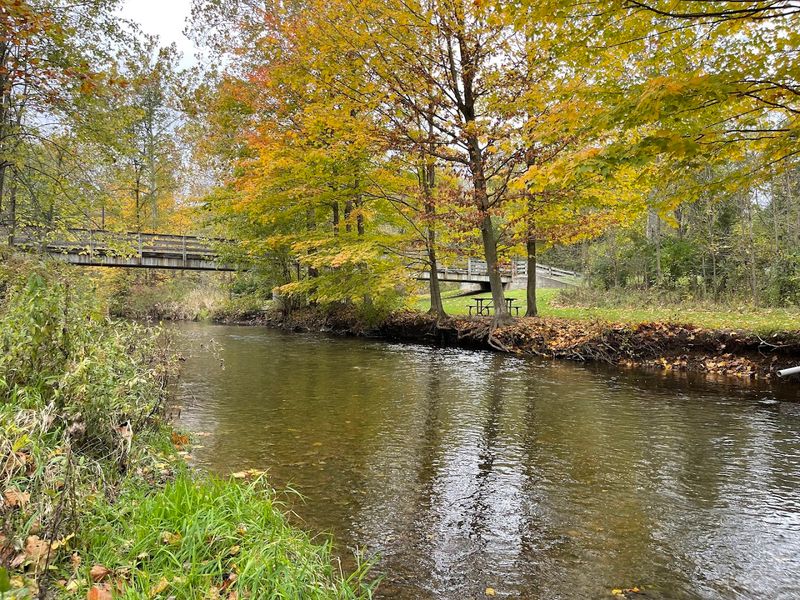
Photographers discover this place and then quietly keep coming back, often without telling too many people about it. The combination of historic wooden architecture, river reflections, mature hardwood forest, and abundant wildlife creates a setting that works in almost any light condition.
Fall is the obvious peak season for color, when the maples and oaks surrounding the mill turn the whole property into something that looks almost digitally enhanced. But rainy days have their own appeal here.
The wet stone paths, the fog over the river, and the muted tones of old wood give the images a moody, timeless quality that bright sunshine cannot always produce.
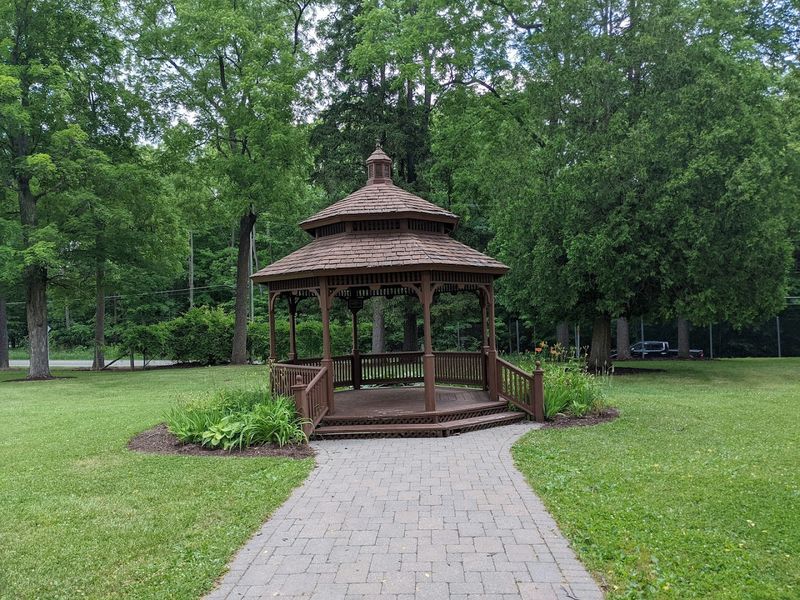
Senior portrait sessions and family photo shoots happen here regularly, and it is not hard to understand why. The gazebo near the river provides a clean, classic backdrop, and the variety of environments within walking distance means a photographer can get dramatically different shots without moving the car.
Arriving early on a weekday almost guarantees the place to yourself, which is a luxury that most good photo locations simply do not offer.
Events, Seasons, and Reasons to Return
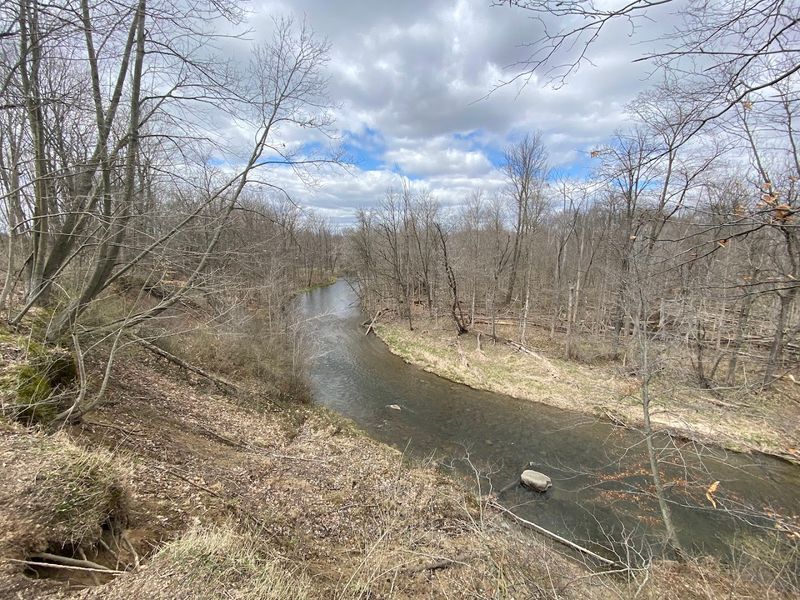
One visit to Wolcott Mill is rarely enough, because the place genuinely changes with the seasons. Late winter brings the maple syrup demonstrations, when the farm staff taps the sugar maples and walks visitors through the boiling process that turns clear sap into amber syrup.
Spring and summer fill the trails with wildflowers and nesting birds, and the river runs high and fast after snowmelt, making the waterside paths especially atmospheric. Fall is the most popular season for obvious reasons, with leaf color peaking in October and the mill grounds looking particularly photogenic.
Winter has its own quiet appeal. The trails in snow are uncrowded and strikingly beautiful, and the bare trees open up sight lines to the river that the summer canopy hides completely.
The park hosts organized events throughout the year, and calling ahead at 586-749-5797 or checking the Metroparks website is the best way to catch something special rather than just a regular open day.
Why This Place Has Kept Visitors Coming Back for Generations
Some visitors to Wolcott Mill have been coming here since childhood, and now they bring their own children and grandchildren. That kind of multigenerational loyalty does not happen by accident.
It happens because a place consistently delivers something real, something that cannot be found on a screen or inside a shopping mall.
The grounds are clean and well-maintained, the staff is friendly and genuinely interested in the history they are sharing, and the atmosphere is calm without feeling abandoned. Weddings have been held here.
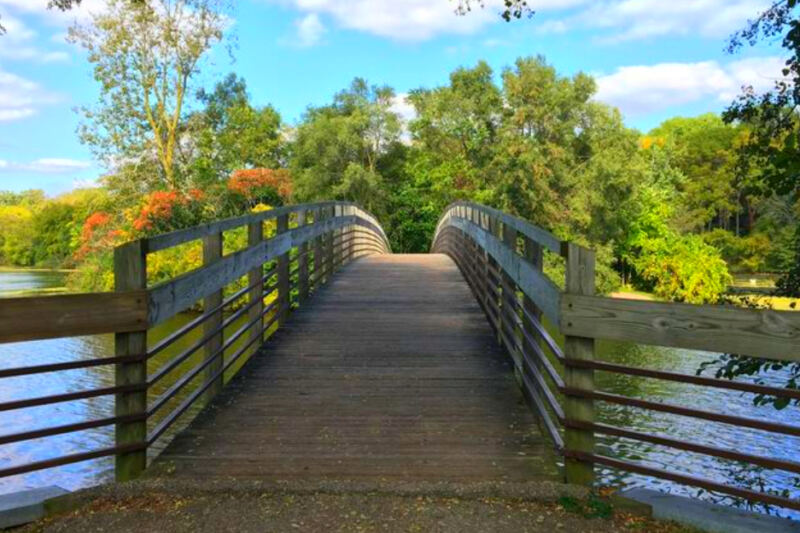
Lunch has been eaten in the gazebo. Frogs have been hunted under the bridge by kids who had no idea they were making a memory that would last for decades.
The mill itself, still grinding wheat after nearly 180 years, is the anchor of the whole experience. Everything around it, the farm, the trails, the river, the wildlife, adds texture and depth.
But the mill is the reason this place has a story worth telling, and it is the reason people keep finding their way back to Wolcott Road.
Share this story