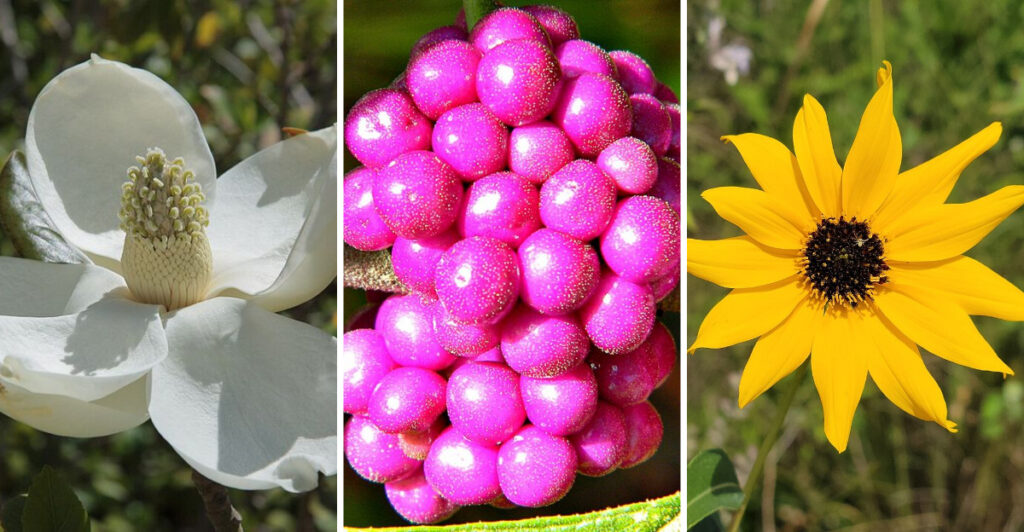
Florida gardens play by their own sunny, steamy rules, and the right plants absolutely love it. If you have battled heat, humidity, sandy soil, or salty breezes, you are in the right place.
These standout picks thrive across the Sunshine State while bringing color, texture, and plenty of personality. Get ready to meet a dozen garden stars that make Florida yards look effortlessly good.
1. Firebush (Hamelia patens)
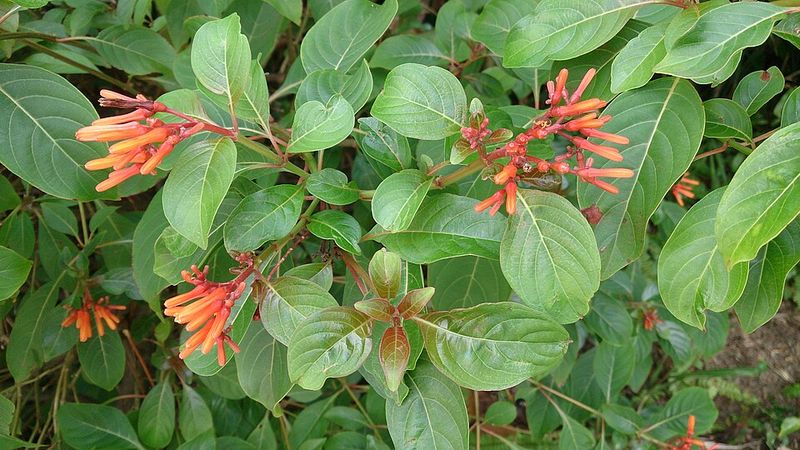
Nothing wakes up a Florida garden faster than firebush in full color. Its red-orange tubular blooms look bold against glossy green leaves, and they keep coming when the heat feels downright serious.
If your yard gets blazing sun and long humid stretches, this plant barely flinches.
Butterflies treat it like a neighborhood hotspot, and hummingbirds rarely pass by without stopping. That makes it a smart pick if you want movement and life, not just foliage.
Once established, it handles dry spells surprisingly well, which is a welcome bonus during Florida’s hotter months.
Firebush works beautifully in borders, wildlife gardens, and casual tropical designs. You can let it grow naturally or trim it into a fuller, tidier shape.
Give it sun, decent drainage, and a little room, and it rewards you with color, pollinators, and almost no drama.
2. American Beautyberry (Callicarpa americana)
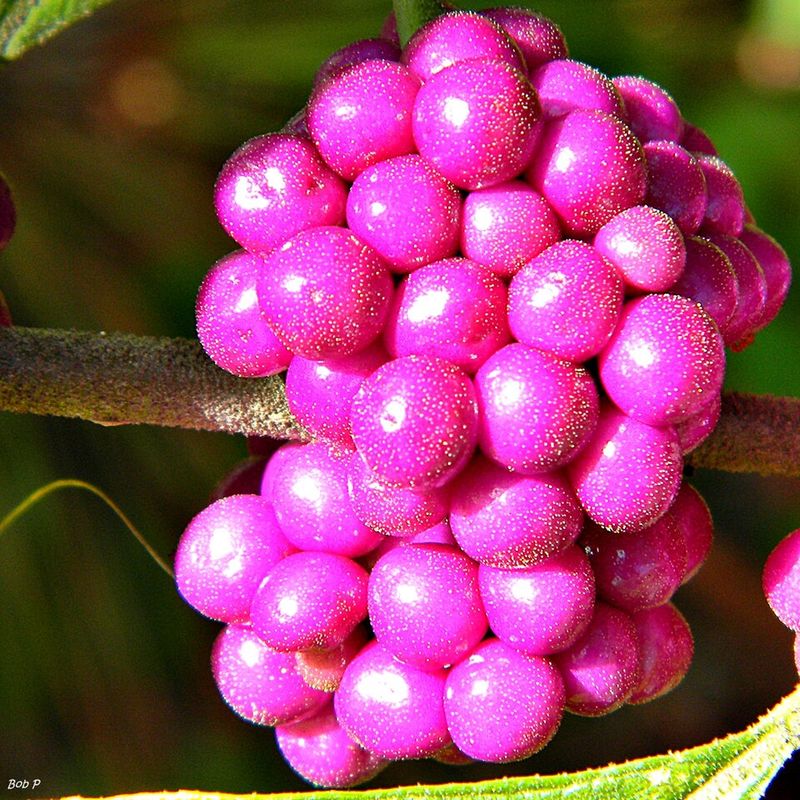
Then fall rolls in, and American beautyberry decides to show off. This easygoing native shrub spends much of the year looking quietly pleasant, then suddenly covers itself in electric purple berries that are impossible to ignore.
In a Florida garden, that surprise feels like a little seasonal magic.
Beautyberry thrives with very little fuss, especially in part sun or light shade. It fits naturally into wildlife gardens, native plant borders, and informal landscapes where a relaxed look feels right.
Birds appreciate the berries too, so you get extra garden action without lifting a finger.
The arching branches give it a graceful shape, and occasional pruning helps keep it full. It handles Florida heat and humidity like a local because it is one.
If you want a shrub that earns compliments in autumn without demanding constant care, this one makes a very convincing case.
3. Muhly Grass (Muhlenbergia capillaris)
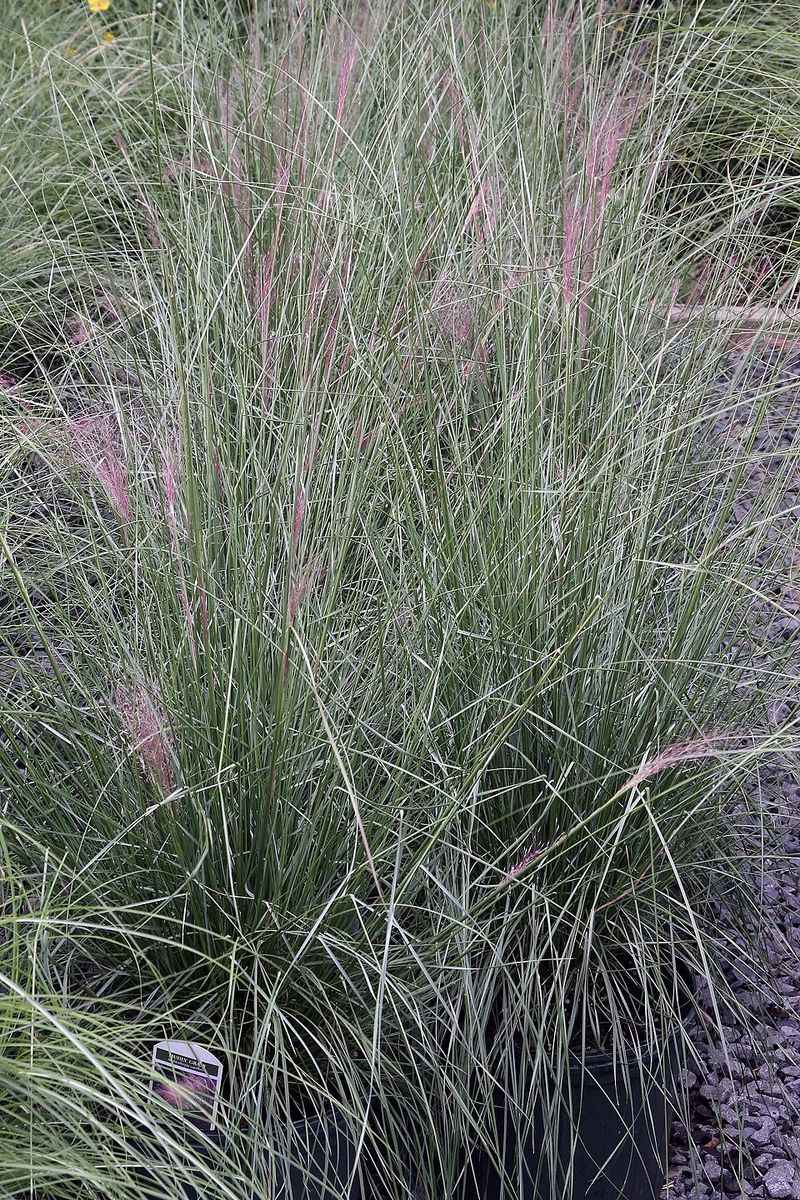
By autumn, muhly grass turns ordinary corners of a yard into pure pink spectacle. Those airy plumes float above tidy green clumps and catch the light in a way that feels soft, bright, and a little theatrical.
In Florida, where sandy soil can challenge fussier plants, muhly grass stays wonderfully unfazed.
It loves sun, handles heat with ease, and asks for very little once settled in. That makes it perfect for borders, driveway beds, and large drifts where you want impact without a maintenance marathon.
Even outside bloom season, the fine-textured foliage keeps things neat and attractive.
Muhly grass also shines in coastal and inland landscapes because it tolerates tough conditions so well. A quick trim in late winter is usually enough to keep it looking fresh.
If you like plants that deliver a big seasonal moment while acting completely low-key the rest of the year, this one wins.
4. Coontie (Zamia integrifolia)
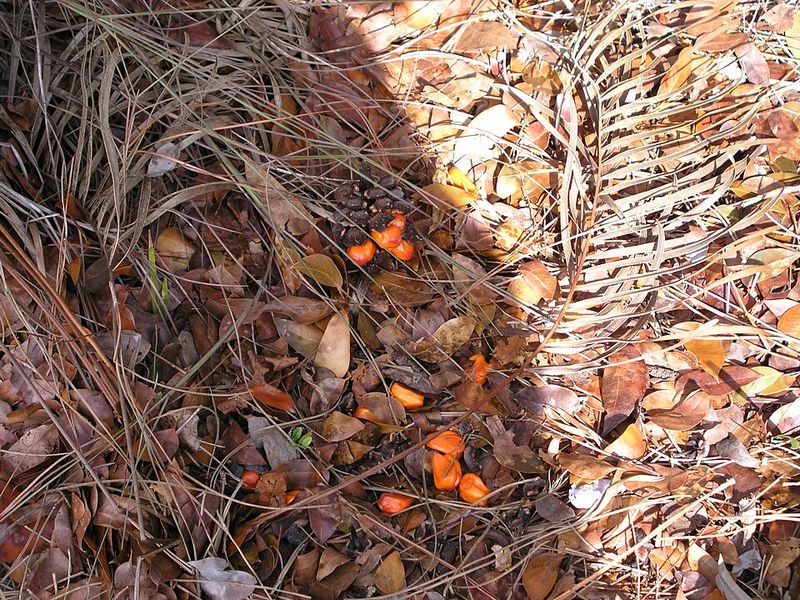
Quietly tough plants deserve more applause, and coontie certainly qualifies. This native cycad has a clean, sculptural look with stiff green leaflets that add structure without feeling fussy.
In Florida landscapes, it handles heat, sandy soil, and dry periods like it has already read the script.
Once established, coontie needs very little attention, which is excellent news if you prefer gardening without constant negotiating. It works well in foundation beds, native plantings, and shady or partly sunny spots where many tropicals get temperamental.
The compact form also makes it easy to tuck into smaller yards.
Beyond its looks, coontie supports native wildlife, including the rare Atala butterfly. That gives it extra value in gardens designed with Florida ecology in mind.
If you want a dependable plant that stays handsome through difficult weather and never begs for special treatment, coontie is refreshingly sensible.
5. Sunshine Mimosa (Mimosa strigillosa)
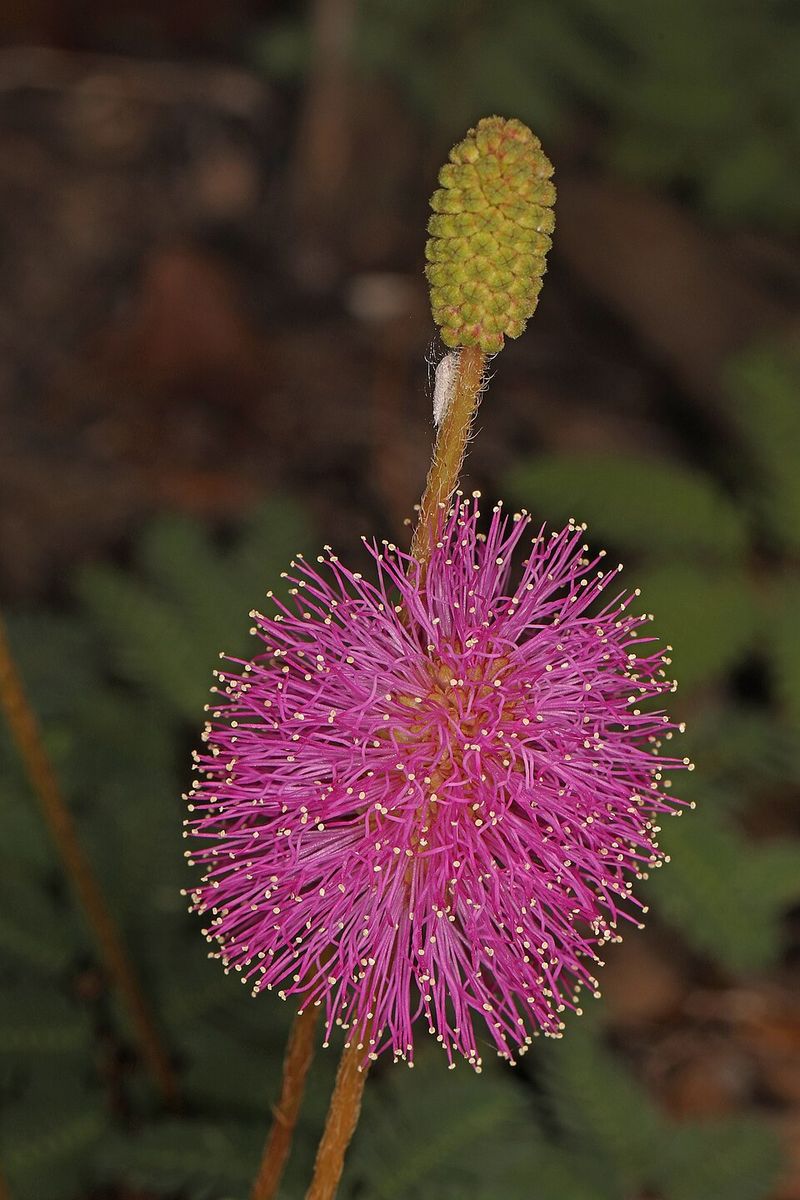
Here is the overachiever of the ground-cover world: sunshine mimosa. It spreads low across the ground, softens open spaces, and pops out cheerful pink puffball flowers that make the whole area feel livelier.
In Florida, it is a clever alternative where traditional turf can be thirsty, needy, or simply annoying.
This native plant tolerates heat, handles some foot traffic, and helps improve soil by fixing nitrogen. That means it is not just pretty, it is practical, which is always a satisfying combination.
It grows best in sunny spots and quickly forms a mat that suppresses some weeds while keeping the landscape looking relaxed.
Sunshine mimosa is especially useful in informal gardens, pathways, and open patches that need easy coverage. You still get a lush look without signing up for endless mowing and pampering.
If your lawn has become a dramatic relationship, this charming Florida native offers a much calmer future.
6. Bougainvillea
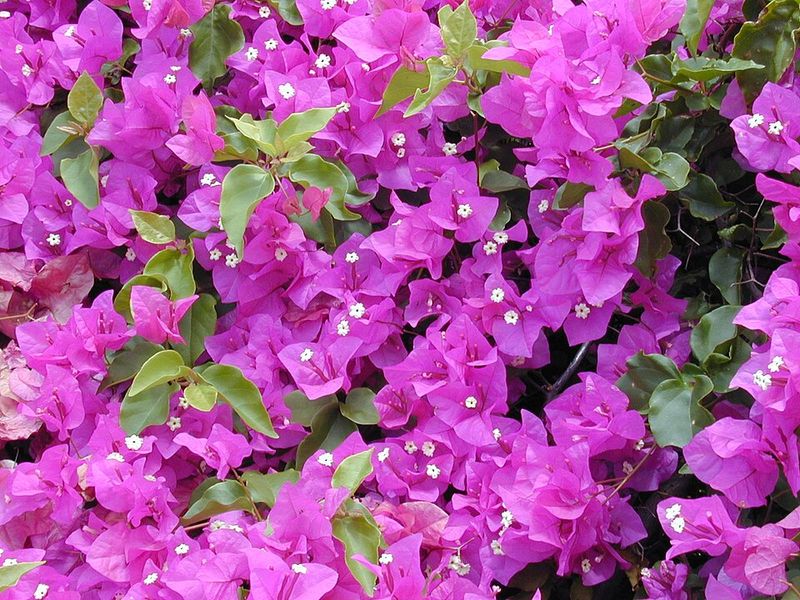
Few plants in Florida know how to make an entrance like bougainvillea. Its vibrant bracts burst in pink, red, purple, orange, or white, turning fences, trellises, and walls into full-on color displays.
When the sun is intense and the air is thick, this plant seems to take that as encouragement.
Bougainvillea thrives in heat and rewards gardeners who avoid overwatering and overpampering. It likes good drainage, plenty of light, and a little breathing room to sprawl or climb.
In return, you get long-lasting color that can make even a simple yard feel more polished and tropical.
It does have thorns, so placement matters if you value peaceful trips past the patio. Still, in the right spot, it is spectacular and surprisingly resilient.
If you want a plant that embraces Florida sunshine with zero modesty and keeps blooming like it has something to prove, bougainvillea is your candidate.
7. Hibiscus
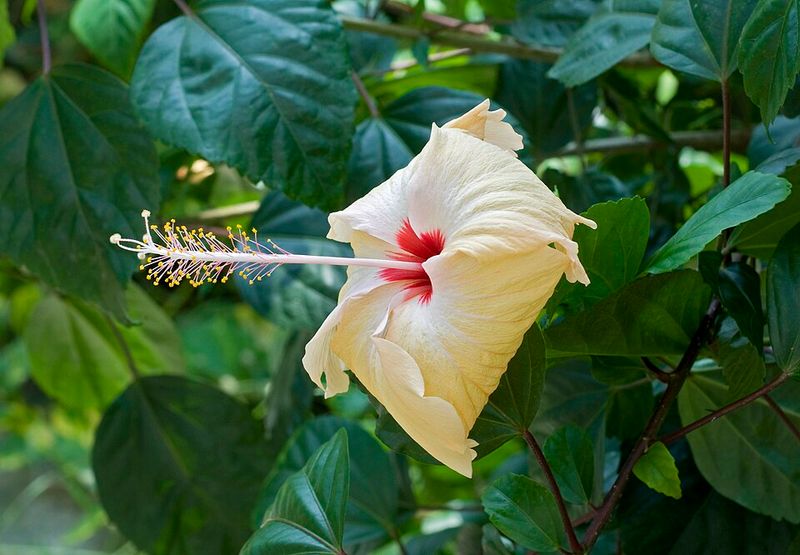
Big, flashy flowers are hibiscus territory, and Florida gives them exactly what they want. The blooms can be huge, brilliantly colored, and impossible to pass without a second look.
If your goal is a garden that feels cheerful, tropical, and just a bit dramatic, hibiscus understands the assignment.
Warm weather suits it perfectly, and regular sun keeps the flowering going strong. It does best with consistent moisture, decent drainage, and occasional feeding, especially during the growing season.
In return, you get a shrub that keeps the landscape lively and gives patios, entryways, and pool areas instant vacation energy.
Hibiscus can work as a specimen plant, hedge, or colorful container star in many Florida yards. Pruning helps maintain shape and encourages fresh growth with more blooms.
If you enjoy a plant that makes every morning feel brighter and never seems afraid of attention, hibiscus is hard to resist.
8. Southern Magnolia (Magnolia grandiflora)
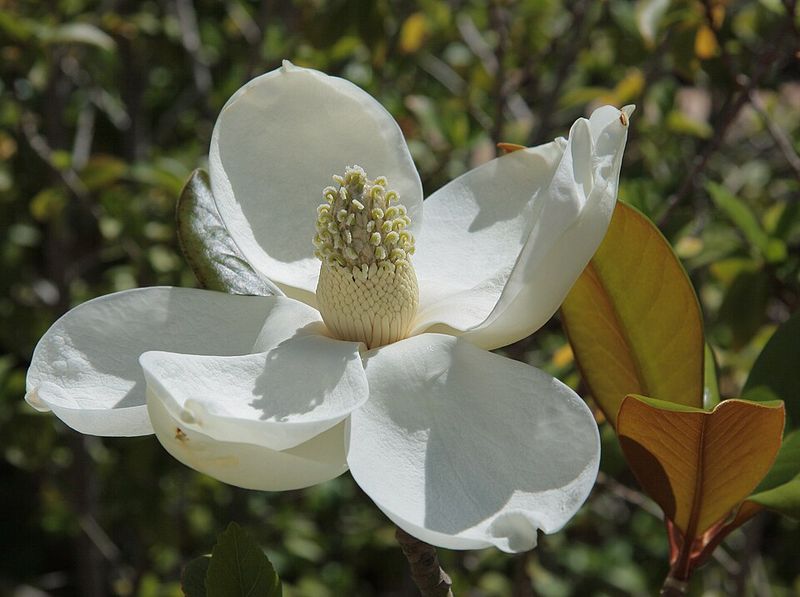
Some trees whisper elegance, but southern magnolia speaks up with confidence. Its glossy evergreen leaves look polished year-round, and the huge creamy white flowers bring fragrance that can stop you mid-walk.
Across much of Florida, it is a classic choice that feels both stately and completely at home.
This tree appreciates sun and space, because it eventually becomes a strong, broad presence in the landscape. Once established, it is dependable and relatively easy to maintain compared with many other showy trees.
The dense canopy also offers welcome shade, which in Florida is never a trivial feature.
Southern magnolia works beautifully as a specimen tree, screen, or anchor in larger yards. Fallen leaves can be a bit messy, but that is a small trade for such striking beauty and structure.
If you want something timeless that adds fragrance, evergreen form, and serious Southern character, this tree delivers in style.
9. Sea Oats (Uniola paniculata)
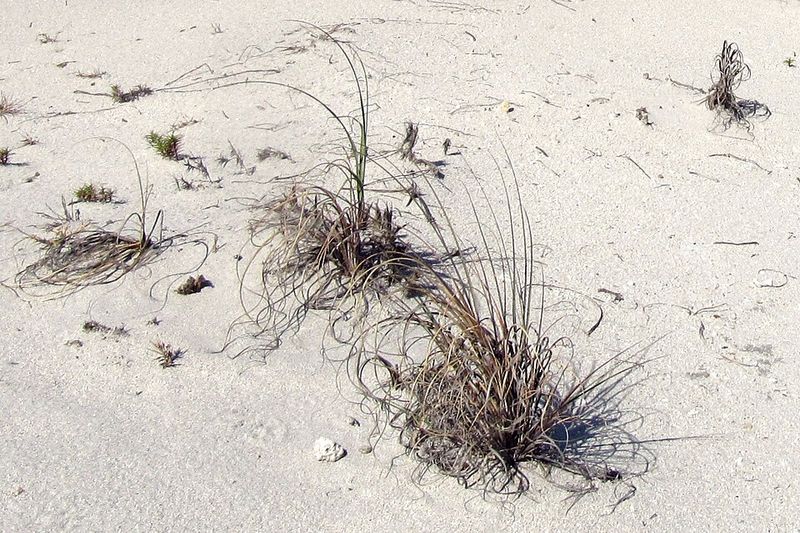
On Florida’s coast, sea oats do serious work while looking effortlessly graceful. Their arching stems and dangling seed heads catch every breeze, giving beaches and coastal gardens a soft, natural motion.
They are native, well adapted, and especially valuable where sandy soil and salty wind challenge less suitable plants.
Sea oats are best known for helping stabilize dunes, which makes them more than just decorative. In the right setting, they protect fragile coastal landscapes while adding texture and a true sense of place.
Gardeners near the shore appreciate how well they handle tough conditions without demanding extra fuss.
These grasses fit beautifully into naturalistic plantings and beachside designs that respect Florida’s coastal character. They prefer full sun and excellent drainage, so heavy, wet sites are not their favorite.
If you want a plant that looks elegant, supports the environment, and belongs in the landscape, sea oats are a smart coastal staple.
10. Saw Palmetto (Serenoa repens)
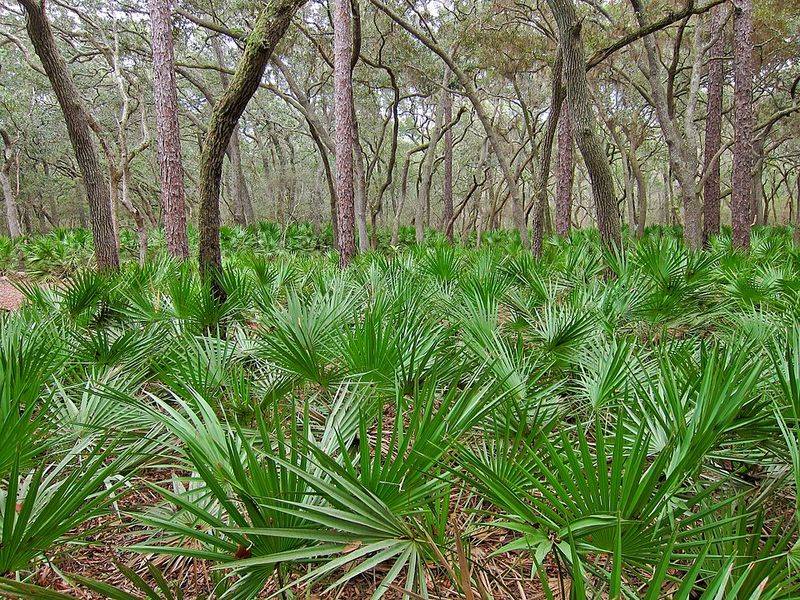
Rugged charm is the whole personality of saw palmetto. This native palm spreads in a low, sturdy form, with fan-shaped fronds that instantly give a landscape a distinctly Florida feel.
It thrives in sandy soil, shrugs off heat, and keeps going with very little intervention once established.
That toughness makes it ideal for native gardens, large naturalistic plantings, and low-maintenance yards where durability matters. It can handle dry conditions and poor soil better than many more polished-looking choices.
In other words, it is not trying to be delicate, and that is exactly why it works so well.
Saw palmetto also supports wildlife and belongs naturally in many Florida ecosystems, which adds ecological value to its practical appeal. Give it sun and room, because it likes to spread over time.
If you want a plant that looks grounded, handles hard conditions, and almost never asks for special favors, this palm is dependable.
11. Coreopsis (Tickseed)
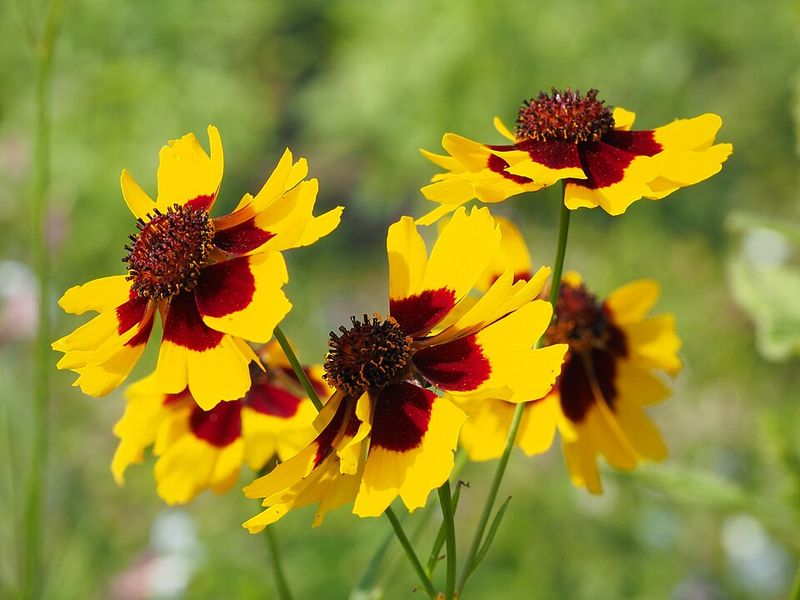
Cheerful is the first word that comes to mind when coreopsis starts blooming. Florida’s state wildflower covers itself in bright yellow flowers that instantly lighten a bed, border, or meadow-style planting.
In a hot, sunny garden, it looks right at home and never seems bothered by the weather.
Coreopsis is easy to grow, especially in well-drained soil with plenty of sun. It attracts pollinators, adds a casual natural look, and can bloom generously without demanding constant attention.
That combination makes it a favorite for gardeners who like color but do not want a high-maintenance routine attached.
It works beautifully in native gardens, roadside-inspired plantings, and mixed flower beds that need a sunny boost. Deadheading can help extend the display, though it often performs well with minimal effort.
If you want a flower that feels joyful, distinctly Floridian, and refreshingly uncomplicated, coreopsis is an easy yes for almost any bright spot.
12. Southeastern Sunflower (Helianthus agrestis)
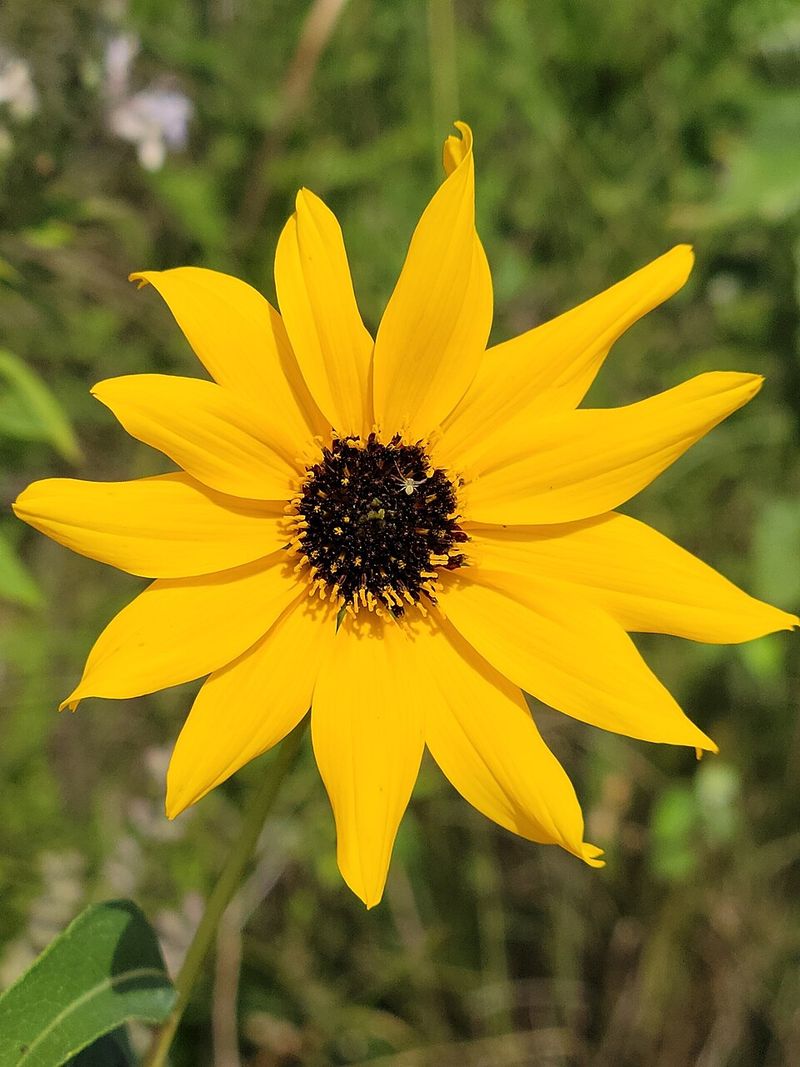
Last but absolutely not shy, southeastern sunflower brings sunshine in flower form. This native Florida wildflower produces bright yellow blooms that stand tall and lively, instantly drawing bees, butterflies, and admiring glances.
In sunny gardens, it delivers that loose, happy energy that makes a space feel full of life.
It naturally occurs in Florida marshes and flatwoods, so warmth and bright light are exactly its style. Gardeners who want to support pollinators will appreciate how useful and attractive it is through the growing season.
It is also easy to grow in the right conditions, which means beauty without a pile of extra work.
Southeastern sunflower fits especially well in native beds, meadow plantings, and informal borders with room to stretch. Good sun and reasonably moist, well-drained soil help it perform at its best.
If you want a bold Florida native that feeds pollinators and keeps the garden looking upbeat, this one finishes strong.
Share this story