Old Hollywood had a glamorous surface that the studios worked hard to maintain. Behind the bright lights and polished publicity, many of its biggest stars lived very different lives from what fans imagined.
Some kept secrets out of necessity, others out of fear, and a few simply had stories too complicated for a studio press release. Here are 15 classic stars whose real lives were far more layered than their silver-screen images suggested.
1. Errol Flynn
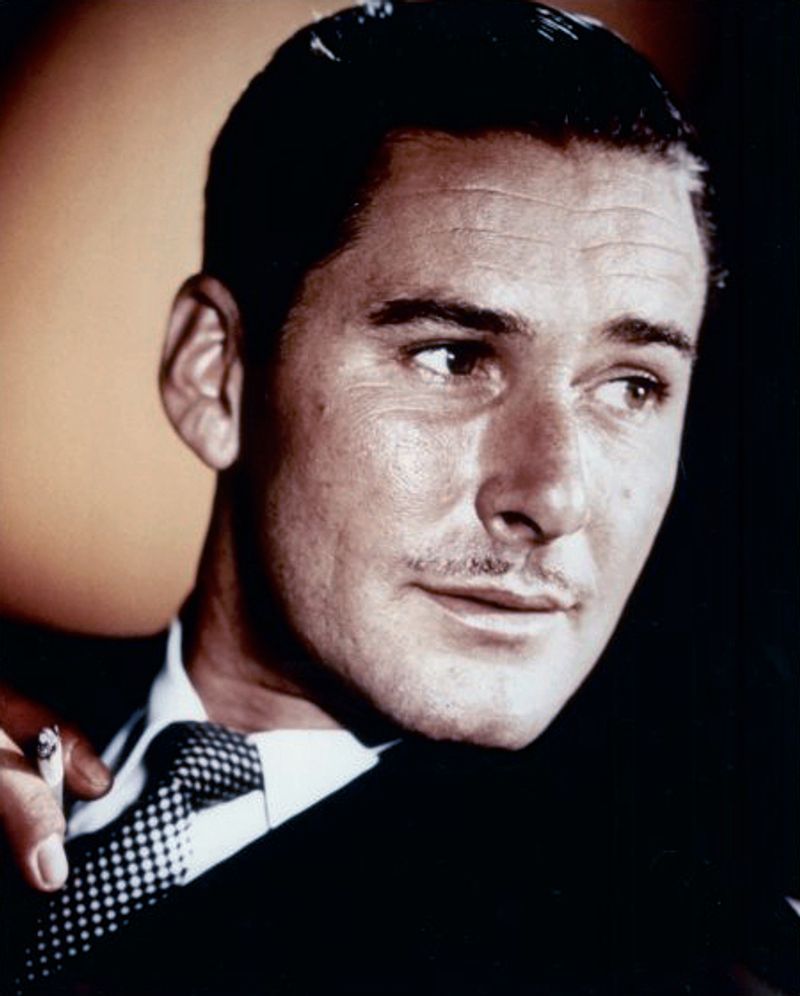
Errol Flynn was Hollywood’s ultimate swashbuckler, leaping across movie screens with a grin that made audiences forget their troubles. But off-screen, his life was a tangle of legal battles, political controversy, and personal chaos.
Few people know that Flynn was actually Australian-Irish, not the all-American hero studios sold him as.
During World War II, he faced serious accusations that haunted his reputation for years. His 1942 trial on charges involving underage girls was one of the most sensational courtroom dramas of the era.
He was acquitted, but the scandal followed him.
Flynn also reportedly had ties to both Nazi and Allied intelligence services, a claim explored in biographies long after his death. He died in 1959 at just 50 years old, his body worn out far beyond his years.
His autobiography, published after his death, was startlingly candid about his wild, complicated life.
2. Roscoe Arbuckle
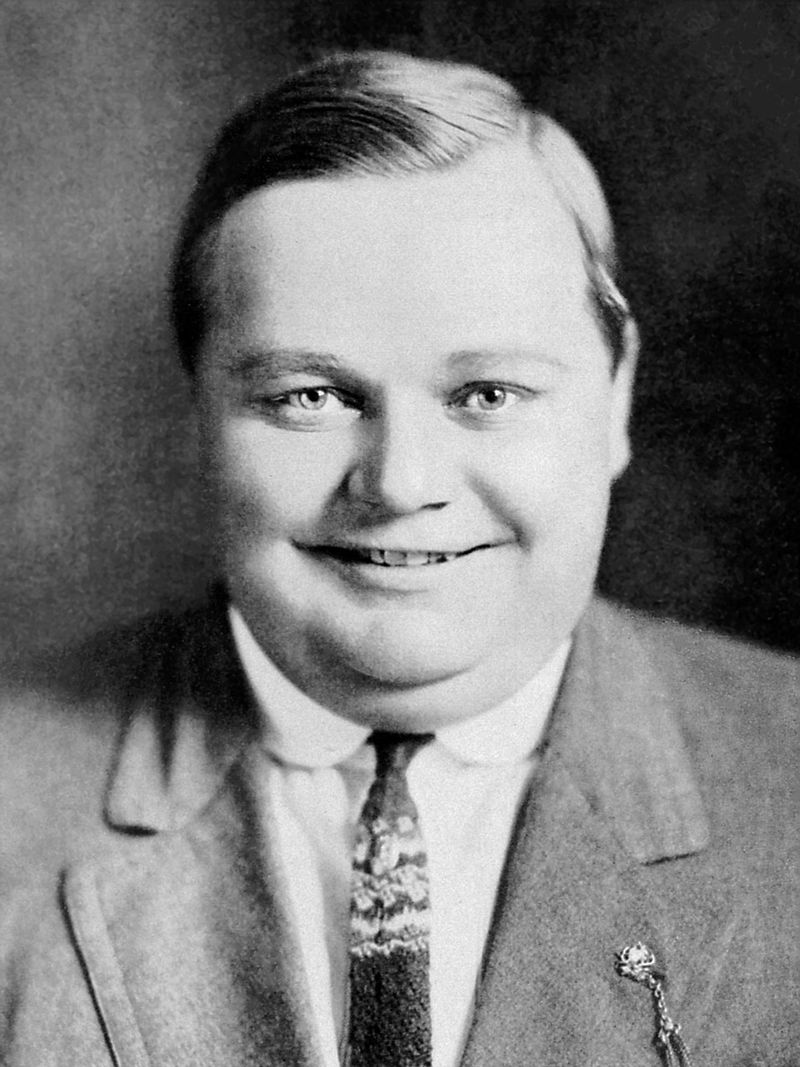
Roscoe Arbuckle was one of silent cinema’s biggest stars, a physically gifted comedian who could move with surprising grace despite his large frame. By 1921, he was earning a million dollars a year, which was an almost unimaginable sum at the time.
Then a Labor Day party in San Francisco changed everything forever.
A young actress named Virginia Rappe became ill at the gathering and died days later. Arbuckle was charged with manslaughter, and the resulting media frenzy was brutal.
William Randolph Hearst’s newspapers portrayed him as a monster before any verdict was reached.
After three trials, Arbuckle was acquitted, with the jury even issuing a written apology for his ordeal. But his career never recovered.
He quietly returned to directing under a pseudonym and only began acting again shortly before dying of a heart attack in 1933. His story remains one of Hollywood’s most sobering cautionary tales.
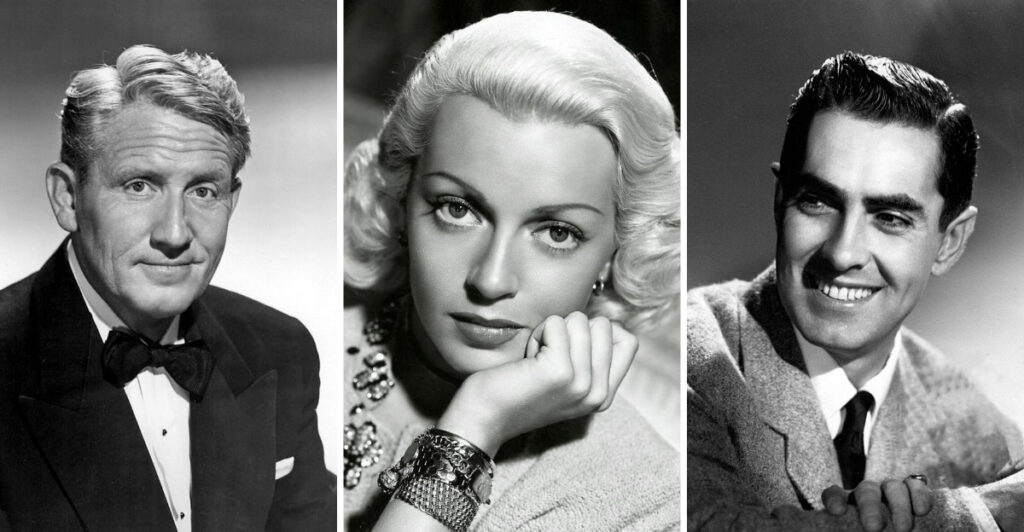
3. Lana Turner
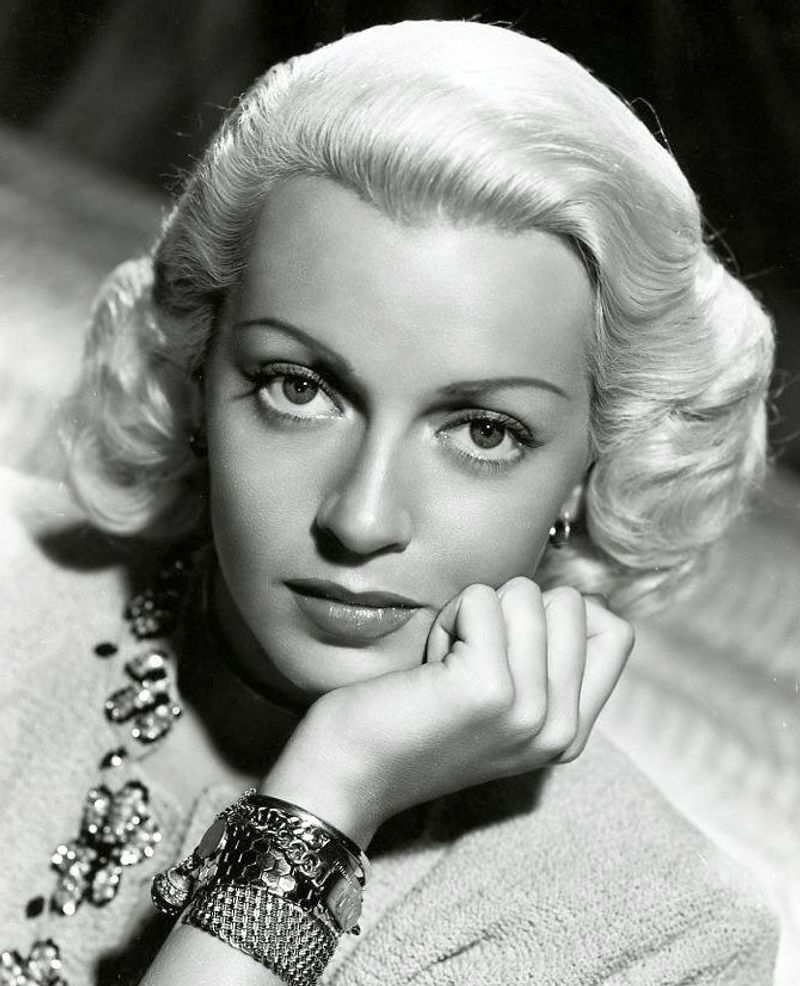
Lana Turner was the definition of Hollywood glamour, a luminous blonde whose beauty made her one of MGM’s most bankable stars through the 1940s and 1950s. But her personal life was anything but picture-perfect.
She was married eight times to seven different men, a record that even tabloids struggled to keep track of.
The most shocking chapter came in April 1958, when her 14-year-old daughter, Cheryl Crane, stabbed and killed Turner’s abusive boyfriend, Johnny Stompanato, in their home. Stompanato had ties to organized crime and had reportedly threatened Turner’s life.
The killing was ruled justifiable homicide.
What followed was one of the most dramatic real-life Hollywood stories of the decade. Turner’s composed courtroom appearance actually boosted her box office appeal, and her film Imitation of Life became a massive hit just months later.
Her resilience was as real as her star power.
4. Charlie Chaplin
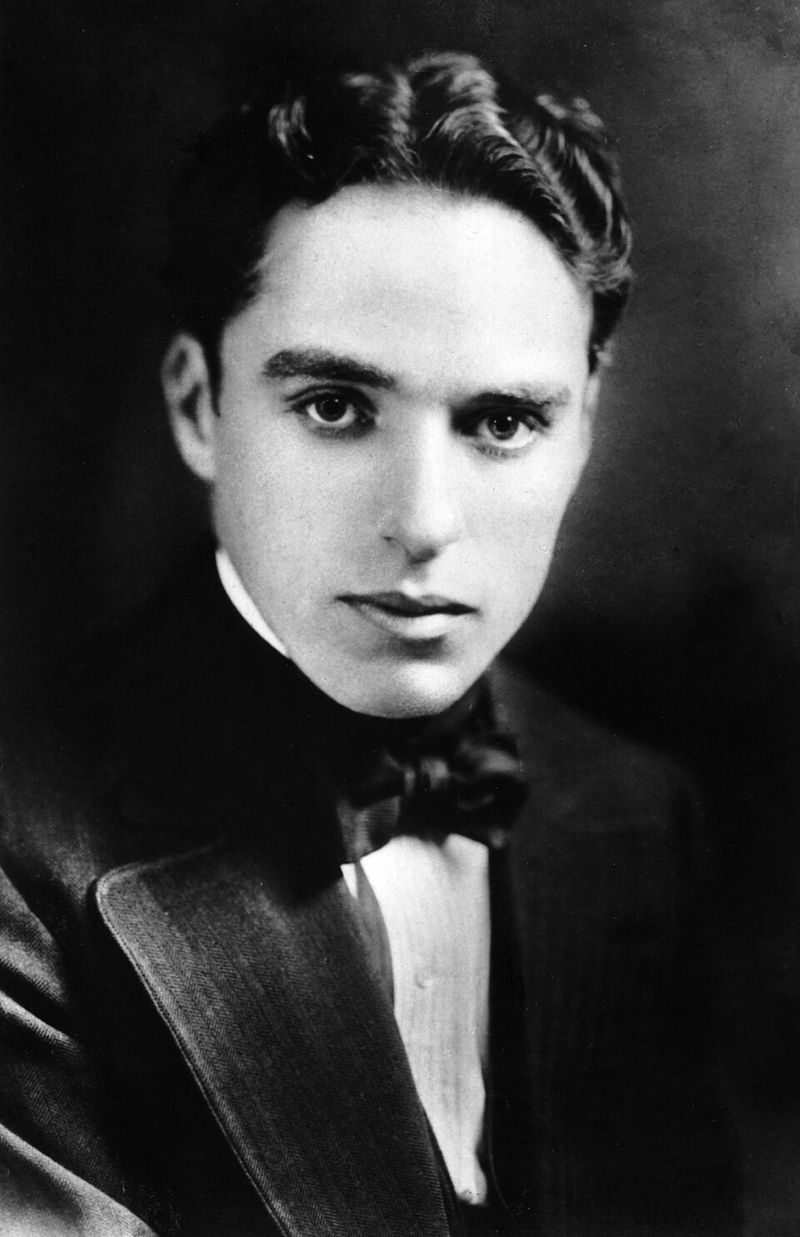
Charlie Chaplin created one of cinema’s most beloved characters, the Little Tramp, a figure of warmth, humor, and quiet dignity. Behind that iconic image was a man whose private life and political views made him one of the most controversial figures of his era.
Many fans never knew how turbulent his personal world truly was.
Chaplin had a troubling pattern with very young women. He married his first wife when she was just 16, and his relationship history drew serious scrutiny from both the public and the FBI.
J. Edgar Hoover considered him a communist sympathizer and monitored him for decades.
In 1952, while traveling abroad, Chaplin’s re-entry permit to the United States was revoked. He chose to settle in Switzerland rather than fight the decision.
He did not return to America until 1972, when he was honored with a lifetime achievement Oscar, receiving a standing ovation that lasted over five minutes.
5. Joan Crawford
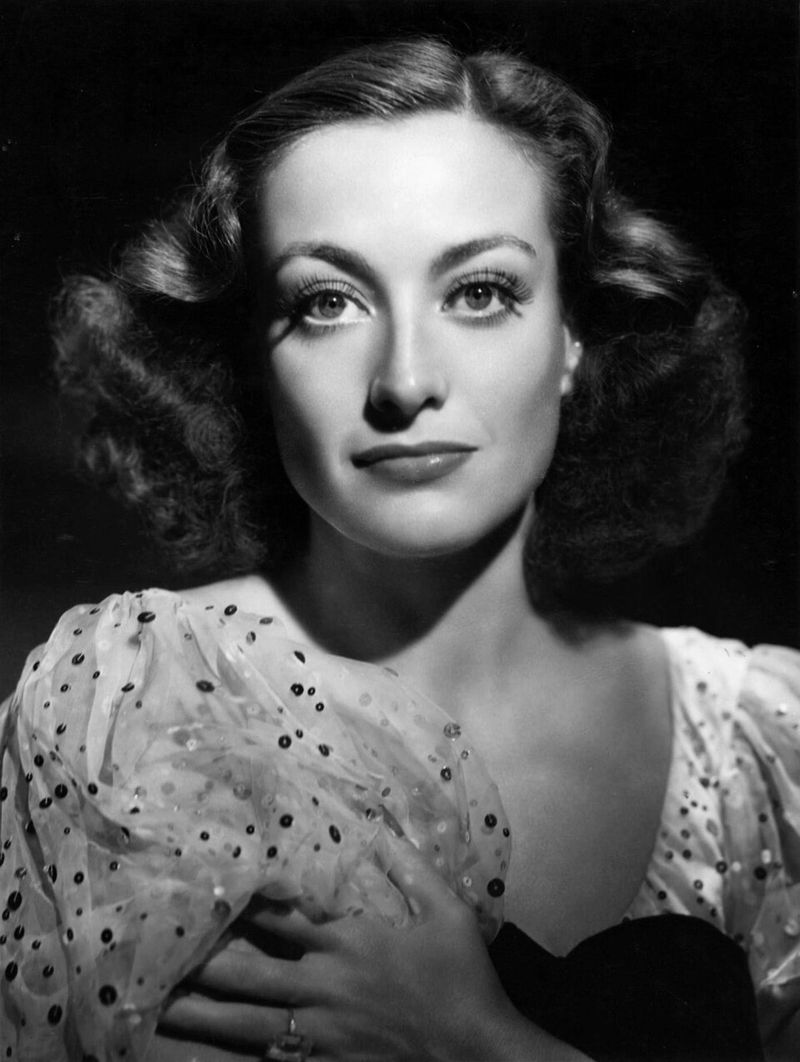
Joan Crawford built her career on sheer willpower, transforming herself from a poor Texas girl into one of Hollywood’s most commanding presences. She won an Academy Award for Mildred Pierce in 1945 and seemed untouchable as a star.
But the image she cultivated hid a complicated and often painful domestic life.
Her adopted daughter, Christina Crawford, published Mommie Dearest in 1978, two years after Joan’s death. The memoir described a childhood marked by emotional cruelty, physical punishment, and erratic behavior.
Joan’s defenders argued Christina’s account was exaggerated, while others found it entirely credible.
Beyond the parenting controversy, Crawford was also known for her fierce rivalries, most famously with Bette Davis, and her obsessive need for control in every aspect of her life. She reportedly cleaned her house at odd hours and held exacting standards that exhausted those around her.
Her complexity made her both fascinating and difficult to fully understand.
6. Spencer Tracy
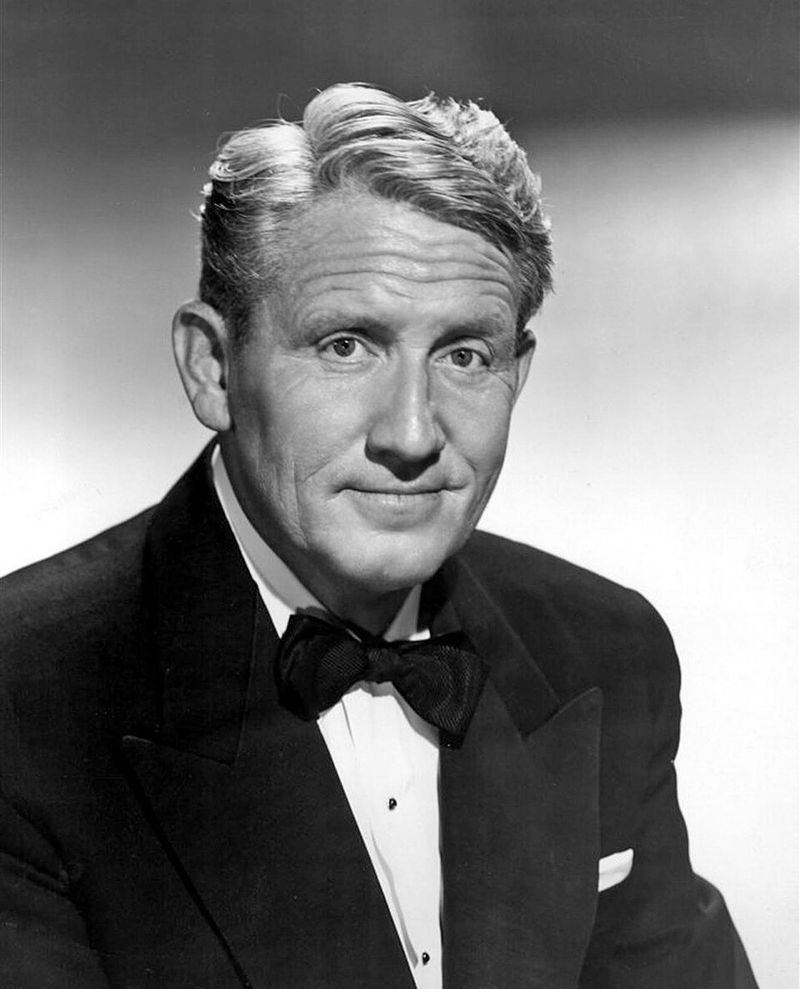
Spencer Tracy is widely regarded as one of the greatest screen actors who ever lived, winning back-to-back Academy Awards in 1937 and 1938. His naturalistic style made acting look effortless.
Off-screen, however, he carried burdens that few outside his inner circle fully understood during his lifetime.
Tracy was a devout Catholic who struggled deeply with alcoholism throughout his career. Studios spent enormous energy hiding his drinking binges from the public, sometimes shutting down productions when he went on extended benders.
His faith made divorce feel impossible, so he remained legally married to his wife Louise while maintaining a 26-year relationship with Katharine Hepburn.
The Tracy-Hepburn romance became one of Hollywood’s worst-kept secrets, though neither ever publicly confirmed it while Tracy was alive. He died just 17 days after finishing Guess Who’s Coming to Dinner in 1967.
Hepburn reportedly did not attend his funeral to avoid causing pain to his family.
7. Rock Hudson
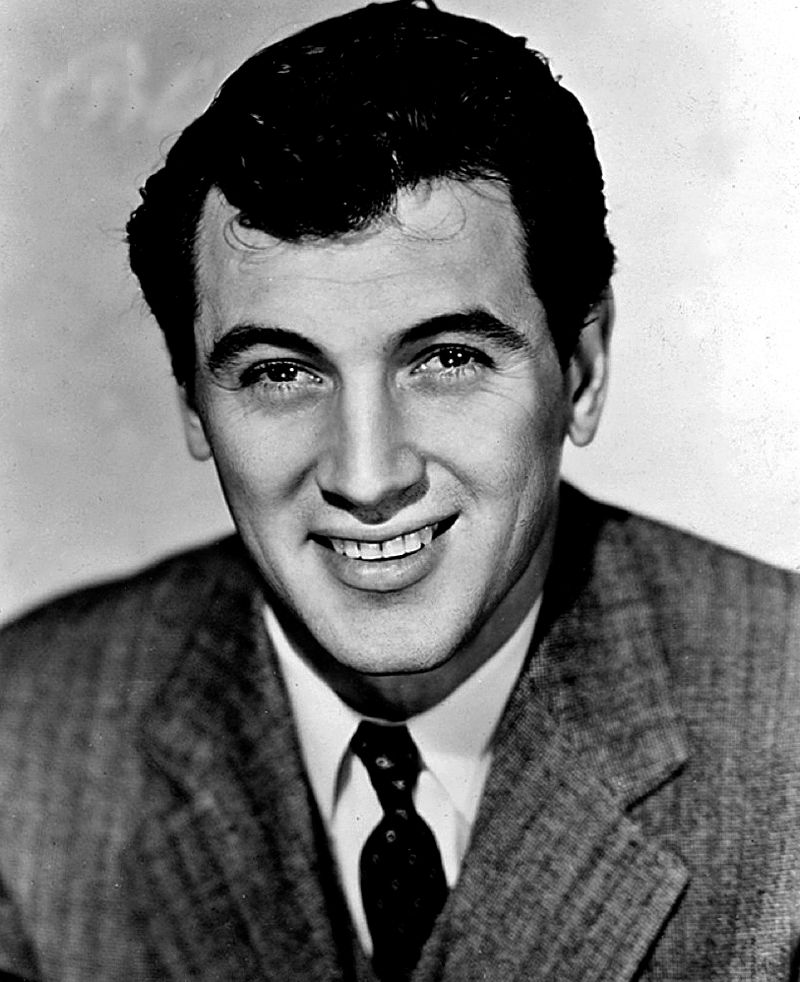
Rock Hudson was Hollywood’s ideal leading man through the 1950s and early 1960s, tall and square-jawed with an easy charm that made him irresistible to audiences. His studio, Universal, carefully crafted an all-American image around him.
What they worked hardest to hide was that Hudson was gay, a fact that would have ended his career instantly in that era.
Universal arranged a publicity marriage to his agent’s secretary in 1955, which lasted just three years. Hudson quietly maintained relationships with men throughout his career while publicly playing the role of Hollywood’s most eligible bachelor.
The deception was exhausting and isolating.
In 1985, Hudson became the first major celebrity to publicly announce he had AIDS, a revelation that transformed public understanding of the disease almost overnight. His courage in those final months helped shift attitudes and increase research funding significantly.
He died in October 1985, leaving behind a legacy far more important than any film role.
8. Bing Crosby
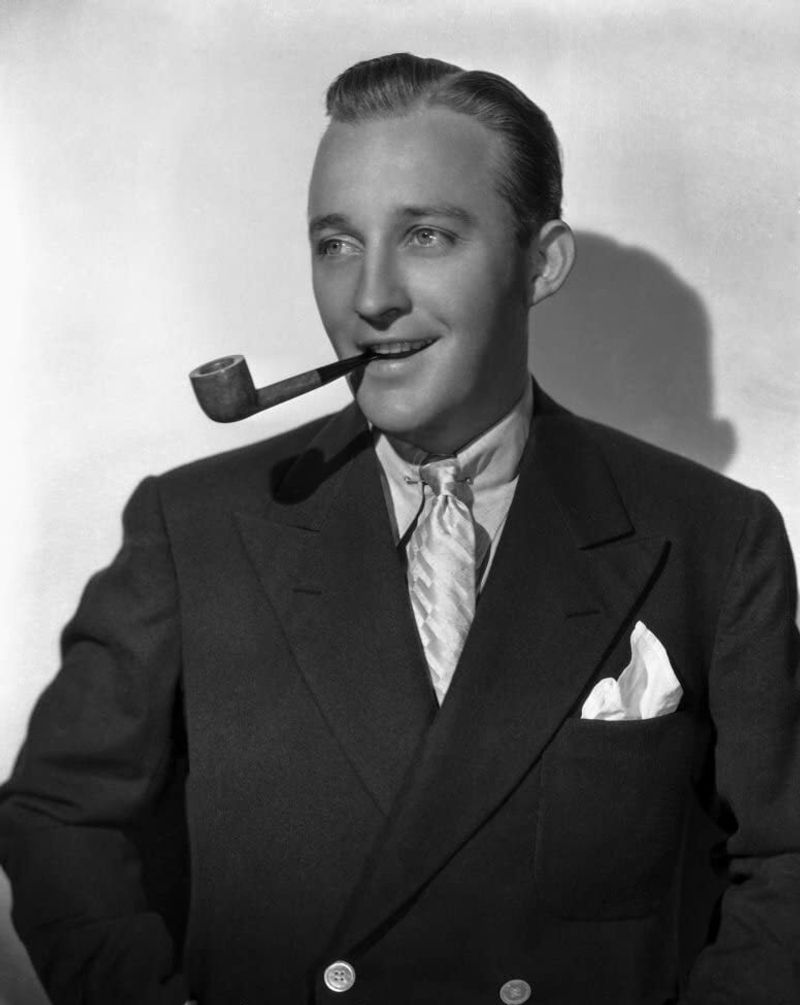
Bing Crosby was the biggest entertainment star in America for much of the 1930s and 1940s, topping charts, filling cinemas, and projecting a cozy, pipe-smoking image that felt like a warm hug. His recorded version of White Christmas remains the best-selling physical single of all time.
The gap between his public warmth and his private behavior, however, was considerable.
His four sons from his first marriage to Dixie Lee later spoke openly about physical discipline that crossed into abuse. Gary Crosby wrote a memoir in 1983 describing a cold and controlling father who used a belt freely and showed little genuine affection.
Bing’s second family reportedly had a very different experience.
Crosby also reportedly struggled with alcohol and maintained strict emotional distance from those closest to him. The cheerful crooner who sang about sleigh bells and moonlight was, by many accounts, a far harder man to love in real life than his songs suggested.
9. Judy Garland
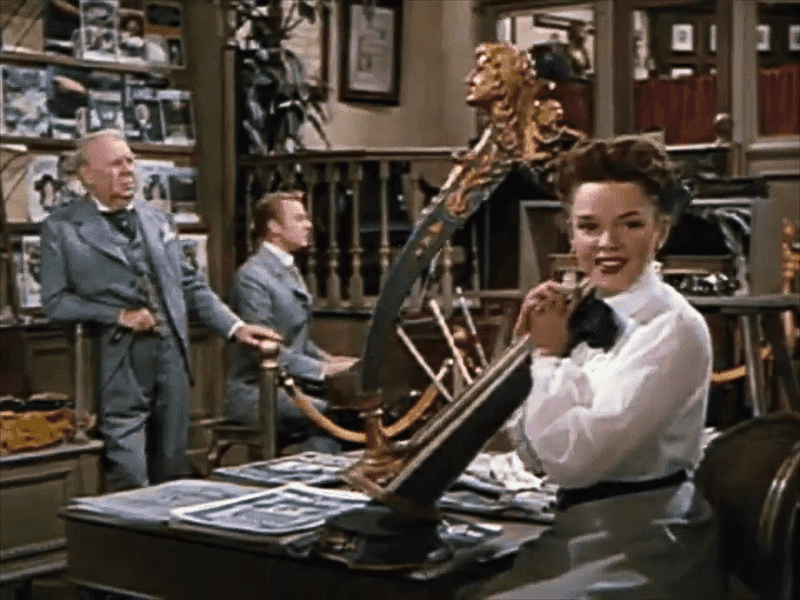
Judy Garland had one of the most heartbreaking trajectories in all of entertainment history. She captivated the world as Dorothy in The Wizard of Oz in 1939, but very few people at the time knew what MGM was putting her through behind the scenes.
She was just 16 when filming began, and the studio’s treatment of her was genuinely harmful.
Studio executives reportedly called her fat and put her on strict diets while simultaneously giving her amphetamines to keep her energy up during long shooting days. Sleeping pills followed to help her come down at night.
This cycle of stimulants and sedatives contributed to the addiction struggles that plagued her entire adult life.
Despite five marriages, financial ruin, and multiple hospitalizations, Garland’s talent never dimmed. Her 1961 Carnegie Hall concert is still considered one of the greatest live performances ever recorded.
She died of an accidental barbiturate overdose in London in 1969 at just 47 years old.
10. Gloria Grahame
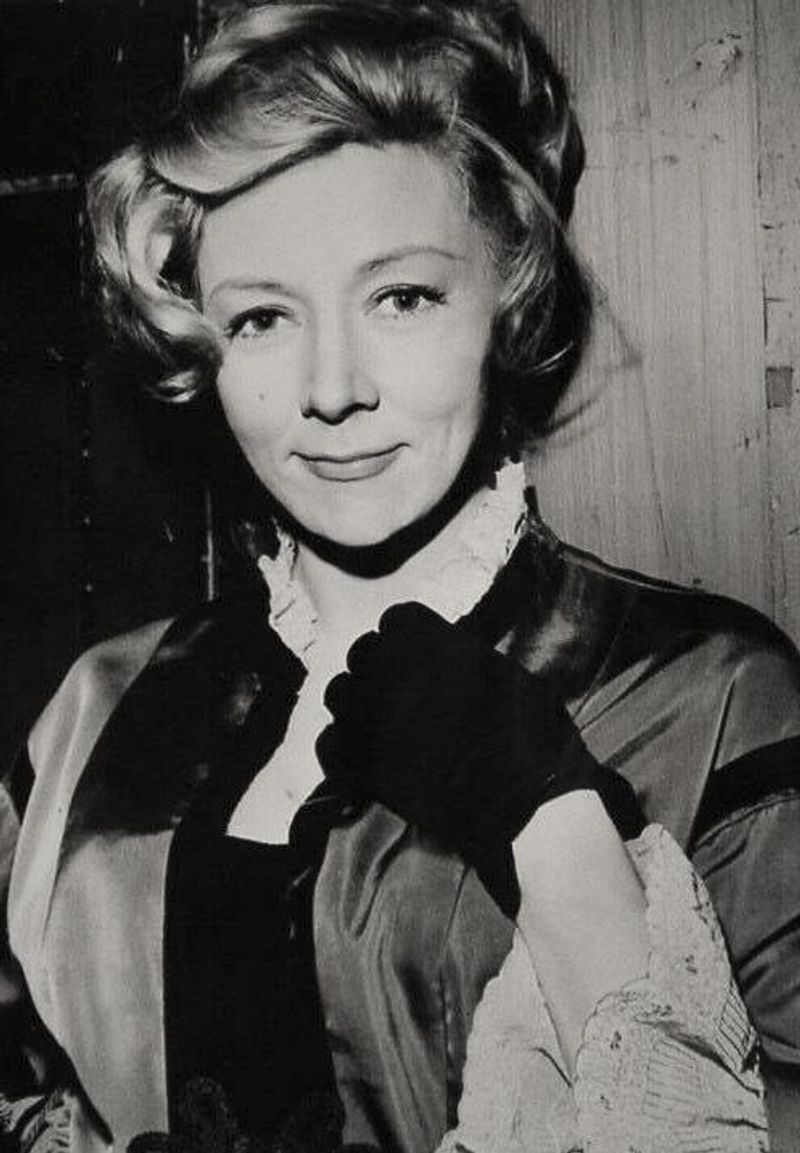
Gloria Grahame was one of film noir’s most magnetic presences, a performer whose slightly off-center beauty and unpredictable energy made her unforgettable in films like In a Lonely Place and The Big Heat. She won an Oscar for The Bad and the Beautiful in 1952.
But her personal life contained a secret so unusual it seems almost impossible to believe.
Grahame married director Nicholas Ray in 1948 and had a son with him named Timothy. After their divorce, she later married Timothy’s half-brother, Anthony Ray, in 1960, making her both stepmother and stepmother-in-law within the same family.
The relationship had reportedly begun when Anthony was a teenager living in the household.
This relationship caused enormous scandal when it became public. Grahame largely disappeared from major Hollywood productions after the late 1950s.
She continued working in theater and television until her death from stomach cancer in 1981, remaining a fascinating and complicated figure throughout.
11. William Holden
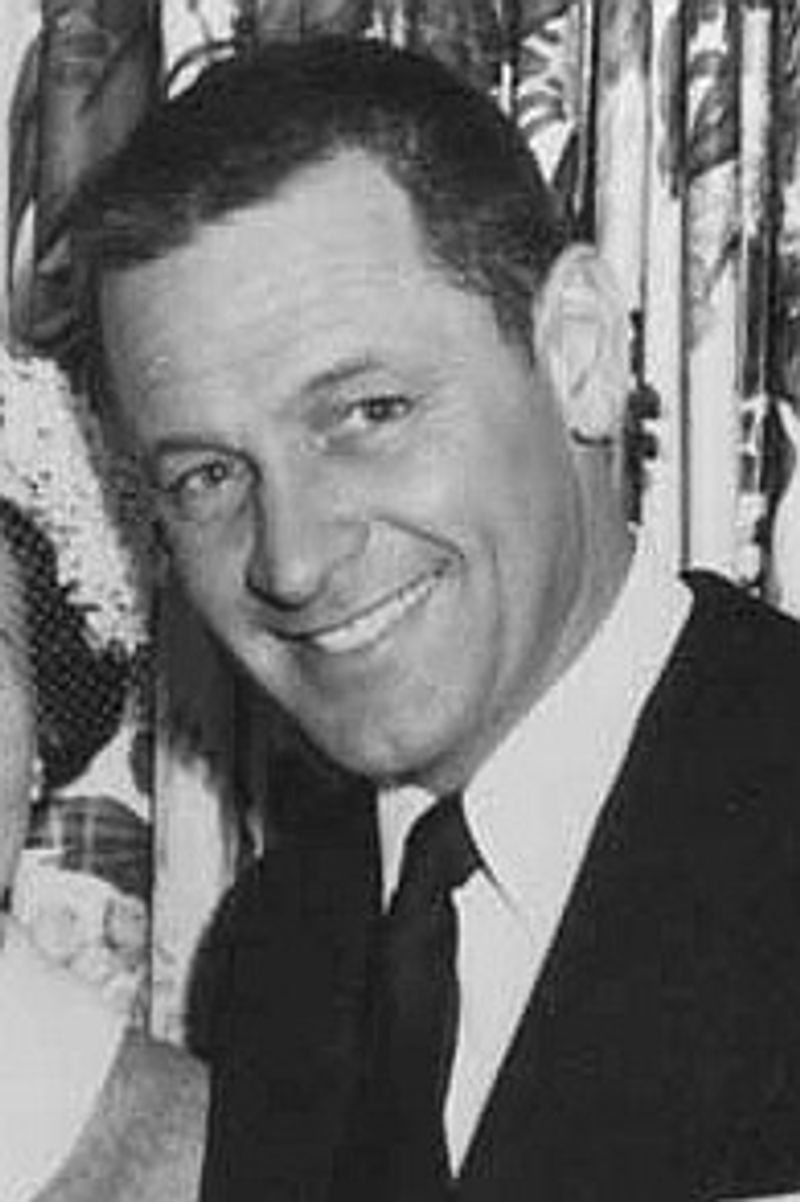
William Holden projected a rugged, believable masculinity that made him one of Hollywood’s most respected leading men. His work in Sunset Boulevard, Stalag 17, and Network earned him enormous critical admiration.
He won the Best Actor Oscar for Stalag 17 in 1954 and remained a major star for three decades.
What audiences did not know was that Holden carried profound guilt over a 1966 car accident in Italy where his vehicle struck and killed a young Italian motorist. He reportedly dealt with the aftermath by drinking more heavily than ever.
His alcoholism was an open secret in the industry but carefully managed in public.
Holden also had a passionate and long-running relationship with actress Audrey Hepburn, which ended when she reportedly wanted children and he had already had a vasectomy. He died alone in his Santa Monica apartment in 1981 after a fall while intoxicated, and his body was not discovered for several days.
12. Lupe Velez
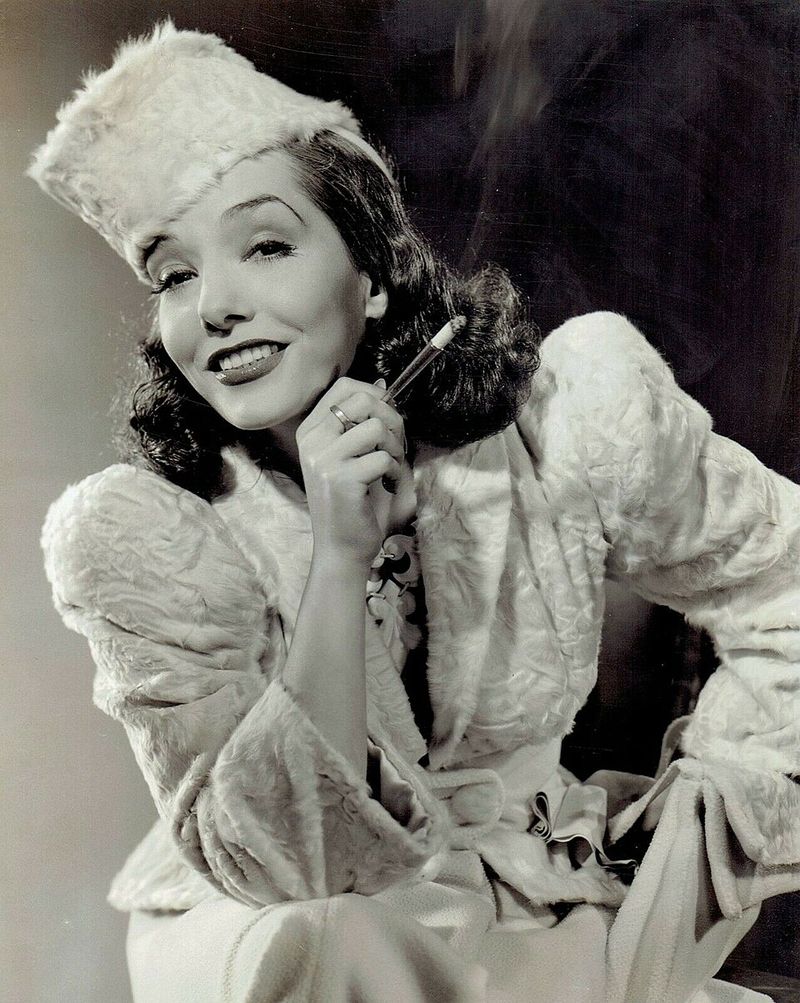
Lupe Velez was a force of nature on screen and off, a Mexican actress whose energy and comedic talent made her a genuine Hollywood star in the late 1920s and 1930s. She starred in the Mexican Spitfire film series and earned a devoted fan base.
Her personality was as vivid as any character she ever played.
Her love life attracted constant tabloid attention, including a famously stormy relationship with actor Gary Cooper and a marriage to Tarzan star Johnny Weissmuller that ended in bitter divorce. She was known for passionate outbursts and a refusal to follow Hollywood’s rules for how foreign-born actresses were supposed to behave.
Velez died by suicide in December 1944 at age 36, pregnant and facing the end of her relationship with the child’s father. A sensationalized and inaccurate account of her death circulated for decades.
In reality, she died peacefully in her bed, and the truth deserves to replace the cruel myths that followed her name.
13. Montgomery Clift
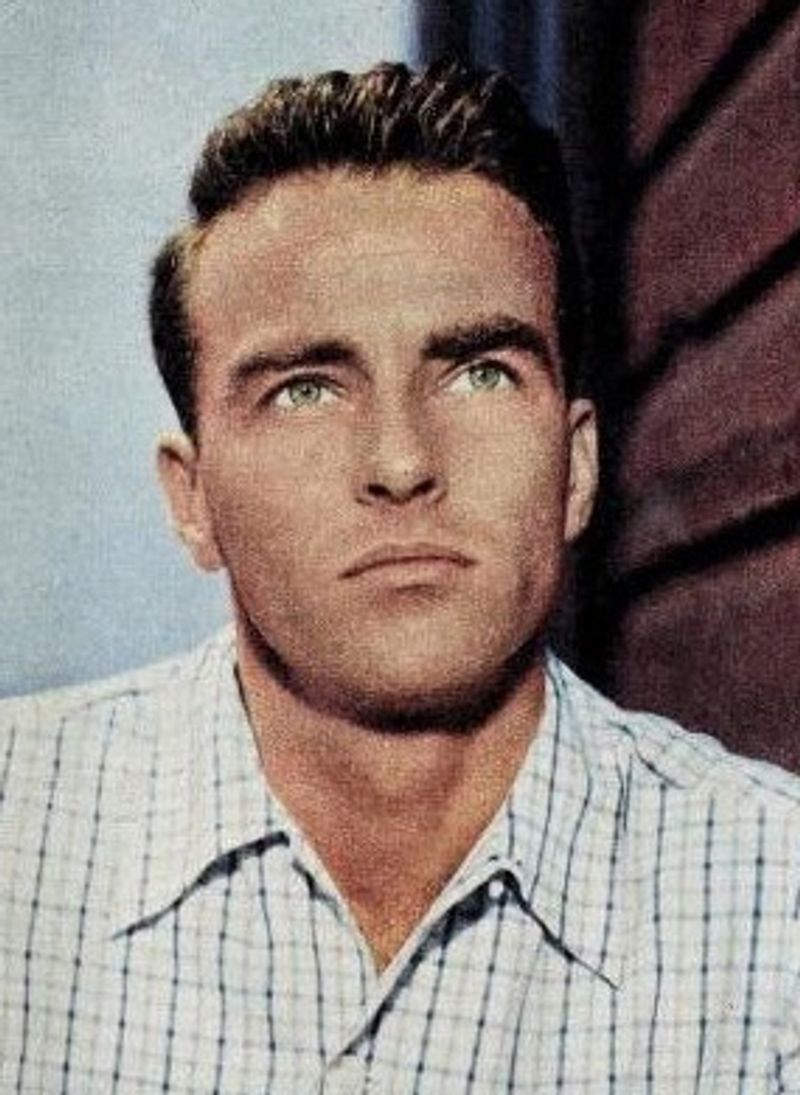
Montgomery Clift was considered one of the most naturally gifted actors of his generation, influencing a whole wave of performers who came after him. His work in A Place in the Sun, From Here to Eternity, and The Misfits showed a raw emotional depth that felt unlike anything Hollywood had seen before.
He earned four Academy Award nominations without ever winning.
A near-fatal car accident in 1956, while leaving a party at Elizabeth Taylor’s home, shattered his face and changed him permanently. Taylor reportedly held his airway open to keep him from choking until help arrived.
Reconstructive surgery altered his appearance, and he never quite recovered physically or emotionally.
Clift was gay at a time when that fact alone could destroy a career, and he lived under enormous personal pressure as a result. He self-medicated with alcohol and prescription drugs for years.
He died of a heart attack in 1966 at just 45, leaving behind a legacy that only grew larger after his death.
14. Clark Gable
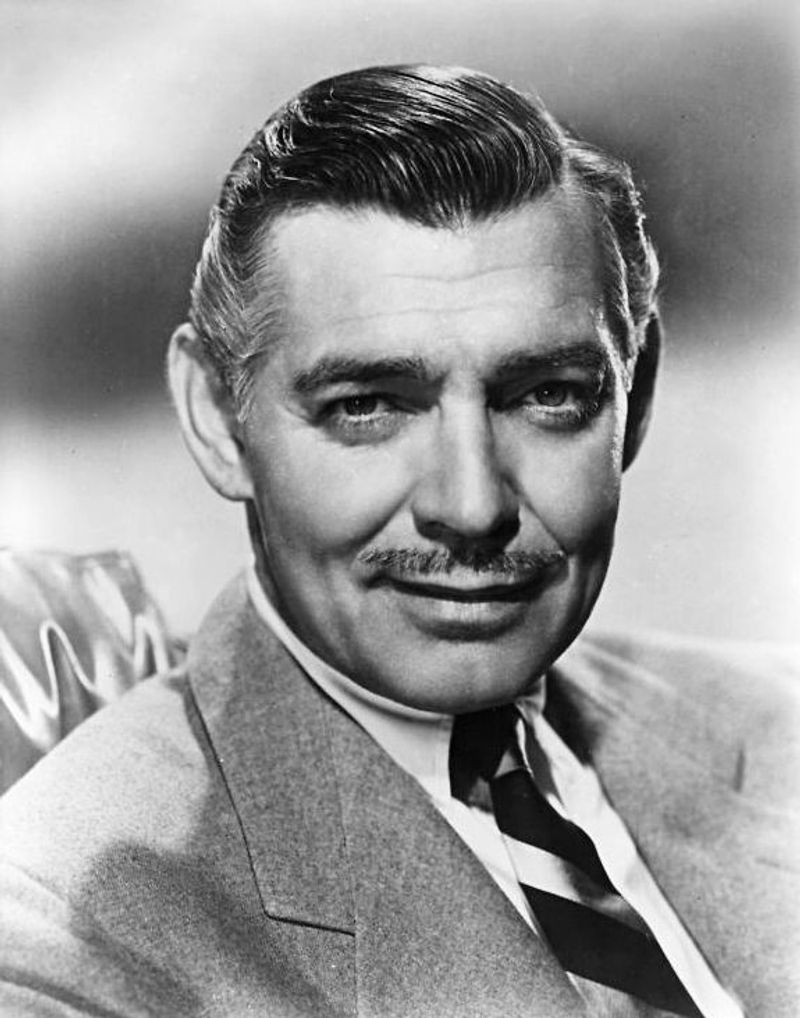
Clark Gable was called the King of Hollywood for good reason. His charisma was undeniable, his career spanned four decades, and his role as Rhett Butler in Gone with the Wind remains one of cinema’s defining performances.
But behind the confident exterior was a man shaped by secrets and sorrow that he rarely let anyone see.
One of the most striking revelations to emerge later was that actress Loretta Young gave birth to a daughter, Judy, in 1935 and passed her off as an adopted child. The father was widely believed to be Gable, though neither confirmed it publicly during their lifetimes.
Young reportedly had the child’s ears pinned back surgically because they resembled Gable’s too closely.
Gable also struggled deeply with the death of his beloved wife Carole Lombard, who died in a 1942 plane crash while on a war bond tour. He enlisted in the Army Air Forces shortly afterward, flying bombing missions over Germany as if searching for something he could never quite name.
15. Tyrone Power
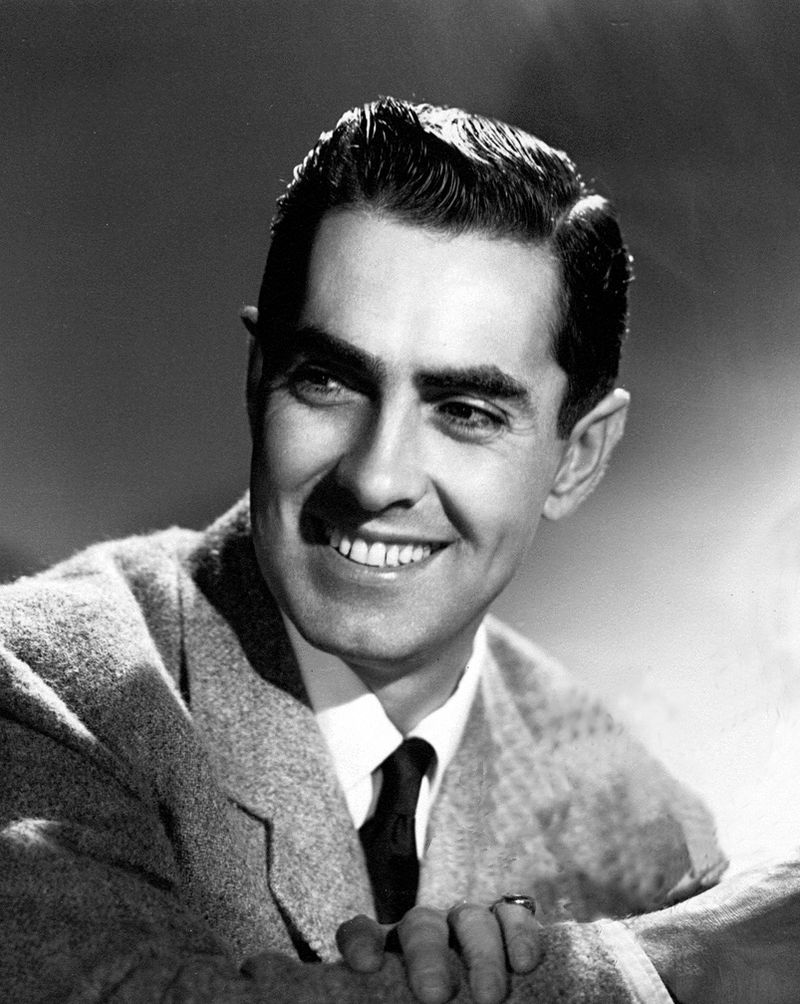
Tyrone Power was considered one of the most beautiful men ever to appear on a movie screen, a fact that both helped and complicated his career. Fox Studios built him into a massive star through the late 1930s and 1940s, casting him in everything from swashbucklers to dramatic films.
His looks were so extraordinary that some critics initially dismissed his actual talent.
What the public did not know was that Power was bisexual, a secret he carefully guarded in an era when such a revelation would have been career-ending. He had serious relationships with men alongside his marriages, and several biographies written after his death explored this aspect of his life in detail.
Power served as a Marine Corps pilot during World War II, flying transport missions in combat zones, which earned him genuine respect beyond his movie star status. He died of a heart attack in 1958 at just 44 years old while filming a sword-fighting scene in Spain, collapsing mid-duel on set.
Share this story