Most people think the American auto industry started with Henry Ford, but the real story begins a few years earlier with a man named Ransom E. Olds and a scrappy little city in Michigan.
Long before assembly lines became famous, Olds was already figuring out how to build cars for the masses. His legacy is preserved in a museum that feels almost too good to be tucked away in downtown Lansing.
Inside, you will find steam-powered carriages, iconic Oldsmobiles, and a story of American ingenuity that stretches from the 1880s all the way to the early 2000s. The collection is thoughtfully arranged, the staff are genuinely enthusiastic, and the admission price will not make your wallet flinch.
Whether you are a hardcore gearhead or someone who just enjoys a good underdog story, this place has a way of pulling you in and not letting go until you have seen every last exhibit.
Finding the Museum: Address, Location, and What to Expect on Arrival
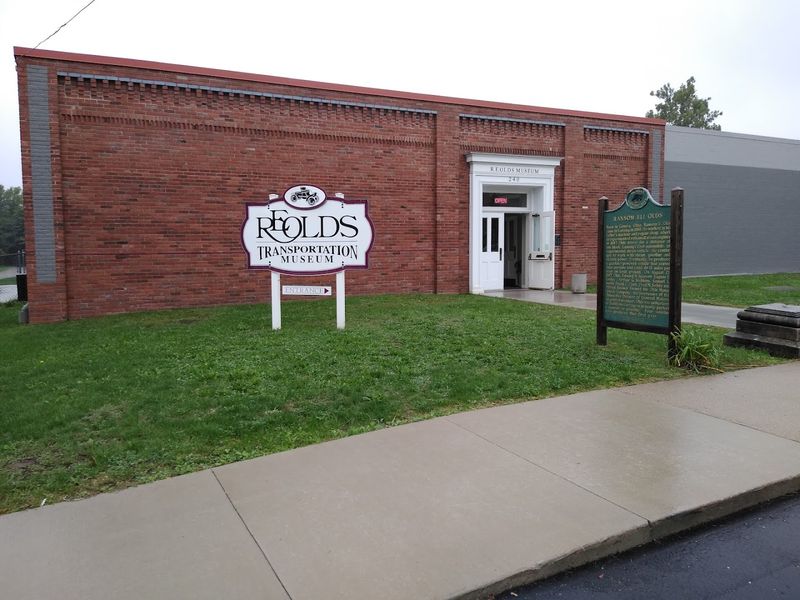
Right in the heart of downtown Lansing, Michigan, the R.E. Olds Transportation Museum sits at 240 Museum Dr, Lansing, MI 48933, just a short walk from the Grand River.
The building looks modest from the outside, almost understated, which makes what is waiting inside feel like a genuine surprise.
Free parking is available on-site, which is a small but appreciated detail when you are planning a day out. The entrance leads you straight into a gift shop stocked with Oldsmobile memorabilia, model cars, and other automotive keepsakes worth browsing before you even grab your ticket.
Admission runs around seven dollars for adults, making it one of the most affordable museum experiences in the region. The museum is open Tuesday through Saturday from 10 AM to 5 PM, and on Sundays from noon to 5 PM.
Monday is the one day it stays closed, so plan accordingly and you will be in for a very rewarding visit.
The Man Behind the Brand: Who Was Ransom E. Olds
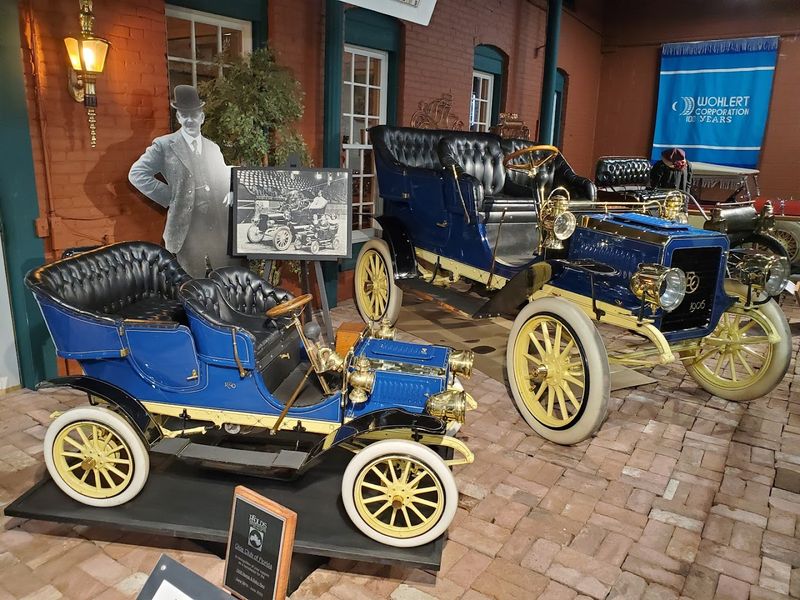
Before Oldsmobile became a household name, there was a young inventor from Geneva, Ohio, who moved to Lansing with big ideas and a talent for engines. Ransom Eli Olds was born in 1864, and by his early twenties he was already experimenting with steam-powered vehicles in his father’s machine shop.
He founded Olds Motor Works in 1897, making it the oldest surviving American automobile brand by the time it was discontinued in 2004. That is 107 years of continuous production, a record no other American auto brand has matched.
What sets Olds apart from other automotive pioneers is how early he understood the value of making cars affordable and buildable at scale. The museum does a wonderful job of tracing his life through photographs, documents, and personal artifacts that show both the businessman and the tinkerer behind the brand.
His story is genuinely compelling, and the exhibits give it the weight it deserves.
The Curved Dash: America’s First Mass-Produced Gasoline Car
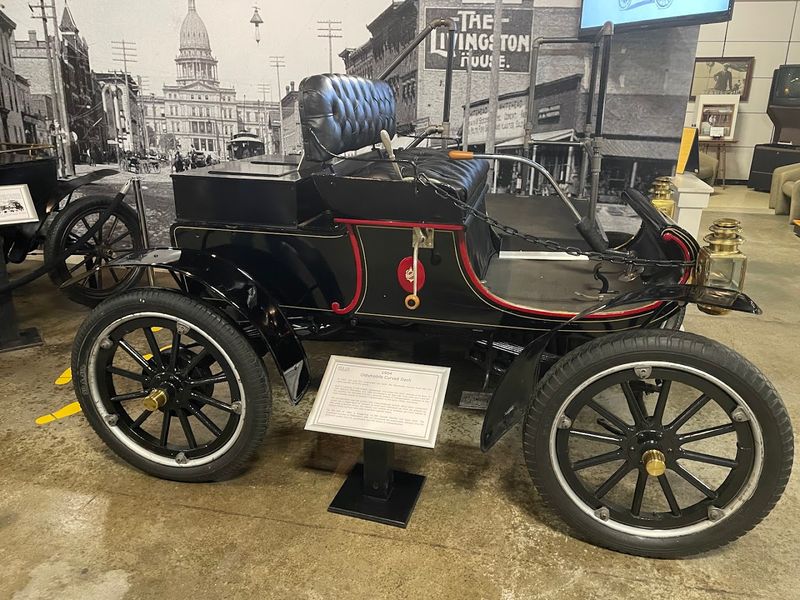
The 1901 Curved Dash Oldsmobile is arguably the most important car in American history, and yet most people have never heard of it. This small, tiller-steered runabout was the first gasoline-powered automobile to be mass-produced in the United States, predating the Ford Model T by seven years.
Olds used a proto-assembly line system to build the Curved Dash, a method that would later inspire Henry Ford’s more famous production techniques. The car sold for around 650 dollars, which was considered an accessible price point at the time, and it became a genuine commercial success.
Seeing an actual Curved Dash up close at the museum is one of those quiet, jaw-dropping moments. It is tiny by modern standards, almost toy-like, yet it represents a seismic shift in how Americans thought about transportation.
The museum’s display includes original documentation and context that helps visitors fully appreciate just how groundbreaking this little vehicle truly was.
Steam Before Gasoline: The Earliest Vehicles in the Collection
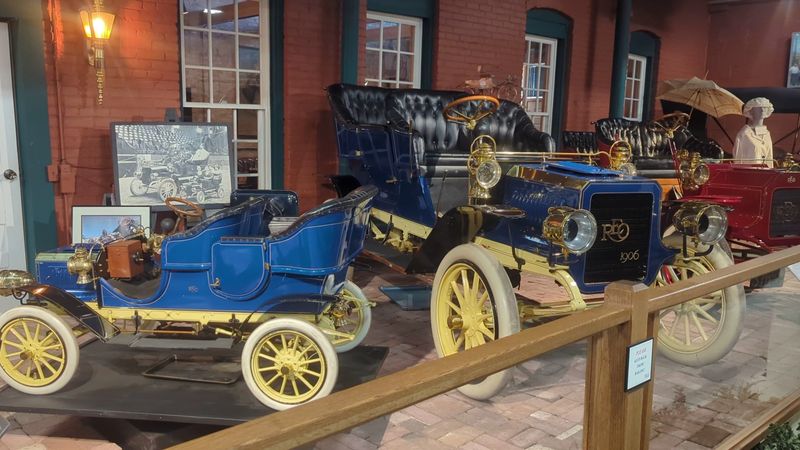
Not many museums can say their oldest vehicle dates back to 1886, but the R.E. Olds Transportation Museum can.
The collection includes early steam-powered vehicles that predate the gasoline era entirely, offering a fascinating window into the experimental chaos of early transportation.
Olds himself began his career building steam engines, and those roots are well represented here. The transition from steam to gasoline power is one of the most interesting technological stories in American history, and the museum walks you through it with real hardware rather than just pictures and text panels.
Standing next to a 19th-century steam carriage and then walking a few feet to see a sleek mid-century Oldsmobile really drives home how fast the industry evolved. The progression feels almost cinematic when laid out in a single room.
These early exhibits set the tone for the entire museum experience, grounding everything that follows in a sense of genuine historical weight and mechanical wonder.
Oldsmobile Through the Decades: A Century of Design on the Floor
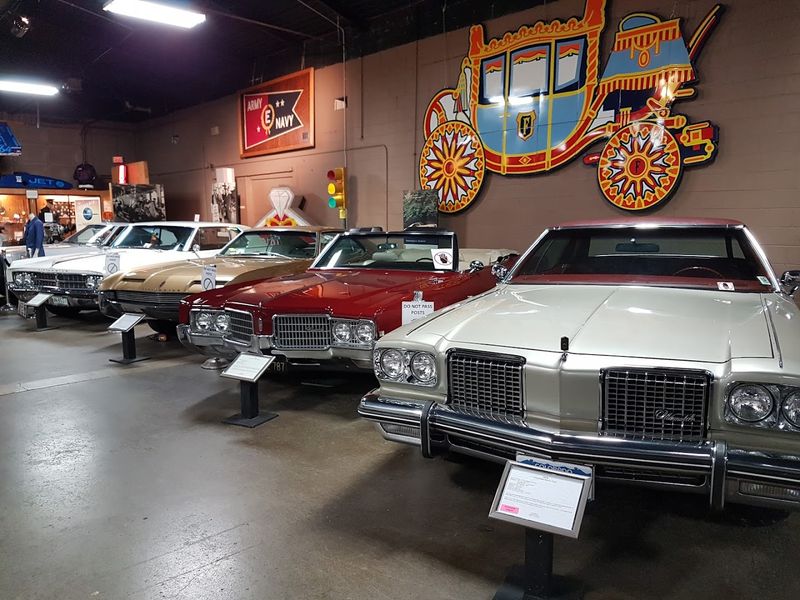
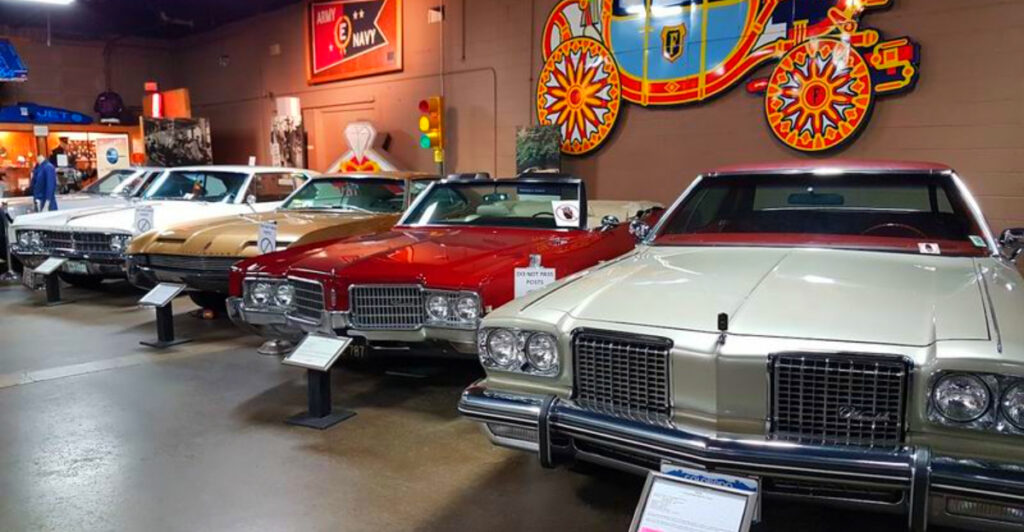
One of the most visually striking aspects of a visit here is the sheer range of vehicles on the museum floor. From boxy early-century models to the swooping chrome-heavy designs of the 1950s and the muscle car era of the late 1960s and 70s, the collection reads like a design history of the 20th century.
The 1970s Cutlass Supreme models get particular attention from visitors, and it is easy to see why. Those cars represented a sweet spot in American automotive design, bold without being excessive, powerful without being impractical.
Later models from the 1990s and early 2000s are also present, representing the final years of the brand before General Motors discontinued Oldsmobile in 2004. Seeing the last-generation vehicles alongside the first ones creates a surprisingly emotional experience.
The full arc of a brand that lasted over a century, all visible in a single afternoon, is something you simply cannot replicate by scrolling through photos online.
The Hydra-Matic Transmission: A Game-Changer Hidden in Plain Sight
Most drivers today take automatic transmissions for granted, but that convenience has a specific origin story, and it begins with Oldsmobile. In 1940, the brand introduced the Hydra-Matic, the first fully automatic transmission offered as a standard production option on an American car.
Before the Hydra-Matic, every driver had to manually operate a clutch and shift gears, which made driving more physically demanding and less accessible to many people. Oldsmobile changed that with a transmission system so reliable it was later used in tanks during World War II.
The museum gives this innovation proper recognition, with displays that explain both the mechanical workings and the cultural impact of the automatic transmission. It is one of those exhibits that sneaks up on you.
You walk past thinking it is just a mechanical component, and then you read the placard and realize you are looking at the technology that made driving accessible to millions more Americans. That kind of quiet revelation is what makes this museum so rewarding.
REO Motor Car Company: The Second Act Nobody Talks About
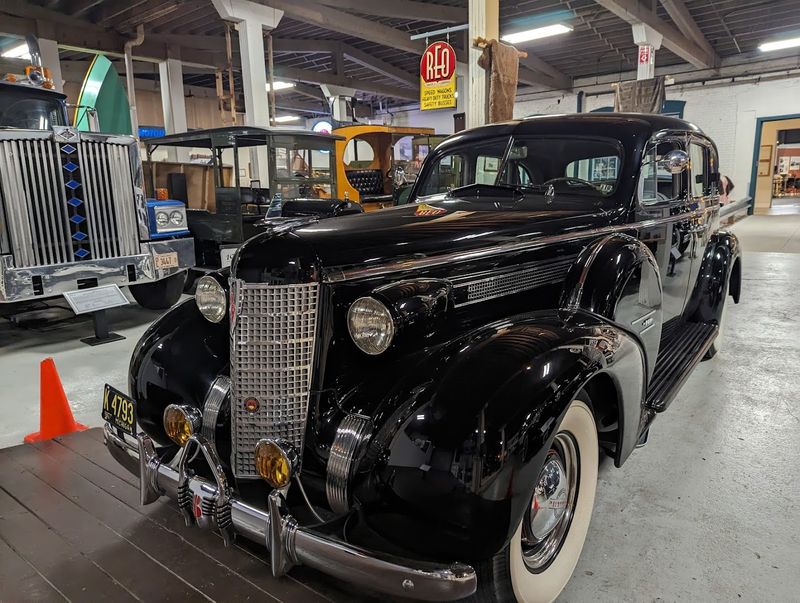
Here is a detail that catches most visitors off guard: after selling Olds Motor Works, Ransom Olds started a second automobile company called REO Motor Car Company, also based in Lansing. The name REO comes from his own initials, Ransom Eli Olds, which takes a certain level of confidence to pull off.
REO produced cars, trucks, and buses for decades, and the museum dedicates meaningful space to this chapter of his career. It is a reminder that Olds was not a one-hit wonder but a serial entrepreneur who kept building long after his first company was sold.
The REO vehicles on display are distinct in style from the Oldsmobiles and offer a different design perspective from the same era. Seeing both brands side by side under one roof makes the museum uniquely complete in a way that no other collection can match.
Lansing was, for a remarkable stretch of time, the personal automotive empire of one very driven man.
Beyond Cars: Tractors, Lawnmowers, and the Wider Olds Legacy
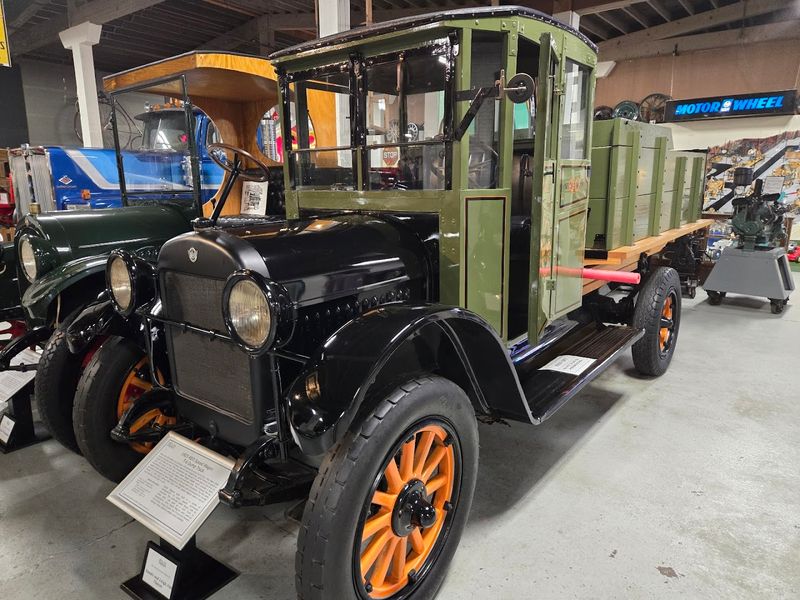
Most visitors arrive expecting to see cars, and they are not disappointed. But the museum holds a few surprises that even dedicated automotive fans do not anticipate, including Olds-branded lawnmowers, snow blowers, and farm equipment.
Ransom Olds was fundamentally an engine builder, and his companies applied that expertise far beyond the automobile. The industrial machinery on display shows just how wide his influence stretched across American manufacturing during the early 20th century.
There is also an Olds semi-truck in the collection that tends to stop people in their tracks. Most visitors have no idea that the Olds brand extended into heavy commercial vehicles, and seeing one in person reframes the entire scope of what these companies built.
It is a good reminder that the history of American industry is far messier and more interconnected than the clean brand narratives suggest. The museum embraces that complexity rather than smoothing it over, which makes every new discovery feel genuinely earned.
The Hurst Hairy Hauler and the Racing Heritage of Oldsmobile
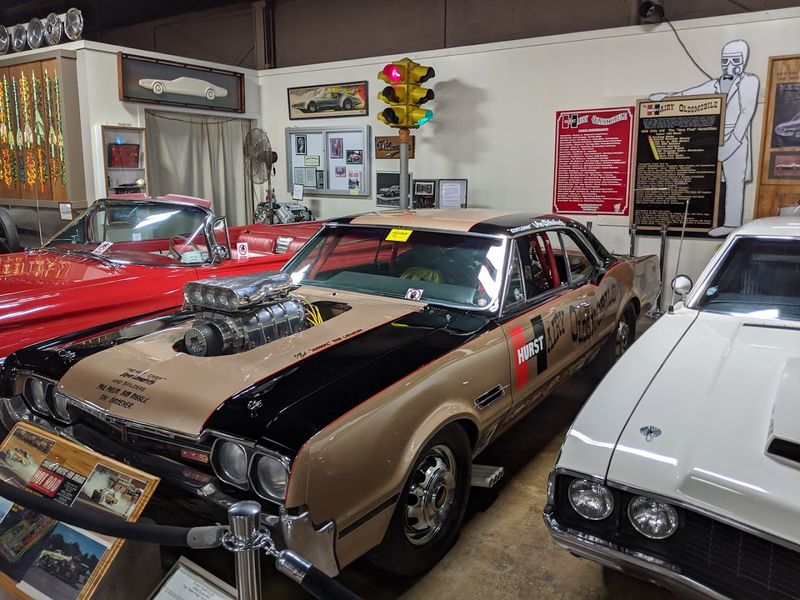
Tucked into the collection is one of the most outrageous vehicles ever built under the Oldsmobile banner: the Hurst Hairy Hauler. This twin-engine drag racing monster was built in the late 1960s as a collaboration between Hurst Performance and Oldsmobile, and it is every bit as wild as it sounds.
The car features two Toronado drivetrain setups, one in the front and one in the rear, giving it four-wheel drive and enough power to make the average drag strip very nervous. It was used primarily as a show and exhibition vehicle, but it ran hard enough to earn serious respect.
Seeing the Hairy Hauler in person is one of those museum moments that makes you stop and just stare. It looks like something assembled from fever dreams and surplus parts, yet it represents a very real chapter in American motorsport history.
The museum presents it with just enough context to make it fascinating without over-explaining the fun right out of it.
Interactive Moments: Sitting Behind the Wheel of History
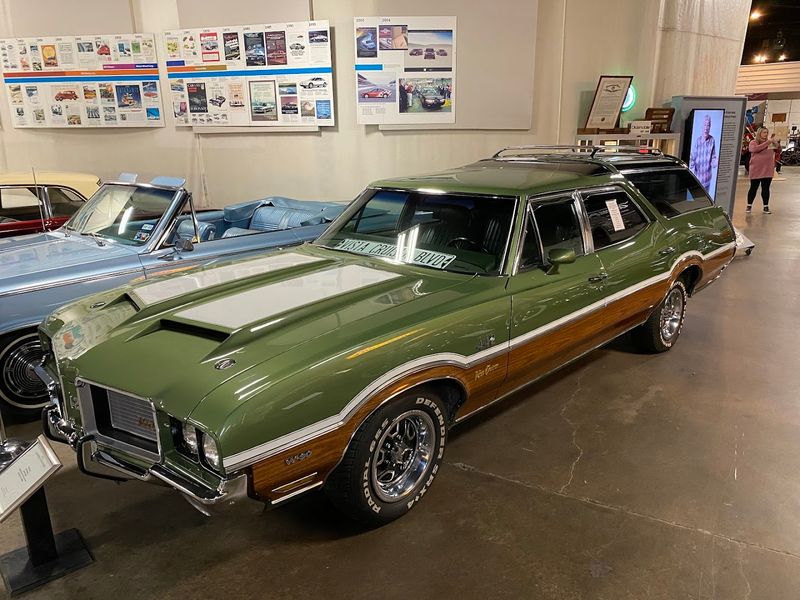
Not everything here is hands-off. Several vehicles in the collection are set up specifically for visitors to sit inside and take photos, which turns a passive museum experience into something a bit more personal and memorable.
Climbing into the seat of a classic Oldsmobile and gripping that big steering wheel is a different kind of connection than reading a placard. The proportions of older cars always surprise people.
The bench seats are wide, the steering wheels are enormous, and the dashboards have a retro charm that no modern interior can replicate.
The staff are genuinely enthusiastic about these interactive moments and happy to help visitors find the best photo angles. For families with younger kids, these touchpoints make a significant difference in keeping everyone engaged.
The museum is not overly interactive overall, but the moments it does offer feel thoughtful rather than tokenistic. A good photograph taken inside a 1960s Oldsmobile is the kind of souvenir that actually means something when you look at it later.
Planning Your Visit: Tips, Hours, and Getting the Most Out of Your Time
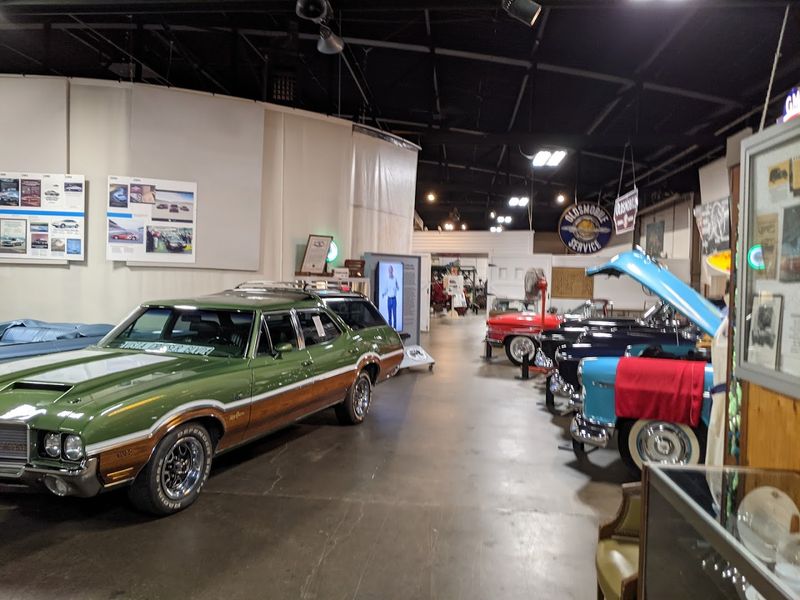
A visit here runs anywhere from one hour to a full afternoon depending on how deep you want to go. Casual visitors tend to spend around 60 to 90 minutes, while genuine enthusiasts have been known to linger for three hours without noticing the time passing.
The museum is open Tuesday through Saturday from 10 AM to 5 PM and Sunday from noon to 5 PM. It is closed on Mondays, so that is the one day to avoid.
The phone number is +1 517-372-0529, and the website at reoldsmuseum.org has current information on any special events or temporary exhibits.
Before leaving, the gift shop near the entrance is worth a proper browse. It carries model cars, Oldsmobile-branded items, and a rotating selection of vintage memorabilia that changes over time.
Admission is very reasonably priced, parking is free, and the staff consistently earn praise for being helpful and knowledgeable. This place punches well above its weight, and Lansing is lucky to have it.
Share this story