Across the American West, many towns built around copper, silver, and gold mining faced major changes after the ore ran out. By the late 20th century, shifting markets, automation, and environmental regulations forced communities to rethink their local economies.
Many responded by turning their history into an asset, developing historic districts, outdoor recreation, museums, and creative spaces. Keep reading to discover a dozen towns that transformed their mining heritage into vibrant places built around culture, tourism, and community pride.
1. Bisbee, Arizona
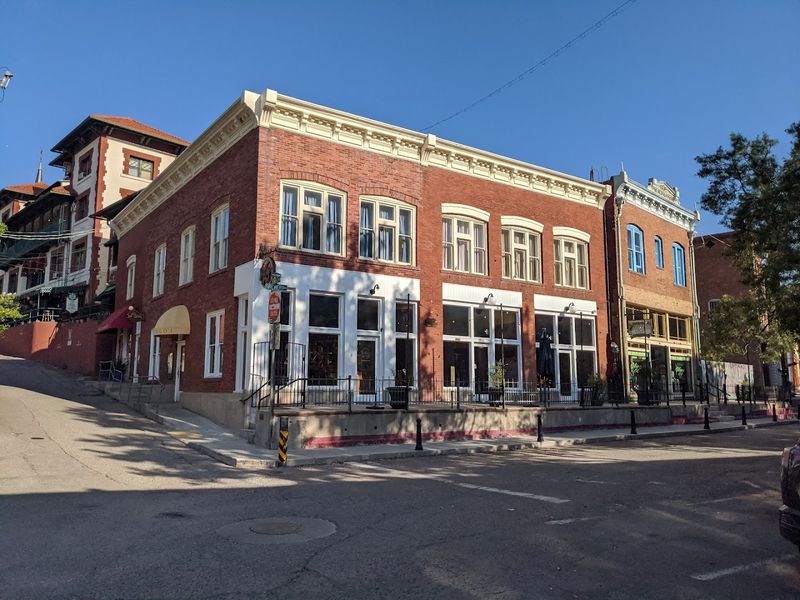
Tourists come for quirky galleries today, but Bisbee’s story begins with copper claims filed in 1880 and company camps that grew into neighborhoods. When Phelps Dodge ended large-scale mining in 1975, the town turned to its preserved downtown and creative community.
During the 1980s, former boarding houses became studio spaces, and the Queen Mine Tour opened with retired miners guiding visitors underground. The Bisbee Historic District earned a place on the National Register in 1975, helping protect its architecture and encourage reinvestment.
Cafés, vintage shops, and muralists moved into restored brick storefronts rather than replacing them. The Bisbee 1000 stair climb, launched in 1990, turned the town’s steep stairways into a signature event tied to preservation and tourism.
Today visitors can explore the Bisbee Mining and Historical Museum, a Smithsonian affiliate, then stay in a repurposed copper baron hotel. Former miner cottages host Airbnbs, small festivals spotlight regional storytelling, and artists continue building a community shaped by the town’s mining past.
2. Jerome, Arizona
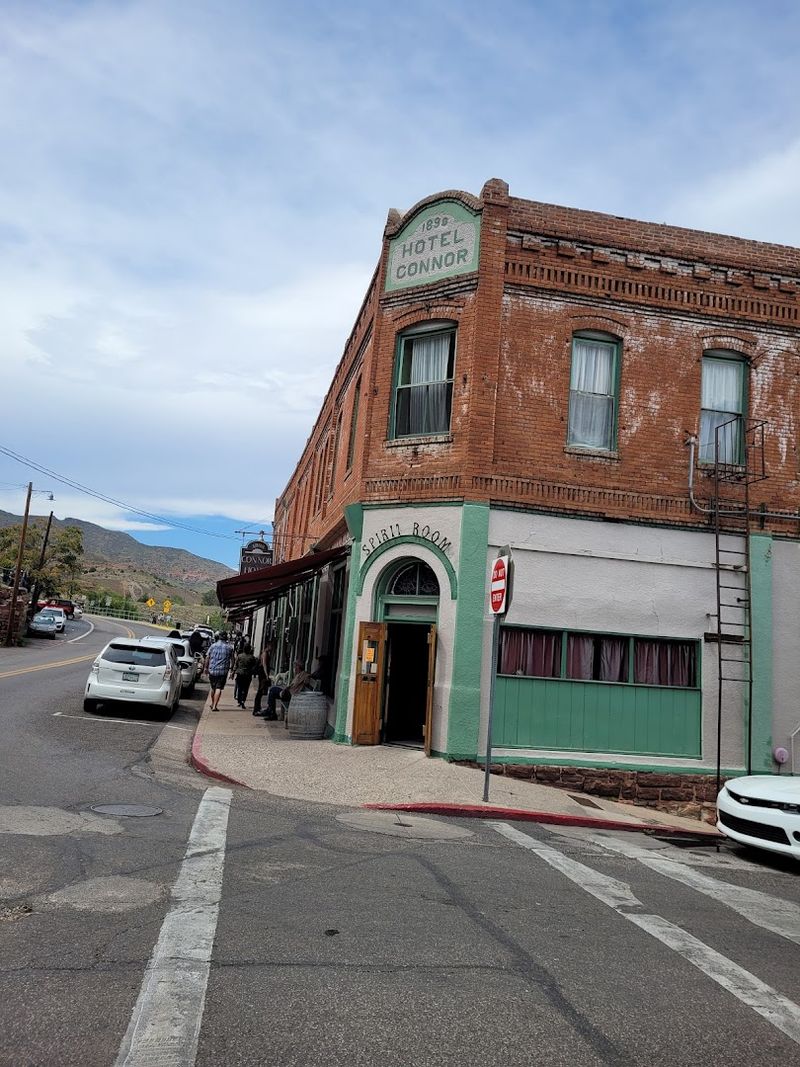
Jerome made headlines in the 1910s for copper production and labor battles, then nearly emptied by the 1950s. A small group of preservationists, artists, and former miners recognized potential in the town’s cliffside buildings.
Grants and local effort stabilized historic structures, while the National Historic Landmark designation in 1967 helped attract careful reinvestment. Galleries and glassblowing studios soon filled rooms once rented by miners.
Jerome State Historic Park interprets company-town life at Douglas Mansion, linking geology to daily routines and mining records. Nearby, the Gold King Mine Museum preserves equipment and restores engines as working demonstrations.
By the 1990s, visitors from Phoenix and Sedona helped support wine rooms, tours, and small businesses. Preservation rules and limited parking still keep growth measured, allowing the town to maintain its historic character while supporting a steady arts economy.
3. Telluride, Colorado
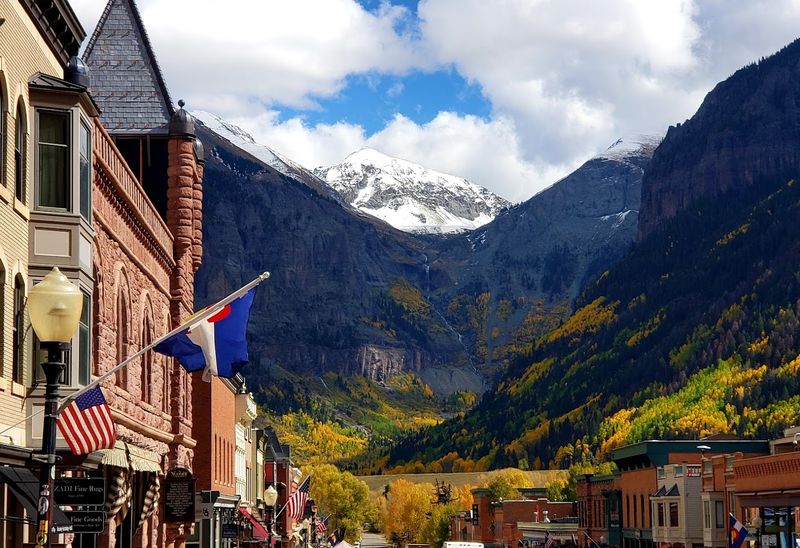
Telluride built its first fortunes on gold and silver in the 1880s, then struggled as metal prices dipped. A game changer arrived in 1972 when the ski area opened, reusing a narrow valley that once moved ore with trams.
Historic preservation anchored the pivot, with the Telluride Historic District designated a National Historic Landmark in 1961. Wooden storefronts now host gear shops, bakeries, and film festival venues that treat the street grid as a walkable commons.
Energy history still matters here, as the Ames Hydroelectric Plant nearby demonstrated alternating current power in 1891 under Westinghouse patents. That technical legacy gives museum tours a crisp arc from ore to electricity to recreation.
Summer brought more balance through bluegrass, jazz, and a long-running film festival that started in 1974. Events fill hotels without burying the shoulder seasons, while trail work crews maintain access to alpine passes once used by mule teams.
Today, affordable housing trusts and deed restrictions attempt to keep workers near town. The conversation is ongoing, but the framework blends heritage, outdoor access, and policy in a way other resorts study.
4. Leadville, Colorado
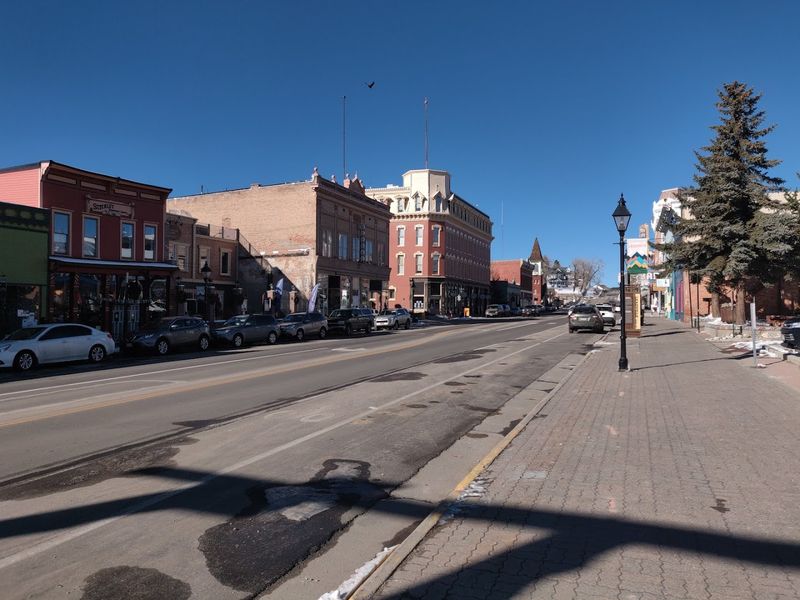
Leadville soared during the 1879 silver rush, then pivoted to zinc, molybdenum, and training grounds for endurance athletes. The downtown grid kept its ornate facades, and the Tabor Opera House survived enough winters to headline a restoration campaign.
The National Mining Hall of Fame and Museum opened in 1987, giving families a primer on geology and labor while honoring innovation. Interpreting complex boom-bust cycles keeps nostalgia honest and draws repeat visitors with new exhibits.
Outdoors, the Leadville Trail 100 began in 1983 to counter job losses after mine layoffs, turning athletic grit into economic fuel. Those races stitched gravel roads and mining grades into a destination trail network that supports guide services and cafés.
The Leadville Colorado and Southern Railroad runs summer excursions past tailings and timber trestles, teaching history by mile marker. You get context alongside views, which keeps the place from reading as only scenery.
Workforce housing and school partnerships try to keep momentum local so students see paths beyond seasonal churn. The altitude still tests everyone, but community stamina remains the headline.
5. Virginia City, Nevada
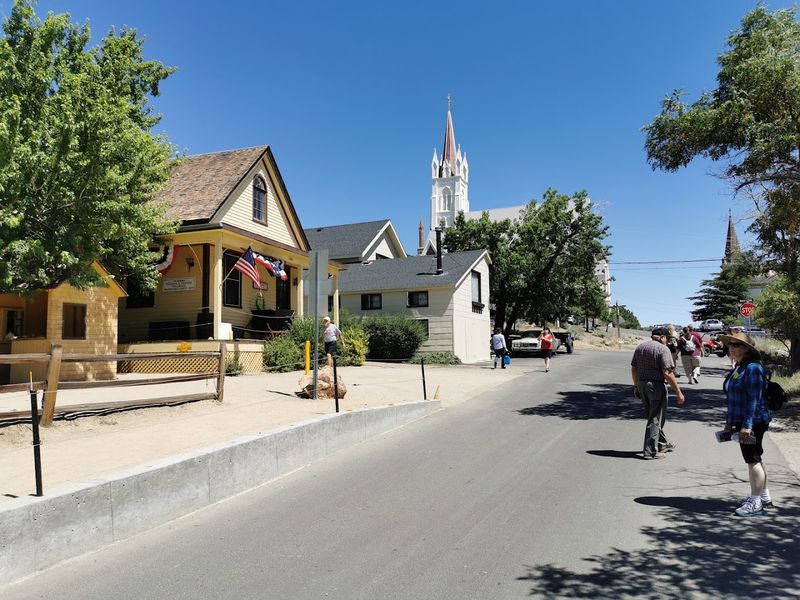
Virginia City rose with the Comstock Lode after 1859 and quickly shaped regional newspapers, telegraphs, and investment schemes. When extraction waned, the street grid, boardwalks, and brick blocks offered a ready-made stage for living history.
Rather than freeze time, the town curated it, building museums that explain deep-shaft methods, square-set timbering, and immigrant labor patterns. The Virginia and Truckee Railroad revived excursions so families could ride through places where ore once moved daily.
Preservation began gaining federal help in the 1960s, and business owners leaned into accurate signage and careful rehabs. Shops sell contemporary crafts next to exhibits on stamp mills and assay offices, tying modern making to older trades.
Events add structure without kitsch when organizers keep scripts rooted in research and primary sources. School field trips plug into that work, so a day on the boardwalk doubles as a civics and technology lesson.
Tourism now keeps lights on in winter and summer, balancing weekend surges with weekday education. The narrative centers on ingenuity and risk management rather than caricature.
6. Deadwood, South Dakota
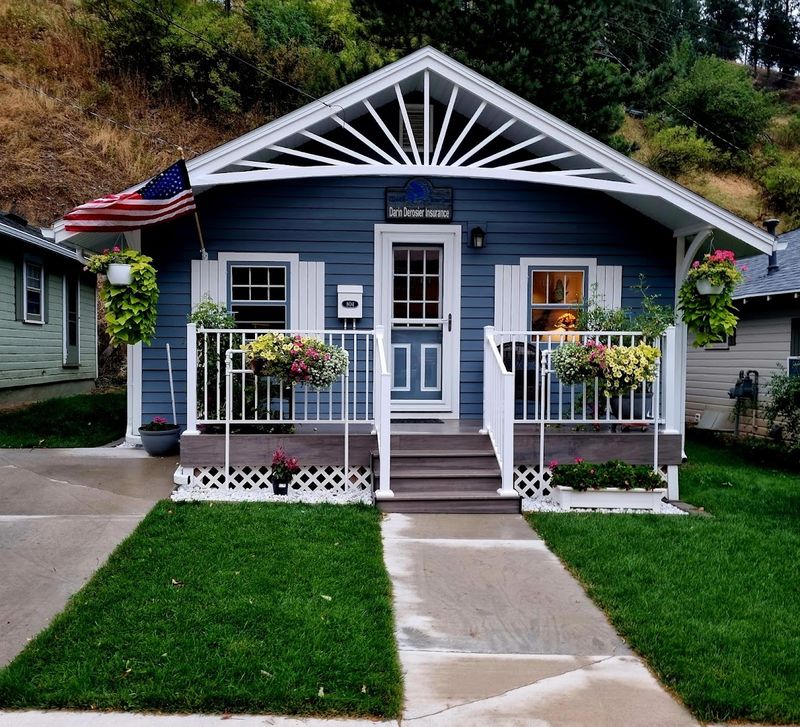
Deadwood grew fast after 1876 gold discoveries in the Black Hills and matured into a service hub. Decades later, decline left ornate buildings with fragile futures until a preservation-driven economic plan reshaped the ledger.
In 1989, South Dakota legalized limited stakes gaming in Deadwood to fund restoration and infrastructure. Revenue flowed into facade programs, interpretive trails, and museum expansions that treat the past as a public asset.
The Days of 76 Museum documents freight, rodeo culture, and transportation networks that kept camps supplied. Exhibits use dates and ledgers to ground legend, offering families details they can cross-check.
Outside, trailheads connect to the Mickelson Trail, converting former rail beds into low-impact recreation. That shift brings cyclists in shoulder seasons, boosting lodging without overwhelming the grid.
Careful marketing steers visitors toward museums and archives so the town is not defined by costume alone. The result is a civic classroom where storefronts pay for ongoing research and repairs.
7. Park City, Utah
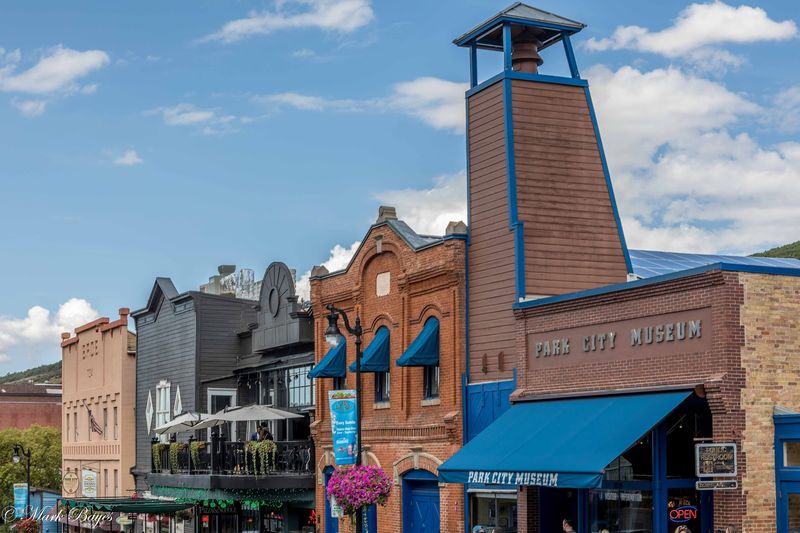
Park City extracted silver for decades after the 1860s, accumulating tunnels that later doubled as ventilation lore for skiers. When mines faltered, the 1963 opening of Treasure Mountains resort reframed steep terrain as an asset rather than a liability.
The 2002 Winter Olympics stamped a global identity onto town infrastructure, from transit lanes to training venues. Seasonal swings steadied when Sundance turned January into a calendar anchor that spotlights independent film and supports local crews.
Historic Main Street balances boutiques with markers that explain shafts running below the pavement. The Park City Museum keeps the narrative tight with exhibits on the Silver King Consolidated and hardrock gear.
Now, trail systems connect neighborhoods to ridgelines, and summer draws mountain bikers who spend at locally owned shops. Affordable housing and transit debates continue, with deed restrictions and buses reducing pressure on neighborhoods.
Visitors leave with a layered sense of industry evolving into culture. You can buy lift tickets, then step into a museum case that makes that choice intelligible.
8. Silverton, Colorado
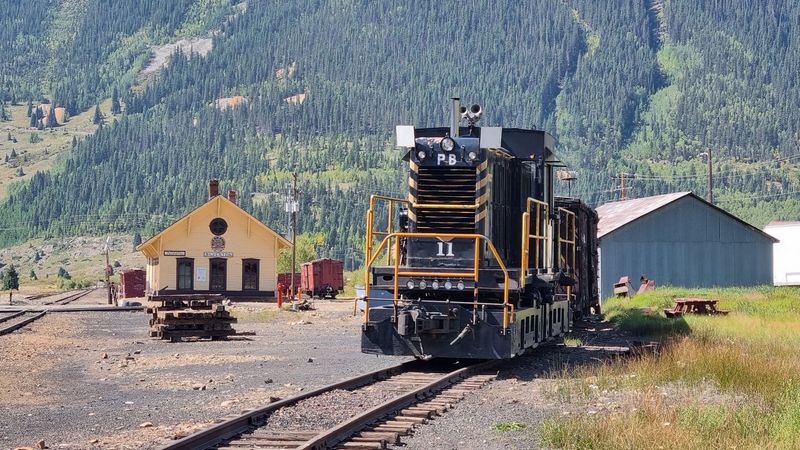
Silverton organized around the 1870s San Juan rush, ringed by high passes that dictated supply chains. The Durango and Silverton Narrow Gauge Railroad, revived for tourism after freight slowed, turned arrival itself into an interpretive experience.
Walking the grid, you notice how wide streets allowed ore wagons to turn, now used for parades and markets. The San Juan County Historical Society maintains a mining heritage center with equipment restored by volunteers.
Summer off-road routes and hiking intersect with a museum education calendar that explains claims, patents, and milling. Winter remains quiet by design so businesses can reset and residents keep a workable pace.
Environmental remediation projects in the 1990s and 2000s addressed legacy issues, pairing science with visible improvements. Those efforts built trust, making it easier to pitch heritage as responsible rather than nostalgic.
Newcomers open coffee shops inside former assay offices, and outfitters brief clients on avalanche history. The town markets honesty and access, two things that outlast any single commodity cycle.
9. Ouray, Colorado
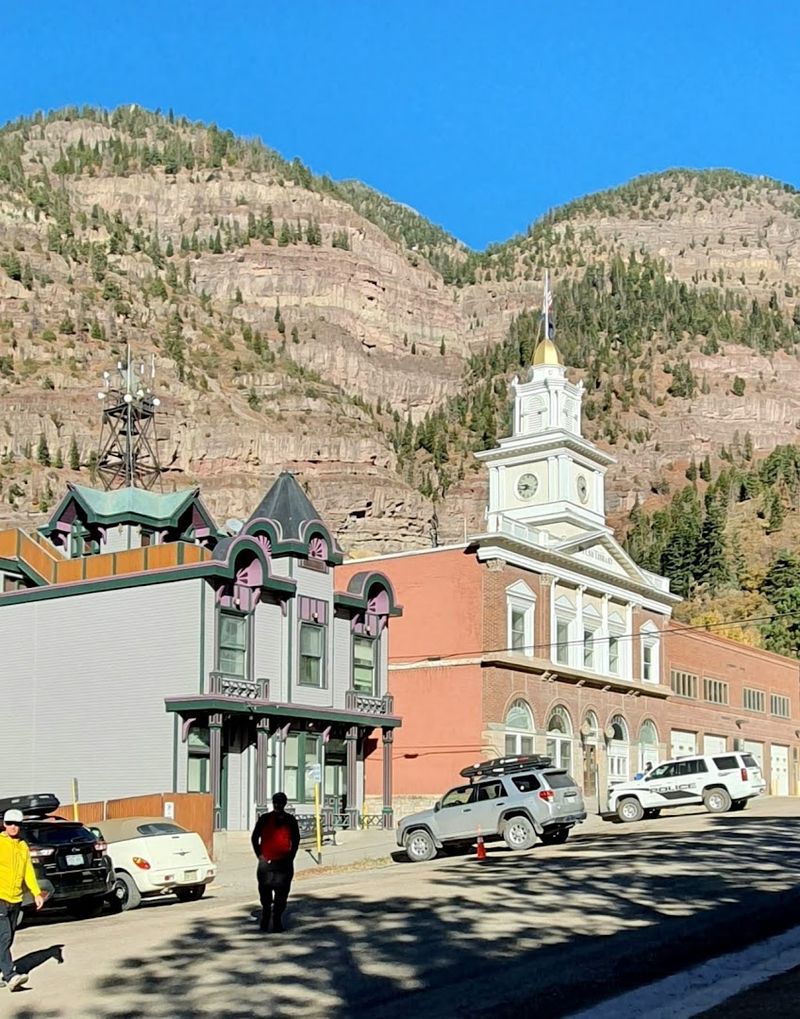
Ouray prospered in the 1880s with gold and silver, then found a fresh niche by leaning into geology as recreation. The Ouray Ice Park, founded in the 1990s using managed water flow, transformed a box canyon into a winter training ground.
That single idea multiplied hotel bookings during months that used to sit empty. Summer hikers spread out on old wagon roads, while hot springs facilities keep families comfortable after long days outside.
Museums interpret ore sorting, immigrant boardinghouses, and railroad grade construction with meticulous labels and maps. Preservation tax credits encouraged building rehabs that retained brick cornices and transom windows.
Local shops sell crampons next to history books, showing how gear culture and documentation reinforce each other. Annual festivals bring clinic instructors who teach movement alongside stewardship and avalanche awareness.
Policy choices matter here, from parking plans to short-term rental caps that protect neighborhoods. The result is steady, not flashy, with a town identity that feels earned rather than invented.
10. Wallace, Idaho
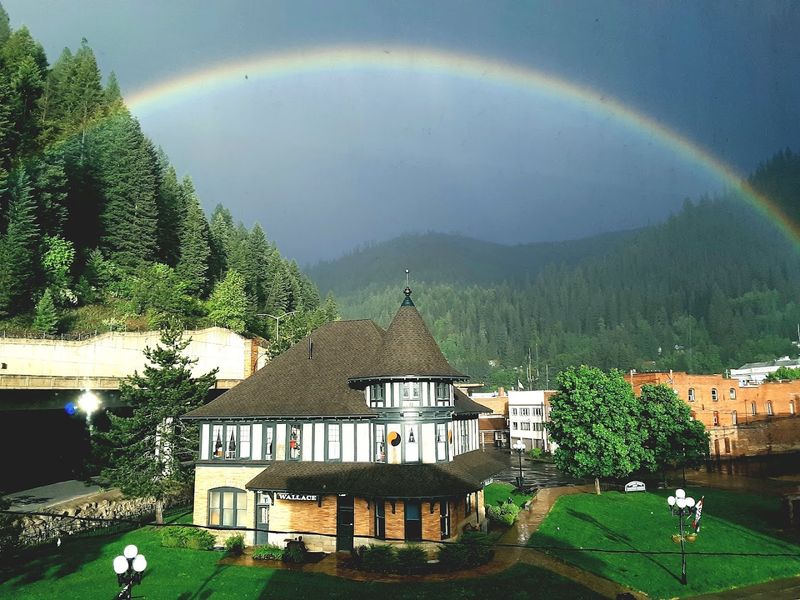
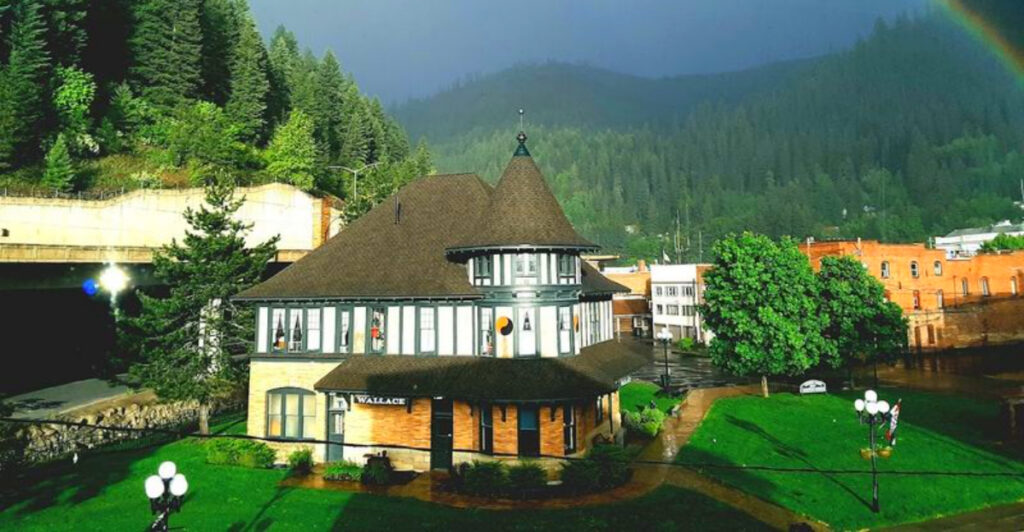
Wallace declared every downtown building historic in 1979 to block a proposed freeway, then won. That bold move preserved a coherent streetscape tied to silver mining that powered the Coeur dAlene district for generations.
The Oasis Bordello Museum and Northern Pacific Depot Museum balance social history with transportation and labor. Interpretive panels keep jargon clear, explaining stopes, drifts, and why timber still matters underground.
Nearby trails like the Route of the Hiawatha bring cyclists who rent gear and stay for museums and pie. Reuse shows up in brick hotels converted to boutique lodging and offices for outdoor companies.
EPA Superfund cleanup unfolded over decades, with visible milestones that residents can describe street by street. That transparency supports trust in both science and storytelling.
Festivals mix mining heritage with quirky local humor, including a center of the universe manhole cover that became a photogenic avatar. The result is civic pride you can trace to a policy decision that saved the map.
11. Butte, Montana
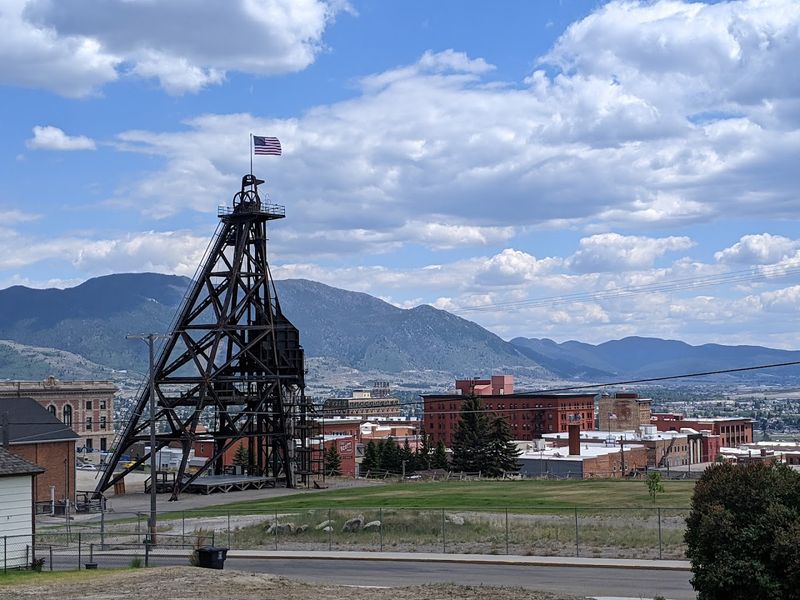
Butte earned the title Richest Hill on Earth for copper that electrified cities in the early 1900s. When open-pit mining reshaped the skyline, the community doubled down on documentation, museums, and neighborhood preservation.
The World Museum of Mining builds recreated streets beside original equipment, helping visitors sort imagination from artifact. Headframes on the hill serve as navigational markers and teaching tools about hoisting and ventilation.
Uptown Butte’s National Historic Landmark District spans thousands of contributing properties with brick towers and corner turrets. Adaptive reuse turned warehouses into studios, while festivals showcase labor anthems and immigrant food traditions.
Environmental projects around the Butte Priority Soils Operable Unit display measurable progress with interpretive signs. That clarity invites tough questions without tipping into gloom, a balance museums curate carefully.
Today, tech firms and contractors share blocks with antique stores and cafés that serve shift workers and students. You leave with a mental map of circuits, unions, and streets that still carry the story forward.
12. Nevada City, California
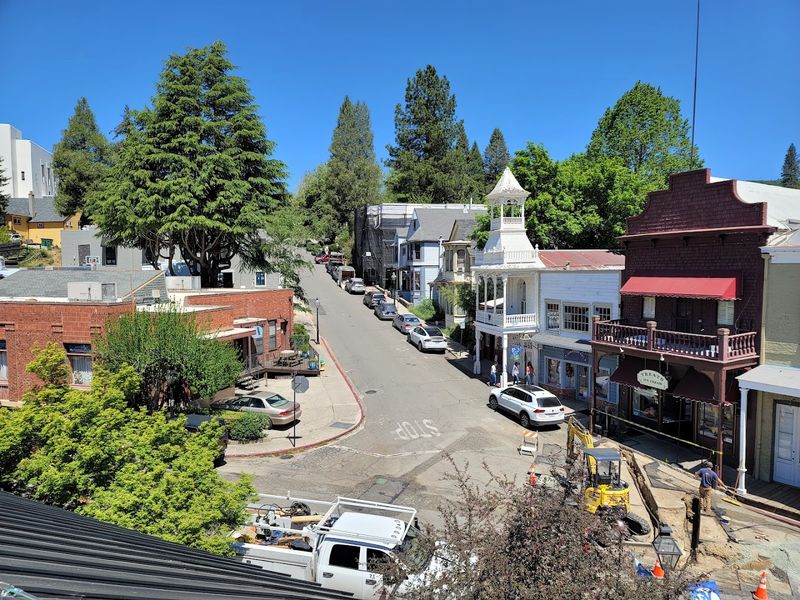
Nevada City grew from 1850s placer and hardrock claims into a civic hub with newspapers and theaters. After extraction waned, the town invested in preservation early, earning National Register status for its downtown district.
Creative economies followed in the 1970s and 1980s as film crews and folk festivals rented halls that once hosted miners. Independent bookstores, bicycle outfitters, and design studios filled second floors built for fraternal lodges.
Proximity to the Yuba River and trail corridors drew outdoor entrepreneurs who pair recreation with stewardship days. Museums explain hydraulic mining, court decisions that curbed sediment, and how water rights still frame debate.
Recent years added small tech meetups, co-working spaces in historic buildings, and maker fairs with practical workshops. The grid remains walkable, which helps businesses weather seasonal tourism dips.
Local policies support facade grants and adaptive reuse so upgrades protect mid-19th-century proportions. The result is a steady loop where culture, learning, and small ventures keep downtown active without erasing the map.
Share this story