Surprises hide in plain sight across the Midwest, where campus towns sparked national conversations and industrial hubs quietly reinvented themselves through design, tech, and arts. These cities carry stories of protest in the late 1960s, literary breakthroughs, furniture empires, and digital experiments that reshaped local economies without chasing headlines.
You will find traces of the WPA, railroads, early computing, and neighborhood activism stitched into everyday streets, not sealed behind velvet ropes. Keep reading to see how each place built its own kind of cool through history, policy shifts, and sheer persistence, and pick up ideas for what to explore next.
1. Madison – Wisconsin
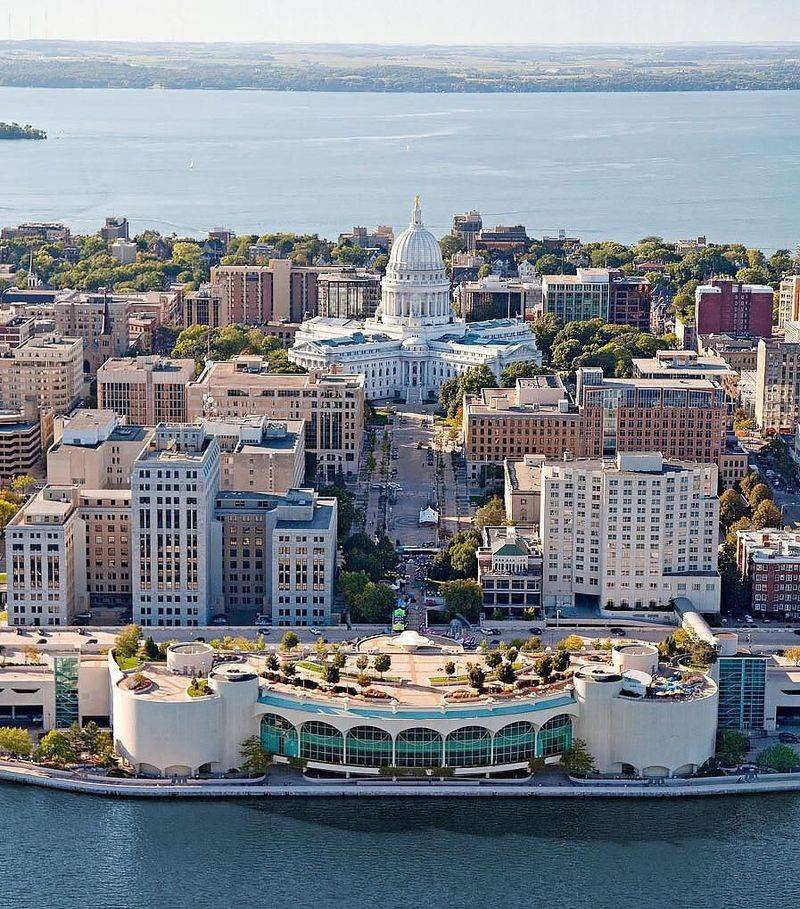
Madison’s national profile sharpened during the 1967 Dow Chemical protests at UW, when campus activism met changing attitudes toward authority and recruiting. The Wisconsin Idea linked research to public life, and you still feel how that mission shaped transit plans, housing studies, and environmental policy.
Architecture buffs chase Frank Lloyd Wright’s vision at Monona Terrace, a midcentury concept realized in 1997 after decades of argument and civic votes. The Dane County Farmers’ Market, founded in 1972, turned local agriculture into urban ritual and helped normalize farm-to-table habits before the term took off.
Biking culture grew with state investment in paths and racks.
When you walk the Capitol Square, you read a living syllabus. Institutions, not slogans, did the heavy lifting here.
That is cooler than image management.
2. Ann Arbor – Michigan
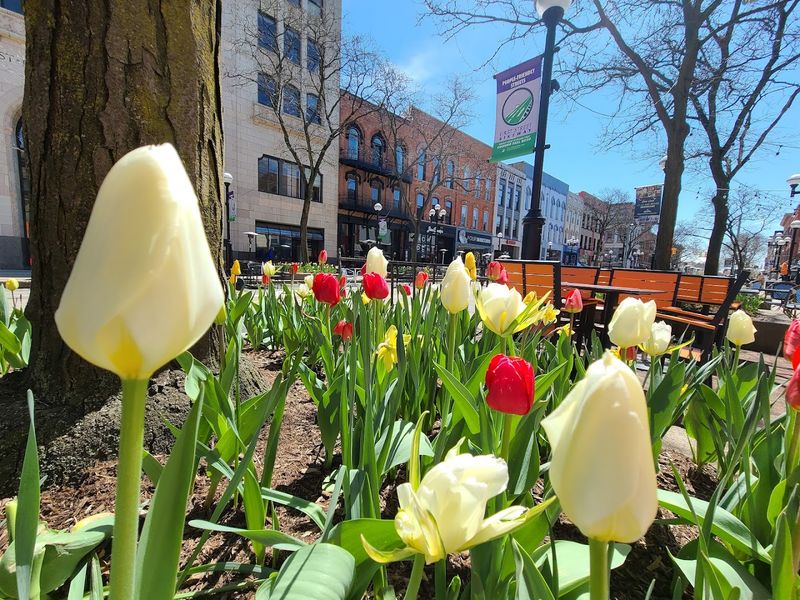
The University of Michigan’s Writers’ Workshop impulses mixed with research labs to launch spinoffs in software, mobility, and health technology. Borders opened its first store here in 1971, proving that serious browsing could be mainstream culture.
Ann Arbor’s 1960s counterculture left durable infrastructure in co-ops, alt weeklies, and public forum habits. Zingerman’s, founded in 1982, reframed Midwestern food talk through sourcing details and open-book management, which you can actually read about on their shelves.
Tech firms orbit campus grants and venture funds, quietly turning dissertations into payrolls.
Street fairs, film festivals, and town-gown committees keep ideas circulating rather than siloed. You gain curiosity literacy here.
That might be the city’s most exportable product.
3. Duluth – Minnesota
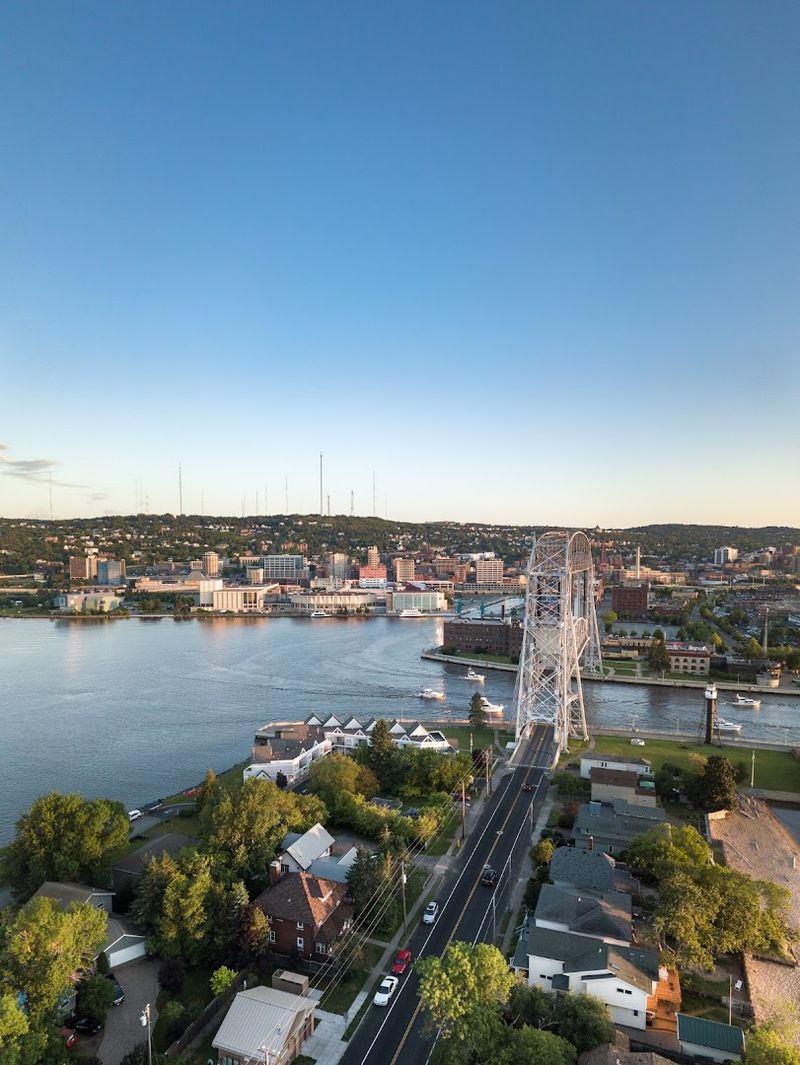
Duluth’s Aerial Lift Bridge began as an aerial transporter in 1905 and converted to a lift bridge in 1929, matching ore traffic and lake conditions with mechanical poise. Iron Range shipments defined labor rhythms, wages, and the skyline’s grain elevators and docks.
Economic swings forced diversification. Tourism reframed the waterfront while adaptive reuse turned warehouses into housing, studios, and breweries.
Bob Dylan’s 1941 birth certificate lives in city lore, but policy choices did more to reshape neighborhoods than celebrity trivia.
Outdoor culture became a civic strategy, not decor. Trails connected parks to tax revenues and event calendars.
The Lakewalk and harborfront parks stitched former industrial edges into everyday public space. Seasonal festivals and ship-watching traditions now anchor the same canal once defined mainly by freight schedules.
When you stand by the canal, you meet a city that solves practical problems first and celebrates second.
4. Iowa City – Iowa
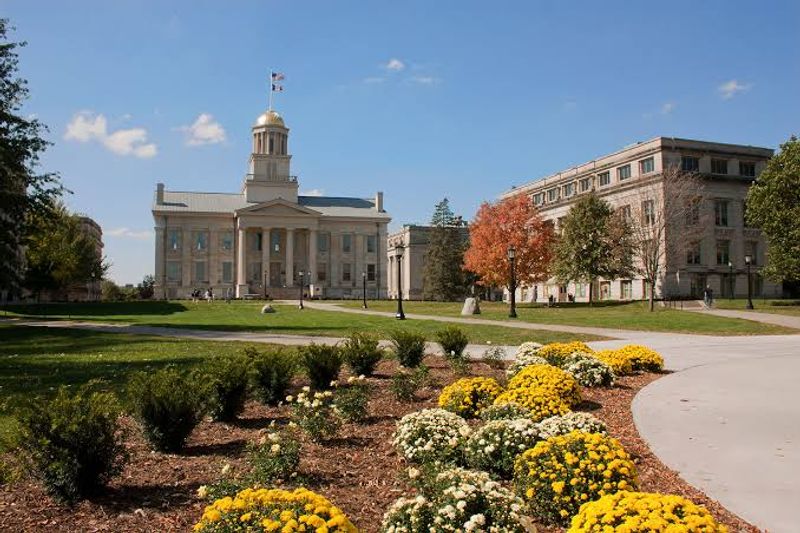
The Iowa Writers’ Workshop, launched in 1936, helped win a UNESCO City of Literature designation in 2008, linking creative labor to municipal identity. Bookstores, readings, and small presses turned literary habits into economic patterns.
The Ped Mall, created in the 1970s, signaled confidence in walkable cores long before many peers adopted similar plans. Public art grants and residency programs attracted visiting writers who mentored students and filled apartments.
City zoning protected density while keeping storefront rents within range for publishers and cafés.
You can trace this culture through festival schedules and alumni bibliographies. Annual literary events and campus partnerships keep new voices circulating through the city’s bookstores and lecture halls.
The lesson is simple. Invest in the craft and the city rewrites itself.
5. Bloomington – Indiana
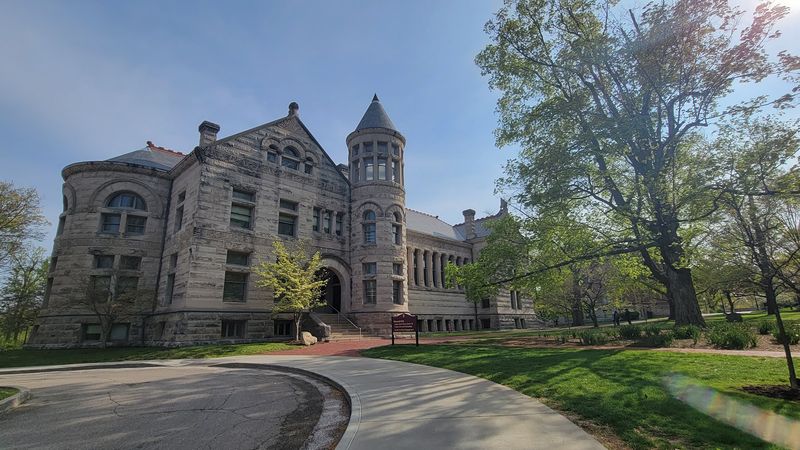
Bloomington’s quarries supplied limestone for national landmarks through the late 19th and early 20th centuries, stamping civic pride into facades and archways. Indiana University’s growth layered in the Jacobs School of Music and the Kinsey Institute, founded in 1947, which normalized rigorous study on human behavior.
RCA began manufacturing in 1939, bringing electronics jobs that trained a skilled workforce and funded family budgets for decades. When production moved, arts and academia absorbed the shock through festivals and grants.
Adaptive reuse preserved mills and depots without turning them into museums.
Walk the Sample Gates and you step through a living archive. The coolest moments here are footnoted.
You leave with more questions than you brought.
6. Fargo – North Dakota
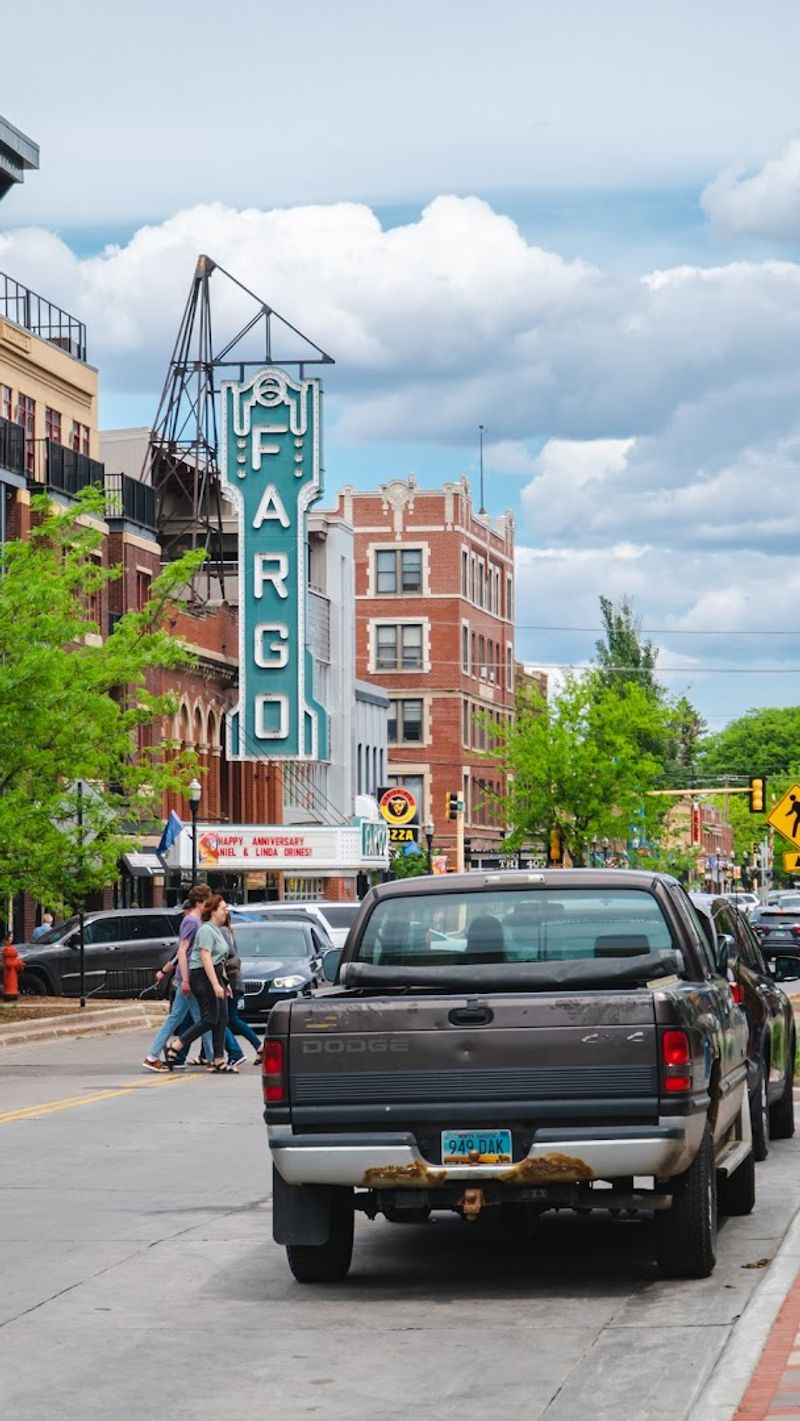
Consider a prairie city that kept its code readable. Great Plains Software grew here in the 1980s and 1990s, and Microsoft acquired it in 2001, anchoring a regional tech workforce.
The 1893 fire reshaped building codes, and later Art Deco theaters showed how rebuilding could be stylish without pretense.
Railroads organized the grid, but startup weekends and maker spaces now fill the timetable. The Plains Art Museum and campus partnerships turn exhibits into internships.
Pop culture nods from the 1996 film became tongue-in-cheek marketing rather than identity.
You come for the jokes and stay for the job boards. That is the secret.
Resilience got formal training here.
7. Omaha – Nebraska
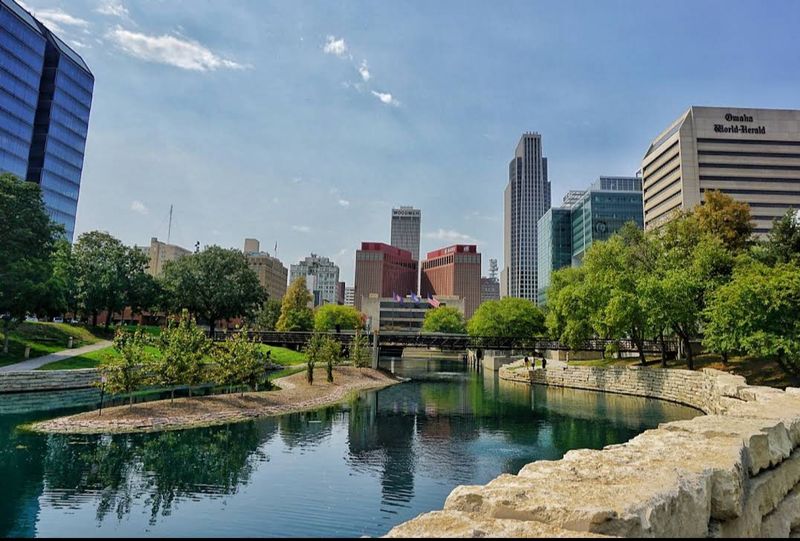
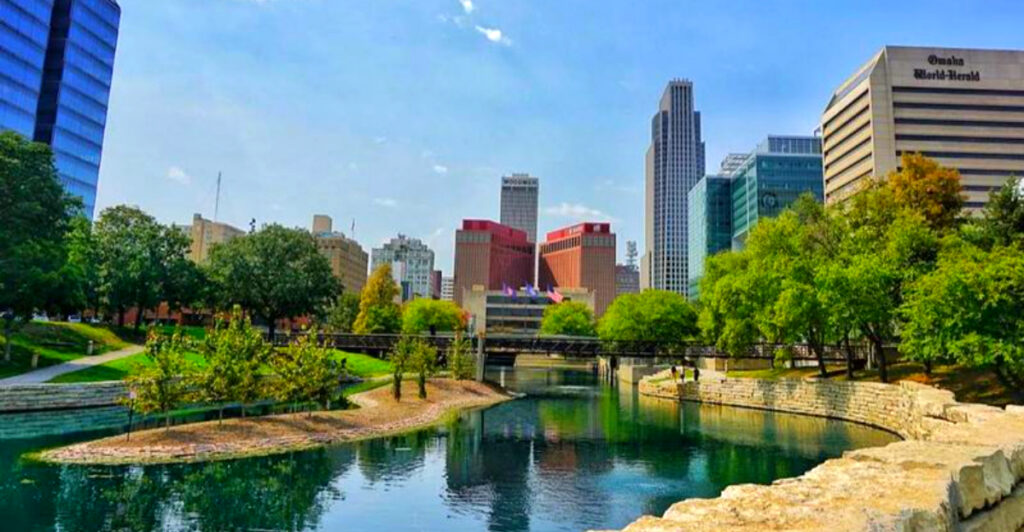
Union Pacific chose Omaha in 1862, and the railroad’s presence organized capital, engineering talent, and neighborhoods for generations. The stockyards scaled meatpacking, raising wages and union power while drawing new residents.
When that system matured, culture took a turn at volume. Saddle Creek Records, emerging in the late 1990s and early 2000s, gave indie musicians infrastructure and a label address you could actually visit.
The Old Market’s brick warehouses pivoted to galleries and restaurants without erasing freight scars.
Today you will find startups, medical research, and an annual shareholder meeting that doubles as a civics lesson. Omaha’s cool is cumulative.
Every era kept better records.
8. Kansas City – Missouri
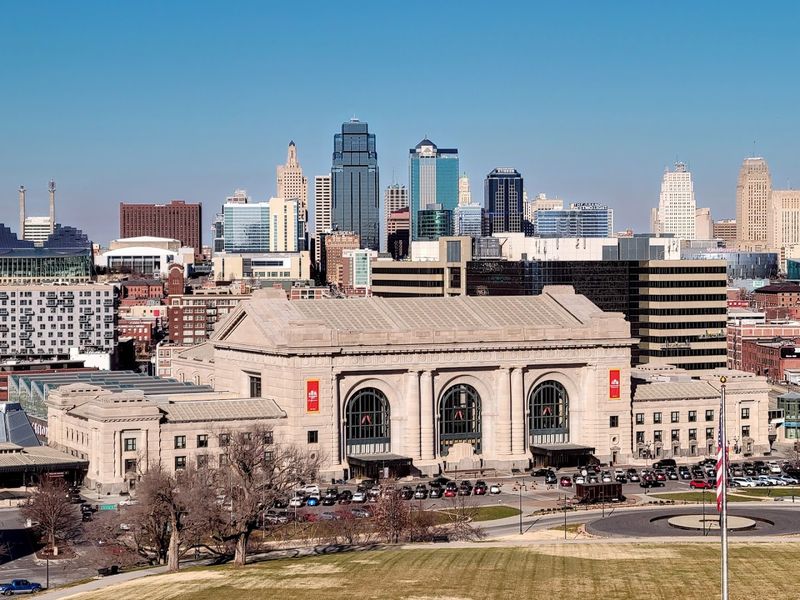
Think of a city that turned rhythm into routine. During the 1930s, 18th and Vine incubated jazz while permissive hours and machine politics reshaped nightlife rules.
Musicians exported a sound that still anchors festivals, classrooms, and museum archives.
Modern planners borrowed the tempo. The KC Streetcar, launched in 2016, stitched districts and spurred infill without heavy subsidies, proving small lines can move development conversations.
The Nelson-Atkins kept art public with a sculpture lawn that invites regular visits rather than rare pilgrimages.
Murals, fountains, and neighborhoods each add a verse. You end up following a map that was written in chords.
Civic improvisation became a repeatable practice.
9. Grand Rapids – Michigan
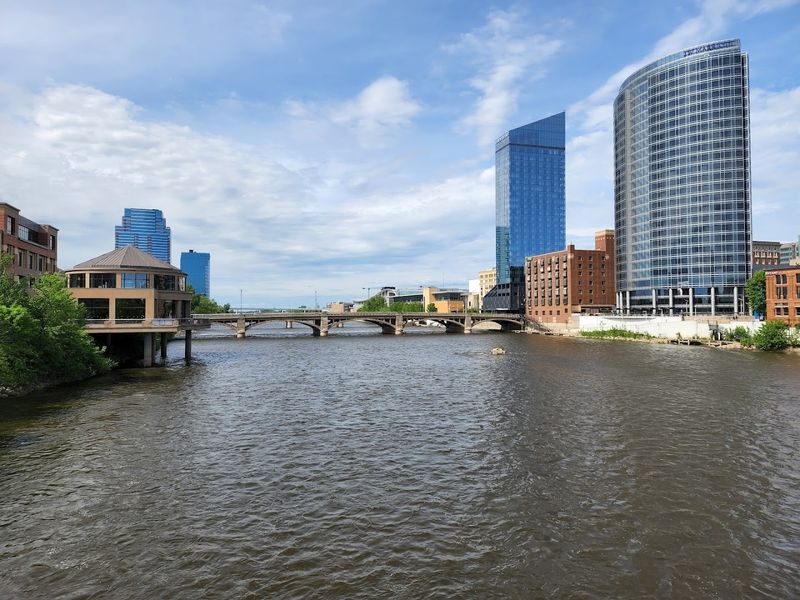
Grand Rapids earned Furniture City status in the late 19th century, drawing craftsmen, immigrant labor, and sales conventions that taught the region how to market design. Midcentury offices kept the aesthetic muscle flexing.
Frederik Meijer Gardens opened in 1995 with sculpture that made international names feel local. ArtPrize followed in 2009, handing judging to visitors and juries and transforming the downtown into a pop-up classroom about curation, crowds, and cash prizes.
Manufacturing paired with culture gave the economy a balanced diet.
You walk away with opinions sharpened by comparison. That habit spreads.
Design literacy becomes civic glue.
10. Sioux Falls – South Dakota
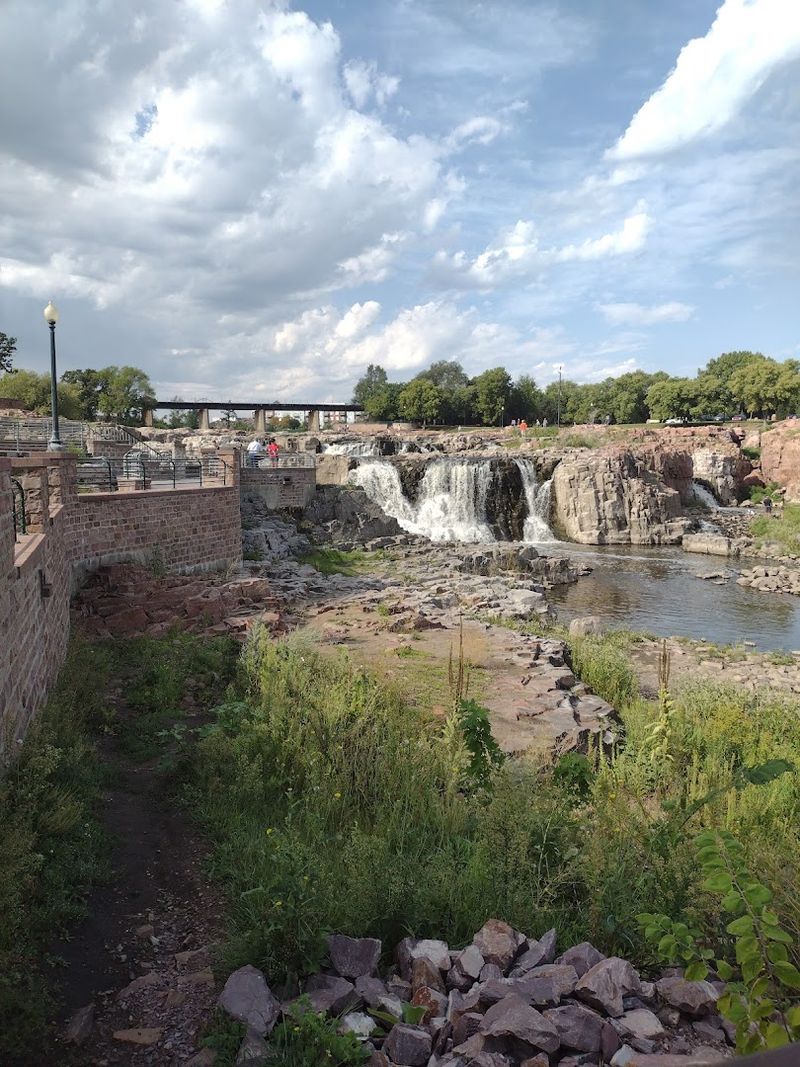
The pink Sioux quartzite shaped mills and civic buildings in the late 1800s, anchoring a regional trade center. In 1972, the EROS Center opened nearby, managing satellite imagery that changed how farmers, planners, and scientists read the land.
Healthcare systems and finance firms built stable payrolls as downtown converted warehouses into apartments and cafés. Zoning tweaks protected Falls Park while encouraging trail links that turn recreation into everyday transportation.
Public art programs followed, not as garnish but as recruitment strategy.
You do not need a launchpad to be future minded. Sioux Falls proves it.
Data and stone both tell the story.
11. Cincinnati – Ohio
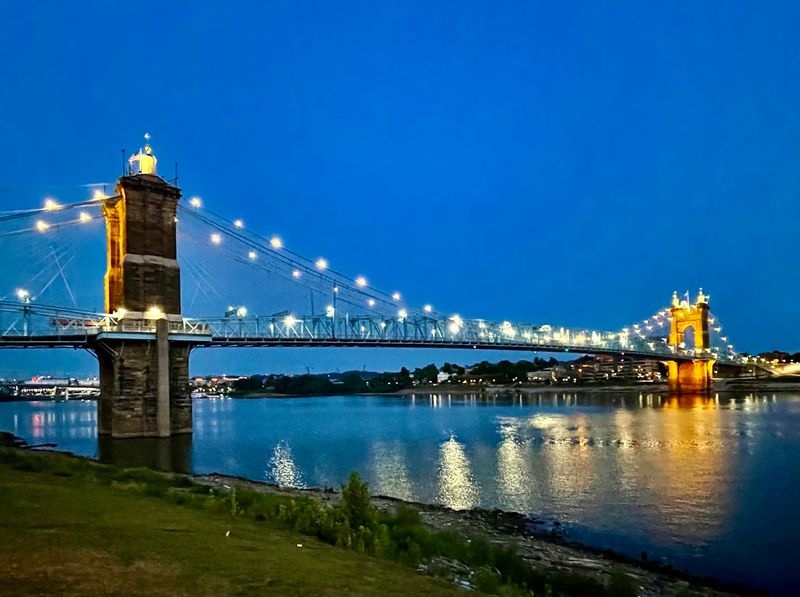
Over-the-Rhine’s 19th century brewing and brickwork left basements, cellars, and storefronts that later housed arts groups and startups. Procter & Gamble, founded in 1837, signaled that consumer science could anchor a metropolis.
Findlay Market, operating since 1855, kept public bargaining normal through waves of retail change. Transit ideas from historic inclines to modern street improvements show a willingness to test methods, retire failures, and try again.
Preservationists balanced authenticity with codes that welcome residents back.
You tour history here by walking errands. Practicality wins the day.
That is cooler than trend hopping.
12. Des Moines – Iowa
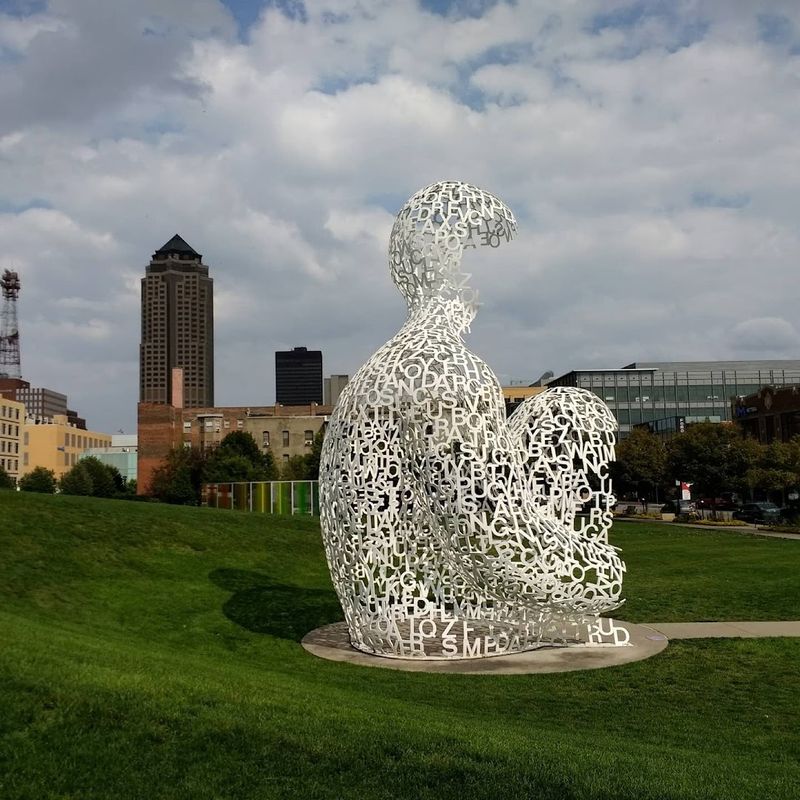
Insurance firms concentrated here in the late 19th and 20th centuries, teaching risk management that later shaped planning and arts funding. The skywalk system, built out in the 1970s and 1980s, proved that winter can be navigated without pausing downtown life.
When national attention lands during caucus season since reforms in 1972, civic groups leverage the spotlight to accelerate projects. Murals, river walks, and sculptures frame photo ops that double as employer recruitment tools.
Adaptive zoning nudged housing onto former parking lots.
You learn how boring virtues build lively places. Predictability funds experiments.
That is Des Moines in a sentence.
13. Traverse City – Michigan
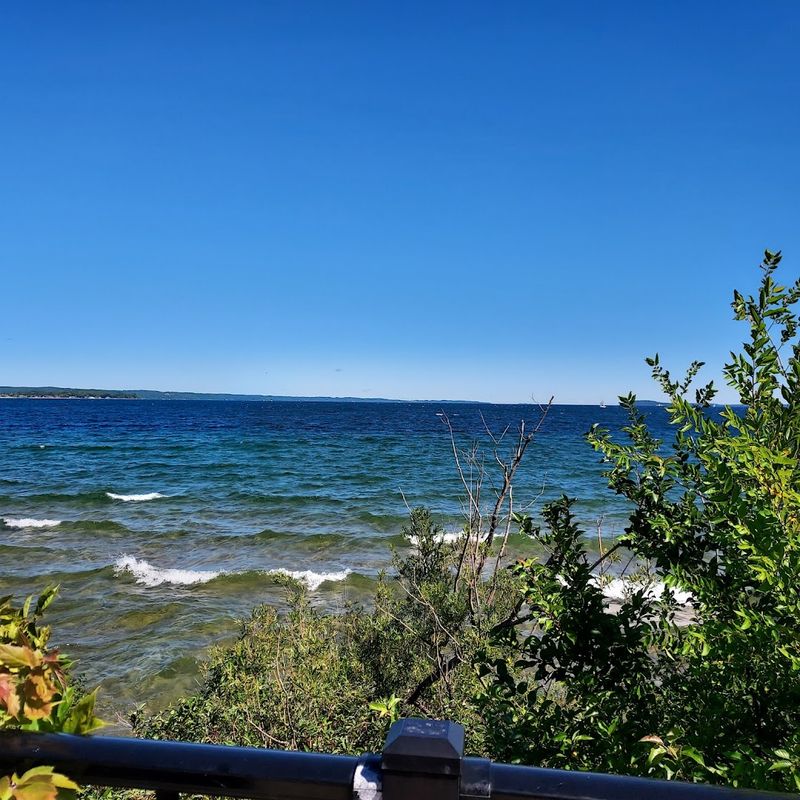
Traverse City’s cherry industry scaled in the late 1800s and early 1900s, turning seasonal labor and processing into a regional identity you can still taste in July. Vineyards arrived with cold-hardy varietals that changed local business math.
The State Theatre’s restoration, championed in the 2000s, and the film festival launched in 2005 reframed downtown as a cultural venue with year-round momentum. Access to Sleeping Bear Dunes shaped conservation conversations and visitor limits that protect shorelines without freezing growth.
Small manufacturers and makers filled in the shoulder seasons.
You leave with a calendar, not a postcard. That is the charm here.
The schedule matters as much as the scenery.
14. Columbus – Ohio
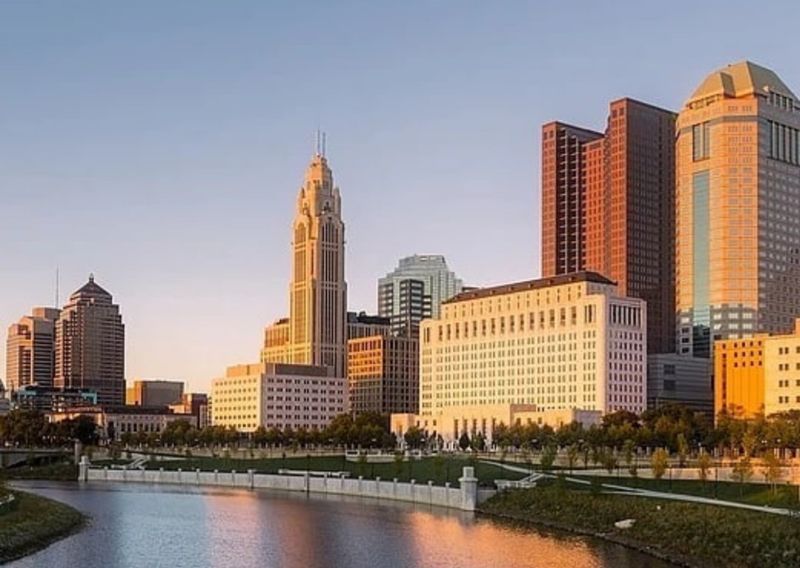
Columbus put retail headquarters, design schools, and data analysts on the same block, creating a feedback loop that shaped stores nationwide. Ohio State’s research engine kept talent and patents close to production.
The Scioto Mile redesign completed in the 2010s narrowed roads, restored river edges, and proved that public space can lift property values across multiple districts. Short North galleries and boutiques evolved from scrappy to established without losing their mix-and-match spirit.
Startups learned from A/B tests long before pitch decks were trendy.
You study behavior here by walking through windows. The lab is the street.
That is very Midwest and very modern.
15. Lawrence – Kansas
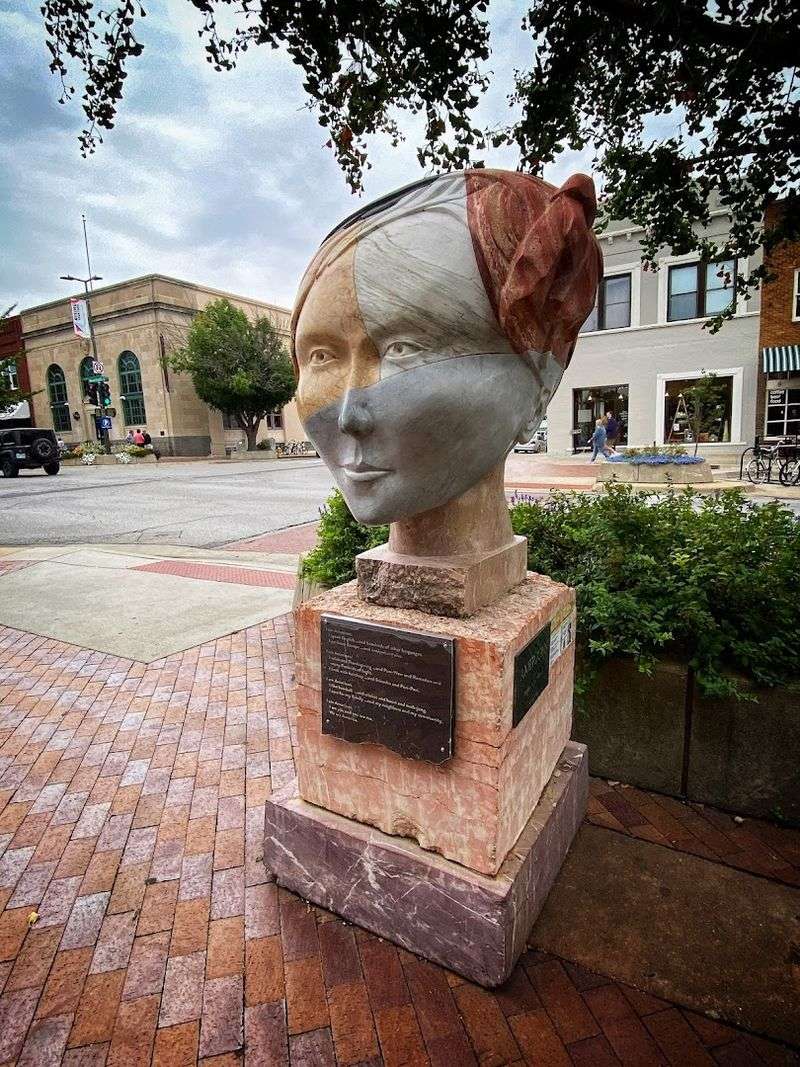
Founded in 1850s Free State politics, Lawrence grew into a university town where archives, laboratories, and basketball games share equal billing. The University of Kansas Natural History Museum dates to the 19th century and keeps learning visible to passersby.
Haskell Indian Nations University, established in 1884, anchors important conversations about sovereignty, education, and culture. Music venues on Massachusetts Street nurtured touring circuits and local bands that treated record stores like offices.
Writers and artists, including William S. Burroughs in the 1980s and 1990s, found workable rents and attentive audiences.
You feel civic courage measured in meeting minutes. That is the draw.
Ideas are the home team here.
Share this story