America is home to some of the most jaw-dropping bridges ever built, stretching across bays, rivers, gorges, and swamps in ways that seem almost impossible. These structures are more than just ways to get from point A to point B — they are engineering masterpieces that took years to plan, thousands of workers to build, and millions of people to admire.
From the fog-wrapped towers of San Francisco to the steel arches of West Virginia, each bridge tells its own remarkable story. Get ready to cross some of the most legendary spans in the country.
Golden Gate Bridge — California
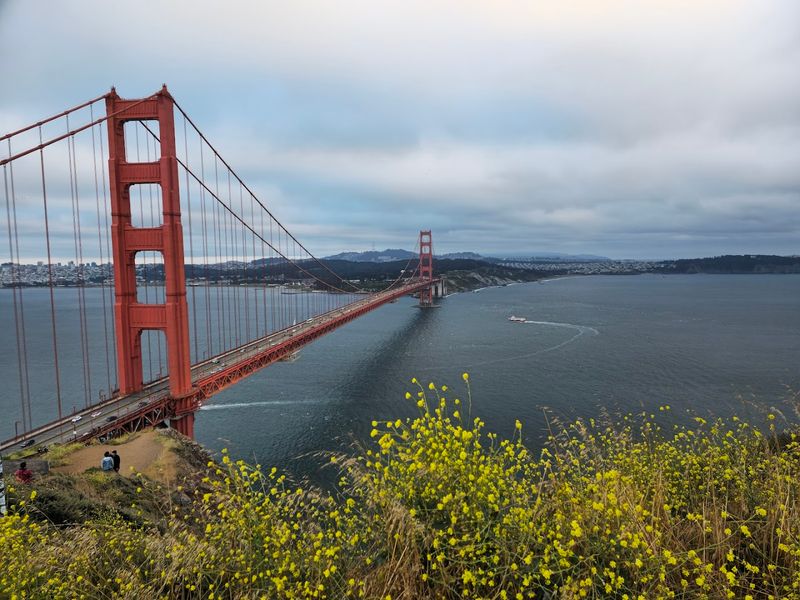
Few structures on Earth stop people in their tracks quite like the Golden Gate Bridge. Its vivid orange-red towers pierce through the famous San Francisco fog, creating a scene so dramatic it barely looks real.
Completed in 1937, the bridge spans 1.7 miles across the Golden Gate strait at the entrance to San Francisco Bay.
Chief engineer Joseph Strauss led a team that worked for four years to finish what many experts once called impossible. Workers faced brutal winds, thick fog, and treacherous tides every single day.
A safety net strung below the bridge saved 19 lives during construction — those lucky survivors called themselves the Halfway to Hell Club.
Today, about 10 million visitors come each year to walk its pedestrian path and soak in sweeping views of the bay. The towers stand 746 feet tall, taller than the Washington Monument.
Despite its iconic orange color, the bridge was never painted gold — the warm hue was actually chosen because it blends beautifully with the natural surroundings. It remains California’s most beloved landmark without question.
Brooklyn Bridge — New York
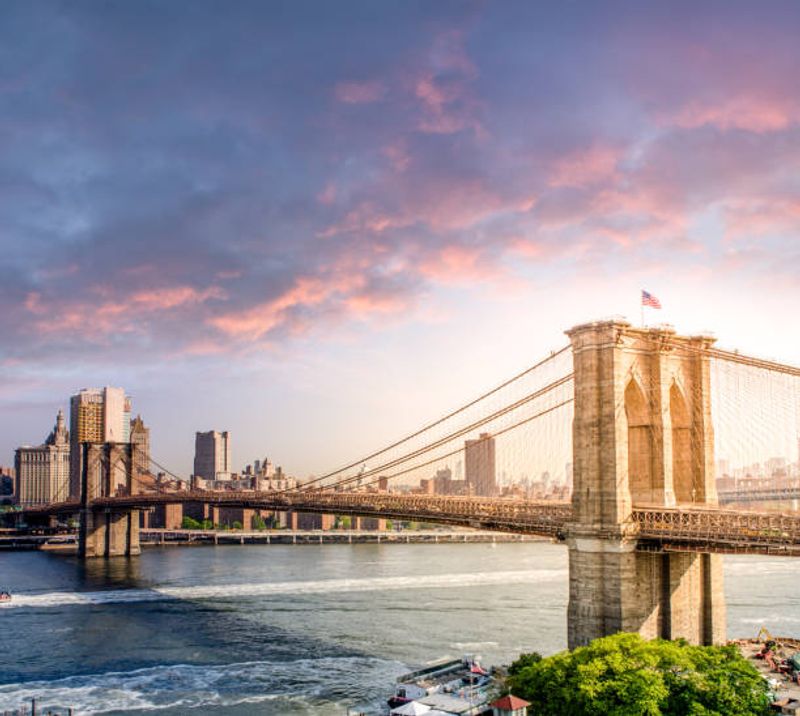
When the Brooklyn Bridge opened on May 24, 1883, crowds lined up for hours just to walk across it — because nothing like it had ever existed before. At the time, it was the longest suspension bridge in the world, and people genuinely could not believe human hands had built it.
The Gothic stone towers rising above the East River felt more like a cathedral than a road.
Engineer John Roebling designed the bridge, but a construction accident cut his life short before work even began. His son Washington took over, only to suffer a crippling case of decompression sickness from working in the underwater foundations.
Washington’s wife Emily then became the crucial link between the project and its workers, essentially managing construction herself.
The bridge stretches 5,989 feet and connects Manhattan to Brooklyn across the East River. Its pedestrian walkway offers one of the most iconic views in New York City, with skyscrapers framing both sides of the river.
Over 100,000 vehicles cross it daily. More than 140 years after opening, the Brooklyn Bridge still commands the same awe it did on day one — a true testament to human determination.
Lake Pontchartrain Causeway — Louisiana
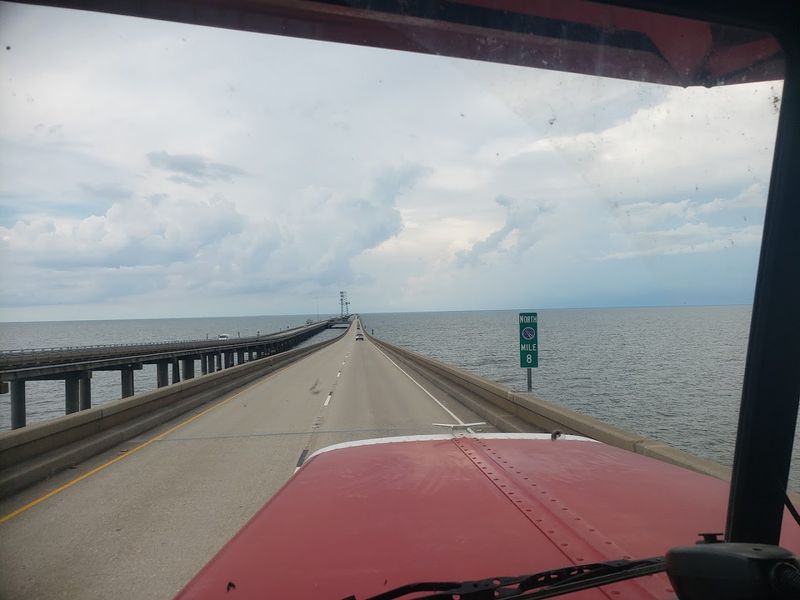
Imagine driving across a bridge where, for miles, you cannot see land in any direction — just open water stretching to every horizon. That is exactly what crossing the Lake Pontchartrain Causeway feels like.
At 23.8 miles long, it holds the title of the longest continuous bridge over water in the United States.
Two parallel spans make up the causeway, with the northbound span opening in 1956 and the southbound added in 1969. They connect Metairie, a suburb of New Orleans, with Mandeville on the north shore of the lake.
On a clear day, the drive takes about 24 minutes — plenty of time to marvel at the sheer scale of what engineers accomplished here.
The bridge sits just a few feet above the water’s surface, which gives drivers an almost eerie feeling of floating across the lake. Strong storms can occasionally close the causeway when winds get dangerously high, reminding everyone that nature still holds some power here.
Around 42,000 vehicles cross it every day, making it a vital transportation lifeline for the region. The causeway is also a favorite spot for fishing from its dedicated walkways on each end.
Manchac Swamp Bridge — Louisiana
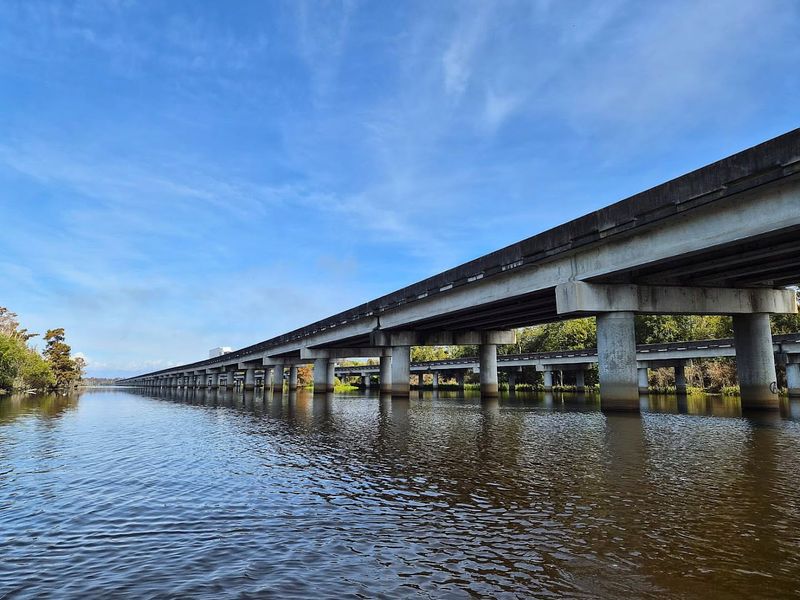
Gliding above a shadowy swamp on a narrow ribbon of concrete, the Manchac Swamp Bridge is one of the eeriest and most fascinating drives in America. Running nearly 22.8 miles through the murky Louisiana wetlands, it ranks among the longest bridges in the entire country.
The view from the road is a moody mix of still black water, ancient cypress trees, and hanging Spanish moss.
Built as part of Interstate 55, the bridge opened in 1979 and carries traffic between New Orleans and cities to the north. Engineers faced massive challenges constructing it over unstable swamp ground, using thousands of concrete pilings driven deep into the soft earth below.
The result is a structure that seems to float effortlessly above one of America’s most unique ecosystems.
Local legends add an extra layer of mystery to the drive. According to folklore, a voodoo priestess named Julia Brown once cursed the nearby town of Frenier, and a hurricane in 1915 wiped it off the map entirely.
Whether you believe the stories or not, the Manchac Swamp Bridge has an undeniable atmosphere that makes it unlike any other crossing in the country. It is haunting, beautiful, and completely unforgettable.
San Francisco–Oakland Bay Bridge — California
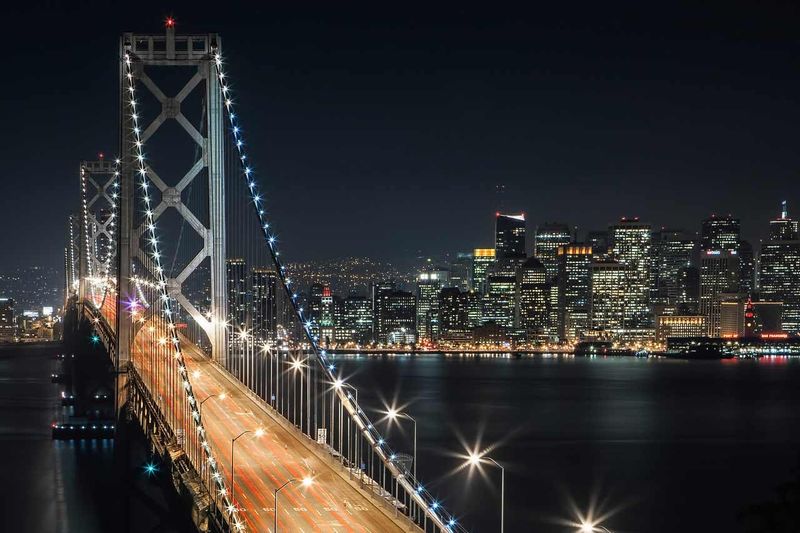
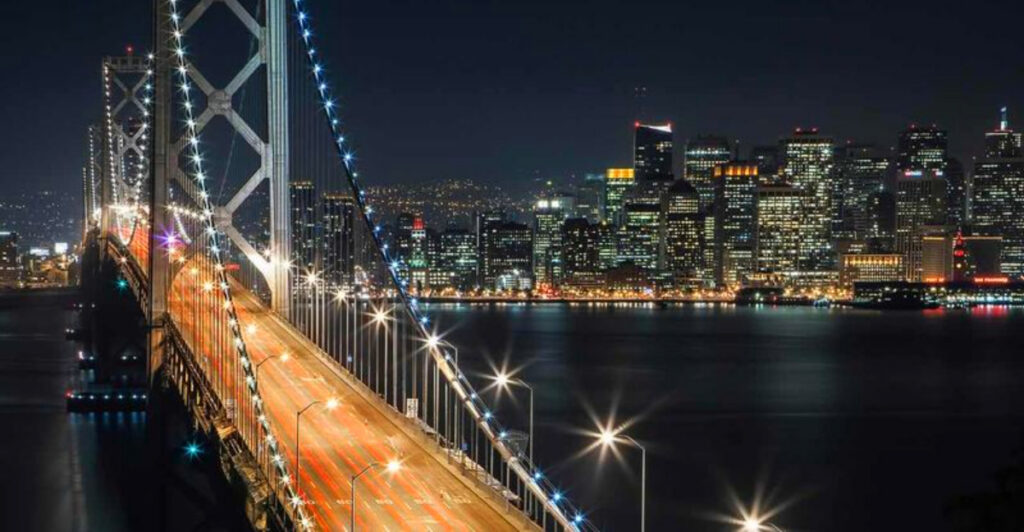
While its flashier neighbor gets all the postcards, the Bay Bridge quietly handles an enormous amount of the heavy lifting. Carrying around 260,000 vehicles daily, the San Francisco–Oakland Bay Bridge is actually one of the busiest bridges in the entire United States.
Its double-deck design stacks westbound and eastbound traffic on top of each other across the San Francisco Bay.
The bridge opened in 1936, six months before the Golden Gate Bridge, and stretches about 4.5 miles from San Francisco to Oakland. It is actually two separate bridges connected by a tunnel bored through Yerba Buena Island in the middle of the bay.
The western span features a stunning self-anchored suspension design completed in 2013 after the original was damaged in the 1989 Loma Prieta earthquake.
At night, the Bay Bridge transforms into something truly magical. An art installation called The Bay Lights features 25,000 LED lights woven along the cables of the western span, creating a shimmering light show visible for miles.
The project became so beloved that the city made it permanent. For commuters who cross it twice a day, it might just be the most spectacular daily routine in America — even if they sometimes forget to look up.
Mackinac Bridge — Michigan
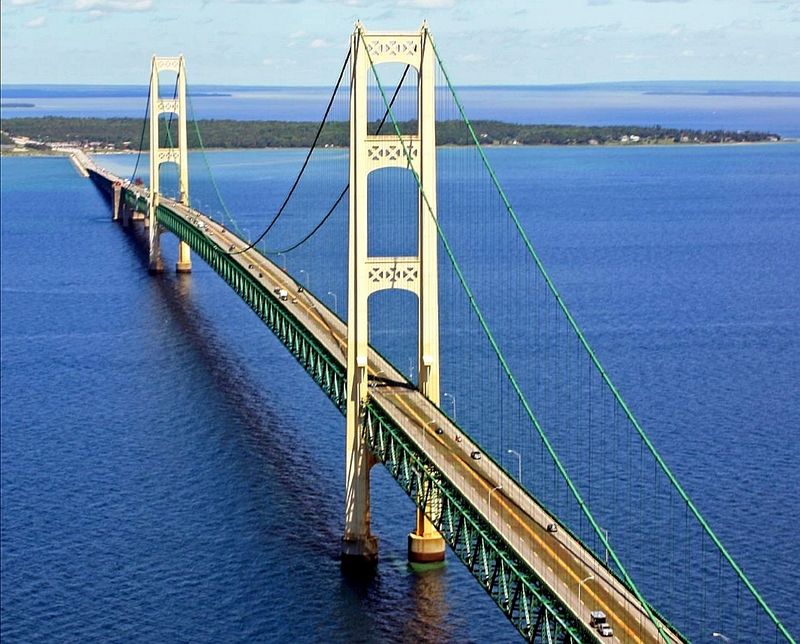
Up in the northern tip of Michigan, two peninsulas stare across a windy stretch of water — and the Mighty Mac holds them together. The Mackinac Bridge spans about 5 miles across the Straits of Mackinac, connecting Michigan’s Upper and Lower Peninsulas in a feat of engineering that took three years and thousands of workers to complete.
It opened in November 1957 to enormous celebration.
Before the bridge existed, residents had to rely on ferries to cross the straits, which could shut down completely during harsh winters. The bridge changed everything, turning what was once a seasonal inconvenience into a year-round connection.
Standing 552 feet above the water at its tallest point, the Mackinac Bridge is one of the longest suspension bridges in the Western Hemisphere.
Every Labor Day, the bridge closes to vehicles so thousands of walkers can stroll across it during the annual Mackinac Bridge Walk — a beloved Michigan tradition since 1958. The walk draws up to 60,000 participants some years.
Wind is a constant factor on the bridge, and on especially blustery days, officials sometimes escort nervous drivers across in official vehicles. The views of Lake Michigan and Lake Huron from the center span are simply breathtaking.
Chesapeake Bay Bridge–Tunnel — Virginia
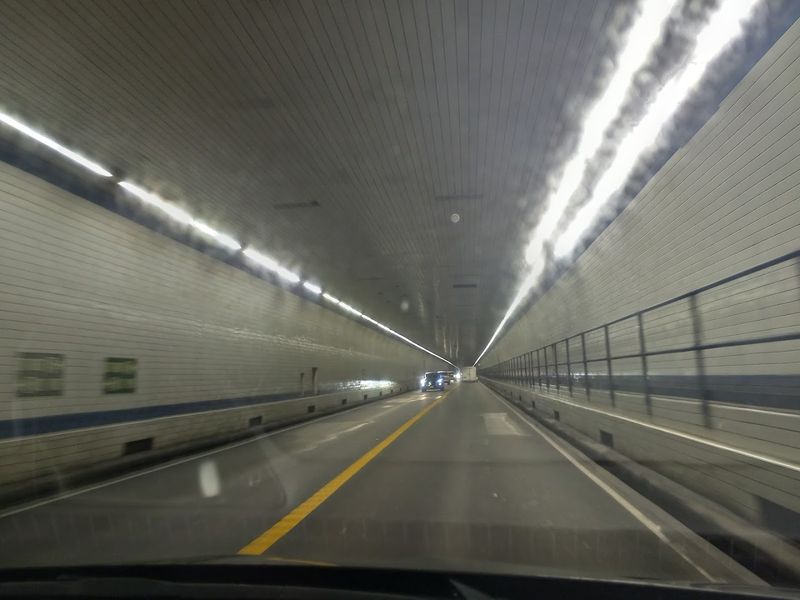
Most bridges go over water — this one goes under it too. The Chesapeake Bay Bridge–Tunnel is one of the most ambitious transportation projects ever completed in America, combining 12 miles of low-level trestles, two mile-long tunnels, two bridges, four artificial islands, and a causeway into one incredible 17.6-mile crossing.
It links Virginia Beach with the Delmarva Peninsula across the mouth of the Chesapeake Bay.
The structure opened in 1964 after years of construction that required workers to tackle everything from pile driving to underwater tunnel boring. A second parallel span was added in 1999 to handle increasing traffic.
The tunnels dip beneath the bay to allow large naval and commercial ships to pass freely overhead, which was a critical design requirement given the nearby naval base at Norfolk.
Driving the crossing is a genuinely wild experience. One moment you are high above the open water with sweeping bay views, and the next you are descending into a lit tunnel beneath the waves.
The bridge–tunnel attracts visitors who come specifically to experience the unusual ride, and a rest stop on one of the artificial islands offers fishing and a small restaurant. Engineers consider it one of the Seven Engineering Wonders of the Modern World.
Royal Gorge Bridge — Colorado
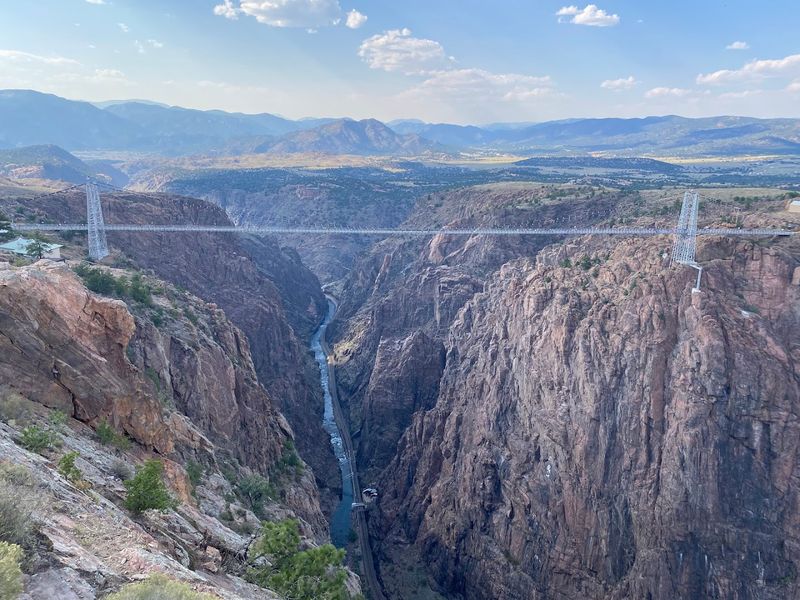
Standing on the Royal Gorge Bridge and looking straight down is not for the faint of heart. This suspension bridge hangs 955 feet above the Arkansas River — a drop taller than most skyscrapers — making it one of the most dramatic bridges you can walk across anywhere in the world.
The sheer walls of the Rocky Mountain canyon surround it on both sides, creating a scene that feels more like a movie set than reality.
Built in just five months in 1929, the bridge was never intended as a transportation route. It was constructed purely as a tourist attraction, and it worked brilliantly.
For decades it held the record as the highest bridge in the world, drawing curious visitors from across the country who wanted to test their nerves on its wooden plank deck.
A wildfire tore through the Royal Gorge Park in 2013, destroying many nearby structures but leaving the bridge itself largely intact. After extensive renovations, it reopened as part of a modern adventure park complete with zip lines and gondola rides.
The bridge spans 1,260 feet and sways slightly in the wind, which adds to the thrill. Visiting the Royal Gorge Bridge is equal parts history lesson and pure adrenaline rush.
New River Gorge Bridge — West Virginia
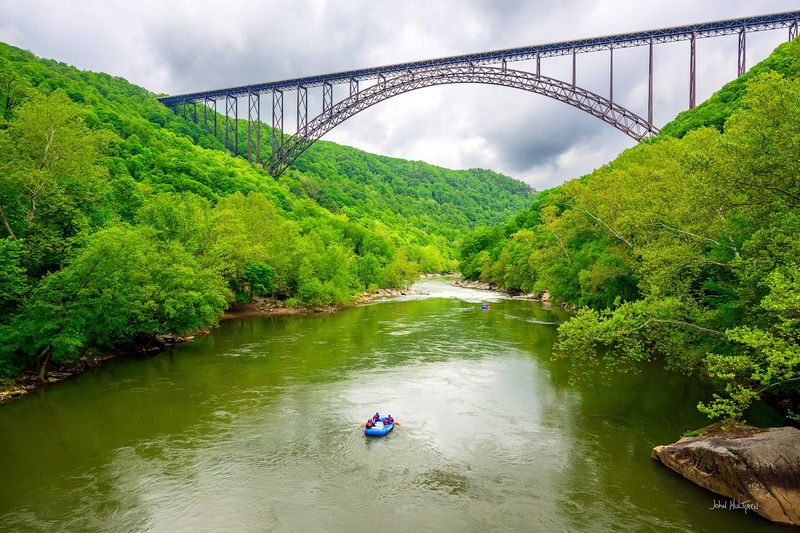
Steel, sky, and an ancient river gorge — the New River Gorge Bridge hits differently than any other bridge in America. This jaw-dropping steel arch spans 3,030 feet across the New River Gorge in West Virginia, making it one of the longest steel arch bridges in the Western Hemisphere.
When it opened in 1977, it cut a 45-minute mountain drive down to just one minute.
The bridge stands 876 feet above the river below, offering views of dense Appalachian forest stretching in every direction. Each October, Bridge Day transforms the structure into one of the wildest festivals in the country.
The bridge closes to traffic so BASE jumpers can leap off it, rappellers can descend its sides, and thousands of spectators can walk across and stare into the gorge below.
In 2020, the New River Gorge became a National Park, and the bridge quickly became its most recognizable symbol. The arch itself contains 88 million pounds of steel and took three years to construct.
Engineers used a system of temporary cables to build the arch from both sides simultaneously, meeting precisely in the middle. The New River Gorge Bridge was also featured on the West Virginia state quarter, cementing its place as a true American icon.
George Washington Bridge — New York/New Jersey
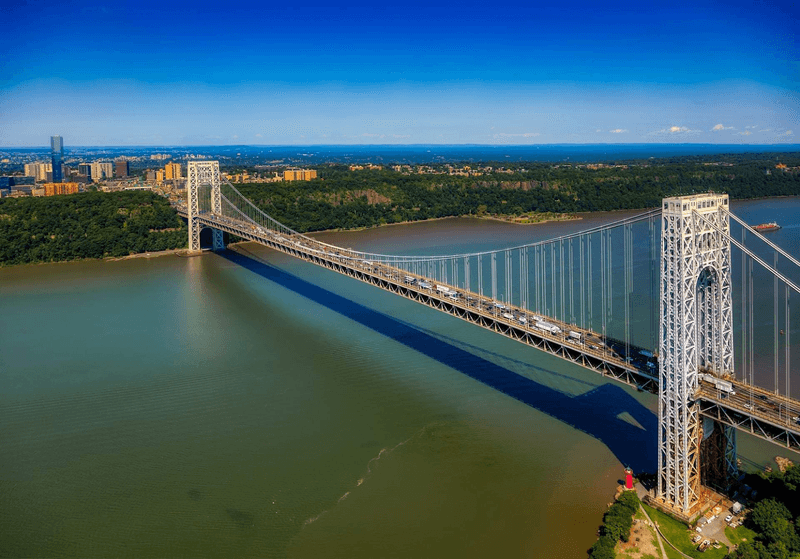
Every single day, about 103 million vehicles cross the George Washington Bridge — making it the busiest motor-vehicle bridge on the entire planet. That staggering number is easy to believe if you have ever been stuck in traffic on its upper deck during rush hour.
Connecting Manhattan to Fort Lee, New Jersey, the GWB is the backbone of the northeastern United States transportation network.
The bridge opened in 1931 and was designed by legendary engineer Othmar Ammann. Its main span stretches 4,760 feet across the Hudson River, and its towers stand 604 feet tall.
The original plan actually called for the towers to be clad in granite and concrete, but the Great Depression forced budget cuts — and ironically, the exposed steel skeleton became beloved for its raw, industrial elegance.
A lower deck was added in 1962 to handle booming postwar traffic, doubling the bridge’s capacity. Fourteen lanes of traffic now run across both decks.
At night, the bridge is lit with bright white lights that make it glow dramatically above the Hudson. There is also a pedestrian walkway on the south side where cyclists and walkers can enjoy sweeping river views — a rare moment of calm on one of America’s hardest-working bridges.
Bixby Creek Bridge — California
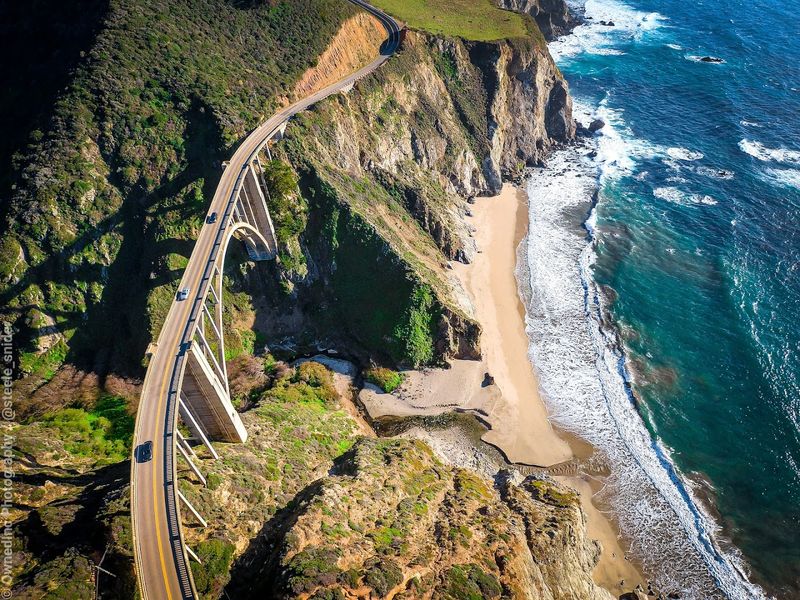
Pull over on Highway 1 near Big Sur, and you will probably find a dozen photographers already lined up along the road — all pointing their lenses at Bixby Creek Bridge. This slender concrete arch bridge is arguably the most photogenic bridge in America, framing the Pacific Ocean in a way that makes every shot look like a professional postcard.
And it has been doing that since 1932.
Built during the Great Depression as part of a major effort to connect the California coast, Bixby Creek Bridge was one of the most challenging construction projects of its era. Workers had to haul materials down steep cliffs to reach the remote canyon site.
The finished arch spans 360 feet and rises 260 feet above the creek below, all without a single structural support underneath.
The bridge appears in countless films, commercials, and music videos, making it one of the most recognizable stretches of road in the world. Driving across it with the windows down, ocean breeze rushing in and waves crashing far below, is a full sensory experience.
Despite its relatively modest size compared to the other bridges on this list, Bixby Creek Bridge punches well above its weight in the iconic department. It is proof that beauty can outshine brute size.
Galena Creek Bridge — Nevada
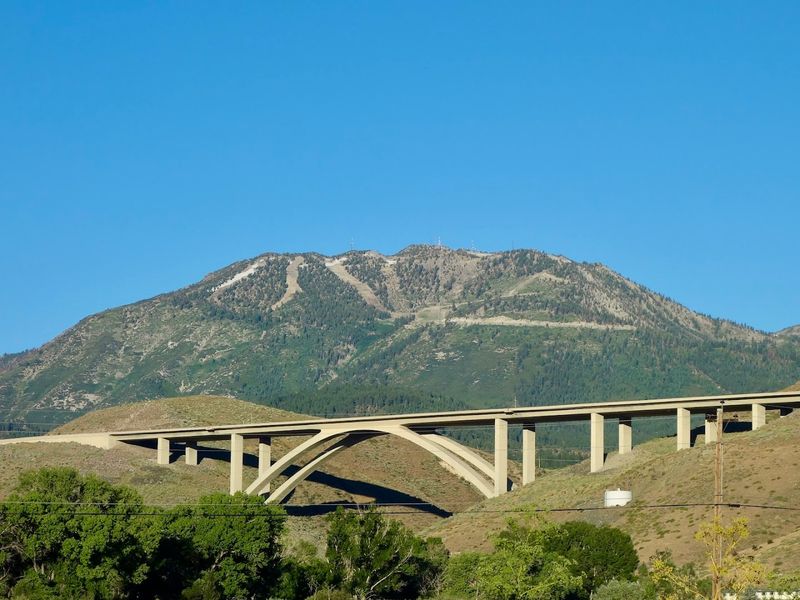
Most people flying into Reno zoom right past one of the most impressive engineering achievements in the entire state of Nevada without realizing it. The Galena Creek Bridge carries Interstate 580 over a deep canyon in the Sierra Nevada foothills, standing nearly 300 feet above the creek below.
It is one of the tallest and most architecturally striking highway bridges in the American West.
What makes this bridge truly special is its cathedral arch design — a soaring concrete arch that resembles the curved vaulting of a Gothic cathedral more than a typical highway overpass. Completed in 2012, the bridge is 1,700 feet long and required years of careful engineering to handle both the mountain terrain and the heavy loads of Interstate traffic.
The arch itself spans 580 feet, a fitting number given the highway it carries.
The surrounding landscape adds to the drama. Pine forests and rocky canyon walls frame the bridge beautifully, and the Sierra Nevada mountains rise in the background.
Local hikers sometimes make their way down into the canyon just to look up at the arch from below, which offers a completely different and equally stunning perspective. The Galena Creek Bridge is a reminder that modern highway engineering, done right, can be genuinely beautiful.
Maestri Bridge — Louisiana
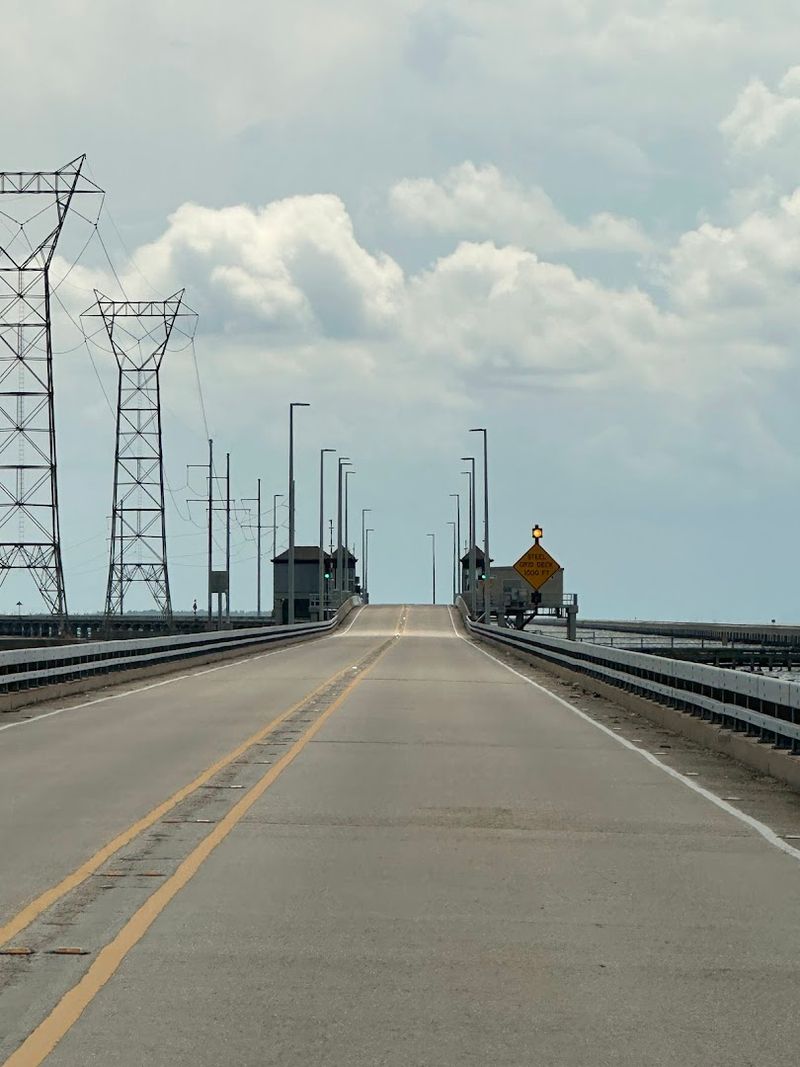
Before the famous causeway stole its thunder, the Maestri Bridge was the star of Lake Pontchartrain. Opened in 1928 and named after New Orleans mayor Robert Maestri, this concrete span stretches about 4.8 miles across the eastern end of the lake and was once celebrated as the longest concrete bridge in the world.
That record did not last forever, but the bridge itself has outlasted plenty of expectations.
Unlike the smooth modern lanes of the causeway, the Maestri Bridge has a distinctly old-school character. Its narrow lanes and vintage construction give it the feel of a bridge that has genuinely seen history roll across it — and it has.
For decades it served as a critical connection between New Orleans and the communities east of the lake, handling traffic that had no other option.
Today the bridge carries US Highway 90 and still sees regular traffic, though it operates in the shadow of its longer, more celebrated neighbor. Restoration efforts over the years have kept it structurally sound despite its age.
The Maestri Bridge is the kind of infrastructure landmark that does not get the flashy magazine spreads, but engineers and history buffs know exactly what it represents: a bold early chapter in America’s long love affair with building over water.
Fred Hartman Bridge — Texas
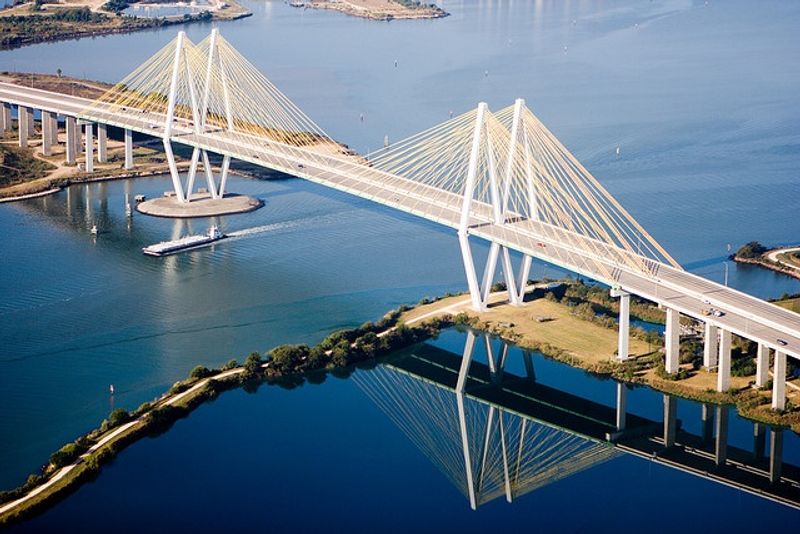
Rising above the Houston Ship Channel on a pair of towering Y-shaped pylons, the Fred Hartman Bridge is the kind of structure that makes you slow down just to get a better look. This cable-stayed bridge stretches 2,475 feet across one of the busiest commercial waterways in America, carrying State Highway 146 over the channel that serves the Port of Houston.
It opened in 1995 and immediately became a landmark.
The bridge was named after Fred Hartman, a longtime editor of the Baytown Sun newspaper who championed the crossing for years before it was ever built. Its two diamond-shaped towers stand 440 feet tall, and 192 cables fan outward from them in a dramatic harp-like pattern.
The design was chosen partly for aesthetics — local officials wanted a bridge that would make a statement, and they definitely got one.
Petrochemical plants and industrial facilities line the banks of the ship channel below, giving the Fred Hartman Bridge a gritty, working-class backdrop that perfectly suits the Houston spirit. Large tankers and cargo ships regularly pass beneath its tall central span, which clears 175 feet above the water.
For a city that does not always get credit for its landmarks, this cable-stayed giant is a genuine source of local pride.
Sunshine Skyway Bridge — Florida
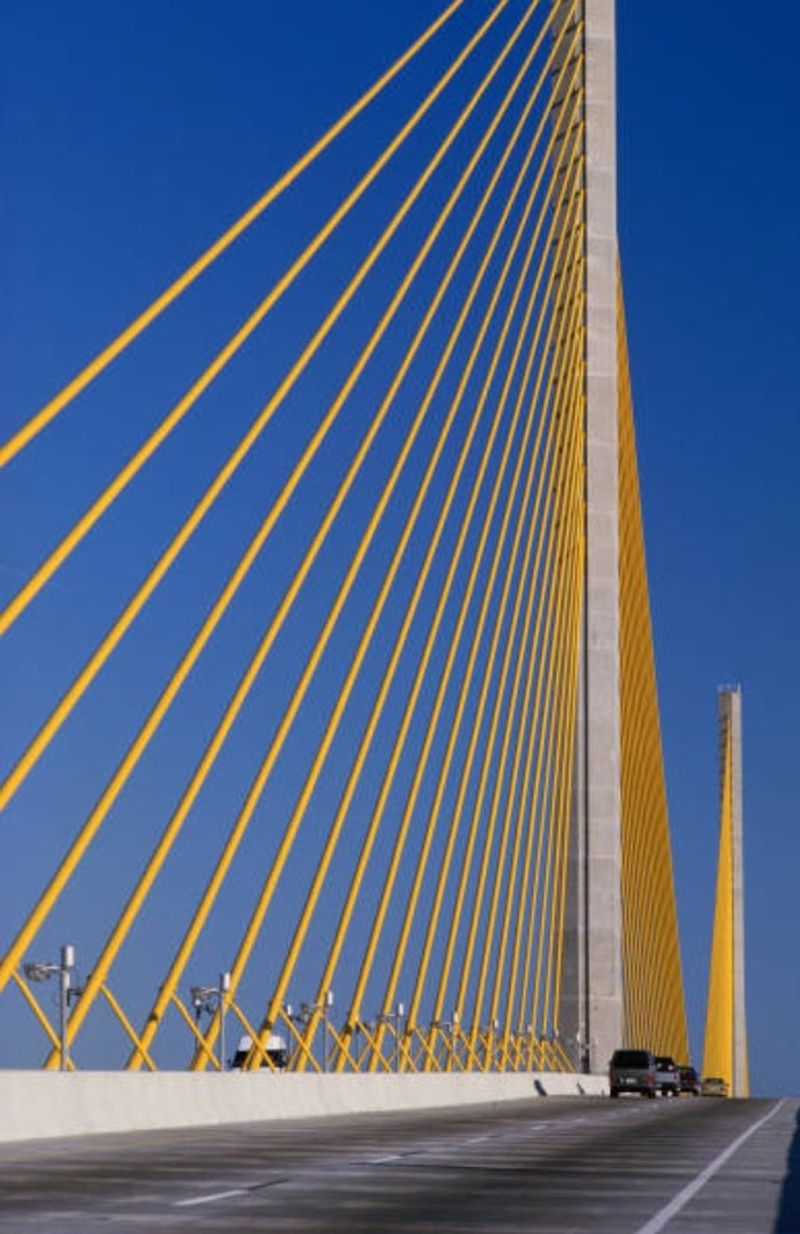
Yellow cables slicing upward against a bright Florida sky — the Sunshine Skyway Bridge over Tampa Bay is one of those rare structures that genuinely looks like it belongs on a postcard. Its bold cable-stayed design features a central tower rising 430 feet above the water, with cables fanning out in a vivid yellow sunburst pattern that catches the light at every angle.
It is simply one of the most beautiful highway bridges in the country.
The current bridge opened in 1987, replacing an earlier span that was tragically struck by a cargo ship in 1980. That disaster collapsed a section of the old bridge and claimed 35 lives, making the construction of the new, stronger replacement both a safety priority and an act of remembrance.
Sections of the old bridge were preserved as fishing piers, which remain popular today.
At nearly 4 miles long, the Sunshine Skyway carries Interstate 275 across Tampa Bay and offers sweeping views of the water in every direction. The main span stretches 1,200 feet, giving large ships plenty of room to pass safely underneath.
Dolphins are occasionally spotted swimming in the bay below, which is about as Florida as it gets. The bridge has won multiple design awards and serves as a daily reminder that function and beauty are not mutually exclusive.
Share this story