Everybody knows Yellowstone, Yosemite, and the Grand Canyon. But showing up to those parks in July can feel less like a nature escape and more like a theme park queue.
The good news is that the U.S. is packed with spectacular parks and natural areas that most people have never heard of. These 14 hidden gems deliver stunning scenery, real wilderness, and way fewer selfie sticks.
North Cascades National Park (Washington) – A Quieter Alternative to Olympic National Park
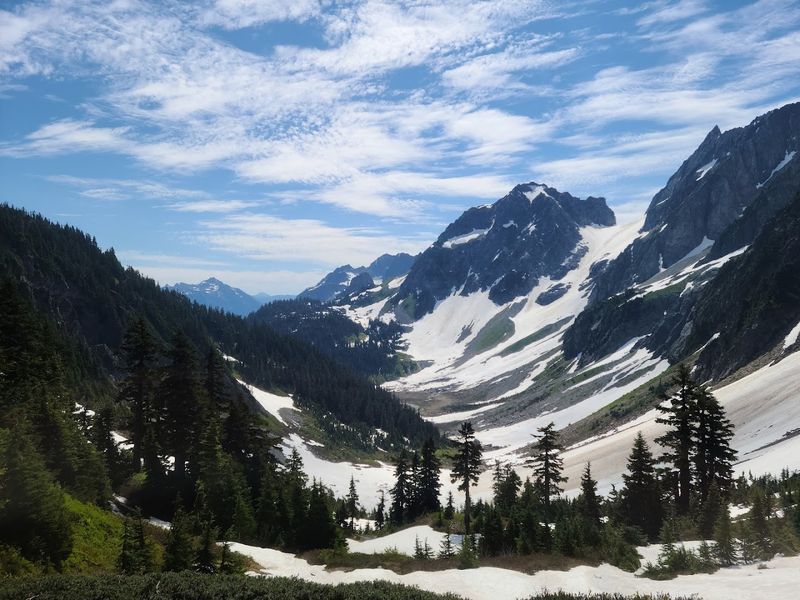
Only about 30,000 people visit North Cascades each year, compared to the millions who flood Olympic National Park. That number alone should have you packing your bags.
Called the “American Alps,” this Washington gem is loaded with glacier-carved valleys, jagged peaks, and lakes so blue they look digitally enhanced.
I drove the North Cascades Highway on a Tuesday in August and passed maybe twelve other cars the entire route. It was almost suspicious.
The scenic highway cuts through the heart of the park, offering sweeping mountain views that would make any road tripper weep with joy.
Hikers can access trails ranging from easy lakeside strolls to serious backcountry routes. Wildlife sightings are common, with black bears and mountain goats frequently spotted.
If Olympic feels like a crowded concert, North Cascades is the secret after-party everyone wishes they knew about.
Black Canyon of the Gunnison National Park (Colorado) – Instead of the Grand Canyon
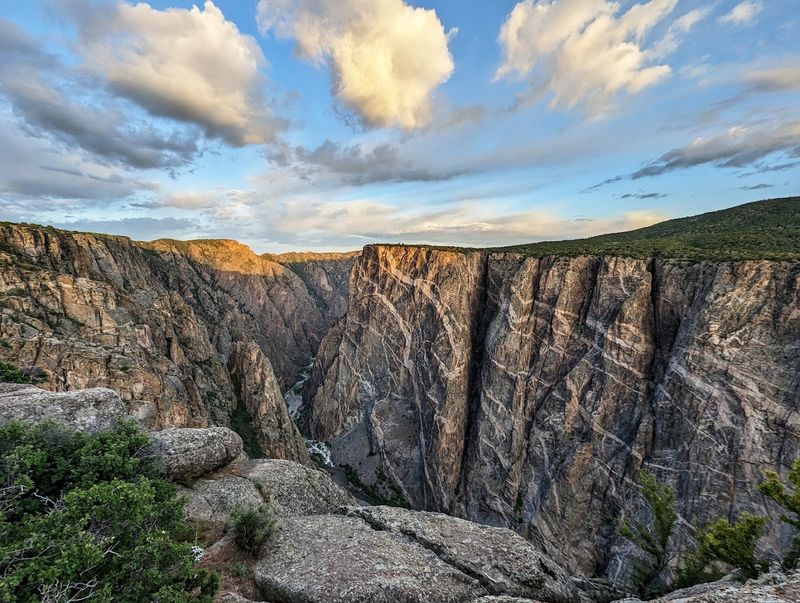
The Grand Canyon gets all the glory, but Black Canyon of the Gunnison is sitting in Colorado quietly being just as jaw-dropping and dramatically underrated. The canyon walls drop nearly 2,700 feet in some places and are so narrow that certain spots get only 33 minutes of sunlight per day.
That is not a typo.
The dark, ancient Precambrian rock creates a moody, almost cinematic atmosphere that feels completely different from the warm red tones of the Grand Canyon. Rim trails offer dizzying views without the shoulder-to-shoulder tourist experience you get in Arizona.
No shuttle buses, no reservation lotteries, just you and a very long way down.
The South Rim is more accessible, while the North Rim stays genuinely wild and quiet. Bring a good camera and maybe hold someone’s hand near the edge.
This canyon does not mess around, and neither does its scenery.
Great Basin National Park (Nevada) – Instead of Yosemite
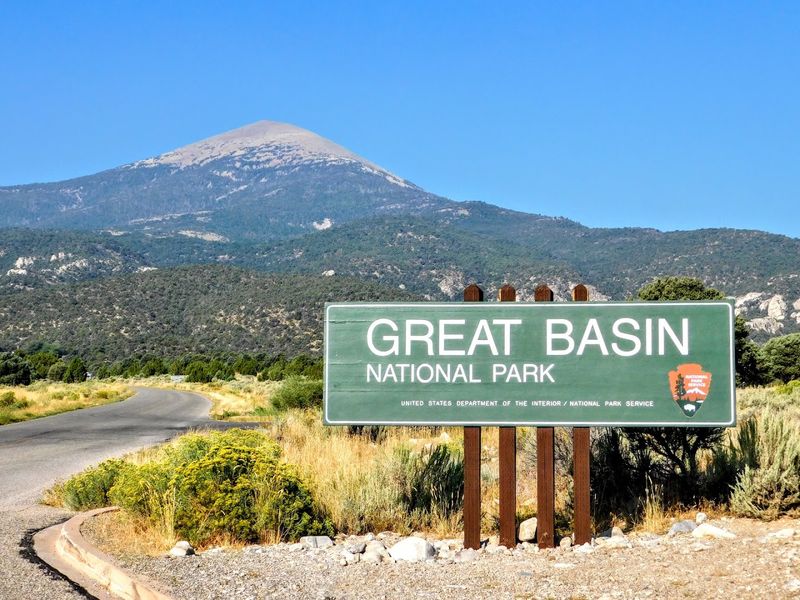
Nevada is not exactly the first state that comes to mind for national park adventures, which is exactly why Great Basin is such a brilliant find. The park sits in one of the most remote corners of the lower 48, and that remoteness is its superpower.
No cell service, no crowds, no problem.
Wheeler Peak rises over 13,000 feet and offers a serious hike with glacier views that genuinely rival Yosemite’s backcountry. The ancient bristlecone pine trees here are among the oldest living organisms on Earth, some pushing 5,000 years old.
Standing next to one feels appropriately humbling.
The real showstopper is the night sky. Great Basin has some of the darkest skies in the continental U.S., making stargazing absolutely outrageous on a clear night.
The Lehman Caves system adds an underground bonus that kids and adults both love. Yosemite who?
Guadalupe Mountains National Park (Texas) – Instead of Joshua Tree
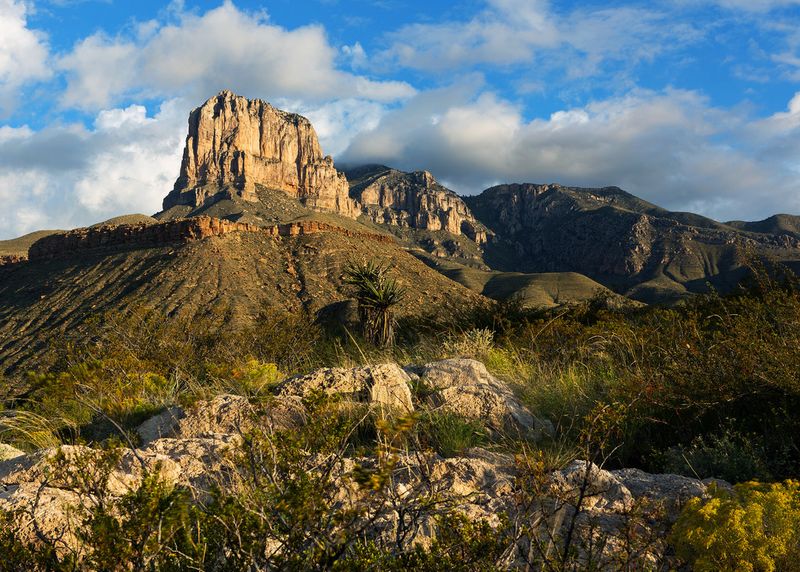
Joshua Tree has become so popular that the parking lots now fill before sunrise on weekends. Guadalupe Mountains National Park in west Texas offers a compelling desert alternative with far fewer visitors and a surprisingly diverse landscape.
It also holds the bragging rights for the highest point in Texas.
Guadalupe Peak tops out at 8,749 feet, and the trail to the summit is a rewarding four-mile climb with panoramic views that stretch into New Mexico. The park covers over 86,000 acres of canyons, sand dunes, and desert wilderness, with more than 80 miles of trails to explore.
Fall foliage in McKittrick Canyon is a genuinely underrated spectacle, drawing comparisons to New England color shows but without the leaf-peeper traffic. Camping here is blissfully quiet, and the dark skies are spectacular.
If Joshua Tree is the popular kid, Guadalupe Mountains is the cool one nobody has discovered yet.
Wrangell-St. Elias National Park and Preserve (Alaska) – Instead of Glacier National Park
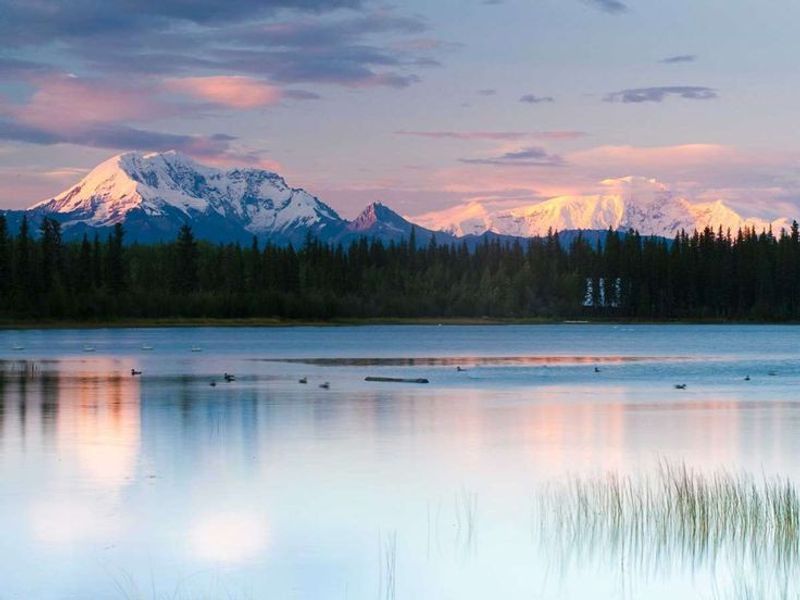
Wrangell-St. Elias is so enormous it could swallow Yellowstone, Yosemite, and the entire country of Switzerland and still have room for dessert. It is the largest national park in the United States by a massive margin, covering over 13 million acres of glaciers, volcanoes, and raw Alaskan wilderness.
And yet, most Americans have never heard of it.
Getting there requires some commitment. The two main access roads are unpaved and adventurous, which is probably why visitor numbers stay refreshingly low.
That remoteness rewards those who make the effort with wildlife encounters, glacier hikes, and views that make Glacier National Park look like a warm-up act.
The ghost town of Kennecott, a former copper mining operation, adds a fascinating historical layer to the visit. Small bush plane flights offer an unforgettable aerial perspective of the glaciers below.
This park is for people who mean serious business when they say they want an adventure.
Shenandoah National Park (Virginia) – Instead of Great Smoky Mountains National Park
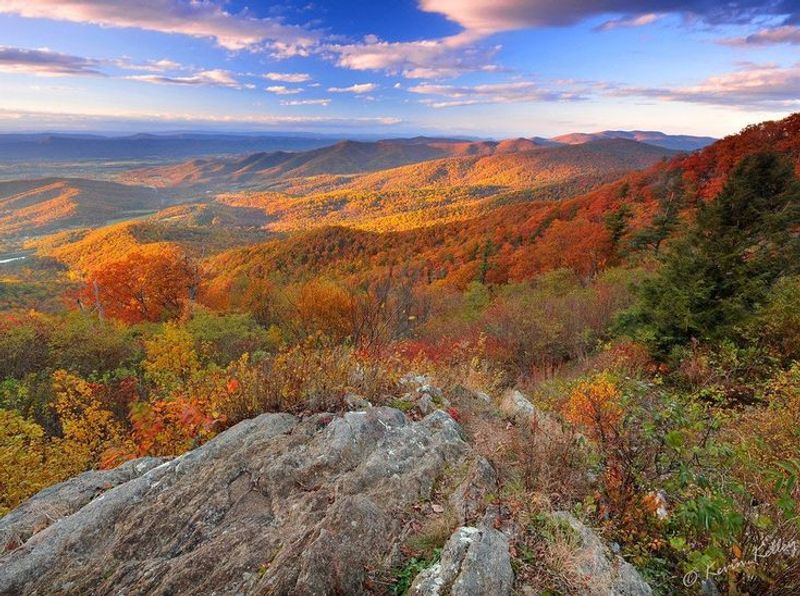
Great Smoky Mountains is the most visited national park in the country, which sounds impressive until you are stuck in a bumper-to-bumper line just to enter the park. Shenandoah, just a few hours north in Virginia, offers a strikingly similar experience with a fraction of the frustration.
The Blue Ridge Mountains here are genuinely beautiful year-round.
Skyline Drive runs the full 105-mile length of the park along the ridge, with over 75 overlooks offering views of the Shenandoah Valley below. It is one of the most scenic drives in the eastern United States, and on a weekday, you might have entire overlooks to yourself.
That felt almost too good to be true the first time it happened to me.
Over 500 miles of hiking trails wind through the park, including a long stretch of the Appalachian Trail. Waterfalls, deer, and black bears round out the wildlife checklist.
Smoky Mountains gets the fame, but Shenandoah gets the last laugh.
Beartooth Highway and Custer Gallatin National Forest (Montana/Wyoming) – Instead of Yellowstone
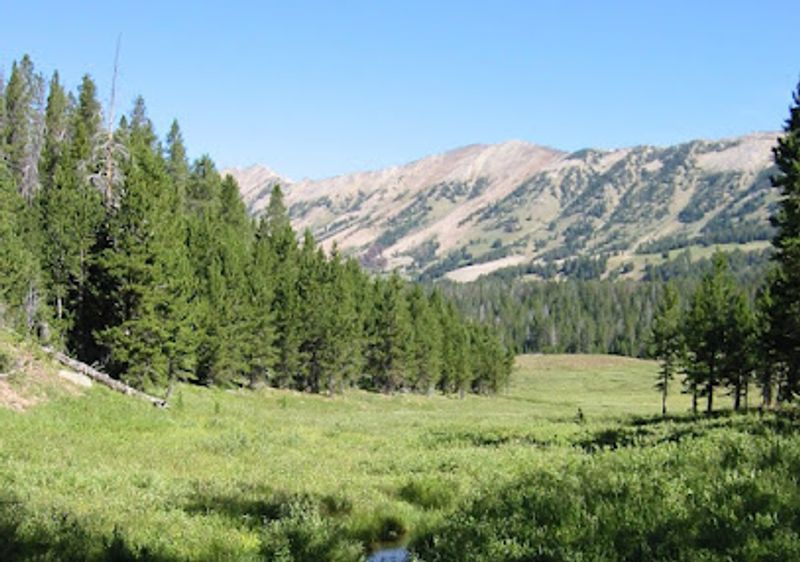
Yellowstone is iconic, but the traffic jams caused by bison crossing the road can turn a two-mile drive into a two-hour ordeal. The Beartooth Highway, running through Custer Gallatin National Forest on the Montana-Wyoming border, gives you equally spectacular Rocky Mountain scenery with none of the gridlock.
It has been called the most beautiful highway in America, and the competition is not even close.
The highway climbs to nearly 11,000 feet, winding past alpine meadows, glacial lakes, and mountain passes that feel genuinely other-worldly. Wildlife is plentiful, including elk, mountain goats, and grizzly bears.
No waiting in line to spot any of them.
The surrounding national forest offers endless hiking and camping options, and towns like Red Lodge serve as charming base camps with good food and friendly locals. Coming here instead of fighting Yellowstone traffic is one of the smartest travel decisions a person can make this summer.
Grand Staircase-Escalante National Monument (Utah) – Instead of Zion
Zion is breathtaking, no argument there. But the Narrows in peak season now requires advance permits and involves shuffling through waist-deep water alongside hundreds of strangers.
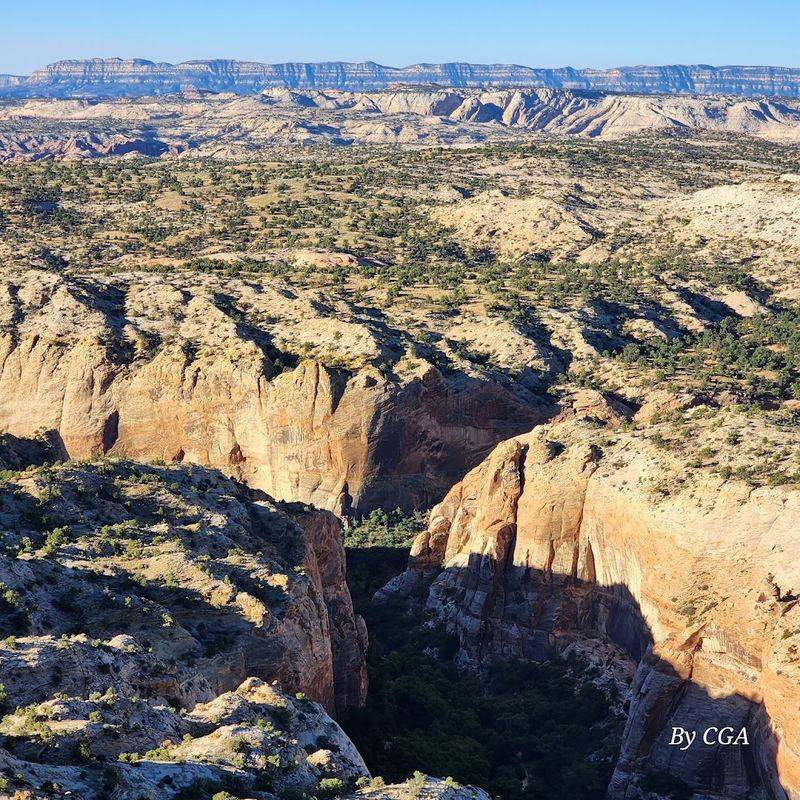
Grand Staircase-Escalante National Monument offers Utah canyon country on a grand, uncrowded scale that feels like a completely different era of travel.
Covering nearly 1.9 million acres, this monument contains slot canyons, ancient dinosaur fossil beds, arches, and sandstone formations in every shade of orange and red the color wheel can produce. Many of the best spots require some off-road driving and navigation skills, which naturally keeps the casual crowds away.
That is a feature, not a bug.
Coyote Gulch is a legendary multi-day backpacking route through the monument, offering arches, natural bridges, and canyon views that rival anything in the national park system. Permits are easy to get and campsites feel genuinely peaceful.
Zion gets the Instagram posts; Escalante gets the real experience.
Sequoia and Kings Canyon National Parks (California) – Instead of Yosemite Valley
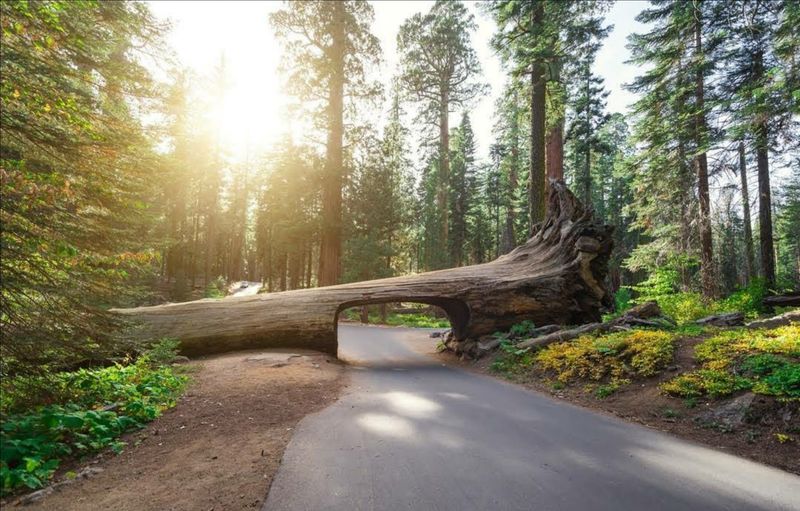
Yosemite Valley in summer is essentially an outdoor shopping mall with waterfalls. Meanwhile, Sequoia and Kings Canyon sit just a few hours south, offering giant trees, dramatic mountain scenery, and a noticeably more relaxed atmosphere.
These two neighboring parks are often treated as one destination and together they form an absolute powerhouse.
The General Sherman Tree in Sequoia is the largest living tree on Earth by volume, and standing beneath it is one of those genuinely humbling moments that travel is supposed to deliver. Kings Canyon adds a dramatic glacially carved valley that rivals Yosemite in beauty but gets a small fraction of the visitors.
Roads into both parks involve winding mountain driving that some find thrilling and others find terrifying, which naturally limits the casual drop-in crowd. Trails range from family-friendly grove walks to serious high-country routes.
These parks prove that the best things in California do not always come with a two-hour parking wait.
Indiana Dunes National Park (Indiana) – Instead of Sleeping Bear Dunes
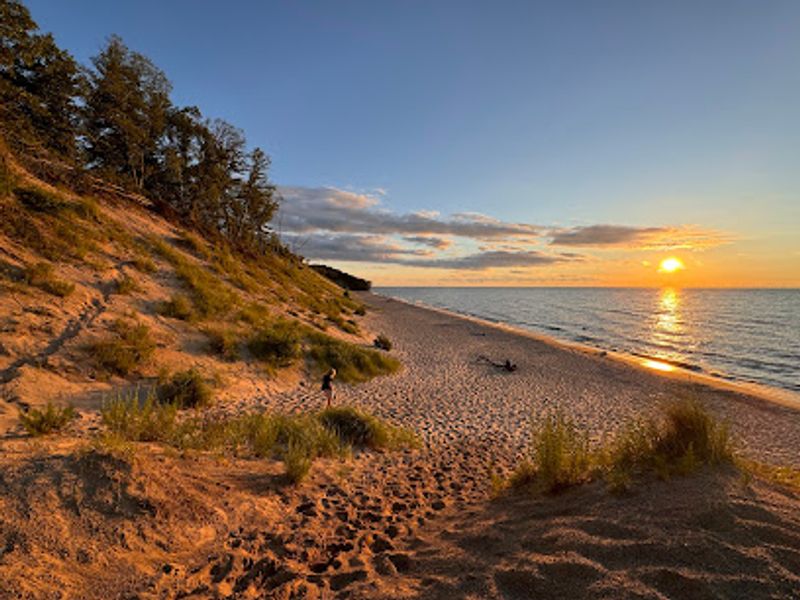
Indiana does not usually top anyone’s list of dramatic natural destinations, which makes Indiana Dunes National Park one of the most delightfully surprising parks in the country. Established as a national park in 2019, it sits along the southern shore of Lake Michigan and packs an impressive variety of ecosystems into a compact stretch of coastline.
Beaches, wetlands, prairies, and towering dunes all within one park boundary.
The dunes themselves climb up to 200 feet, and climbing Mount Baldy is a classic park activity that rewards the effort with sweeping lake views. Swimming in Lake Michigan on a warm day is legitimately excellent, with clear water and sandy beaches that rival coastal destinations far more famous than northern Indiana.
Chicago sits just 50 miles away, making this the most accessible national park for one of the largest cities in the country. Weekdays here are wonderfully quiet.
Sleeping Bear Dunes gets the travel magazine covers, but Indiana Dunes gets the convenience trophy.
Palo Duro Canyon State Park (Texas) – Instead of the Grand Canyon
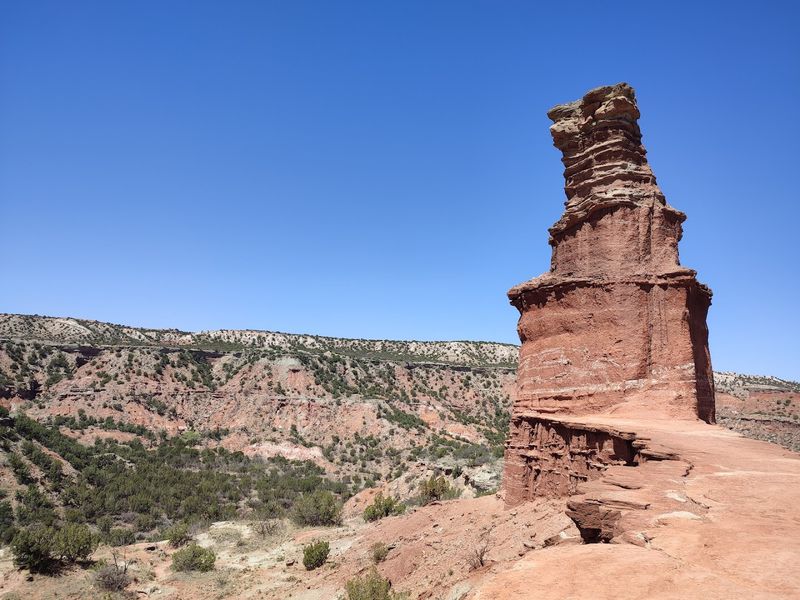
Palo Duro Canyon is the second-largest canyon in the United States, and somehow the Texas Panhandle keeps it almost entirely to itself. Nicknamed the “Grand Canyon of Texas,” it stretches 120 miles long and reaches depths of 800 feet, with canyon walls striped in vivid reds, oranges, and yellows.
The Grand Canyon in Arizona charges more and delivers longer lines.
The park offers over 30 miles of trails for hiking, mountain biking, and horseback riding through the canyon floor and along the rim. The Lighthouse Trail is the crowd favorite, leading to a distinctive rock formation that makes for genuinely impressive photos.
Even on a busy weekend, the park feels spacious and unhurried.
An outdoor musical drama called “Texas” has been performed in the canyon amphitheater every summer since 1964, adding a quirky cultural bonus to the visit. Camping inside the canyon is atmospheric and affordable.
Sometimes the second-best canyon is actually the better trip.
Breaks Interstate Park (Kentucky/Virginia) – Instead of the Smokies
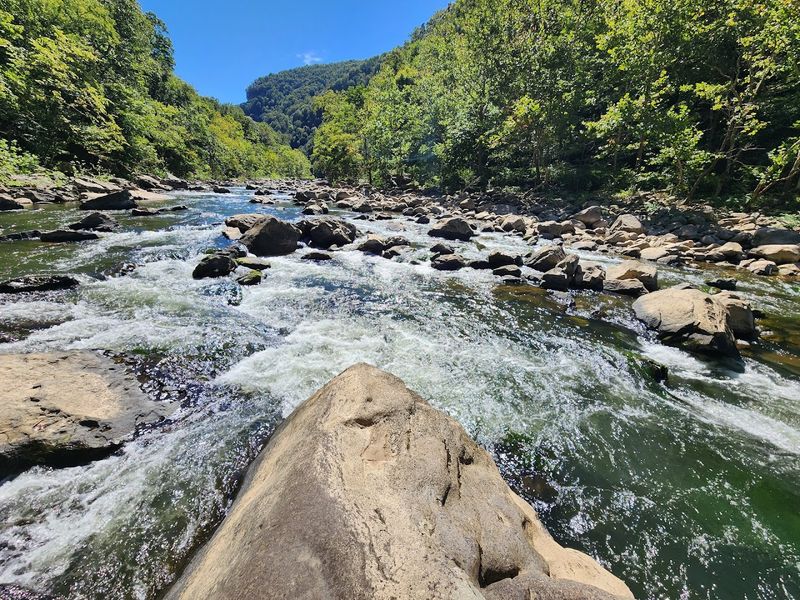
Most people outside of Appalachia have never heard of Breaks Interstate Park, which is genuinely baffling once you see it. Straddling the Kentucky-Virginia border, this park features the deepest gorge east of the Mississippi River, carved by the Russell Fork River over millions of years.
Locals call it the “Grand Canyon of the South,” and while that nickname gets tossed around a lot, this one actually earns it.
The gorge drops over 1,600 feet and is surrounded by dense Appalachian forest that turns absolutely spectacular during fall foliage season. Hiking trails along the rim deliver dizzying views without any of the Smoky Mountains traffic drama.
The park stays refreshingly uncrowded even during peak fall color weekends.
Whitewater kayaking on the Russell Fork River is a serious draw for adventure seekers, especially during October water releases. Camping facilities are solid and affordable.
This park is the kind of secret that feels almost wrong to share, but here we are.
Smith Rock State Park (Oregon) – Instead of Yellowstone’s Geothermal Regions
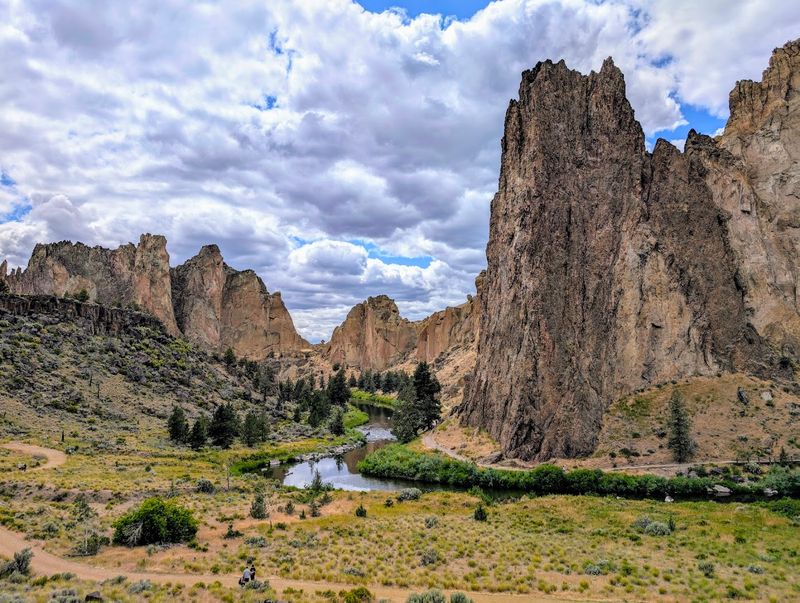
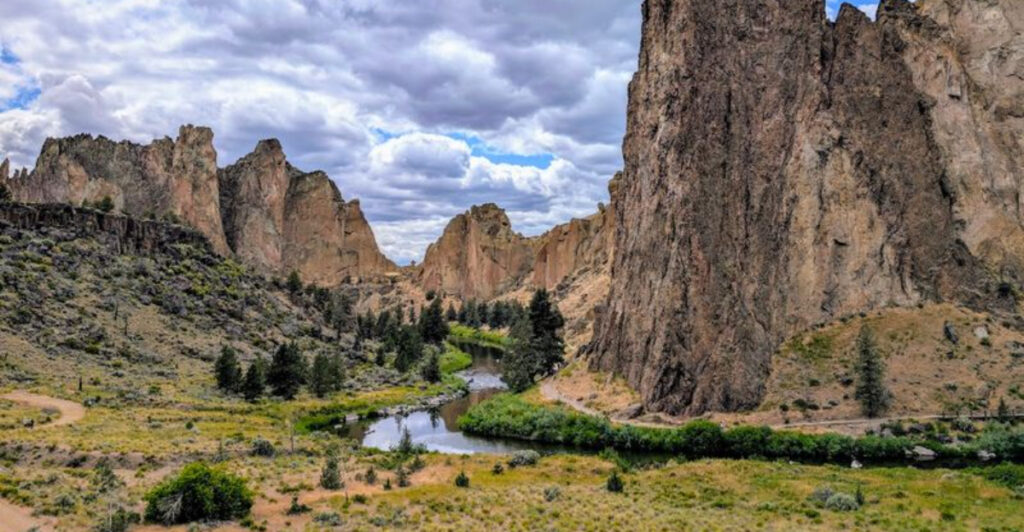
Smith Rock might be the most photogenic state park in the entire country, and Oregon knows it. The park’s towering volcanic rock formations rise dramatically from the Crooked River canyon in central Oregon, creating a landscape that looks almost too cinematic to be real.
This is the birthplace of modern American sport climbing, a fact that gives the place serious outdoor credibility.
Non-climbers have plenty to work with too. The Misery Ridge Trail loops through the canyon and up to dramatic viewpoints that justify every bit of the elevation gain.
Wildlife spotting is excellent here, with golden eagles, river otters, and mule deer regularly making appearances along the trails.
The high desert setting means dramatically different conditions from Oregon’s rainy coast, with sunshine being far more reliable. Spring and fall are the sweet spots for visiting.
While Yellowstone’s geothermal features are undeniably cool, Smith Rock delivers visual drama of a completely different and equally spectacular kind.
Gates of the Arctic National Park and Preserve (Alaska) – For True Solitude
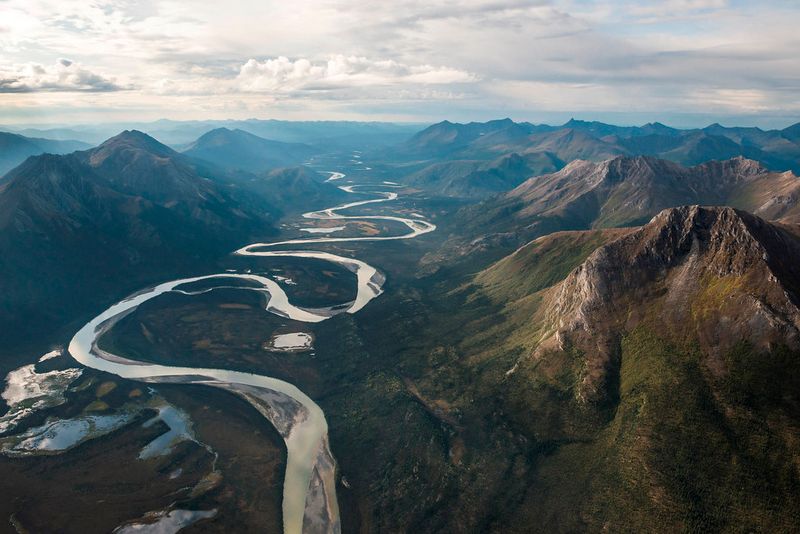
Only about 11,000 people visit Gates of the Arctic each year. To put that in perspective, Yellowstone gets that many visitors before lunch on a summer Saturday.
This park sits entirely above the Arctic Circle in Alaska, has zero roads, zero maintained trails, and zero cell service. It is the least visited national park in the United States and wears that title like a badge of honor.
Getting here requires a bush plane flight from Fairbanks or a very long, very serious hiking approach. That barrier is intentional.
The reward is complete, unfiltered wilderness covering nearly 8.5 million acres of Arctic tundra, mountains, and braided rivers teeming with caribou, wolves, and grizzlies.
This park is not for the casual visitor. It demands experience, preparation, and a genuine respect for remote travel.
But for those ready for it, Gates of the Arctic offers something almost impossible to find anywhere else: true, absolute solitude. The wild does not get wilder than this.
Share this story