Not every museum is filled with ancient fossils or famous paintings. Some of the most memorable places to visit in America are dedicated to things like bad art, giant shoes, or canned meat.
These offbeat spots prove that curiosity comes in all shapes and sizes. Whether you’re a seasoned traveler or just looking for something different, these wonderfully strange museums are worth every detour.
Museum of Bad Art — Massachusetts
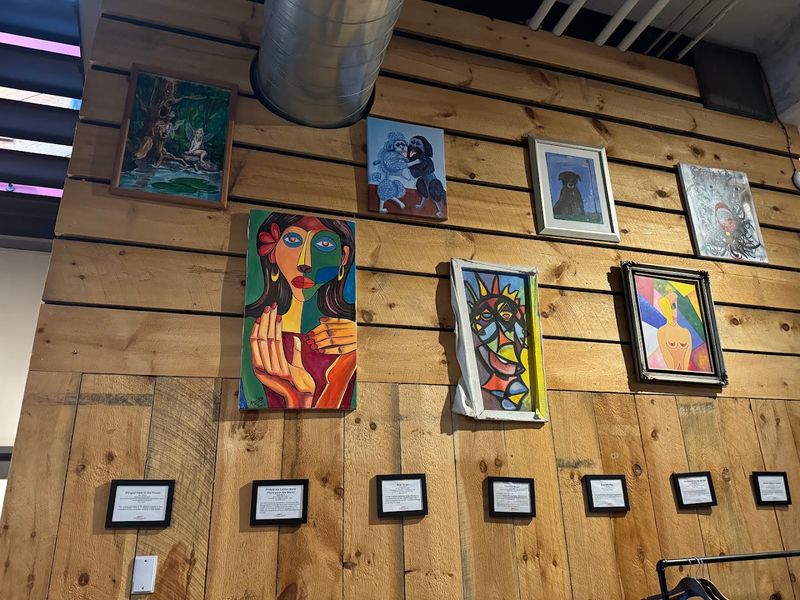
Forget everything you know about fine art — the Museum of Bad Art proudly hangs the worst of the worst, and somehow makes it glorious. Founded in 1993 after a painting was rescued from a trash pile, MOBA now houses over 700 pieces of spectacularly terrible artwork.
Each piece was chosen not for its awfulness alone, but for the bold ambition behind it.
Visiting feels like walking through a gallery where the artists tried incredibly hard and the results went wonderfully sideways. The witty wall labels steal the show, offering deadpan commentary that turns each misfire into comedy gold.
One famous piece, “Lucy in the Field with Flowers,” shows a woman mid-stumble with an expression that has baffled visitors for decades.
MOBA has multiple locations, including one inside a Dedham movie theater — yes, right next to the bathrooms. Admission is free at some locations, making it an easy and hilarious stop.
This museum reminds everyone that creativity matters more than perfection, and that sometimes the funniest things in life end up on a wall.
International UFO Museum — Roswell, New Mexico
Something crashed near Roswell in the summer of 1947, and the world has never stopped arguing about what it was. The International UFO Museum sits right in the heart of this legendary mystery, drawing curious visitors from across the globe every single year.
It opened in 1991 and has welcomed millions of believers, skeptics, and everyone in between.
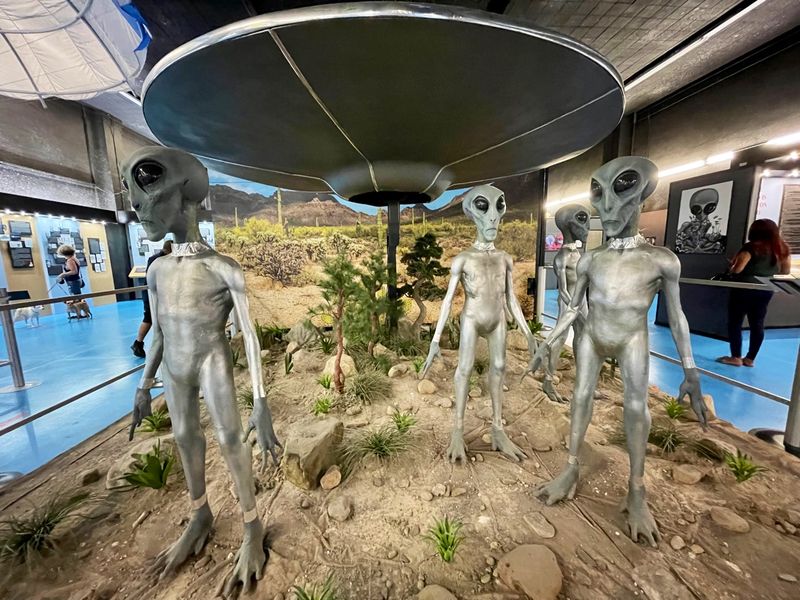
Inside, you’ll find detailed exhibits about the original 1947 incident, including newspaper clippings, military reports, and eyewitness testimonies. Life-size alien figures, crashed spacecraft recreations, and glowing displays make the whole experience feel like stepping into a sci-fi movie.
The gift shop alone — packed with alien plushies and conspiracy theory books — could entertain you for an hour.
Roswell hosts an annual UFO Festival that turns the entire town into an extraterrestrial celebration, complete with costumes and parades. Whether or not you believe little green men visited New Mexico, the museum does an excellent job presenting the history and cultural impact of the event.
Few places in America blend folklore, mystery, and pop culture quite this entertainingly.
National Mustard Museum — Madison, Wisconsin
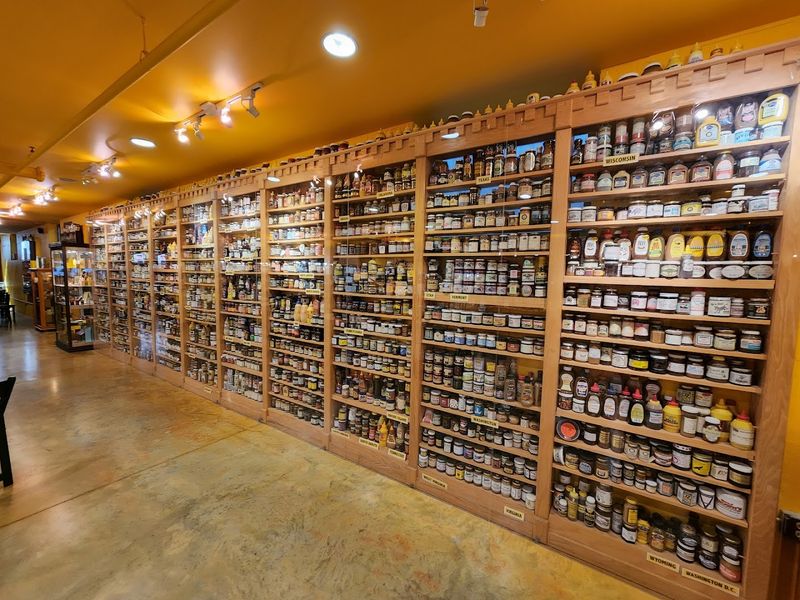
Over 6,000 mustards from more than 70 countries line the shelves of what is arguably the world’s most condiment-obsessed destination. The National Mustard Museum in Middleton, Wisconsin — just outside Madison — was founded by Barry Levenson, a former assistant attorney general who claims he was guided to mustard during a late-night grocery run after a tough loss.
Yes, really.
The museum covers mustard’s surprisingly deep history, tracing its roots back to ancient Rome and medieval Europe. Visitors learn how mustard seeds are processed, how regional varieties developed, and why the condiment became a global staple.
Flavor names get increasingly creative the further you browse — sriracha mustard, blueberry mustard, and ghost pepper mustard all earn shelf space.
The tasting bar is the undisputed highlight, letting guests sample dozens of varieties before deciding on a favorite to take home. Admission is free, which makes it an easy and low-risk adventure.
Even people who claim they don’t like mustard often leave with a jar or two tucked under their arm. It’s proof that passion for any subject — no matter how niche — can build something genuinely wonderful.
Idaho Potato Museum — Blackfoot, Idaho
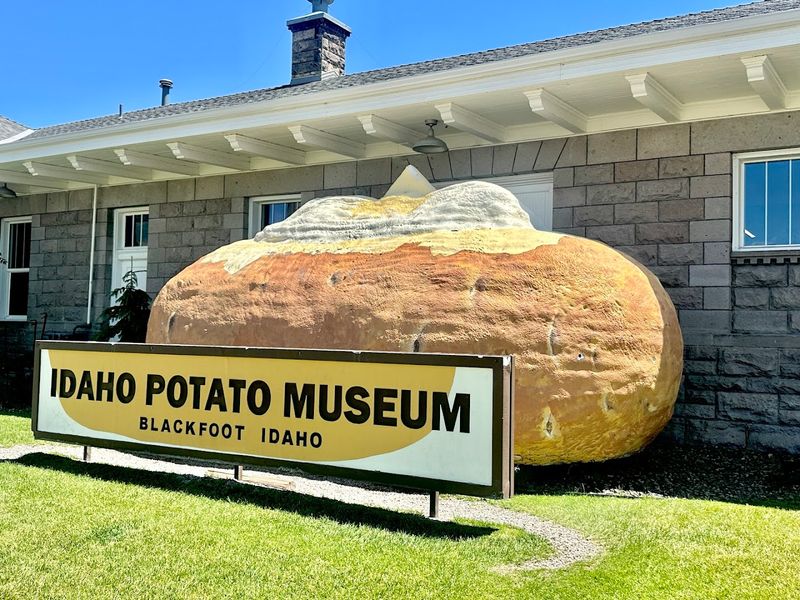
Walk through the doors of the Idaho Potato Museum and prepare to have your understanding of America’s most beloved vegetable completely reshaped. Blackfoot, Idaho calls itself the Potato Capital of the World, and the museum makes a strong case for that title.
Idaho produces roughly one-third of all potatoes grown in the United States, and this place tells that story with surprising depth.
Exhibits cover everything from 19th-century farming tools to the science of potato harvesting. You’ll see a baked potato the size of a small boulder — made from papier-mache, thankfully — and learn about record-breaking potato dishes that have made headlines.
The Potato Hall of Fame honors people who have made significant contributions to the potato industry, which sounds funny until you realize how economically important this crop actually is.
Visitors also receive a free bag of potato chips at the end of the tour, which might be the best museum parting gift in existence. Kids especially love the hands-on sections where they can learn about planting and harvesting.
The Idaho Potato Museum takes something completely ordinary and reveals just how fascinating its history truly is — one fry at a time.
Vent Haven Museum — Kentucky
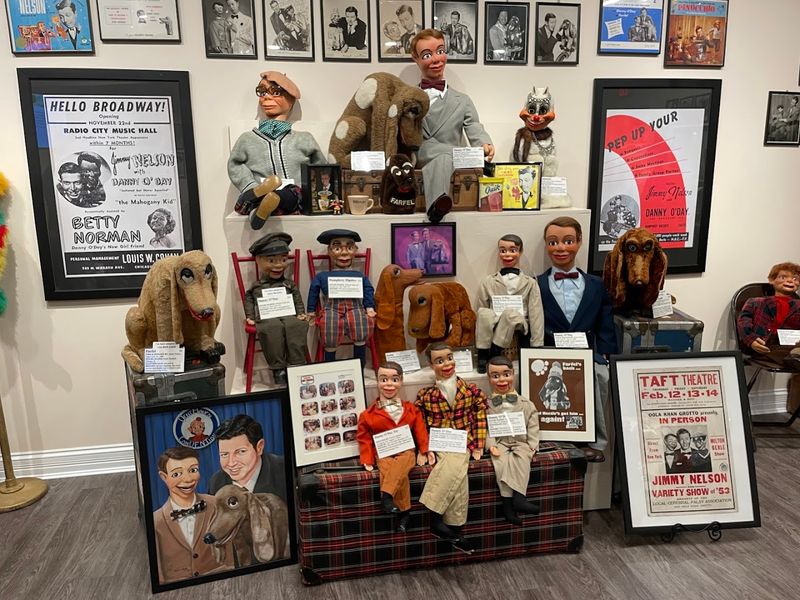
Hundreds of painted wooden faces stare back at you from every direction — welcome to Vent Haven Museum, the world’s only museum dedicated entirely to ventriloquism. Located in Fort Mitchell, Kentucky, the collection was started by William Shakespeare Berger, a Cincinnati businessman who became obsessed with the art form in the early 1900s.
He spent decades collecting figures, eventually amassing over 700 dummies before his death.
Each figure has its own name, personality, and backstory. Some belonged to famous performers; others came from forgotten acts that toured vaudeville stages across the country.
The range of expressions — from cheerful to unsettling — makes browsing the collection feel like flipping through a century of American entertainment history.
Tours are offered by appointment only, which adds a slightly exclusive, mysterious vibe to the whole visit. The museum hosts an annual convention called VentHaven ConVENTion, drawing ventriloquists from around the world to perform and share their craft.
If you’ve ever watched a ventriloquist act and wondered where that strange art form came from, this museum answers every question — and probably raises a few new ones. It’s equal parts fascinating and just a little creepy.
SPAM Museum — Austin, Minnesota
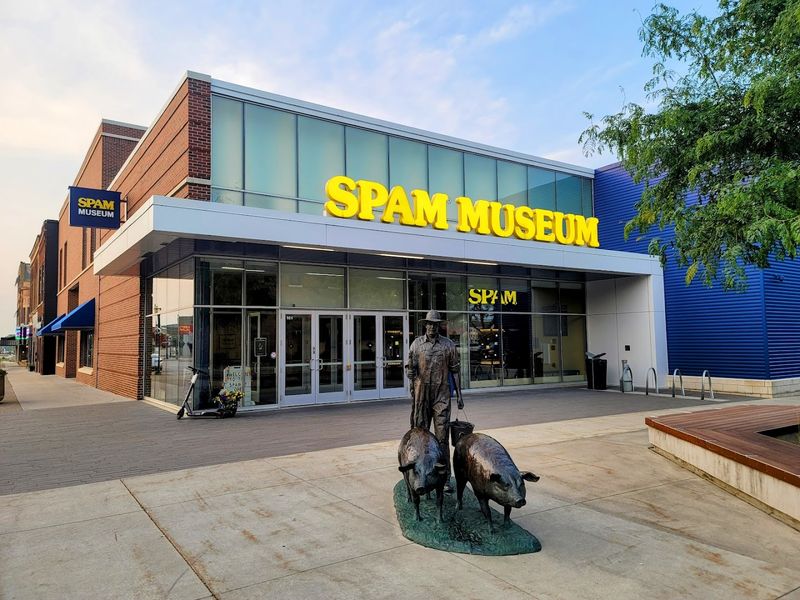
SPAM has been a lunchbox staple, a wartime lifesaver, and a pop culture punchline — and Austin, Minnesota honors every chapter of that wild journey. The SPAM Museum opened in 2001 and was completely renovated in 2016, transforming into a genuinely impressive, free-admission attraction that takes the brand’s history seriously.
Hormel Foods, the company behind SPAM, is headquartered right in Austin, making the location feel perfectly appropriate.
Inside, visitors discover that SPAM played a massive role in feeding Allied troops during World War II. General Dwight D.
Eisenhower reportedly sent a personal letter of thanks to Hormel for the product’s contribution to the war effort. The museum displays original wartime advertisements, vintage cans, and letters that reveal just how deeply the product embedded itself into American and global culture.
Hawaii and South Korea both have passionate SPAM fan bases, and dedicated exhibit sections explain why the canned meat became beloved far beyond American borders. Interactive stations let visitors design their own SPAM label and test their knowledge of the brand’s history.
The museum gift shop sells every SPAM flavor imaginable, including teriyaki, bacon, and lite versions. It’s campy, clever, and surprisingly moving in all the right ways.
Giant Shoe Museum — Seattle, Washington
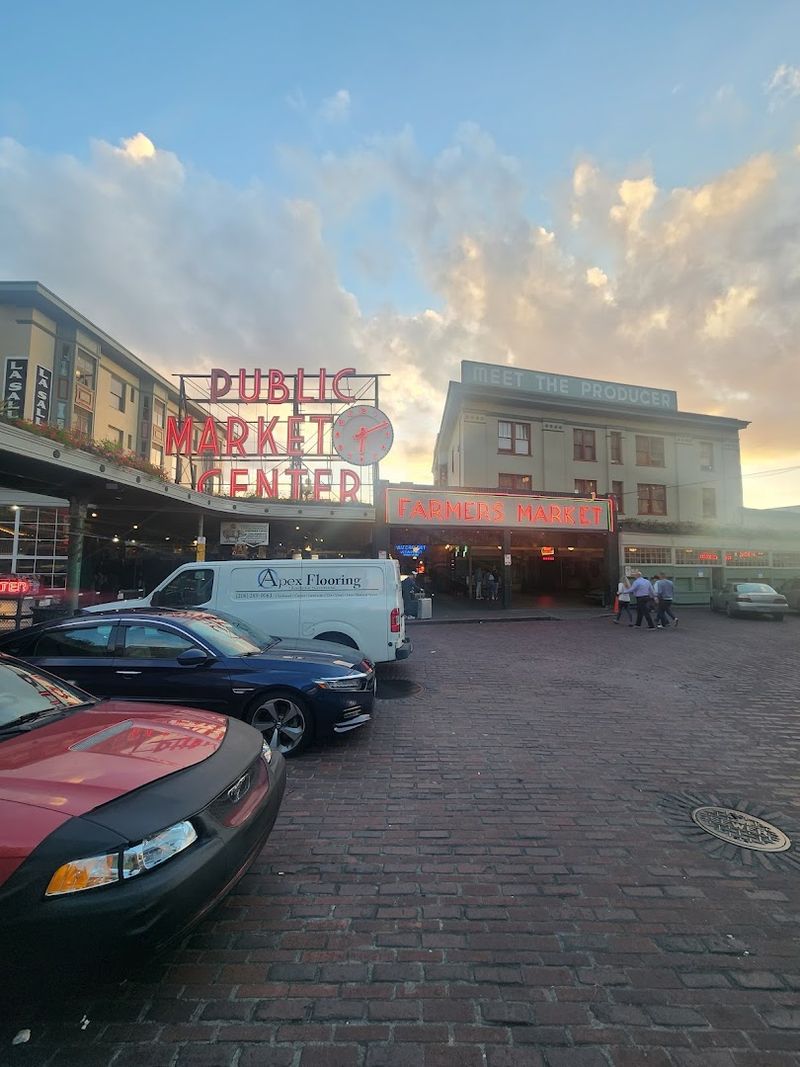
Tucked behind a coin-operated peep show window inside Pike Place Market, the Giant Shoe Museum is possibly the smallest — and most wonderfully absurd — museum in the entire country. Drop a quarter into the slot, and a little curtain rises to reveal an enormous shoe that simply should not exist.
It’s part carnival sideshow, part footwear history, and entirely delightful.
The collection was started by Danny Eskenazi, a Seattle shoe seller with a talent for tracking down the bizarre. Highlights include a boot worn by a circus giant, an enormous platform shoe from a 1970s performer, and custom-made footwear that stretches logic along with leather.
Each shoe comes with a small placard explaining its origin story, adding a layer of context to the sheer weirdness.
The whole experience lasts maybe three minutes per window, which makes it a perfect quick stop between fish-throwing demonstrations and flower stalls at Pike Place. It costs almost nothing and delivers maximum weirdness per dollar spent.
Visitors who stumble upon it by accident tend to describe it as one of their favorite Seattle memories. Sometimes the smallest, strangest things leave the biggest impressions — and the Giant Shoe Museum proves that perfectly.
Freakybuttrue Peculiarium — Portland, Oregon
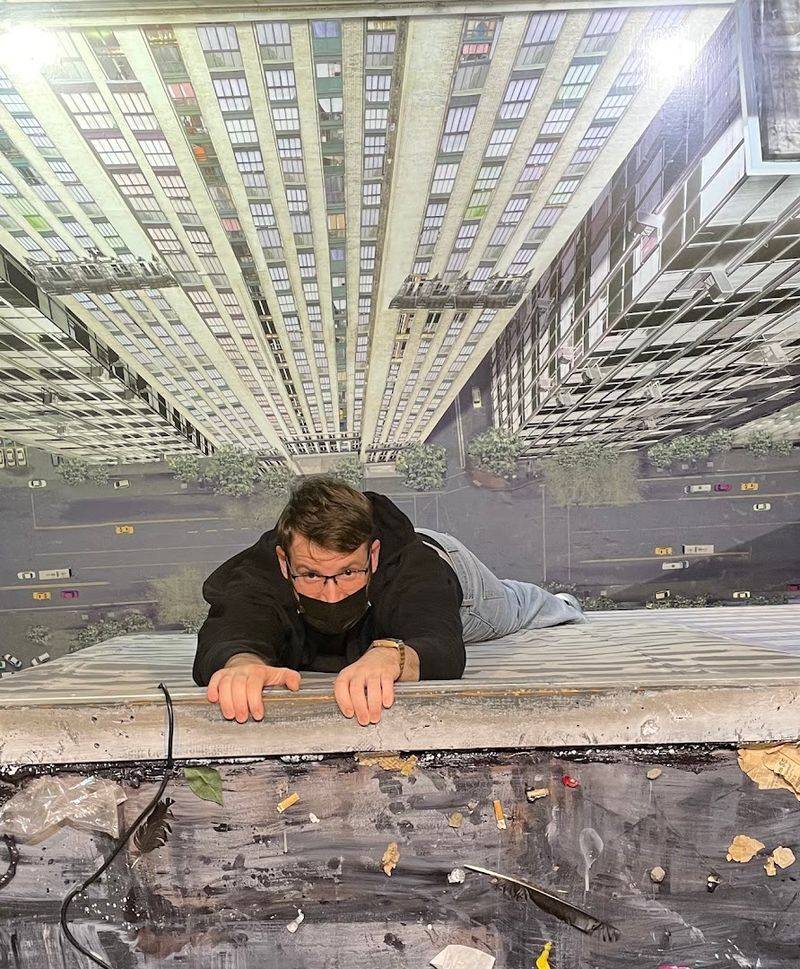
Portland has a well-earned reputation for embracing the strange, and the Freakybuttrue Peculiarium fits right in like a tentacled glove. Part museum, part art gallery, part ice cream shop — yes, ice cream — the Peculiarium throws every weird idea at the wall and somehow makes the whole thing work.
It opened in 2012 and has become one of Portland’s most talked-about offbeat destinations.
Visitors encounter life-size Bigfoot figures, alien autopsy displays, creepy medical oddities, and original artwork that ranges from unsettling to laugh-out-loud funny. The exhibits don’t take themselves too seriously, which is exactly what makes them so enjoyable.
Photo opportunities are everywhere, and the staff actively encourages guests to pose with the strangest installations they can find.
The ice cream flavors follow the theme — think “Alien Brain Hemorrhage” or “Bigfoot Tracks” — turning the whole visit into a multisensory experience. Admission is affordable, and kids tend to go absolutely wild inside.
The Peculiarium captures something special: the joy of being genuinely, unapologetically weird in the best possible way. Portland locals treat it like a neighborhood treasure, and first-time visitors almost always say they’ll come back.
Weird has never been this welcoming.
Abita Mystery House — Louisiana
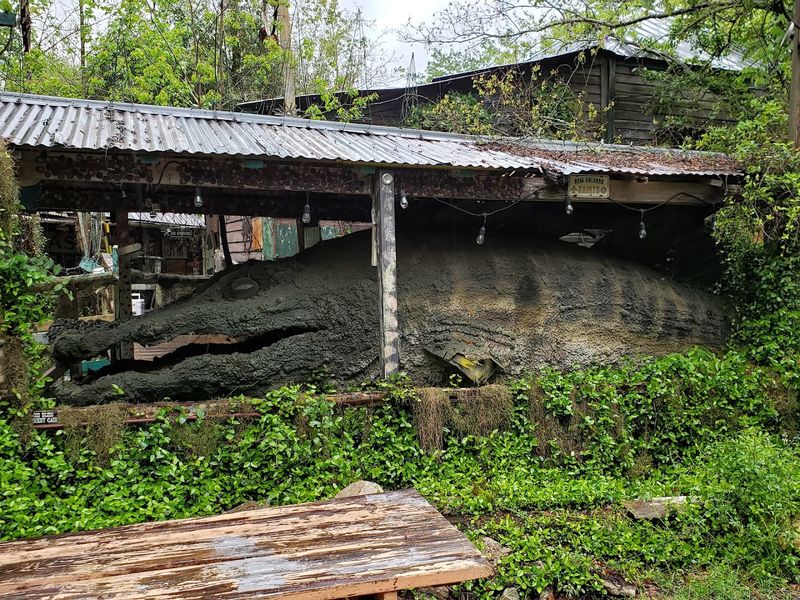
Somewhere between folk art and fever dream sits the Abita Mystery House, a roadside wonder tucked in Abita Springs, Louisiana, about 45 minutes north of New Orleans. Created by artist John Preble, the UCM Museum — which stands for “You See ‘Em” — is a handcrafted universe of bizarre sculptures, found-object inventions, and characters that seem to have tumbled out of a very colorful imagination.
The star attraction is undoubtedly “Dogigator,” a taxidermied creature that is exactly what the name suggests — half dog, half alligator. Nearby, you’ll find a miniature Louisiana town built inside a converted gas station, complete with tiny cars and functioning lights.
Every corner reveals something new, strange, and completely homemade.
Preble built the entire collection over decades, adding new pieces whenever inspiration struck. The result feels less like a museum and more like stepping inside someone’s most creative dream.
Admission is just a few dollars, and children are particularly mesmerized by the sheer variety of weird things packed into one small property. Visitors from around the world make the drive specifically to see it.
The Abita Mystery House is the kind of place that reminds you that outsider art is some of the most honest, joyful art there is.
Trundle Manor — Pennsylvania
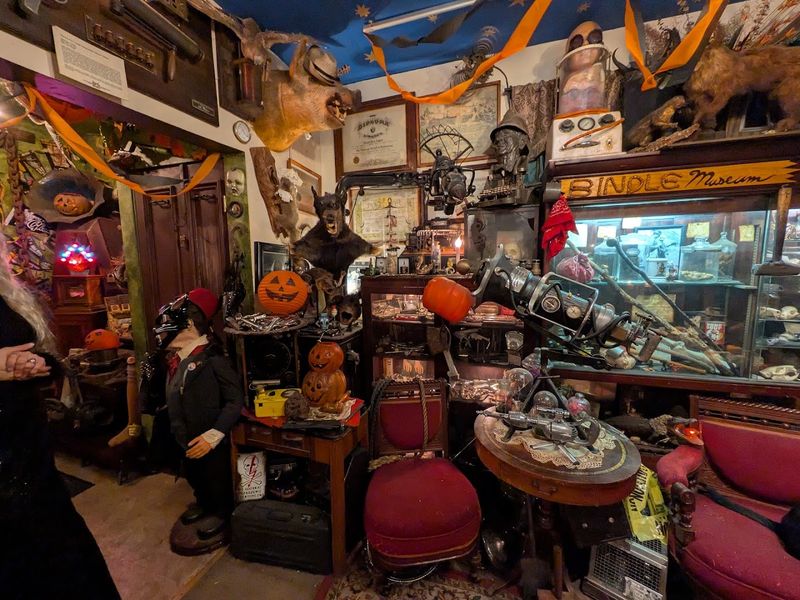
Ring the doorbell at Trundle Manor in Pittsburgh and prepare yourself for something genuinely unlike anything else in Pennsylvania. This private home-turned-curiosity-museum is the creation of artists Spook and Arm, a couple who have spent years filling their Victorian-style property with taxidermy, preserved specimens, antique medical equipment, and cryptozoology artifacts.
The whole place hums with dark, theatrical energy.
Tours run on select weekends and must be booked in advance, which gives the experience an exclusive, almost secretive feel. Guides walk small groups through rooms packed with curiosities — a two-headed calf here, a cabinet of strange surgical tools there.
The storytelling is theatrical and funny, mixing genuine history with gothic flair in a way that keeps visitors completely absorbed.
Spook and Arm continue adding to the collection regularly, meaning repeat visitors often discover new oddities they missed before. The museum blurs the line between home, art installation, and haunted house in the most fascinating way possible.
It’s not for the faint of heart — some exhibits are genuinely unsettling — but that’s precisely the point. Trundle Manor doesn’t try to be comfortable or safe.
It tries to be unforgettable, and on that front, it succeeds completely every single time.
Share this story